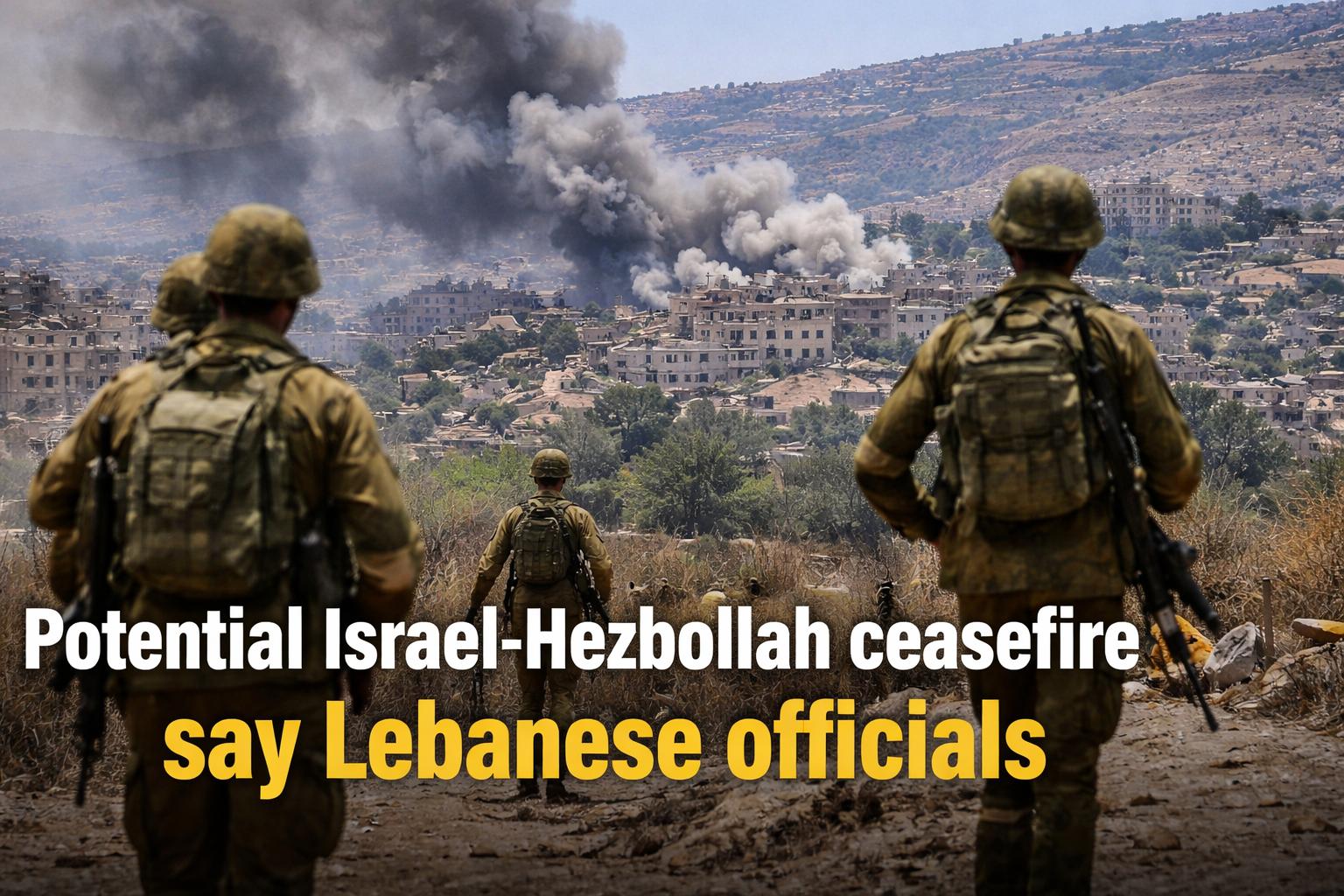
Reports indicate that a ceasefire between Israel and Hezbollah could be announced within days, according to Lebanese officials. The ceasefire is expected to come after Israeli ground forces complete their mission to capture the southern Lebanese town of Bint Jbeil, a stronghold of Hezbollah. Israeli Prime Minister Benjamin Netanyahu confirmed on April 15 that Israeli troops were “about to defeat” Hezbollah in the area.
The potential truce marks a complex and pivotal moment in the ongoing conflict in West Asia, which has seen escalating violence between Israel and Hezbollah. The situation intensified after Hezbollah launched rocket attacks on Israel in response to the killing of Iranian Supreme Leader Ali Khamenei. This event set off a chain of actions, including the US-Israel campaign against Iran. Since the launch of the Israeli offensive on March 2, over 2,167 people have been killed in Lebanon, including 172 children and 91 medical personnel, with more than one million people displaced, according to Lebanon’s health ministry.
The main objective for Israeli forces in southern Lebanon is to establish a buffer zone that stretches 8 to 10 kilometers inside the Lebanese border. While Israeli officials claim the operation is crucial for national security, questions have arisen over the extent to which Lebanon should be included in the US-Iran ceasefire agreement.
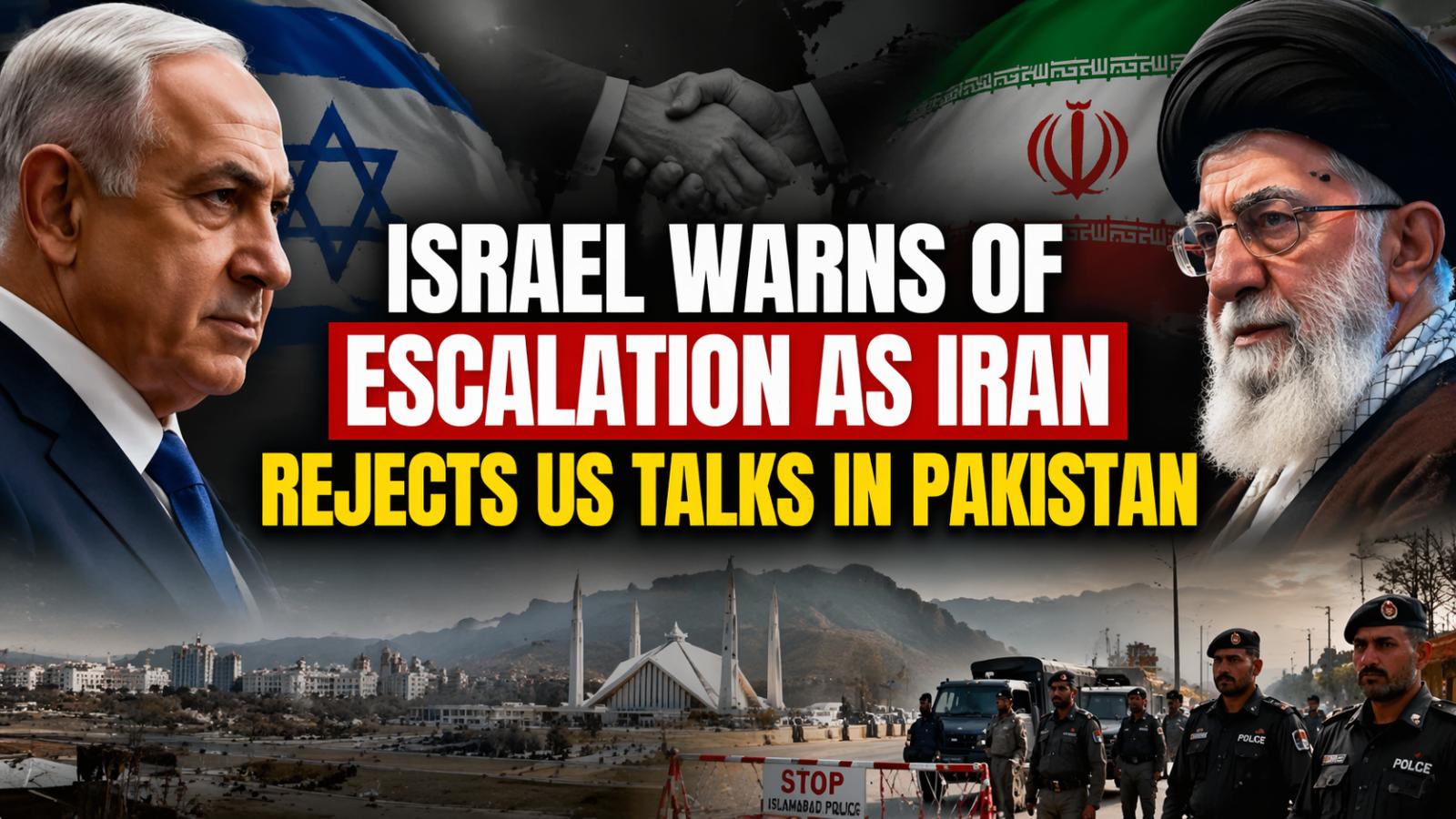
The United States and Israel have firmly stated that the 14-day ceasefire negotiated between the US and Iran last week does not apply to Lebanon. In contrast, Iran and Pakistan, which have been mediating between Washington and Tehran, have insisted that the truce does cover Lebanon as well. This divergence of opinion has created friction, as Lebanon’s future remains uncertain amidst ongoing hostilities.
A senior official from the Trump administration, speaking on the condition of anonymity, acknowledged that President Donald Trump would “welcome the end of hostilities in Lebanon.” However, the official emphasized that peace talks between Israel and Lebanon were separate from the US-Iran negotiations. This division in diplomatic approaches has added another layer of complexity to the conflict, leaving the region in a state of precarious uncertainty.
As the situation unfolds, the possibility of a ceasefire remains uncertain, with international actors continuing to push for a resolution while the human toll continues to rise.