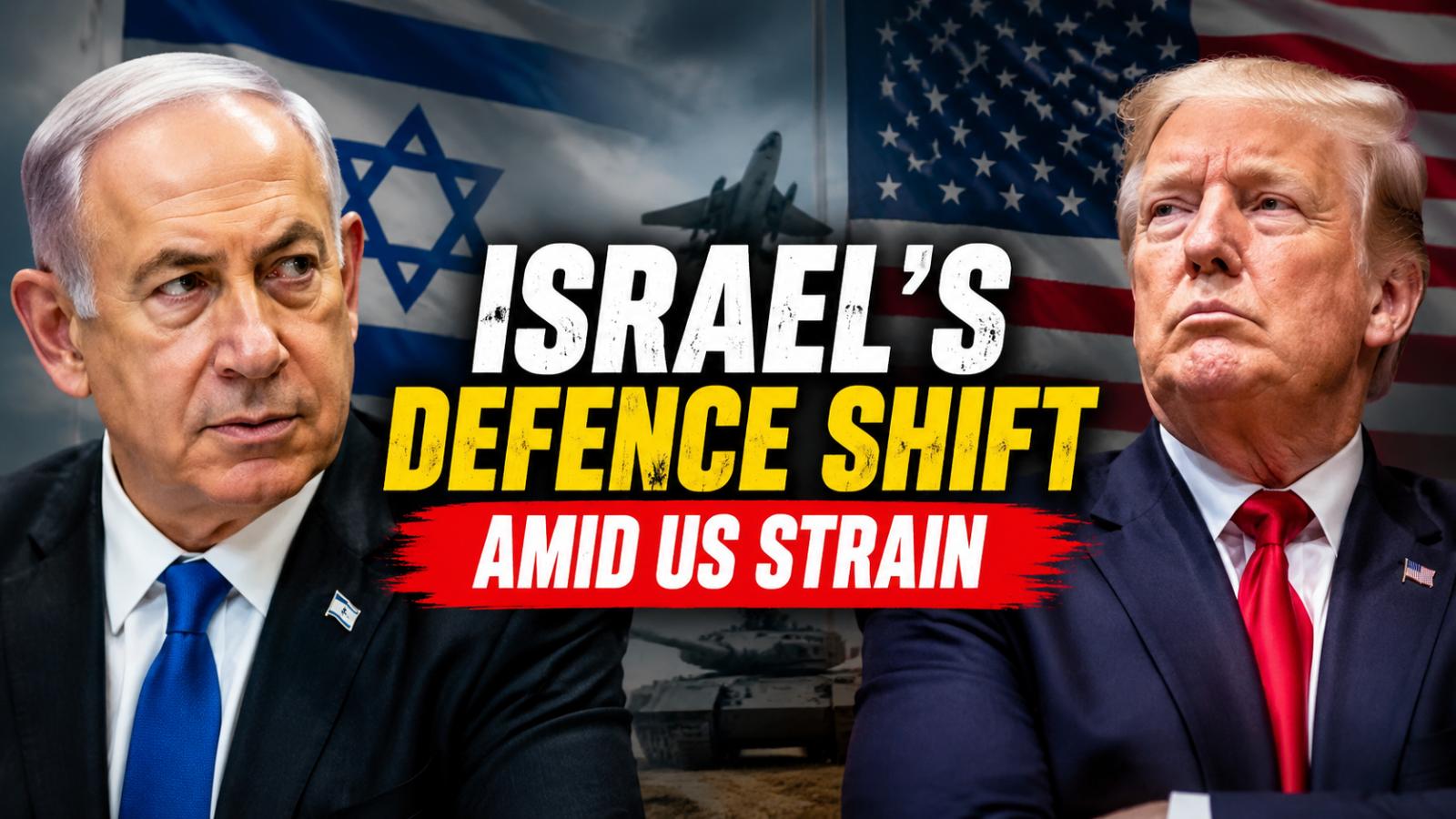
Israel shifts defence strategy amid US political strain
Tensions between Israel and the United States over regional security priorities have added pressure on Prime Minister Benjamin Netanyahu’s government to accelerate its push for greater military independence. The discussion has gained momentum as Israel continues operations linked to Iran-backed groups while simultaneously responding to diplomatic developments involving Washington and Tehran. Netanyahu recently emphasized that Israel cannot depend entirely on external military supply chains for long-term security needs. His remarks were delivered during a meeting with reserve officers in the West Bank, where he highlighted the importance of strengthening domestic defence production and reducing strategic vulnerabilities linked to foreign policy shifts. Domestic defence capacity becomes a strategic priority Israeli leadership is increasingly focused on expanding its local defence manufacturing ecosystem. The plan includes scaling up production of advanced weapon systems, improving technological innovation within the military sector, and reducing delays caused by international procurement dependencies. Officials argue that while US military support remains critical, future conflict scenarios require Israel to maintain uninterrupted access to essential defence capabilities without external constraints. This shift reflects broader concerns about regional instability and the speed at which security threats evolve. Diplomatic friction over regional agreements Recent US-led diplomatic efforts involving Iran have added another layer of complexity to the relationship. Israeli policymakers have expressed concern that regional understandings may not fully address threats posed by groups such as Hezbollah, which continue to operate along Israel’s northern border. From Israel’s perspective, security decisions tied to immediate threats cannot be constrained by broader international agreements. This difference in approach has created periodic friction between Washington and Jerusalem, even as both sides publicly reaffirm their strategic partnership. Political messaging highlights diverging priorities Netanyahu’s statements also reflect internal political messaging aimed at reinforcing a doctrine of strategic independence. While maintaining that the US remains Israel’s most important ally, he has repeatedly stressed that national security decisions must ultimately remain under Israeli control. The debate has also been reflected in wider political discourse, including commentary associated with US political figures and shifting positions on Middle East engagement. Although both governments continue coordination on defence matters, differences in threat assessment and timing of responses remain evident. Strategic autonomy framed as long-term necessity Israeli officials describe the current shift not as a break from alliances but as a recalibration of priorities. The focus is on ensuring that Israel can respond rapidly to evolving threats in a region marked by proxy conflicts, cross-border tensions, and shifting diplomatic alignments. The emerging strategy positions defence self-reliance as a structural requirement rather than a temporary policy adjustment, signaling a longer-term transformation in how Israel plans its security framework.
Israel shifts defence strategy amid US political strain
Tensions between Israel and the United States over regional security priorities have added pressure on Prime Minister Benjamin Netanyahu’s government to accelerate its push for greater military independence. The discussion has gained momentum as Israel continues operations linked to Iran-backed groups while simultaneously responding to diplomatic developments involving Washington and Tehran. Netanyahu recently emphasized that Israel cannot depend entirely on external military supply chains for long-term security needs. His remarks were delivered during a meeting with reserve officers in the West Bank, where he highlighted the importance of strengthening domestic defence production and reducing strategic vulnerabilities linked to foreign policy shifts. Domestic defence capacity becomes a strategic priority Israeli leadership is increasingly focused on expanding its local defence manufacturing ecosystem. The plan includes scaling up production of advanced weapon systems, improving technological innovation within the military sector, and reducing delays caused by international procurement dependencies. Officials argue that while US military support remains critical, future conflict scenarios require Israel to maintain uninterrupted access to essential defence capabilities without external constraints. This shift reflects broader concerns about regional instability and the speed at which security threats evolve. Diplomatic friction over regional agreements Recent US-led diplomatic efforts involving Iran have added another layer of complexity to the relationship. Israeli policymakers have expressed concern that regional understandings may not fully address threats posed by groups such as Hezbollah, which continue to operate along Israel’s northern border. From Israel’s perspective, security decisions tied to immediate threats cannot be constrained by broader international agreements. This difference in approach has created periodic friction between Washington and Jerusalem, even as both sides publicly reaffirm their strategic partnership. Political messaging highlights diverging priorities Netanyahu’s statements also reflect internal political messaging aimed at reinforcing a doctrine of strategic independence. While maintaining that the US remains Israel’s most important ally, he has repeatedly stressed that national security decisions must ultimately remain under Israeli control. The debate has also been reflected in wider political discourse, including commentary associated with US political figures and shifting positions on Middle East engagement. Although both governments continue coordination on defence matters, differences in threat assessment and timing of responses remain evident. Strategic autonomy framed as long-term necessity Israeli officials describe the current shift not as a break from alliances but as a recalibration of priorities. The focus is on ensuring that Israel can respond rapidly to evolving threats in a region marked by proxy conflicts, cross-border tensions, and shifting diplomatic alignments. The emerging strategy positions defence self-reliance as a structural requirement rather than a temporary policy adjustment, signaling a longer-term transformation in how Israel plans its security framework.
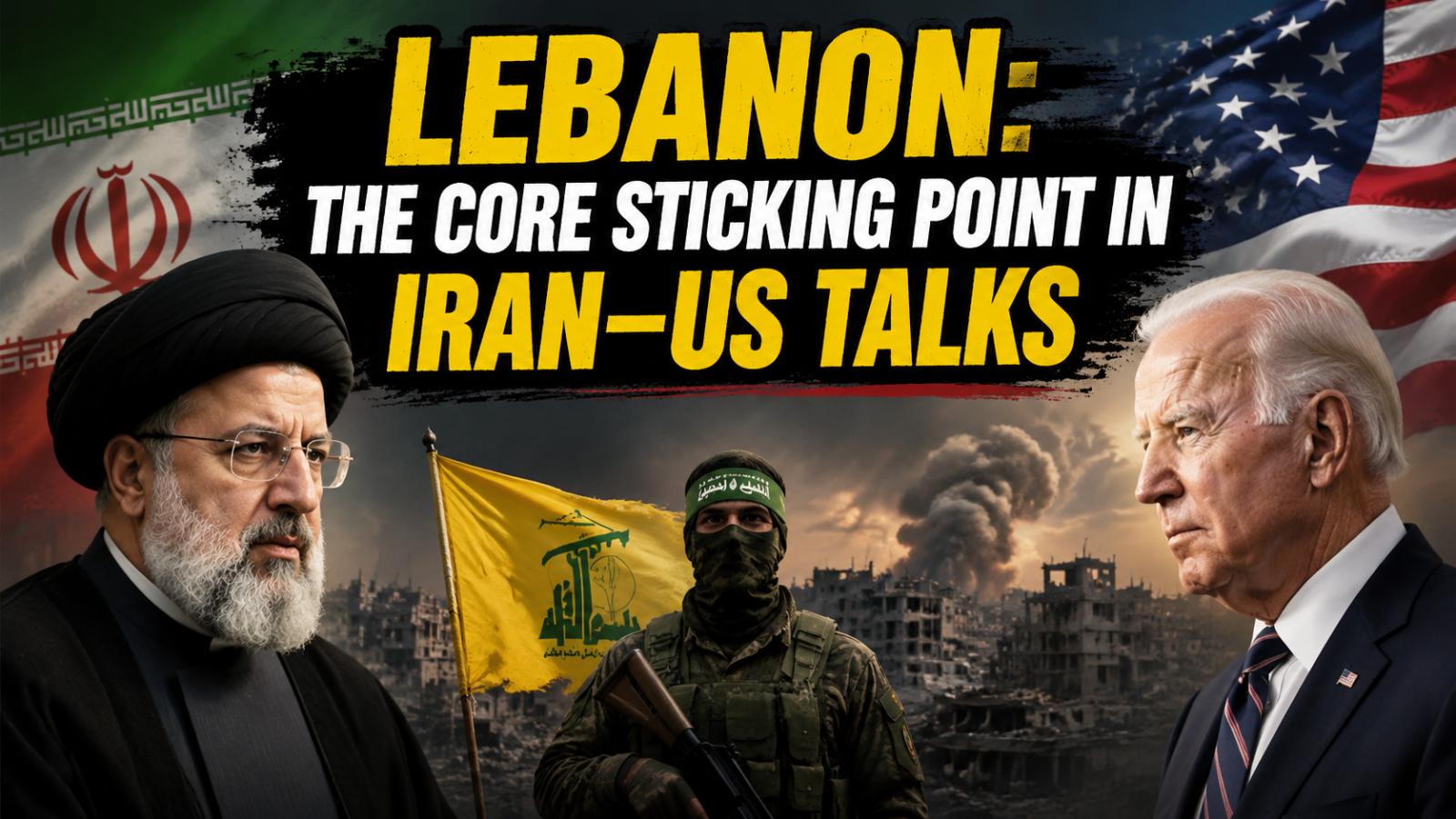
Iran–US talks stall as Lebanon crisis deepens over Hezbollah role
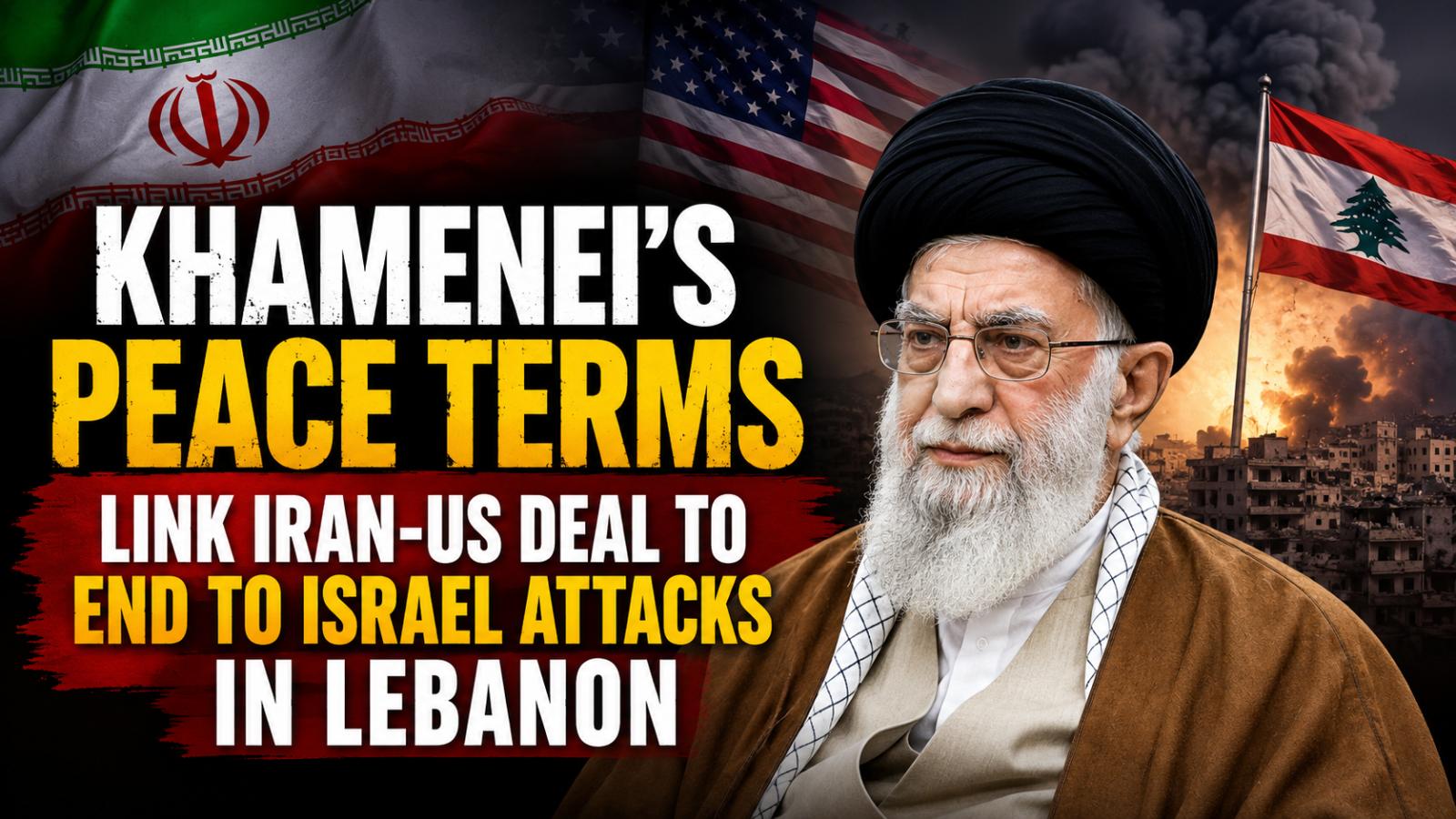
Negotiations between Iran and the United States are increasingly being shaped by events in Lebanon, where Hezbollah’s presence has turned a local conflict into a regional negotiation barrier. What was once a narrow security issue has evolved into a wider political and military deadlock involving multiple state and non-state actors. Hezbollah’s dual structure complicates negotiations Hezbolla

Iran–US talks stall as Lebanon crisis deepens over Hezbollah role
Negotiations between Iran and the United States are increasingly being shaped by events in Lebanon, where Hezbollah’s presence has turned a local conflict into a regional negotiation barrier. What was once a narrow security issue has evolved into a wider political and military deadlock involving multiple state and non-state actors. Hezbollah’s dual structure complicates negotiations Hezbolla
Israel Lebanon border tension grows over Beaufort Castle
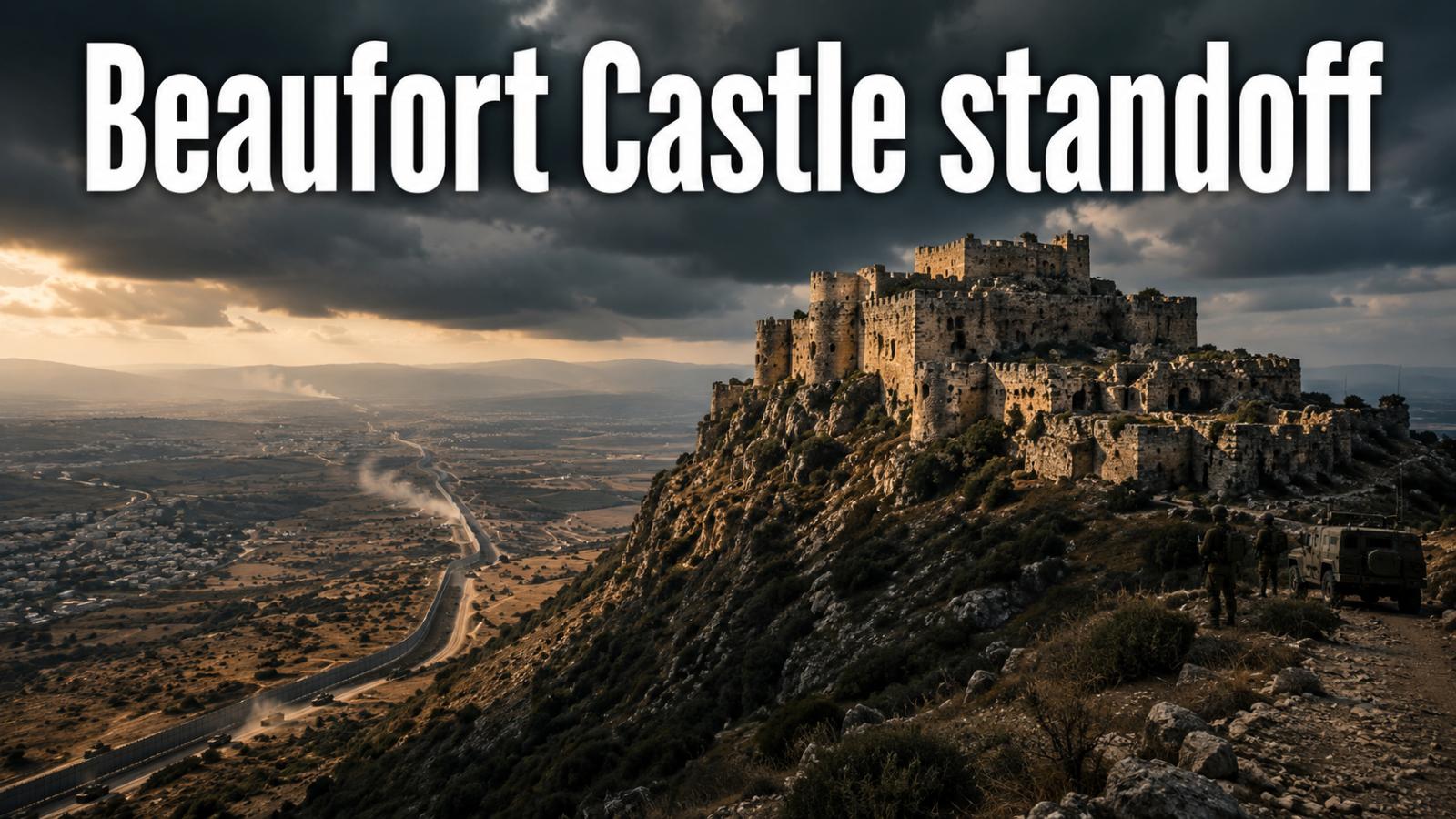
Israel has signalled that its forces will remain in parts of southern Lebanon, including the area around Beaufort Castle, as border security remains a major concern despite continuing ceasefire pressure. Israeli officials say the military-held zone is needed to protect communities in Galilee and prevent Hezbollah-linked groups from regaining positions close to northern Israel. Defence Minister Israel Katz said Israel does not intend to wit
Israel Lebanon border tension grows over Beaufort Castle
Israel has signalled that its forces will remain in parts of southern Lebanon, including the area around Beaufort Castle, as border security remains a major concern despite continuing ceasefire pressure. Israeli officials say the military-held zone is needed to protect communities in Galilee and prevent Hezbollah-linked groups from regaining positions close to northern Israel. Defence Minister Israel Katz said Israel does not intend to wit
Netanyahu rejects claims Trump controls Israel decisions
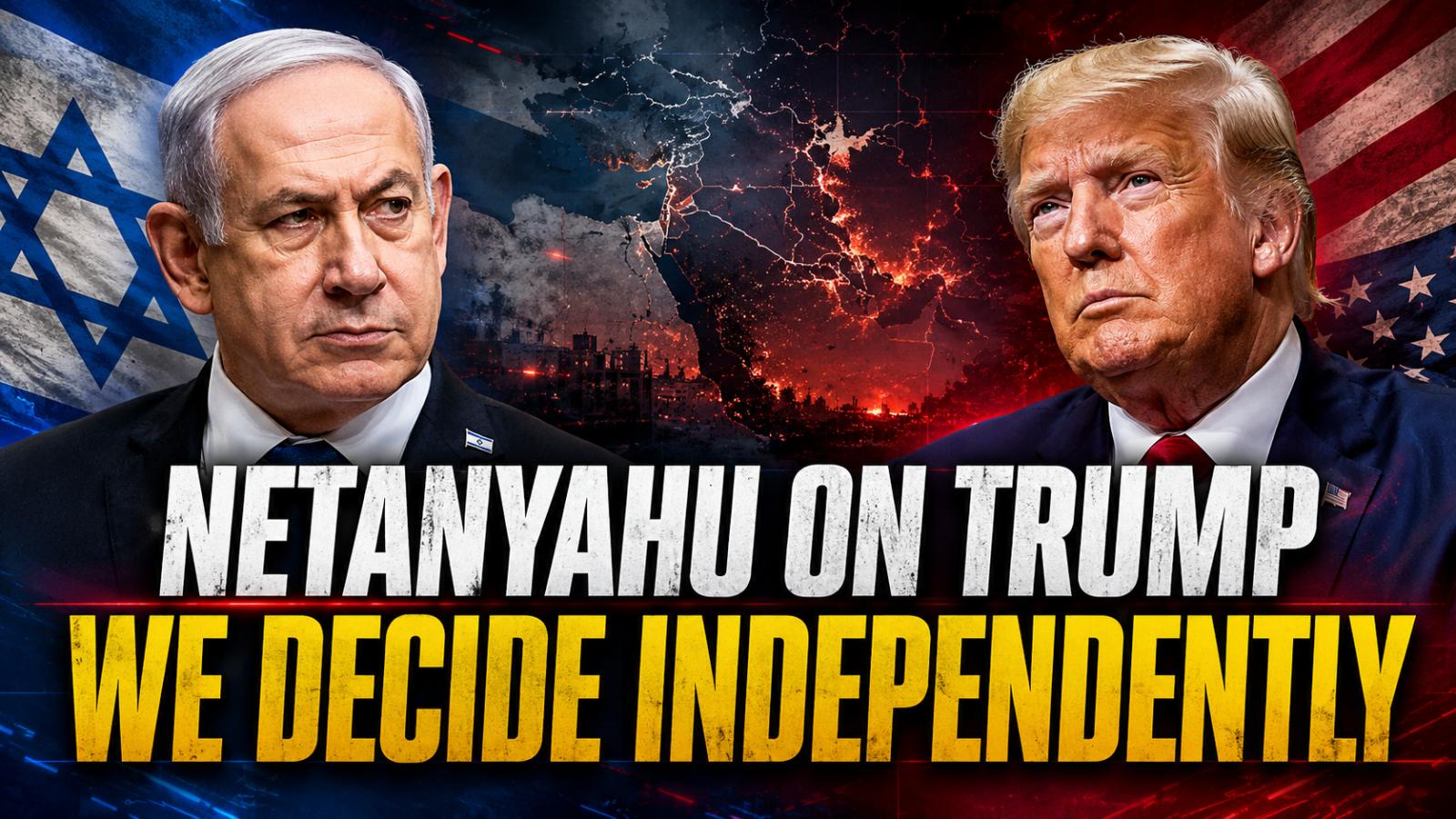
Netanyahu rejects influence claims Israeli Prime Minister Benjamin Netanyahu has rejected claims that US President Donald Trump controls his decisions or that he directs Trump’s actions, saying both leaders act independently in the interests of their own countries. Speaking at the JNS Summit in Jerusalem on Sunday, June 21, Netanyahu addressed speculation over whether the two leaders influence each other’s positions on the Iran war and br
Netanyahu rejects claims Trump controls Israel decisions
Netanyahu rejects influence claims Israeli Prime Minister Benjamin Netanyahu has rejected claims that US President Donald Trump controls his decisions or that he directs Trump’s actions, saying both leaders act independently in the interests of their own countries. Speaking at the JNS Summit in Jerusalem on Sunday, June 21, Netanyahu addressed speculation over whether the two leaders influence each other’s positions on the Iran war and br
Trump warns Iran as Hormuz tensions hit talks
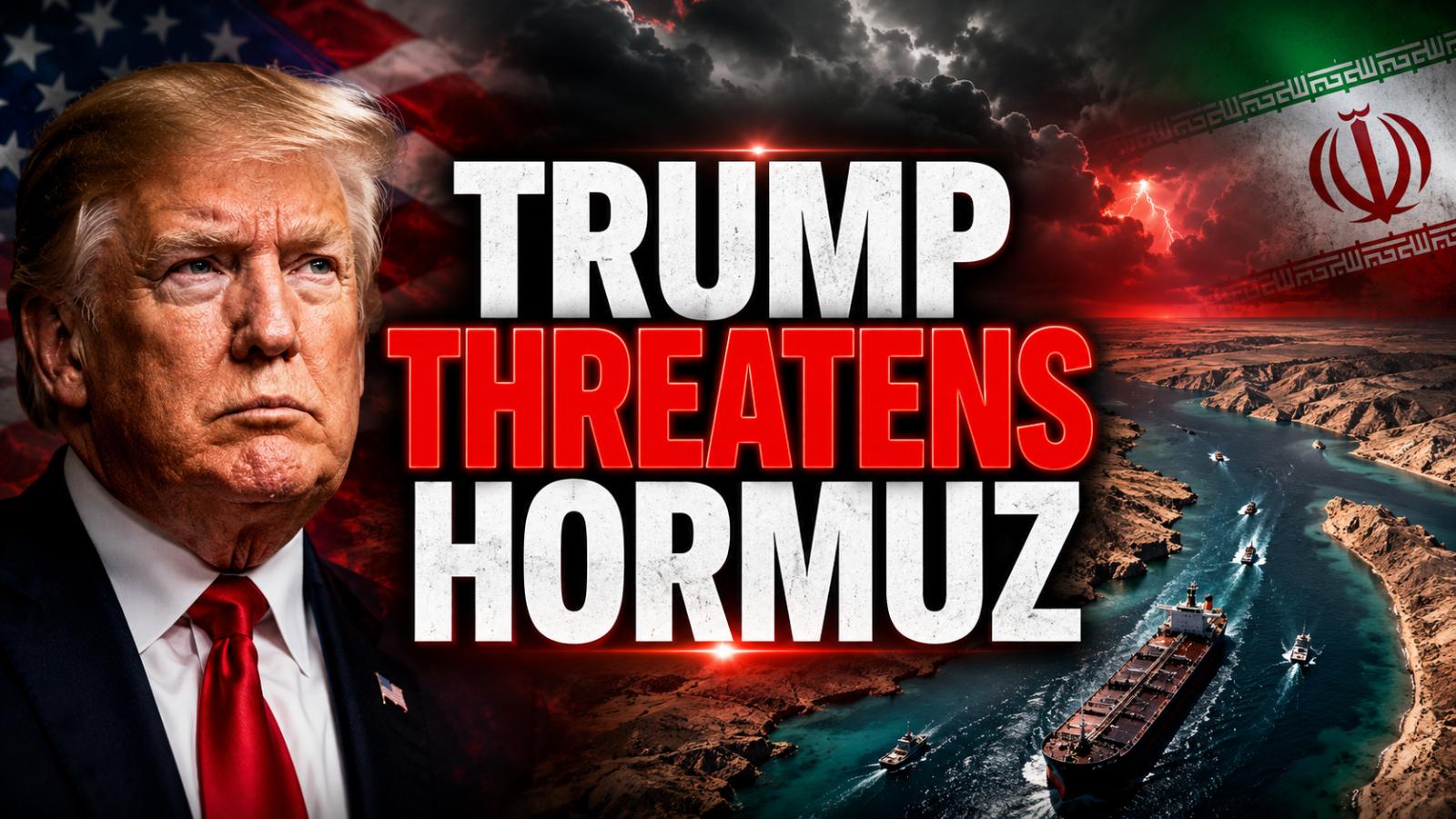
Trump raises pressure over Strait of Hormuz US President Donald Trump has warned that the United States could move to control the Strait of Hormuz if Iran does not reach a deal with Washington, escalating tensions as US Iran talks continue in Switzerland. In remarks during a media interview, Trump said the US could act as a “guardian angel” for the strategic waterway and suggested Washington could claim a share linked to oil movement thro
Trump warns Iran as Hormuz tensions hit talks
Trump raises pressure over Strait of Hormuz US President Donald Trump has warned that the United States could move to control the Strait of Hormuz if Iran does not reach a deal with Washington, escalating tensions as US Iran talks continue in Switzerland. In remarks during a media interview, Trump said the US could act as a “guardian angel” for the strategic waterway and suggested Washington could claim a share linked to oil movement thro
US Iran talks continue in Switzerland despite walkout
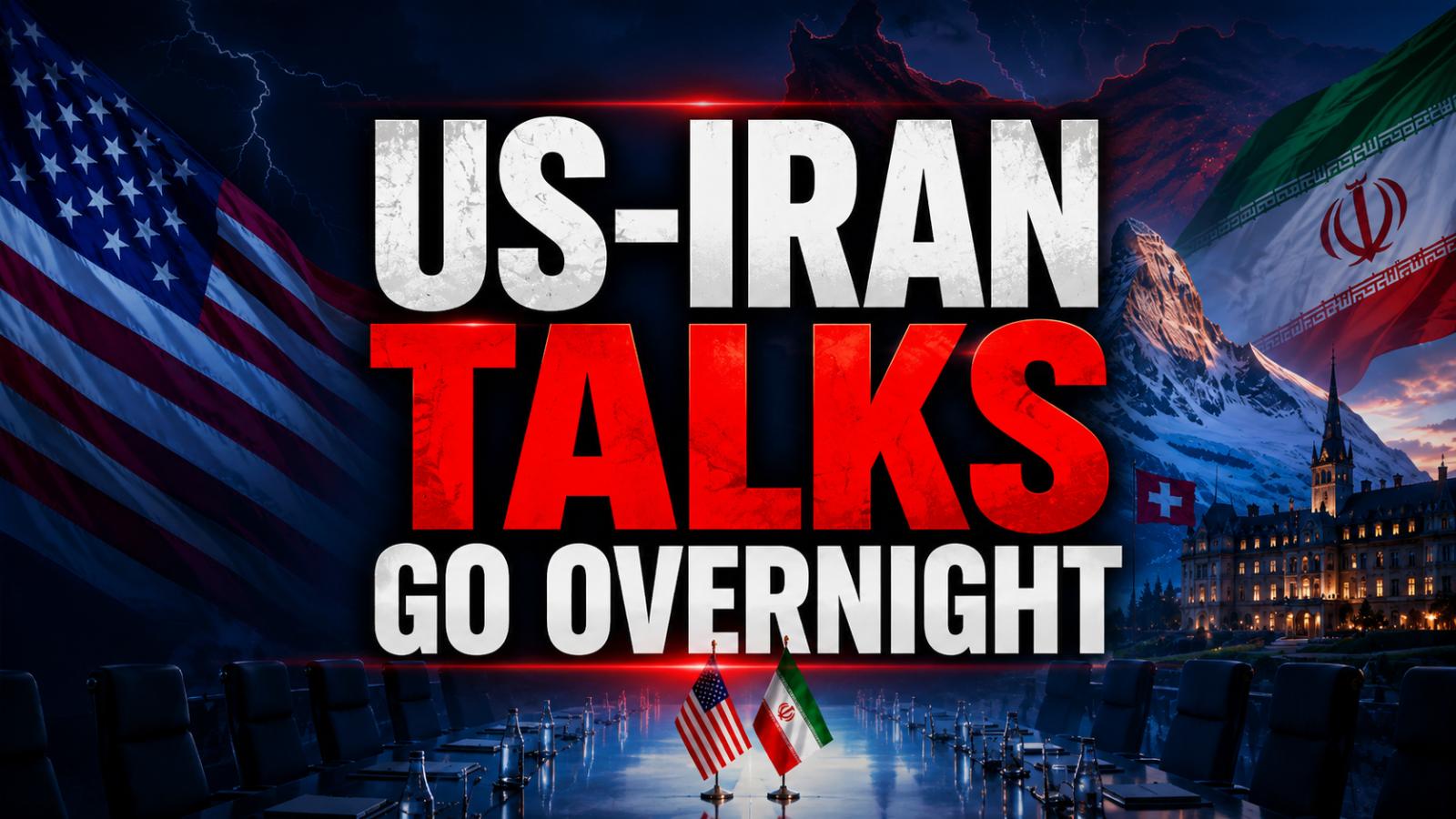
US Iran talks face early tension in Switzerland US and Iranian negotiators continued discussions in Switzerland into the early hours of Monday, June 22, as both sides attempted to advance a fragile diplomatic process aimed at reducing months of conflict across the Middle East. The talks, held at the Swiss resort of Burgenstock, focused on regional security issues and efforts to prevent further escalation that has unsettled global energy marke
US Iran talks continue in Switzerland despite walkout
US Iran talks face early tension in Switzerland US and Iranian negotiators continued discussions in Switzerland into the early hours of Monday, June 22, as both sides attempted to advance a fragile diplomatic process aimed at reducing months of conflict across the Middle East. The talks, held at the Swiss resort of Burgenstock, focused on regional security issues and efforts to prevent further escalation that has unsettled global energy marke
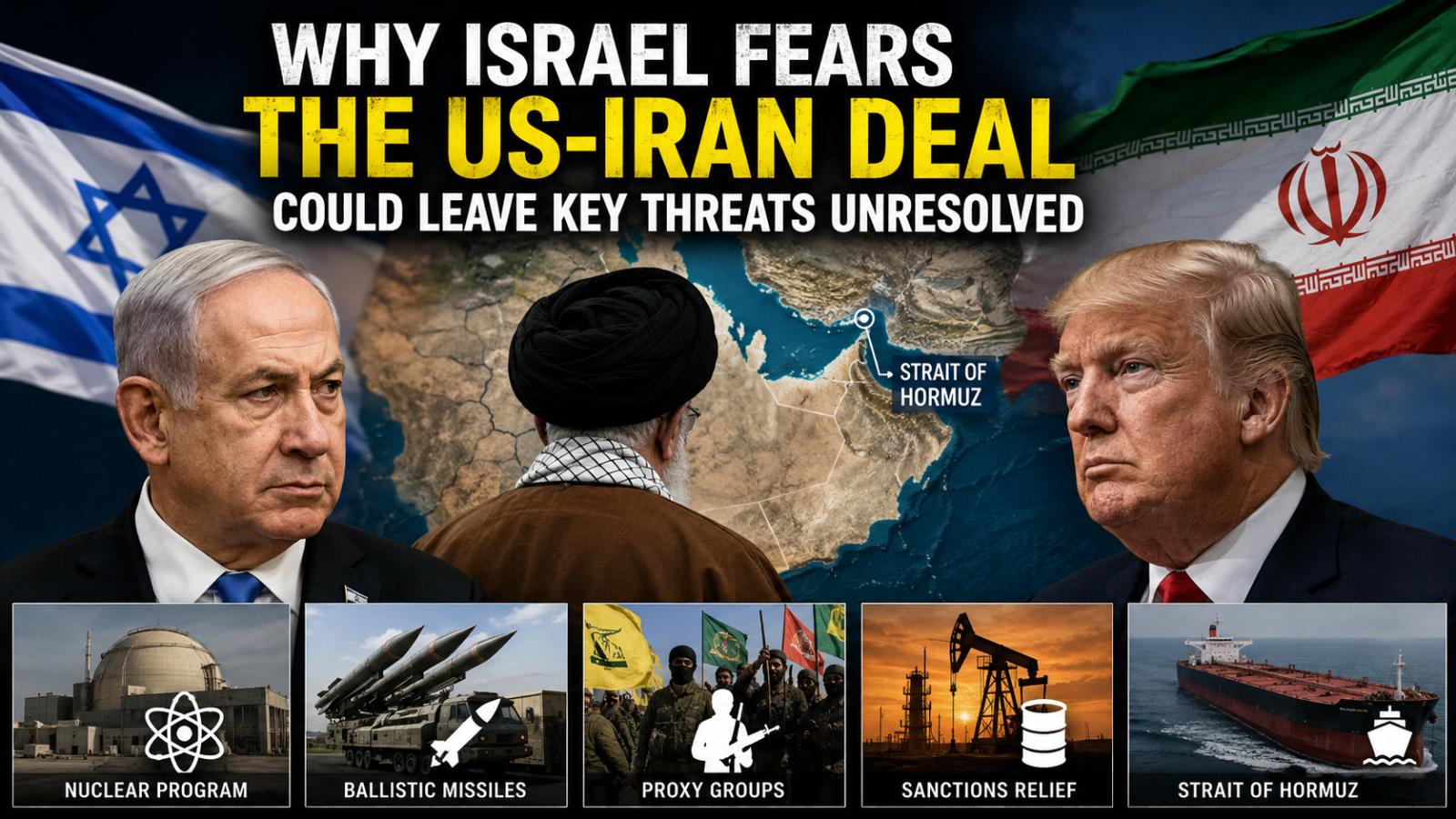
Why Israel Fears the US-Iran Deal Could Leave Key Threats Unresolved
The US-Iran deal has opened a 60-day diplomatic window, but it has also sharpened security concerns in Israel. Israeli officials and analysts worry that Tehran could receive economic relief while decisions on uranium enrichment, ballistic missiles and regional armed groups remain unsettled. The negotiation period began on Thursday, June 18, 2026, under an interim memorandum approved by President Donald Trump and Iranian leaders. The framework seeks to halt hostiliti
Why Israel Fears the US-Iran Deal Could Leave Key Threats Unresolved
The US-Iran deal has opened a 60-day diplomatic window, but it has also sharpened security concerns in Israel. Israeli officials and analysts worry that Tehran could receive economic relief while decisions on uranium enrichment, ballistic missiles and regional armed groups remain unsettled. The negotiation period began on Thursday, June 18, 2026, under an interim memorandum approved by President Donald Trump and Iranian leaders. The framework seeks to halt hostiliti
US-Iran Talks Postponed as Trump’s Iran Memorandum Faces Lebanon Test
US-Iran talks were postponed on Friday, June 19, 2026, as President Donald Trump’s interim Iran memorandum faced questions over nuclear safeguards, financial incentives and renewed fighting in Lebanon. US-Iran talks postponed in Switzerland Switzerland’s Foreign Ministry said planned talks involving the United States, Iran, Qatar and Pakistan had been postponed. It did not announce a new date. The White House had earlier delayed Vice President JD Van
US-Iran Talks Postponed as Trump’s Iran Memorandum Faces Lebanon Test
US-Iran talks were postponed on Friday, June 19, 2026, as President Donald Trump’s interim Iran memorandum faced questions over nuclear safeguards, financial incentives and renewed fighting in Lebanon. US-Iran talks postponed in Switzerland Switzerland’s Foreign Ministry said planned talks involving the United States, Iran, Qatar and Pakistan had been postponed. It did not announce a new date. The White House had earlier delayed Vice President JD Van
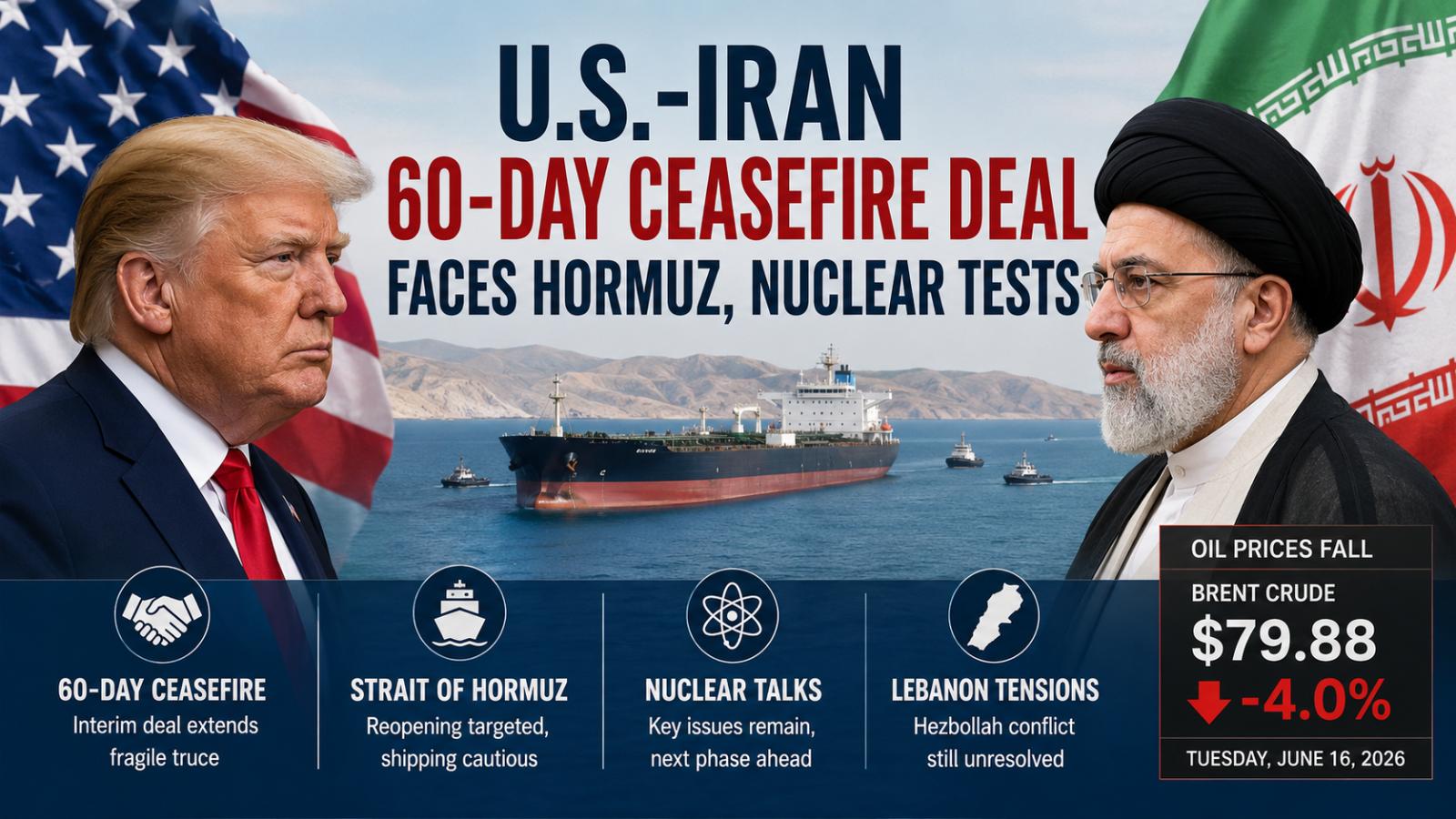
U.S.-Iran 60-Day Ceasefire Deal Faces Hormuz, Nuclear Tests
EVIAN-LES-BAINS, France — The U.S.-Iran 60-day ceasefire deal is designed to extend April’s fragile truce and reopen the Strait of Hormuz, but key questions remain over Iran’s nuclear program, shipping security and the conflict in Lebanon. President Donald Trump said at the Group of Seven summit on Tuesday, June 16, 2026, that the interim agreement would be released publicly and would bar Tehran from obtaining a nuclear weapon. A formal signing is expected in Switzerland on Fr
U.S.-Iran 60-Day Ceasefire Deal Faces Hormuz, Nuclear Tests
EVIAN-LES-BAINS, France — The U.S.-Iran 60-day ceasefire deal is designed to extend April’s fragile truce and reopen the Strait of Hormuz, but key questions remain over Iran’s nuclear program, shipping security and the conflict in Lebanon. President Donald Trump said at the Group of Seven summit on Tuesday, June 16, 2026, that the interim agreement would be released publicly and would bar Tehran from obtaining a nuclear weapon. A formal signing is expected in Switzerland on Fr
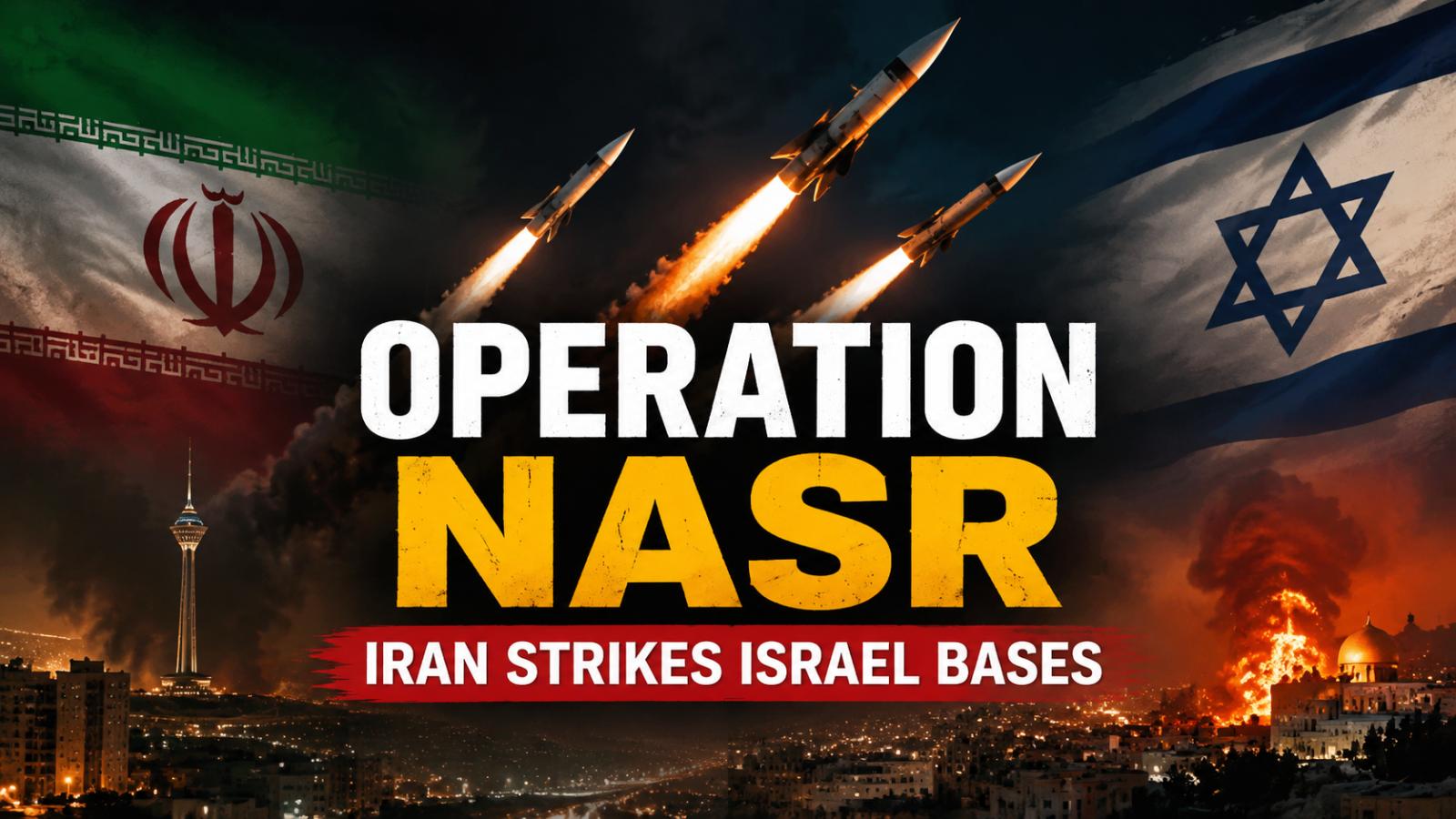
Iran launches Operation Nasr targeting Israeli military bases
Iran has taken a decisive step from proxy engagements to direct military action against Israel. Named “Operation Nasr,” meaning “victory,” the mission was launched in response to Israeli attacks on Beirut’s Dahiyeh district in Lebanon. Iranian forces targeted Nevatim Airbase in southern Israel and Tel Nof Airbase near Tel Aviv, employing advanced ballistic missiles including Emad, Qadr-F, and Kheibar Shekan. This move highlights Tehran’s readiness to defend its strategic interests
Iran launches Operation Nasr targeting Israeli military bases
Iran has taken a decisive step from proxy engagements to direct military action against Israel. Named “Operation Nasr,” meaning “victory,” the mission was launched in response to Israeli attacks on Beirut’s Dahiyeh district in Lebanon. Iranian forces targeted Nevatim Airbase in southern Israel and Tel Nof Airbase near Tel Aviv, employing advanced ballistic missiles including Emad, Qadr-F, and Kheibar Shekan. This move highlights Tehran’s readiness to defend its strategic interests
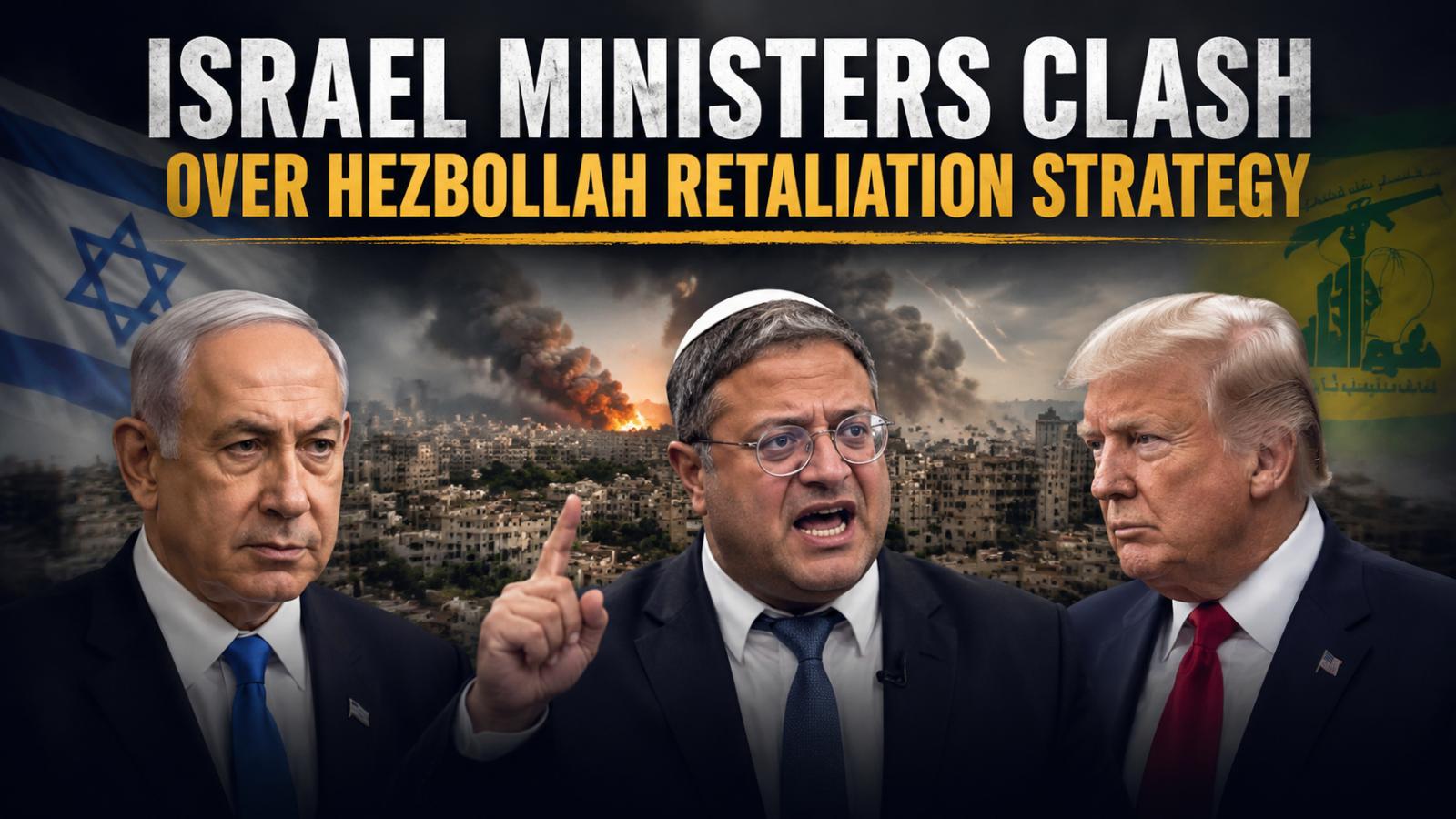
Israel cabinet debates response to Hezbollah drone attacks
Israel’s security cabinet is grappling with internal disagreements on how to respond to recent Hezbollah drone attacks along the northern border. Far-right National Security Minister Itamar Ben-Gvir has called for assertive measures, including targeted strikes in Hezbollah-controlled areas and increased military operations in southern Lebanon. Ministers are debating how to balance decisive military action with diplomatic caution, particularly amid ongoing US scrutiny.
Israel cabinet debates response to Hezbollah drone attacks
Israel’s security cabinet is grappling with internal disagreements on how to respond to recent Hezbollah drone attacks along the northern border. Far-right National Security Minister Itamar Ben-Gvir has called for assertive measures, including targeted strikes in Hezbollah-controlled areas and increased military operations in southern Lebanon. Ministers are debating how to balance decisive military action with diplomatic caution, particularly amid ongoing US scrutiny.
Tensions Escalate as Israeli Strikes Target Southern Lebanon
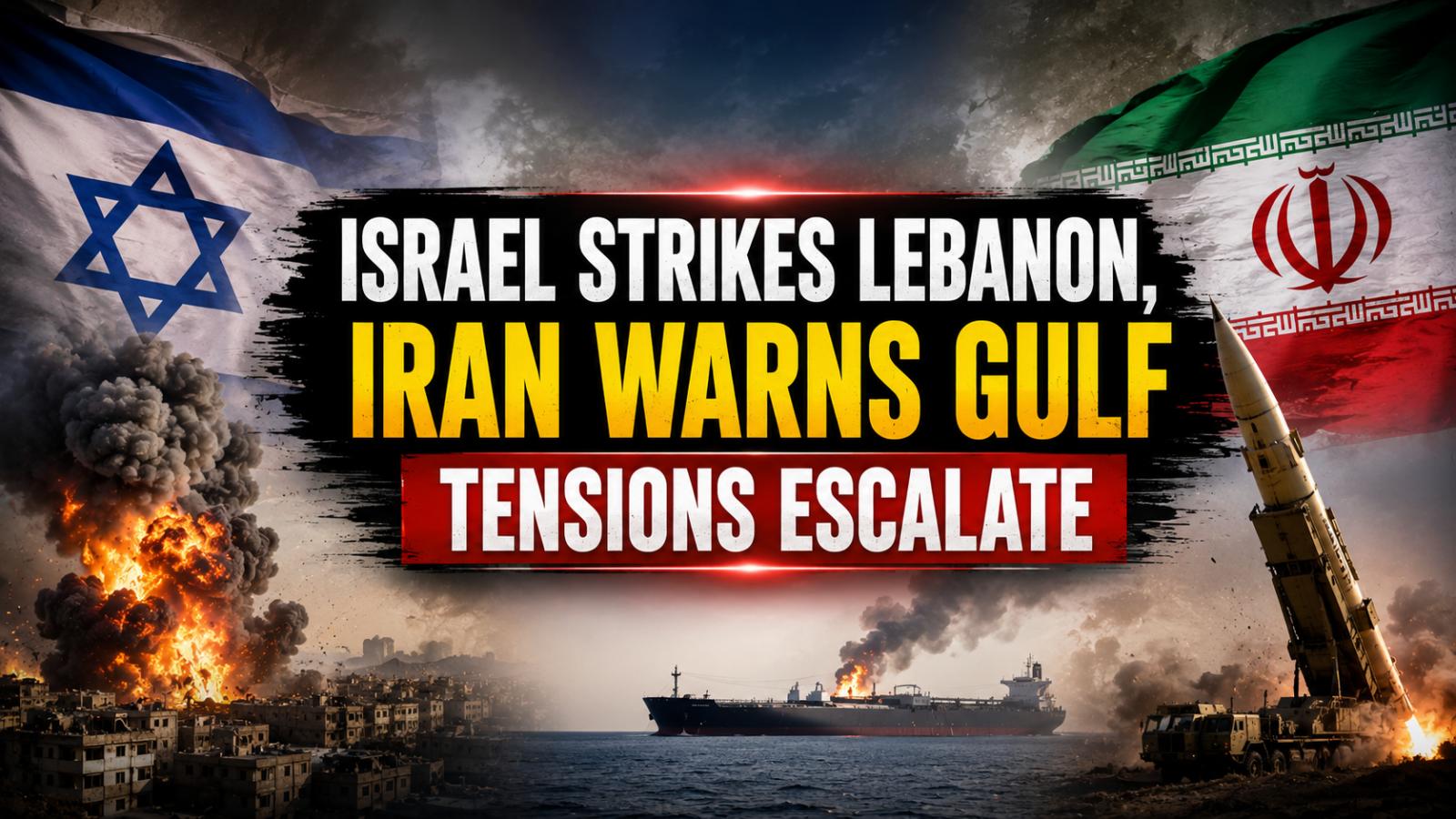
Israel Intercepts Suspicious Aerial Target On Tuesday, June 9, Israel’s military announced it intercepted a suspicious aerial target launched from Yemen near the southern city of Eilat. The Israel Defence Forces reported no injuries from the incident, which concluded without further escalation. The interception occurs amid heightened tensions in the region, despite recent statements from Israel and Iran si
Tensions Escalate as Israeli Strikes Target Southern Lebanon
Israel Intercepts Suspicious Aerial Target On Tuesday, June 9, Israel’s military announced it intercepted a suspicious aerial target launched from Yemen near the southern city of Eilat. The Israel Defence Forces reported no injuries from the incident, which concluded without further escalation. The interception occurs amid heightened tensions in the region, despite recent statements from Israel and Iran si
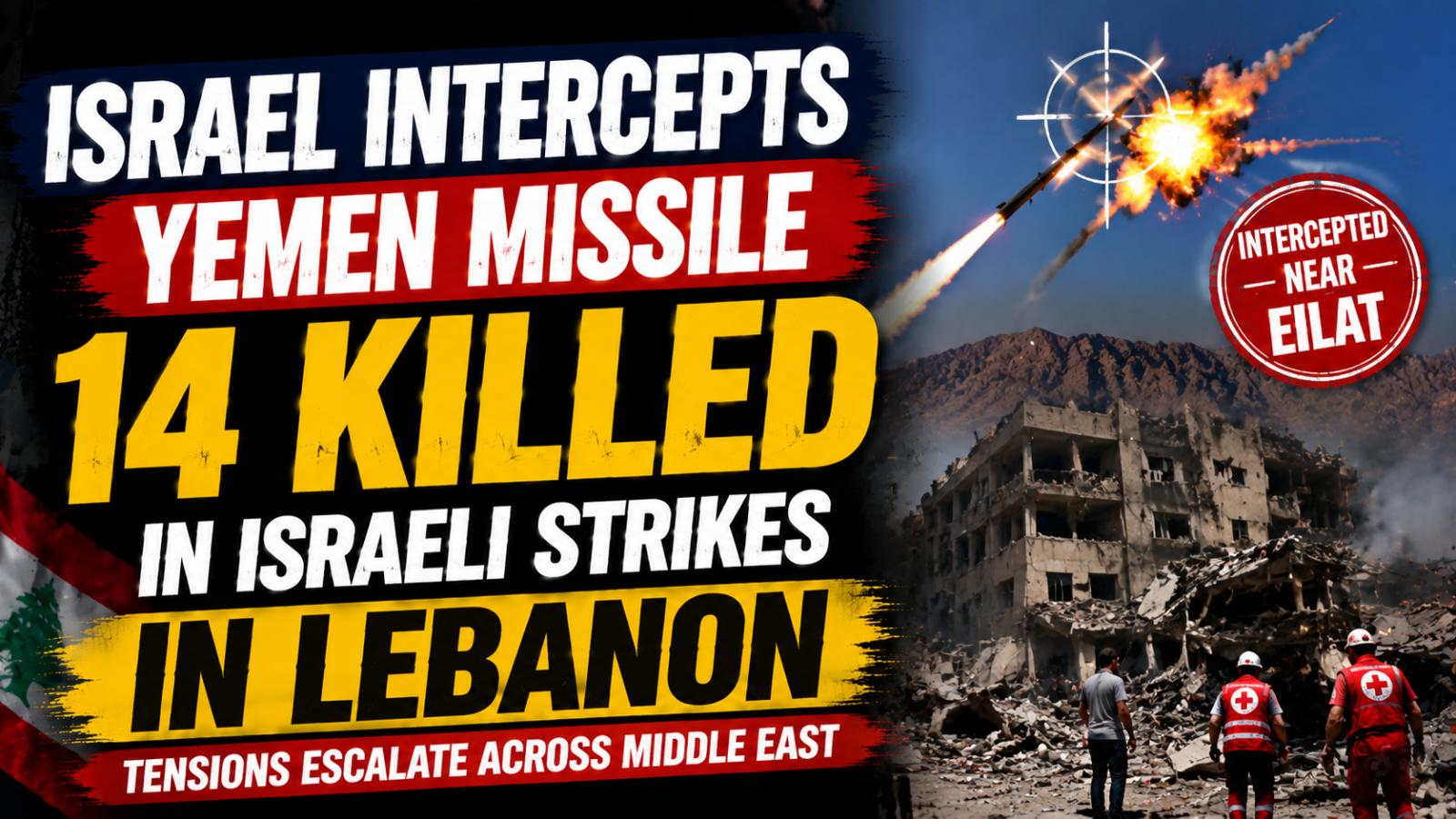
Israeli Strikes Kill 14 in Southern Lebanon Amid Tensions
IDF Intercepts Suspicious Target From Yemen Israel's military reported on Tuesday, June 9, that it intercepted a suspicious aerial object launched from Yemen near the southern city of Eilat. No injuries were reported in the incident, which the Israel Defence Forces said concluded without further escalation. The interception occurred amid heightened tensions in the region following ongoing retaliatory strike
Israeli Strikes Kill 14 in Southern Lebanon Amid Tensions
IDF Intercepts Suspicious Target From Yemen Israel's military reported on Tuesday, June 9, that it intercepted a suspicious aerial object launched from Yemen near the southern city of Eilat. No injuries were reported in the incident, which the Israel Defence Forces said concluded without further escalation. The interception occurred amid heightened tensions in the region following ongoing retaliatory strike
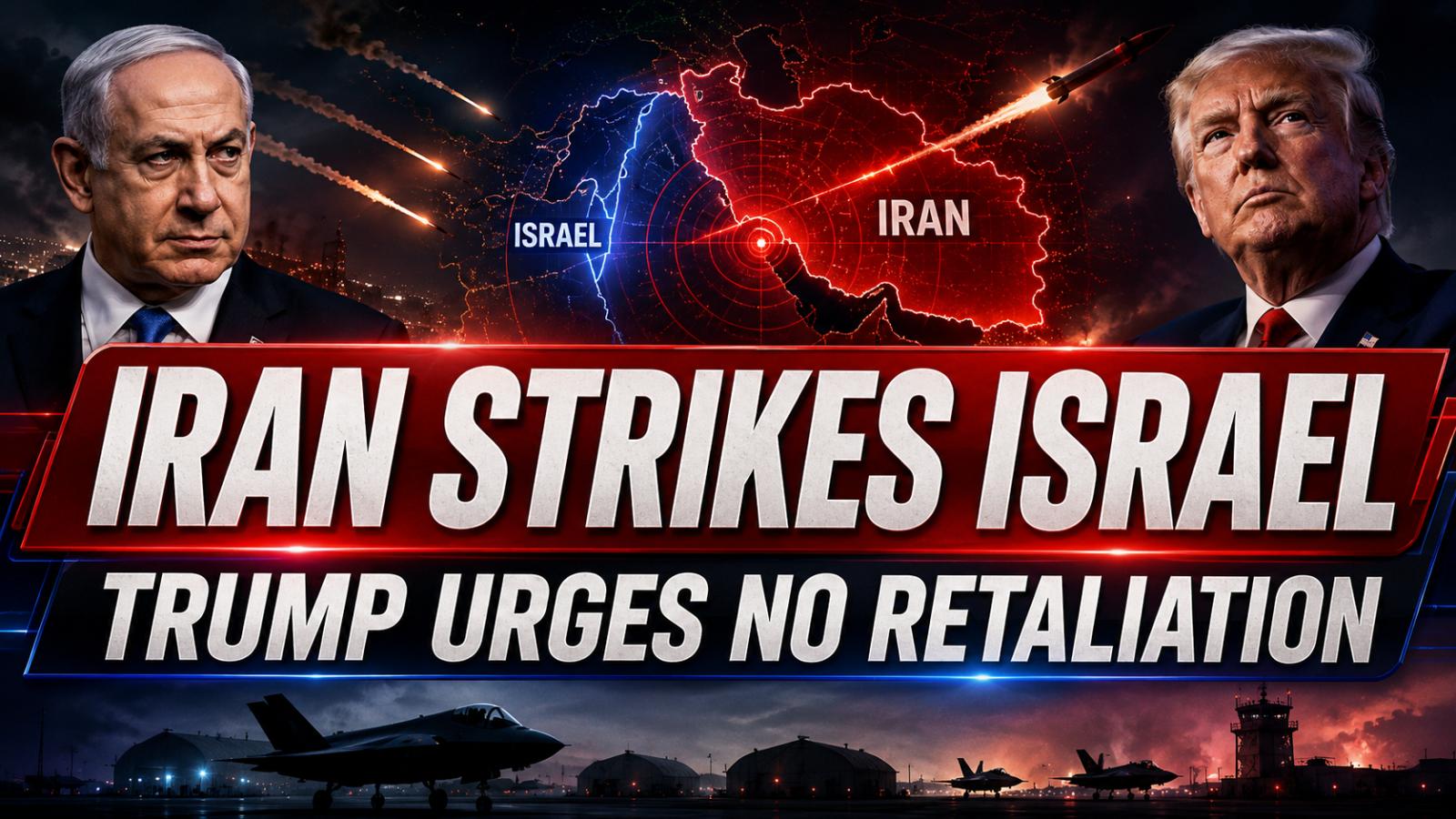
Iran Fires Missiles At Israeli Air Base
Iran Targets Ramat David Air Base Iran said it launched a major ballistic missile strike on Israel’s Ramat David air base in northern Israel on Sunday, June 7, describing the attack as a response to an earlier strike in Beirut. Iran’s Islamic Revolutionary Guard Corps said the operation was meant as a warning, signaling that Tehran may continue to respond if it believes its regional interests or allies
Iran Fires Missiles At Israeli Air Base
Iran Targets Ramat David Air Base Iran said it launched a major ballistic missile strike on Israel’s Ramat David air base in northern Israel on Sunday, June 7, describing the attack as a response to an earlier strike in Beirut. Iran’s Islamic Revolutionary Guard Corps said the operation was meant as a warning, signaling that Tehran may continue to respond if it believes its regional interests or allies
Lebanon-Israel Conflict: Civilian Deaths Reported in Airstrikes
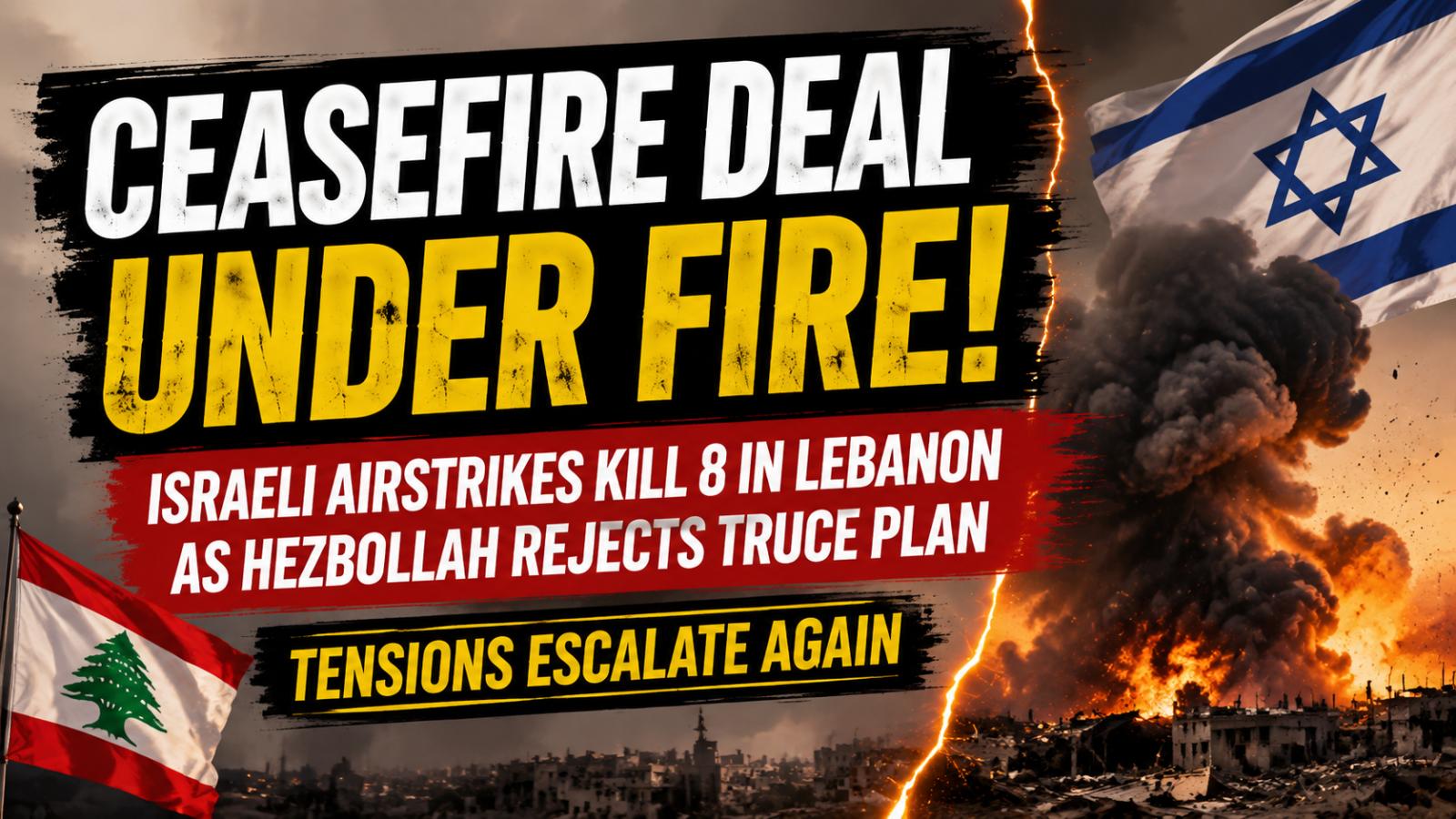
Israeli Airstrikes Kill Eight in Lebanon Amid Ceasefire Talks Israeli airstrikes killed eight people in Lebanon on Thursday, just a day after a conditional ceasefire plan was agreed upon by Lebanese and Israeli representatives in the United States. Five people were killed in eastern Lebanon, while three more lost their lives near Tyre. Eight others were injured, including women and children, as the conflict
Lebanon-Israel Conflict: Civilian Deaths Reported in Airstrikes
Israeli Airstrikes Kill Eight in Lebanon Amid Ceasefire Talks Israeli airstrikes killed eight people in Lebanon on Thursday, just a day after a conditional ceasefire plan was agreed upon by Lebanese and Israeli representatives in the United States. Five people were killed in eastern Lebanon, while three more lost their lives near Tyre. Eight others were injured, including women and children, as the conflict
US-Iran Negotiations Progress as Trump Hints Weekend Agreement
Trump Signals Potential Iran Deal US President Donald Trump expressed optimism on June 3 regarding ongoing negotiations with Iran, despite renewed military tensions across West Asia. Speaking to reporters, Trump noted that discussions with Tehran were progressing positively, stating a potential agreement could emerge over the weekend. He emphasized keeping these negotiations distinct from efforts to resolve
US-Iran Negotiations Progress as Trump Hints Weekend Agreement
Trump Signals Potential Iran Deal US President Donald Trump expressed optimism on June 3 regarding ongoing negotiations with Iran, despite renewed military tensions across West Asia. Speaking to reporters, Trump noted that discussions with Tehran were progressing positively, stating a potential agreement could emerge over the weekend. He emphasized keeping these negotiations distinct from efforts to resolve
Israel and Lebanon Agree to Ceasefire After US Talks
Israel and Lebanon Agree to Ceasefire After US-Led Talks Israel and Lebanon have reached an agreement to work towards a ceasefire following US-led negotiations in Washington on June 4. The ceasefire is contingent on a “complete cessation” of hostilities by Iran-backed Hezbollah, according to a joint statement issued by the United States, Israel, and Lebanon. The deal also requires the evacuation of all H
Israel and Lebanon Agree to Ceasefire After US Talks
Israel and Lebanon Agree to Ceasefire After US-Led Talks Israel and Lebanon have reached an agreement to work towards a ceasefire following US-led negotiations in Washington on June 4. The ceasefire is contingent on a “complete cessation” of hostilities by Iran-backed Hezbollah, according to a joint statement issued by the United States, Israel, and Lebanon. The deal also requires the evacuation of all H
Trump mediates Israel-Hezbollah ceasefire as Iran talks resume
US President Donald Trump confirmed that Israel and Hezbollah have agreed to temporarily halt attacks, creating a window for possible peace talks in Lebanon. The president highlighted his direct involvement, including discussions with Israeli Prime Minister Benjamin Netanyahu and indirect communication with Hezbollah through intermediaries. Trump emphasized the ceasefire on his social media, noting that both sides have agreed to suspend operations against each other, while urging ho
Trump mediates Israel-Hezbollah ceasefire as Iran talks resume
US President Donald Trump confirmed that Israel and Hezbollah have agreed to temporarily halt attacks, creating a window for possible peace talks in Lebanon. The president highlighted his direct involvement, including discussions with Israeli Prime Minister Benjamin Netanyahu and indirect communication with Hezbollah through intermediaries. Trump emphasized the ceasefire on his social media, noting that both sides have agreed to suspend operations against each other, while urging ho
Trump brokers Israel-Hezbollah ceasefire via Pakistan mediation
A significant step toward peace emerged as Israel and Hezbollah agreed to halt hostilities, following active diplomacy from the U.S. and Pakistan. President Trump confirmed discussions with Israeli Prime Minister Netanyahu and Hezbollah representatives, resulting in mutual commitments to stop attacks. Iran Encourages Pakistan’s Mediation Role Iran requested Pakistan to continue its diplomatic i
Trump brokers Israel-Hezbollah ceasefire via Pakistan mediation
A significant step toward peace emerged as Israel and Hezbollah agreed to halt hostilities, following active diplomacy from the U.S. and Pakistan. President Trump confirmed discussions with Israeli Prime Minister Netanyahu and Hezbollah representatives, resulting in mutual commitments to stop attacks. Iran Encourages Pakistan’s Mediation Role Iran requested Pakistan to continue its diplomatic i
US-Iran Talks Progress Amid Lebanon Tensions, Trump Comments
US President Donald Trump confirmed that discussions with Iran are making steady progress despite ongoing unrest in Lebanon. According to his statement, talks are active and focused on diplomatic solutions to ease regional tensions. Efforts to De-escalate in Lebanon The discussions include attempts to persuade both Israel and Hezbollah to limit their actions in Lebanon.
US-Iran Talks Progress Amid Lebanon Tensions, Trump Comments
US President Donald Trump confirmed that discussions with Iran are making steady progress despite ongoing unrest in Lebanon. According to his statement, talks are active and focused on diplomatic solutions to ease regional tensions. Efforts to De-escalate in Lebanon The discussions include attempts to persuade both Israel and Hezbollah to limit their actions in Lebanon.