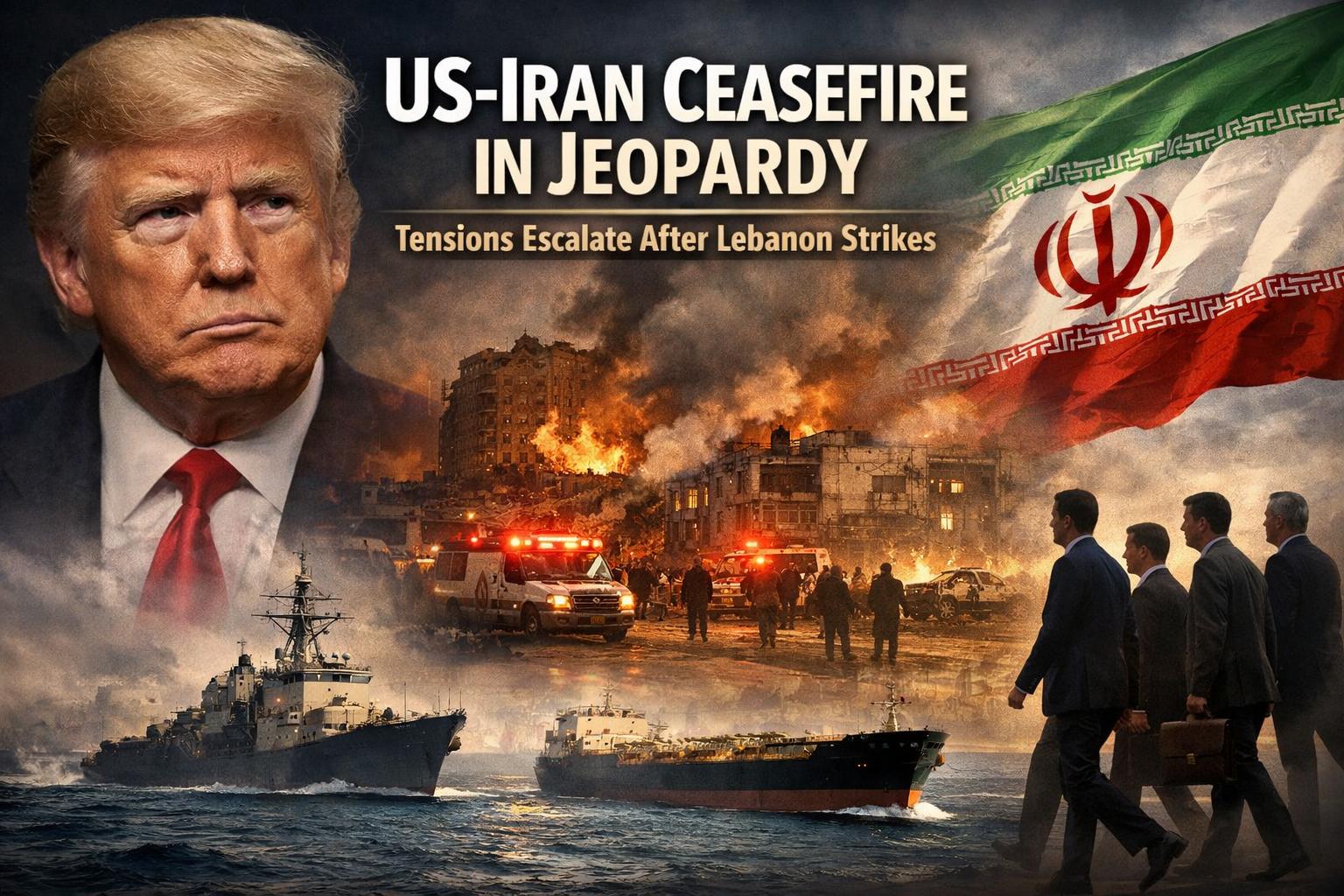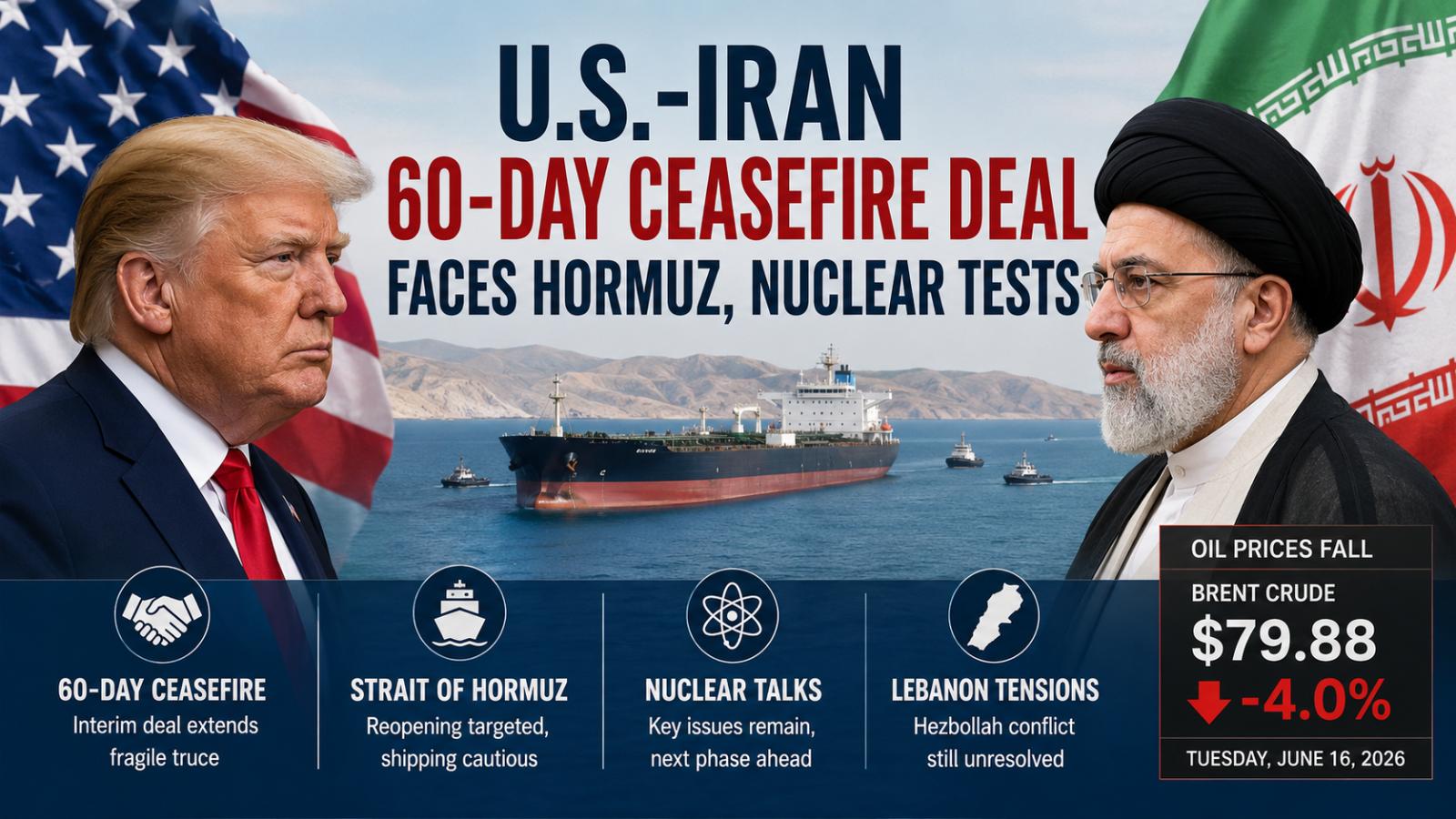
EVIAN-LES-BAINS, France — The U.S.-Iran 60-day ceasefire deal is designed to extend April’s fragile truce and reopen the Strait of Hormuz, but key questions remain over Iran’s nuclear program, shipping security and the conflict in Lebanon.
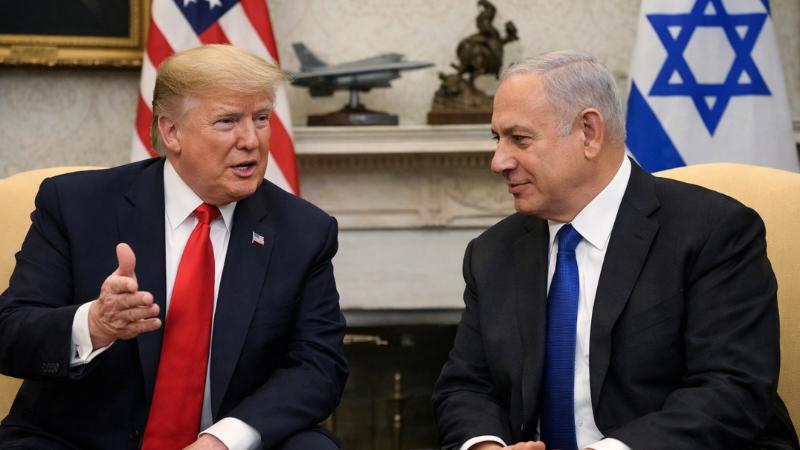
President Donald Trump said at the Group of Seven summit on Tuesday, June 16, 2026, that the interim agreement would be released publicly and would bar Tehran from obtaining a nuclear weapon. A formal signing is expected in Switzerland on Friday, June 19, 2026, before negotiators begin the next phase of talks.
What the U.S.-Iran 60-day ceasefire deal covers
The framework would extend the ceasefire for another 60 days and reopen the Strait of Hormuz, a route that carried about one-fifth of global oil supplies before the war. U.S. officials expect toll-free passage during the extension, while Iran has indicated that ships may still need to coordinate with its authorities.
Shipping companies remain cautious. The possible presence of mines, damaged infrastructure and uncertainty over security guarantees could delay a full return to normal traffic for weeks or longer.
Nuclear talks and Lebanon remain unresolved
The future of Iran’s nuclear program has been left for follow-up negotiations. Trump says the framework blocks Iran from developing a nuclear weapon, but detailed enforcement terms have not yet been released.
Lebanon is another major obstacle. Iran has called for Israeli attacks to stop, while Israel says it plans to retain forces in southern Lebanon and respond to Hezbollah attacks. Iranian Foreign Minister Abbas Araqchi said the next negotiations would begin after the signing in Switzerland.
Oil prices fall on hopes of a Hormuz reopening
Brent crude fell about 4% to $79.88 a barrel during trading on Tuesday, June 16, as markets reacted to the prospect of renewed Gulf energy shipments. However, analysts and shipping officials warned that oil and gas flows may not recover immediately.
The agreement matters to U.S. consumers because a sustained reopening of the Strait of Hormuz could ease pressure on global energy prices. Its longer-term impact will depend on whether Washington and Tehran can turn the temporary ceasefire into an enforceable nuclear and regional security agreement.