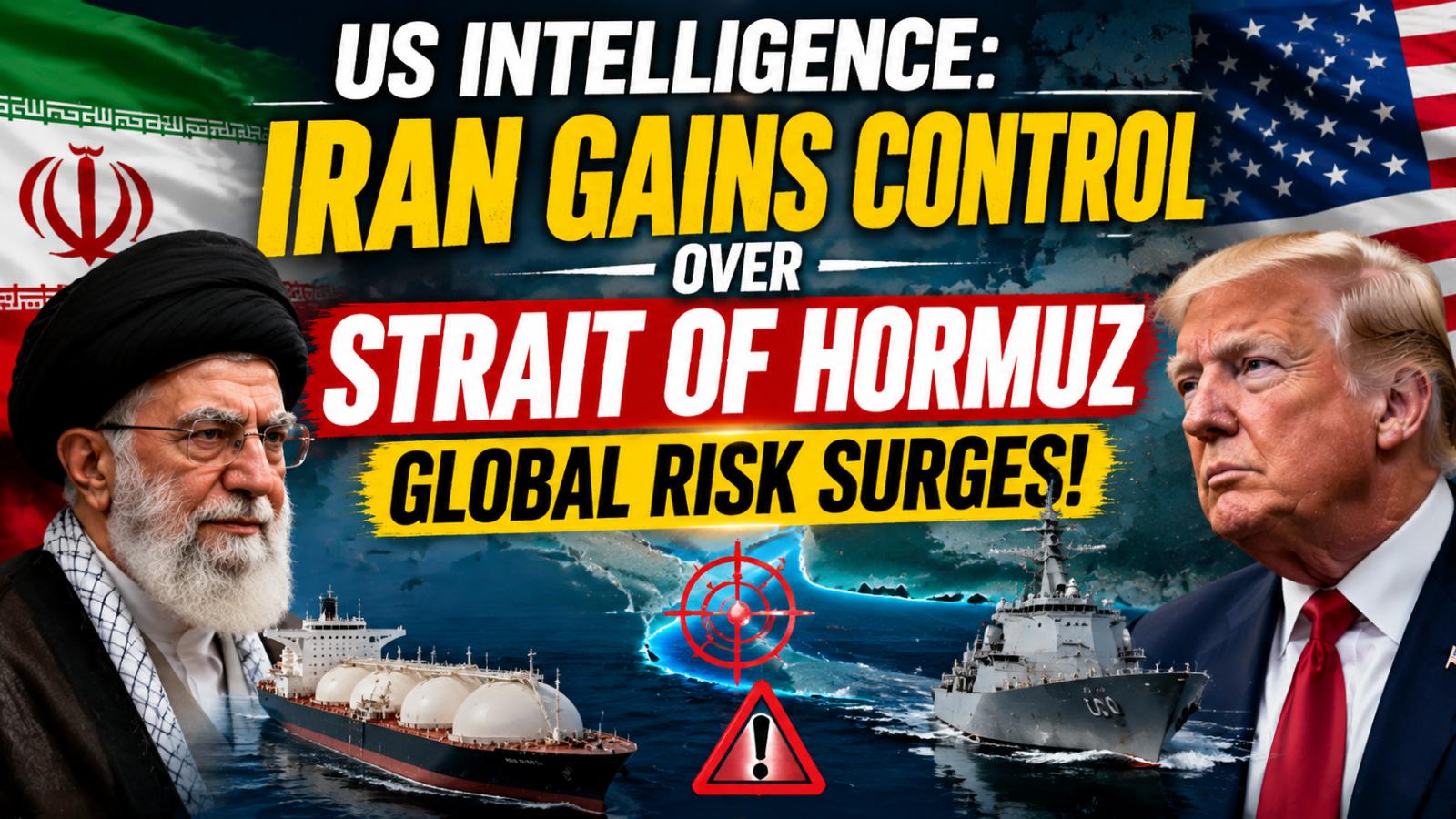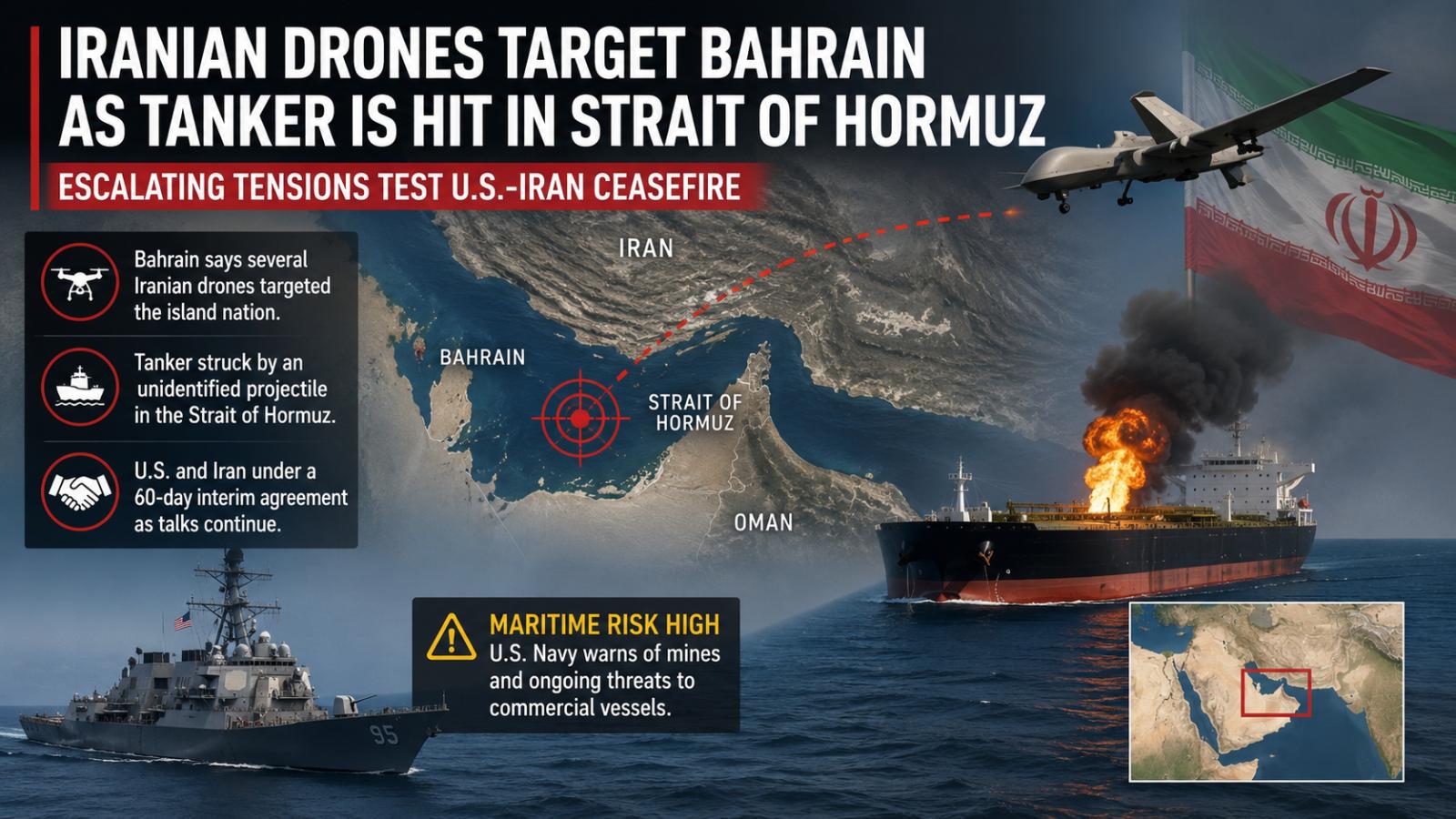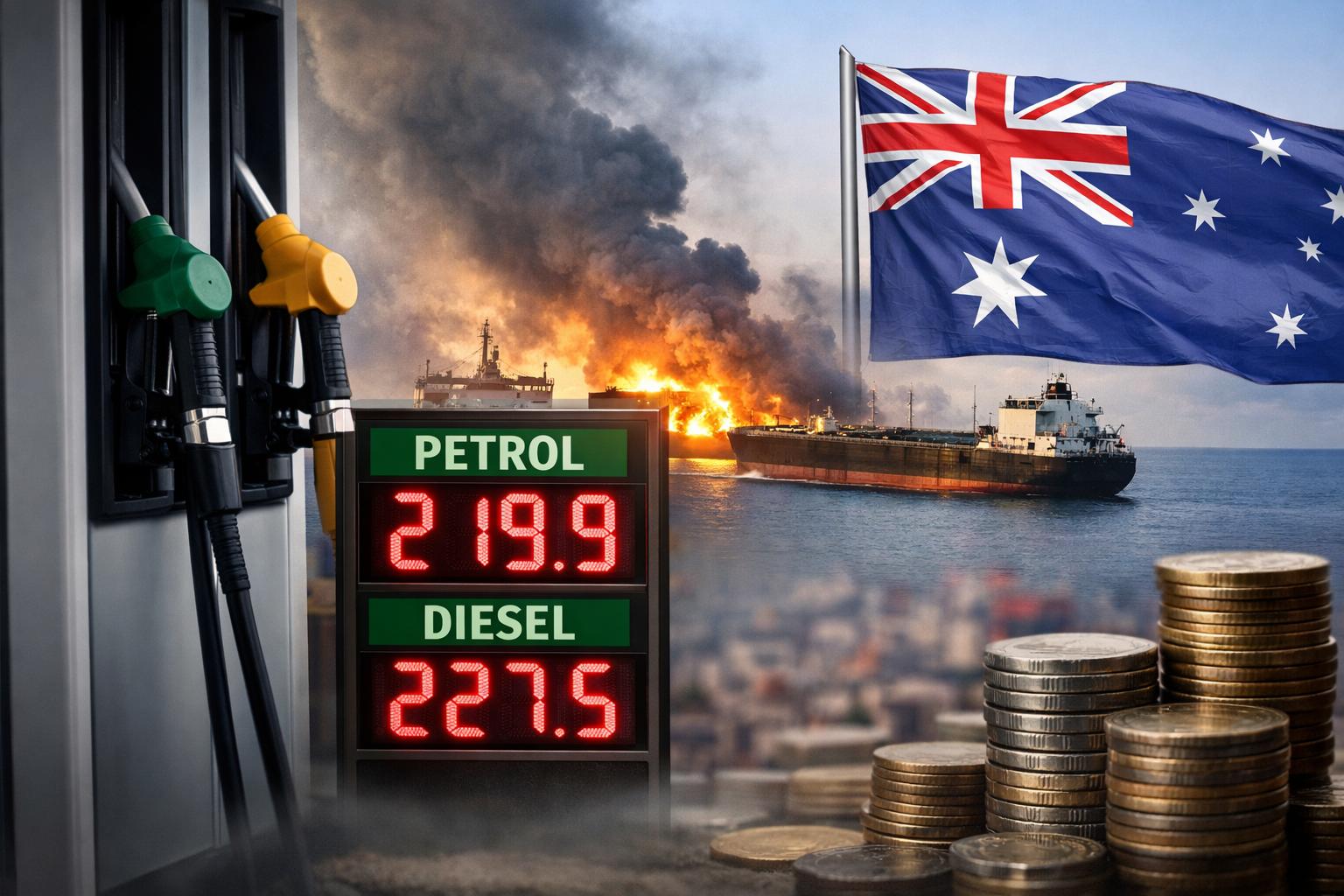
The most immediate impact has been a sharp increase in petrol and diesel prices, which officials describe as among the most significant in the nation’s history. The surge is being driven by disruptions to global oil supply following escalating tensions in the Middle East. A critical factor has been the effective closure of the Strait of Hormuz, a strategic maritime route responsible for transporting nearly 20% of the world’s oil and gas.
With shipments through this key passage severely restricted, global oil availability has tightened, triggering a rise in oil prices that is being felt worldwide. For Australia, this has translated into higher fuel costs, increased transportation expenses, and broader economic strain affecting industries reliant on energy and logistics.
Australia has also outlined a series of emergency measures aimed at cushioning the economic impact of rising fuel costs. These steps are intended to provide short-term relief to households and businesses facing increased expenses due to the global energy disruption:
- Fuel excise cut by 50% as a temporary tax relief measure
- Removal of road charges for heavy vehicles for three months
- Increased fuel imports from regional partners to stabilize supply
- Strengthening the National Fuel Security Plan to improve energy security
While these measures are expected to ease immediate financial pressure, Prime Minister Albanese acknowledged that they are temporary solutions. He cautioned that the broader fuel crisis driven by global supply disruptions may continue for several months, depending on how the conflict and oil supply situation evolve.
The consequences extend beyond fuel prices alone. The global economic impact of the Iran war is influencing supply chains, raising operational costs for businesses, and contributing to inflationary pressures in multiple sectors. Governments around the world are now grappling with similar challenges, including managing fuel shortages, encouraging conservation measures, and stabilizing domestic markets.
Albanese underscored that the interconnected nature of global energy markets means no country is insulated from such disruptions. As the conflict continues to affect oil production and transportation, analysts warn that volatility in energy prices could remain a persistent issue, with long-term implications for economic stability and energy security worldwide.