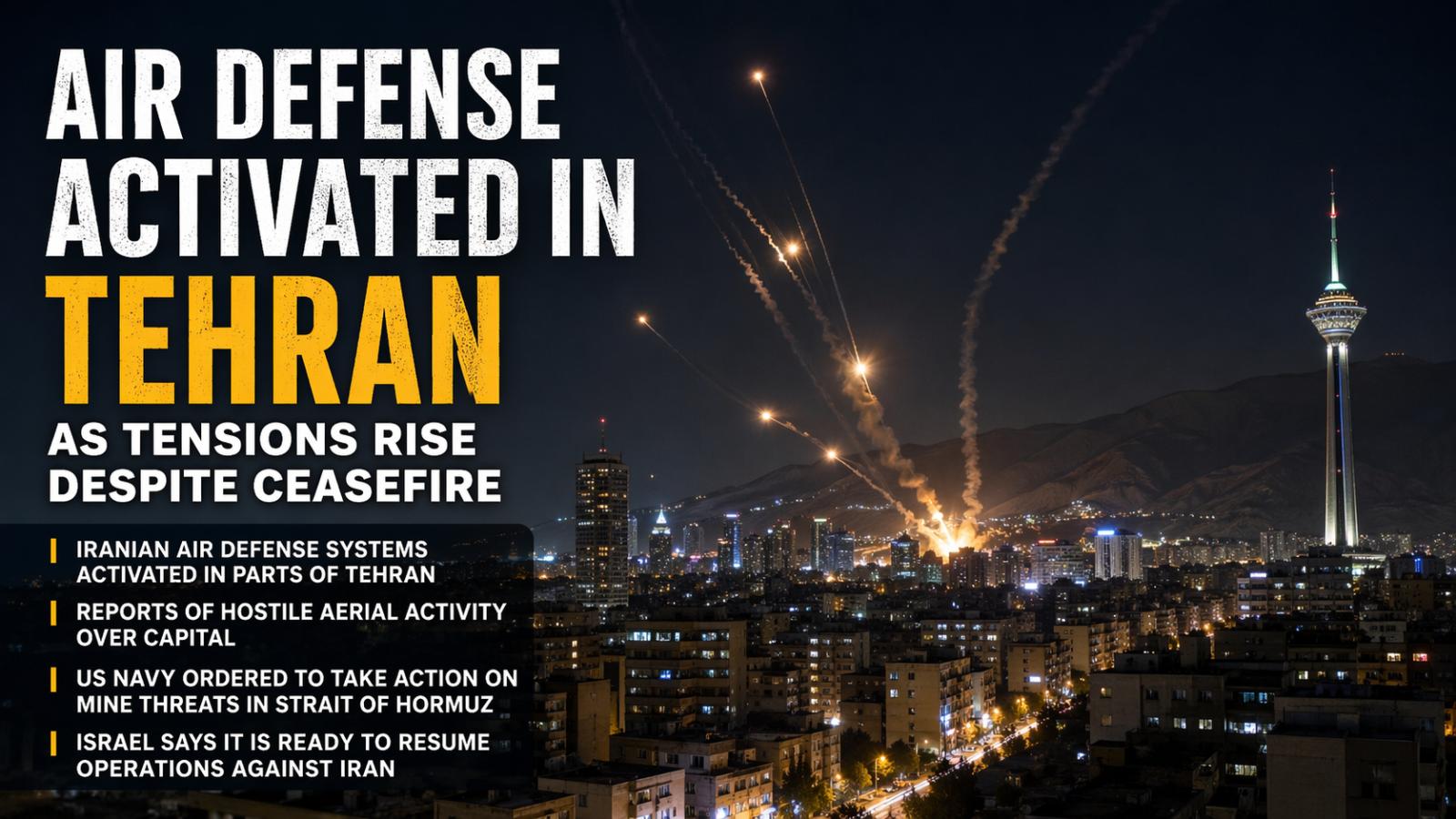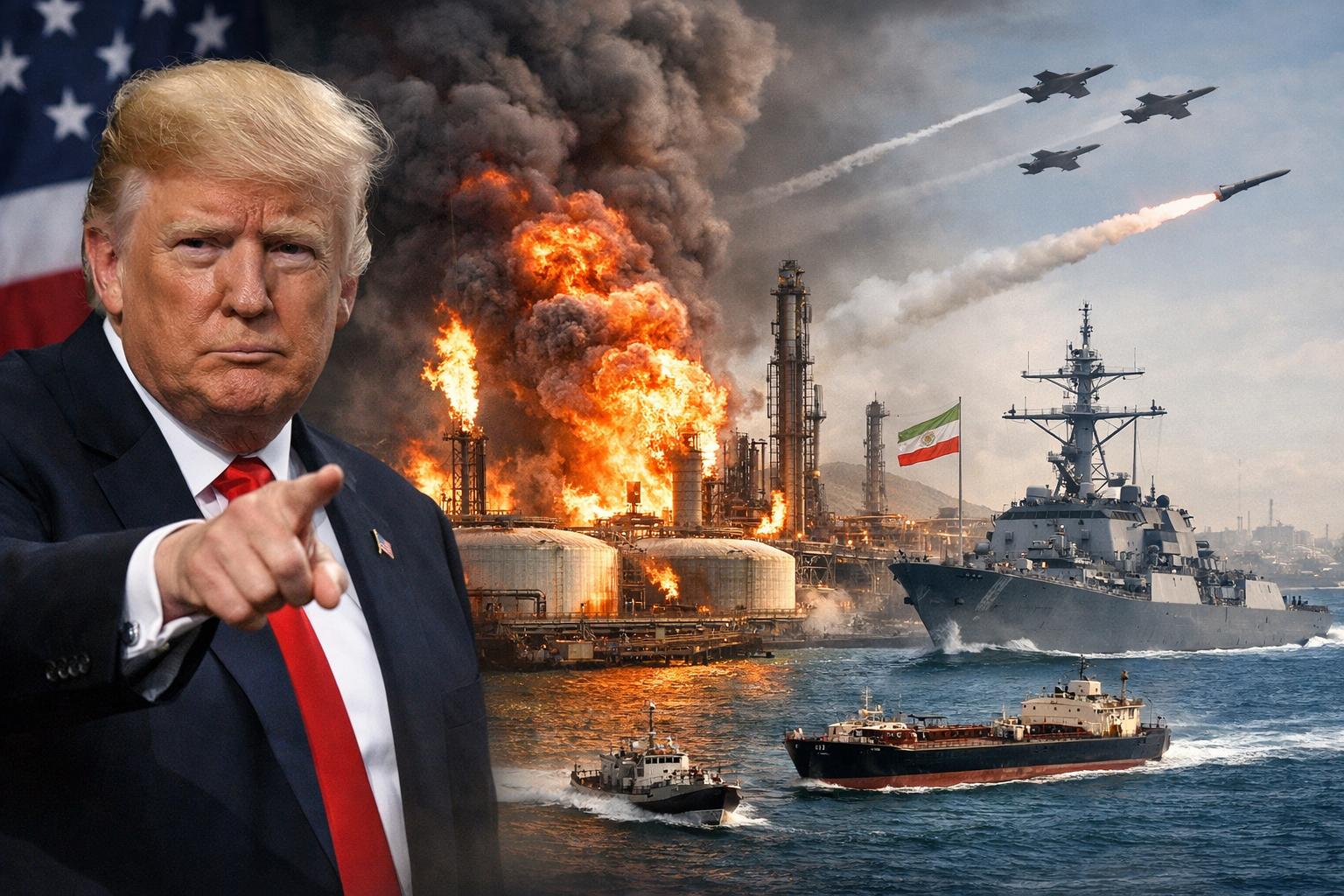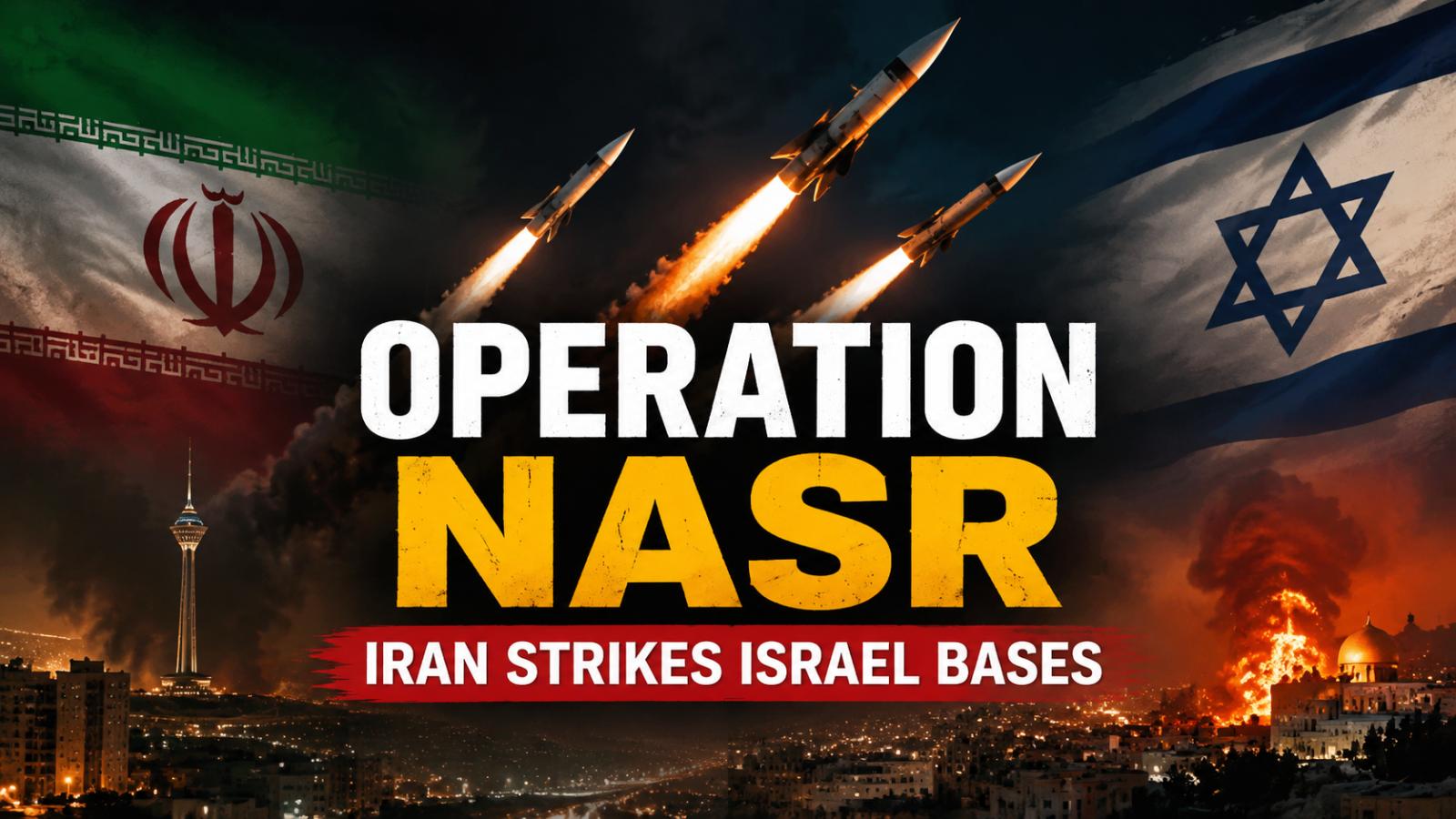
Iran has taken a decisive step from proxy engagements to direct military action against Israel. Named “Operation Nasr,” meaning “victory,” the mission was launched in response to Israeli attacks on Beirut’s Dahiyeh district in Lebanon. Iranian forces targeted Nevatim Airbase in southern Israel and Tel Nof Airbase near Tel Aviv, employing advanced ballistic missiles including Emad, Qadr-F, and Kheibar Shekan. This move highlights Tehran’s readiness to defend its strategic interests directly, signaling a shift from reliance on proxy forces like Hezbollah.
Impact on Israel and Lebanon
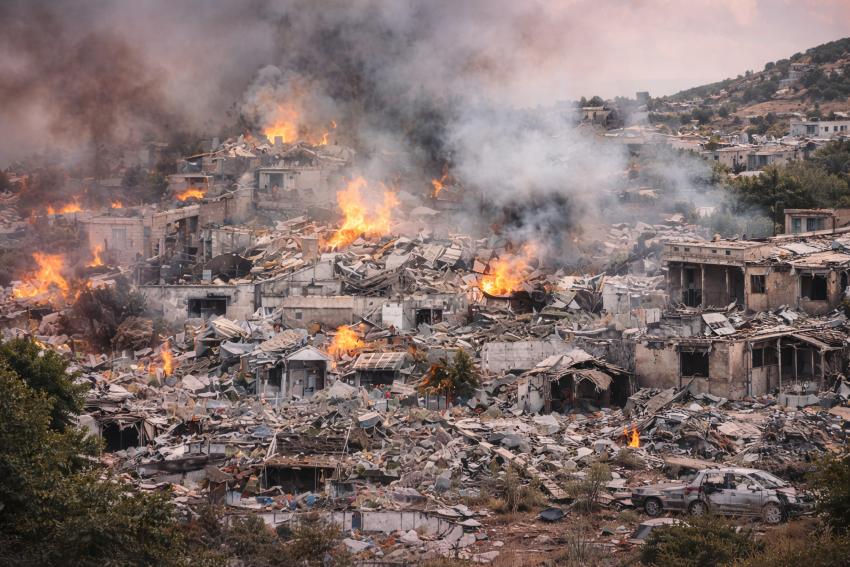
The missile strikes aimed to deter further Israeli actions in Lebanon. Israel, in response, targeted Iranian petrochemical installations, but both sides paused operations shortly after the exchanges. Iran’s First Vice President Mohammad Reza Aref emphasized that Israel requested a ceasefire, reinforcing Tehran’s sustained strength. Military analysts have noted that these strikes demonstrate Iran’s continued operational capability despite prior conflicts with Israel and the United States.
Strategic Implications for the Middle East
Operation Nasr carries multiple strategic messages: Hezbollah remains central to Iran’s regional vision; Israel cannot act unilaterally in Lebanon without considering Iran; and Iran’s missile and drone stockpiles remain substantial. This operation reflects a broader military doctrine shift toward proactive deterrence, aiming to influence diplomacy while safeguarding Iran’s red lines.
Iran’s Evolving Military Doctrine
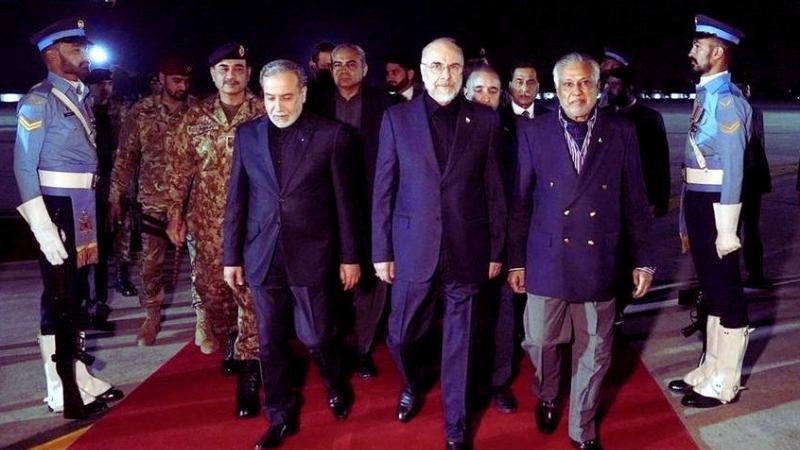
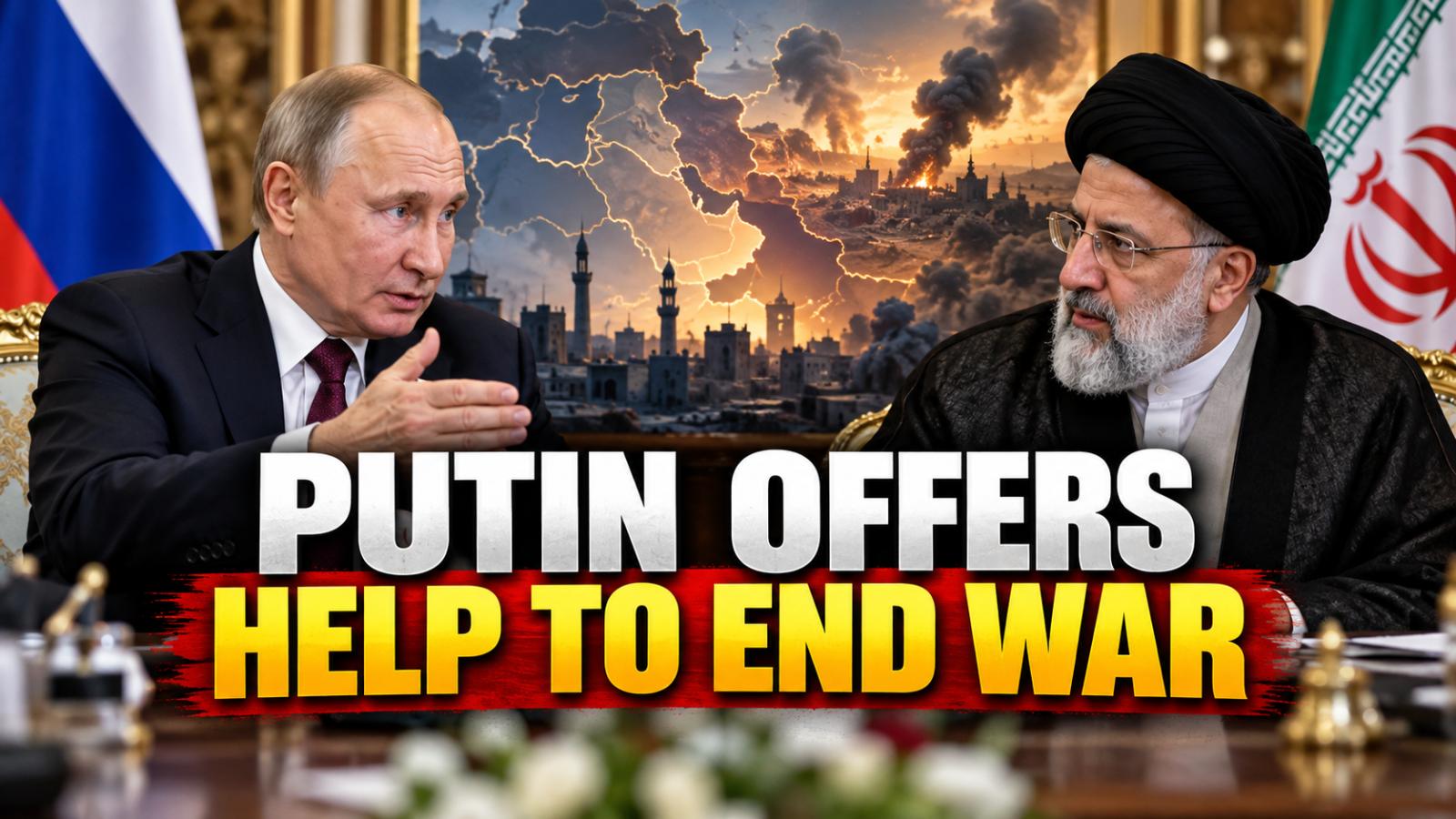
Iranian leadership has emphasized calculated military actions to secure strategic advantage. Lead negotiator Mohammad Bagher Ghalibaf indicated that Iran’s measured responses will continue until diplomacy earns trust. By combining direct military strikes with strategic deterrence, Tehran asserts itself as a major regional power, signaling readiness to engage alongside partners like Russia and China to shape West Asia’s geopolitical landscape.
Conclusion
Operation Nasr marks a clear transition from defensive posturing to direct military engagement. Through precise missile strikes and a proactive stance, Iran seeks to strengthen regional influence, protect allies, and reinforce its strategic position amid ongoing Middle East tensions.