DUBAI, United Arab Emirates — U.S. President Donald Trump issued a stark warning on Monday, March 30, 2026, threatening to expand military action against Iran by targeting critical civilian infrastructure if a deal to end the ongoing conflict is not reached soon. The remarks come as tensions in the Middle East continue to escalate, raising concerns about regional stability and global oil supply routes.
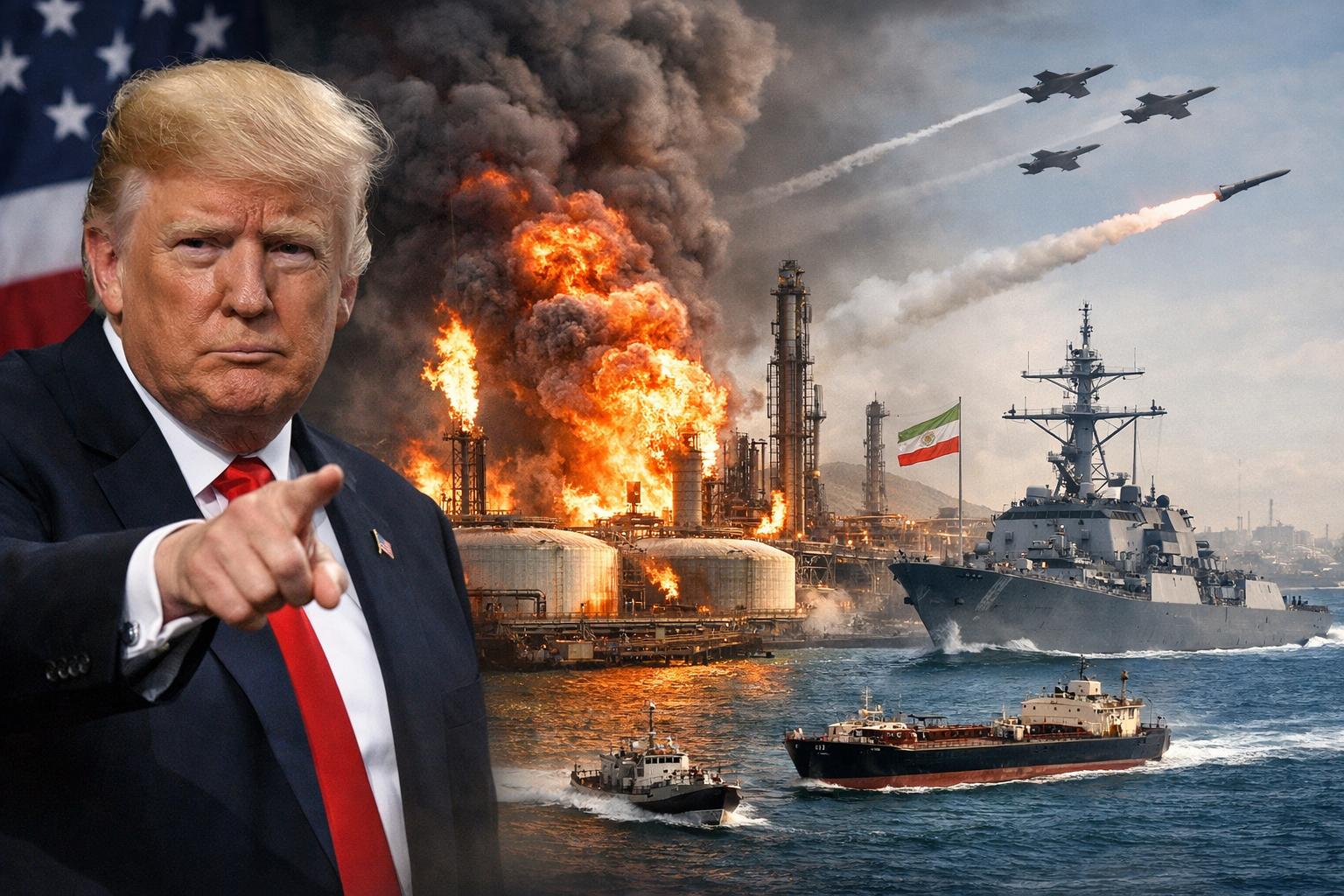
In a social media statement, Trump said progress in negotiations had been “significant,” but cautioned that failure to secure an agreement “shortly” could result in widespread strikes on Iran’s energy infrastructure, including power plants, oil facilities, and desalination sites that supply drinking water. He also warned of potential action if the Strait of Hormuz — a vital maritime corridor for global oil shipments — is not reopened promptly.
The warning follows earlier comments suggesting the possibility of U.S. forces targeting Iran’s Kharg Island, a major oil export hub. While the administration has indicated ongoing diplomatic outreach, Iranian officials have publicly denied direct negotiations, describing reported talks as a pretext for increased U.S. military presence in the region.
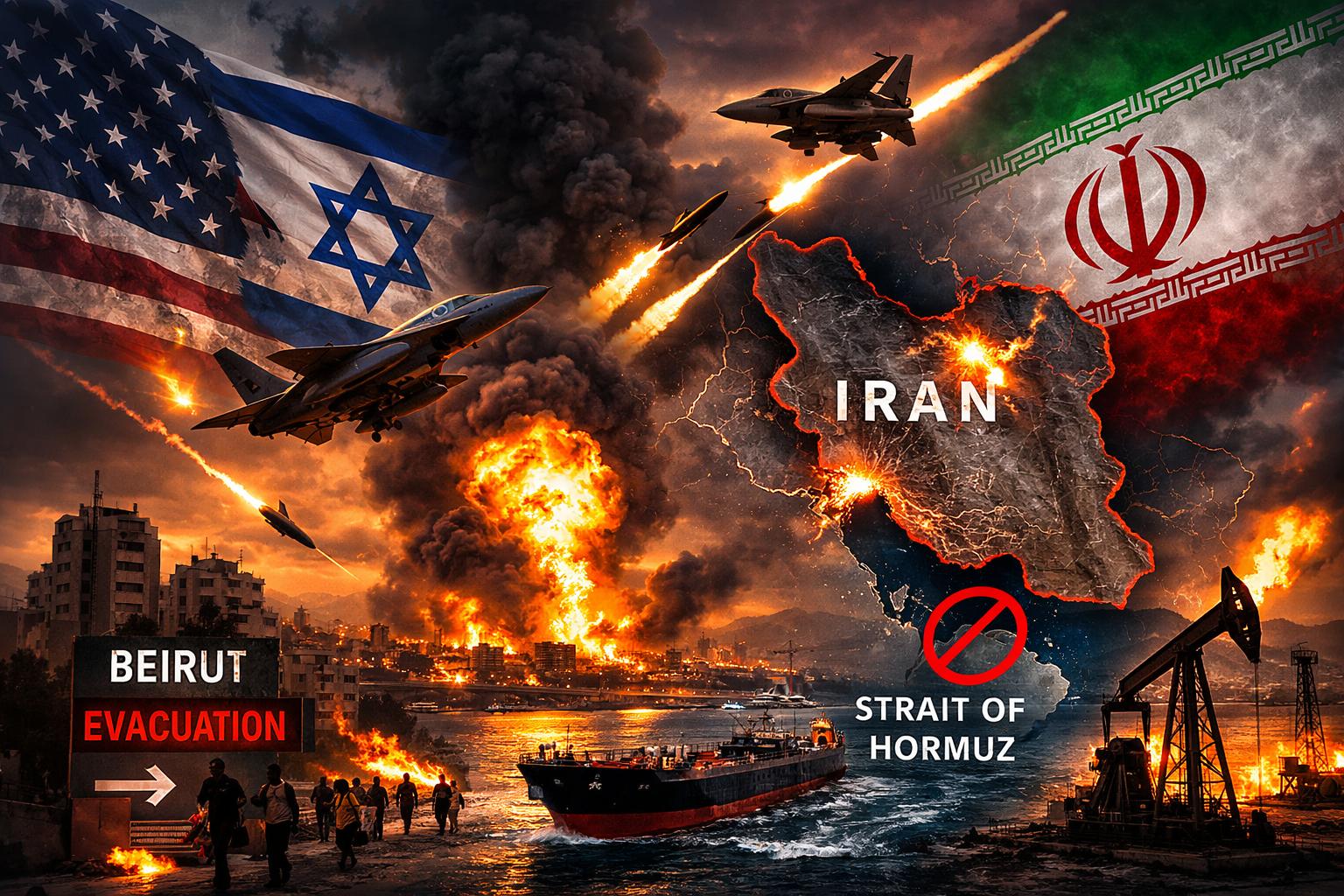
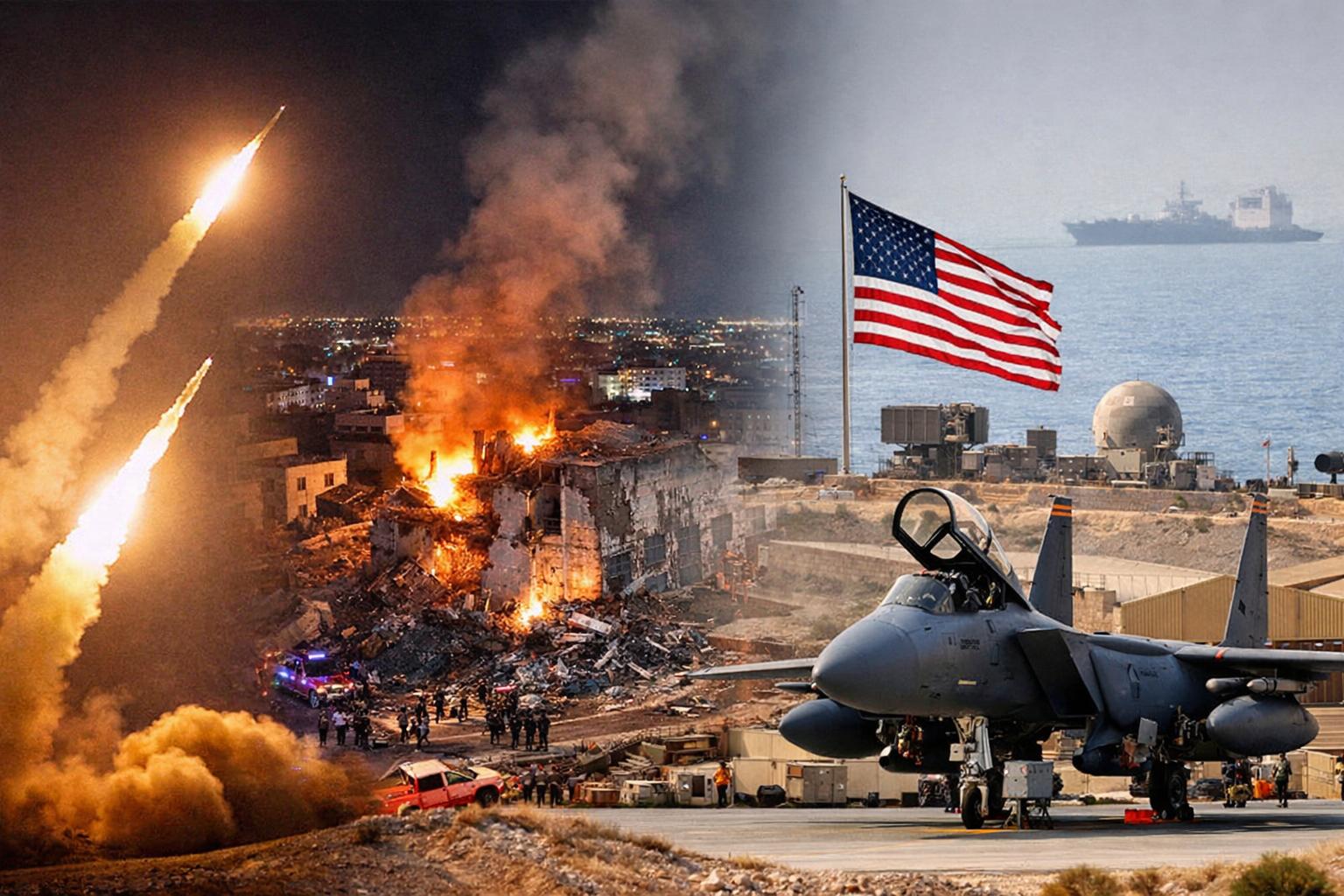
Meanwhile, hostilities have intensified across multiple fronts. Iranian forces reportedly struck a key water and electrical facility in Kuwait, while an oil refinery in Israel also came under attack. In response, U.S. and Israeli forces launched a new wave of strikes on Iranian positions, signaling a continued escalation with no immediate resolution in sight.
The Strait of Hormuz remains a central concern for global markets, as approximately one-fifth of the world’s oil supply passes through the narrow waterway during peacetime. Any prolonged disruption could have far-reaching economic consequences.
Legal experts note that international law permits attacks on civilian infrastructure only under strict conditions, requiring that anticipated military advantages outweigh potential harm to civilians. Such thresholds are considered high, and actions causing disproportionate civilian suffering could raise serious legal and humanitarian concerns as the conflict unfolds.
In a social media statement, Trump said progress in negotiations had been “significant,” but cautioned that failure to secure an agreement “shortly” could result in widespread strikes on Iran’s energy infrastructure, including power plants, oil facilities, and desalination sites that supply drinking water. He also warned of potential action if the Strait of Hormuz — a vital maritime corridor for global oil shipments — is not reopened promptly.
The warning follows earlier comments suggesting the possibility of U.S. forces targeting Iran’s Kharg Island, a major oil export hub. While the administration has indicated ongoing diplomatic outreach, Iranian officials have publicly denied direct negotiations, describing reported talks as a pretext for increased U.S. military presence in the region.
Meanwhile, hostilities have intensified across multiple fronts. Iranian forces reportedly struck a key water and electrical facility in Kuwait, while an oil refinery in Israel also came under attack. In response, U.S. and Israeli forces launched a new wave of strikes on Iranian positions, signaling a continued escalation with no immediate resolution in sight.
The Strait of Hormuz remains a central concern for global markets, as approximately one-fifth of the world’s oil supply passes through the narrow waterway during peacetime. Any prolonged disruption could have far-reaching economic consequences.
Legal experts note that international law permits attacks on civilian infrastructure only under strict conditions, requiring that anticipated military advantages outweigh potential harm to civilians. Such thresholds are considered high, and actions causing disproportionate civilian suffering could raise serious legal and humanitarian concerns as the conflict unfolds.