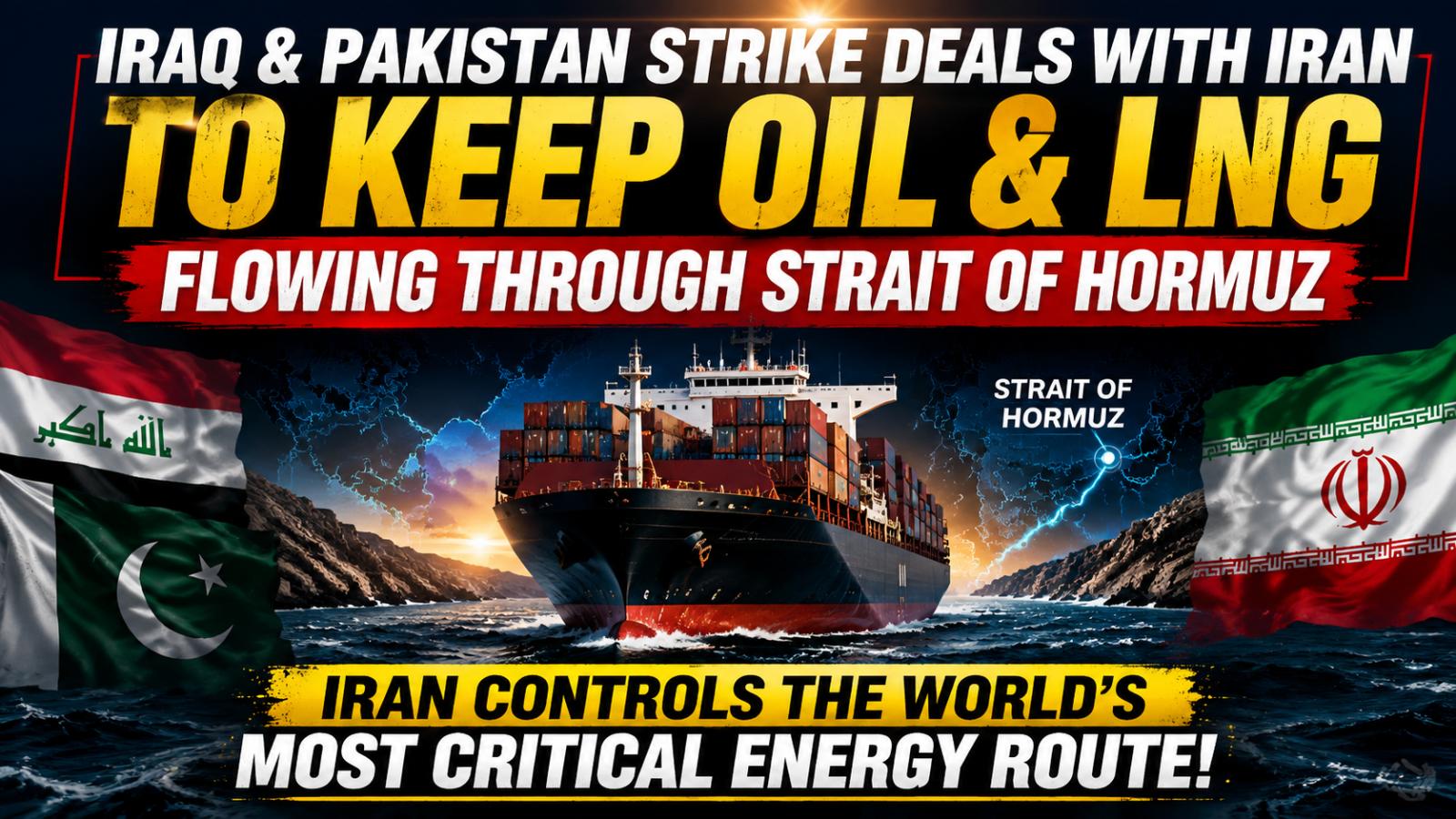
Iraq and Pakistan Secure Oil and Gas Transport Deals
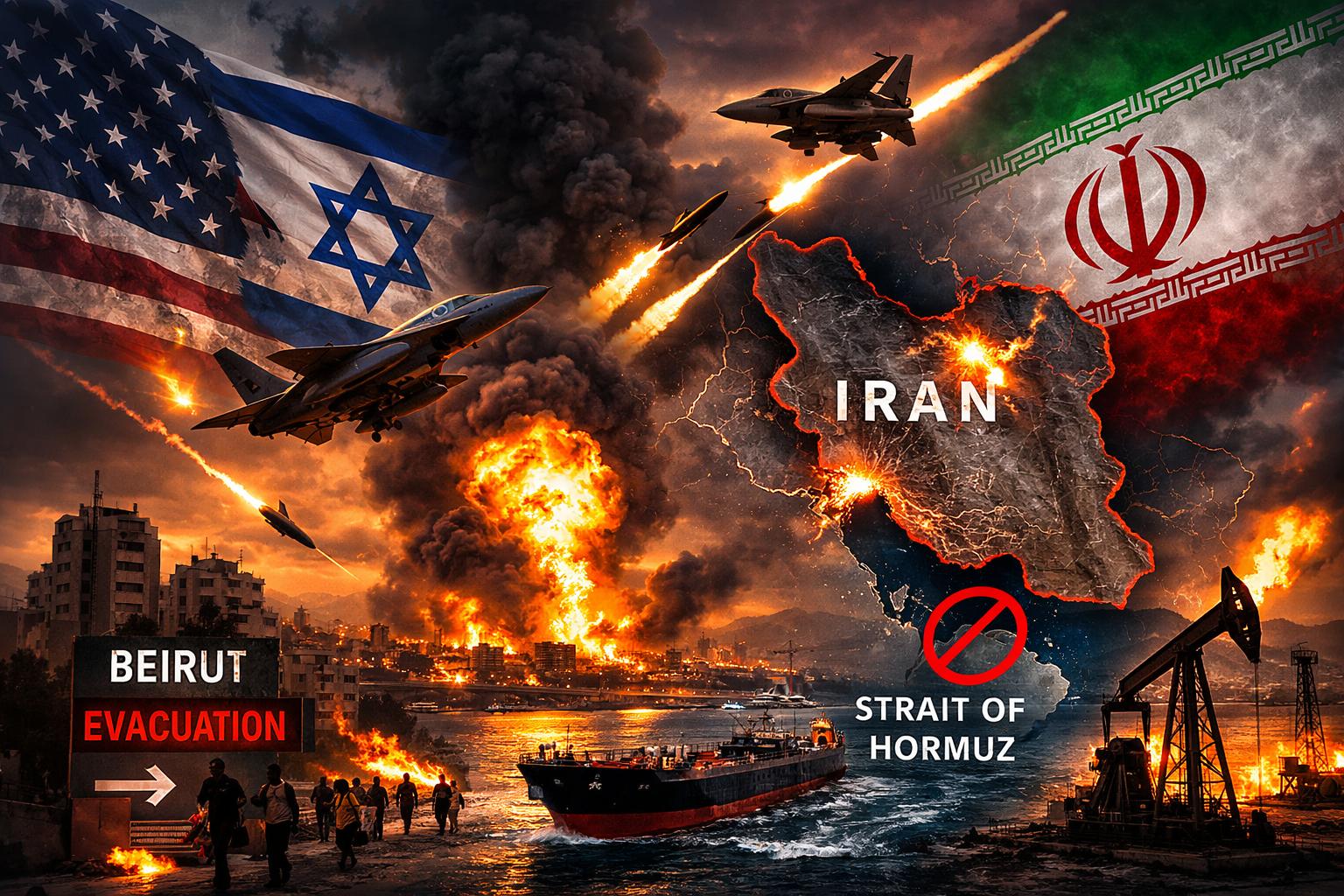
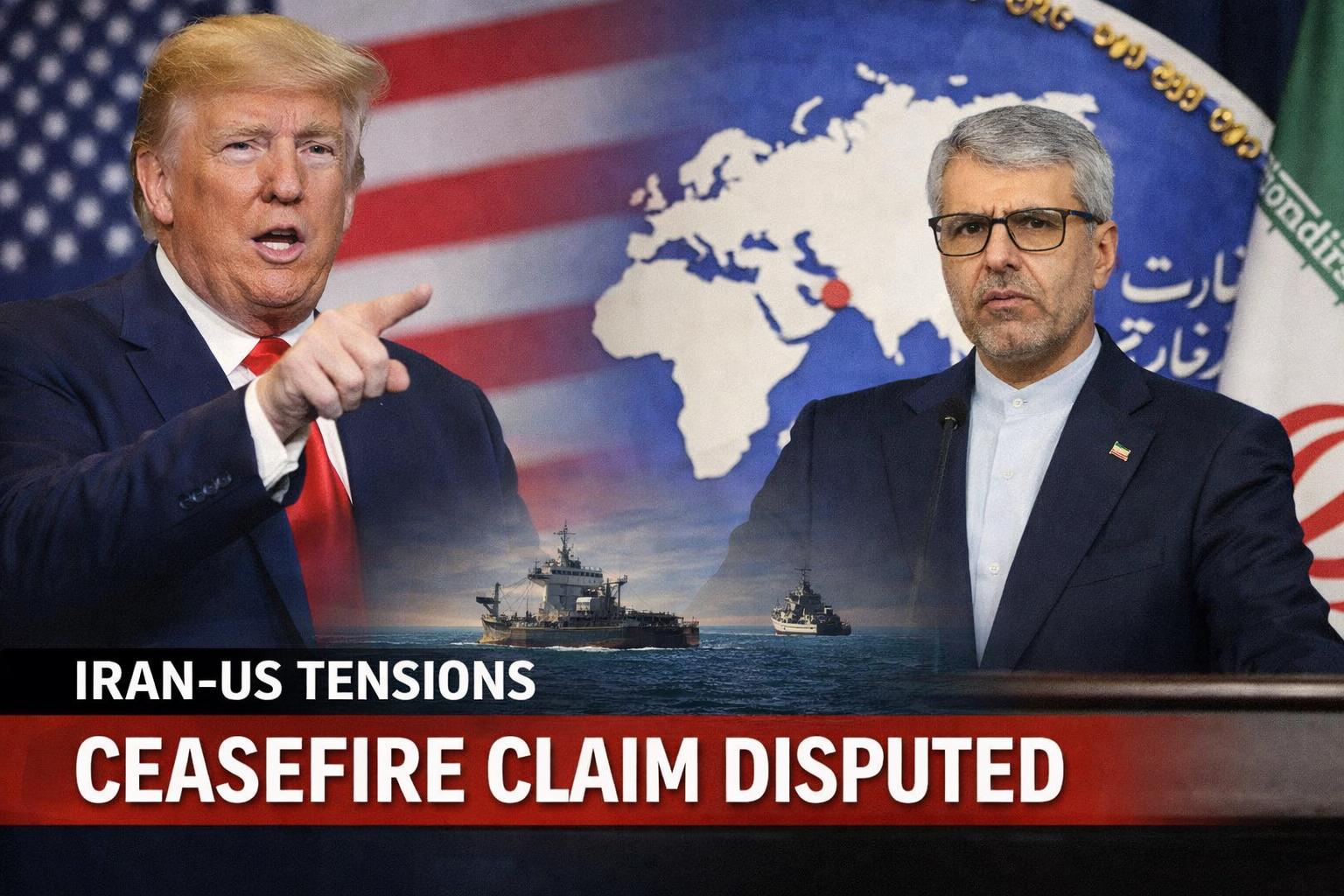
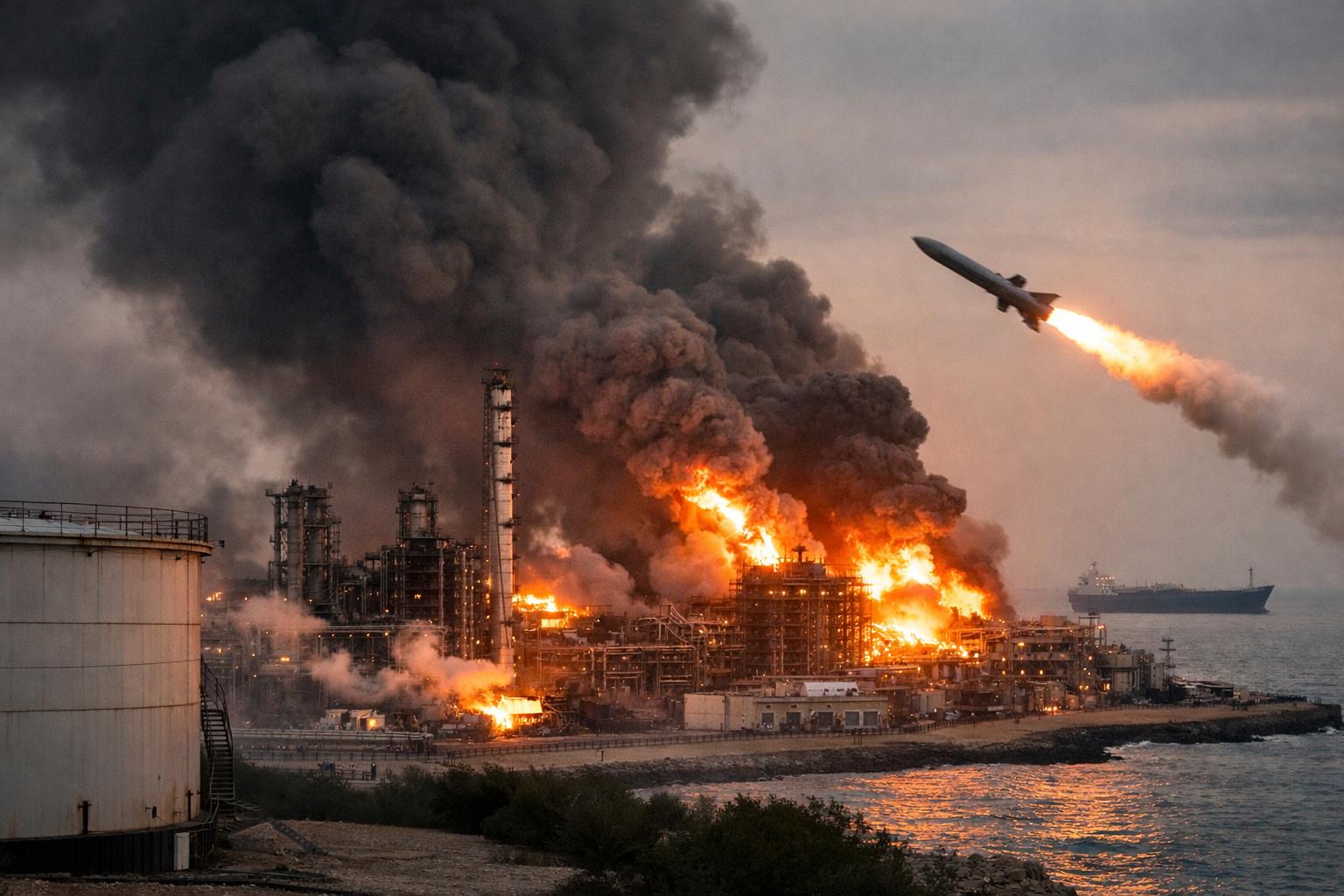
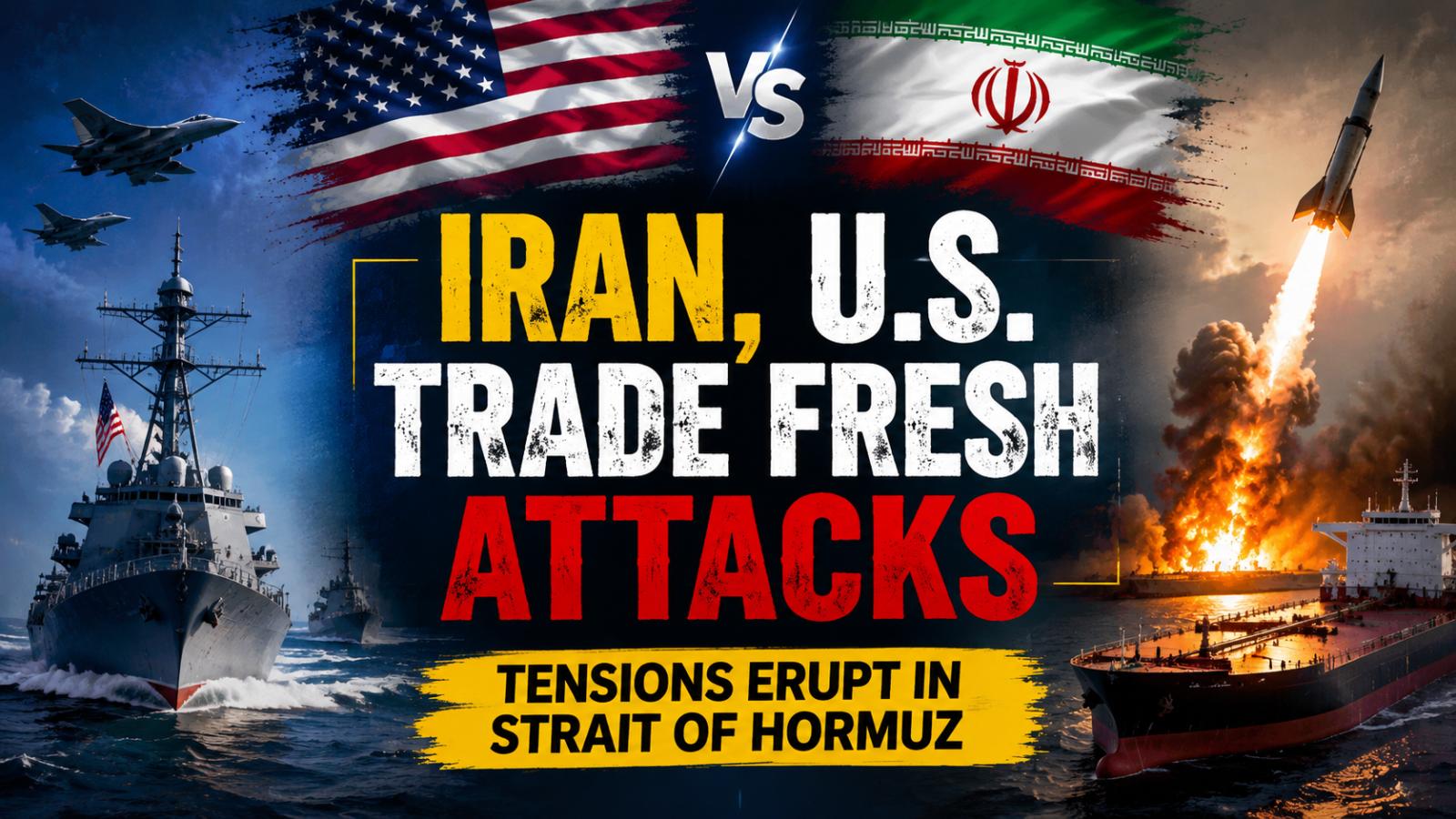
Amid the ongoing conflict in the Middle East, Iraq and Pakistan have reached separate agreements with Iran to allow the transport of oil and liquefied natural gas (LNG) through the critical Strait of Hormuz. According to multiple sources, these agreements reflect Iran’s growing control over one of the world’s most important energy corridors, a situation that has intensified due to the ongoing regional conflict. The U.S.-Israel war with Iran has severely disrupted energy exports from the Gulf region, which typically supplies about 20% of global crude oil and LNG.
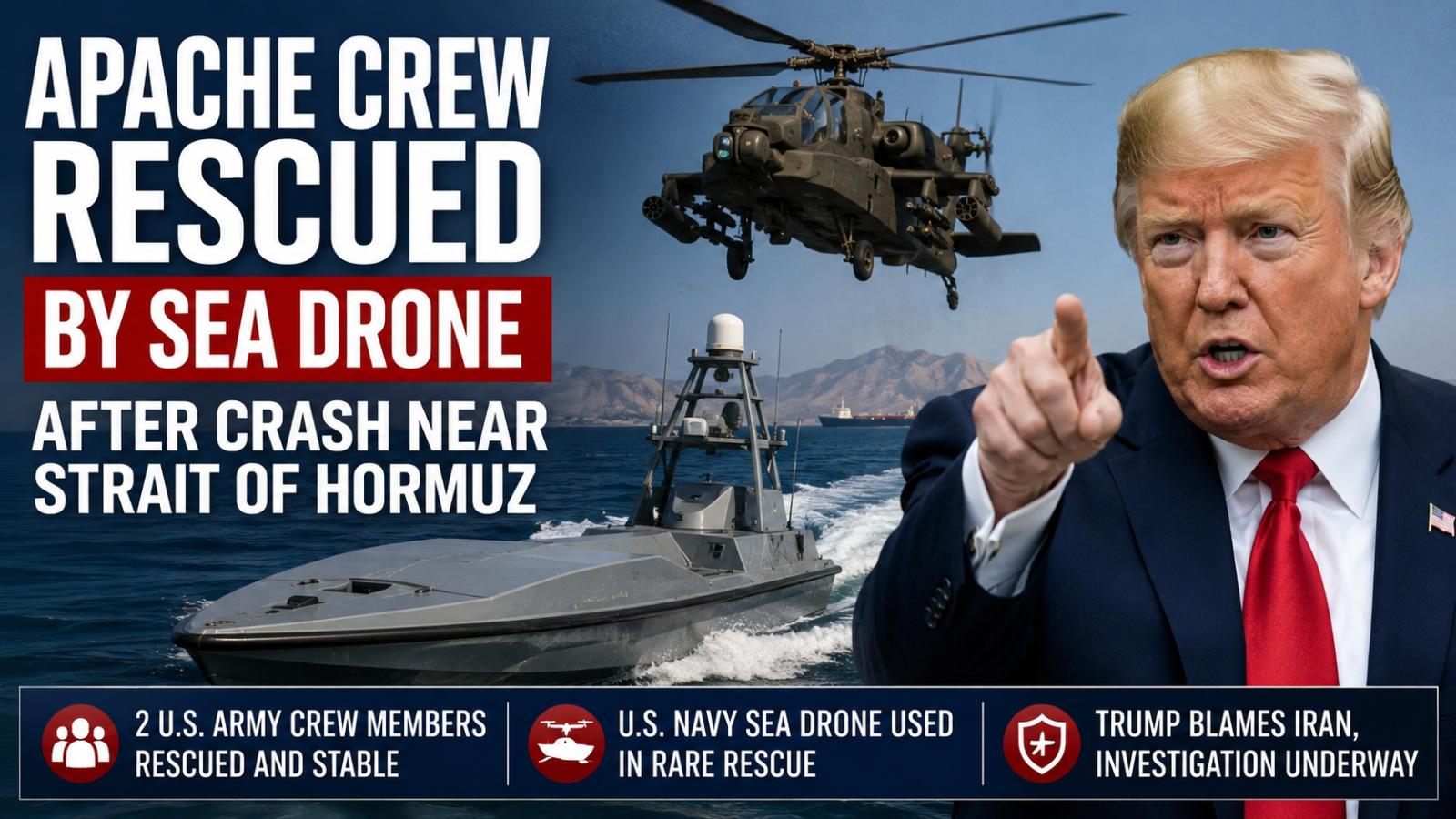
The deal comes at a time when the Strait of Hormuz has become a focal point of geopolitical tension. According to Claudio Steuer, an expert from the Oxford Institute for Energy Studies, Iran’s strategy has shifted significantly during the conflict. “Hormuz is no longer a neutral transit route; it is a controlled corridor,” Steuer explained. This shift has dramatically affected countries like Iraq, which heavily depend on the strait for oil exports, and Pakistan, which has faced rising fuel prices during peak summer electricity demand.
Iraq and Pakistan Negotiate Transit Access
Under a recent arrangement, Iraq secured permission from Iran to allow two very large crude carriers (VLCCs) carrying approximately 2 million barrels of oil each to pass through the Strait of Hormuz. This deal is crucial for Iraq, as oil revenues make up about 95% of the country’s state budget. Sources confirmed that Iraq is also seeking approval for additional shipments, with negotiations ongoing.
Pakistan, meanwhile, has secured its own deal with Iran to transport LNG from Qatar. Before the conflict, Pakistan received approximately 10 LNG cargoes each month, but disruptions in the region have significantly affected normal trade flows. Two LNG tankers are reportedly en route to Pakistan under the new arrangement, though Pakistan’s continued dependence on Gulf energy imports has added pressure during the summer months.
Impact of Iran’s Influence on Global Energy Security
While neither Iraq nor Pakistan is directly paying Iran for access to the strait, both countries are navigating the complex dynamics of working with Tehran to ensure the continued flow of critical energy supplies. The global disruption caused by the conflict has resulted in a sharp rise in energy prices, with Brent crude climbing more than 50% since the start of the conflict. LNG prices in Europe and Asia have surged by as much as 50%, further highlighting the strain on global energy markets.
As the situation in the Strait of Hormuz becomes increasingly controlled by Iran, the strategic importance of the strait remains at the forefront of international discussions. According to reports, Iran is seeking sanctions relief and access to frozen assets as part of any future settlement. While these demands have been dismissed by the United States, concerns over global energy security continue to rise.