

















Iran Gains Control Over Strait of Hormuz as Iraq and Pakistan Strike Energy Deals
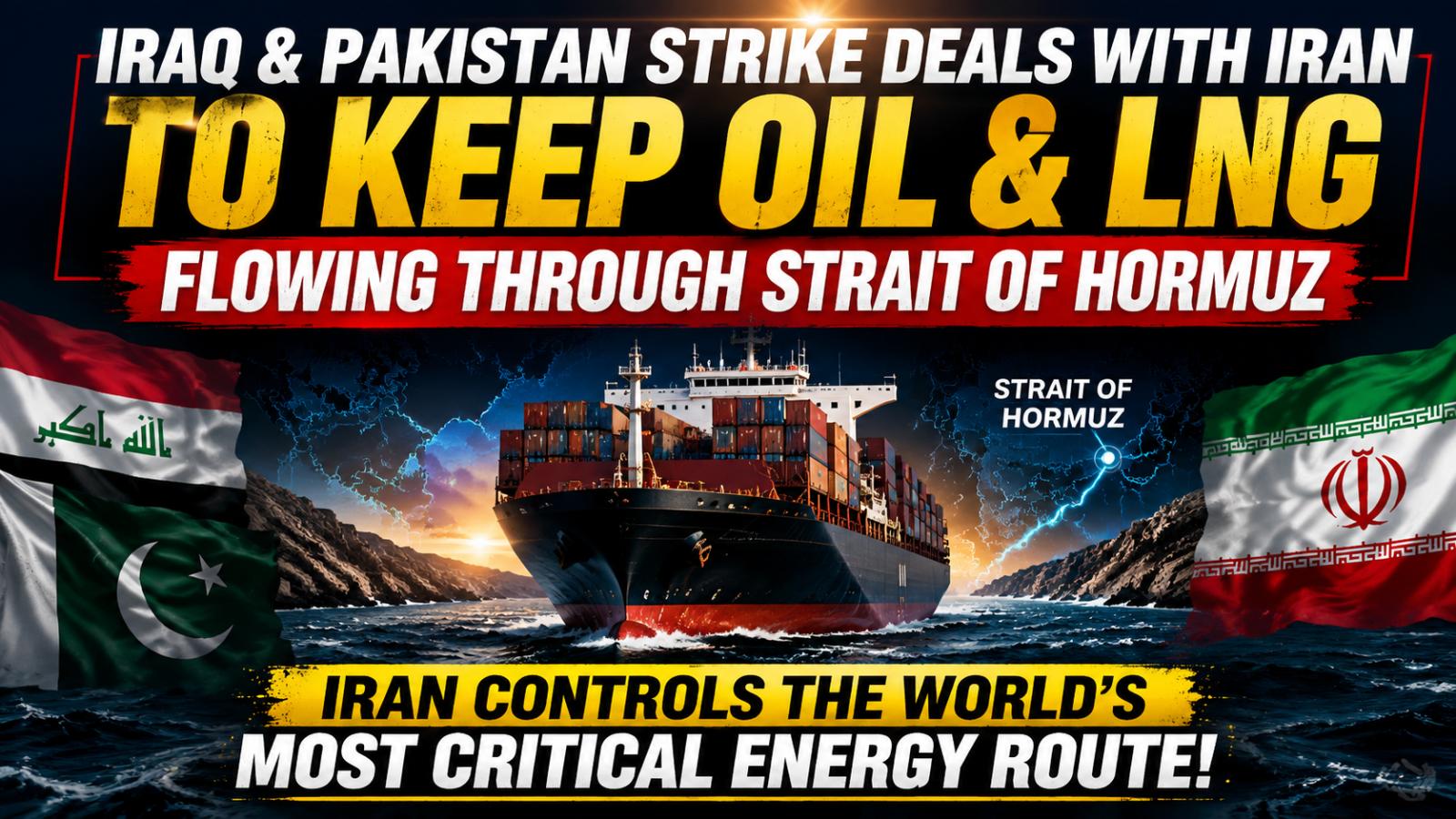
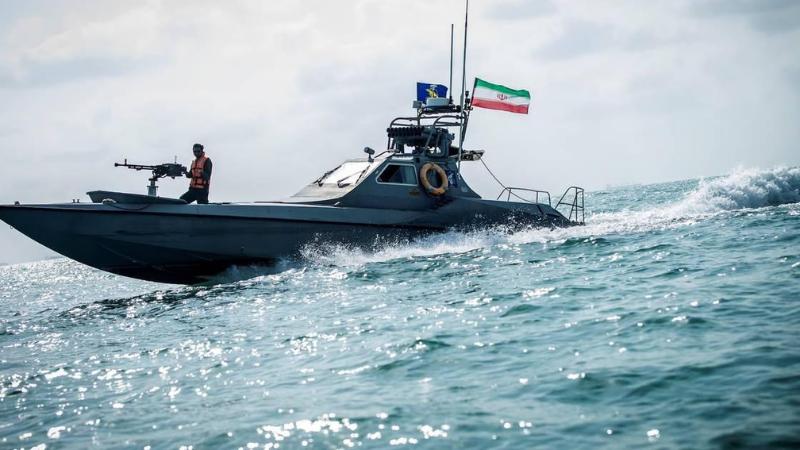
Iraq and Pakistan Secure Oil and Gas Transport Deals Amid the ongoing conflict in the Middle East, Iraq and Pakistan have reached separate agreements with Iran to allow the transport of oil and liquefied natural gas (LNG) through the critical Strait of Hormuz. According to multiple sources, these agreements reflect Iran’s growing control over one of the world’s most important energy corridors, a situation that has intensified due to the ongoing
Iran Gains Control Over Strait of Hormuz as Iraq and Pakistan Strike Energy Deals
Iraq and Pakistan Secure Oil and Gas Transport Deals Amid the ongoing conflict in the Middle East, Iraq and Pakistan have reached separate agreements with Iran to allow the transport of oil and liquefied natural gas (LNG) through the critical Strait of Hormuz. According to multiple sources, these agreements reflect Iran’s growing control over one of the world’s most important energy corridors, a situation that has intensified due to the ongoing
What did Iran propose to the U.S.? New talks plan sent via Pakistan signals diplomacy
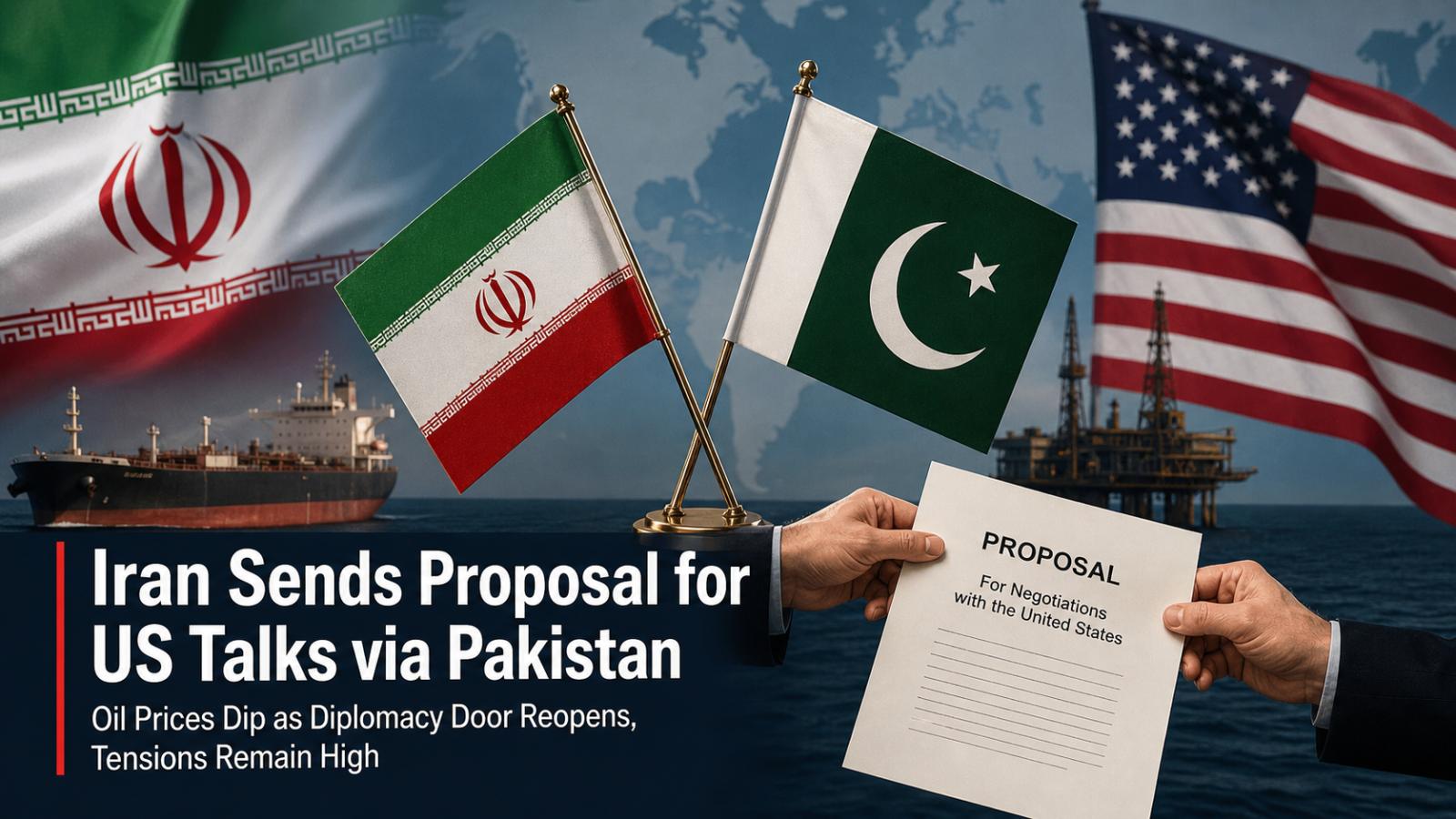
Iran has delivered a new proposal for negotiations with the United States through Pakistan, signaling a potential diplomatic opening amid heightened regional tensions. According to IRNA, the proposal was formally
What did Iran propose to the U.S.? New talks plan sent via Pakistan signals diplomacy
Iran has delivered a new proposal for negotiations with the United States through Pakistan, signaling a potential diplomatic opening amid heightened regional tensions. According to IRNA, the proposal was formally
Trump Renames Strait of Hormuz Amid Rising US-Iran Tensions
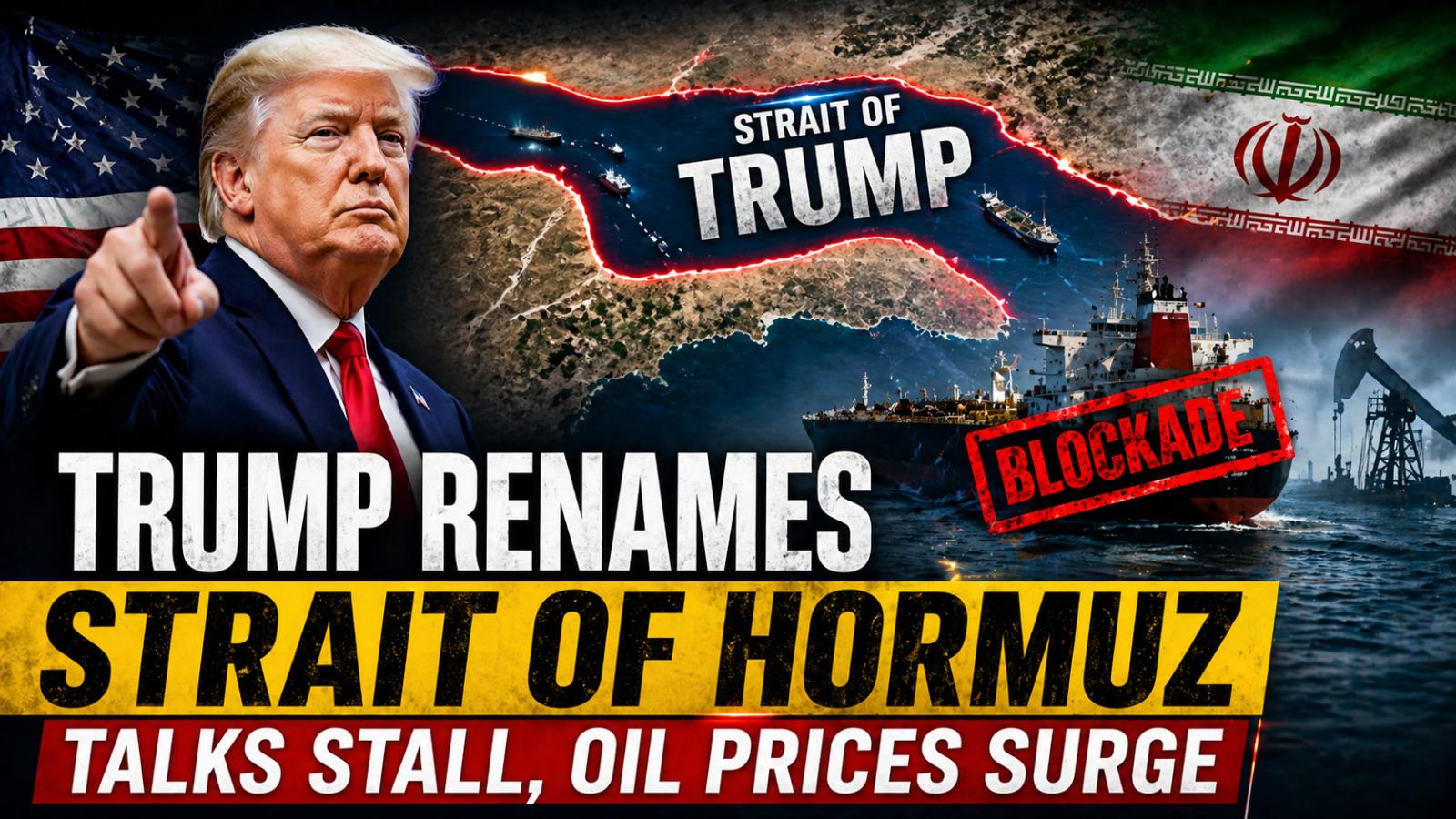
US President Donald Trump has drawn attention after sharing a modified map referring to the Strait of Hormuz as the “Strait of Trump,” a move that comes amid escalating tensions and stalled negotiations with Iran. The strategic waterway remains a focal point in the ongoing standoff, with both sides maintaining a blockade despite a previously agreed ceasefire. Trump indicated that discussions to end the conflict are continuing remotely, describing them as telephonic due to logistical challenges. At the same time, Iran has attempted to revive dialogue by sending a proposal through Pakistan, facilitated by Foreign Minister Abbas Araghchi. However, indications suggest that the US administration is dissatisfied with the terms and is unlikely to accept the framework presented. The proposal reportedly outlined a three-stage approach, beginning with a complete cessation of hostilities, followed by lifting the naval blockade and restoring maritime traffic through the Strait of Hormuz. The final stage involved renewed negotiations over Iran’s nuclear program. Despite these efforts, talks remain at an impasse, with both sides maintaining firm positions. Trump defended the blockade, describing it as effective and emphasizing its economic impact on Iran. He stated that the pressure strategy would continue until Iran concedes. Meanwhile, energy markets reacted sharply, with Brent crude prices rising significantly, reflecting concerns over supply disruptions linked to the strategic route. The Strait of Hormuz remains critical to global oil flows, and its continued closure by both US and Iranian forces underscores the fragile state of the ceasefire. Diplomatic efforts have yet to regain momentum, leaving the situation uncertain as geopolitical and economic pressures continue to build.
Trump Renames Strait of Hormuz Amid Rising US-Iran Tensions
US President Donald Trump has drawn attention after sharing a modified map referring to the Strait of Hormuz as the “Strait of Trump,” a move that comes amid escalating tensions and stalled negotiations with Iran. The strategic waterway remains a focal point in the ongoing standoff, with both sides maintaining a blockade despite a previously agreed ceasefire. Trump indicated that discussions to end the conflict are continuing remotely, describing them as telephonic due to logistical challenges. At the same time, Iran has attempted to revive dialogue by sending a proposal through Pakistan, facilitated by Foreign Minister Abbas Araghchi. However, indications suggest that the US administration is dissatisfied with the terms and is unlikely to accept the framework presented. The proposal reportedly outlined a three-stage approach, beginning with a complete cessation of hostilities, followed by lifting the naval blockade and restoring maritime traffic through the Strait of Hormuz. The final stage involved renewed negotiations over Iran’s nuclear program. Despite these efforts, talks remain at an impasse, with both sides maintaining firm positions. Trump defended the blockade, describing it as effective and emphasizing its economic impact on Iran. He stated that the pressure strategy would continue until Iran concedes. Meanwhile, energy markets reacted sharply, with Brent crude prices rising significantly, reflecting concerns over supply disruptions linked to the strategic route. The Strait of Hormuz remains critical to global oil flows, and its continued closure by both US and Iranian forces underscores the fragile state of the ceasefire. Diplomatic efforts have yet to regain momentum, leaving the situation uncertain as geopolitical and economic pressures continue to build.
Iran Pushes Back on Trump’s Oil Warnings, Defends Export Capacity
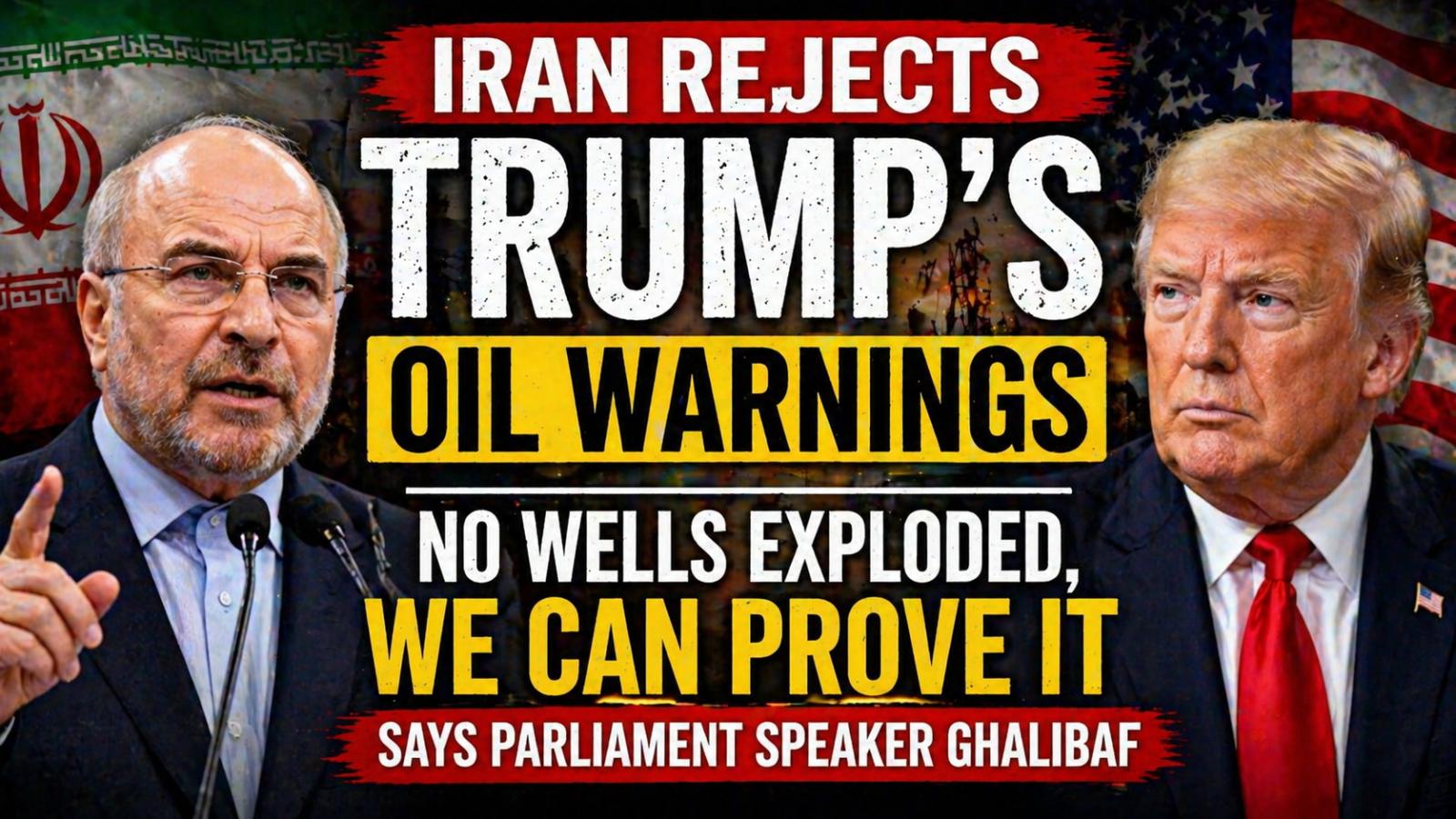
The Speaker of Iran’s Parliament, Mohammad Bagher Ghalibaf, has rejected recent claims made by US President Donald Trump regarding the stability of Iran’s oil infrastructure. Responding to warnings that Iran’s oil facilities were nearing critical failure, Ghalibaf dismissed the remarks as inaccurate and politically motivated, stating that conditions on the ground do not support such assessments. He emphasized that several days have passed without any reported incidents and suggested that extended monitoring could further demonstrate the resilience of Iran’s oil sector. Ghalibaf also criticized the broader economic reasoning behind US policy measures, arguing that sanctions-based strategies have produced unintended consequences. He stated that approaches centered on economic pressure have contributed to rising oil prices rather than stabilizing global markets. According to his remarks, such policies reflect not only flawed strategies but also a deeper issue in decision-making. The exchange follows recent developments in US policy toward Iranian oil exports. Washington moved to temporarily ease restrictions on a significant volume of Iranian crude already stored on tankers, allowing limited transactions involving existing shipments. US officials described the move as a calculated effort to influence oil markets while maintaining restrictions on new production or expanded trade. Earlier, Trump had suggested that storage limitations and sanctions pressure could lead to disruptions in Iran’s oil infrastructure. However, Iranian officials have consistently maintained that both land-based and offshore storage capacities remain sufficient to manage production and exports. They argue that the country’s energy sector continues to operate within manageable limits despite ongoing sanctions. The situation highlights continuing tensions between Tehran and Washington over energy policy and economic measures. As both sides present differing assessments, the broader impact on global oil markets and geopolitical stability remains closely watched.
Iran Pushes Back on Trump’s Oil Warnings, Defends Export Capacity
The Speaker of Iran’s Parliament, Mohammad Bagher Ghalibaf, has rejected recent claims made by US President Donald Trump regarding the stability of Iran’s oil infrastructure. Responding to warnings that Iran’s oil facilities were nearing critical failure, Ghalibaf dismissed the remarks as inaccurate and politically motivated, stating that conditions on the ground do not support such assessments. He emphasized that several days have passed without any reported incidents and suggested that extended monitoring could further demonstrate the resilience of Iran’s oil sector. Ghalibaf also criticized the broader economic reasoning behind US policy measures, arguing that sanctions-based strategies have produced unintended consequences. He stated that approaches centered on economic pressure have contributed to rising oil prices rather than stabilizing global markets. According to his remarks, such policies reflect not only flawed strategies but also a deeper issue in decision-making. The exchange follows recent developments in US policy toward Iranian oil exports. Washington moved to temporarily ease restrictions on a significant volume of Iranian crude already stored on tankers, allowing limited transactions involving existing shipments. US officials described the move as a calculated effort to influence oil markets while maintaining restrictions on new production or expanded trade. Earlier, Trump had suggested that storage limitations and sanctions pressure could lead to disruptions in Iran’s oil infrastructure. However, Iranian officials have consistently maintained that both land-based and offshore storage capacities remain sufficient to manage production and exports. They argue that the country’s energy sector continues to operate within manageable limits despite ongoing sanctions. The situation highlights continuing tensions between Tehran and Washington over energy policy and economic measures. As both sides present differing assessments, the broader impact on global oil markets and geopolitical stability remains closely watched.
Why did the US seize Iranian oil tankers? Enforcement targets sanctions violations
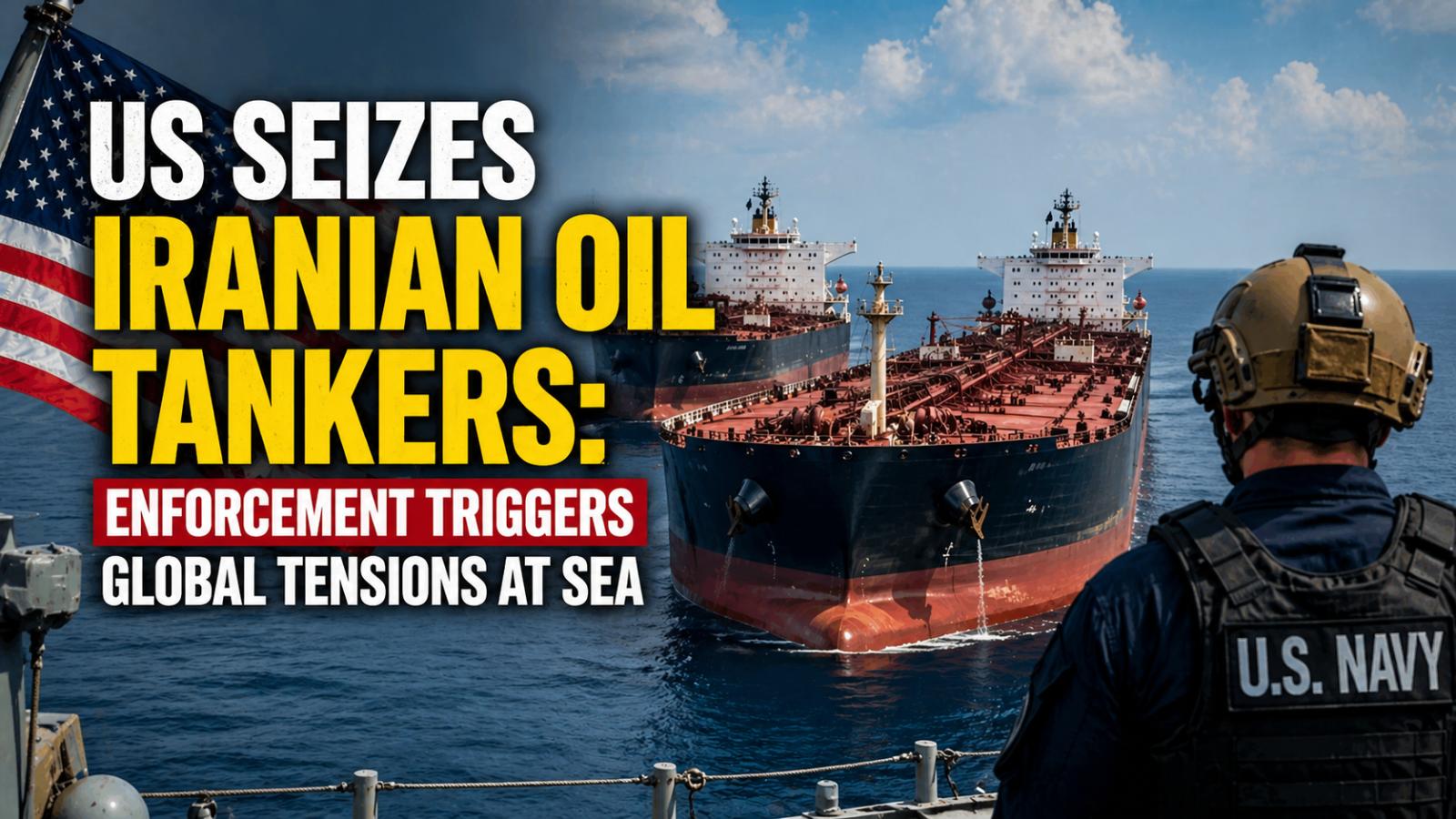
Enforcement targets sanctions violations The United States has seized two tankers allegedly transporting Iranian oil, intensifying tensions with Iran and drawing sharp condemnation from Tehran. Iranian officials described the operation as “armed robbery on the high seas,” accusing
Why did the US seize Iranian oil tankers? Enforcement targets sanctions violations
Enforcement targets sanctions violations The United States has seized two tankers allegedly transporting Iranian oil, intensifying tensions with Iran and drawing sharp condemnation from Tehran. Iranian officials described the operation as “armed robbery on the high seas,” accusing
Lavrov criticizes US foreign policy over oil and energy dominance
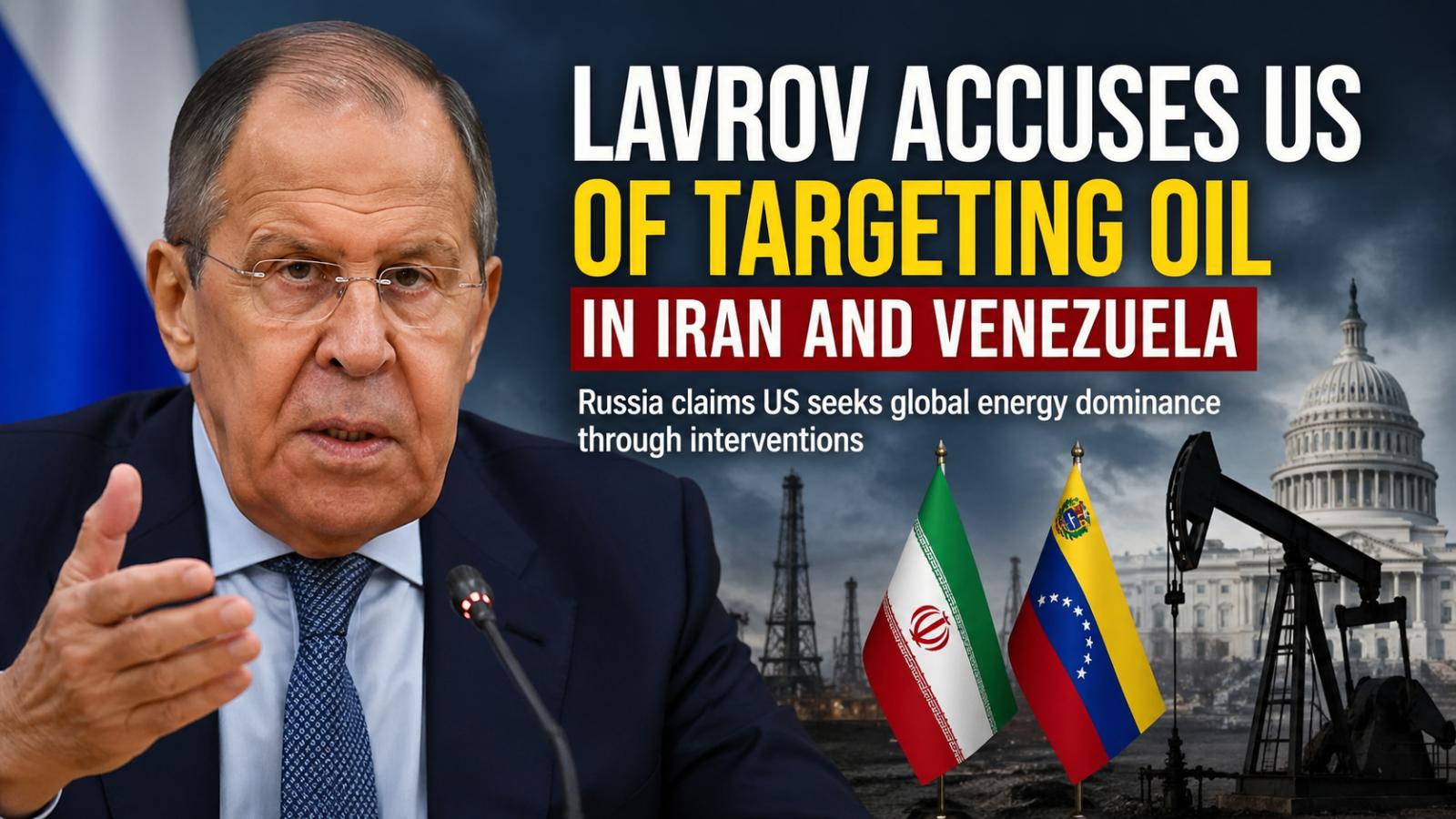
Russian Foreign Minister Sergei Lavrov has accused the United States of pursuing oil-driven policies in Iran and Venezuela, claiming that control over global energy resources is a central goal of Washington’s foreign strategy. Speaking in a televised interview, Lavrov said the US focuses primarily on its own interests and is willing to use extreme methods to secure access to oil and energy assets in resource-rich nations. Lavrov alleged that US actions in countries such as Iran and Venezuela are not hidden, but openly tied to securing influence over energy markets. According to him, Washington’s approach reflects a broader ambition to dominate global energy supply chains. He argued that such policies show a shift away from international legal norms, suggesting that decisions are increasingly shaped by power rather than agreed rules. The Russian minister also criticized the US for what he described as inconsistent diplomacy. He urged Washington to prioritize dialogue, stating that the US has a pattern of withdrawing from agreements instead of maintaining stable international commitments. His remarks come as American envoys prepare for discussions in Pakistan, signaling ongoing diplomatic engagement in the region. The White House has indicated openness to negotiations with Iran, while maintaining that it will not act under pressure. Meanwhile, Iran’s Foreign Minister Abbas Araghchi has begun a regional visit, adding to the ongoing diplomatic activity surrounding the issue. Lavrov further linked US foreign policy to developments in Europe, particularly in the context of the Ukraine conflict. He accused Washington of encouraging European nations to reduce dependence on Russian gas, framing this as part of a broader geopolitical strategy. According to Lavrov, such moves resemble attempts to reshape global energy dynamics in a way that benefits US interests, raising concerns about a return to power-based international relations.
Lavrov criticizes US foreign policy over oil and energy dominance
Russian Foreign Minister Sergei Lavrov has accused the United States of pursuing oil-driven policies in Iran and Venezuela, claiming that control over global energy resources is a central goal of Washington’s foreign strategy. Speaking in a televised interview, Lavrov said the US focuses primarily on its own interests and is willing to use extreme methods to secure access to oil and energy assets in resource-rich nations. Lavrov alleged that US actions in countries such as Iran and Venezuela are not hidden, but openly tied to securing influence over energy markets. According to him, Washington’s approach reflects a broader ambition to dominate global energy supply chains. He argued that such policies show a shift away from international legal norms, suggesting that decisions are increasingly shaped by power rather than agreed rules. The Russian minister also criticized the US for what he described as inconsistent diplomacy. He urged Washington to prioritize dialogue, stating that the US has a pattern of withdrawing from agreements instead of maintaining stable international commitments. His remarks come as American envoys prepare for discussions in Pakistan, signaling ongoing diplomatic engagement in the region. The White House has indicated openness to negotiations with Iran, while maintaining that it will not act under pressure. Meanwhile, Iran’s Foreign Minister Abbas Araghchi has begun a regional visit, adding to the ongoing diplomatic activity surrounding the issue. Lavrov further linked US foreign policy to developments in Europe, particularly in the context of the Ukraine conflict. He accused Washington of encouraging European nations to reduce dependence on Russian gas, framing this as part of a broader geopolitical strategy. According to Lavrov, such moves resemble attempts to reshape global energy dynamics in a way that benefits US interests, raising concerns about a return to power-based international relations.
What sanctions did the U.S. impose on China-linked oil trade? The move targets refinery and tankers tied to Iran
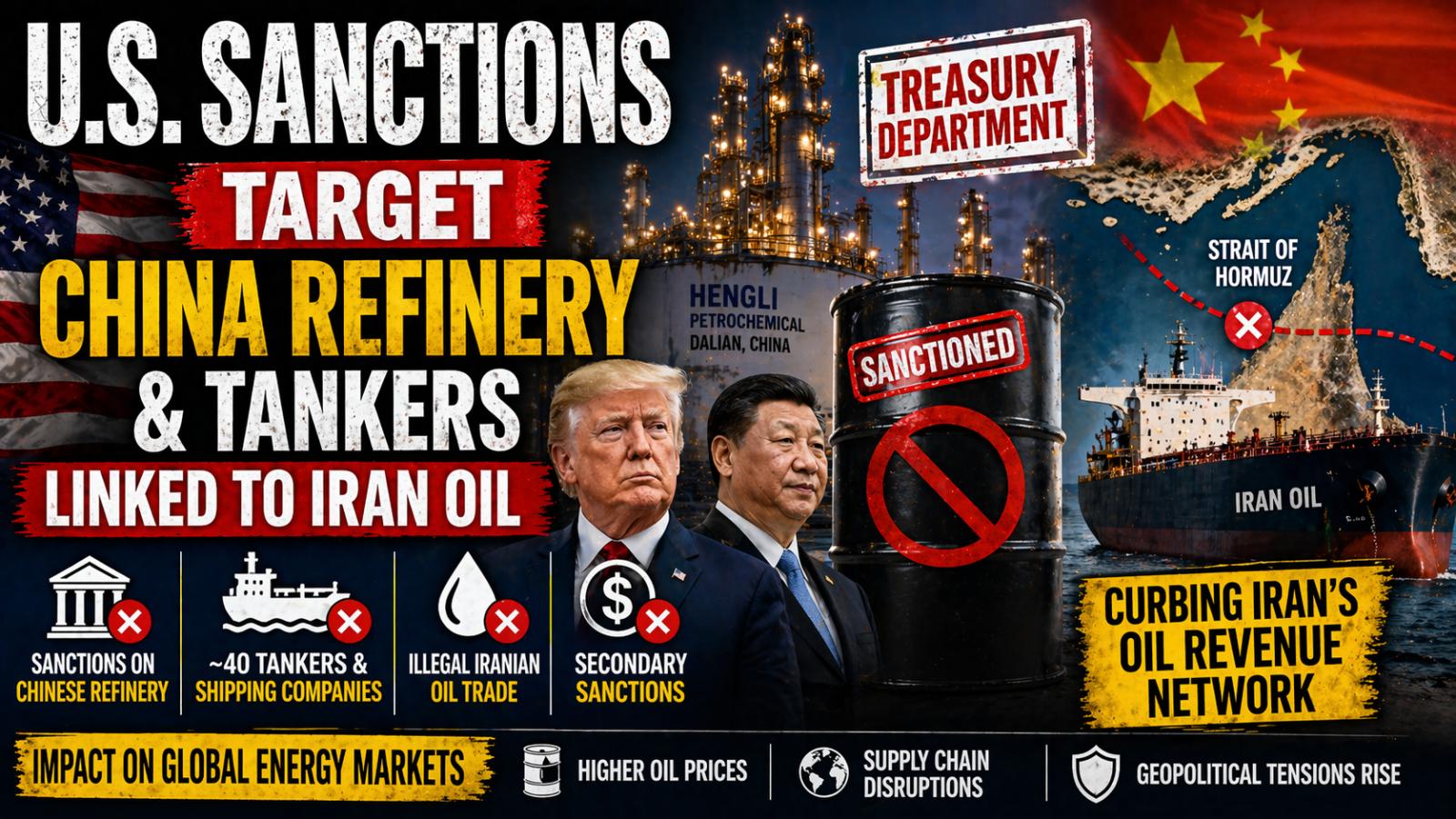
The United States has imposed sweeping new sanctions targeting a China-linked oil trade network tied to Iran, focusing on a major refinery and dozens of shipping entities. Announced on Friday, April 25, 2026, the measures aim to disrupt Tehran’s oil revenue streams by penalizing companies involved in transporting and processing Iranian crude, reinforcing Washington’s broader use of secondary sanctions. Targeting key nodes in Iran’s oil supply chain Among those sanctioned is Hengli Petrochemical’s large refinery in Dalian, China, which has the capacity to process about 400,000 barrels of crude oil per day. The U.S. Treasury Department said the facility has accepted Iranian crude shipments since 2023, generating substantial revenue that allegedly supports Iran’s military. Officials indicated the action is part of a wider strategy to dismantle networks of vessels, intermediaries, and buyers enabling Iranian oil exports. Escalating pressure amid geopolitical tensions The sanctions come just weeks before a planned meeting between U.S. President Donald Trump and Chinese President Xi Jinping in China, adding strain to an already complex economic relationship. Earlier in April 2026, U.S. officials issued warnings to financial institutions in China, Hong Kong, the United Arab Emirates, and Oman about potential penalties for facilitating Iranian transactions. Treasury Secretary Scott Bessent said the administration is prepared to apply stringent secondary sanctions to entities involved in such dealings. Impact on global energy flows and shipping routes These developments coincide with broader disruptions in global energy markets. Earlier in April 2026, the U.S. implemented a physical blockade of the Strait of Hormuz, a critical passage for oil shipments from the Persian Gulf. The move has contributed to rising oil prices and heightened uncertainty across energy markets, though U.S. authorities have issued limited waivers to ease immediate supply concerns. China’s response and global compliance concerns China remains the largest importer of Iranian oil and has consistently opposed U.S. sanctions, arguing they undermine international trade rules. Despite this position, many Chinese firms and banks continue to comply due to their reliance on the U.S.-dominated financial system. Chinese officials have previously criticized such sanctions as disruptive to legitimate economic activity, highlighting ongoing tensions over trade enforcement and global energy flows.
What sanctions did the U.S. impose on China-linked oil trade? The move targets refinery and tankers tied to Iran
The United States has imposed sweeping new sanctions targeting a China-linked oil trade network tied to Iran, focusing on a major refinery and dozens of shipping entities. Announced on Friday, April 25, 2026, the measures aim to disrupt Tehran’s oil revenue streams by penalizing companies involved in transporting and processing Iranian crude, reinforcing Washington’s broader use of secondary sanctions. Targeting key nodes in Iran’s oil supply chain Among those sanctioned is Hengli Petrochemical’s large refinery in Dalian, China, which has the capacity to process about 400,000 barrels of crude oil per day. The U.S. Treasury Department said the facility has accepted Iranian crude shipments since 2023, generating substantial revenue that allegedly supports Iran’s military. Officials indicated the action is part of a wider strategy to dismantle networks of vessels, intermediaries, and buyers enabling Iranian oil exports. Escalating pressure amid geopolitical tensions The sanctions come just weeks before a planned meeting between U.S. President Donald Trump and Chinese President Xi Jinping in China, adding strain to an already complex economic relationship. Earlier in April 2026, U.S. officials issued warnings to financial institutions in China, Hong Kong, the United Arab Emirates, and Oman about potential penalties for facilitating Iranian transactions. Treasury Secretary Scott Bessent said the administration is prepared to apply stringent secondary sanctions to entities involved in such dealings. Impact on global energy flows and shipping routes These developments coincide with broader disruptions in global energy markets. Earlier in April 2026, the U.S. implemented a physical blockade of the Strait of Hormuz, a critical passage for oil shipments from the Persian Gulf. The move has contributed to rising oil prices and heightened uncertainty across energy markets, though U.S. authorities have issued limited waivers to ease immediate supply concerns. China’s response and global compliance concerns China remains the largest importer of Iranian oil and has consistently opposed U.S. sanctions, arguing they undermine international trade rules. Despite this position, many Chinese firms and banks continue to comply due to their reliance on the U.S.-dominated financial system. Chinese officials have previously criticized such sanctions as disruptive to legitimate economic activity, highlighting ongoing tensions over trade enforcement and global energy flows.
Trump orders Navy to destroy mine-laying boats in Strait of Hormuz
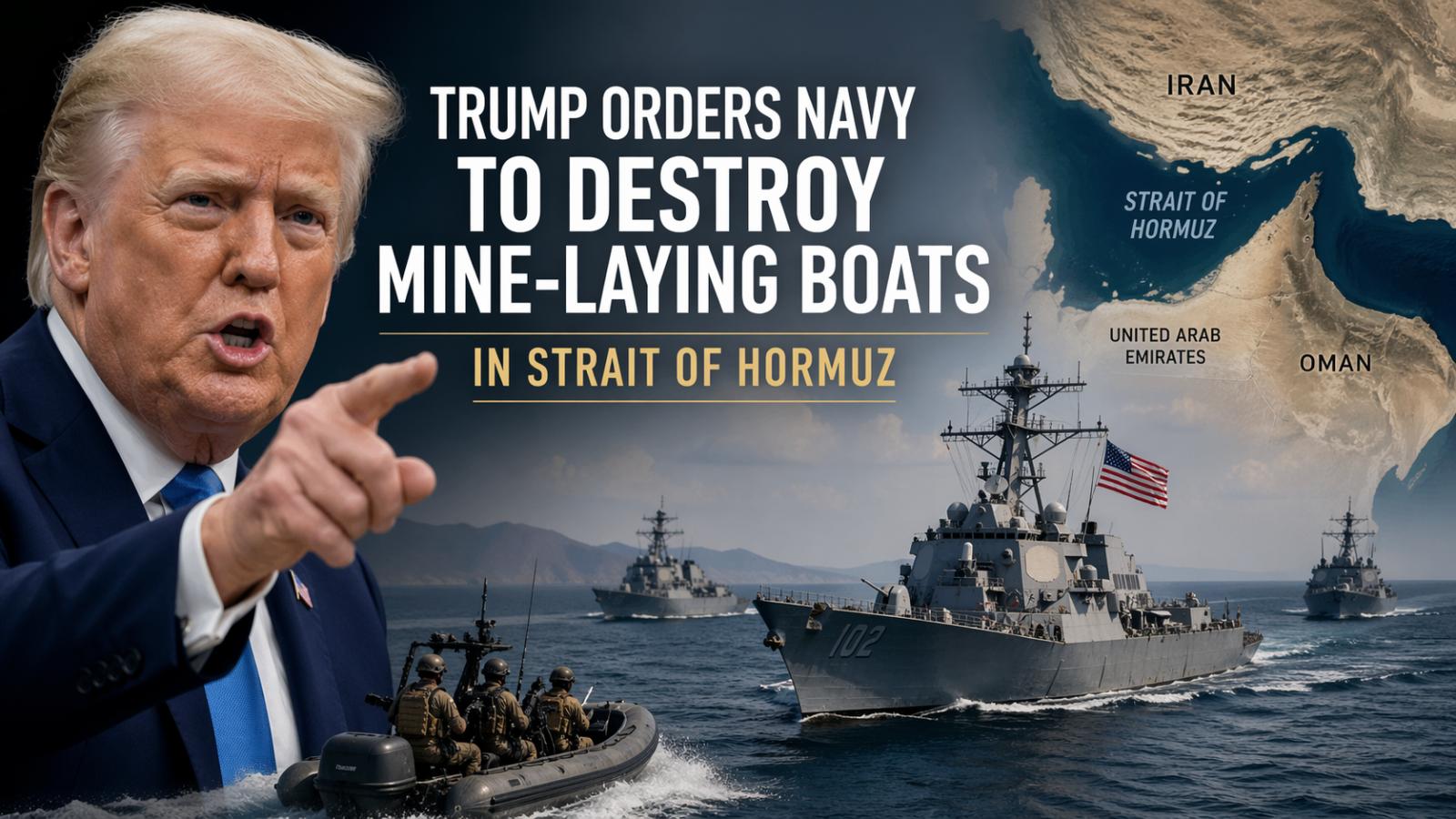
President Trump orders US Navy to target mine-laying boats in Strait of Hormuz, escalating Gulf tensions and raising concerns over maritime security and global oil shipping stability.
Trump orders Navy to destroy mine-laying boats in Strait of Hormuz
President Trump orders US Navy to target mine-laying boats in Strait of Hormuz, escalating Gulf tensions and raising concerns over maritime security and global oil shipping stability.
Iran rift exposed after firing on Indian ships in Strait of Hormuz
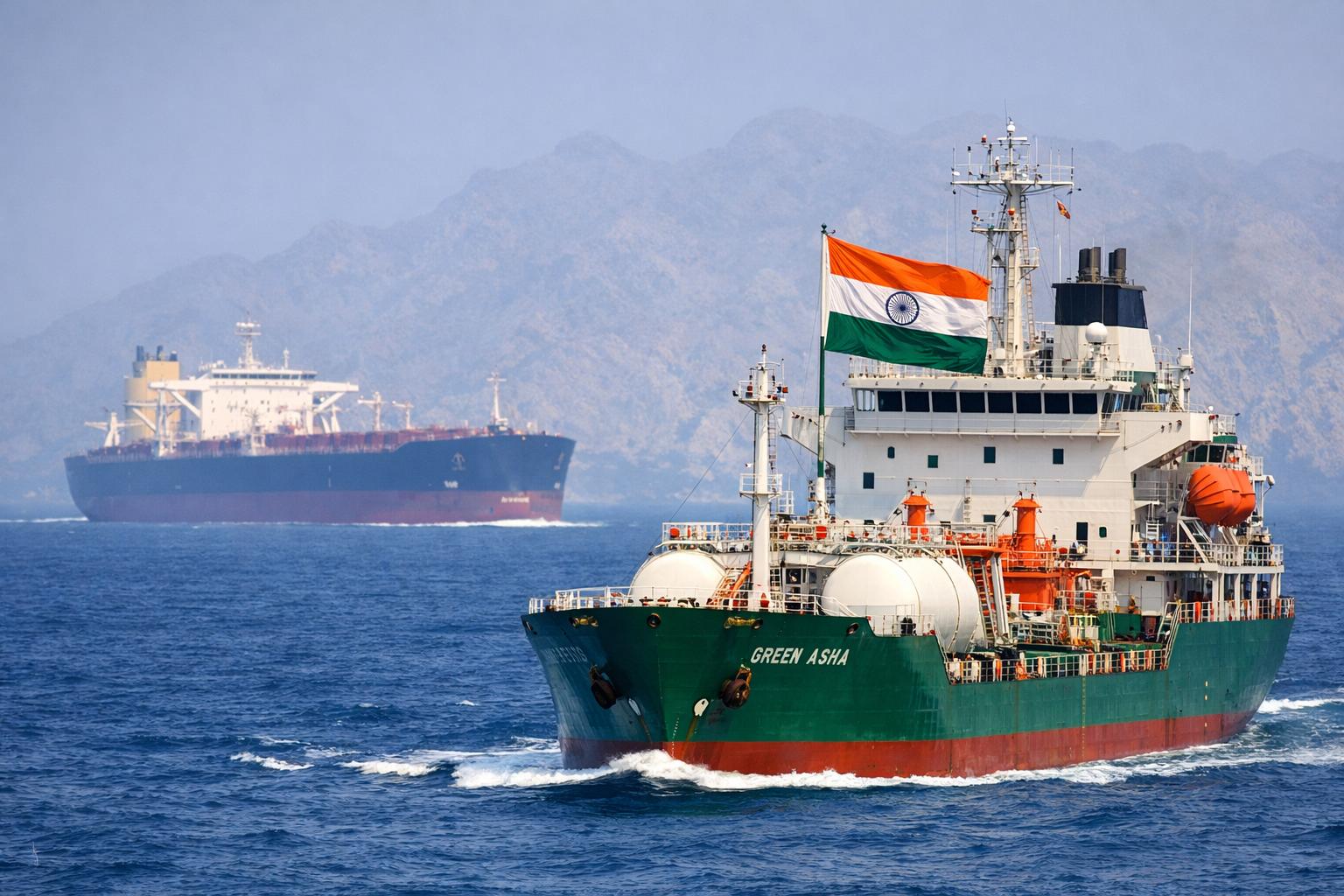
Tensions within Iran’s leadership structure came
Iran rift exposed after firing on Indian ships in Strait of Hormuz
Tensions within Iran’s leadership structure came
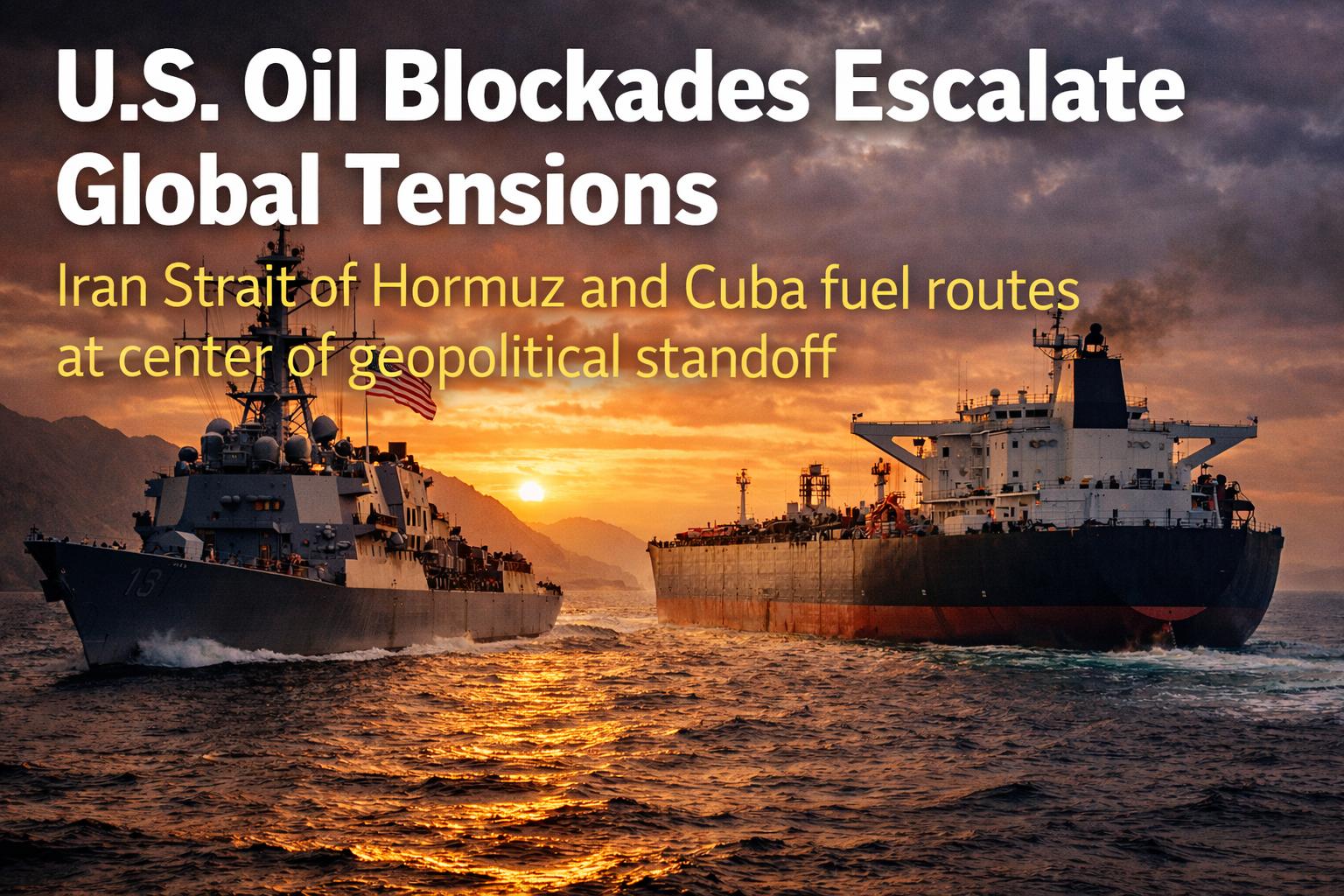
How are U.S. oil blockades impacting global tensions? They raise risks with China and Russia
The United States has intensified its use of energy shipments as a foreign policy tool, launching parallel efforts aimed at Iran in the Middle East and Cuba in the Caribbean. Under President Donald Trump, a naval blockade targeting Iranian vessels in and around the Strait of Hormuz began on Monday, marking a significant escalation despite a ceasefire agreement reached on April 7 between regional actors. At the same time, Washington has imposed a de facto fuel blockade on Cuba, warn
How are U.S. oil blockades impacting global tensions? They raise risks with China and Russia
The United States has intensified its use of energy shipments as a foreign policy tool, launching parallel efforts aimed at Iran in the Middle East and Cuba in the Caribbean. Under President Donald Trump, a naval blockade targeting Iranian vessels in and around the Strait of Hormuz began on Monday, marking a significant escalation despite a ceasefire agreement reached on April 7 between regional actors. At the same time, Washington has imposed a de facto fuel blockade on Cuba, warn
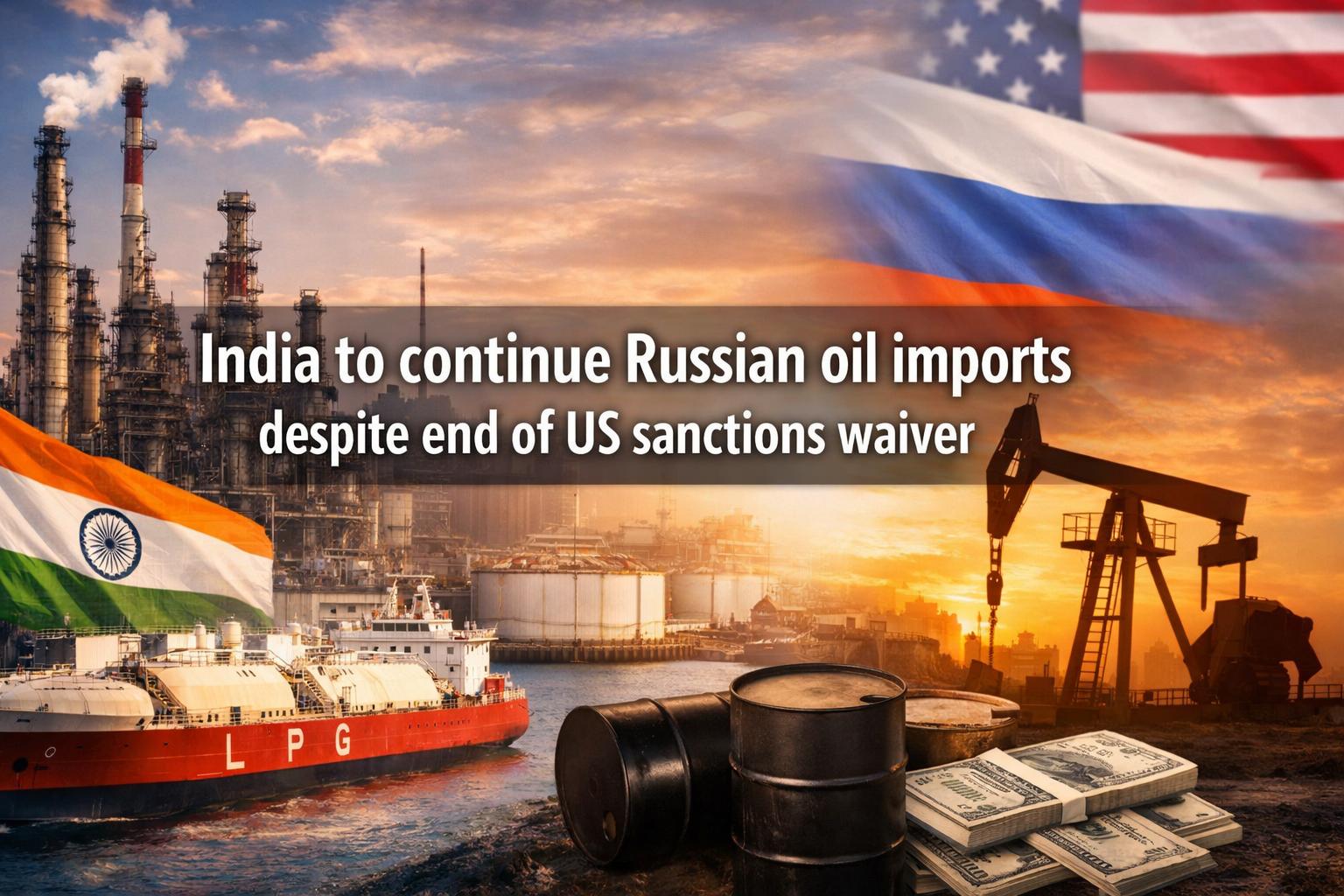
India’s energy strategy remains unchanged after US sanctions waiver ends
India is set to continue importing Russian crude oil and Liquefied Petroleum Gas (LPG) even after the expiration of the 30-day sanctions waiver granted by the United States on April 11, 2026. Officials indicated that the country’s energy import strategy is guided by sovereign priorities and commercial considerations rather than external sanctions frameworks. Indian refineries are expected to maintain their existing procurement approach by sourcing supplies from non-sanctioned entities and c
India’s energy strategy remains unchanged after US sanctions waiver ends
India is set to continue importing Russian crude oil and Liquefied Petroleum Gas (LPG) even after the expiration of the 30-day sanctions waiver granted by the United States on April 11, 2026. Officials indicated that the country’s energy import strategy is guided by sovereign priorities and commercial considerations rather than external sanctions frameworks. Indian refineries are expected to maintain their existing procurement approach by sourcing supplies from non-sanctioned entities and c
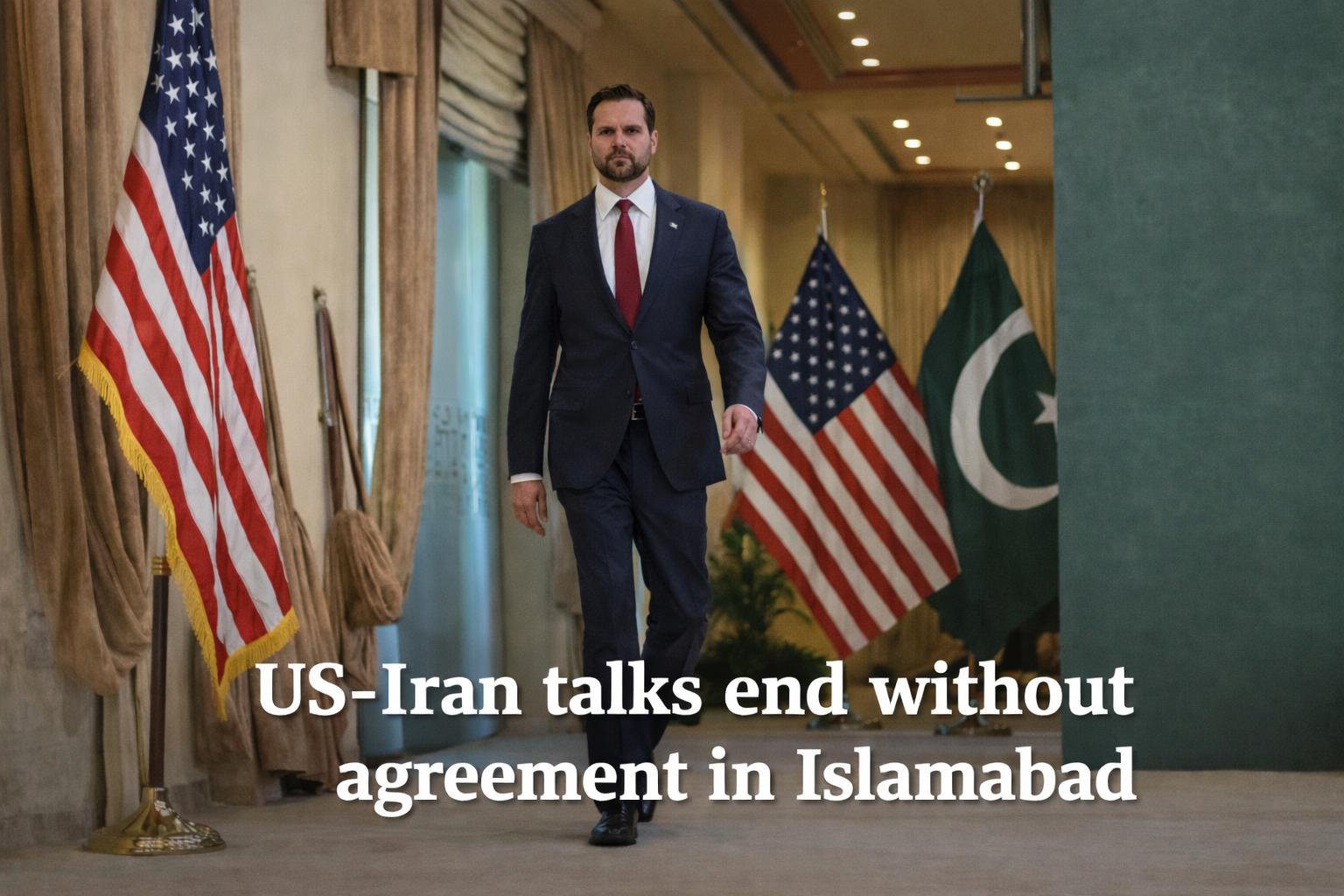
US-Iran talks in Pakistan end without agreement, raising ceasefire concerns
U.S. Vice President JD Vance said no agreement was reached with Iran following extended negotiations held in Pakistan, signaling a setback after Washington presented what it described as its “final and best offer.” Iranian officials also expressed dissatisfaction, with their lead negotiator stating that U.S. representatives failed to build sufficient trust during the discussions. The outcome leaves significant uncertainty around the fragile ceasefire that began Tuesday, though no specific date was provided for the start of the truce. Without a clear commitment from Iran to reopen the Strait of Hormuz, concerns are growing over continued disruptions to global energy markets, as the strategic waterway remains a critical route for oil shipments. Regional tensions remain elevated beyond the stalled talks. Diplomatic engagement between Israeli and Lebanese officials is expected in the coming week, even as hostilities persist. Israeli forces reported overnight strikes in southern Lebanon, stating they targeted and destroyed a rocket launcher prepared for imminent use. The strikes reportedly resulted in casualties, underscoring the ongoing volatility in the region. The lack of progress in negotiations highlights broader challenges in restoring stability, with both diplomatic and military developments shaping an increasingly uncertain outlook.
US-Iran talks in Pakistan end without agreement, raising ceasefire concerns
U.S. Vice President JD Vance said no agreement was reached with Iran following extended negotiations held in Pakistan, signaling a setback after Washington presented what it described as its “final and best offer.” Iranian officials also expressed dissatisfaction, with their lead negotiator stating that U.S. representatives failed to build sufficient trust during the discussions. The outcome leaves significant uncertainty around the fragile ceasefire that began Tuesday, though no specific date was provided for the start of the truce. Without a clear commitment from Iran to reopen the Strait of Hormuz, concerns are growing over continued disruptions to global energy markets, as the strategic waterway remains a critical route for oil shipments. Regional tensions remain elevated beyond the stalled talks. Diplomatic engagement between Israeli and Lebanese officials is expected in the coming week, even as hostilities persist. Israeli forces reported overnight strikes in southern Lebanon, stating they targeted and destroyed a rocket launcher prepared for imminent use. The strikes reportedly resulted in casualties, underscoring the ongoing volatility in the region. The lack of progress in negotiations highlights broader challenges in restoring stability, with both diplomatic and military developments shaping an increasingly uncertain outlook.
Iranian strikes damage Qatar’s key infrastructure, new footage reveals
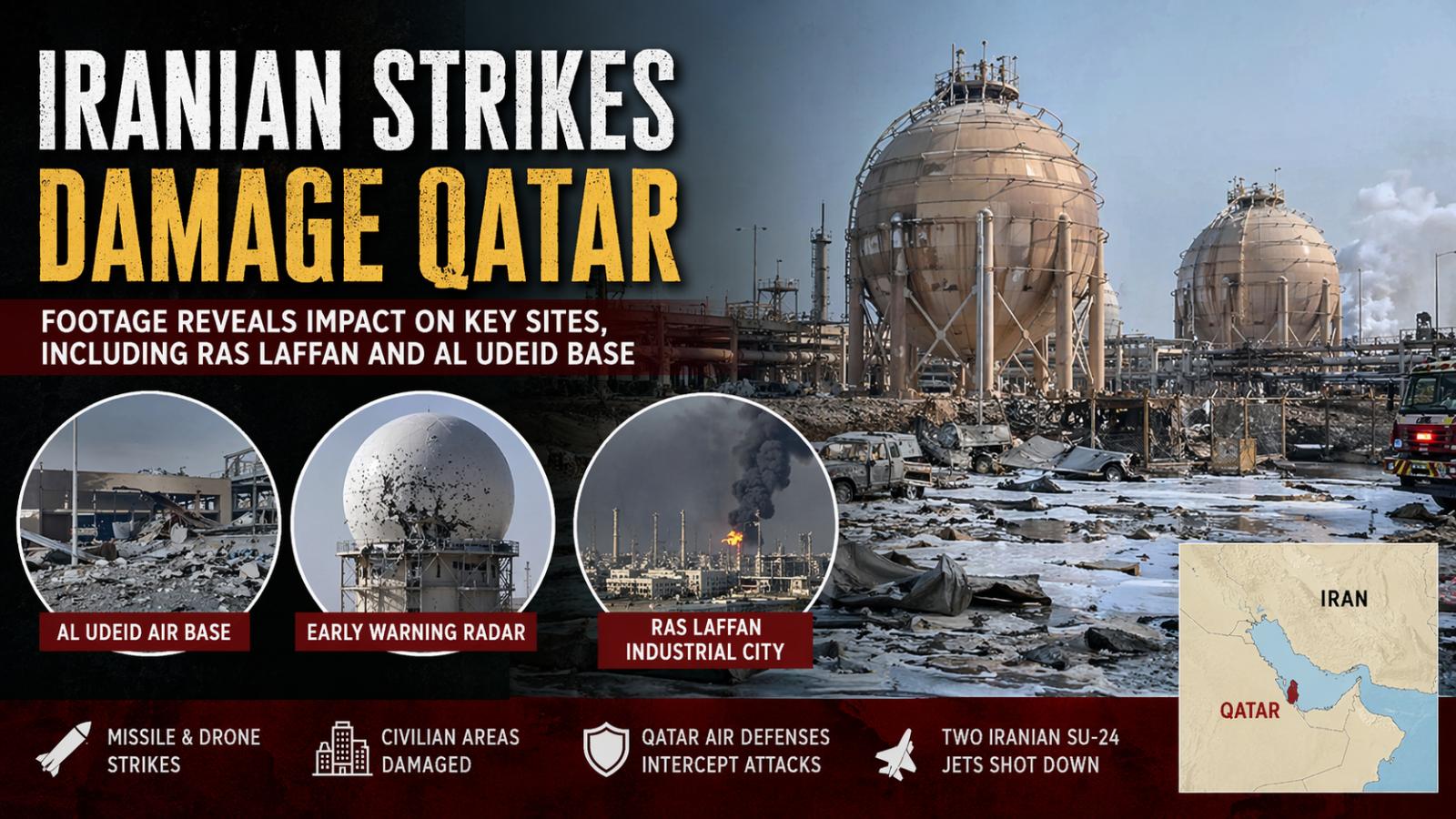
Newly released footage from Qatar provides a detailed look at the extent of damage caused by Iranian missile and drone strikes across the country, highlighting impacts on both military and civilian infrastructure. The visuals, aired in a recent investigative program, show destruction at multiple locations, including the Al Udeid Air Base, early warning radar systems in northern Qatar, and Ras Laffan Industrial City, one of the world’s most critical liquefied natural gas hubs. The
Iranian strikes damage Qatar’s key infrastructure, new footage reveals
Newly released footage from Qatar provides a detailed look at the extent of damage caused by Iranian missile and drone strikes across the country, highlighting impacts on both military and civilian infrastructure. The visuals, aired in a recent investigative program, show destruction at multiple locations, including the Al Udeid Air Base, early warning radar systems in northern Qatar, and Ras Laffan Industrial City, one of the world’s most critical liquefied natural gas hubs. The
Strait of Hormuz reopening delayed amid Iran mine clearance challenges
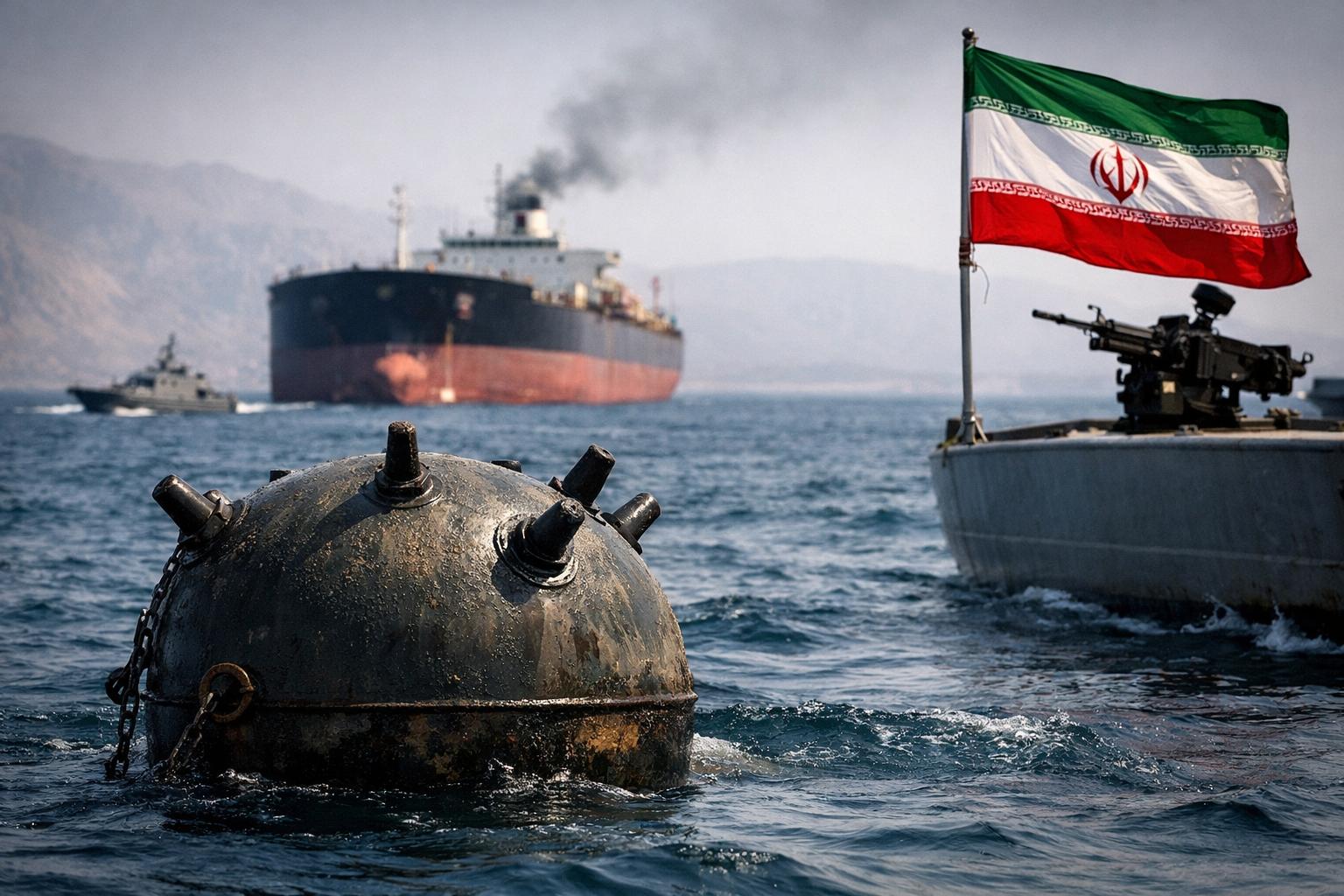
The reopening of the strategically critical Strait of Hormuz is expected to face further delays as Iran encounters challenges in locating and clearing sea mines reportedly deployed during recent hostilities, according to U.S. officials cited in a report by
Strait of Hormuz reopening delayed amid Iran mine clearance challenges
The reopening of the strategically critical Strait of Hormuz is expected to face further delays as Iran encounters challenges in locating and clearing sea mines reportedly deployed during recent hostilities, according to U.S. officials cited in a report by
India confirms seafarers safe amid Strait of Hormuz tensions and oil surge
At an inter-ministerial press conference held on Monday, April 6, 2026, in India (IST), Mukesh Mangal, Secretary in the Ministry of Ports, Shipping and Waterways, confirmed that Indian seafarers operating in the conflict-affected West Asia region remain safe, even as escalating geopolitical tensions continue to disrupt global energy markets. Mangal stated that no incidents involving Indian-flagged vessels had been reported in the preceding 24 hours, underscoring the government’s ong
India confirms seafarers safe amid Strait of Hormuz tensions and oil surge
At an inter-ministerial press conference held on Monday, April 6, 2026, in India (IST), Mukesh Mangal, Secretary in the Ministry of Ports, Shipping and Waterways, confirmed that Indian seafarers operating in the conflict-affected West Asia region remain safe, even as escalating geopolitical tensions continue to disrupt global energy markets. Mangal stated that no incidents involving Indian-flagged vessels had been reported in the preceding 24 hours, underscoring the government’s ong
India acknowledges Iranian oil and LPG imports amid energy demand
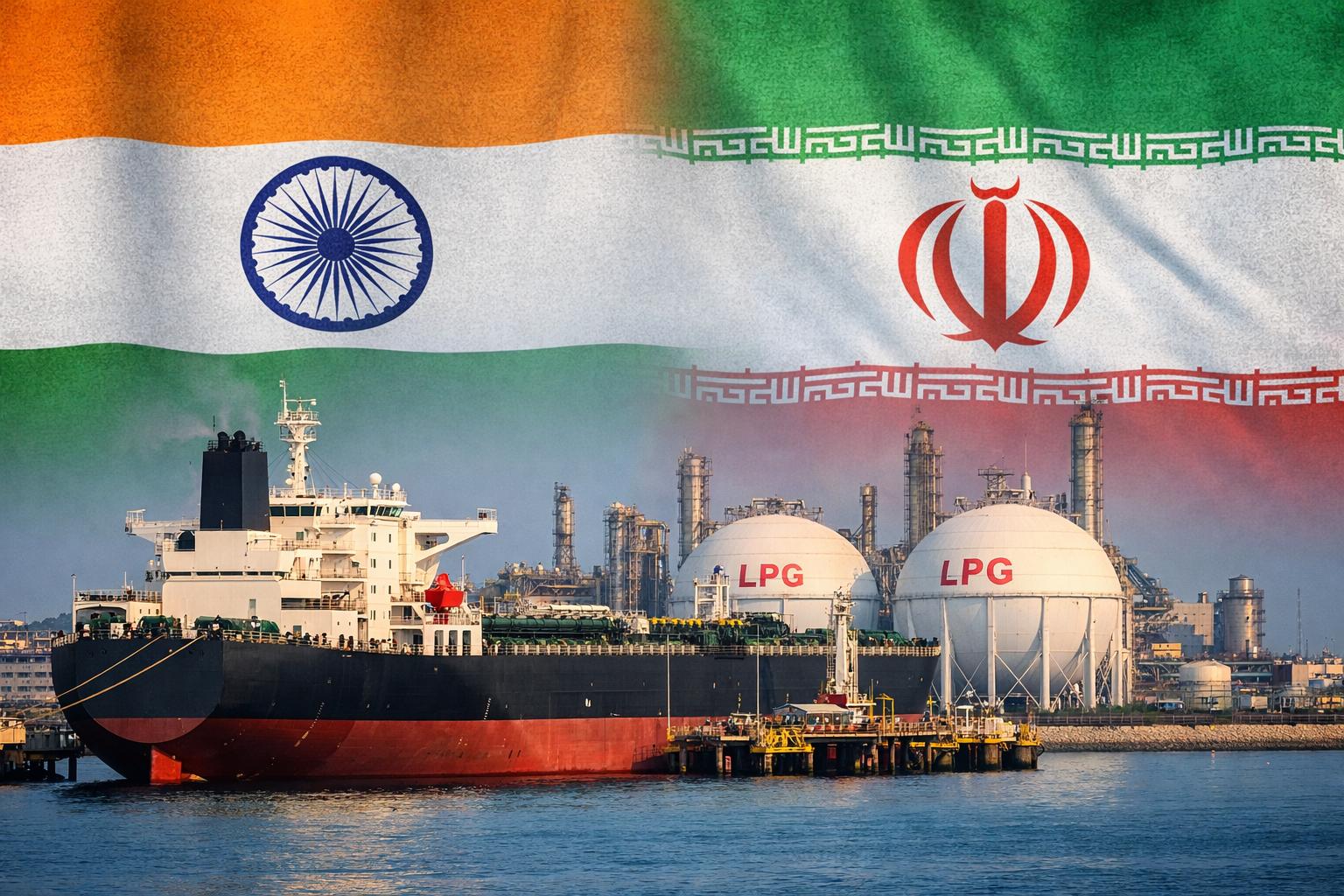
India has officially confirmed that it is importing crude oil and liquefied petroleum gas (LPG) from Iran, marking a notable development in its energy policy amid evolving global market conditions. The confirmation was issued by India’s Petroleum Ministry on Saturday, April 4, 2026 (IST), providing clarity on ongoing reports about energy trade involving Iranian supplies. The acknowledgment highlights India’s continued reliance on diversified fuel sources to meet rising domestic demand. As one of the world’s largest importers of crude oil, India depends heavily on international suppliers to sustain economic growth, industrial activity, and consumer energy needs. Iranian crude and LPG are considered commercially attractive due to pricing advantages and established supply channels. Officials emphasized that India’s crude supply remains secure and that there are no reported payment-related disruptions affecting imports from Iran. The clarification comes amid heightened global scrutiny over transactions involving Iranian energy exports, which remain sensitive due to international sanctions frameworks and geopolitical considerations. Energy analysts note that India’s confirmation underscores a broader trend among major economies seeking flexibility in sourcing oil and gas. With global oil markets experiencing volatility, countries are increasingly prioritizing energy security and affordability over rigid sourcing constraints. India’s approach reflects a pragmatic balance between domestic economic priorities and external diplomatic pressures. The development may also influence broader market sentiment, particularly if it signals sustained or increased flows of Iranian crude into global supply chains. At the same time, it highlights the complexities of international energy trade, where economic necessity, regulatory environments, and geopolitical dynamics intersect. India’s confirmation on Saturday, April 4, 2026 (IST) reinforces its strategic focus on ensuring uninterrupted fuel access while navigating a rapidly shifting global energy landscape.
India acknowledges Iranian oil and LPG imports amid energy demand
India has officially confirmed that it is importing crude oil and liquefied petroleum gas (LPG) from Iran, marking a notable development in its energy policy amid evolving global market conditions. The confirmation was issued by India’s Petroleum Ministry on Saturday, April 4, 2026 (IST), providing clarity on ongoing reports about energy trade involving Iranian supplies. The acknowledgment highlights India’s continued reliance on diversified fuel sources to meet rising domestic demand. As one of the world’s largest importers of crude oil, India depends heavily on international suppliers to sustain economic growth, industrial activity, and consumer energy needs. Iranian crude and LPG are considered commercially attractive due to pricing advantages and established supply channels. Officials emphasized that India’s crude supply remains secure and that there are no reported payment-related disruptions affecting imports from Iran. The clarification comes amid heightened global scrutiny over transactions involving Iranian energy exports, which remain sensitive due to international sanctions frameworks and geopolitical considerations. Energy analysts note that India’s confirmation underscores a broader trend among major economies seeking flexibility in sourcing oil and gas. With global oil markets experiencing volatility, countries are increasingly prioritizing energy security and affordability over rigid sourcing constraints. India’s approach reflects a pragmatic balance between domestic economic priorities and external diplomatic pressures. The development may also influence broader market sentiment, particularly if it signals sustained or increased flows of Iranian crude into global supply chains. At the same time, it highlights the complexities of international energy trade, where economic necessity, regulatory environments, and geopolitical dynamics intersect. India’s confirmation on Saturday, April 4, 2026 (IST) reinforces its strategic focus on ensuring uninterrupted fuel access while navigating a rapidly shifting global energy landscape.
Sanctioned tanker diverts Iranian crude from India to China amid payment concerns
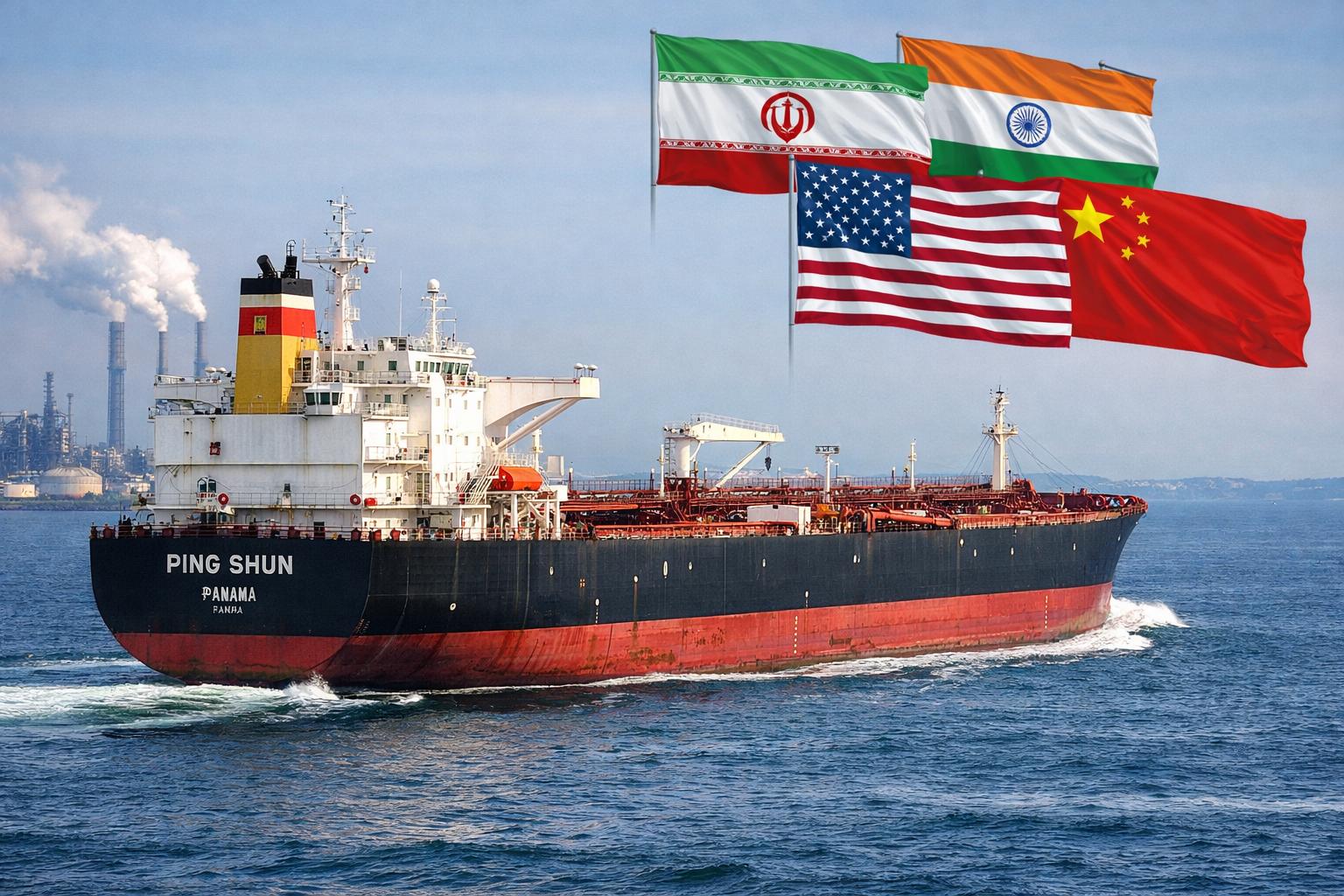
A U.S.-sanctioned oil tanker carrying Iranian crude has changed course from India to China, raising uncertainty over what could have been India’s first Iranian oil import in nearly seven years. The Aframax tanker Ping Shun, built in 2002 and sanctioned by the United States in 2025, is now signaling Dongying, China, as its destination instead of Vadinar in Gujarat, according to data from Kpler.
Sanctioned tanker diverts Iranian crude from India to China amid payment concerns
A U.S.-sanctioned oil tanker carrying Iranian crude has changed course from India to China, raising uncertainty over what could have been India’s first Iranian oil import in nearly seven years. The Aframax tanker Ping Shun, built in 2002 and sanctioned by the United States in 2025, is now signaling Dongying, China, as its destination instead of Vadinar in Gujarat, according to data from Kpler.
Middle East conflict widens with Houthi entry, oil markets disrupted
The ongoing conflict involving the United States, Israel, and Iran has extended beyond a month, intensifying geopolitical tensions and significantly impacting global energy markets. As of Tuesday, March 31, 2026, the situation shows few signs of de-escalation, with escalating military activity and limited diplomatic progress raising concerns across international observers. The conflict widened further over the weekend when Yemen’s Houthi rebels entered the fray, adding a new dimension to a
Middle East conflict widens with Houthi entry, oil markets disrupted
The ongoing conflict involving the United States, Israel, and Iran has extended beyond a month, intensifying geopolitical tensions and significantly impacting global energy markets. As of Tuesday, March 31, 2026, the situation shows few signs of de-escalation, with escalating military activity and limited diplomatic progress raising concerns across international observers. The conflict widened further over the weekend when Yemen’s Houthi rebels entered the fray, adding a new dimension to a
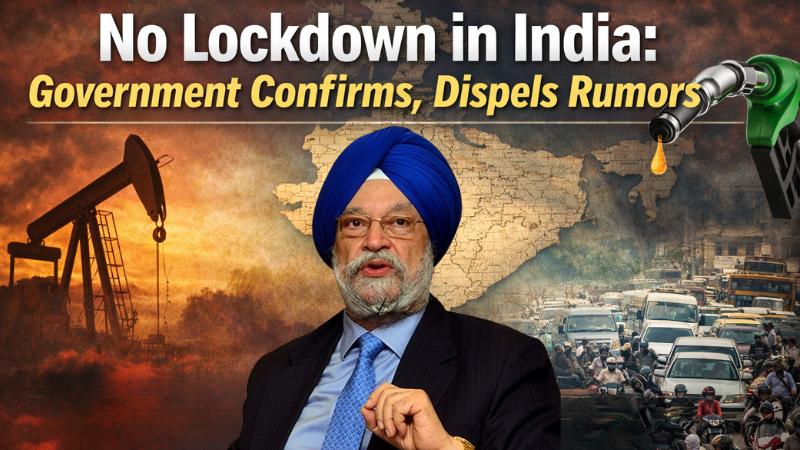
No Lockdown in India: Hardeep Puri Refutes Oil Crisis Rumors in Official Statement
The ongoing global energy crisis, fueled by the turmoil in Iran, has significantly impacted countries worldwide, leading to energy lockdowns. Nations like Australia, the Philippines, and Thailand have already implemented these lockdowns as a response to soaring petrol demand amidst dwindling supplies. Speculation surrounding the potential for a similar lockdown in India has stirred concern among citizens, especially in light of the country’s reliance on oil and gas imports. Howeve
No Lockdown in India: Hardeep Puri Refutes Oil Crisis Rumors in Official Statement
The ongoing global energy crisis, fueled by the turmoil in Iran, has significantly impacted countries worldwide, leading to energy lockdowns. Nations like Australia, the Philippines, and Thailand have already implemented these lockdowns as a response to soaring petrol demand amidst dwindling supplies. Speculation surrounding the potential for a similar lockdown in India has stirred concern among citizens, especially in light of the country’s reliance on oil and gas imports. Howeve
Trump says Iran weakened as US targets military assets and Strait of Hormuz threats
US President Donald Trump on Monday claimed that Iran’s military capabilities have been severely degraded following two weeks of joint US-Israeli military operations across the country. Speaking to reporters at the White House, Trump asserted that Iran had been reduced to what he described as a “paper tiger,” arguing that extensive strikes had significantly damaged the country’s air force, navy and key defense infrastructure. According to the president, the campaign targeted
Trump says Iran weakened as US targets military assets and Strait of Hormuz threats
US President Donald Trump on Monday claimed that Iran’s military capabilities have been severely degraded following two weeks of joint US-Israeli military operations across the country. Speaking to reporters at the White House, Trump asserted that Iran had been reduced to what he described as a “paper tiger,” arguing that extensive strikes had significantly damaged the country’s air force, navy and key defense infrastructure. According to the president, the campaign targeted


