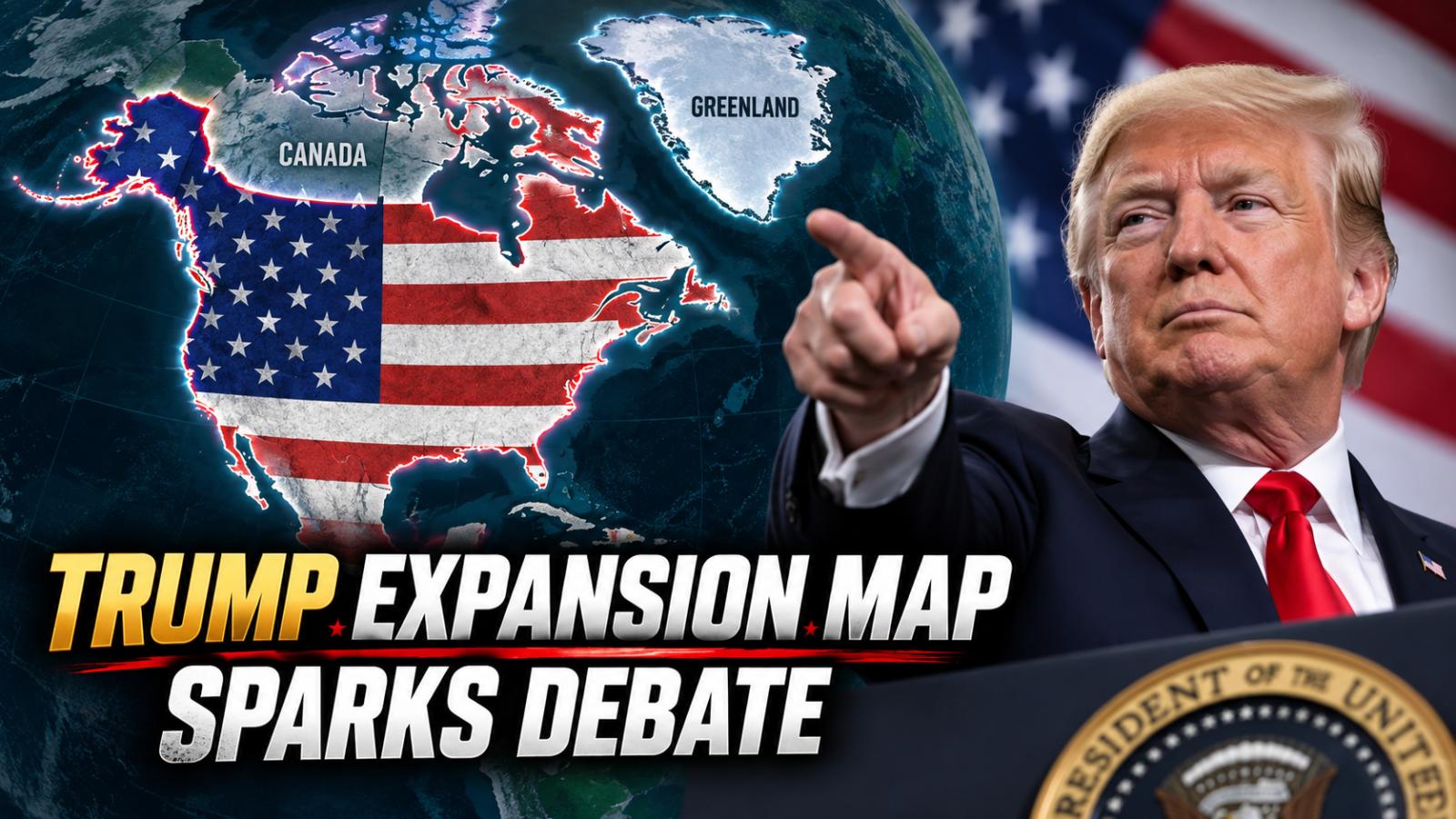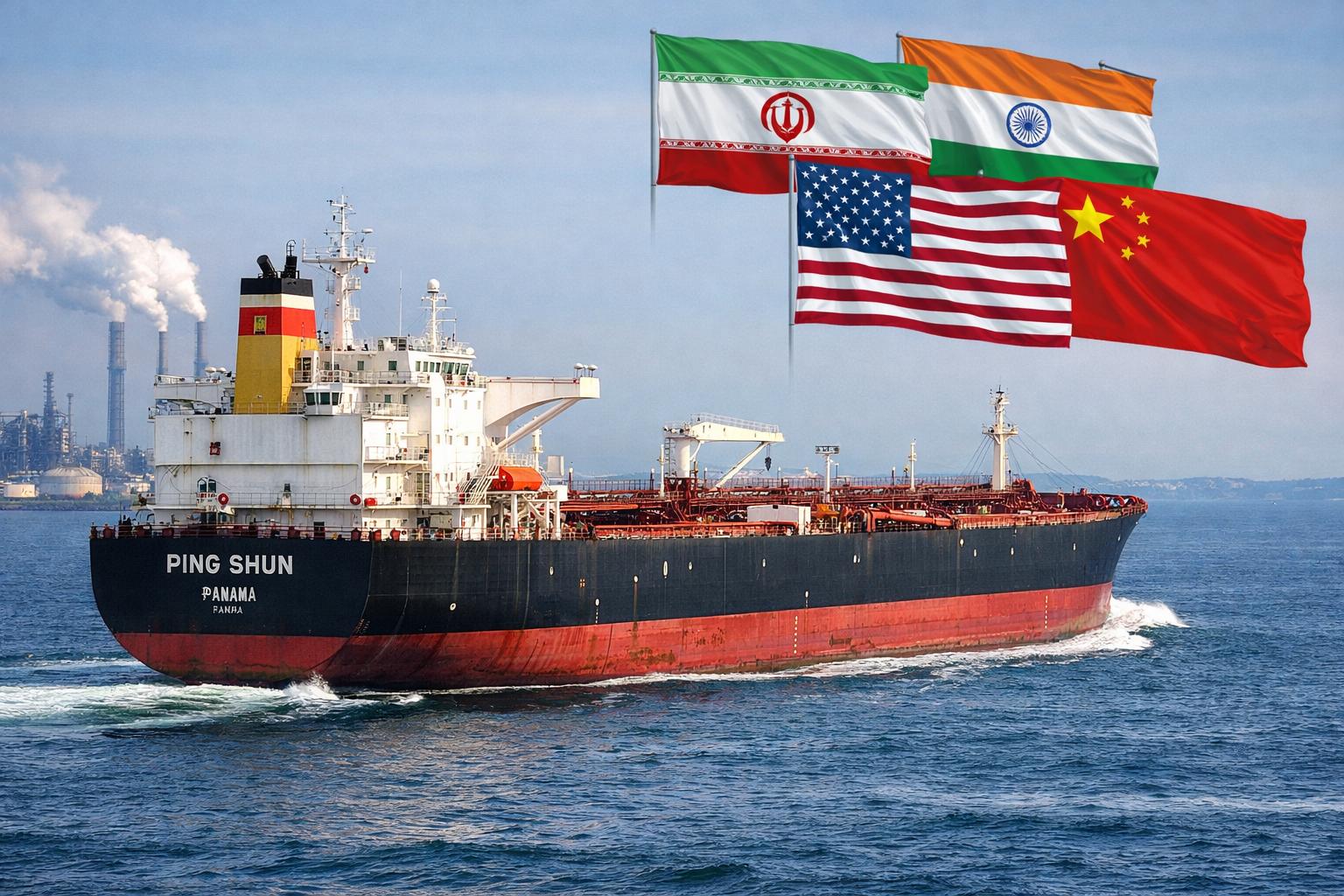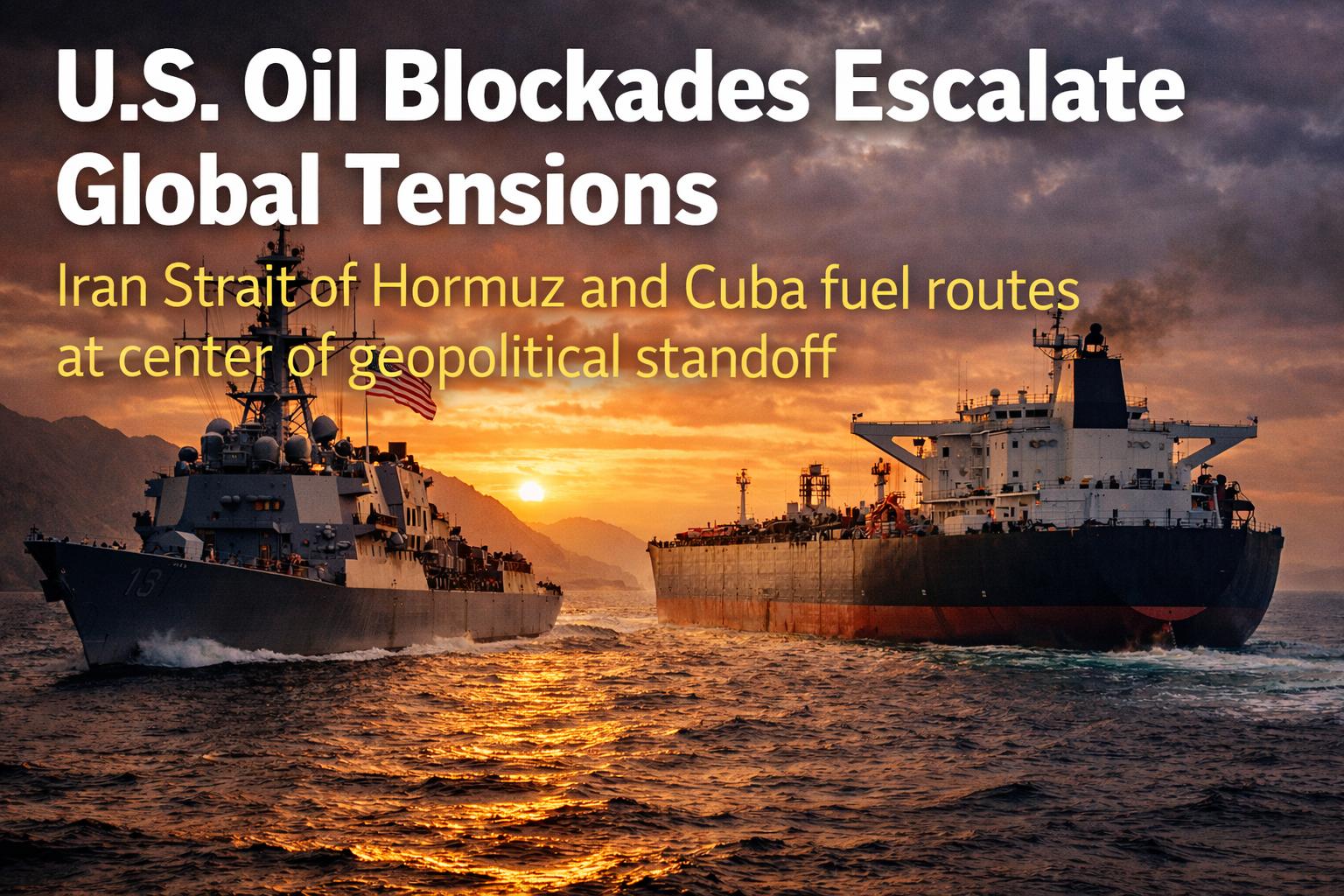
The United States has intensified its use of energy shipments as a foreign policy tool, launching parallel efforts aimed at Iran in the Middle East and Cuba in the Caribbean. Under President Donald Trump, a naval blockade targeting Iranian vessels in and around the Strait of Hormuz began on Monday, marking a significant escalation despite a ceasefire agreement reached on April 7 between regional actors.
At the same time, Washington has imposed a de facto fuel blockade on Cuba, warning that countries supplying oil to the island could face tariffs. The dual approach reflects a broader strategy to leverage global energy flows to exert economic and political pressure.
Conflicting signals in Cuba enforcement
Despite strict rhetoric, enforcement of the Cuba blockade has appeared inconsistent. Russia recently delivered approximately 100,000 tons of crude oil to Cuba, a move that sanctions experts say directly violated updated U.S. restrictions. Analysts suggest that the lack of U.S. intervention may complicate future enforcement actions.
Brett Erickson, a sanctions expert, noted that the decision not to act against the first shipment could limit Washington’s willingness to confront subsequent deliveries. Russia has since indicated it will continue supplying oil to Cuba, raising questions about the credibility of U.S. enforcement.
Rising tensions around Strait of Hormuz
In the Middle East, Iran declared the Strait of Hormuz “completely open” to commercial traffic on Friday following a ceasefire announcement involving Israel and Lebanon. However, the U.S. blockade has drawn sharp criticism from China, which has historically been the largest buyer of Iranian crude.
China’s Foreign Ministry warned earlier in the week that increased military activity and restrictions in the vital shipping corridor could destabilize an already fragile ceasefire environment.
Risk of escalation with China and Russia
Analysts warn that the most significant risk may arise if a Chinese-linked tanker attempts to pass through the blockade. Such a scenario could force the U.S. into a difficult position, particularly ahead of planned diplomatic talks.
The White House has confirmed that President Trump is scheduled to meet China’s President Xi Jinping in Beijing on May 14 and May 15. Observers say any confrontation involving Chinese vessels could dramatically escalate tensions just weeks before the summit.
Meanwhile, Trump indicated on Thursday that the conflict with Iran could end soon and suggested that another round of negotiations may take place “probably, maybe, next weekend,” signaling a possible diplomatic opening even as pressure tactics intensify.