

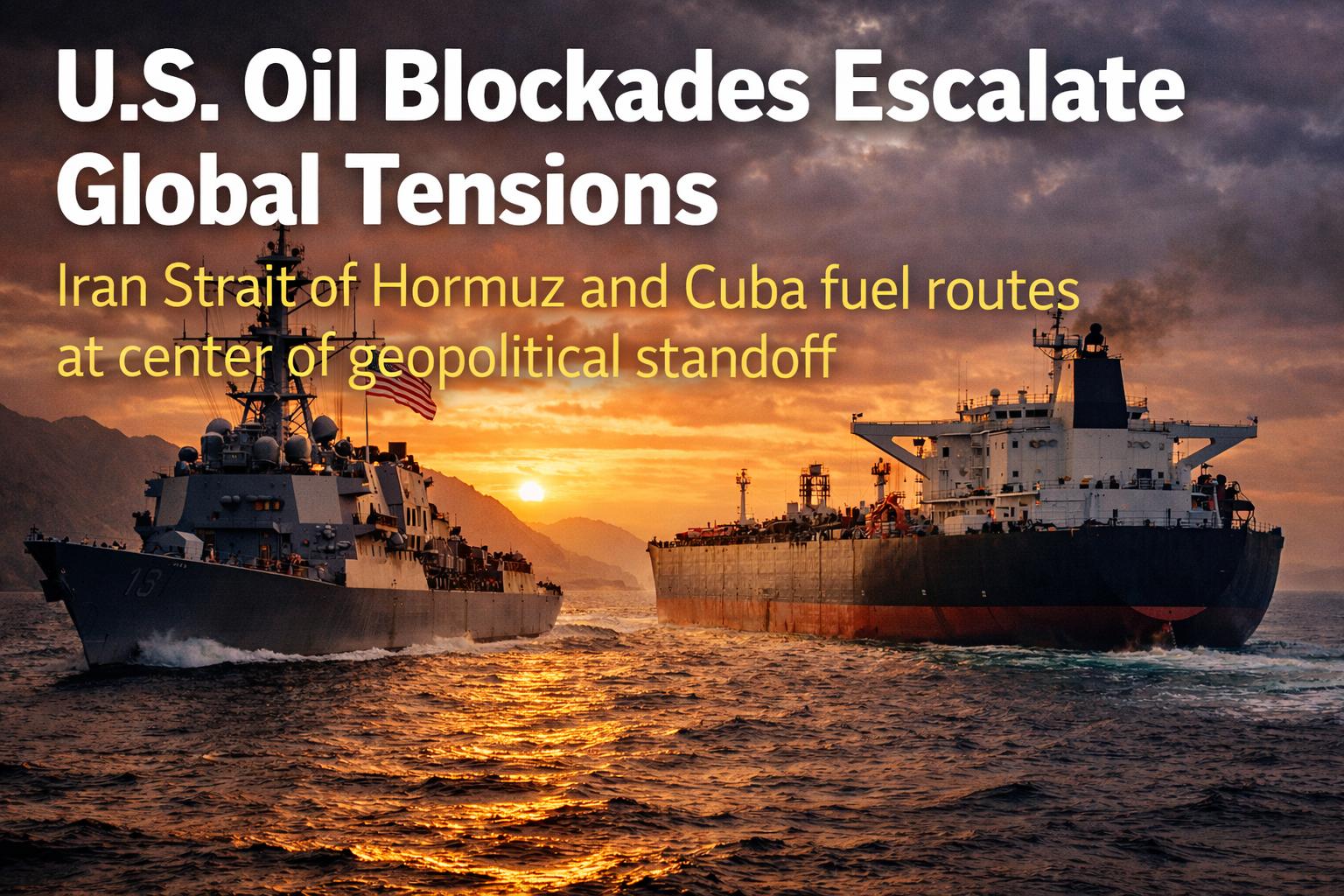











The United States has intensified its use of energy shipments as a foreign policy tool, launching parallel efforts aimed at Iran in the Middle East and Cuba in the Caribbean. Under President Donald Trump, a naval blockade targeting Iranian vessels in and around the Strait of Hormuz began on Monday, marking a significant escalation despite a ceasefire agreement reached on April 7 between regional actors. At the same time, Washington has imposed a de facto fuel blockade on Cuba, warn
Russian foreign minister Sergey Lavrov has strongly criticised Washington’s trade and tariff threats, arguing that major powers such as India and China cannot be coerced into changing their policies through ultimatums. Speaking on a television programme in Moscow, Lavrov said that the repeated warnings from the United States to cut energy ties with Russia were not only failing but also backfiring, as they were pushing countries to diversify markets, look for alternative energy resources