
















14-Point US-Iran Interim Agreement Includes Oil Sanctions Waivers
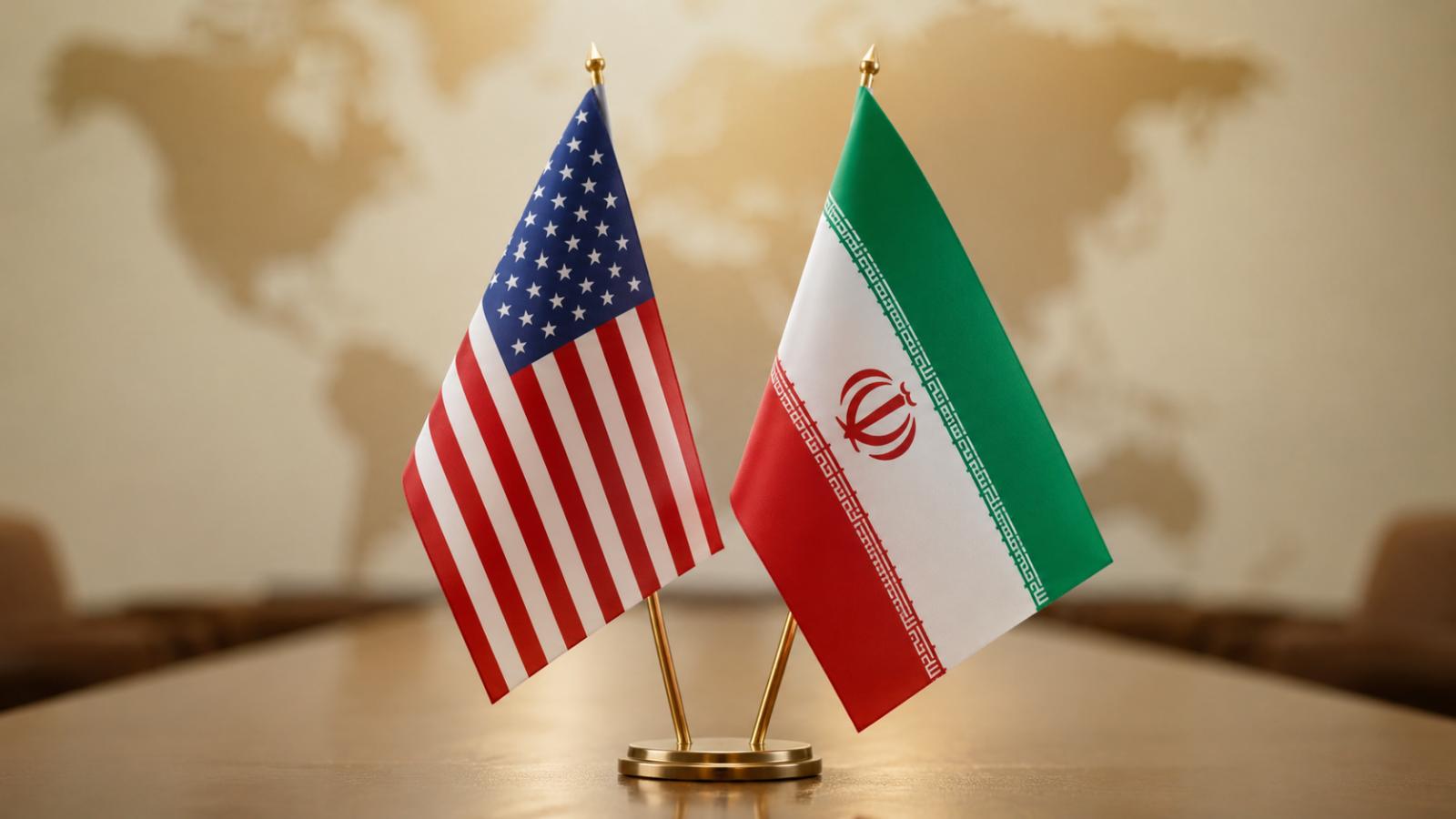
A draft 14-point US-Iran agreement would introduce an immediate ceasefire, restore commercial shipping and temporarily waive sanctions affecting Iranian oil exports while negotiations toward a final settlement continue. Reuters published the draft on Wednesday, June 17, 2026, but reported that the United States had not publicly released the complete official text. The document establishes a proposed 60-day negotiating period and postpones several difficult nuclear and sanctions ques
14-Point US-Iran Interim Agreement Includes Oil Sanctions Waivers
A draft 14-point US-Iran agreement would introduce an immediate ceasefire, restore commercial shipping and temporarily waive sanctions affecting Iranian oil exports while negotiations toward a final settlement continue. Reuters published the draft on Wednesday, June 17, 2026, but reported that the United States had not publicly released the complete official text. The document establishes a proposed 60-day negotiating period and postpones several difficult nuclear and sanctions ques
US-Iran Negotiations Progress as Trump Hints Weekend Agreement
Trump Signals Potential Iran Deal US President Donald Trump expressed optimism on June 3 regarding ongoing negotiations with Iran, despite renewed military tensions across West Asia. Speaking to reporters, Trump noted that discussions with Tehran were progressing positively, stating a potential agreement could emerge over the weekend. He emphasized keeping these negotiations distinct from efforts to resolve
US-Iran Negotiations Progress as Trump Hints Weekend Agreement
Trump Signals Potential Iran Deal US President Donald Trump expressed optimism on June 3 regarding ongoing negotiations with Iran, despite renewed military tensions across West Asia. Speaking to reporters, Trump noted that discussions with Tehran were progressing positively, stating a potential agreement could emerge over the weekend. He emphasized keeping these negotiations distinct from efforts to resolve
Trump rejects claims Netanyahu misled him on Iran policy
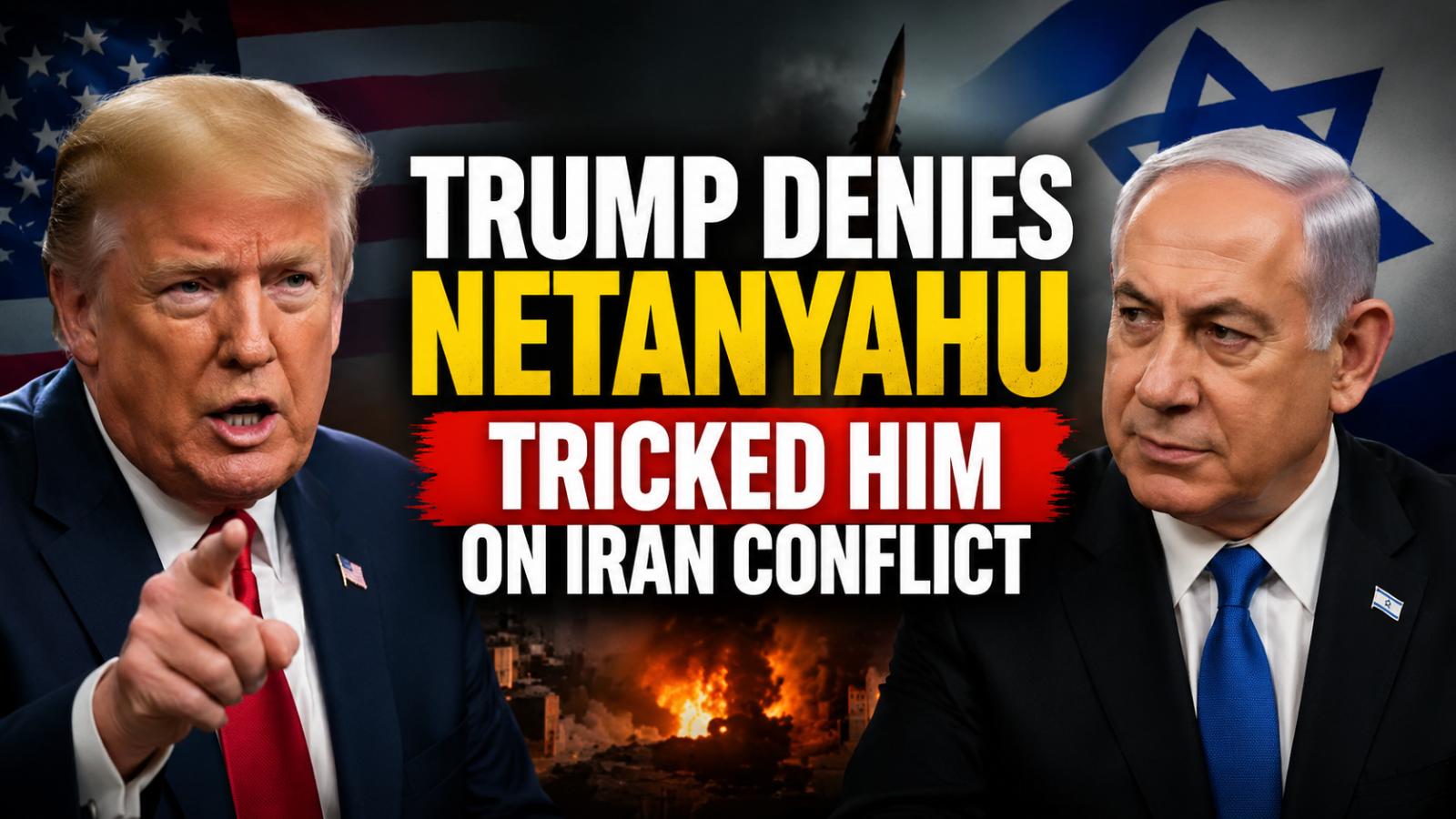
In a recent June 2026 podcast, former President Donald Trump addressed rumors suggesting Israeli Prime Minister Benjamin Netanyahu tricked him regarding Iran. Trump emphasized that discussions with Netanyahu, whom he calls "Bibi," focused on Israel’s operations in Lebanon and were not intended to provoke conflict. “I told Bibi, we have to be careful,” he stated, highlighting a cooperative approach rather than tension. He described their relationship as rooted in mutual respect and strat
Trump rejects claims Netanyahu misled him on Iran policy
In a recent June 2026 podcast, former President Donald Trump addressed rumors suggesting Israeli Prime Minister Benjamin Netanyahu tricked him regarding Iran. Trump emphasized that discussions with Netanyahu, whom he calls "Bibi," focused on Israel’s operations in Lebanon and were not intended to provoke conflict. “I told Bibi, we have to be careful,” he stated, highlighting a cooperative approach rather than tension. He described their relationship as rooted in mutual respect and strat
Trump Names Tom Barrack Special Envoy to Syria and Iraq
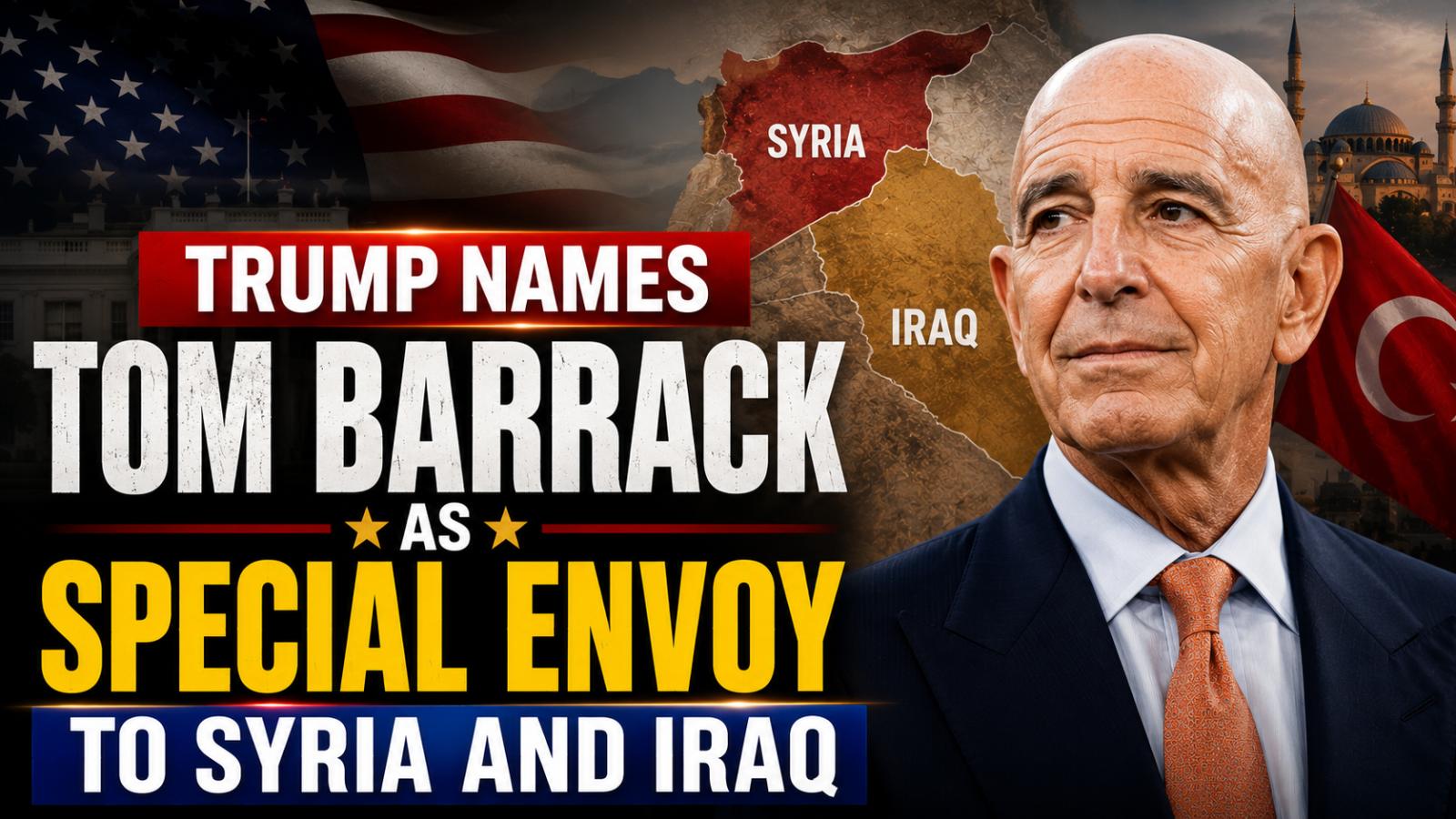
Trump Appoints Tom Barrack On Sunday, May 31, US President Donald Trump announced that Tom Barrack would serve as Special Presidential Envoy to both Syria and Iraq. Barrack, who already serves as the United States Ambassador to Türkiye, will retain his ambassadorial duties while taking on this expanded diplomatic mandate. The announcement highlights the Trump administration’s intent to strengthen strategi
Trump Names Tom Barrack Special Envoy to Syria and Iraq
Trump Appoints Tom Barrack On Sunday, May 31, US President Donald Trump announced that Tom Barrack would serve as Special Presidential Envoy to both Syria and Iraq. Barrack, who already serves as the United States Ambassador to Türkiye, will retain his ambassadorial duties while taking on this expanded diplomatic mandate. The announcement highlights the Trump administration’s intent to strengthen strategi
Trump Iran Hormuz Deal Nears Decision as Blockade Lift Is Weighed
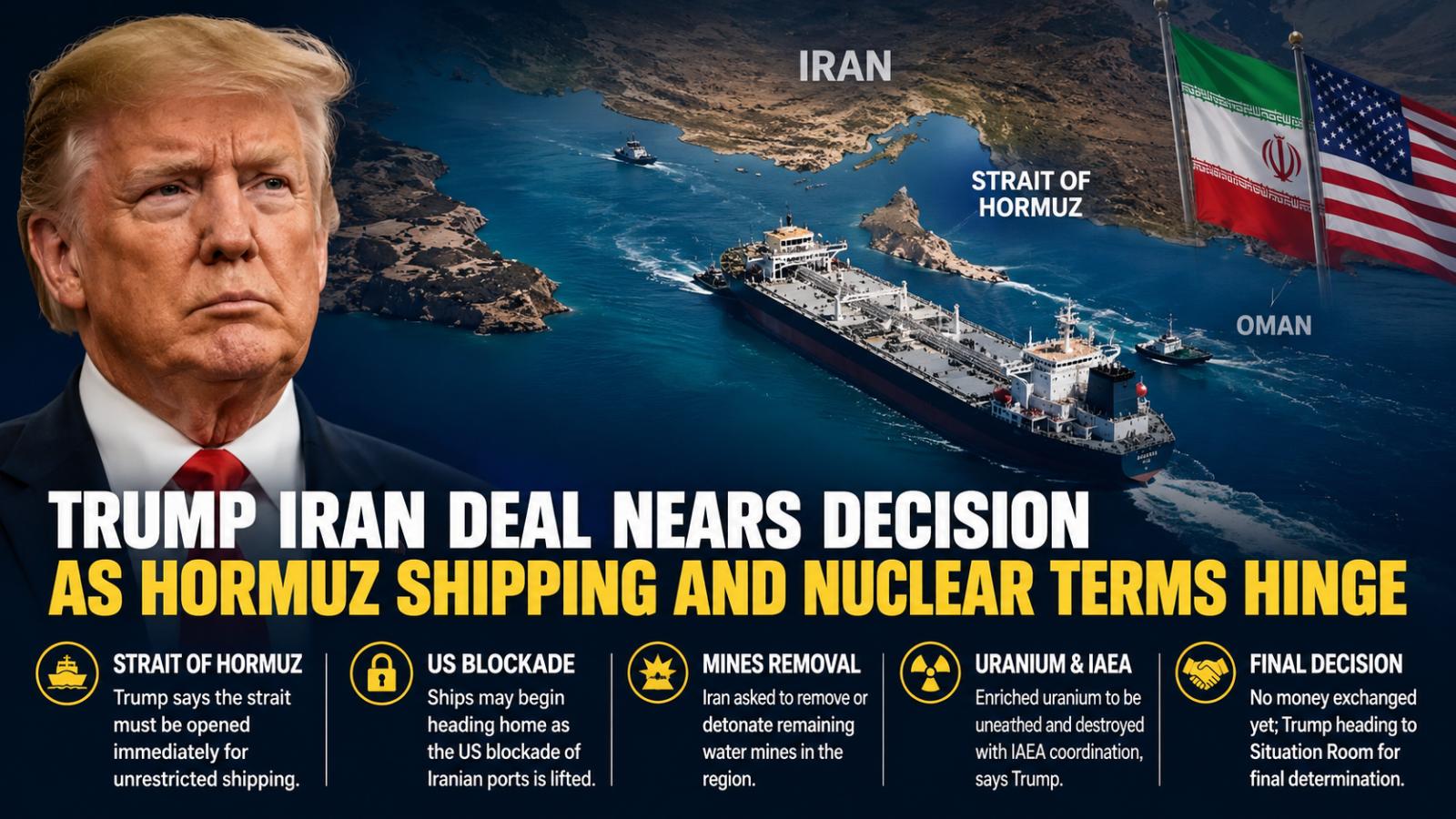
President Donald Trump said on Friday, May 29, 2026, that a final decision was near on a possible Trump Iran Hormuz deal that could affect shipping in the Strait of Hormuz, the US blockade of Iranian ports and future nuclear talks.
Trump Iran Hormuz Deal Nears Decision as Blockade Lift Is Weighed
President Donald Trump said on Friday, May 29, 2026, that a final decision was near on a possible Trump Iran Hormuz deal that could affect shipping in the Strait of Hormuz, the US blockade of Iranian ports and future nuclear talks.
Greenland Protest in Nuuk Targets Trump’s US Control Remarks
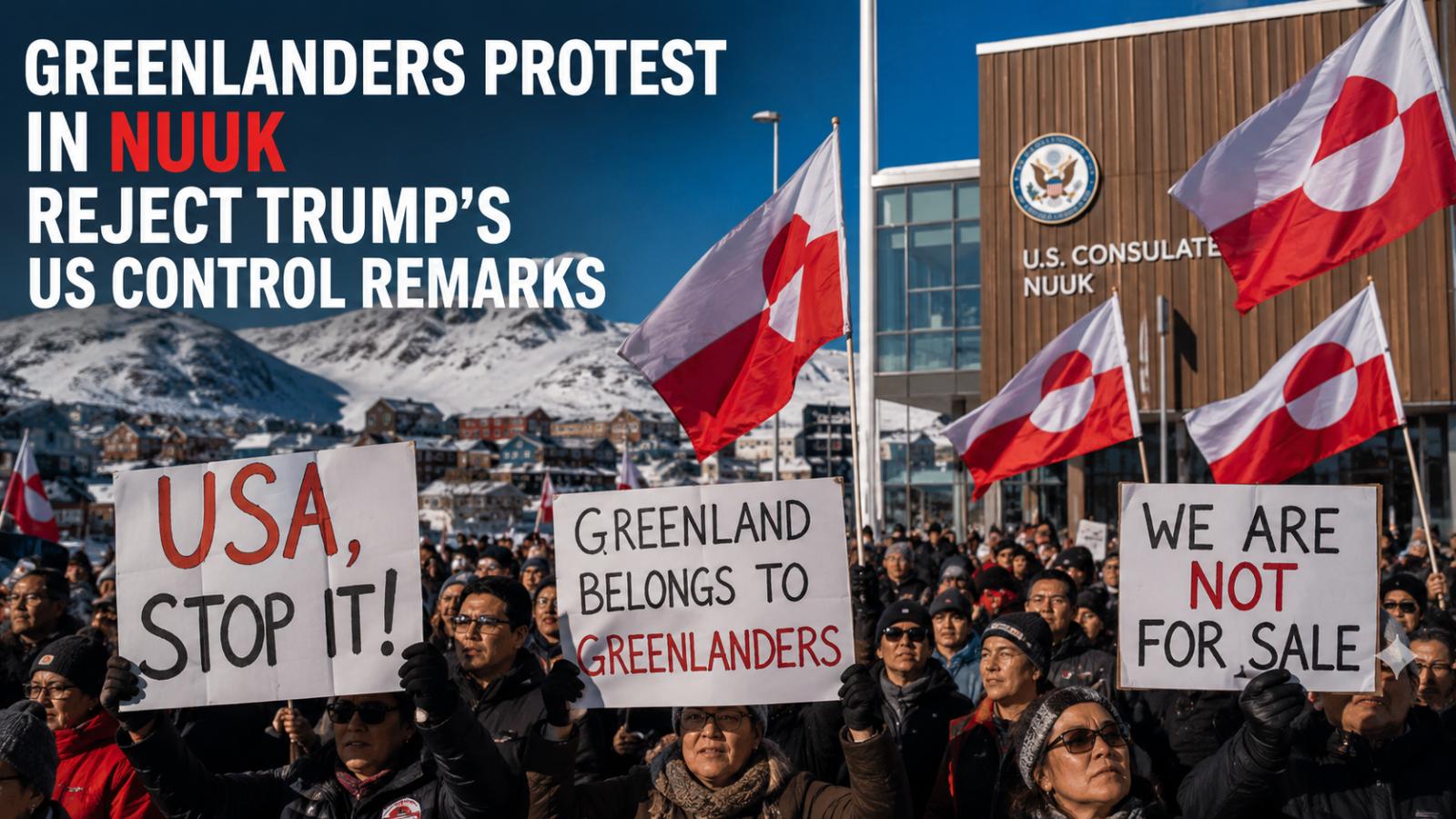
A Greenland protest in Nuuk drew several hundred people on Thursday, May 21, 2026, as residents opposed President Donald Trump’s repeated remarks about greater U.S. control over the Arctic island. The demonstration took place as the United States opened a larger consulate office in downtown Nuuk, moving from a smaller building on the outskirts of the capital. For many Greenlanders, the new diplomatic space became a symbol of Washington’s growing interest in the
Greenland Protest in Nuuk Targets Trump’s US Control Remarks
A Greenland protest in Nuuk drew several hundred people on Thursday, May 21, 2026, as residents opposed President Donald Trump’s repeated remarks about greater U.S. control over the Arctic island. The demonstration took place as the United States opened a larger consulate office in downtown Nuuk, moving from a smaller building on the outskirts of the capital. For many Greenlanders, the new diplomatic space became a symbol of Washington’s growing interest in the
Trump Says Iran Nuclear Talks Near Final Stage as Risks Rise
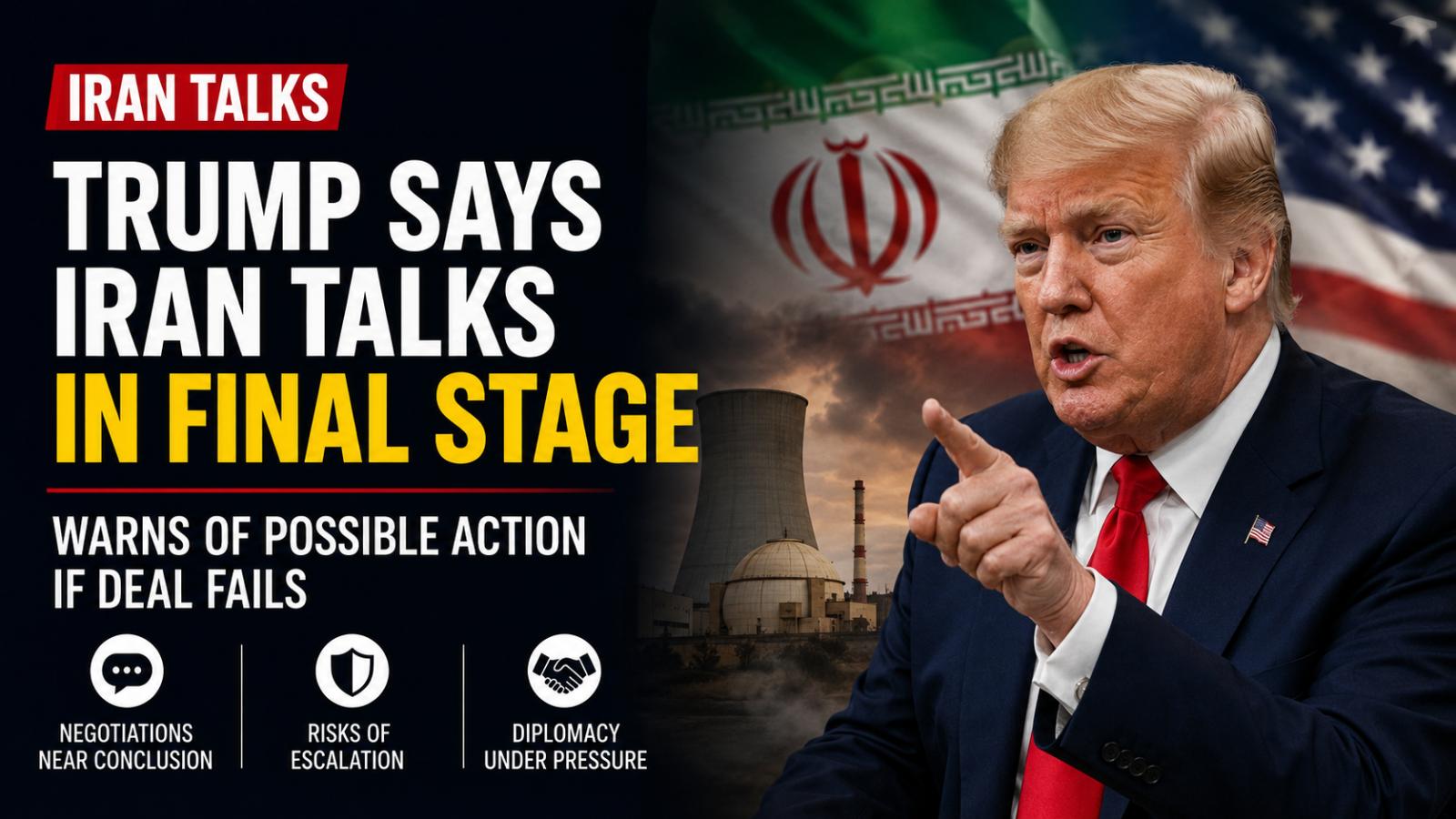
Iran nuclear talks are nearing a critical stage as US President Donald Trump warns that Washington may take tougher action if diplomacy fails. Trump said in Washington, DC, on Wednesday, May 20, 2026, that the United States is close to either securing a deal with Iran or moving toward further steps if no agreement is reached. Iran Nuclear Talks Enter Final Stage Speaking to reporter
Trump Says Iran Nuclear Talks Near Final Stage as Risks Rise
Iran nuclear talks are nearing a critical stage as US President Donald Trump warns that Washington may take tougher action if diplomacy fails. Trump said in Washington, DC, on Wednesday, May 20, 2026, that the United States is close to either securing a deal with Iran or moving toward further steps if no agreement is reached. Iran Nuclear Talks Enter Final Stage Speaking to reporter
Obama Defends Diplomacy with Iran on Nuclear Deal
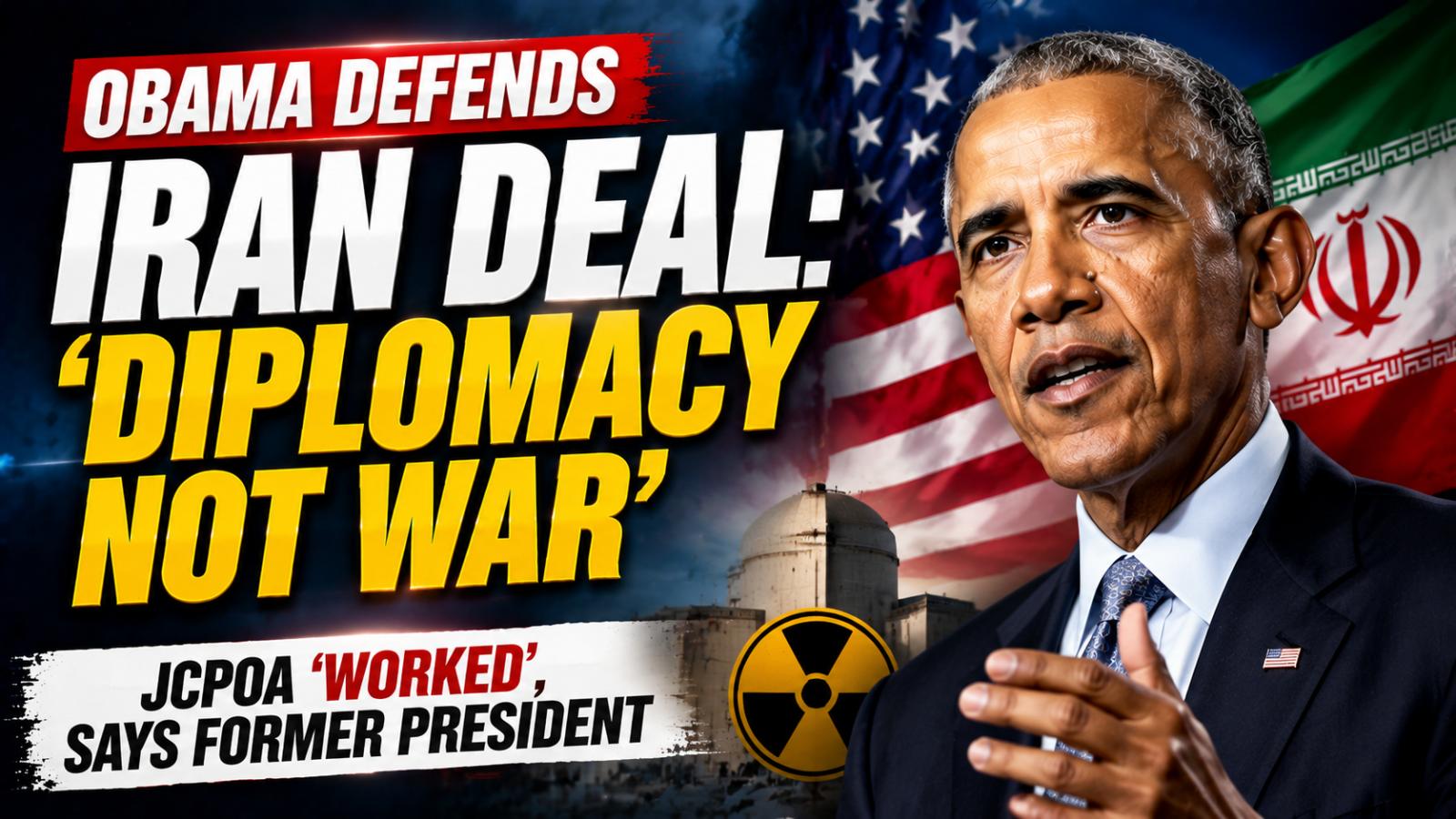
Obama Highlights JCPOA Success President Barack Obama spoke on The Late Show with Stephen Colbert about his administration’s efforts to curb Iran’s nuclear ambitions through diplomacy. He pointed to the 2015 Joint Comprehensive Plan of Action (JCPOA), asserting that the agreement successfully restricted Iran’s enriched uranium stockpile without resorting to military action. Obama explained that the deal included stric
Obama Defends Diplomacy with Iran on Nuclear Deal
Obama Highlights JCPOA Success President Barack Obama spoke on The Late Show with Stephen Colbert about his administration’s efforts to curb Iran’s nuclear ambitions through diplomacy. He pointed to the 2015 Joint Comprehensive Plan of Action (JCPOA), asserting that the agreement successfully restricted Iran’s enriched uranium stockpile without resorting to military action. Obama explained that the deal included stric
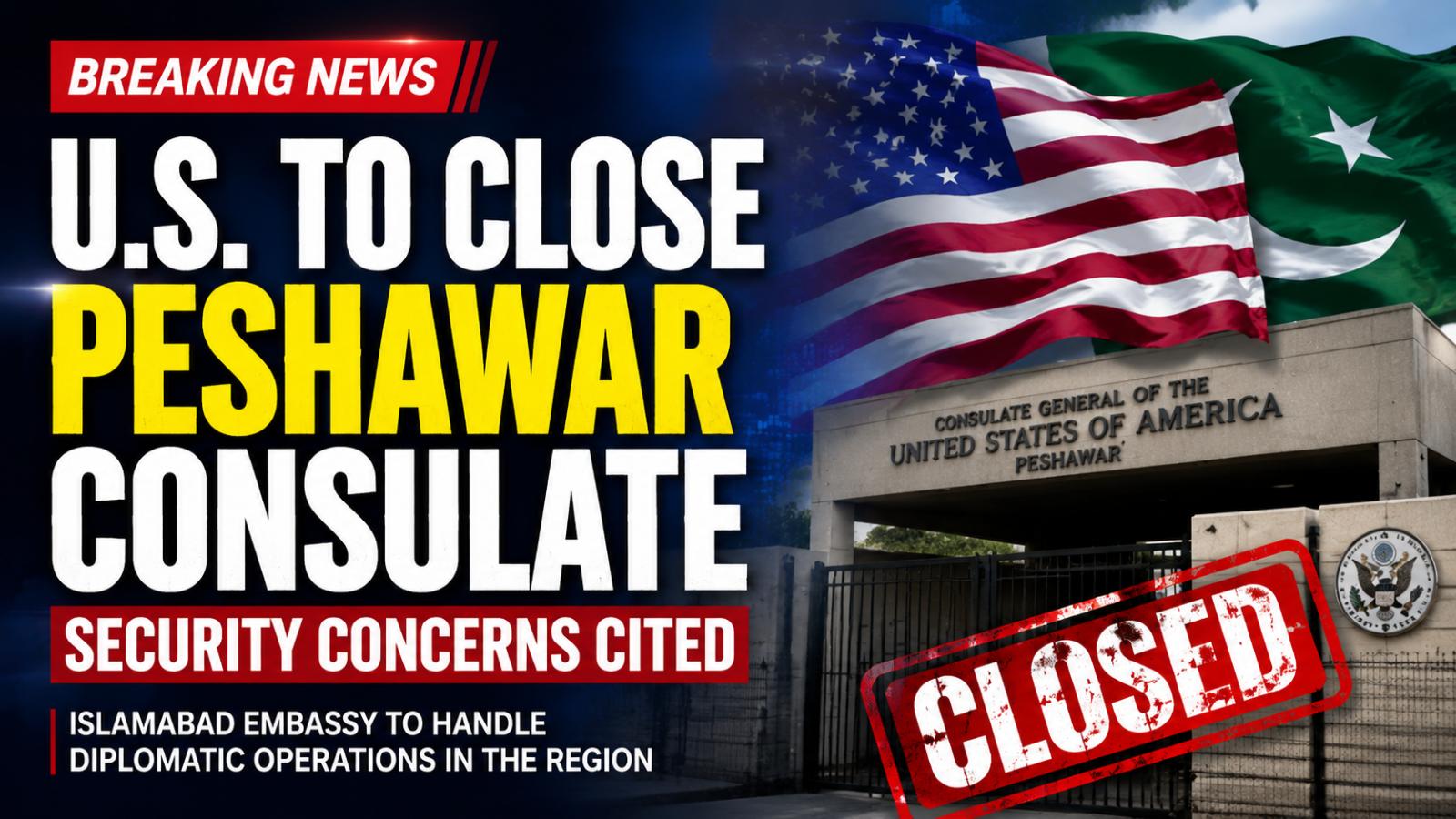
US Closes Consulate in Peshawar, Prioritizes Diplomatic Safety in Pakistan
The United States announced on May 6 that it will close its consulate in Peshawar, Pakistan, citing safety concerns for its diplomats. The U.S. State Department released a notice explaining that the decision was made in response to the region's security conditions. The embassy in Islamabad will now handle all diplomatic engagements with Khyber Pakhtunkhwa province, where Peshawar is the capital. This shift reflects the United States' commitment to the safety of its diplomatic personnel while optimizing resources. The State Department clarified that the closure is only related to the physical presence in Peshawar. U.S. policy priorities in Pakistan, however, remain unchanged. The U.S. will continue to engage with the people and officials of Khyber Pakhtunkhwa to enhance economic ties, promote regional security, and advance American interests in the region. Despite the consulate closure, the U.S. Mission to Pakistan will maintain a strong presence and continue to foster relations through its remaining diplomatic posts in Islamabad, Karachi, and Lahore. Khyber Pakhtunkhwa, which borders Afghanistan, has seen numerous security incidents due to ongoing conflicts between Pakistan's military forces and Afghan-backed militants. These tensions have heightened security concerns in the area. Additionally, protests occurred outside the U.S. consulate in Karachi following the death of Iranian Supreme Leader Ayatollah Ali Khamenei in U.S.-Israeli airstrikes. The incident led to the deaths of at least ten people in Pakistan, prompting President Asif Ali Zardari to express Pakistan's solidarity with Iran in this time of grief. Despite this, Pakistan has taken on the role of mediator in the ongoing conflict between Iran and the United States. The shift in U.S. diplomatic presence in Pakistan is part of a broader strategy to ensure safety while continuing to support strategic relationships in the region.
US Closes Consulate in Peshawar, Prioritizes Diplomatic Safety in Pakistan
The United States announced on May 6 that it will close its consulate in Peshawar, Pakistan, citing safety concerns for its diplomats. The U.S. State Department released a notice explaining that the decision was made in response to the region's security conditions. The embassy in Islamabad will now handle all diplomatic engagements with Khyber Pakhtunkhwa province, where Peshawar is the capital. This shift reflects the United States' commitment to the safety of its diplomatic personnel while optimizing resources. The State Department clarified that the closure is only related to the physical presence in Peshawar. U.S. policy priorities in Pakistan, however, remain unchanged. The U.S. will continue to engage with the people and officials of Khyber Pakhtunkhwa to enhance economic ties, promote regional security, and advance American interests in the region. Despite the consulate closure, the U.S. Mission to Pakistan will maintain a strong presence and continue to foster relations through its remaining diplomatic posts in Islamabad, Karachi, and Lahore. Khyber Pakhtunkhwa, which borders Afghanistan, has seen numerous security incidents due to ongoing conflicts between Pakistan's military forces and Afghan-backed militants. These tensions have heightened security concerns in the area. Additionally, protests occurred outside the U.S. consulate in Karachi following the death of Iranian Supreme Leader Ayatollah Ali Khamenei in U.S.-Israeli airstrikes. The incident led to the deaths of at least ten people in Pakistan, prompting President Asif Ali Zardari to express Pakistan's solidarity with Iran in this time of grief. Despite this, Pakistan has taken on the role of mediator in the ongoing conflict between Iran and the United States. The shift in U.S. diplomatic presence in Pakistan is part of a broader strategy to ensure safety while continuing to support strategic relationships in the region.
Iran says US demands hinder progress on 14-point peace plan
Iran reviews US response to peace proposal as tensions with Washington continue to shape the future of diplomacy and conflict in the region. In a recent press briefing, Iran’s Foreign Ministry confirmed that it has received Washington’s reply to a 14-point peace proposal, but officials say the response includes demands that could complicate progress. The development highlights key areas such as peace negotiations, diplomatic efforts, and the ongoing conflict resolution process.
Iran says US demands hinder progress on 14-point peace plan
Iran reviews US response to peace proposal as tensions with Washington continue to shape the future of diplomacy and conflict in the region. In a recent press briefing, Iran’s Foreign Ministry confirmed that it has received Washington’s reply to a 14-point peace proposal, but officials say the response includes demands that could complicate progress. The development highlights key areas such as peace negotiations, diplomatic efforts, and the ongoing conflict resolution process.
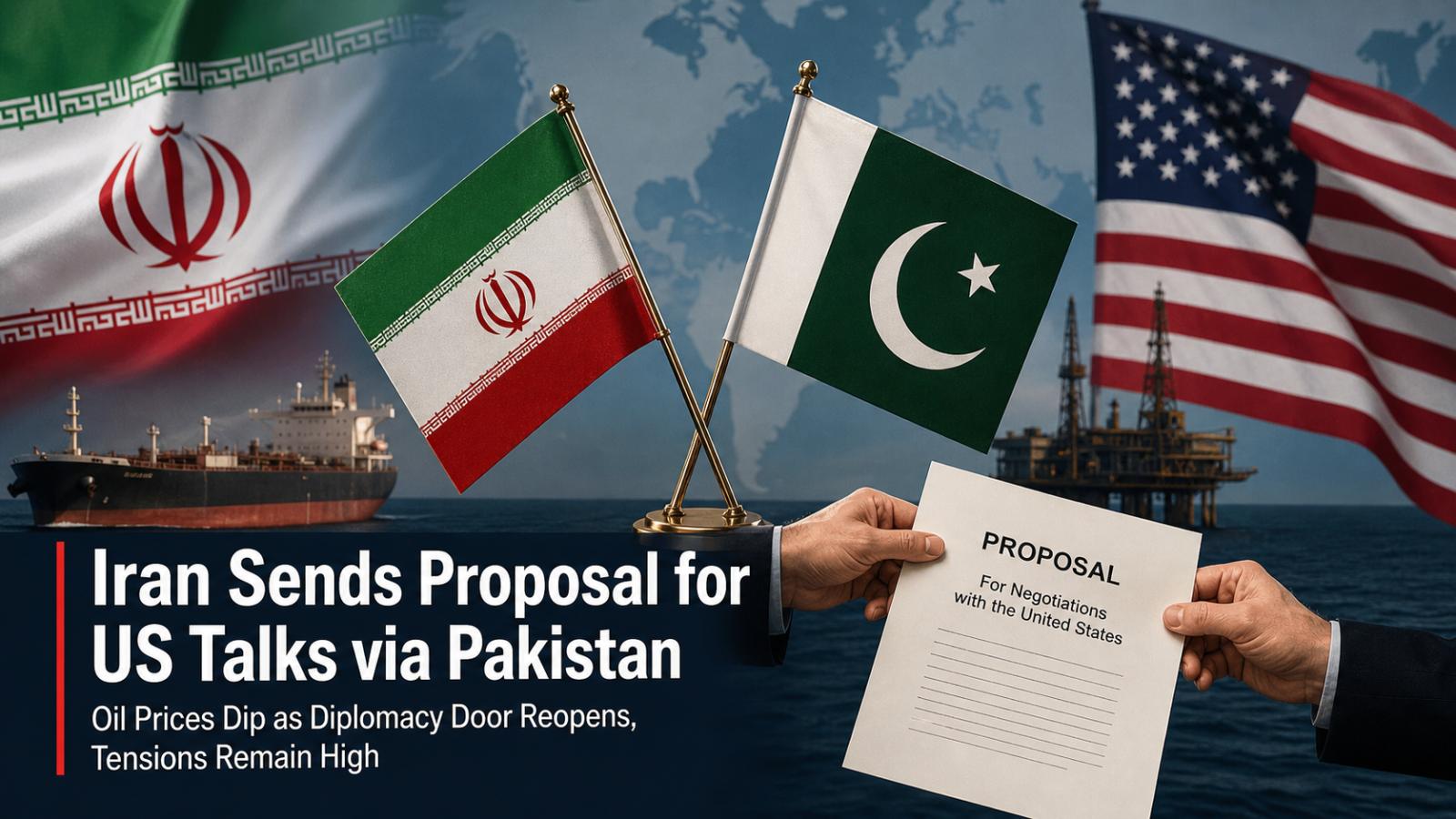
What did Iran propose to the U.S.? New talks plan sent via Pakistan signals diplomacy
Iran has delivered a new proposal for negotiations with the United States through Pakistan, signaling a potential diplomatic opening amid heightened regional tensions. According to IRNA, the proposal was formally
What did Iran propose to the U.S.? New talks plan sent via Pakistan signals diplomacy
Iran has delivered a new proposal for negotiations with the United States through Pakistan, signaling a potential diplomatic opening amid heightened regional tensions. According to IRNA, the proposal was formally
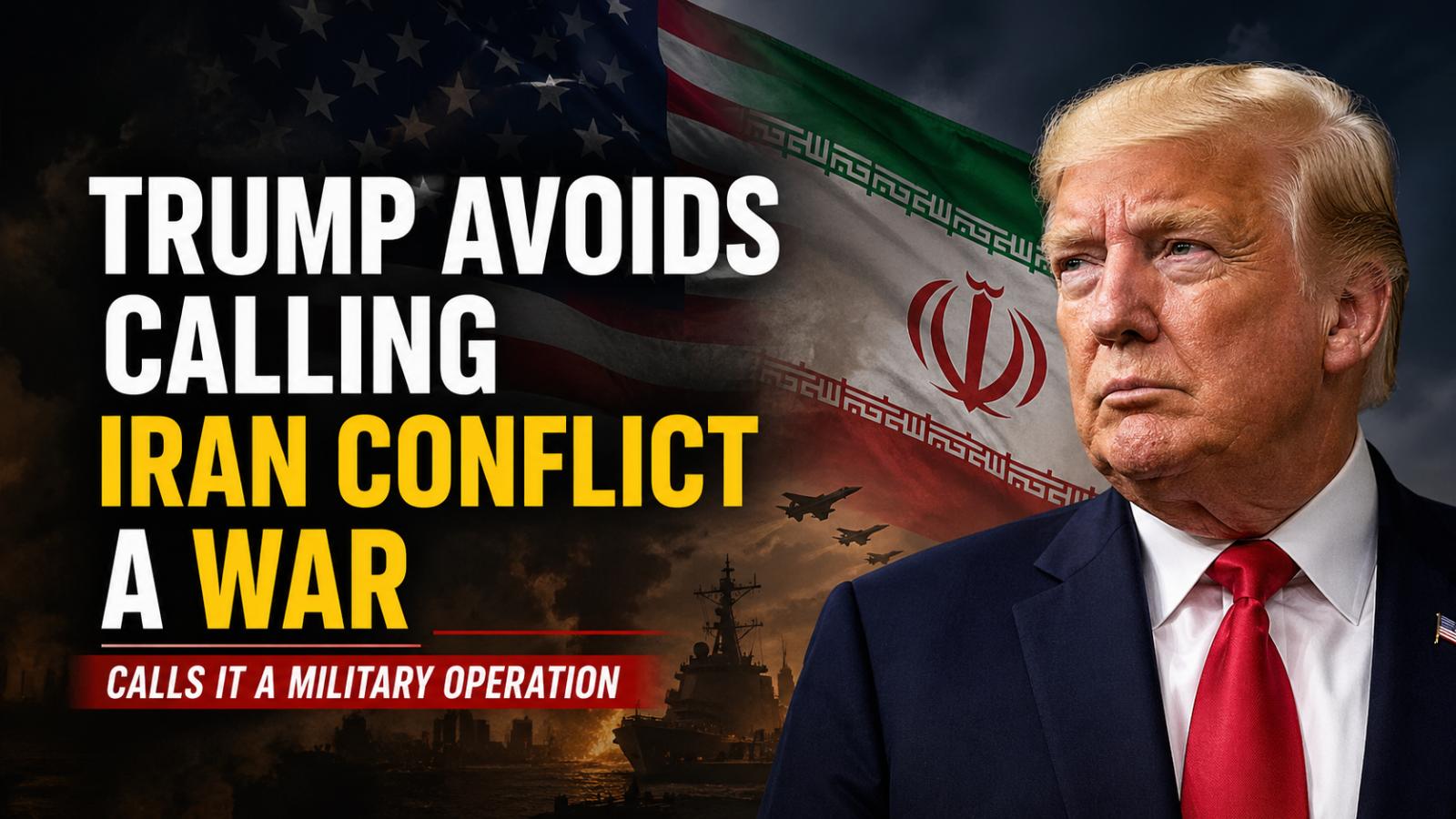
Trump shifts stance on Iran conflict, calls it a military operation
Trump redefines Iran conflict as military operation As the War Powers Resolution deadline approached on May 1, US President Donald Trump made a sharp shift in stance by stating that the ongoing Trump Iran conflict would not be labeled as a war but instead as a military operation. This move comes just days before a legal deadline that could have required congressional approval or forced the US to halt militar
Trump shifts stance on Iran conflict, calls it a military operation
Trump redefines Iran conflict as military operation As the War Powers Resolution deadline approached on May 1, US President Donald Trump made a sharp shift in stance by stating that the ongoing Trump Iran conflict would not be labeled as a war but instead as a military operation. This move comes just days before a legal deadline that could have required congressional approval or forced the US to halt militar
Iran Uranium Stockpile Mystery Deepens After US Strikes
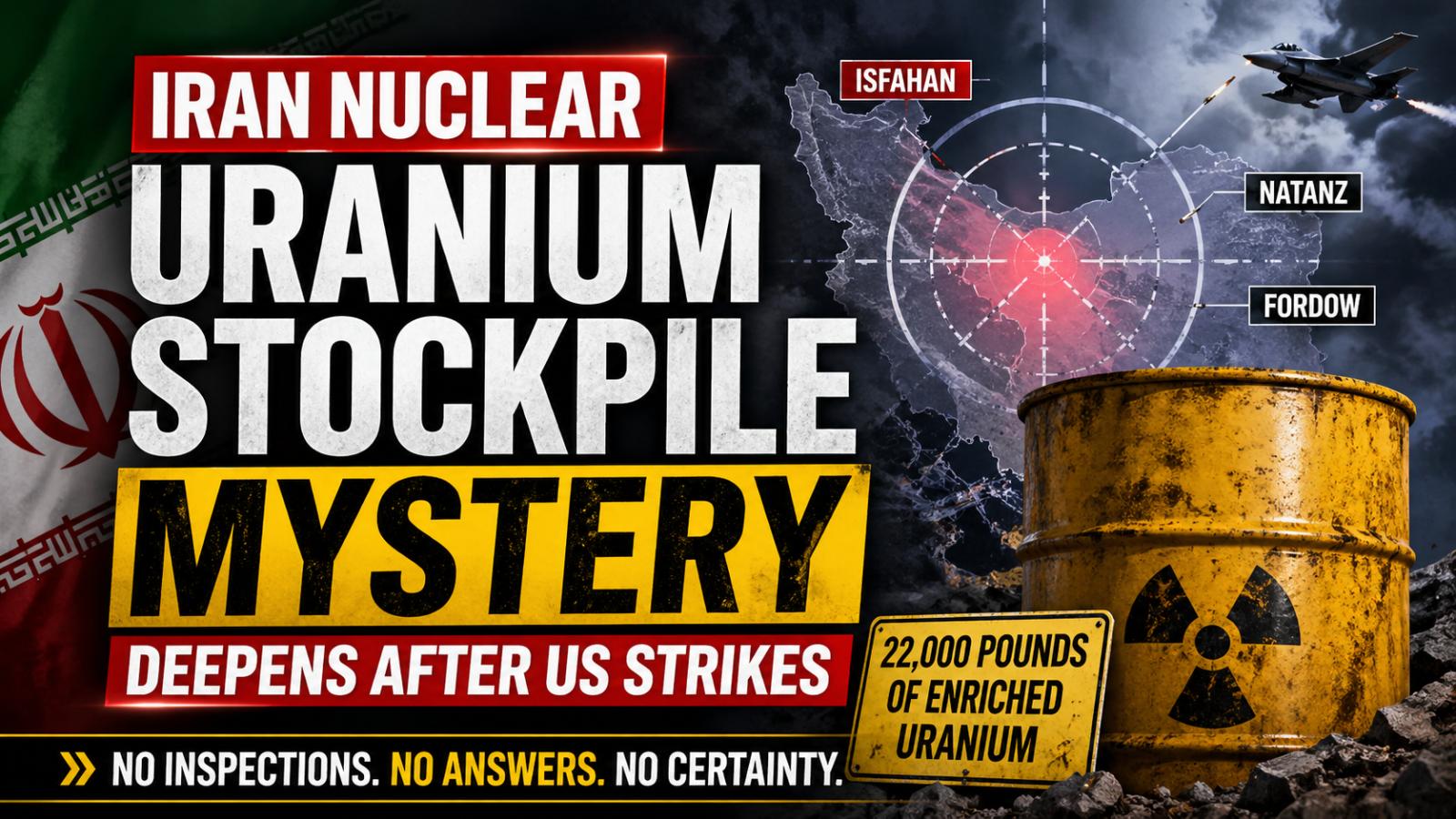
The location of Iran’s enriched uranium stockpile remains uncertain nearly two months after US military strikes targeted key nuclear facilities, raising fresh concerns about transparency and oversight. The material, estimated at roughly 22,000 pounds, had steadily accumulated over years following the US withdrawal from the 2015 nuclear agreement. That deal had previously imposed strict limits on enrichment levels and stockpile size, effectively curbing Iran’s ability to produce weapons-grade material. Uranium enrichment remains central to the issue, as the process becomes significantly faster once higher purity levels are reached. While low enrichment supports civilian energy needs, higher concentrations can be used for nuclear weapons. Iran’s move to enrich uranium up to 60 percent in recent years placed it closer to that threshold, intensifying international concern. Efforts to revive diplomatic agreements failed, and subsequent escalation led to direct military action targeting facilities such as Natanz and Fordow, along with storage areas near Isfahan. Shortly after, Iran halted cooperation with international inspectors, effectively ending on-the-ground verification. Without access, monitoring now relies heavily on satellite surveillance, which cannot fully confirm the condition or location of nuclear materials. Experts suggest that even if Iran retains access to the stockpile, converting it into a functional weapon would require additional time and technical capacity. However, the absence of inspections creates uncertainty. Analysts warn that if portions of the uranium were relocated or secured in undisclosed sites, Iran could potentially resume enrichment activities without detection, complicating global efforts to assess the true state of its nuclear program.
Iran Uranium Stockpile Mystery Deepens After US Strikes
The location of Iran’s enriched uranium stockpile remains uncertain nearly two months after US military strikes targeted key nuclear facilities, raising fresh concerns about transparency and oversight. The material, estimated at roughly 22,000 pounds, had steadily accumulated over years following the US withdrawal from the 2015 nuclear agreement. That deal had previously imposed strict limits on enrichment levels and stockpile size, effectively curbing Iran’s ability to produce weapons-grade material. Uranium enrichment remains central to the issue, as the process becomes significantly faster once higher purity levels are reached. While low enrichment supports civilian energy needs, higher concentrations can be used for nuclear weapons. Iran’s move to enrich uranium up to 60 percent in recent years placed it closer to that threshold, intensifying international concern. Efforts to revive diplomatic agreements failed, and subsequent escalation led to direct military action targeting facilities such as Natanz and Fordow, along with storage areas near Isfahan. Shortly after, Iran halted cooperation with international inspectors, effectively ending on-the-ground verification. Without access, monitoring now relies heavily on satellite surveillance, which cannot fully confirm the condition or location of nuclear materials. Experts suggest that even if Iran retains access to the stockpile, converting it into a functional weapon would require additional time and technical capacity. However, the absence of inspections creates uncertainty. Analysts warn that if portions of the uranium were relocated or secured in undisclosed sites, Iran could potentially resume enrichment activities without detection, complicating global efforts to assess the true state of its nuclear program.
Trump issues strong warning to Iran amid stalled nuclear negotiations
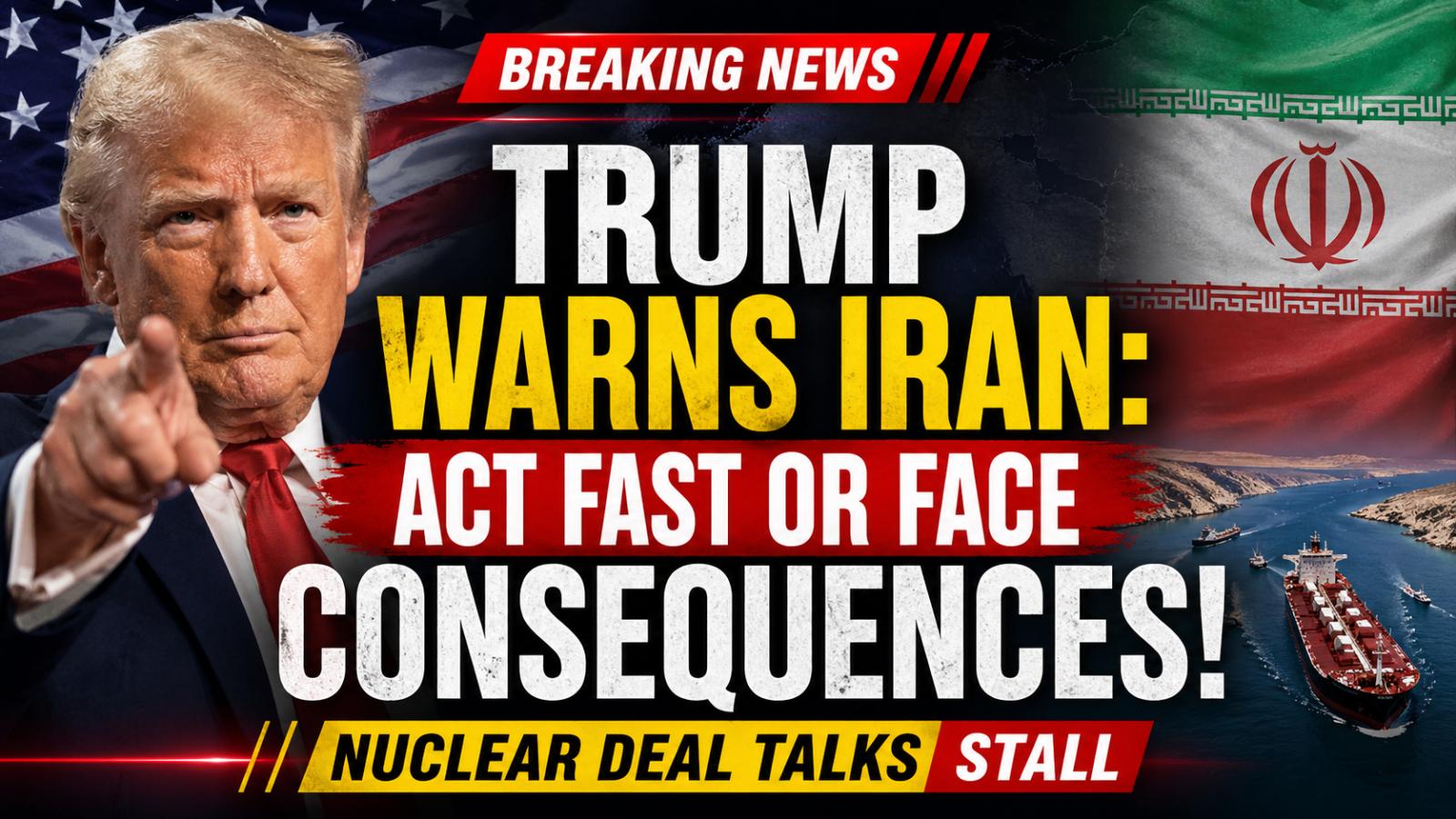
US President Donald Trump warned Iran on April 28, 2026, at around 10:00 AM EST to act quickly as nuclear deal negotiations between Washington and Tehran remain stalled. The statement highlights rising US-Iran tensions, ongoing diplomatic failure, and stricter American control over the
Trump issues strong warning to Iran amid stalled nuclear negotiations
US President Donald Trump warned Iran on April 28, 2026, at around 10:00 AM EST to act quickly as nuclear deal negotiations between Washington and Tehran remain stalled. The statement highlights rising US-Iran tensions, ongoing diplomatic failure, and stricter American control over the
Why did the UN grant Iran a leadership role? It reflects procedural voting dynamics despite criticism
It reflects procedural voting dynamics despite criticism The United States, joined by the United Arab Emirates and supported by several European governments, condemned a United Nations decision made on Monday, April 28, 2026, to appoint Iran as one of the vice presidents at a major nuclear treaty conference in New York. Iran’s appointment through Non-Aligned Movement voting bloc The controversy emerged as the 11th Review Conference of
Why did the UN grant Iran a leadership role? It reflects procedural voting dynamics despite criticism
It reflects procedural voting dynamics despite criticism The United States, joined by the United Arab Emirates and supported by several European governments, condemned a United Nations decision made on Monday, April 28, 2026, to appoint Iran as one of the vice presidents at a major nuclear treaty conference in New York. Iran’s appointment through Non-Aligned Movement voting bloc The controversy emerged as the 11th Review Conference of
Trump criticizes NATO support amid tensions over Iran conflict
Trump criticized NATO for lack of support during the Iran conflict, highlighting growing US-alliance tensions and potential policy consequences for member states. A growing rift between the United States and NATO allies intensified after President Donald Trump voiced disappointment over support during the Iran conflict and broader security concerns. Amid escalating tensions between the United States and its allies, Donald Trump said on Sunday April 26, 2026 that he was “very disappointed” with NATO, accusing the alliance of failing to support Washington during a critical period. His remarks followed heightened security concerns earlier that day at the White House Correspondents’ Dinner. In an interview with Fox News, Trump emphasized the scale of US financial contributions to NATO, arguing that the alliance depends heavily on American resources. He said the United States has invested trillions of dollars to protect Europe from threats such as Russia and suggested that NATO members have not reciprocated adequately. The comments come as the Trump administration faces frustration with Western allies over their reluctance to back US actions in the ongoing Iran conflict. During the same interview, Trump shifted focus to Iran, asserting that the United States holds a strategic advantage despite stalled negotiations. He claimed US forces had significantly weakened Iran’s naval and air capabilities and described a blockade as highly effective. Tensions with NATO have been building since Trump returned to office, particularly as he has pushed member nations to increase defense spending. Disagreements intensified after several NATO countries declined to support US military operations in Iran or allow the use of their bases. The strain deepened further after a controversial email from the United States Department of Defense outlined potential actions against NATO allies perceived as unsupportive. Among the measures discussed was the possible suspension of Spain from NATO, a move officials indicated would carry symbolic significance but limited operational impact. Officials said the communication reflected growing frustration within the US government, describing what it characterized as a sense of entitlement among European partners. The developments underscore widening divisions within the alliance as geopolitical and military priorities diverge.
Trump criticizes NATO support amid tensions over Iran conflict
Trump criticized NATO for lack of support during the Iran conflict, highlighting growing US-alliance tensions and potential policy consequences for member states. A growing rift between the United States and NATO allies intensified after President Donald Trump voiced disappointment over support during the Iran conflict and broader security concerns. Amid escalating tensions between the United States and its allies, Donald Trump said on Sunday April 26, 2026 that he was “very disappointed” with NATO, accusing the alliance of failing to support Washington during a critical period. His remarks followed heightened security concerns earlier that day at the White House Correspondents’ Dinner. In an interview with Fox News, Trump emphasized the scale of US financial contributions to NATO, arguing that the alliance depends heavily on American resources. He said the United States has invested trillions of dollars to protect Europe from threats such as Russia and suggested that NATO members have not reciprocated adequately. The comments come as the Trump administration faces frustration with Western allies over their reluctance to back US actions in the ongoing Iran conflict. During the same interview, Trump shifted focus to Iran, asserting that the United States holds a strategic advantage despite stalled negotiations. He claimed US forces had significantly weakened Iran’s naval and air capabilities and described a blockade as highly effective. Tensions with NATO have been building since Trump returned to office, particularly as he has pushed member nations to increase defense spending. Disagreements intensified after several NATO countries declined to support US military operations in Iran or allow the use of their bases. The strain deepened further after a controversial email from the United States Department of Defense outlined potential actions against NATO allies perceived as unsupportive. Among the measures discussed was the possible suspension of Spain from NATO, a move officials indicated would carry symbolic significance but limited operational impact. Officials said the communication reflected growing frustration within the US government, describing what it characterized as a sense of entitlement among European partners. The developments underscore widening divisions within the alliance as geopolitical and military priorities diverge.
Israel-Iran War LIVE: Trump Cancels Pakistan Talks, Says War Not Imminent
U.S. President Donald Trump has cancelled a planned visit by American envoys to Pakistan for talks with Iran, in a move that raises fresh uncertainty around ongoing diplomatic efforts tied to the Israel-Iran conflict. According to reports , the cancelled trip would have involved senior envoys
Israel-Iran War LIVE: Trump Cancels Pakistan Talks, Says War Not Imminent
U.S. President Donald Trump has cancelled a planned visit by American envoys to Pakistan for talks with Iran, in a move that raises fresh uncertainty around ongoing diplomatic efforts tied to the Israel-Iran conflict. According to reports , the cancelled trip would have involved senior envoys
Netanyahu accuses Hezbollah of sabotaging Israel-Lebanon peace efforts
Israel strikes Hezbollah targets after rocket fire from Lebanon as tensions persist despite a truce extension, while diplomatic efforts and US energy measures reflect widening regional impact. Iran-Israel war live updates: Israel strikes Hezbollah sites after rocket fire as regional tensions escalated on Friday, April 24, 2026, with the Israeli military confirming strikes on Hezbollah-linked locations in southern Lebanon following cross-border rocket launches. The Israeli military stated that it targeted sites near the town of Deir Aames after rockets were fired toward the Israeli town of Shtula a day earlier. Deir Aames lies outside the designated border buffer zone that Israeli forces have continued to occupy even after a 10-day ceasefire agreement implemented the previous week. Earlier on Friday, April 24, 2026, the military issued evacuation warnings urging residents to leave the area before the strikes. The renewed hostilities come despite diplomatic efforts to maintain calm. U.S. President Donald Trump announced on Thursday, April 23, 2026, a three-week extension of the Israel-Hezbollah truce. However, both sides have continued intermittent exchanges of fire, raising concerns about the durability of the ceasefire. Israeli Prime Minister Benjamin Netanyahu accused Hezbollah of undermining peace efforts, stating on Friday, April 24, 2026, that the group was attempting to “sabotage” negotiations aimed at reaching a long-term agreement between Israel and Lebanon. His remarks marked his first public comments following the truce extension. Meanwhile, diplomatic activity continued across the region. Iranian Foreign Minister Abbas Araghchi said his upcoming visits to Islamabad, Muscat, and Moscow are intended to coordinate with regional partners and discuss evolving developments. While he did not directly address potential talks with the United States, officials in Pakistan have recently intensified efforts to facilitate renewed ceasefire negotiations between Washington and Tehran. In Washington, the White House announced an extension of a waiver to the Jones Act by 90 days on Friday, April 24, 2026. The measure is designed to ease domestic energy supply pressures amid disruptions linked to the broader West Asia conflict. Officials said the extension would help maintain the flow of oil and natural gas within the United States by allowing greater flexibility in maritime transport. The combination of military actions, diplomatic outreach, and economic measures underscores the widening impact of the conflict, with regional instability continuing to influence global security and energy markets.
Netanyahu accuses Hezbollah of sabotaging Israel-Lebanon peace efforts
Israel strikes Hezbollah targets after rocket fire from Lebanon as tensions persist despite a truce extension, while diplomatic efforts and US energy measures reflect widening regional impact. Iran-Israel war live updates: Israel strikes Hezbollah sites after rocket fire as regional tensions escalated on Friday, April 24, 2026, with the Israeli military confirming strikes on Hezbollah-linked locations in southern Lebanon following cross-border rocket launches. The Israeli military stated that it targeted sites near the town of Deir Aames after rockets were fired toward the Israeli town of Shtula a day earlier. Deir Aames lies outside the designated border buffer zone that Israeli forces have continued to occupy even after a 10-day ceasefire agreement implemented the previous week. Earlier on Friday, April 24, 2026, the military issued evacuation warnings urging residents to leave the area before the strikes. The renewed hostilities come despite diplomatic efforts to maintain calm. U.S. President Donald Trump announced on Thursday, April 23, 2026, a three-week extension of the Israel-Hezbollah truce. However, both sides have continued intermittent exchanges of fire, raising concerns about the durability of the ceasefire. Israeli Prime Minister Benjamin Netanyahu accused Hezbollah of undermining peace efforts, stating on Friday, April 24, 2026, that the group was attempting to “sabotage” negotiations aimed at reaching a long-term agreement between Israel and Lebanon. His remarks marked his first public comments following the truce extension. Meanwhile, diplomatic activity continued across the region. Iranian Foreign Minister Abbas Araghchi said his upcoming visits to Islamabad, Muscat, and Moscow are intended to coordinate with regional partners and discuss evolving developments. While he did not directly address potential talks with the United States, officials in Pakistan have recently intensified efforts to facilitate renewed ceasefire negotiations between Washington and Tehran. In Washington, the White House announced an extension of a waiver to the Jones Act by 90 days on Friday, April 24, 2026. The measure is designed to ease domestic energy supply pressures amid disruptions linked to the broader West Asia conflict. Officials said the extension would help maintain the flow of oil and natural gas within the United States by allowing greater flexibility in maritime transport. The combination of military actions, diplomatic outreach, and economic measures underscores the widening impact of the conflict, with regional instability continuing to influence global security and energy markets.
US President Says No Plans for Nuclear Strike on Iran
Donald Trump stated that the United States currently has no intention of using nuclear weapons against Iran, offering clarity on a key concern amid ongoing geopolitical tensions. Speaking to reporters at the White House, Trump emphasized that conventional military actions had already achieved significant results without the need for nuclear escalation. Addressing recent speculation, Trump said there was no justification for deploying nuclear weapons, noting that existing strategies had been effective. His remarks come after earlier statements that had drawn international attention, where strong rhetoric raised concerns about the potential use of extreme measures during the conflict that began earlier this year. The president reiterated that nuclear weapons should not be used by any nation, signaling a shift toward a more restrained public stance. At the same time, he underscored the administration’s objective of preventing Iran from developing nuclear capabilities that could pose a threat to regional and global security. Comments from senior officials have also contributed to the broader discussion. JD Vance had previously indicated that the United States was prepared to escalate its response if necessary, though the White House clarified that such remarks did not imply nuclear action. Trump’s latest statement appears to balance deterrence with reassurance, highlighting a focus on maintaining pressure through conventional means while avoiding the risks associated with nuclear engagement. As tensions persist, the administration continues to stress its commitment to preventing further escalation while safeguarding national interests and stability in the region.
US President Says No Plans for Nuclear Strike on Iran
Donald Trump stated that the United States currently has no intention of using nuclear weapons against Iran, offering clarity on a key concern amid ongoing geopolitical tensions. Speaking to reporters at the White House, Trump emphasized that conventional military actions had already achieved significant results without the need for nuclear escalation. Addressing recent speculation, Trump said there was no justification for deploying nuclear weapons, noting that existing strategies had been effective. His remarks come after earlier statements that had drawn international attention, where strong rhetoric raised concerns about the potential use of extreme measures during the conflict that began earlier this year. The president reiterated that nuclear weapons should not be used by any nation, signaling a shift toward a more restrained public stance. At the same time, he underscored the administration’s objective of preventing Iran from developing nuclear capabilities that could pose a threat to regional and global security. Comments from senior officials have also contributed to the broader discussion. JD Vance had previously indicated that the United States was prepared to escalate its response if necessary, though the White House clarified that such remarks did not imply nuclear action. Trump’s latest statement appears to balance deterrence with reassurance, highlighting a focus on maintaining pressure through conventional means while avoiding the risks associated with nuclear engagement. As tensions persist, the administration continues to stress its commitment to preventing further escalation while safeguarding national interests and stability in the region.
US gives Iran limited window for deal amid reported leadership rift
The Trump administration has set a narrow window for Iran to respond to a proposed agreement aimed at sustaining a ceasefire and addressing Tehran’s nuclear program, signaling that the pause in hostilities may soon expire without progress. According to U.S. officials, President Donald Trump is willing to allow only a few additional days for Iranian leadership to present a unified position, underscoring growing impatience in Washington over stalled diplomacy. Officials familiar with internal discussions said the administration still views a negotiated resolution as achievable but is increasingly concerned about what it sees as divisions within Iran’s leadership. Reports indicate tensions between military figures tied to the Islamic Revolutionary Guard Corps and civilian negotiators, complicating Tehran’s ability to respond decisively to U.S. proposals. Disagreements reportedly surfaced after initial talks in Islamabad, where military leaders rejected elements discussed by diplomatic representatives. Iran has yet to formally commit to a second round of negotiations, and a planned U.S. delegation visit—expected to include Vice President JD Vance—was ultimately canceled. The delay has fueled frustration within the White House, where senior officials have debated whether to extend diplomatic efforts or consider renewed military action. Following consultations with top advisers, including Marco Rubio and Pete Hegseth, Trump opted to allow more time for negotiations. Despite U.S. claims of internal fractures in Tehran, some analysts dispute that assessment. Mehran Kamrava of Georgetown University Qatar has argued that Iran’s leadership remains broadly cohesive, even amid leadership transitions and limited public visibility from senior figures. Trump has also emphasized economic pressure as a key lever, pointing to restrictions affecting Iran’s oil exports through the Strait of Hormuz. While he has signaled reluctance to escalate militarily, officials caution that force remains an option if diplomatic efforts fail within the current timeframe.
US gives Iran limited window for deal amid reported leadership rift
The Trump administration has set a narrow window for Iran to respond to a proposed agreement aimed at sustaining a ceasefire and addressing Tehran’s nuclear program, signaling that the pause in hostilities may soon expire without progress. According to U.S. officials, President Donald Trump is willing to allow only a few additional days for Iranian leadership to present a unified position, underscoring growing impatience in Washington over stalled diplomacy. Officials familiar with internal discussions said the administration still views a negotiated resolution as achievable but is increasingly concerned about what it sees as divisions within Iran’s leadership. Reports indicate tensions between military figures tied to the Islamic Revolutionary Guard Corps and civilian negotiators, complicating Tehran’s ability to respond decisively to U.S. proposals. Disagreements reportedly surfaced after initial talks in Islamabad, where military leaders rejected elements discussed by diplomatic representatives. Iran has yet to formally commit to a second round of negotiations, and a planned U.S. delegation visit—expected to include Vice President JD Vance—was ultimately canceled. The delay has fueled frustration within the White House, where senior officials have debated whether to extend diplomatic efforts or consider renewed military action. Following consultations with top advisers, including Marco Rubio and Pete Hegseth, Trump opted to allow more time for negotiations. Despite U.S. claims of internal fractures in Tehran, some analysts dispute that assessment. Mehran Kamrava of Georgetown University Qatar has argued that Iran’s leadership remains broadly cohesive, even amid leadership transitions and limited public visibility from senior figures. Trump has also emphasized economic pressure as a key lever, pointing to restrictions affecting Iran’s oil exports through the Strait of Hormuz. While he has signaled reluctance to escalate militarily, officials caution that force remains an option if diplomatic efforts fail within the current timeframe.


