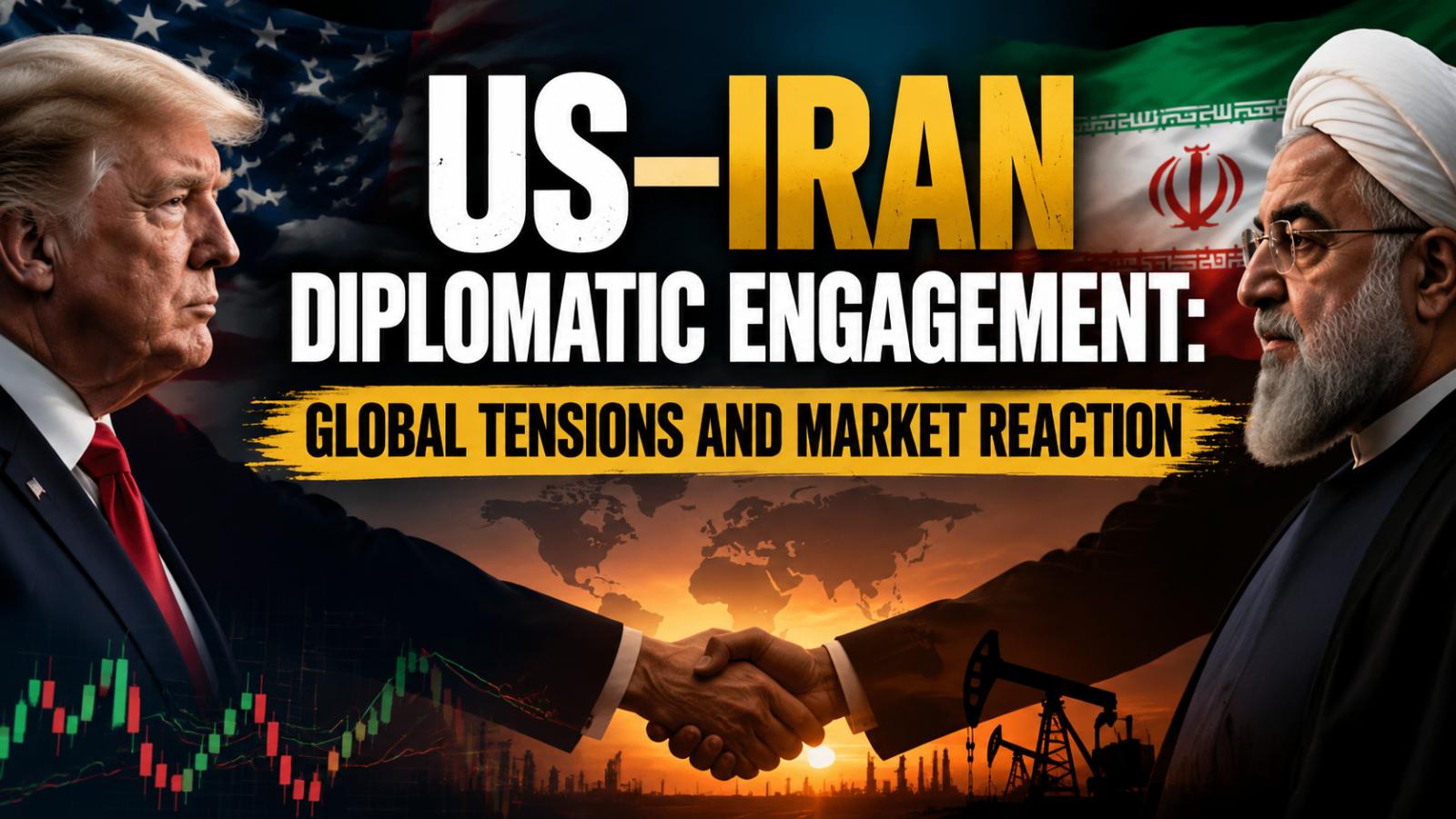
A draft 14-point US-Iran agreement would introduce an immediate ceasefire, restore commercial shipping and temporarily waive sanctions affecting Iranian oil exports while negotiations toward a final settlement continue.
Reuters published the draft on Wednesday, June 17, 2026, but reported that the United States had not publicly released the complete official text. The document establishes a proposed 60-day negotiating period and postpones several difficult nuclear and sanctions questions until a final agreement.
What Are the 14 Points in the Draft US-Iran Deal?
- Immediate ceasefire: Iran, the United States and their wartime allies would permanently end hostilities on all fronts, including Lebanon.
- Respect for sovereignty: Washington and Tehran would recognize each other’s territorial integrity and avoid interfering in domestic affairs.
- Final agreement deadline: Both countries would seek a comprehensive agreement within 60 days, with an extension possible by mutual consent.
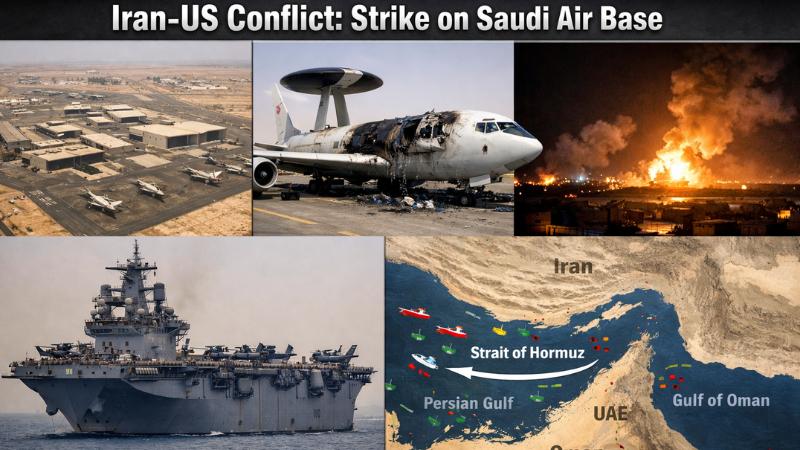
- US blockade lifted: The United States would immediately end its naval blockade and restore traffic to full capacity within 30 days. US forces would later withdraw from surrounding areas.
- Commercial shipping restored: Iran would resume merchant shipping between the Persian Gulf and the Sea of Oman within 30 days, including mine-clearing and removal of technical obstacles.
- Economic reconstruction: The United States and regional partners would develop a rehabilitation and economic plan for Iran backed by at least $300 billion in financing.
- Phased sanctions removal: A final agreement would establish a timetable for ending US sanctions and relevant United Nations and International Atomic Energy Agency measures.
- Nuclear weapons commitment: Iran would repeat its pledge never to produce nuclear weapons. Enriched uranium and other nuclear issues would be settled in the final agreement.
- Interim status quo: Iran would avoid expanding its nuclear program, while the United States would impose no new sanctions or strengthen its regional military presence.
- Immediate oil waivers: The US Treasury Department would issue waivers covering Iranian crude oil, petrochemicals, banking, insurance, transportation and related services.
- Frozen Iranian assets: Restricted Iranian funds would gradually be released as negotiations progress, with necessary US licenses and permits issued.
- Compliance mechanism: The two countries would create a system to monitor implementation of the final agreement.
- Conditions for final negotiations: Formal talks would begin after assurances that the blockade, shipping, oil-waiver and asset-release provisions were being implemented.
- UN Security Council approval: The completed agreement would be endorsed through a binding United Nations Security Council resolution.
Oil Relief Comes Before Permanent Sanctions Removal
The draft distinguishes between immediate waivers and the permanent removal of sanctions. Iranian oil and petrochemical exports could receive temporary relief after the memorandum is signed, while wider sanctions would remain subject to the final negotiations.
The framework could affect global oil supplies by reopening shipping routes and allowing more Iranian crude to reach international markets. However, important questions—including Iran’s enriched uranium, the sanctions timetable and enforcement procedures—remain unresolved.
Until Washington and Tehran release an authenticated final document, the 14 points should be described as provisions in a draft agreement rather than the terms of a completed permanent settlement.