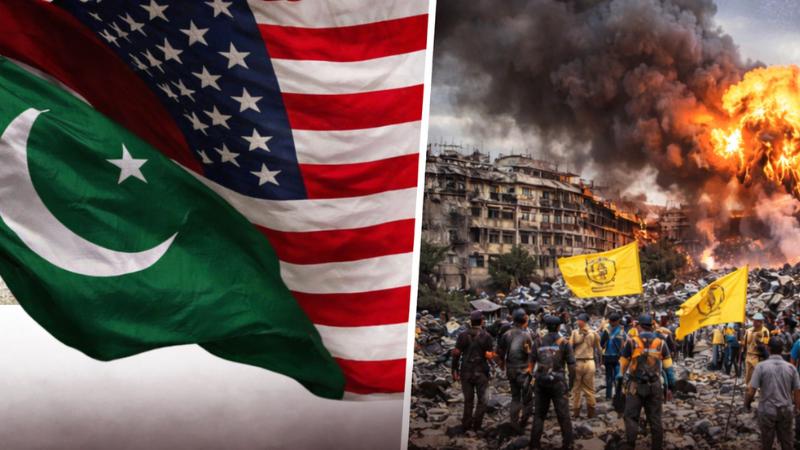
On April 8, 2026, Pakistan secured a major diplomatic win by mediating the US-Iran ceasefire, but within hours, the deal was under strain as Israel launched large airstrikes on Lebanon, an Iranian ally, killing hundreds. The confusion centered around Lebanon’s inclusion in the ceasefire agreement, with Pakistan's interpretation putting it in the heart of the storm. While Pakistani Prime Minister Shehbaz Sharif's announcement claimed that the ceasefire applied to "everywhere, including Lebanon," Israel and the US contradicted this claim, with Israel asserting that Lebanon was never part of the deal.
Pakistan’s mediation role has come under intense scrutiny, especially after differing narratives emerged between Iran, the US, and Israel. Iran believed Lebanon was included, but the US maintained that Lebanon was not part of the ceasefire agreement. The situation worsened after Israel carried out airstrikes in Lebanon, leading to further tension between the US, Iran, and Pakistan. Analysts and media reports suggest that Pakistan may have handed Iran and the US conflicting versions of the ceasefire terms, resulting in confusion over Lebanon's status.
The botched mediation process by Pakistan has led to calls for greater clarity and transparency in future diplomatic negotiations. Experts have criticized the country’s vague and uncertain communication of the ceasefire’s terms, blaming it for creating more instability in an already volatile region. Despite the confusion, the ceasefire deal still hangs by a thread, with growing tension in Lebanon and Iran's response to the airstrikes. The situation underscores the delicate nature of diplomatic mediation and the repercussions of not properly managing expectations.