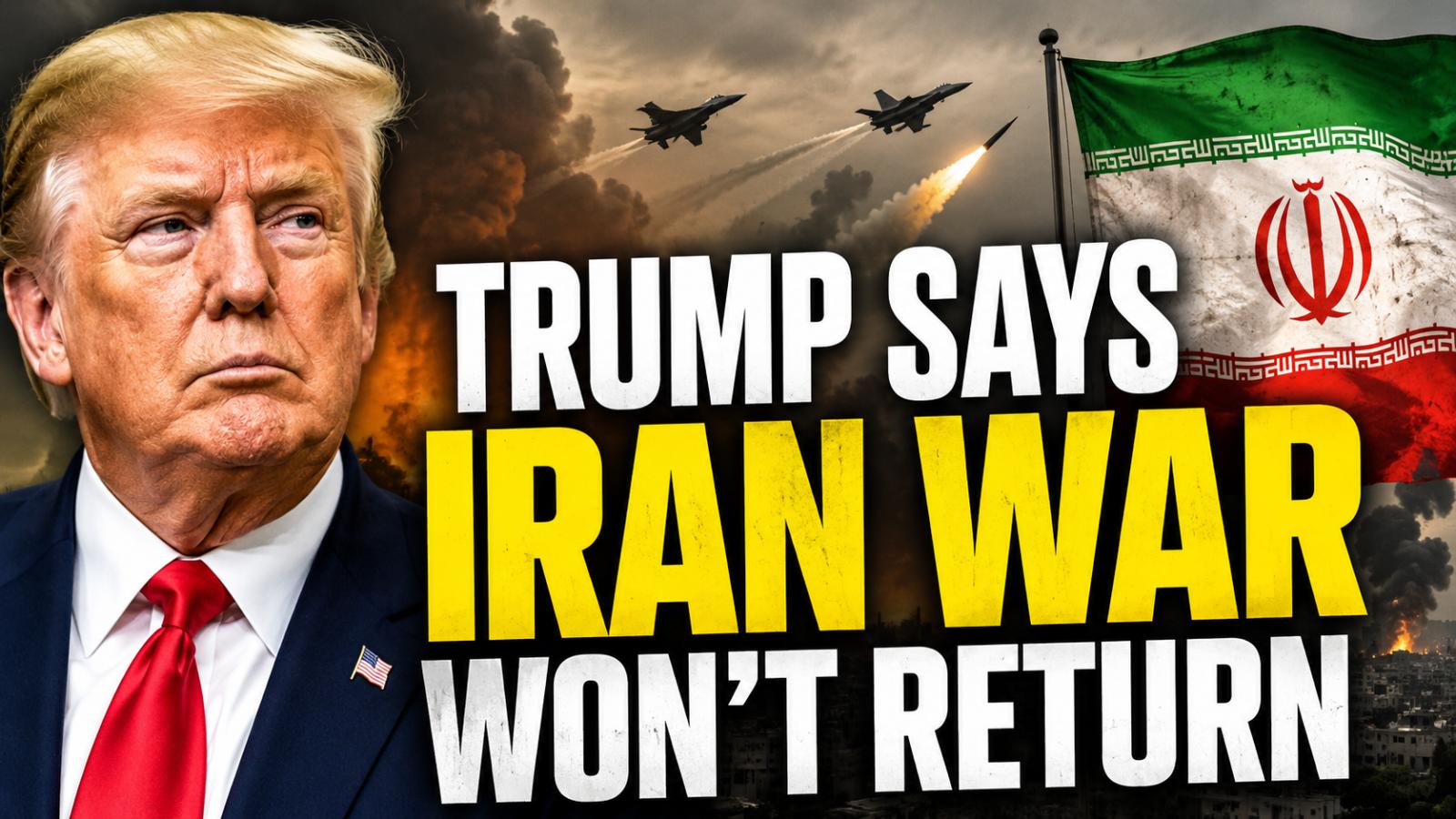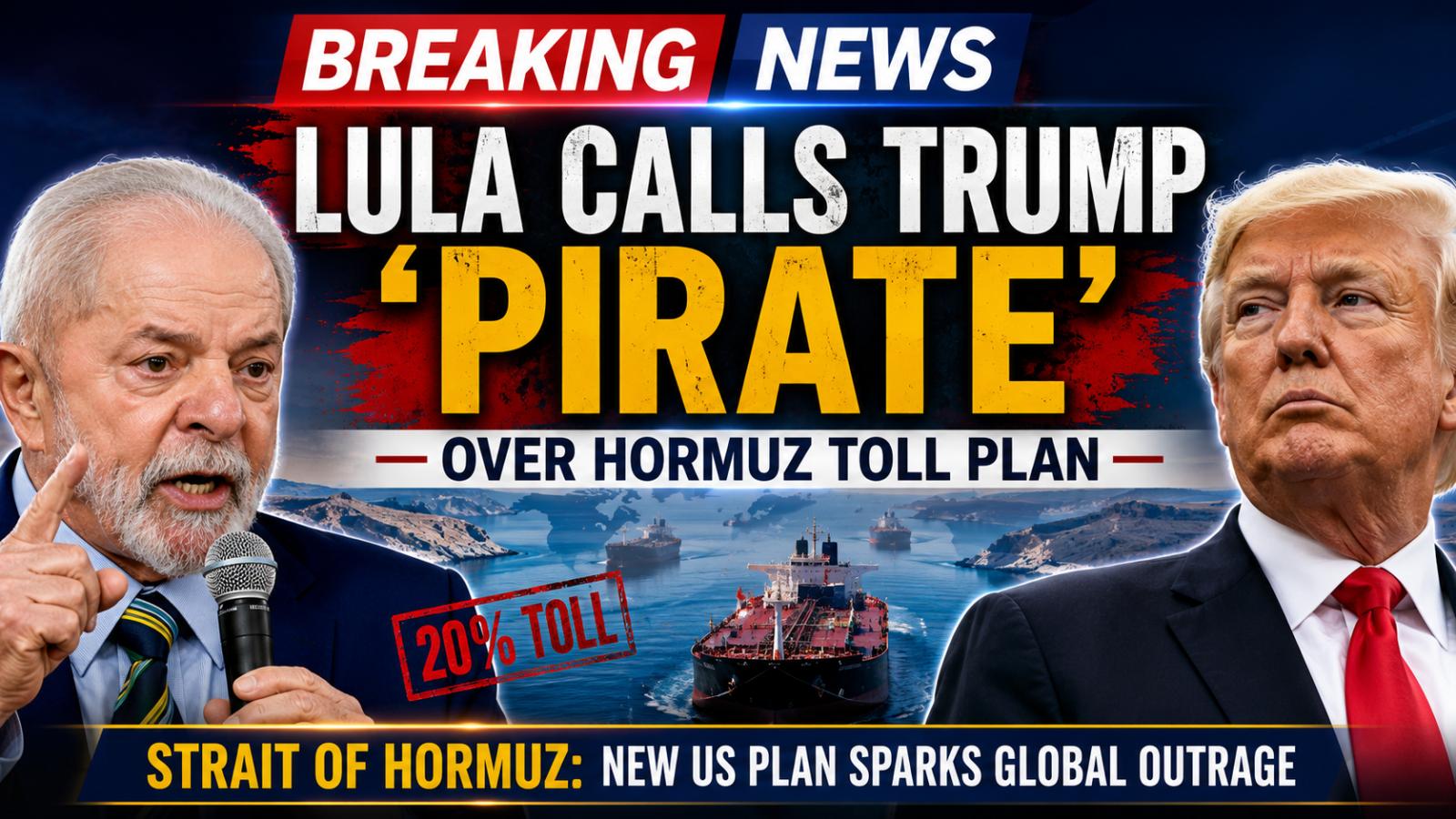
Brazilian President Luiz Inácio Lula da Silva has strongly criticized President Donald Trump's proposal to charge commercial ships a 20 percent toll for transiting the Strait of Hormuz, describing the idea as an act of piracy rather than international leadership. Lula's comments came after Trump announced that the United States would become the "Guardian of the Hormuz Strait" and begin collecting transit fees from vessels using one of the world's busiest maritime trade routes.
The proposal has intensified debate over maritime law, freedom of navigation and the growing geopolitical tensions surrounding the strategically important waterway, through which a significant share of global oil exports passes every day.
Lula criticizes Trump over Hormuz toll proposal
Speaking during a public event in São Paulo on Monday, Lula questioned the legality and legitimacy of the proposed toll system. Referring to Trump's announcement, he argued that charging commercial vessels for safe passage through an international waterway amounted to piracy rather than responsible global leadership.
Lula said the United States had historically defended free navigation and international trade, making the latest proposal particularly surprising. He argued that major powers should protect international shipping routes without imposing unilateral financial demands on commercial operators.
His remarks came only hours after Trump announced a naval blockade targeting Iranian shipping while allowing other commercial traffic to continue through the Strait of Hormuz under the proposed toll arrangement.
Marco Rubio's previous comments return to focus
Trump's latest announcement has also drawn attention to comments made by US Secretary of State Marco Rubio just weeks earlier.
On June 23, Rubio stated that no country has the legal authority to impose tolls or transit fees on ships passing through international waterways such as the Strait of Hormuz. He argued that international maritime law guarantees freedom of navigation and that no nation can unilaterally charge commercial vessels for using globally recognized shipping lanes.
Those earlier remarks now appear to contrast with the administration's newly announced policy, prompting renewed questions about the United States' legal position regarding international maritime governance.
The apparent contradiction has become a major talking point among diplomats and analysts following Trump's announcement.
Strait of Hormuz remains strategically vital
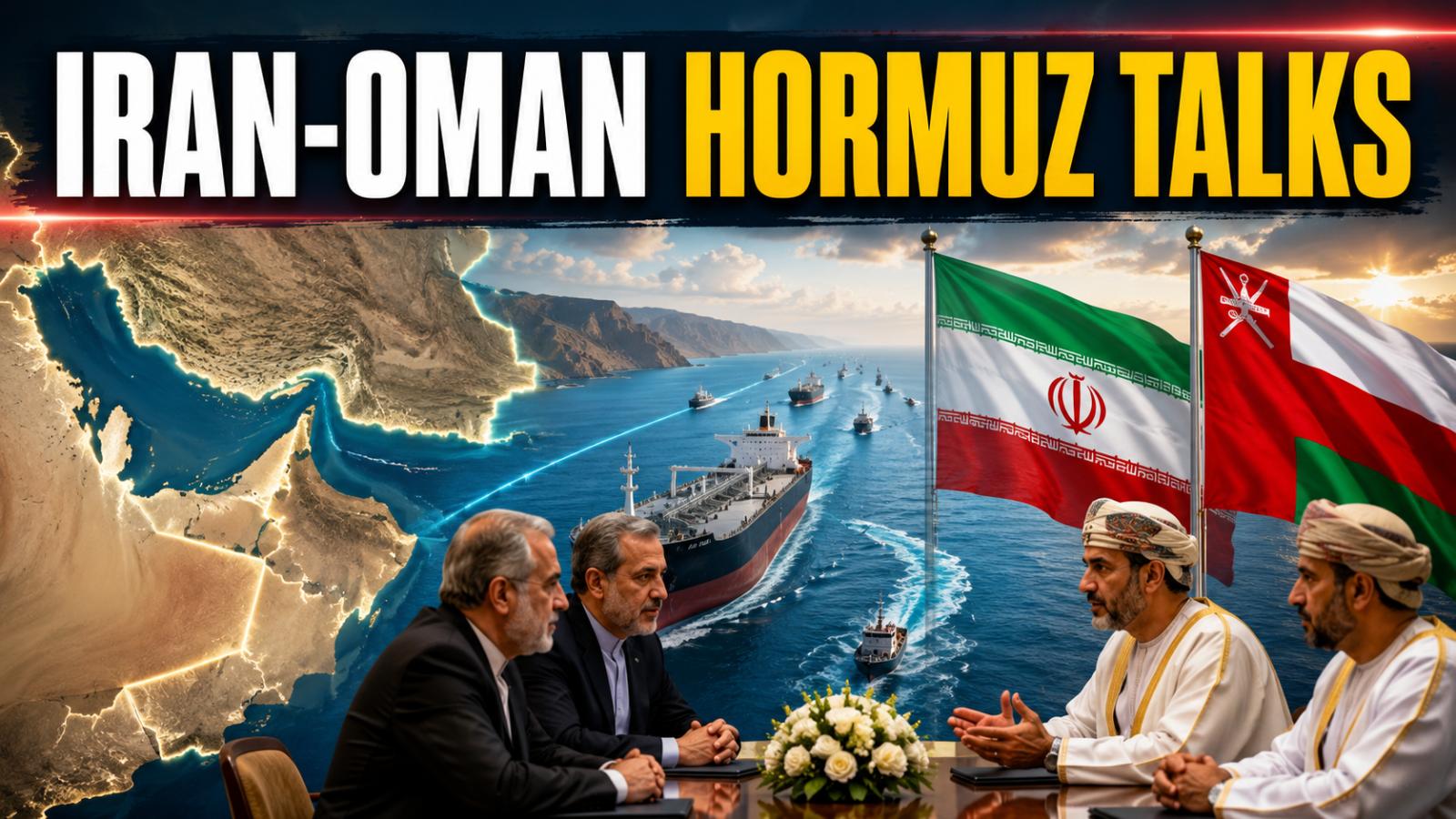
The Strait of Hormuz connects the Persian Gulf with the Gulf of Oman and the Arabian Sea, serving as one of the world's most important energy corridors. A substantial portion of globally traded crude oil and liquefied natural gas passes through the narrow waterway each day.
Any disruption to shipping through the strait has immediate implications for global energy markets, insurance costs and international supply chains. Recent military tensions involving the United States and Iran have further increased concerns over maritime security in the region.
Trump has argued that stronger American military involvement is necessary to protect commercial shipping from attacks and ensure uninterrupted navigation. His administration maintains that additional security measures are justified because of recent incidents involving vessels operating near Iranian waters.
International reaction likely to grow
Lula's criticism is among the strongest international reactions to Trump's proposal so far and reflects wider concerns about the future of international maritime law.
Legal experts note that the Strait of Hormuz is widely recognized as an international waterway governed by established principles of freedom of navigation. Any unilateral attempt to introduce transit charges could face diplomatic opposition from countries that depend heavily on the route for energy imports and commercial trade.
As discussions continue, Trump's proposal is expected to remain a major issue in global diplomacy, with governments, shipping companies and international legal experts closely monitoring whether the administration formally implements the policy or modifies its approach in response to international criticism.