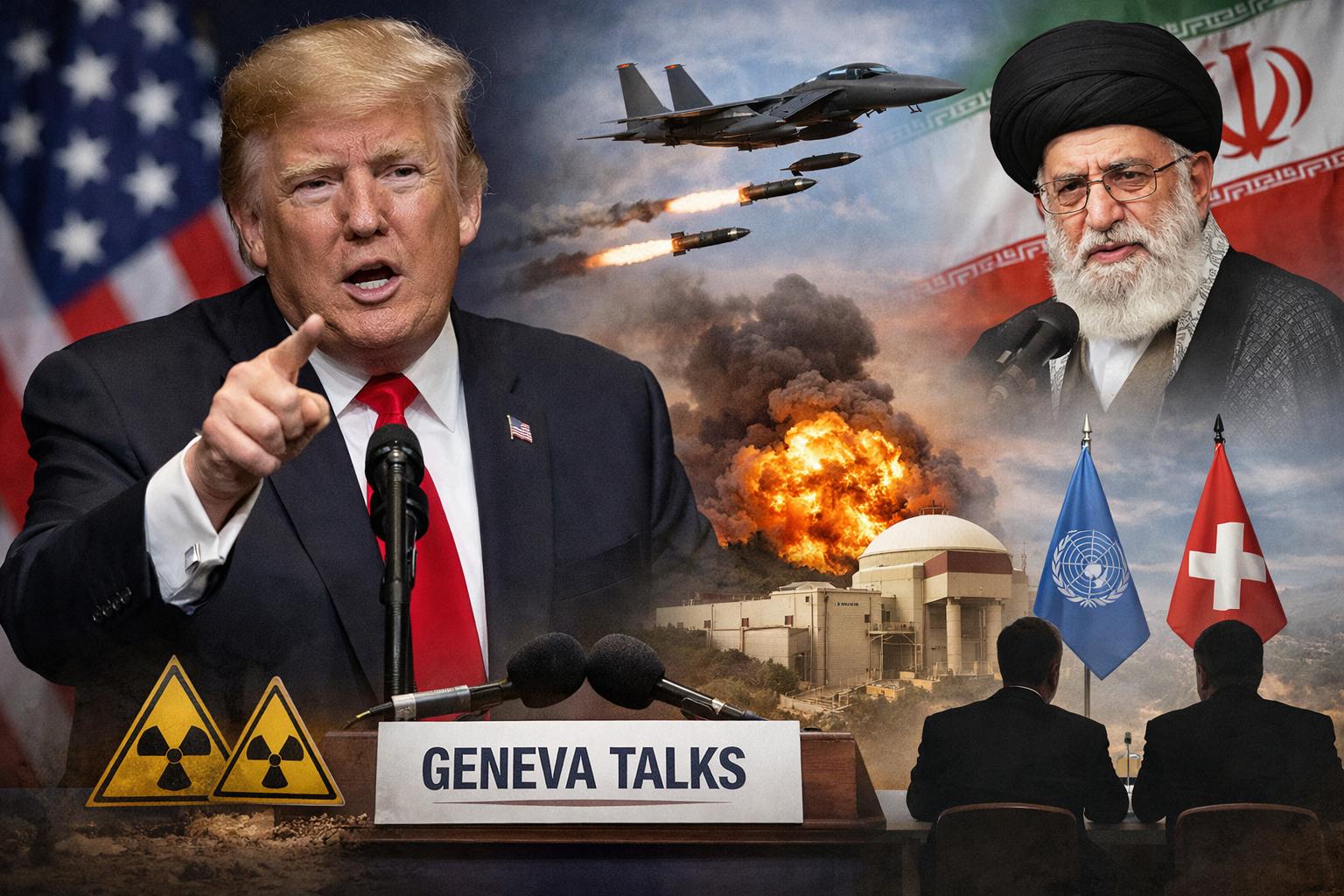
US President Donald Trump has said he is considering a limited military strike on Iran if ongoing negotiations over Tehran’s nuclear programme fail to result in a final agreement, raising fresh concerns about escalating tensions in the Middle East. The remarks followed a second round of high-level talks in Geneva that concluded without a comprehensive deal, despite what officials described as a technical breakthrough in certain areas of discussion. While negotiators appeared to narrow differences on monitoring mechanisms and procedural steps, key disagreements remain unresolved, particularly over Iran’s right to uranium enrichment.
Speaking to reporters on Friday, February 20, Trump was asked whether he is weighing military action if Iran does not agree to US demands. He responded cautiously but left the option open, saying that he is considering it. The statement signals a firm stance from Washington at a time when diplomatic channels remain active but fragile. The administration has consistently maintained that it prefers a negotiated settlement but has also reiterated that all options remain on the table should diplomacy fail.
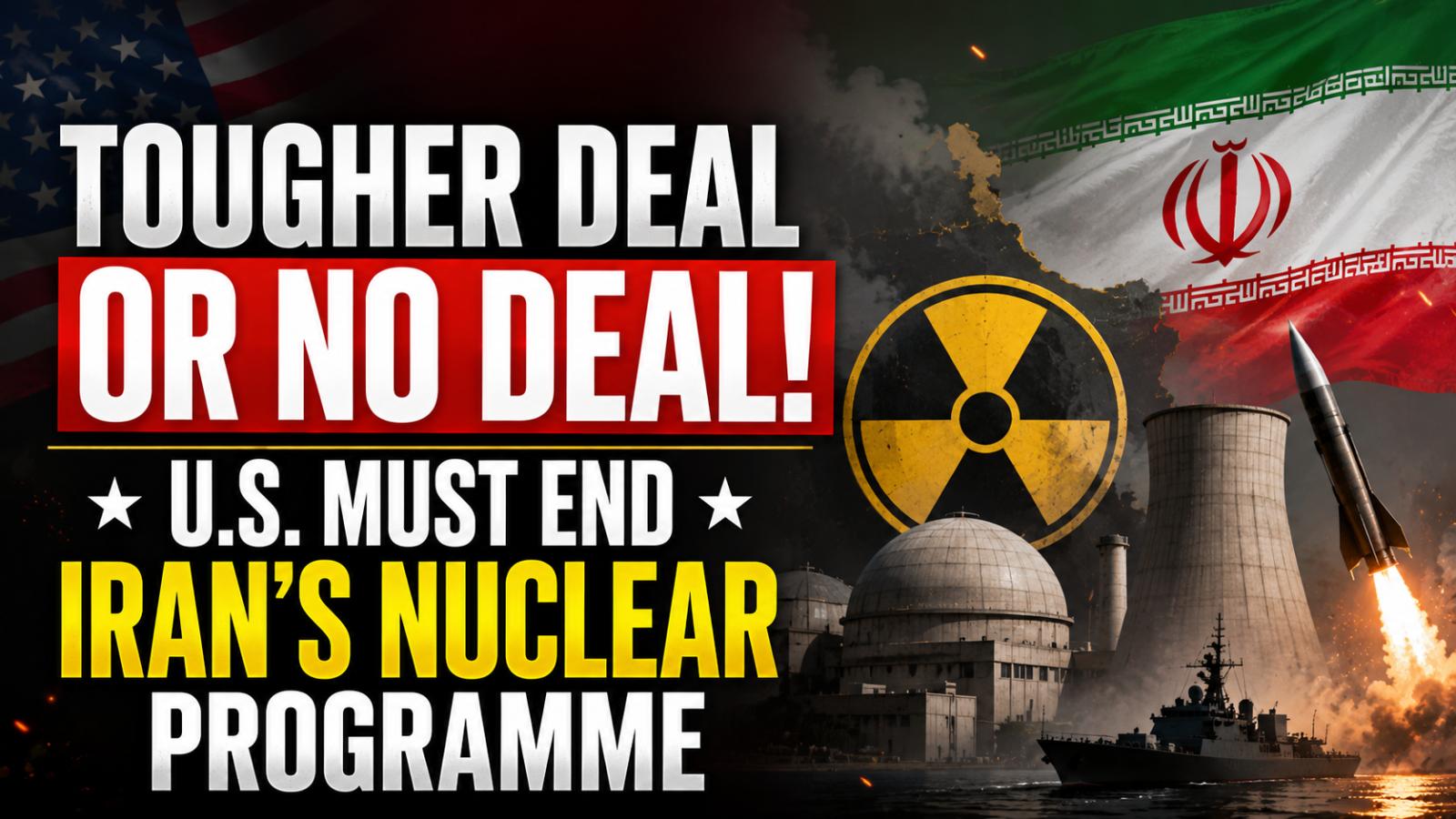
The latest round of talks in Geneva was viewed as a critical opportunity to bridge gaps after months of diplomatic engagement. Negotiators reportedly achieved a technical understanding on certain verification and compliance measures, a development seen as modest progress. However, the central dispute over uranium enrichment continues to block a final agreement. The United States is pressing for zero enrichment as part of a stricter framework aimed at preventing Iran from advancing toward nuclear weapons capability. Tehran has firmly rejected that demand, insisting that its nuclear activities are for peaceful purposes and fall within its sovereign rights.
Iran’s Supreme Leader, Ali Khamenei, reaffirmed that position, stating that nuclear energy is Iran’s undeniable right. His comments reflect Tehran’s long-standing view that enrichment is a legitimate aspect of its civilian nuclear programme and a matter of national sovereignty. Iranian officials have repeatedly argued that abandoning enrichment altogether would undermine scientific progress and independence, while Western governments continue to view enrichment as a potential proliferation risk.
The renewed rhetoric from Trump comes amid persistent mistrust between Washington and Tehran. Previous diplomatic efforts have faltered due to allegations of non-compliance and shifting political priorities. The current negotiations were intended to rebuild confidence and establish a clearer roadmap for future engagement, but the divide between zero enrichment and limited, monitored enrichment remains substantial.
Security analysts caution that even the mention of military action could heighten regional instability. A limited strike, though designed to be targeted, carries the risk of retaliation and a broader confrontation. The Middle East remains a sensitive geopolitical landscape, and any escalation could have ripple effects on regional security, global energy markets, and international trade routes.
At the same time, some observers suggest that referencing military options may be a strategic move aimed at increasing pressure during negotiations rather than signaling imminent action. By keeping the possibility of force on the table, Washington may be attempting to strengthen its bargaining position. Whether this approach will encourage compromise or further entrench opposing positions remains uncertain.
Diplomatic efforts are expected to continue in the coming weeks as mediators attempt to bridge differences over enrichment levels, oversight mechanisms, and long-term commitments. For now, both sides appear to be balancing negotiation with strategic signaling. The international community will be closely watching whether the fragile progress achieved in Geneva can evolve into a binding agreement or whether tensions move closer to confrontation.
Speaking to reporters on Friday, February 20, Trump was asked whether he is weighing military action if Iran does not agree to US demands. He responded cautiously but left the option open, saying that he is considering it. The statement signals a firm stance from Washington at a time when diplomatic channels remain active but fragile. The administration has consistently maintained that it prefers a negotiated settlement but has also reiterated that all options remain on the table should diplomacy fail.
The latest round of talks in Geneva was viewed as a critical opportunity to bridge gaps after months of diplomatic engagement. Negotiators reportedly achieved a technical understanding on certain verification and compliance measures, a development seen as modest progress. However, the central dispute over uranium enrichment continues to block a final agreement. The United States is pressing for zero enrichment as part of a stricter framework aimed at preventing Iran from advancing toward nuclear weapons capability. Tehran has firmly rejected that demand, insisting that its nuclear activities are for peaceful purposes and fall within its sovereign rights.
Iran’s Supreme Leader, Ali Khamenei, reaffirmed that position, stating that nuclear energy is Iran’s undeniable right. His comments reflect Tehran’s long-standing view that enrichment is a legitimate aspect of its civilian nuclear programme and a matter of national sovereignty. Iranian officials have repeatedly argued that abandoning enrichment altogether would undermine scientific progress and independence, while Western governments continue to view enrichment as a potential proliferation risk.
The renewed rhetoric from Trump comes amid persistent mistrust between Washington and Tehran. Previous diplomatic efforts have faltered due to allegations of non-compliance and shifting political priorities. The current negotiations were intended to rebuild confidence and establish a clearer roadmap for future engagement, but the divide between zero enrichment and limited, monitored enrichment remains substantial.
Security analysts caution that even the mention of military action could heighten regional instability. A limited strike, though designed to be targeted, carries the risk of retaliation and a broader confrontation. The Middle East remains a sensitive geopolitical landscape, and any escalation could have ripple effects on regional security, global energy markets, and international trade routes.
At the same time, some observers suggest that referencing military options may be a strategic move aimed at increasing pressure during negotiations rather than signaling imminent action. By keeping the possibility of force on the table, Washington may be attempting to strengthen its bargaining position. Whether this approach will encourage compromise or further entrench opposing positions remains uncertain.
Diplomatic efforts are expected to continue in the coming weeks as mediators attempt to bridge differences over enrichment levels, oversight mechanisms, and long-term commitments. For now, both sides appear to be balancing negotiation with strategic signaling. The international community will be closely watching whether the fragile progress achieved in Geneva can evolve into a binding agreement or whether tensions move closer to confrontation.