WASHINGTON – Trump global views are under renewed scrutiny as international polling, US policy debates, Trump poll findings, midterms and the coming UN debate put Washington’s international standing in focus.
Global opinion
President Donald Trump has repeatedly argued that the United States commands greater respect abroad under his leadership. However, Pew Research Center’s 2026 internati
WASHINGTON – Trump global views are under renewed scrutiny as international polling, US policy debates, Trump poll findings, midterms and the coming UN debate put Washington’s international standing in focus.
Global opinion
President Donald Trump has repeatedly argued that the United States commands greater respect abroad under his leadership. However, Pew Research Center’s 2026 internati
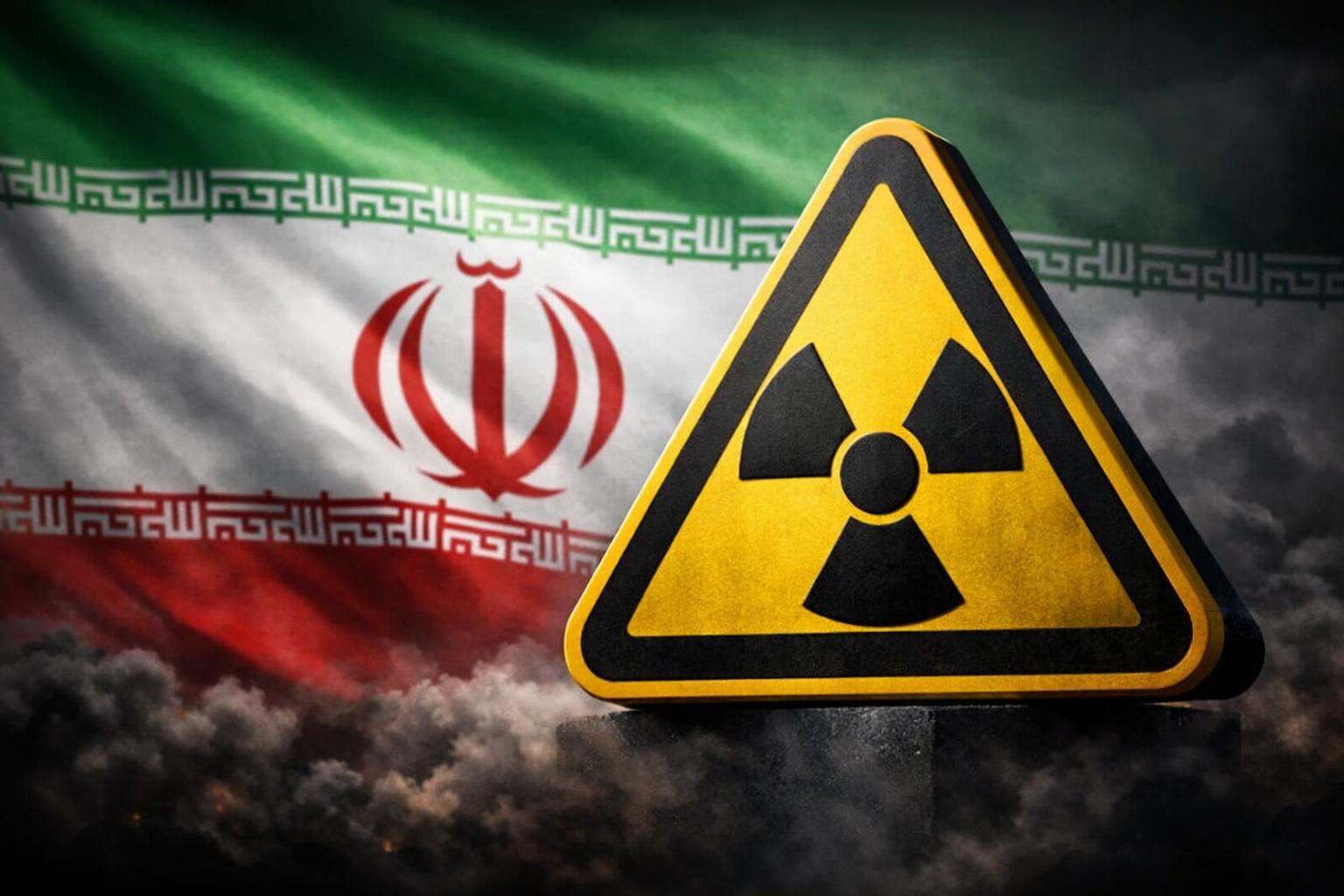
A reported US-Iran draft agreement has brought renewed attention to Iran’s frozen assets, with the proposal said to include the possible release of around $24 billion in blocked Iranian funds. The plan is being discussed as part of a wider diplomatic framework involving sanctions relief, nuclear restrictions and a fresh round of negotiations between Washington and Tehran.
Under the reported proposal, part of the money could be made avail
A reported US-Iran draft agreement has brought renewed attention to Iran’s frozen assets, with the proposal said to include the possible release of around $24 billion in blocked Iranian funds. The plan is being discussed as part of a wider diplomatic framework involving sanctions relief, nuclear restrictions and a fresh round of negotiations between Washington and Tehran.
Under the reported proposal, part of the money could be made avail
Trump Administration Considers Iran Options
The Trump administration is reportedly preparing for a potential new round of military strikes against Iran, even as diplomatic efforts continue. Officials emphasized that no final decision has been made. President Donald Trump announced changes on Friday, May 22, 2026 to his weekend schedule, citing “circumstances pertaining to Government,” which wi
Trump Administration Considers Iran Options
The Trump administration is reportedly preparing for a potential new round of military strikes against Iran, even as diplomatic efforts continue. Officials emphasized that no final decision has been made. President Donald Trump announced changes on Friday, May 22, 2026 to his weekend schedule, citing “circumstances pertaining to Government,” which wi
The United States’ global perception has seen a dramatic shift in recent years, with a new survey revealing that more people worldwide now view China and Russia more positively than the U.S. The annual survey, conducted by the Alliance of Democracies Foundation, polled over 94,000 people in 85 countries. This year’s results underline the growing dissatisfaction with U.S. foreign policy, with 82 of the surveyed countries holding negative views of America.
One of the key themes hi
The United States’ global perception has seen a dramatic shift in recent years, with a new survey revealing that more people worldwide now view China and Russia more positively than the U.S. The annual survey, conducted by the Alliance of Democracies Foundation, polled over 94,000 people in 85 countries. This year’s results underline the growing dissatisfaction with U.S. foreign policy, with 82 of the surveyed countries holding negative views of America.
One of the key themes hi
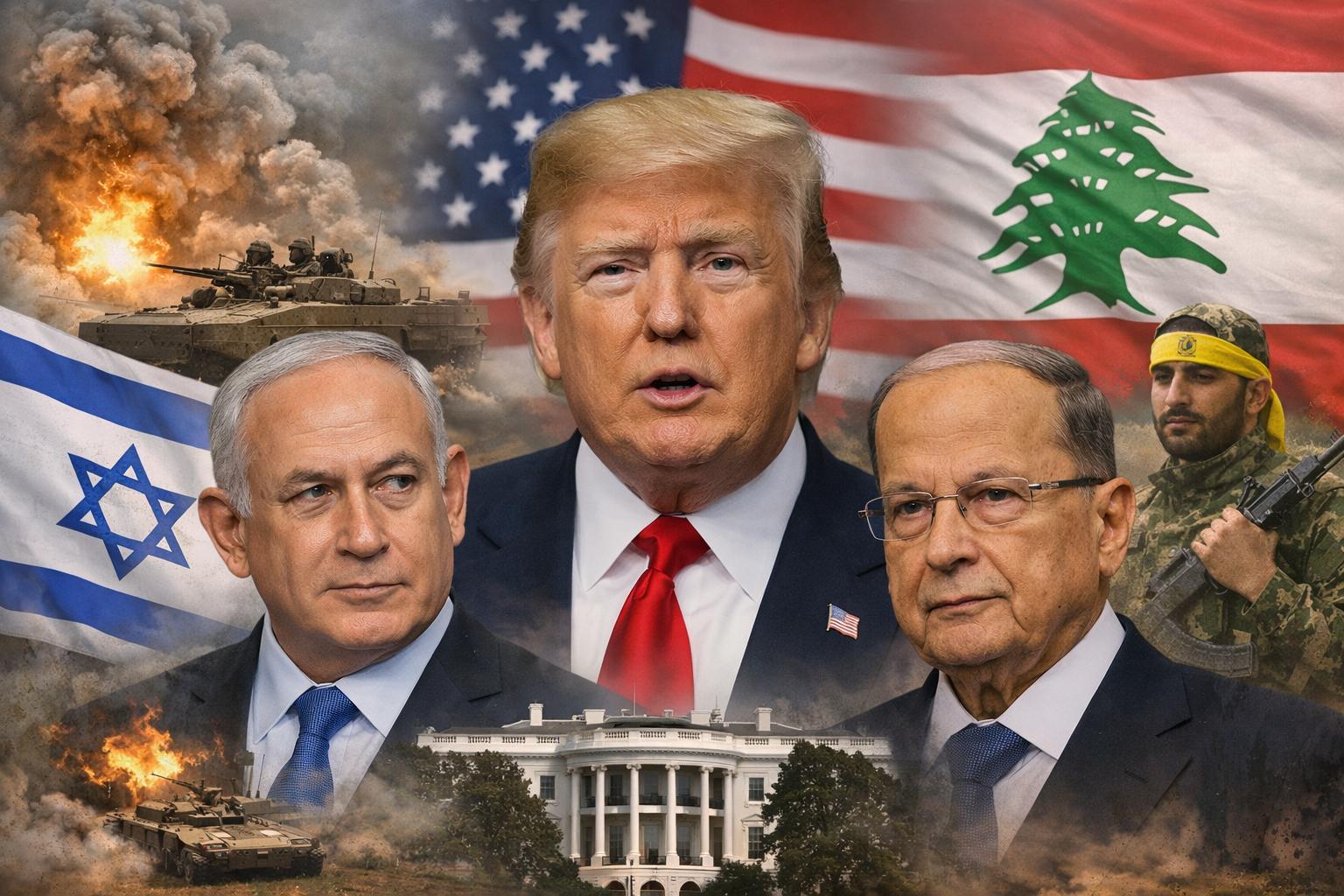
US President Donald Trump has urged Israeli Prime Minister Benjamin Netanyahu to limit military operations in Lebanon to targeted actions, emphasizing restraint as tensions with Hezbollah continue to escalate. According to remarks made during a recent interview, Trump advised against large-scale strikes, stating that extensive destruction risks undermining Israel’s international image. His comments come as a fragile ceasefire between Israel and Lebanon shows signs of weakening ahead of its expected expiration.
Despite ongoing diplomatic efforts, clashes between Israeli forces and Hezbollah have persisted. Hezbollah has continued launching rockets and drones toward Israeli territory, while Israel has responded with expanded airstrikes and maintained a military presence in parts of southern Lebanon. Israeli officials have indicated the need for a stronger response, citing security concerns, while US officials have urged caution to avoid further escalation.
Trump reportedly held frequent discussions with Netanyahu, during which the Israeli leader outlined the challenges of responding to continued attacks. Trump reiterated his position that military actions should remain precise and proportionate, arguing that broader strikes could complicate diplomatic efforts and regional stability. He also expressed a positive view of Lebanon’s leadership, suggesting that the country has the potential to recover despite ongoing instability.
US officials have framed Hezbollah’s actions as an attempt to provoke a wider conflict and disrupt negotiations. Washington has continued to advocate for restraint while pursuing diplomatic channels aimed at reducing tensions. Efforts have included discussions involving Israeli and Lebanese representatives, although progress toward a formal agreement remains limited.
The situation highlights the delicate balance between security concerns and diplomatic engagement in the region. As the ceasefire continues to erode, international pressure is mounting to prevent a broader conflict while maintaining efforts to stabilize relations between Israel and Lebanon.
US President Donald Trump has urged Israeli Prime Minister Benjamin Netanyahu to limit military operations in Lebanon to targeted actions, emphasizing restraint as tensions with Hezbollah continue to escalate. According to remarks made during a recent interview, Trump advised against large-scale strikes, stating that extensive destruction risks undermining Israel’s international image. His comments come as a fragile ceasefire between Israel and Lebanon shows signs of weakening ahead of its expected expiration.
Despite ongoing diplomatic efforts, clashes between Israeli forces and Hezbollah have persisted. Hezbollah has continued launching rockets and drones toward Israeli territory, while Israel has responded with expanded airstrikes and maintained a military presence in parts of southern Lebanon. Israeli officials have indicated the need for a stronger response, citing security concerns, while US officials have urged caution to avoid further escalation.
Trump reportedly held frequent discussions with Netanyahu, during which the Israeli leader outlined the challenges of responding to continued attacks. Trump reiterated his position that military actions should remain precise and proportionate, arguing that broader strikes could complicate diplomatic efforts and regional stability. He also expressed a positive view of Lebanon’s leadership, suggesting that the country has the potential to recover despite ongoing instability.
US officials have framed Hezbollah’s actions as an attempt to provoke a wider conflict and disrupt negotiations. Washington has continued to advocate for restraint while pursuing diplomatic channels aimed at reducing tensions. Efforts have included discussions involving Israeli and Lebanese representatives, although progress toward a formal agreement remains limited.
The situation highlights the delicate balance between security concerns and diplomatic engagement in the region. As the ceasefire continues to erode, international pressure is mounting to prevent a broader conflict while maintaining efforts to stabilize relations between Israel and Lebanon.
The United States Department of State confirmed on April 28 that Julie Davis will step down from her role as acting ambassador to Ukraine after serving less than a year in the position. The announcement comes at a time when diplomatic efforts by the United States to facilitate a peace agreement between Ukraine and Russia have yet to produce a breakthrough.
Davis, who also serves as ambassador to Cyprus, had been handling dual responsibilities since her appointment by Donald Trump in May of the previous year. She assumed the Kyiv role following the departure of Bridget Brink, who had been appointed earlier and later stepped down. The State Department stated that Davis cited retirement as the reason for her decision.
Her tenure coincided with increased diplomatic pressure from Washington on Kyiv to consider terms that could advance negotiations with Moscow. Trump has publicly emphasized the need for a resolution, including the possibility of territorial concessions by Ukraine, as part of a broader effort to secure a ceasefire. However, these initiatives have not resulted in a formal agreement, and fighting has continued without a comprehensive settlement.
Reports suggesting internal disagreements regarding US policy toward Ukraine were rejected by officials, who maintained that no such disputes influenced Davis’s decision. Brink, Davis’s predecessor, had previously expressed concern over what she described as an approach that placed disproportionate pressure on Ukraine during negotiations.
Davis’s departure highlights the ongoing complexity of US diplomatic engagement in the region. With peace talks stalled and geopolitical tensions unresolved, the transition comes at a critical moment for American foreign policy and its role in shaping outcomes in Eastern Europe.
The United States Department of State confirmed on April 28 that Julie Davis will step down from her role as acting ambassador to Ukraine after serving less than a year in the position. The announcement comes at a time when diplomatic efforts by the United States to facilitate a peace agreement between Ukraine and Russia have yet to produce a breakthrough.
Davis, who also serves as ambassador to Cyprus, had been handling dual responsibilities since her appointment by Donald Trump in May of the previous year. She assumed the Kyiv role following the departure of Bridget Brink, who had been appointed earlier and later stepped down. The State Department stated that Davis cited retirement as the reason for her decision.
Her tenure coincided with increased diplomatic pressure from Washington on Kyiv to consider terms that could advance negotiations with Moscow. Trump has publicly emphasized the need for a resolution, including the possibility of territorial concessions by Ukraine, as part of a broader effort to secure a ceasefire. However, these initiatives have not resulted in a formal agreement, and fighting has continued without a comprehensive settlement.
Reports suggesting internal disagreements regarding US policy toward Ukraine were rejected by officials, who maintained that no such disputes influenced Davis’s decision. Brink, Davis’s predecessor, had previously expressed concern over what she described as an approach that placed disproportionate pressure on Ukraine during negotiations.
Davis’s departure highlights the ongoing complexity of US diplomatic engagement in the region. With peace talks stalled and geopolitical tensions unresolved, the transition comes at a critical moment for American foreign policy and its role in shaping outcomes in Eastern Europe.
A controversial Trump post on India triggered diplomatic reactions from US and Indian officials, prompting efforts to reaffirm strong bilateral ties and address global political concerns.
Trump post on India sparks diplomatic pushback from US and India — Hours after Donald Trump shared a social media post containing derogatory language about India, US officials moved sw
A controversial Trump post on India triggered diplomatic reactions from US and Indian officials, prompting efforts to reaffirm strong bilateral ties and address global political concerns.
Trump post on India sparks diplomatic pushback from US and India — Hours after Donald Trump shared a social media post containing derogatory language about India, US officials moved sw
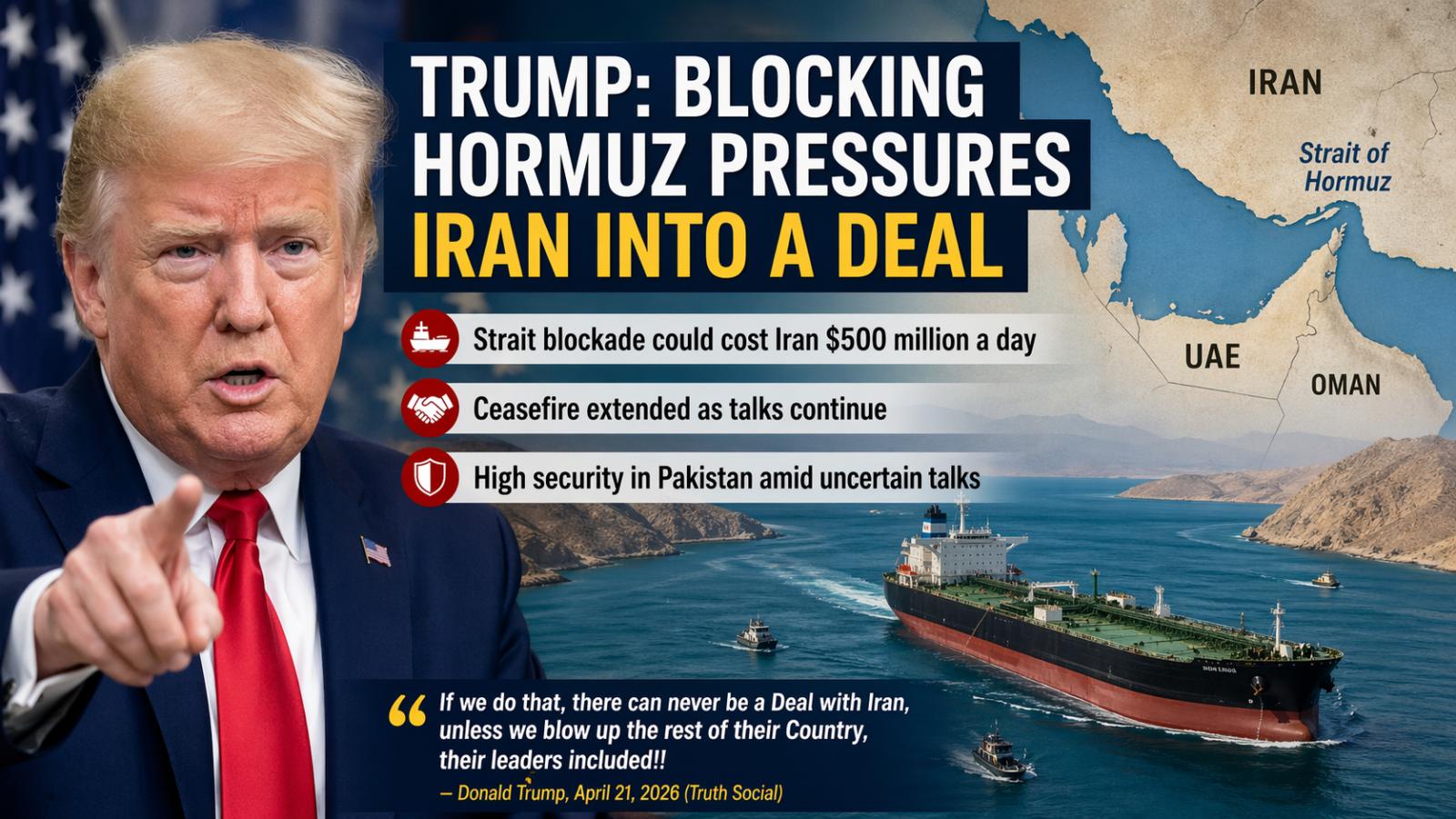
US President Donald Trump said on Tuesday, April 21, 2026, that Iran is seeking to reopen the Strait of Hormuz but argued that maintaining a blockade is key to forcing Tehran into a negotiated agreement. Writing on Truth Social, Trump claimed Iran could generate up to $500 million per day if the passage were reopened, adding that its closure has significantly constrained the country’s finances.
Trump stated that he has “totally blocked” the strait and suggested Iranian officials are publicly calling for closure only to “save face.” He further warned that reopening the waterway prematurely would weaken US leverage in ongoing negotiations, reiterating aggressive rhetoric about potential military escalation if talks fail. He also described Iran as facing severe economic strain, claiming it is “collapsing financially.”
Ceasefire extension linked to diplomatic efforts
The remarks came as Trump confirmed an extension of a 10-day ceasefire with Iran, originally set to expire on Wednesday, April 22, 2026. He said the extension followed requests from Asim Munir and Shehbaz Sharif, with the goal of allowing more time for diplomatic engagement.
While the US has not confirmed Iran’s participation in talks, Tehran’s envoy to the United Nations, Amir Saeid Iravani, indicated that lifting naval restrictions could create conditions for negotiations. However, the White House said Vice President JD Vance and the US delegation would not travel to Pakistan for discussions.
Security tightens around Pakistan negotiations
In Islamabad and nearby Rawalpindi, authorities deployed more than 20,000 security personnel amid uncertainty surrounding the talks. The heightened security underscores regional tensions as diplomatic channels remain unclear.
Trump’s ongoing messaging and additional demands
Trump has continued frequent postings on Iran, combining threats with appeals. He called for the release of eight women reportedly facing execution in Iran, framing it as a goodwill step ahead of potential negotiations. At the same time, he accused Iran of violating the ceasefire multiple times without providing details.
In separate comments, Trump praised what he described as a prior US military operation targeting Iranian nuclear sites and repeated claims about Iran’s economic and strategic vulnerabilities.
US President Donald Trump said on Tuesday, April 21, 2026, that Iran is seeking to reopen the Strait of Hormuz but argued that maintaining a blockade is key to forcing Tehran into a negotiated agreement. Writing on Truth Social, Trump claimed Iran could generate up to $500 million per day if the passage were reopened, adding that its closure has significantly constrained the country’s finances.
Trump stated that he has “totally blocked” the strait and suggested Iranian officials are publicly calling for closure only to “save face.” He further warned that reopening the waterway prematurely would weaken US leverage in ongoing negotiations, reiterating aggressive rhetoric about potential military escalation if talks fail. He also described Iran as facing severe economic strain, claiming it is “collapsing financially.”
Ceasefire extension linked to diplomatic efforts
The remarks came as Trump confirmed an extension of a 10-day ceasefire with Iran, originally set to expire on Wednesday, April 22, 2026. He said the extension followed requests from Asim Munir and Shehbaz Sharif, with the goal of allowing more time for diplomatic engagement.
While the US has not confirmed Iran’s participation in talks, Tehran’s envoy to the United Nations, Amir Saeid Iravani, indicated that lifting naval restrictions could create conditions for negotiations. However, the White House said Vice President JD Vance and the US delegation would not travel to Pakistan for discussions.
Security tightens around Pakistan negotiations
In Islamabad and nearby Rawalpindi, authorities deployed more than 20,000 security personnel amid uncertainty surrounding the talks. The heightened security underscores regional tensions as diplomatic channels remain unclear.
Trump’s ongoing messaging and additional demands
Trump has continued frequent postings on Iran, combining threats with appeals. He called for the release of eight women reportedly facing execution in Iran, framing it as a goodwill step ahead of potential negotiations. At the same time, he accused Iran of violating the ceasefire multiple times without providing details.
In separate comments, Trump praised what he described as a prior US military operation targeting Iranian nuclear sites and repeated claims about Iran’s economic and strategic vulnerabilities.
U.S. President Donald Trump announced a 10-day pause in fighting between Israel and Lebanon set to begin at 5:00 PM ET on Thursday, April 16, 2026, following what he described as “excellent” conversations with the leaders of both nations. The announcement comes amid escalating violence tied to Israel’s ongoing conflict with the Iran-backed Hezbollah militant group operating in Lebanon.
U.S. President Donald Trump announced a 10-day pause in fighting between Israel and Lebanon set to begin at 5:00 PM ET on Thursday, April 16, 2026, following what he described as “excellent” conversations with the leaders of both nations. The announcement comes amid escalating violence tied to Israel’s ongoing conflict with the Iran-backed Hezbollah militant group operating in Lebanon.
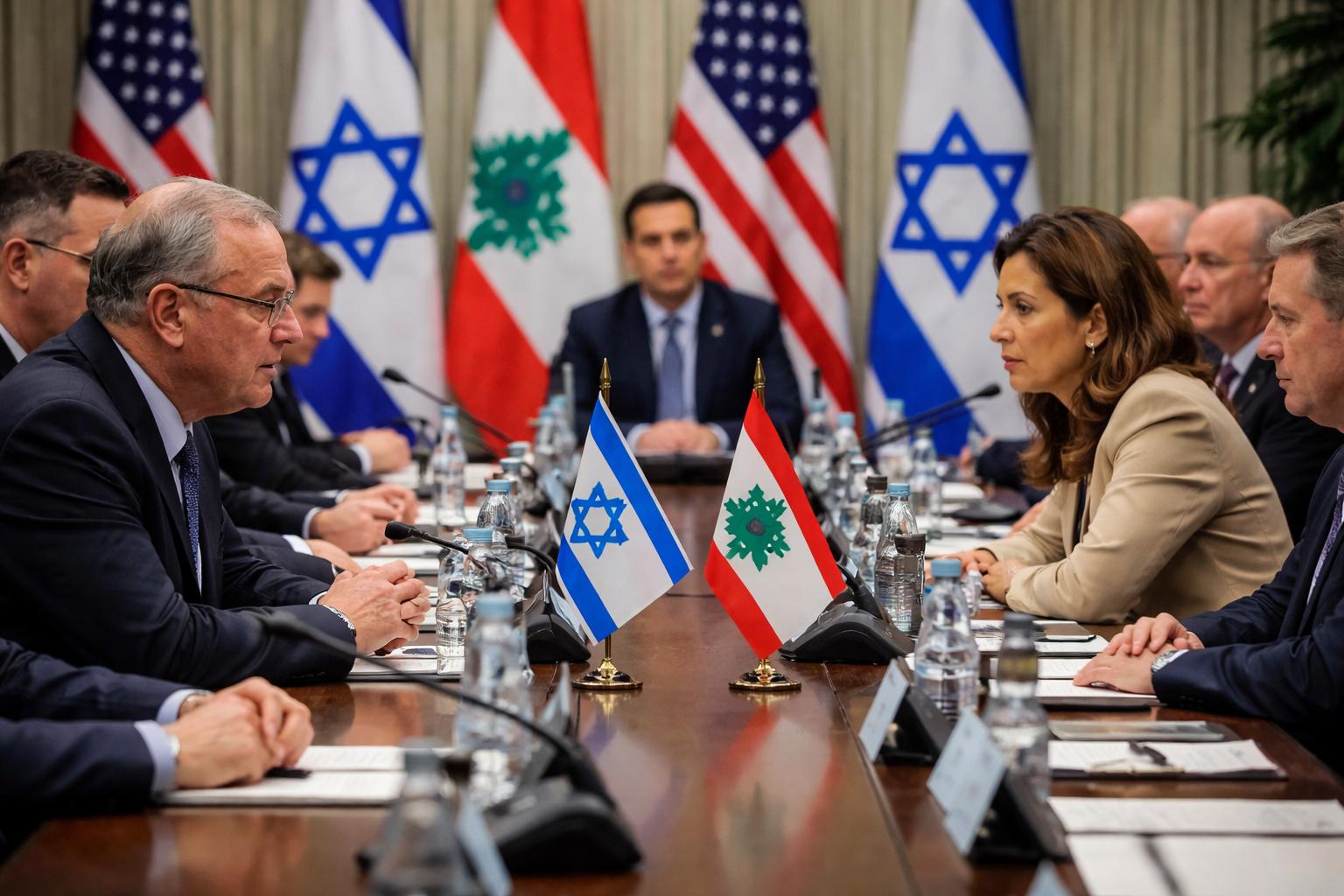
Israeli and Lebanese officials held more than two hours of direct talks in Washington, D.C., on Tuesday, April 14, 2026, marking the first such high-level engagement between the two countries in decades as fighting between Israel and the Iran-backed Hezbollah group continues to escalate.
The meeting, hosted by U.S. Secretary of State Marco Rubio, comes amid a fragile regional environment shaped by ongoing hostilities in Lebanon and broader tensions involving Iran. Rubio described the talks as a long-term diplomatic effort rather than an immediate solution, emphasizing that deeply rooted issues between the two sides would take time to resolve.
Israeli Ambassador Yechiel Leiter said the discussions reflect a shared objective of reducing Hezbollah’s influence in Lebanon, which Israel views as an extension of Iranian power in the region. Lebanese Ambassador Nada Hamadeh Moawad participated in the talks, though public comments from the Lebanese side remained limited immediately afterward.
The talks are notable given that Israel and Lebanon do not maintain formal diplomatic relations and have been technically at war for decades. Despite this, U.S. officials have pushed for dialogue as part of a broader effort to stabilize the region and prevent further escalation tied to the ongoing conflict with Iran and its allies.
The diplomatic engagement comes as Israeli military operations continue across southern Lebanon. The conflict intensified after Hezbollah launched rocket attacks on northern Israel on Sunday, March 2, 2026, prompting a large-scale Israeli response that has included airstrikes and ground operations.
Hezbollah, which is not part of the negotiations and opposes direct talks with Israel, has continued its military activities during the diplomatic effort. The group’s rejection of the talks highlights internal divisions within Lebanon, where the government has limited control over Hezbollah’s armed wing.
Beyond the immediate conflict, the situation has broader global implications. Tensions surrounding Iran, including disputes over its nuclear program and control of the Strait of Hormuz, have raised concerns about disruptions to global energy supplies. Analysts warn that instability in the region could affect oil markets and contribute to economic uncertainty worldwide.
While no immediate breakthroughs are expected, officials describe the Washington meeting as a significant first step toward potential de-escalation, even as violence on the ground and political divisions continue to complicate the path forward.
Israeli and Lebanese officials held more than two hours of direct talks in Washington, D.C., on Tuesday, April 14, 2026, marking the first such high-level engagement between the two countries in decades as fighting between Israel and the Iran-backed Hezbollah group continues to escalate.
The meeting, hosted by U.S. Secretary of State Marco Rubio, comes amid a fragile regional environment shaped by ongoing hostilities in Lebanon and broader tensions involving Iran. Rubio described the talks as a long-term diplomatic effort rather than an immediate solution, emphasizing that deeply rooted issues between the two sides would take time to resolve.
Israeli Ambassador Yechiel Leiter said the discussions reflect a shared objective of reducing Hezbollah’s influence in Lebanon, which Israel views as an extension of Iranian power in the region. Lebanese Ambassador Nada Hamadeh Moawad participated in the talks, though public comments from the Lebanese side remained limited immediately afterward.
The talks are notable given that Israel and Lebanon do not maintain formal diplomatic relations and have been technically at war for decades. Despite this, U.S. officials have pushed for dialogue as part of a broader effort to stabilize the region and prevent further escalation tied to the ongoing conflict with Iran and its allies.
The diplomatic engagement comes as Israeli military operations continue across southern Lebanon. The conflict intensified after Hezbollah launched rocket attacks on northern Israel on Sunday, March 2, 2026, prompting a large-scale Israeli response that has included airstrikes and ground operations.
Hezbollah, which is not part of the negotiations and opposes direct talks with Israel, has continued its military activities during the diplomatic effort. The group’s rejection of the talks highlights internal divisions within Lebanon, where the government has limited control over Hezbollah’s armed wing.
Beyond the immediate conflict, the situation has broader global implications. Tensions surrounding Iran, including disputes over its nuclear program and control of the Strait of Hormuz, have raised concerns about disruptions to global energy supplies. Analysts warn that instability in the region could affect oil markets and contribute to economic uncertainty worldwide.
While no immediate breakthroughs are expected, officials describe the Washington meeting as a significant first step toward potential de-escalation, even as violence on the ground and political divisions continue to complicate the path forward.
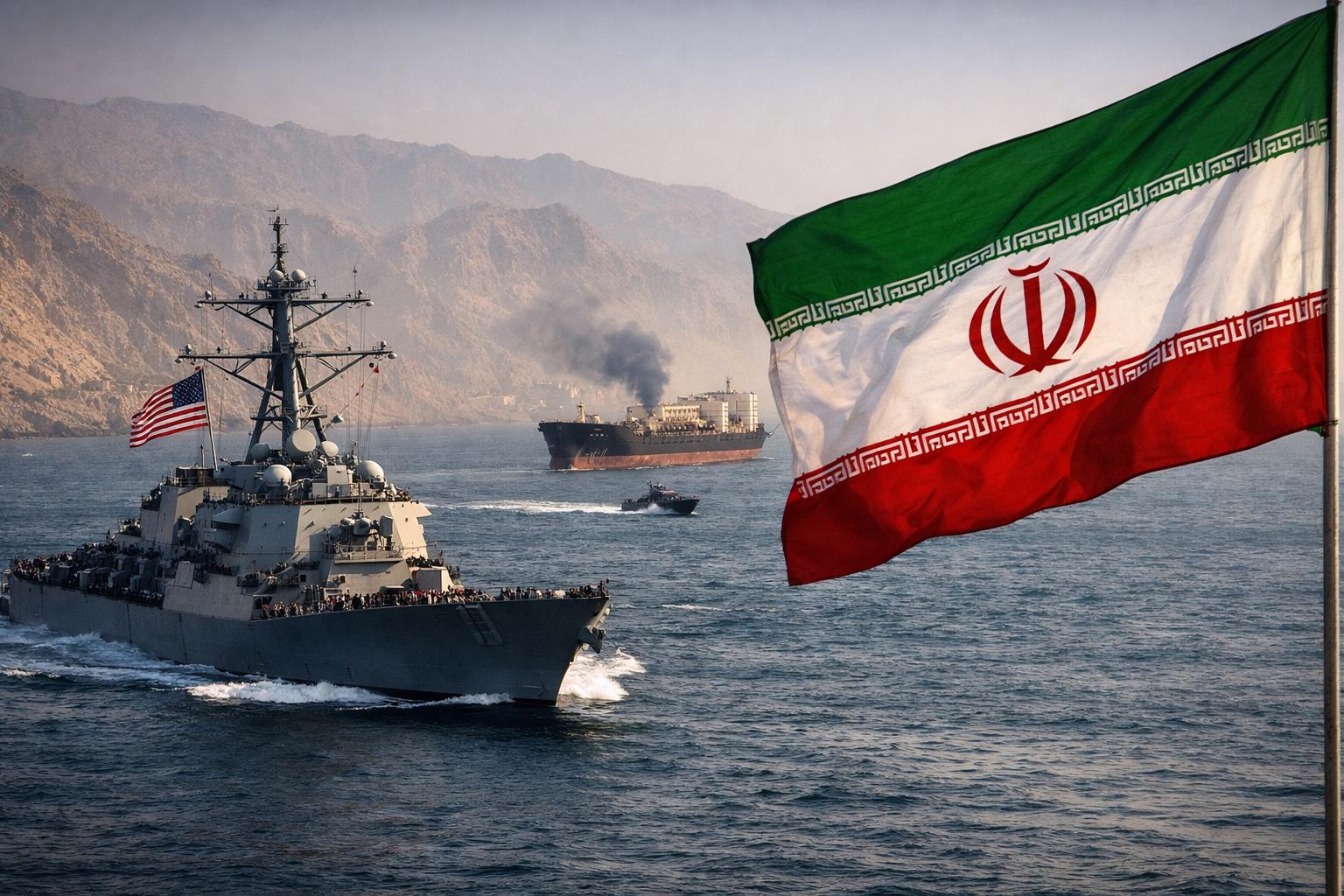
The United States has initiated a naval blockade of Iranian ports, significantly escalating tensions in the Middle East following the collapse of recent diplomatic efforts. The move came into effect at 2:00 PM GMT on Monday, April 14, 2026, according to US military officials, after weekend negotiations with Iran concluded without a breakthrough.
The blockade applies to all Iranian ports along the Persian Gulf, restricting maritime access and placing additional pressure on Tehran am
The United States has initiated a naval blockade of Iranian ports, significantly escalating tensions in the Middle East following the collapse of recent diplomatic efforts. The move came into effect at 2:00 PM GMT on Monday, April 14, 2026, according to US military officials, after weekend negotiations with Iran concluded without a breakthrough.
The blockade applies to all Iranian ports along the Persian Gulf, restricting maritime access and placing additional pressure on Tehran am
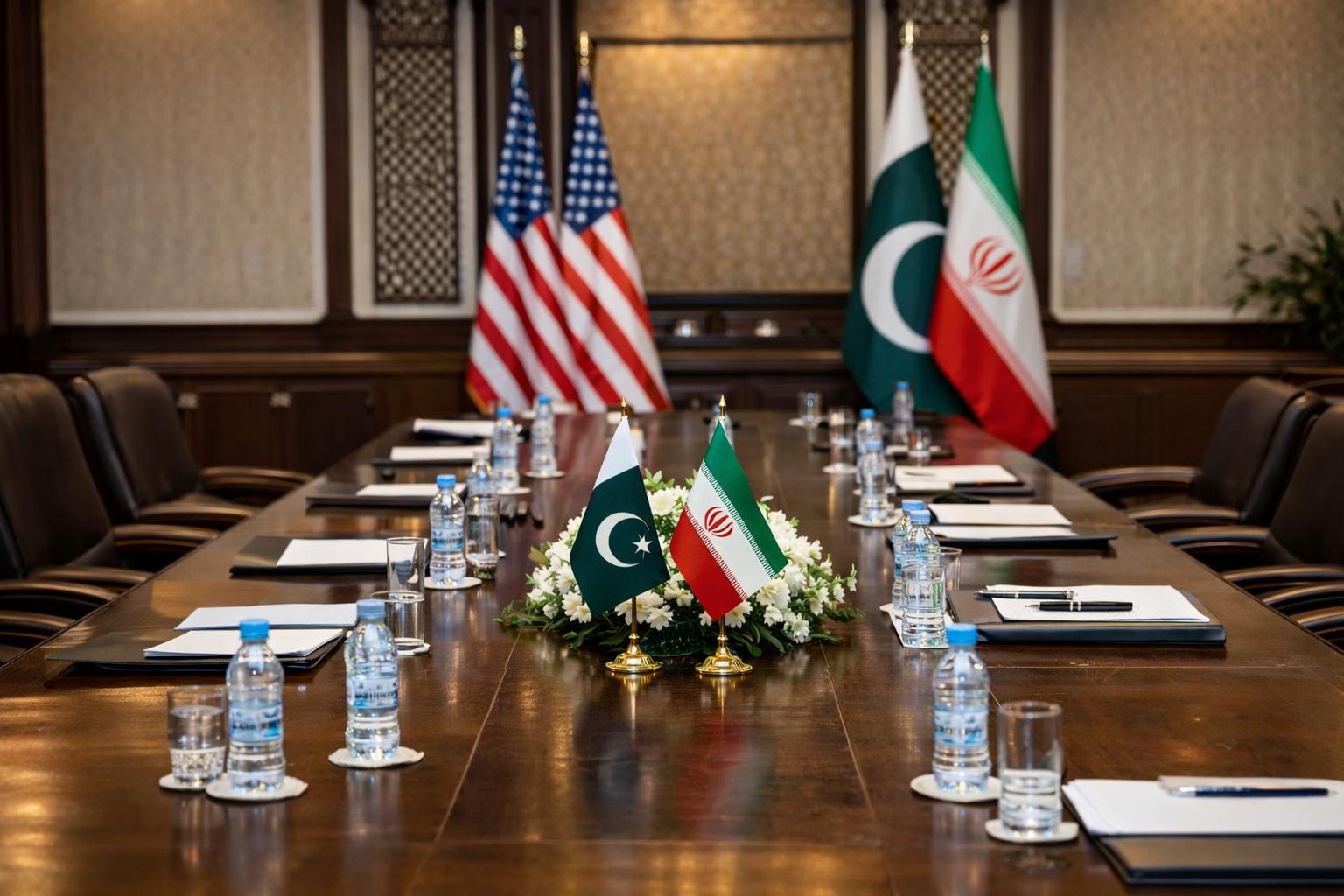
Ceasefire negotiations between the United States and Iran formally began on Saturday, April 11, 2026, in Islamabad, Pakistan, marking a major diplomatic effort to stabilize escalating tensions in the Middle East. The talks represent the first direct high-level engagement between the two nations in years and are being closely watched for signs of progress toward a broader peace framework.
The United States delegation is led by Vice President
Ceasefire negotiations between the United States and Iran formally began on Saturday, April 11, 2026, in Islamabad, Pakistan, marking a major diplomatic effort to stabilize escalating tensions in the Middle East. The talks represent the first direct high-level engagement between the two nations in years and are being closely watched for signs of progress toward a broader peace framework.
The United States delegation is led by Vice President
WASHINGTON — Donald Trump said Iran had sent multiple oil shipments as a goodwill gesture to demonstrate seriousness in ongoing indirect talks, describing the move as a significant signal amid heightened tensions between the two countries.
Speaking as diplomatic efforts continue behind the scenes, Trump claimed that Iran provided what he characterised as “10 boats of oil,” framing the shipments as a gesture intended to advance negotiations. He suggested the tankers were operatin
WASHINGTON — Donald Trump said Iran had sent multiple oil shipments as a goodwill gesture to demonstrate seriousness in ongoing indirect talks, describing the move as a significant signal amid heightened tensions between the two countries.
Speaking as diplomatic efforts continue behind the scenes, Trump claimed that Iran provided what he characterised as “10 boats of oil,” framing the shipments as a gesture intended to advance negotiations. He suggested the tankers were operatin
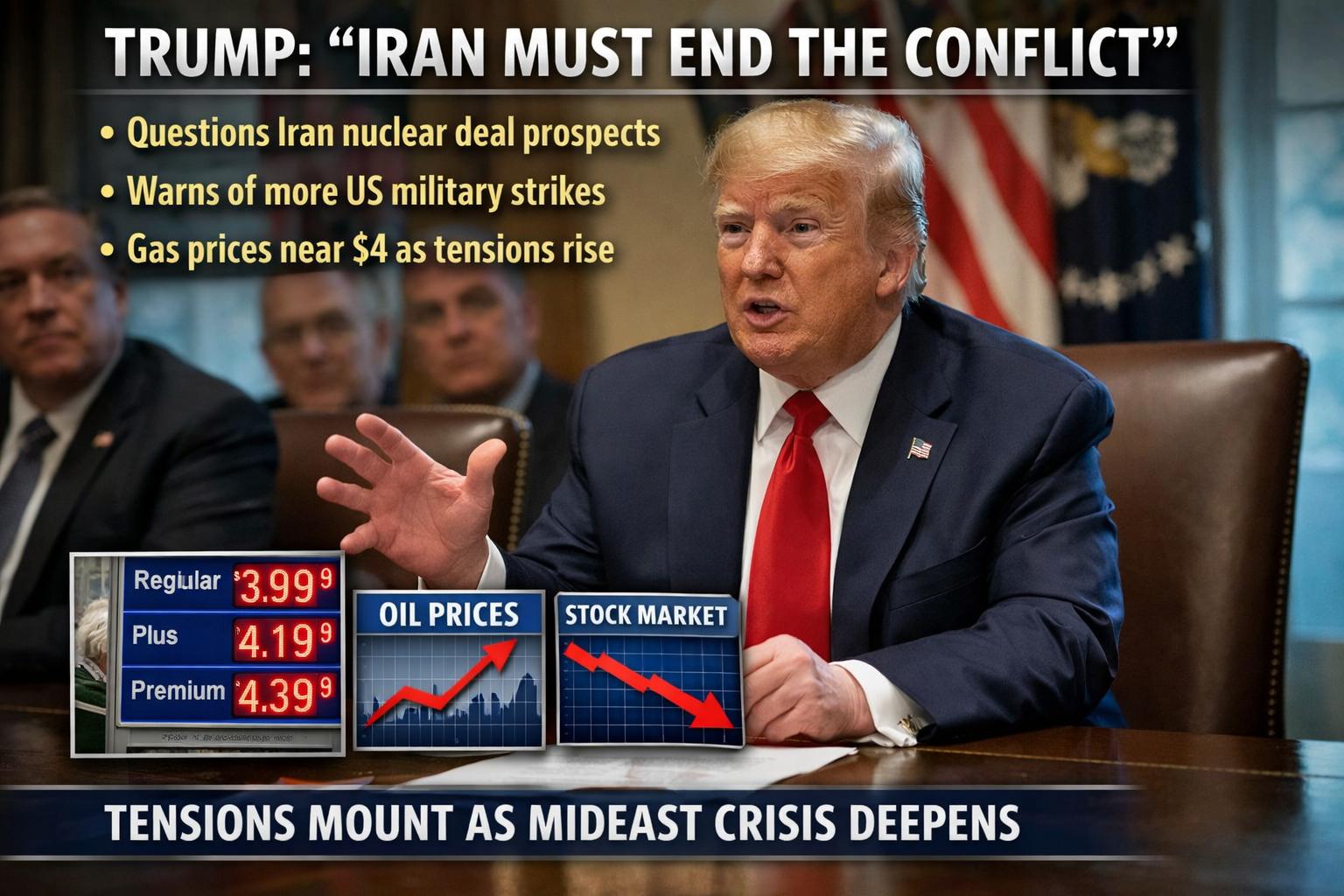
WASHINGTON — March 26, 2026: President Donald Trump on Thursday cast renewed doubt on the likelihood of reaching a peace agreement with Iran, indicating that any meaningful progress would depend on Tehran’s willingness to shift its current stance amid ongoing tensions between the two countries.
Speaking during a Cabinet meeting at the White House, Trump emphasized that Iran must take the first step if a deal is to materialize. He expressed uncertainty over wheth
WASHINGTON — March 26, 2026: President Donald Trump on Thursday cast renewed doubt on the likelihood of reaching a peace agreement with Iran, indicating that any meaningful progress would depend on Tehran’s willingness to shift its current stance amid ongoing tensions between the two countries.
Speaking during a Cabinet meeting at the White House, Trump emphasized that Iran must take the first step if a deal is to materialize. He expressed uncertainty over wheth
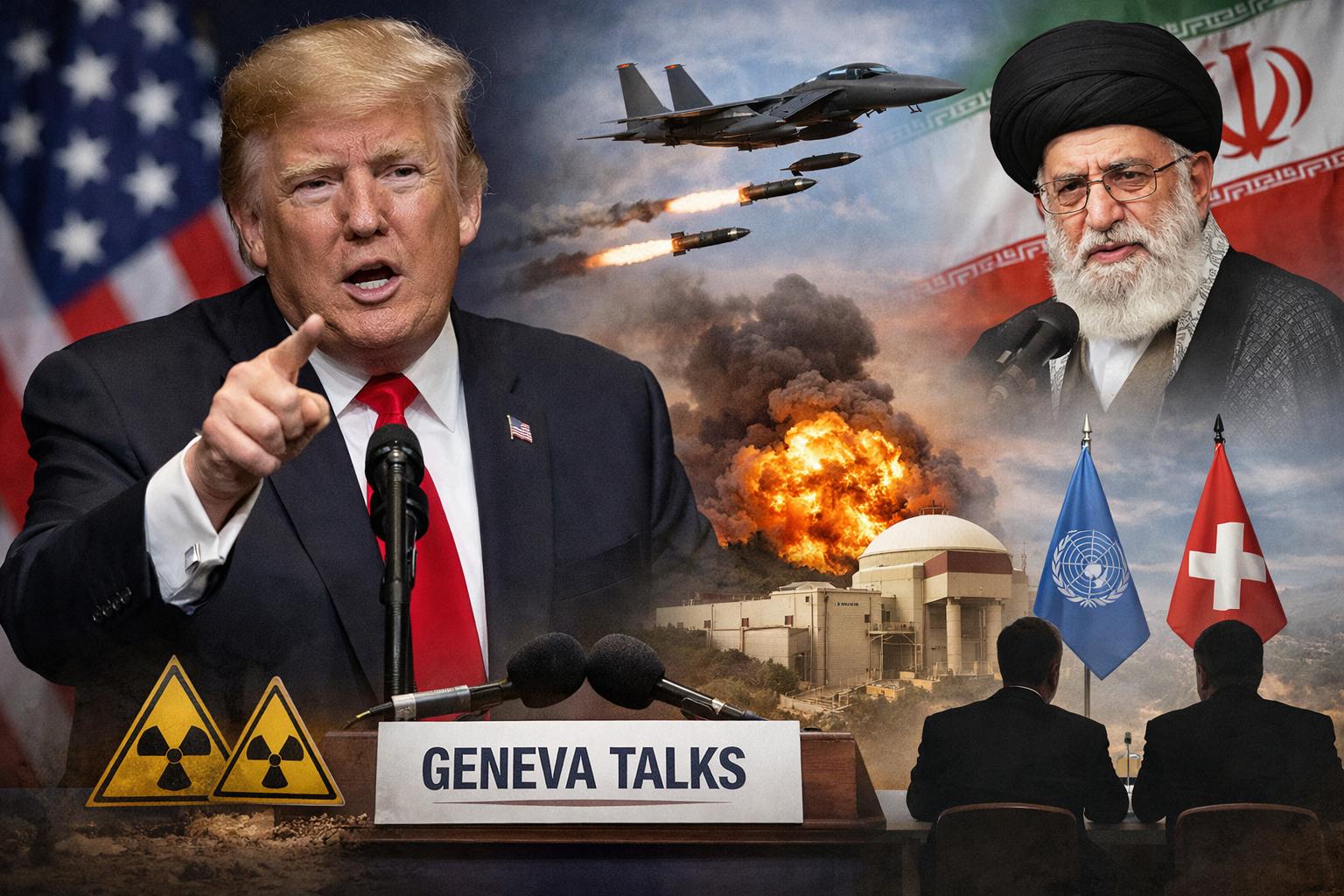
US President Donald Trump has said he is considering a limited military strike on Iran if ongoing negotiations over Tehran’s nuclear programme fail to result in a final agreement, raising fresh concerns about escalating tensions in the Middle East. The remarks followed a second round of high-level talks in Geneva that concluded without a comprehensive deal, despite what officials described as a technical breakthrough in certain areas of discussion. While negotiators appeared to narrow differen
US President Donald Trump has said he is considering a limited military strike on Iran if ongoing negotiations over Tehran’s nuclear programme fail to result in a final agreement, raising fresh concerns about escalating tensions in the Middle East. The remarks followed a second round of high-level talks in Geneva that concluded without a comprehensive deal, despite what officials described as a technical breakthrough in certain areas of discussion. While negotiators appeared to narrow differen
Iran has indicated it is prepared to allow verification of its nuclear activities following the conclusion of a second round of US-Iran negotiations mediated by Oman. Speaking on Tuesday, February 17, Iranian President Masoud Pezeshkian reiterated that Tehran has no intention of developing atomic weapons and expressed openness to international scrutiny aimed at confirming that position.
In remarks reported after the Geneva talks, Pezeshkian stated that Iran’s stance on nuclear weapons rema
Iran has indicated it is prepared to allow verification of its nuclear activities following the conclusion of a second round of US-Iran negotiations mediated by Oman. Speaking on Tuesday, February 17, Iranian President Masoud Pezeshkian reiterated that Tehran has no intention of developing atomic weapons and expressed openness to international scrutiny aimed at confirming that position.
In remarks reported after the Geneva talks, Pezeshkian stated that Iran’s stance on nuclear weapons rema
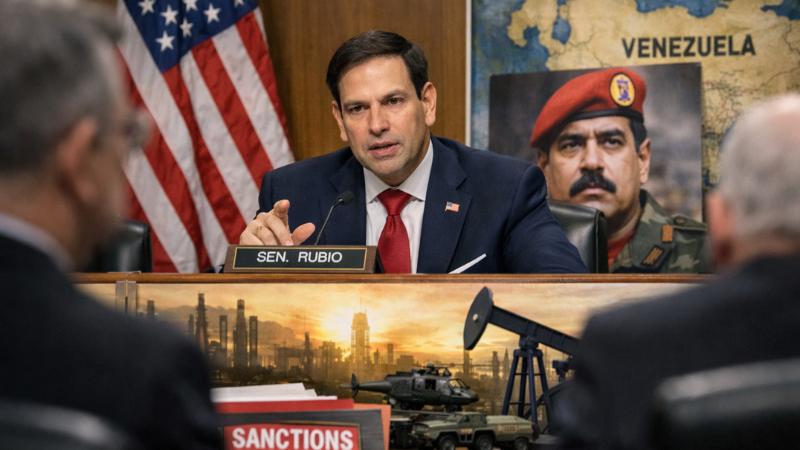
United States Secretary of State Marco Rubio testified before the Senate Foreign Relations Committee on Wednesday, marking his first public appearance since the capture of Venezuelan leader Nicolás Maduro earlier this month. Rubio outlined the administration’s approach toward Venezuela, defended the operation that led to Maduro’s detention, and emphasized the strategic concerns the United States has regarding the region. His testimony came amid scrutiny from senators on both sides of the ai
United States Secretary of State Marco Rubio testified before the Senate Foreign Relations Committee on Wednesday, marking his first public appearance since the capture of Venezuelan leader Nicolás Maduro earlier this month. Rubio outlined the administration’s approach toward Venezuela, defended the operation that led to Maduro’s detention, and emphasized the strategic concerns the United States has regarding the region. His testimony came amid scrutiny from senators on both sides of the ai
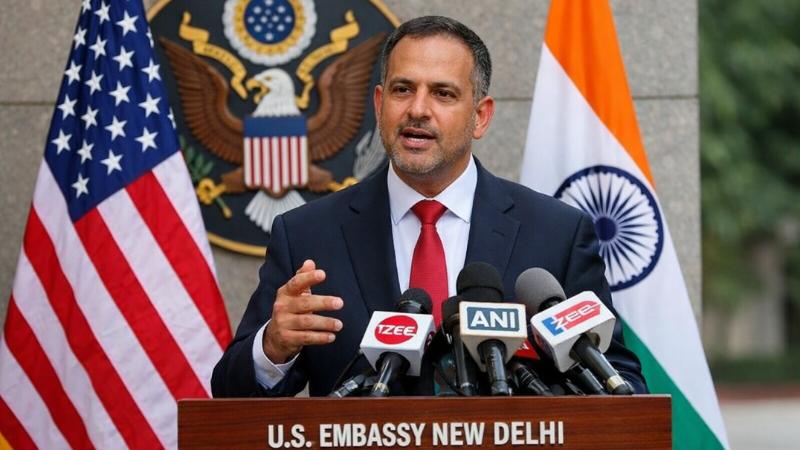
The United States considers India its most essential international partner, US ambassador-designate Sergio Gor said on Monday, as Washington and New Delhi prepare to restart a new round of trade negotiations beginning Tuesday, January 12. Speaking at the US Embassy in New Delhi, Gor underlined the depth of the bilateral relationship and expressed confidence that both sides could overcome existing challenges to advance cooperation across multiple sectors.
Gor, who also serves as Spec
The United States considers India its most essential international partner, US ambassador-designate Sergio Gor said on Monday, as Washington and New Delhi prepare to restart a new round of trade negotiations beginning Tuesday, January 12. Speaking at the US Embassy in New Delhi, Gor underlined the depth of the bilateral relationship and expressed confidence that both sides could overcome existing challenges to advance cooperation across multiple sectors.
Gor, who also serves as Spec
President Donald Trump is earning rare praise from across the political spectrum for brokering a landmark peace agreement between Israel and Hamas, but the president is directing his ire toward Time magazine for what he described as an “unflattering” cover photo.
In a post early Tuesday on his Truth Social platform, President Trump complained about the image featured on Time’s upcoming November 10 issue, which includes an in-depth story on the Gaza peace deal. “Time Magazine
President Donald Trump is earning rare praise from across the political spectrum for brokering a landmark peace agreement between Israel and Hamas, but the president is directing his ire toward Time magazine for what he described as an “unflattering” cover photo.
In a post early Tuesday on his Truth Social platform, President Trump complained about the image featured on Time’s upcoming November 10 issue, which includes an in-depth story on the Gaza peace deal. “Time Magazine
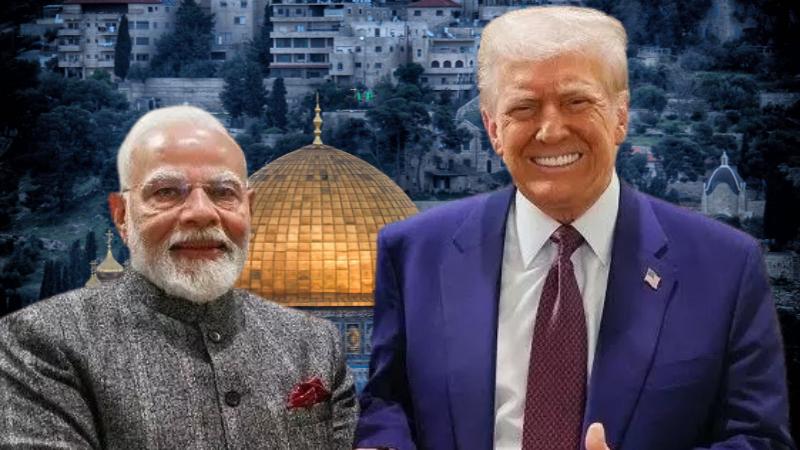
Prime Minister Narendra Modi has welcomed US President Donald Trump’s new initiative aimed at ending the Gaza conflict, describing it as a comprehensive pathway toward long-term and sustainable peace. Modi’s support comes after Trump and Israeli Prime Minister Benjamin Netanyahu agreed on Washington’s 20-point proposal during talks at the White House.
In a statement posted on X, Modi said, We welcom
Prime Minister Narendra Modi has welcomed US President Donald Trump’s new initiative aimed at ending the Gaza conflict, describing it as a comprehensive pathway toward long-term and sustainable peace. Modi’s support comes after Trump and Israeli Prime Minister Benjamin Netanyahu agreed on Washington’s 20-point proposal during talks at the White House.
In a statement posted on X, Modi said, We welcom