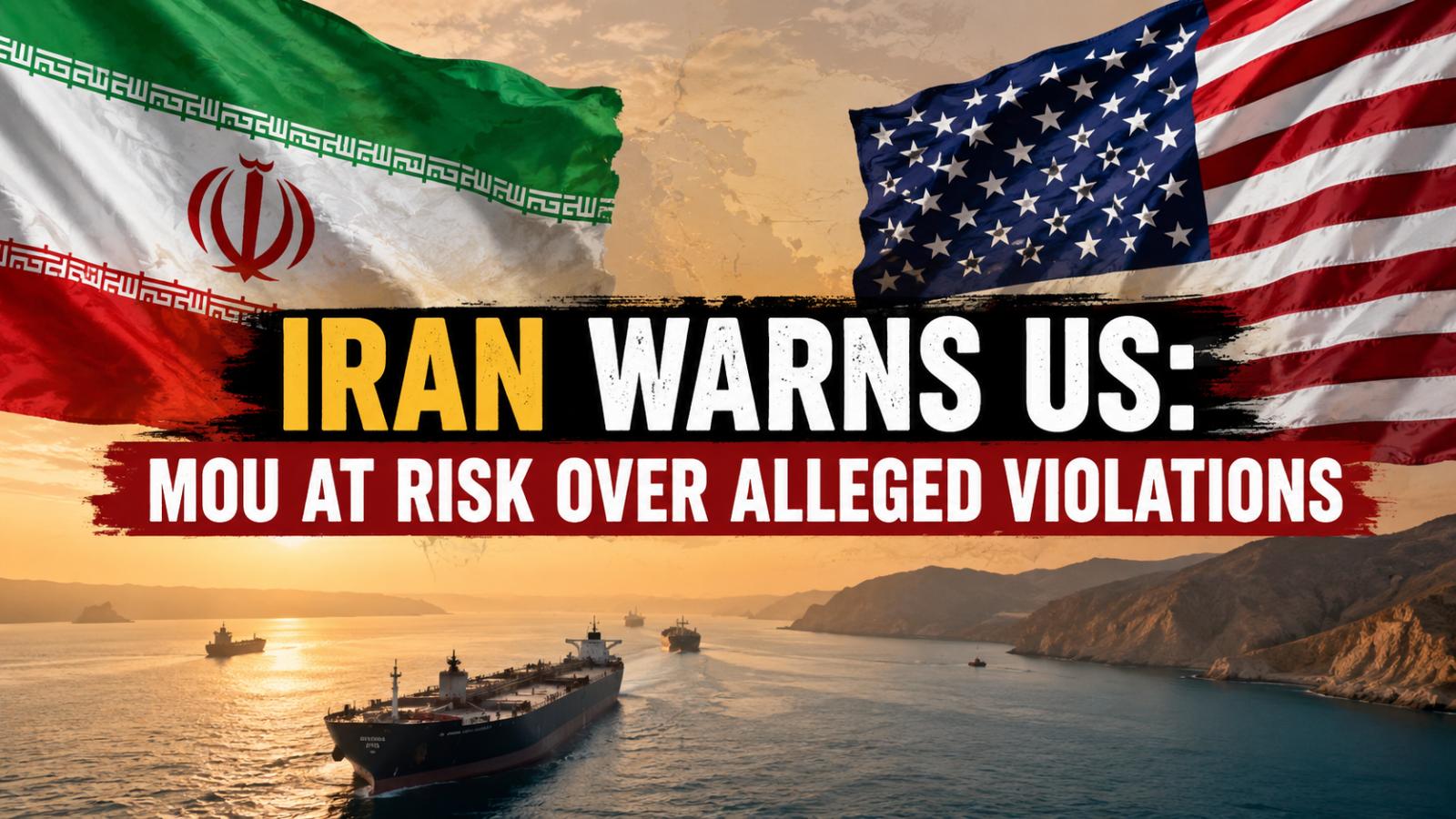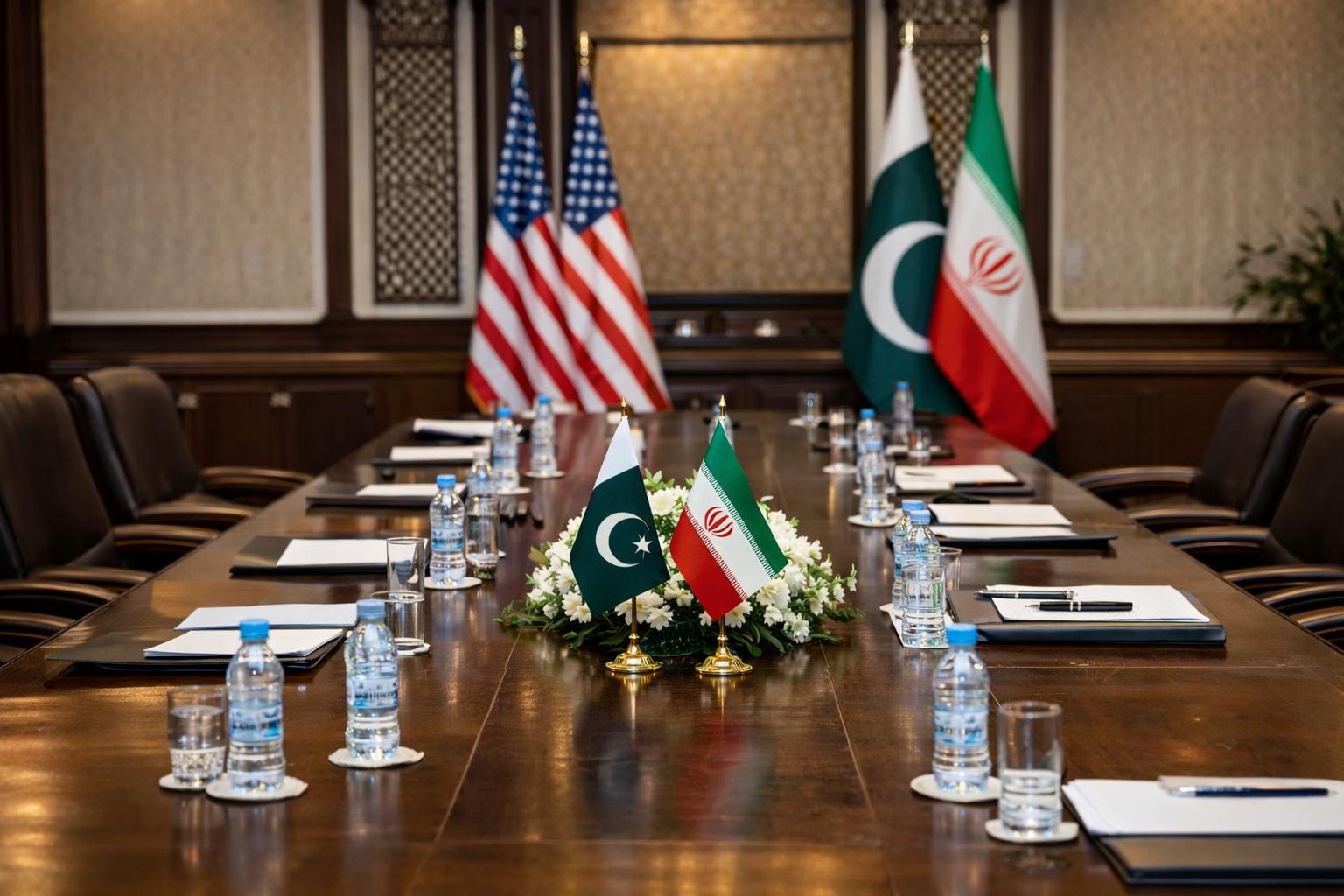
Ceasefire negotiations between the United States and Iran formally began on Saturday, April 11, 2026, in Islamabad, Pakistan, marking a major diplomatic effort to stabilize escalating tensions in the Middle East. The talks represent the first direct high-level engagement between the two nations in years and are being closely watched for signs of progress toward a broader peace framework.
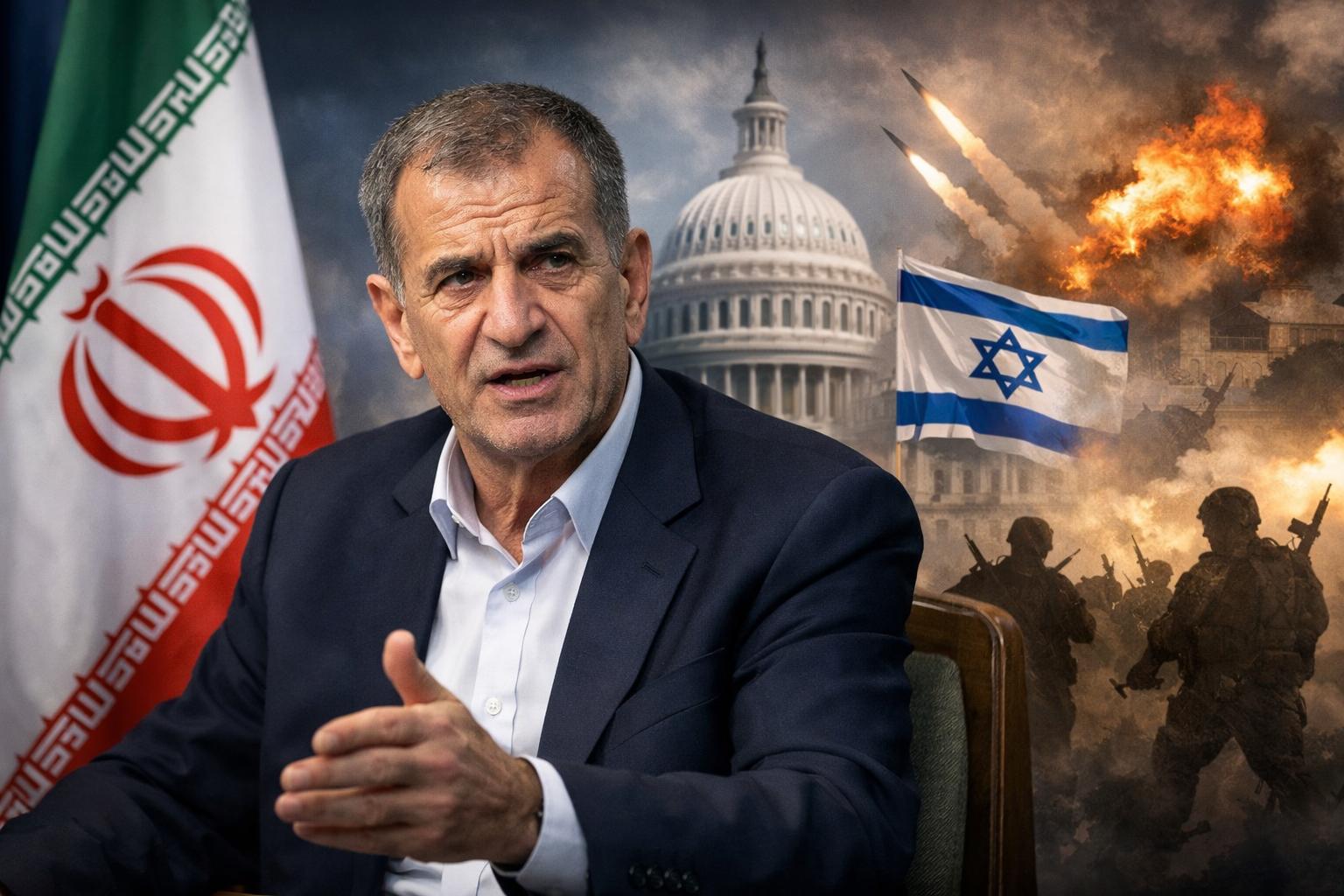
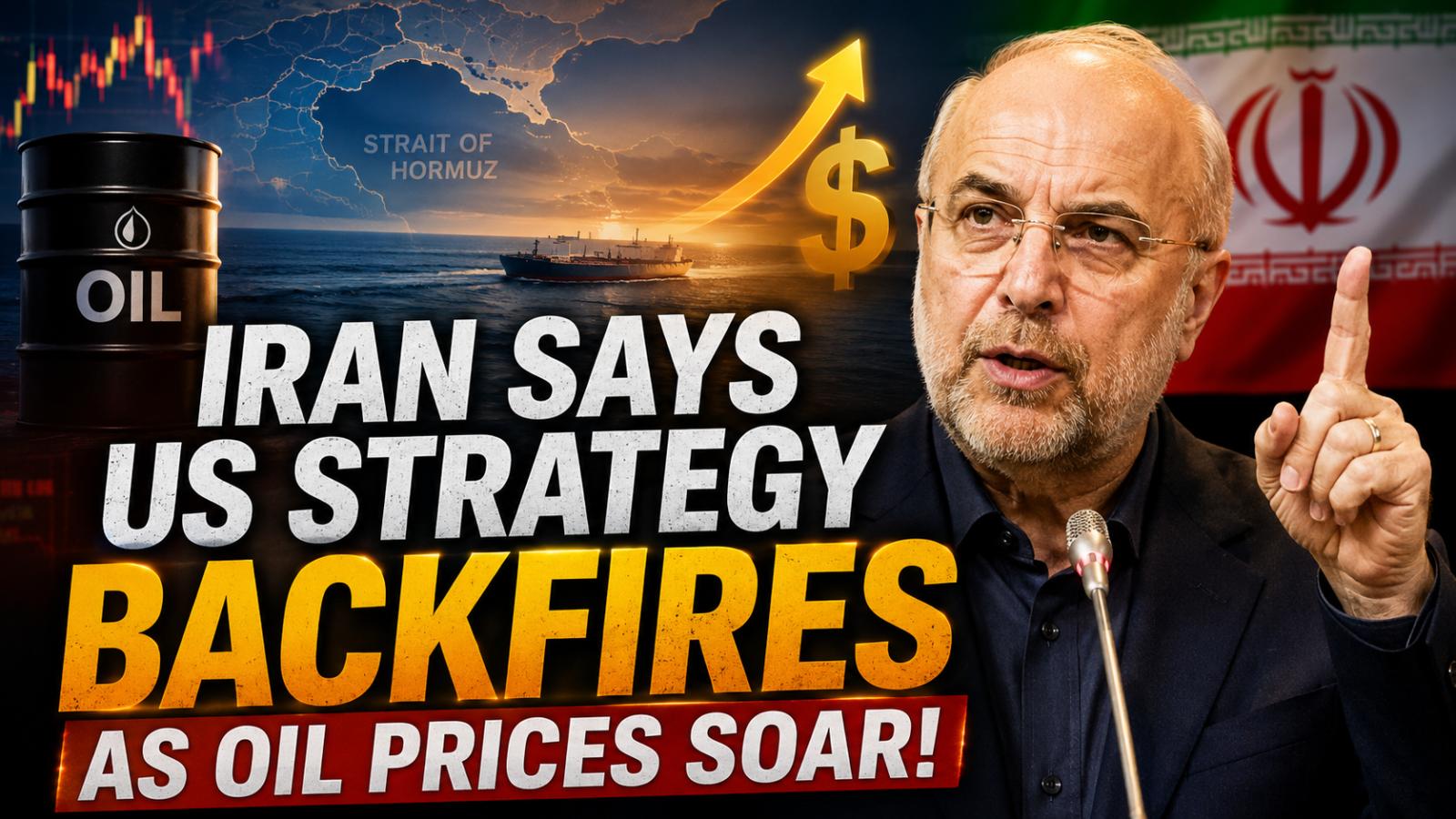
The United States delegation is led by Vice President JD Vance, accompanied by special envoy Steve Witkoff and former presidential adviser Jared Kushner. Iran’s delegation includes Parliamentary Speaker Mohammad Bagher Qalibaf, Foreign Minister Abbas Araghchi, and Deputy Foreign Minister Majid Takht Ravanchi, reflecting the high stakes and senior-level participation on both sides.
According to reports emerging from the opening phase of the talks, Iran has outlined several key demands as part of any ceasefire agreement. One of the primary conditions is the inclusion of Lebanon within a broader regional ceasefire plan, signaling Tehran’s intent to address interconnected conflicts across the Middle East rather than limiting negotiations to bilateral issues. This demand comes amid ongoing instability in Lebanon, which continues to influence the wider geopolitical landscape.
Iran has also called for the release of approximately $6 billion in frozen assets, a longstanding point of contention in US-Iran relations. However, US officials have not confirmed any agreement on this issue. The White House has denied reports suggesting that such financial concessions have already been approved as part of the Islamabad discussions, underscoring the complexity of the negotiations.
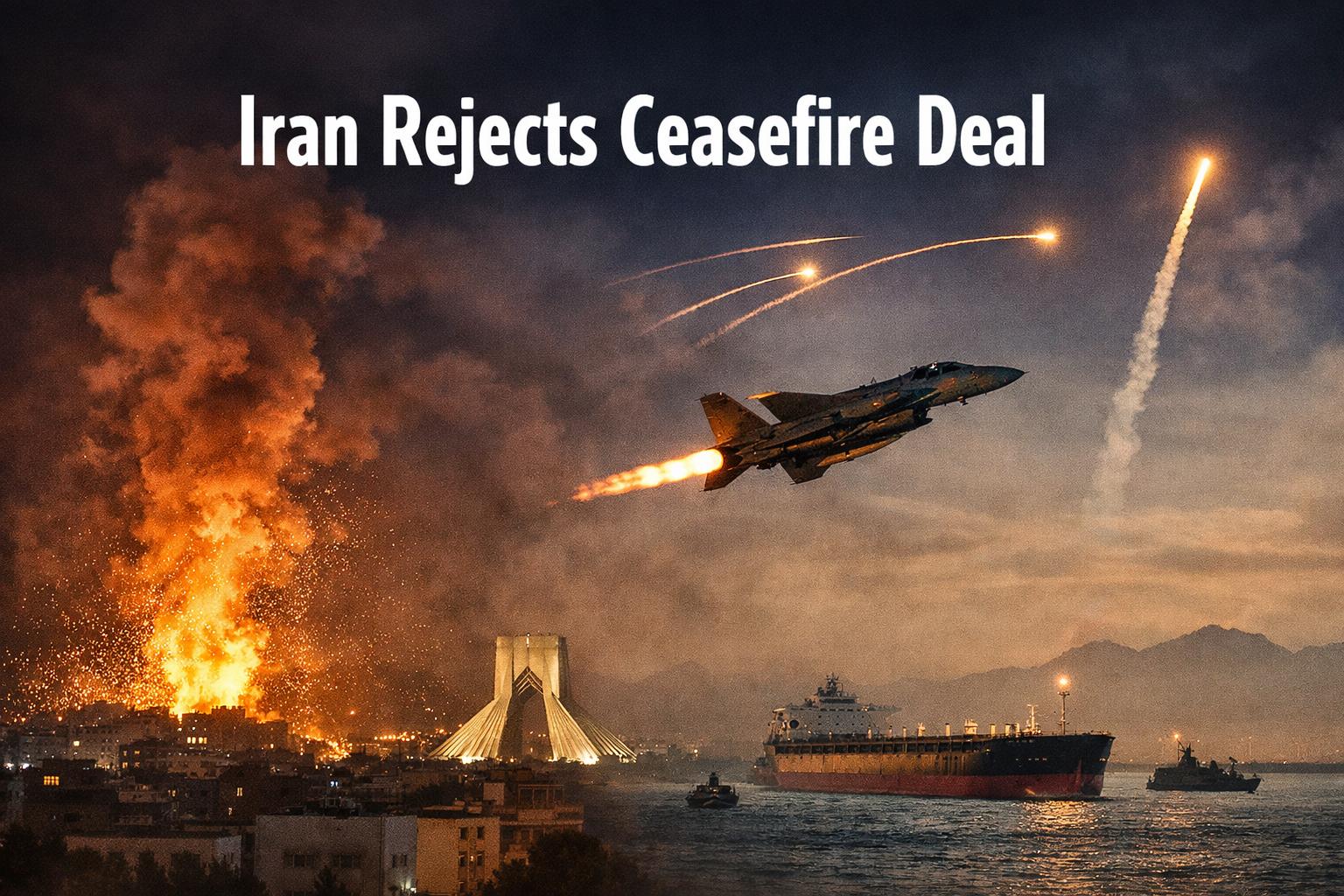
The Islamabad talks follow a fragile ceasefire reached earlier in April 2026 and are being mediated by Pakistan as part of a broader effort to prevent further escalation in the region. While both sides have entered discussions with cautious expectations, significant differences remain on key issues, including regional security, sanctions, and military activity.
As negotiations continue, the outcome of the April 11, 2026 talks could play a critical role in shaping future US-Iran relations and determining whether a lasting ceasefire can be achieved in a region marked by prolonged conflict and strategic tensions.
The United States delegation is led by Vice President JD Vance, accompanied by special envoy Steve Witkoff and former presidential adviser Jared Kushner. Iran’s delegation includes Parliamentary Speaker Mohammad Bagher Qalibaf, Foreign Minister Abbas Araghchi, and Deputy Foreign Minister Majid Takht Ravanchi, reflecting the high stakes and senior-level participation on both sides.
According to reports emerging from the opening phase of the talks, Iran has outlined several key demands as part of any ceasefire agreement. One of the primary conditions is the inclusion of Lebanon within a broader regional ceasefire plan, signaling Tehran’s intent to address interconnected conflicts across the Middle East rather than limiting negotiations to bilateral issues. This demand comes amid ongoing instability in Lebanon, which continues to influence the wider geopolitical landscape.
Iran has also called for the release of approximately $6 billion in frozen assets, a longstanding point of contention in US-Iran relations. However, US officials have not confirmed any agreement on this issue. The White House has denied reports suggesting that such financial concessions have already been approved as part of the Islamabad discussions, underscoring the complexity of the negotiations.
The Islamabad talks follow a fragile ceasefire reached earlier in April 2026 and are being mediated by Pakistan as part of a broader effort to prevent further escalation in the region. While both sides have entered discussions with cautious expectations, significant differences remain on key issues, including regional security, sanctions, and military activity.
As negotiations continue, the outcome of the April 11, 2026 talks could play a critical role in shaping future US-Iran relations and determining whether a lasting ceasefire can be achieved in a region marked by prolonged conflict and strategic tensions.