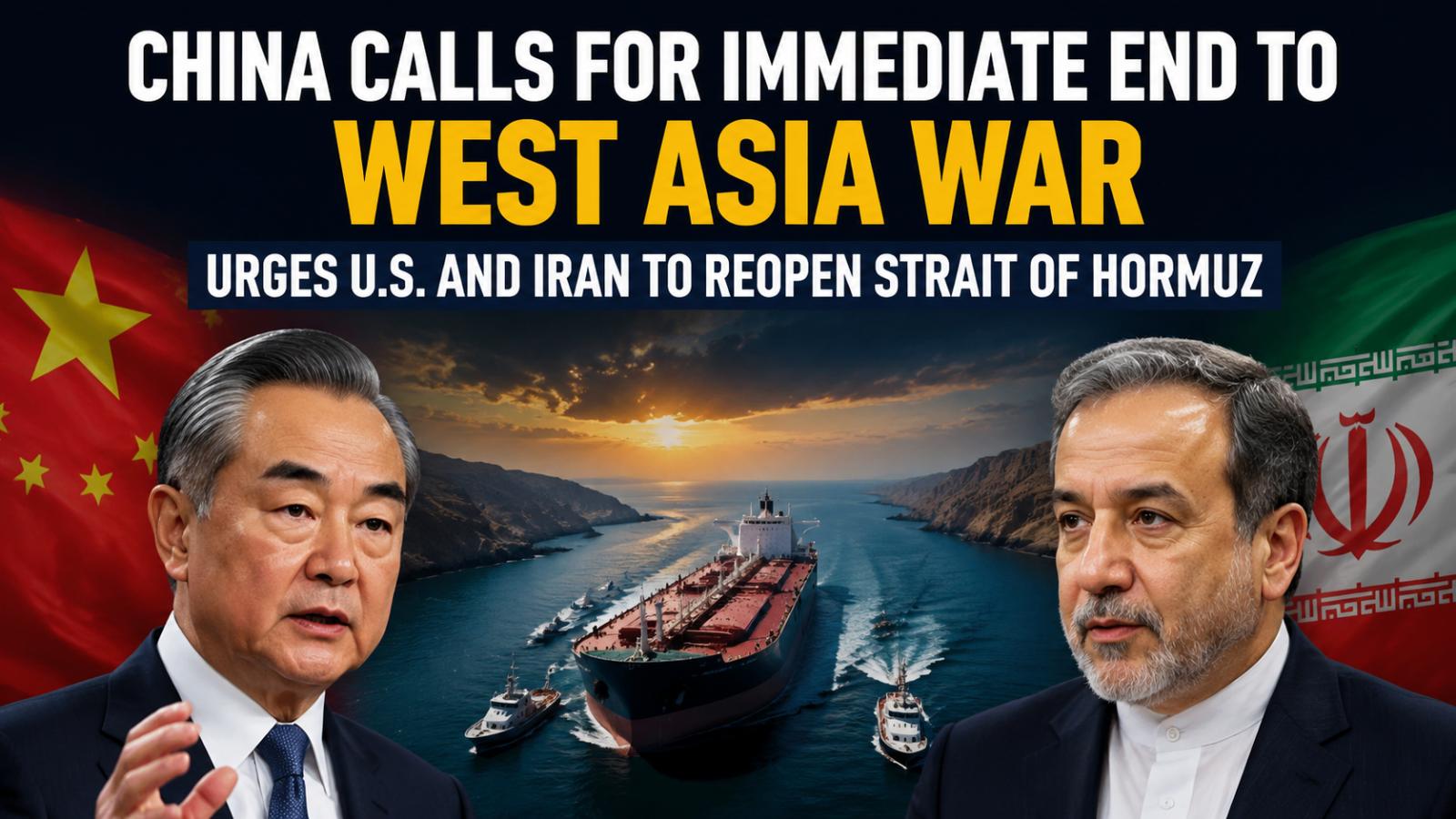
Chinese Foreign Minister Wang Yi has called for an immediate and complete end to the ongoing conflict in West Asia. During a high-level meeting with Iran’s Foreign Minister Seyed Abbas Araghchi in Beijing, Wang stressed the importance of achieving a comprehensive ceasefire without any delay. He also urged both the United States and Iran to reopen the Strait of Hormuz "as soon as possible" to help stabilize global energy markets, which have been severely impacted by the conflict.
Araghchi’s visit to China marks his first trip to Beijing since the U.S.-Israeli-led military campaign against Iran escalated into one of the worst energy crises in recent history. The war has not only disrupted global oil supplies but has also posed a direct threat to China’s energy security. As the world’s largest importer of crude oil, China has felt the economic repercussions of the conflict, with rising energy prices further straining the country’s economy.
China’s commitment to peace and energy security
In his remarks during the summit, Wang Yi emphasized that China believes there is no room for further delays in securing a ceasefire. He stressed that restarting hostilities would be "unacceptable" and reiterated China’s stance on the importance of continued negotiations. According to a statement from China’s Foreign Ministry, Wang emphasized that achieving a lasting peace requires diplomatic efforts from all parties involved, including the U.S. and Iran.
Wang also spoke strongly in support of Iran’s right to peaceful nuclear energy, defending the country’s civilian nuclear program. He reaffirmed China’s commitment to ensuring Iran’s legitimate right to peaceful nuclear technology, in line with the International Atomic Energy Agency (IAEA) safeguards. China condemned any attacks on Iran’s nuclear facilities, particularly those that violate these safeguards, calling such actions a "dangerous precedent."
China offers to mediate in U.S.-Iran talks
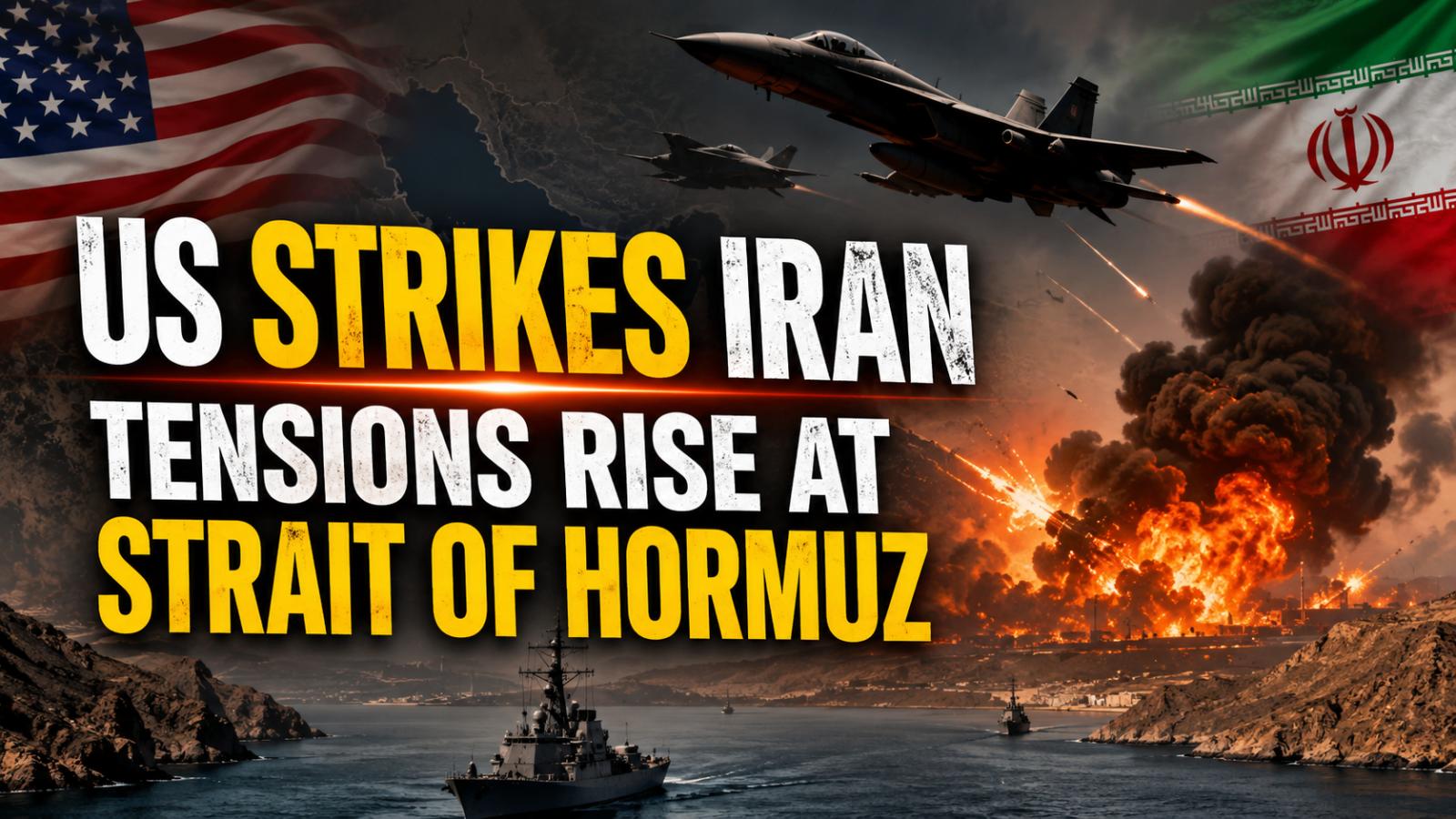
The meeting between Wang Yi and Araghchi occurred just one day after U.S. President Donald Trump announced "Project Freedom," a military initiative aimed at securing the Strait of Hormuz by escorting merchant vessels through the waterway. In response, China reiterated its position that dialogue between Washington and Tehran remains crucial to resolving the crisis peacefully. Wang expressed China’s willingness to mediate between the two nations to reach a comprehensive agreement.
Earlier this week, U.S. Treasury Secretary Scott Bessent urged China to intensify its diplomatic efforts to convince Iran to reopen the Strait of Hormuz to international shipping. The ongoing closure of this vital shipping route has further exacerbated global energy insecurity, with oil prices surging as a result. In response, China has called for an immediate end to the crisis, ensuring that global trade and energy flows can resume without further disruption.
In conclusion, the tensions in West Asia have not only affected the regional stability but also created ripple effects in global markets. China’s call for a ceasefire and reopening of the Strait of Hormuz highlights the urgency of addressing both the humanitarian and economic aspects of the conflict. By facilitating continued diplomatic dialogue and offering its role as a mediator, China seeks to avert further escalation and contribute to a peaceful resolution to the crisis.