





#iran-nuclear-energy
Trump Warns Iran As US-Israel Security Talks Raise Regional Tensions
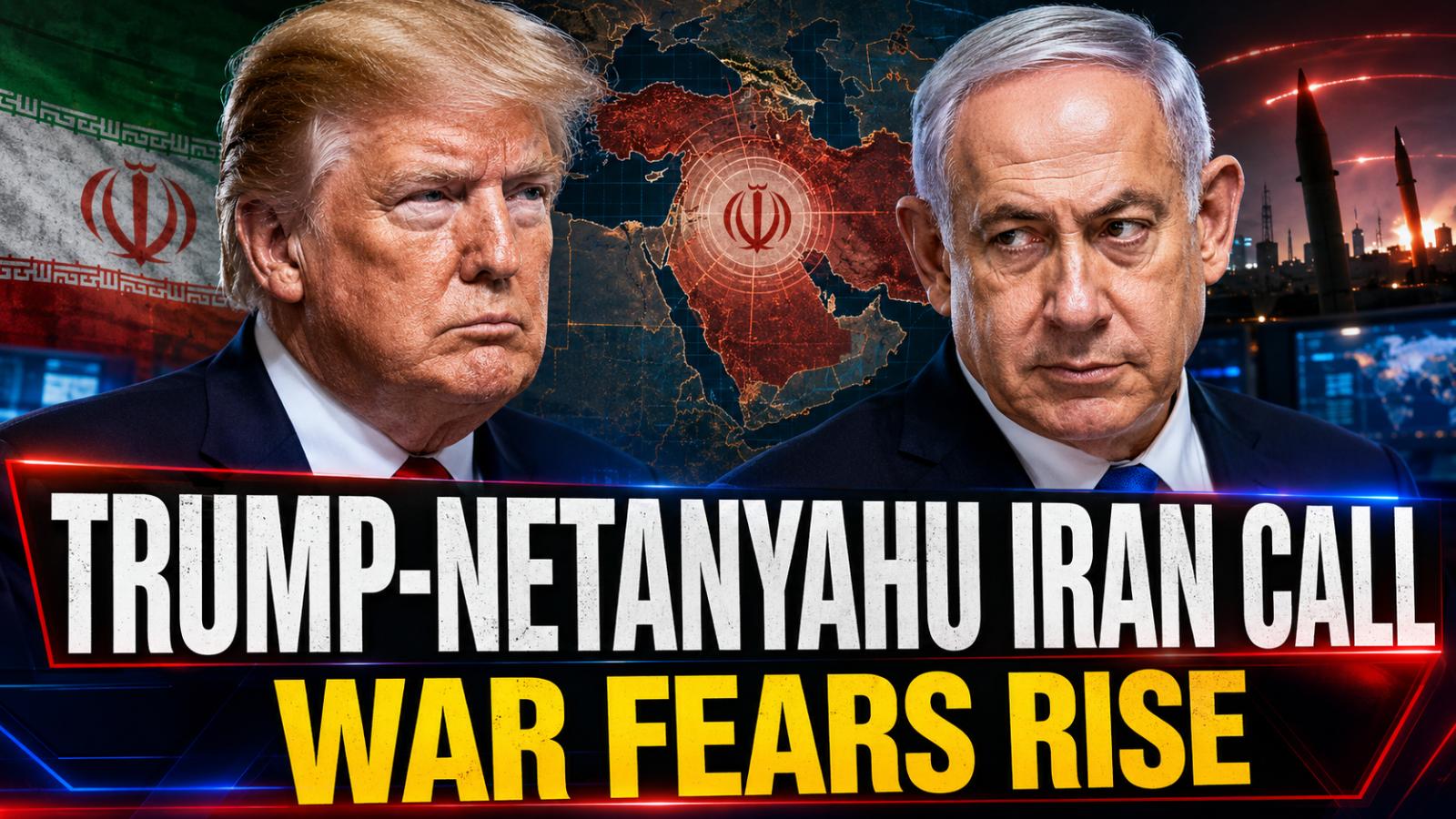
Israeli Prime Minister Benjamin Netanyahu held a phone conversation with US President Donald Trump on Sunday, May 17, as tensions involving Iran remained high and questions continued over the durability of the ceasefire. The discussion reportedly focused on the war with Iran, regional security conditions and the future of diplomatic efforts aimed at preventing another round of escalation. The call came amid reports that Washington and Jerusalem are weighing their next steps after the ceasefir
Trump Warns Iran As US-Israel Security Talks Raise Regional Tensions
Israeli Prime Minister Benjamin Netanyahu held a phone conversation with US President Donald Trump on Sunday, May 17, as tensions involving Iran remained high and questions continued over the durability of the ceasefire. The discussion reportedly focused on the war with Iran, regional security conditions and the future of diplomatic efforts aimed at preventing another round of escalation. The call came amid reports that Washington and Jerusalem are weighing their next steps after the ceasefir
China calls for ceasefire in West Asia, urges reopening of Strait of Hormuz
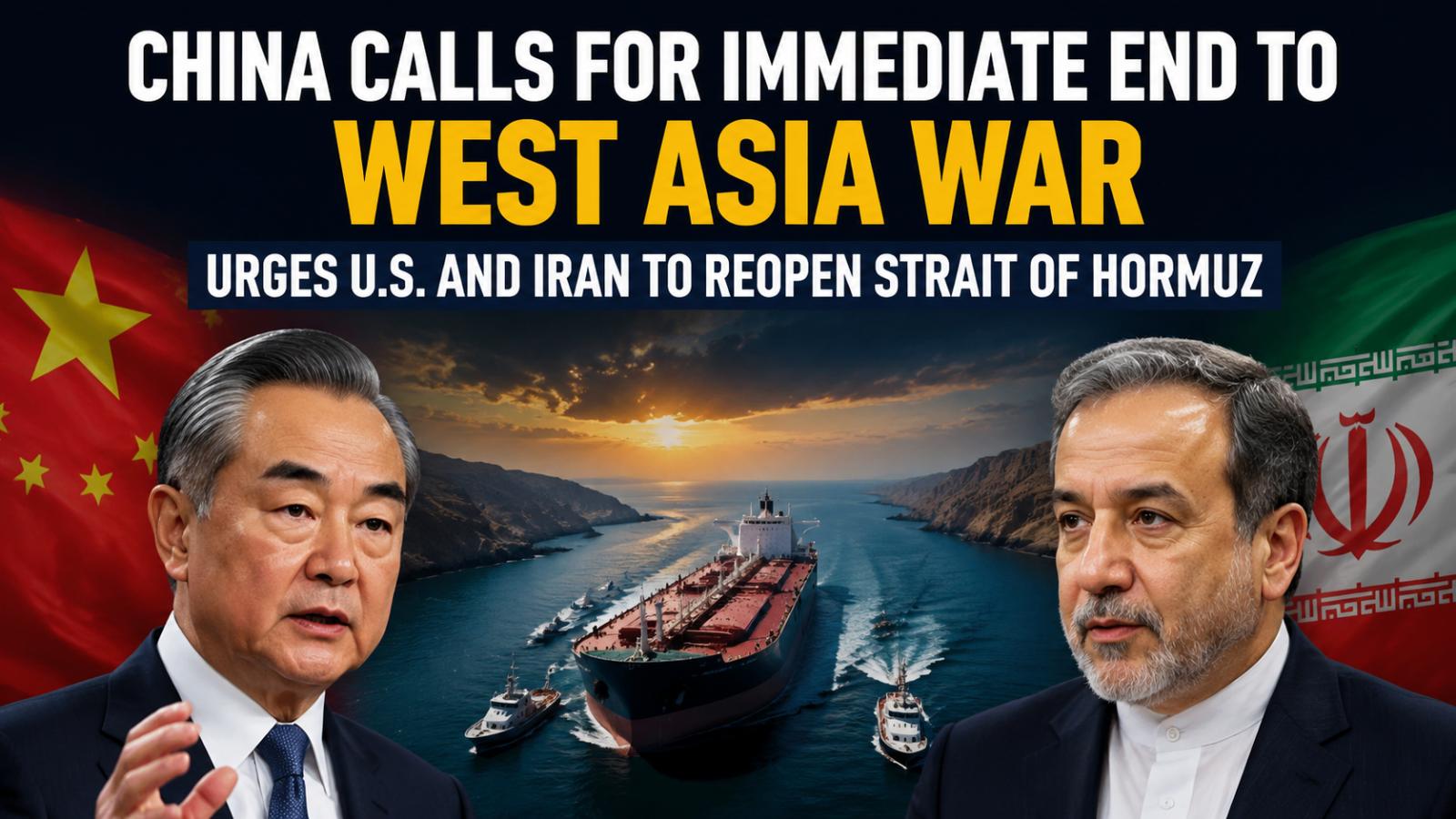
Chinese Foreign Minister Wang Yi has called for an immediate and complete end to the ongoing conflict in West Asia. During a high-level meeting with Iran’s Foreign Minister Seyed Abbas Araghchi in Beijing, Wang stressed the importance of achieving a comprehensive ceasefire without any delay. He also urged both the United States and Iran to reopen the Strait of Hormuz "as soon as possible" to help stabilize global energy markets, which have been severely impacted by the conflict. A
China calls for ceasefire in West Asia, urges reopening of Strait of Hormuz
Chinese Foreign Minister Wang Yi has called for an immediate and complete end to the ongoing conflict in West Asia. During a high-level meeting with Iran’s Foreign Minister Seyed Abbas Araghchi in Beijing, Wang stressed the importance of achieving a comprehensive ceasefire without any delay. He also urged both the United States and Iran to reopen the Strait of Hormuz "as soon as possible" to help stabilize global energy markets, which have been severely impacted by the conflict. A
US-Iran Conflict Escalates: Why Trump Has No Clear Exit Strategy
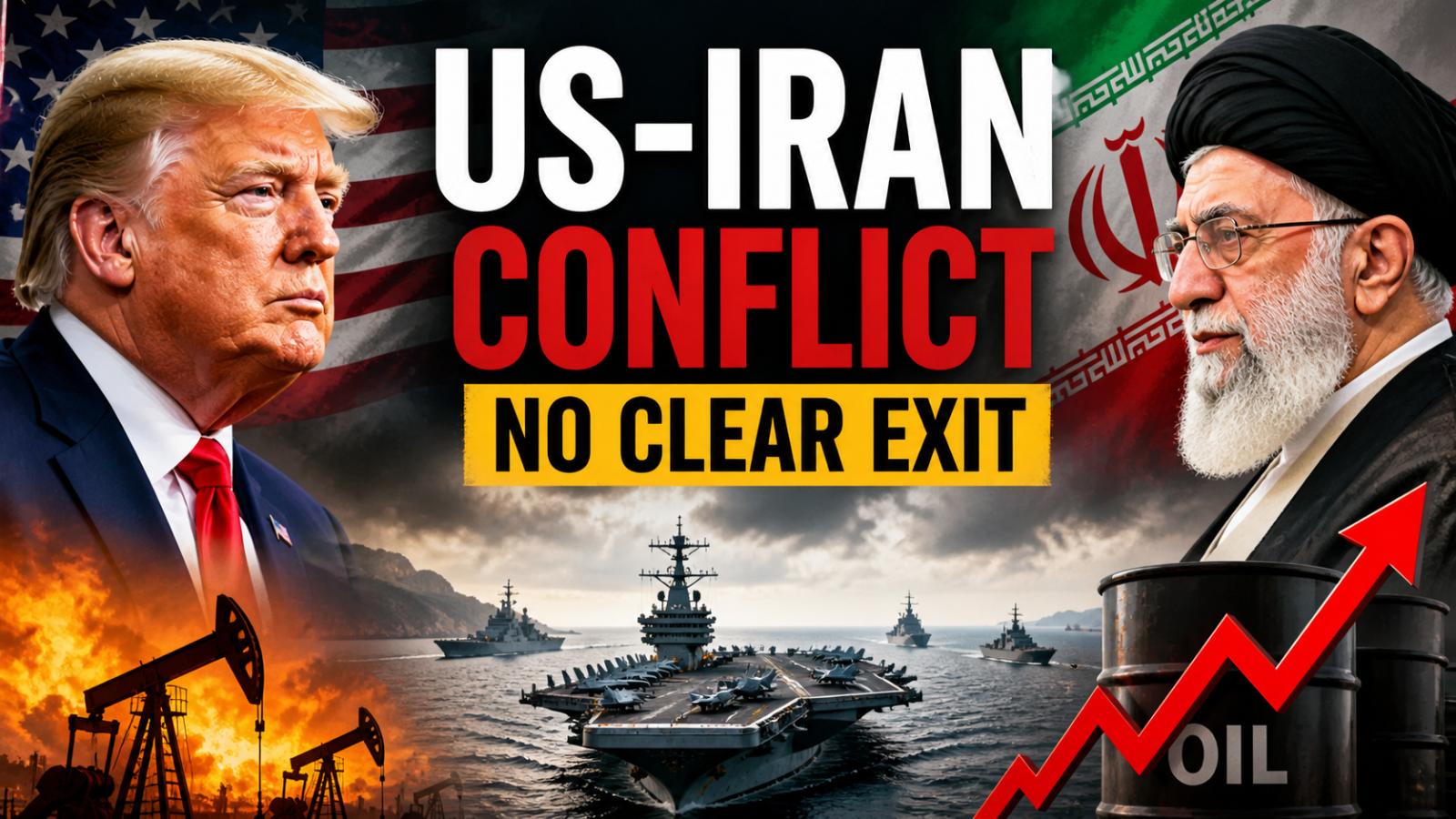
More than two months into military action against Iran, Donald Trump is facing a difficult reality: the conflict is far from over—and there’s no clear way out. What began as a show of strength has turned into a prolonged standoff, with rising global consequences. Military Gains, But No Strategic Victory The United States, alongside Israeli forces, has carried out multiple strikes targeting Iran’s
US-Iran Conflict Escalates: Why Trump Has No Clear Exit Strategy
More than two months into military action against Iran, Donald Trump is facing a difficult reality: the conflict is far from over—and there’s no clear way out. What began as a show of strength has turned into a prolonged standoff, with rising global consequences. Military Gains, But No Strategic Victory The United States, alongside Israeli forces, has carried out multiple strikes targeting Iran’s
Iran Uranium Stockpile Mystery Deepens After US Strikes
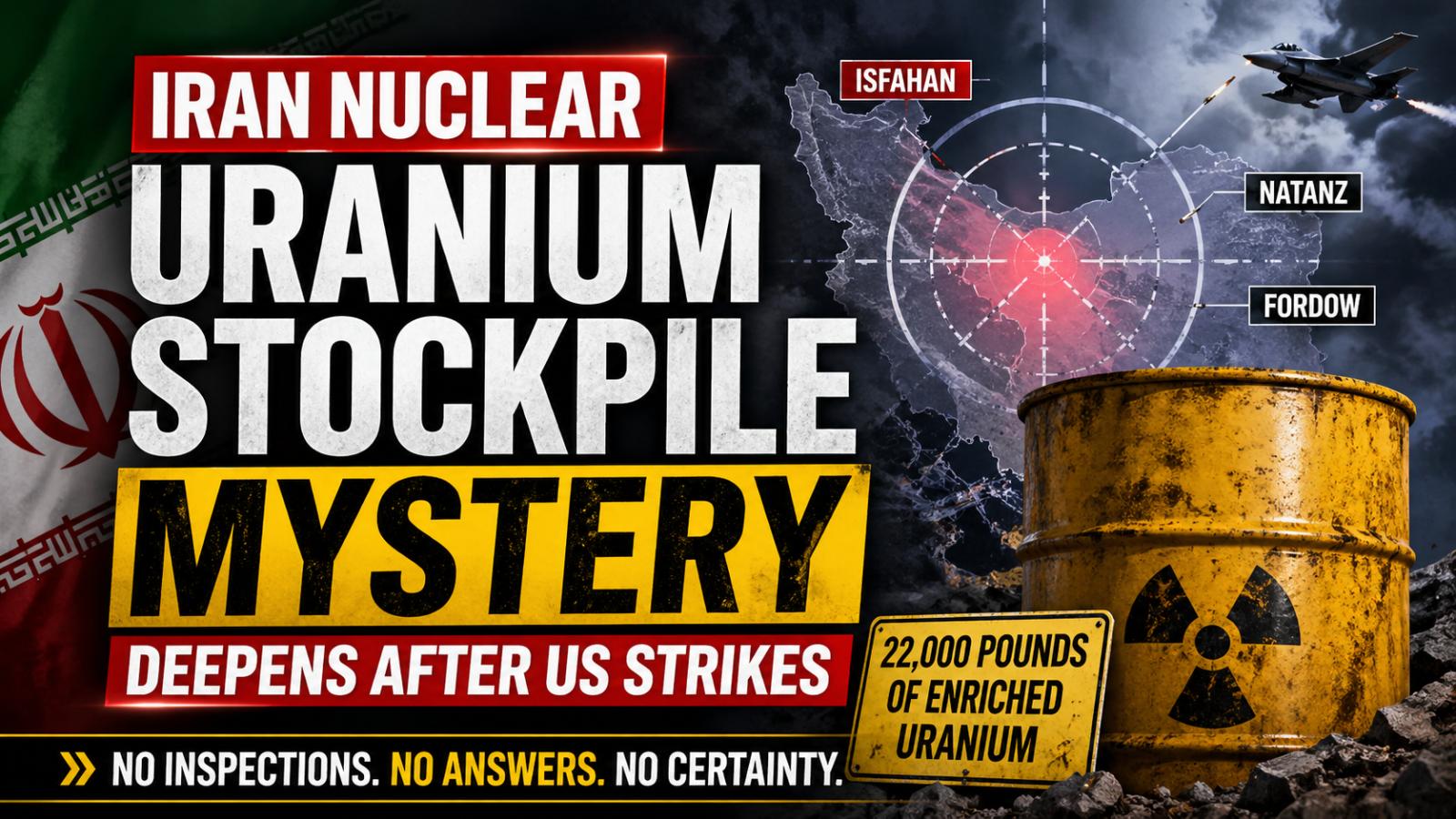
The location of Iran’s enriched uranium stockpile remains uncertain nearly two months after US military strikes targeted key nuclear facilities, raising fresh concerns about transparency and oversight. The material, estimated at roughly 22,000 pounds, had steadily accumulated over years following the US withdrawal from the 2015 nuclear agreement. That deal had previously imposed strict limits on enrichment levels and stockpile size, effectively curbing Iran’s ability to produce weapons-grade material. Uranium enrichment remains central to the issue, as the process becomes significantly faster once higher purity levels are reached. While low enrichment supports civilian energy needs, higher concentrations can be used for nuclear weapons. Iran’s move to enrich uranium up to 60 percent in recent years placed it closer to that threshold, intensifying international concern. Efforts to revive diplomatic agreements failed, and subsequent escalation led to direct military action targeting facilities such as Natanz and Fordow, along with storage areas near Isfahan. Shortly after, Iran halted cooperation with international inspectors, effectively ending on-the-ground verification. Without access, monitoring now relies heavily on satellite surveillance, which cannot fully confirm the condition or location of nuclear materials. Experts suggest that even if Iran retains access to the stockpile, converting it into a functional weapon would require additional time and technical capacity. However, the absence of inspections creates uncertainty. Analysts warn that if portions of the uranium were relocated or secured in undisclosed sites, Iran could potentially resume enrichment activities without detection, complicating global efforts to assess the true state of its nuclear program.
Iran Uranium Stockpile Mystery Deepens After US Strikes
The location of Iran’s enriched uranium stockpile remains uncertain nearly two months after US military strikes targeted key nuclear facilities, raising fresh concerns about transparency and oversight. The material, estimated at roughly 22,000 pounds, had steadily accumulated over years following the US withdrawal from the 2015 nuclear agreement. That deal had previously imposed strict limits on enrichment levels and stockpile size, effectively curbing Iran’s ability to produce weapons-grade material. Uranium enrichment remains central to the issue, as the process becomes significantly faster once higher purity levels are reached. While low enrichment supports civilian energy needs, higher concentrations can be used for nuclear weapons. Iran’s move to enrich uranium up to 60 percent in recent years placed it closer to that threshold, intensifying international concern. Efforts to revive diplomatic agreements failed, and subsequent escalation led to direct military action targeting facilities such as Natanz and Fordow, along with storage areas near Isfahan. Shortly after, Iran halted cooperation with international inspectors, effectively ending on-the-ground verification. Without access, monitoring now relies heavily on satellite surveillance, which cannot fully confirm the condition or location of nuclear materials. Experts suggest that even if Iran retains access to the stockpile, converting it into a functional weapon would require additional time and technical capacity. However, the absence of inspections creates uncertainty. Analysts warn that if portions of the uranium were relocated or secured in undisclosed sites, Iran could potentially resume enrichment activities without detection, complicating global efforts to assess the true state of its nuclear program.
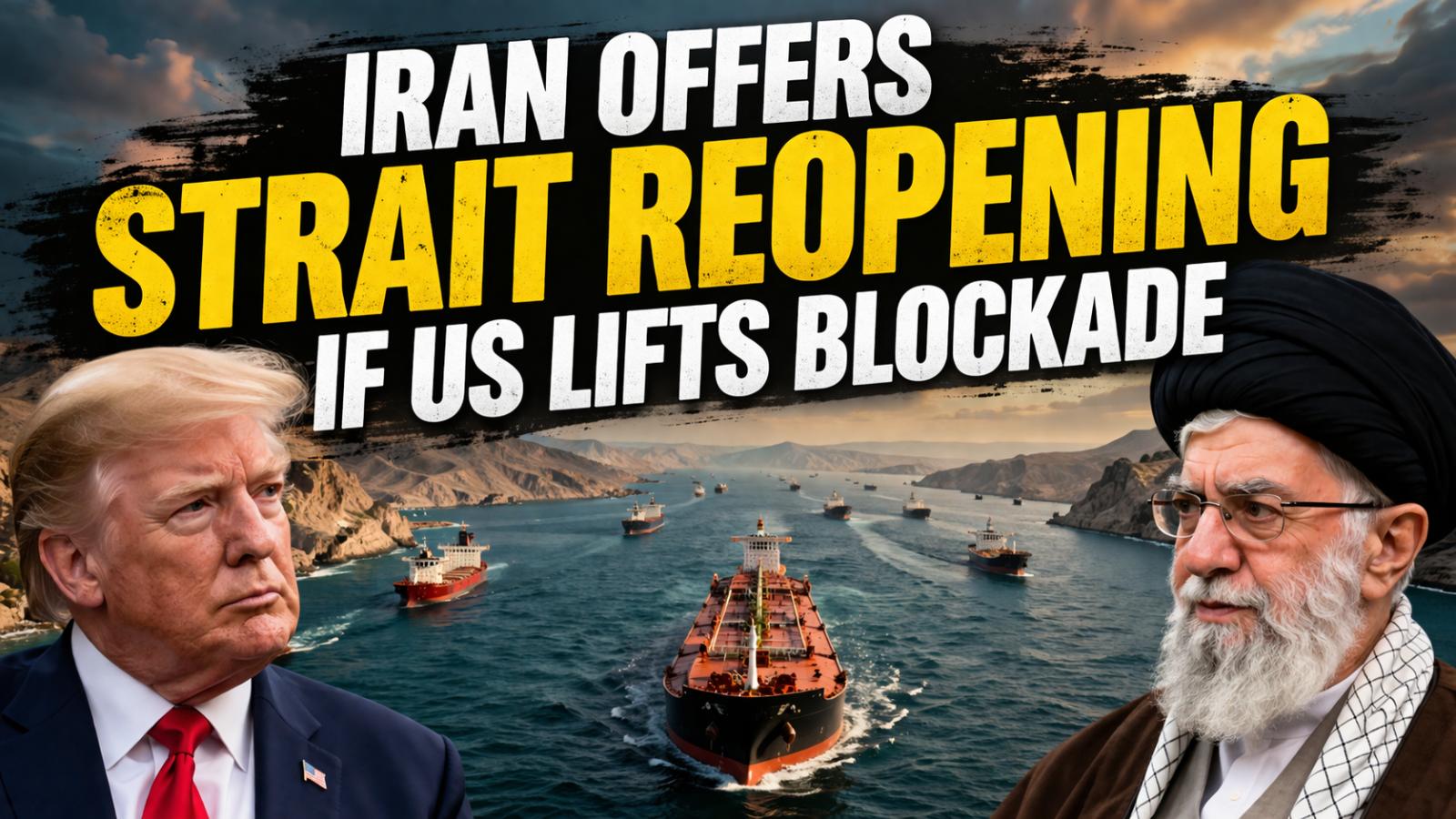
Iran offers Strait of Hormuz reopening if US lifts blockade, delays nuclear talks
Iran offered to reopen the Strait of Hormuz if the U.S. lifts its blockade and ends hostilities, but Washington insists any deal must address Tehran’s nuclear program, leaving tensions high and global energy markets under strain. Iran has proposed reopening the Strait of Hormuz if the United States lifts its blockade and agrees to end hostilities, according to regional officials familiar with negotiations disclosed on Monday, April 28, 2026. The proposal, deliver
Iran offers Strait of Hormuz reopening if US lifts blockade, delays nuclear talks
Iran offered to reopen the Strait of Hormuz if the U.S. lifts its blockade and ends hostilities, but Washington insists any deal must address Tehran’s nuclear program, leaving tensions high and global energy markets under strain. Iran has proposed reopening the Strait of Hormuz if the United States lifts its blockade and agrees to end hostilities, according to regional officials familiar with negotiations disclosed on Monday, April 28, 2026. The proposal, deliver
Iran accepts two-week ceasefire amid US pressure on Hormuz Strait
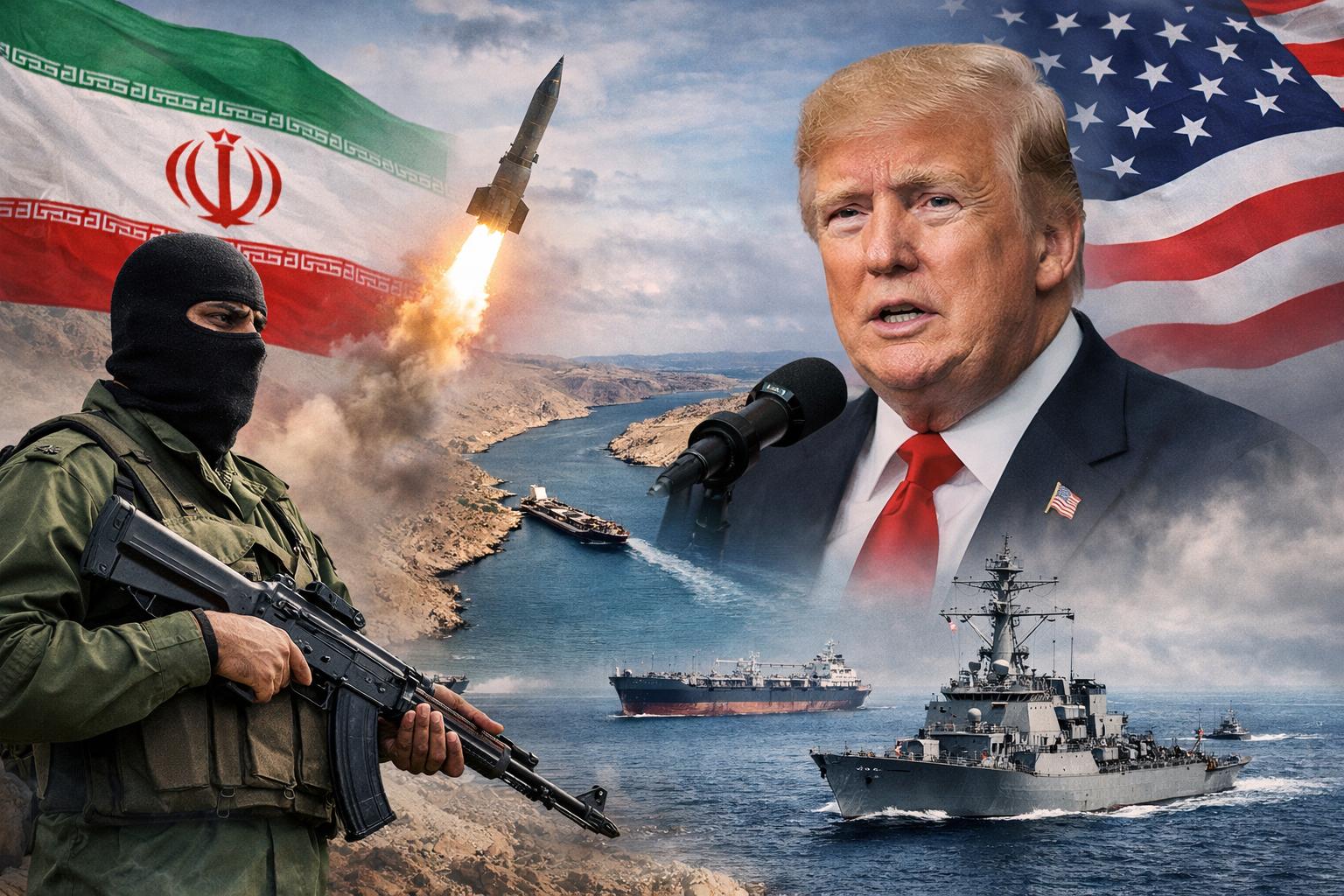
Iran has agreed to a proposed two-week ceasefire amid escalating tensions in the Middle East, following a statement by Donald Trump indicating that the United States would suspend further military action if Tehran fully reopens the strategically critical Strait of Hormuz. The announcement signals a potential pause in hostilities linked to ongoing Iran-Israel tensions, while also highlighting the broader geopolitical stakes tied to global energy security and maritime access. The Strait of Hormuz, a vital passage for a significant portion of the world’s oil supply, has remained at the center of international concern. US officials have made it clear that maintaining open navigation through the waterway is a key condition for de-escalation. The ceasefire agreement is being viewed as a temporary but important step toward reducing immediate risks in the region, particularly for global oil markets and allied economies. At the same time, Washington has underscored that any long-term easing of economic sanctions on Iran will depend on a complete halt to its uranium enrichment activities. The proposed framework reflects a broader US foreign policy approach that links economic relief directly to nuclear compliance, requiring Iran to scale back its nuclear program in exchange for reduced tariffs and sanctions. This conditional strategy is expected to shape the next phase of diplomatic negotiations. The development follows diplomatic outreach from Shehbaz Sharif, who urged an extension of the negotiation timeline and called on Iran to ensure uninterrupted access through the Strait of Hormuz. Pakistan’s involvement underscores the wider regional implications of the crisis and the importance of multilateral engagement. Meanwhile, Iran’s Islamic Revolutionary Guard Corps has issued a strong warning, stating that any US strikes on civilian infrastructure would provoke a response extending beyond the immediate region. The group cautioned that such actions could disrupt oil and gas supplies to the United States and its allies for an extended period, further raising concerns about global energy stability. While the ceasefire offers a temporary reprieve, the situation remains fluid, with key issues surrounding nuclear policy, sanctions, and regional security still unresolved.
Iran accepts two-week ceasefire amid US pressure on Hormuz Strait
Iran has agreed to a proposed two-week ceasefire amid escalating tensions in the Middle East, following a statement by Donald Trump indicating that the United States would suspend further military action if Tehran fully reopens the strategically critical Strait of Hormuz. The announcement signals a potential pause in hostilities linked to ongoing Iran-Israel tensions, while also highlighting the broader geopolitical stakes tied to global energy security and maritime access. The Strait of Hormuz, a vital passage for a significant portion of the world’s oil supply, has remained at the center of international concern. US officials have made it clear that maintaining open navigation through the waterway is a key condition for de-escalation. The ceasefire agreement is being viewed as a temporary but important step toward reducing immediate risks in the region, particularly for global oil markets and allied economies. At the same time, Washington has underscored that any long-term easing of economic sanctions on Iran will depend on a complete halt to its uranium enrichment activities. The proposed framework reflects a broader US foreign policy approach that links economic relief directly to nuclear compliance, requiring Iran to scale back its nuclear program in exchange for reduced tariffs and sanctions. This conditional strategy is expected to shape the next phase of diplomatic negotiations. The development follows diplomatic outreach from Shehbaz Sharif, who urged an extension of the negotiation timeline and called on Iran to ensure uninterrupted access through the Strait of Hormuz. Pakistan’s involvement underscores the wider regional implications of the crisis and the importance of multilateral engagement. Meanwhile, Iran’s Islamic Revolutionary Guard Corps has issued a strong warning, stating that any US strikes on civilian infrastructure would provoke a response extending beyond the immediate region. The group cautioned that such actions could disrupt oil and gas supplies to the United States and its allies for an extended period, further raising concerns about global energy stability. While the ceasefire offers a temporary reprieve, the situation remains fluid, with key issues surrounding nuclear policy, sanctions, and regional security still unresolved.
US–Israel–Iran War | Iran alleges strike near Bushehr nuclear plant amid rising tensions
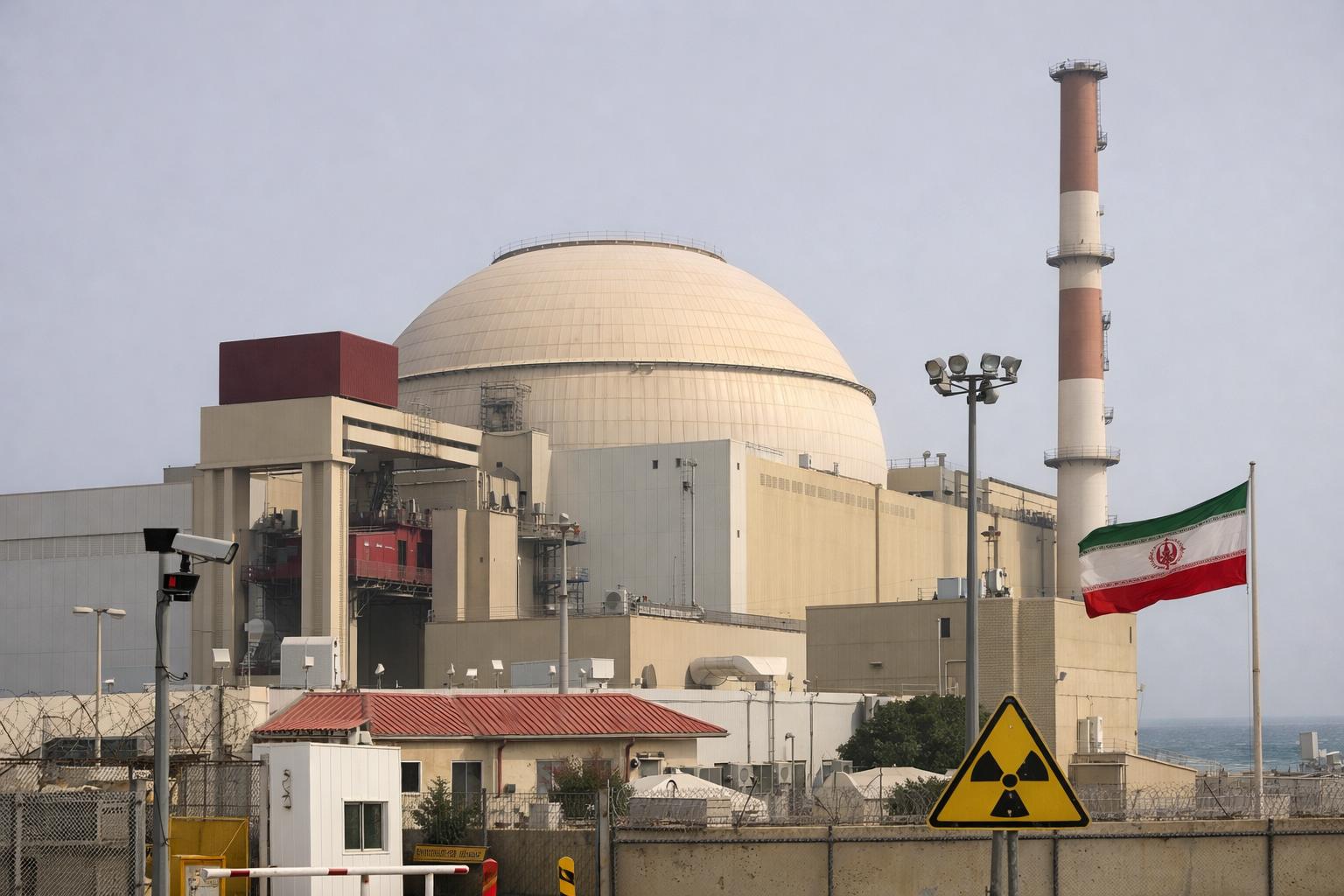
Iran’s Atomic Energy Organization on Tuesday reported that a projectile struck within the perimeter of the Bushehr nuclear power plant, alleging that the attack was carried out by the United States and Israel. In an official statement, the agency described the incident as part of continued aggression by what it termed the “American-Zionist enemy.” Authorities said the projectile landed inside the facility’s enclosure but confirmed that initial assessments found no financial losses, techn
US–Israel–Iran War | Iran alleges strike near Bushehr nuclear plant amid rising tensions
Iran’s Atomic Energy Organization on Tuesday reported that a projectile struck within the perimeter of the Bushehr nuclear power plant, alleging that the attack was carried out by the United States and Israel. In an official statement, the agency described the incident as part of continued aggression by what it termed the “American-Zionist enemy.” Authorities said the projectile landed inside the facility’s enclosure but confirmed that initial assessments found no financial losses, techn