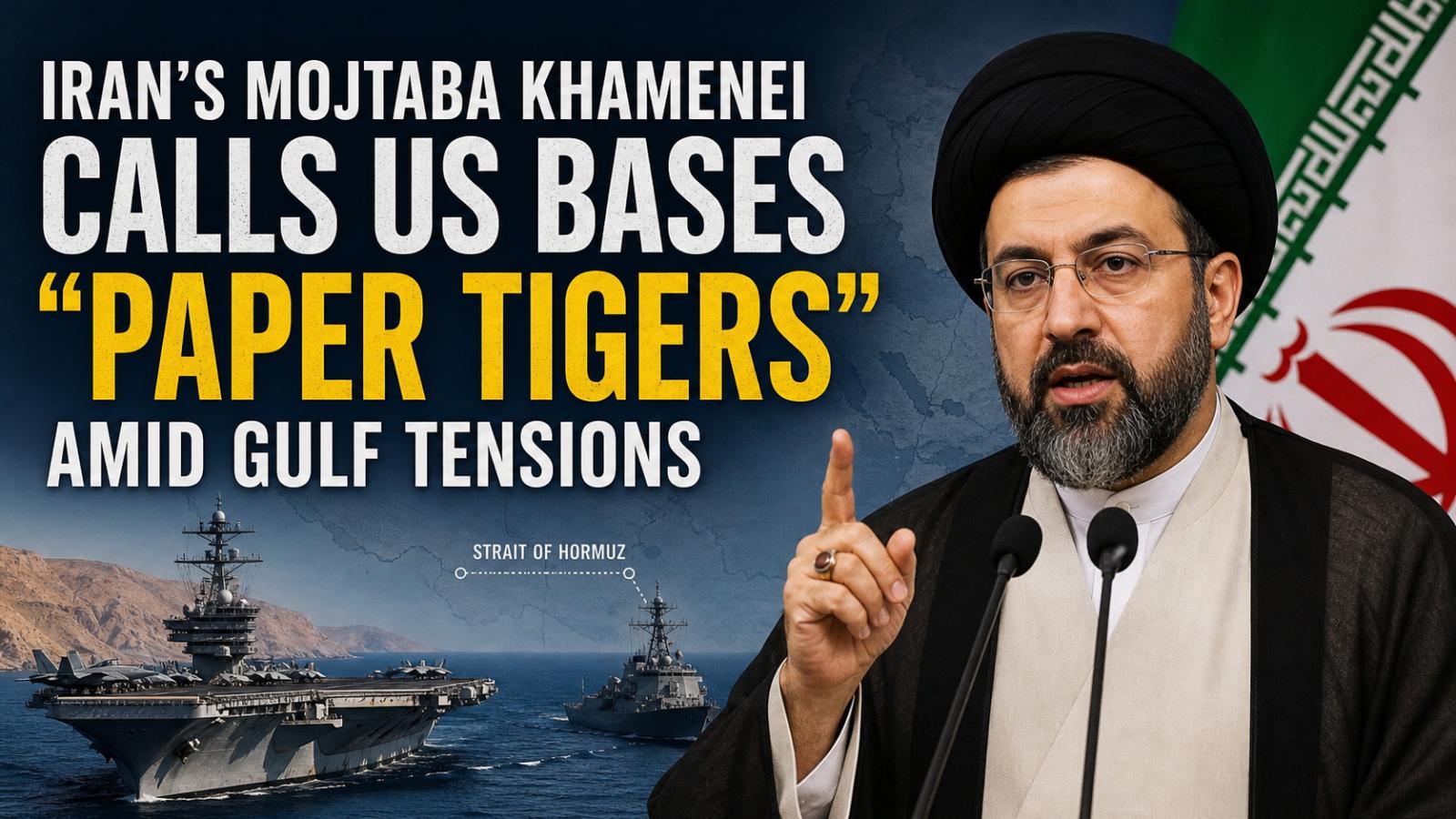
Iran’s Mojtaba Khamenei called US bases “paper tigers” on Friday, May 1, 2026, criticizing American presence in the Persian Gulf and linking it to regional insecurity amid rising Strait of Hormuz tensions
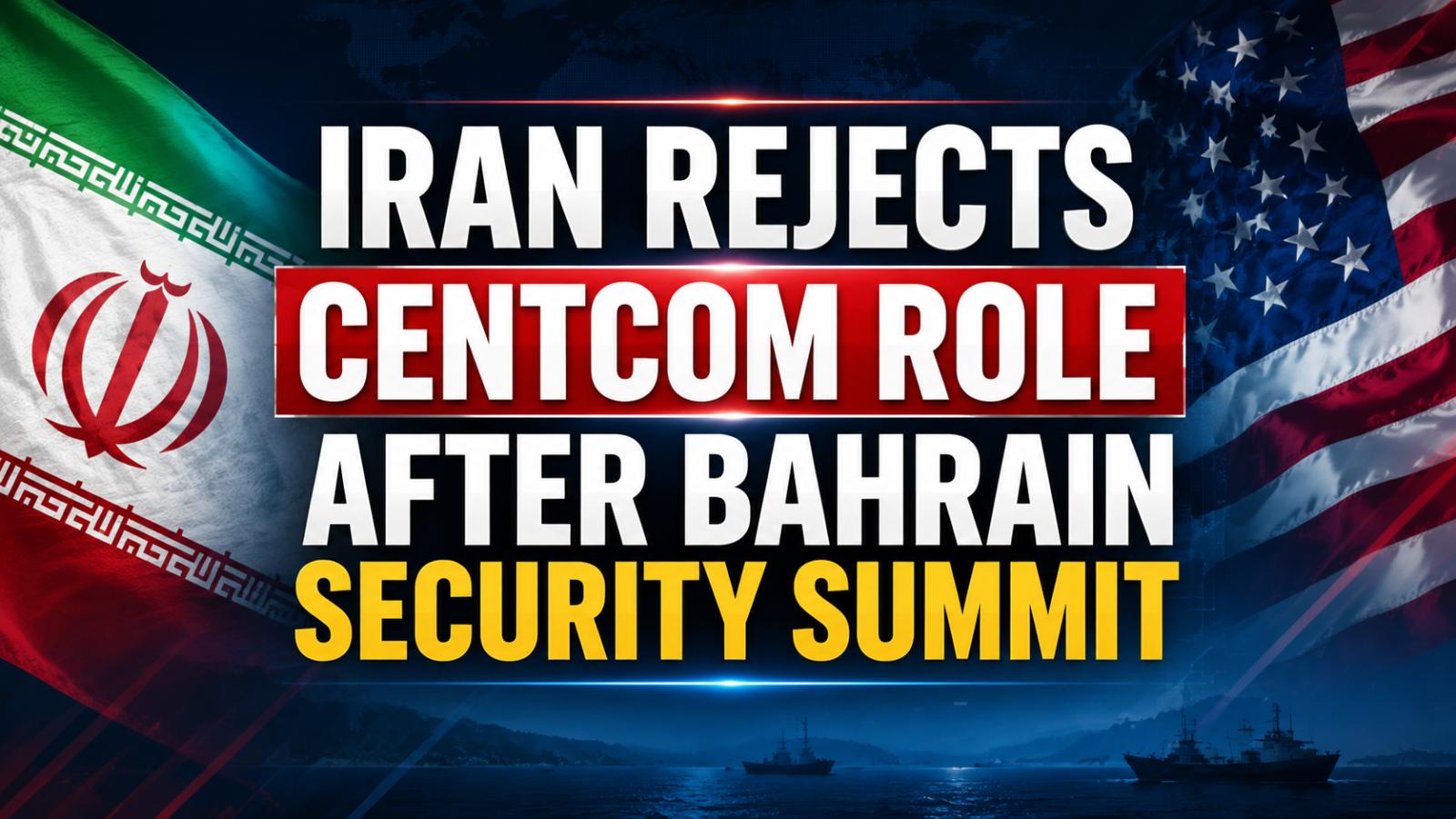
Iran’s Mojtaba Khamenei calls US bases “paper tigers” amid Gulf tensions as Mojtaba Khamenei sharply criticized the United States’ military presence in the region on Friday, May 1, 2026. In a series of public statements, he described American bases as ineffective and unable to guarantee their own security, escalating rhetoric during an already volatile period centered on the Persian Gulf and the Strait of Hormuz.
Khamenei said U.S. military installations in the region lack the capacity to protect themselves, let alone provide stability for allied nations. His remarks come as tensions persist over reported U.S. actions affecting Iranian ports and broader maritime routes tied to the global economy. The comments reflect a growing war of words between Tehran and Washington amid ongoing geopolitical strain.
In a separate message issued the same day, Khamenei emphasized the strategic and cultural importance of the Persian Gulf, describing it as more than a geographic feature. He characterized the Gulf as a core element of Iran’s identity and civilization, as well as a critical artery for international trade. The Strait of Hormuz, a narrow passage linking the Gulf to global shipping lanes, remains central to the dispute due to its role in energy transportation.
The statements followed remarks delivered on Thursday, April 30, 2026, during National Persian Gulf Day in Iran. At that time, Khamenei warned that a “new chapter” was emerging in the region and asserted that Iran would act to secure the Gulf while countering what he described as external interference. He specifically identified the presence of U.S. forces as a key source of instability.
Khamenei reiterated that the long-term future of the region would not include American involvement, framing his outlook as one focused on regional autonomy and economic development. His comments underscore the continuing friction surrounding maritime security, energy routes, and military influence in one of the world’s most strategically significant waterways.