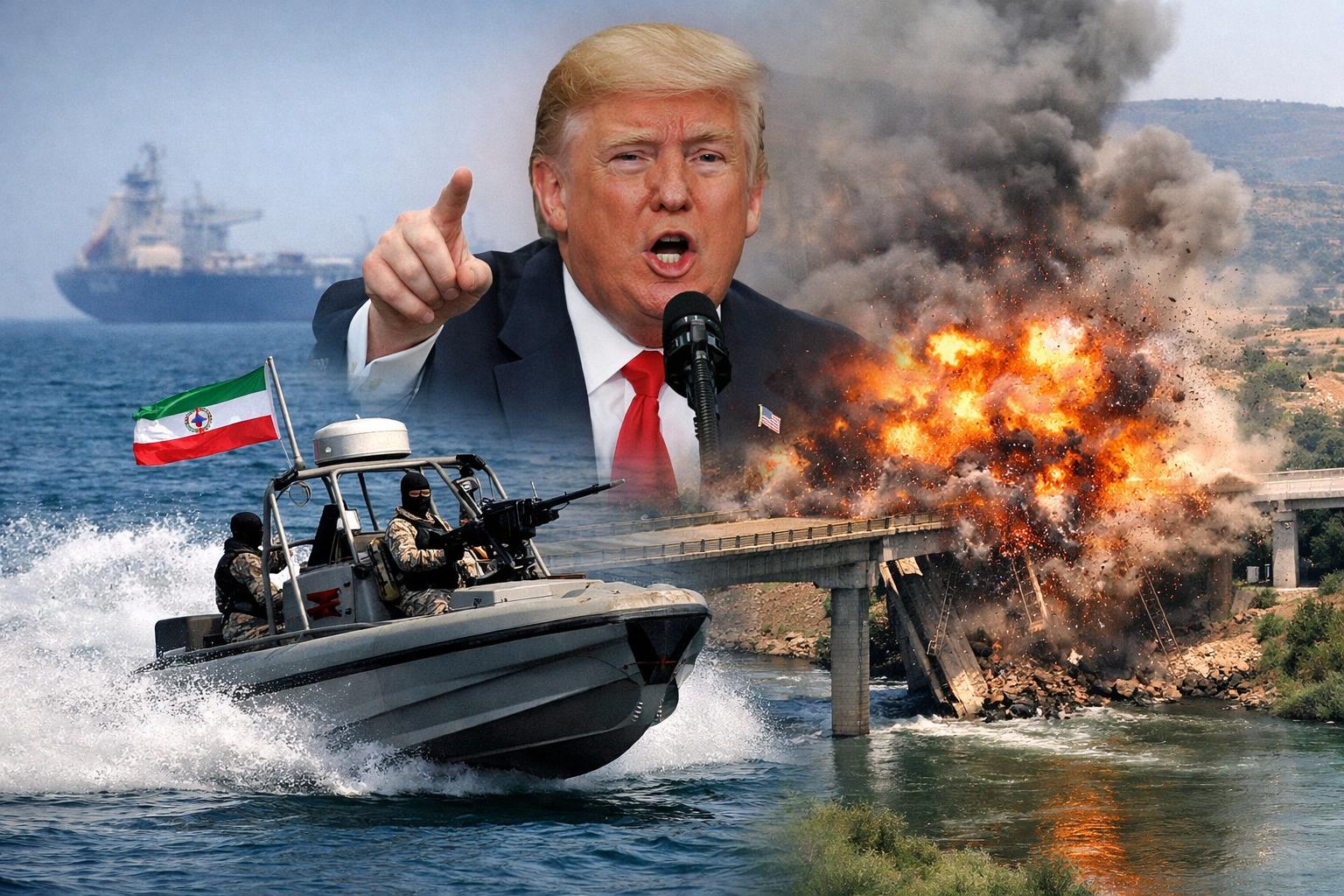
#persiangulf
Iran-us $3b fund transfer seeks calm with Israel
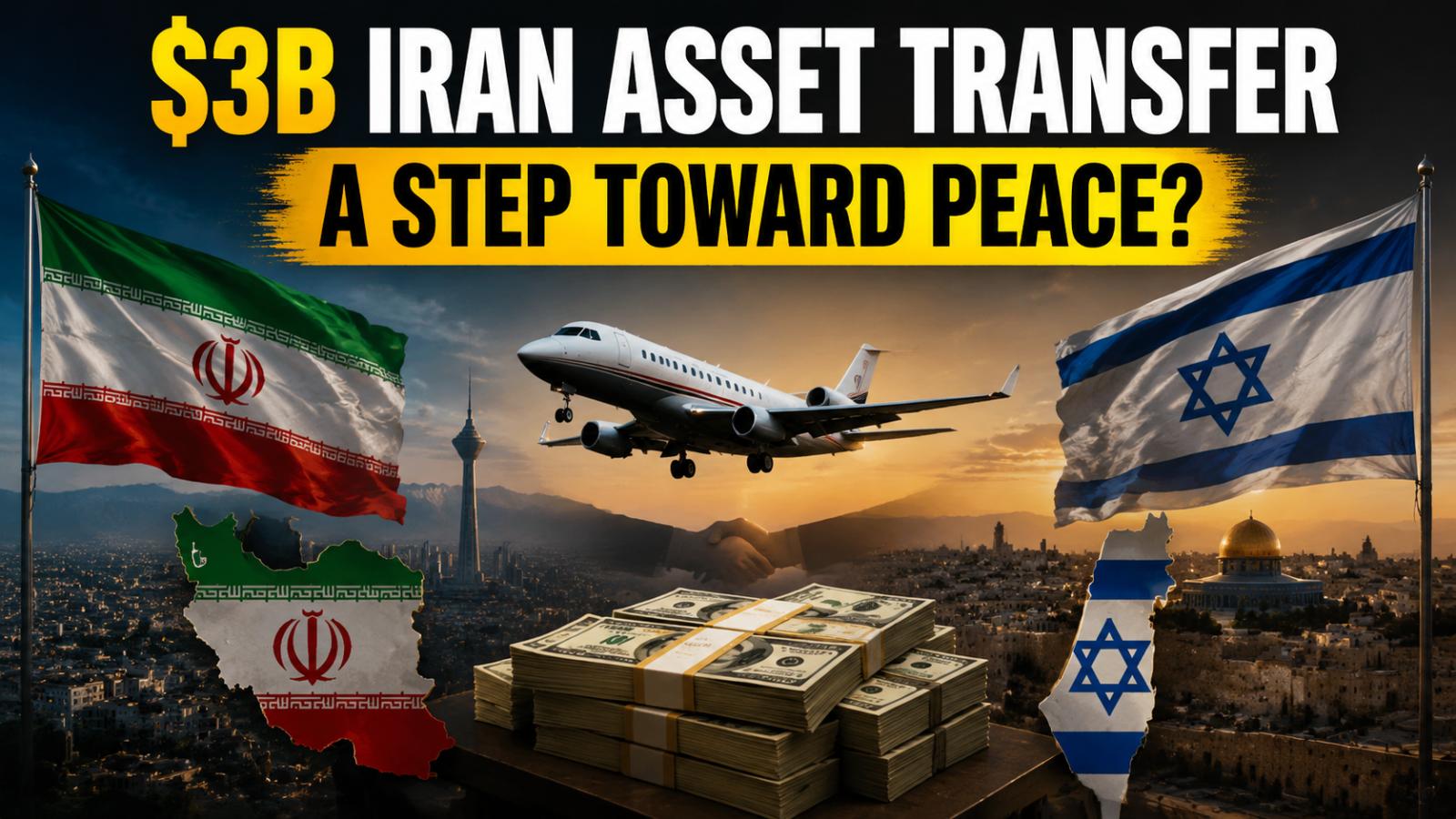
$3 billion in Iranian assets were reportedly moved from Abu Dhabi to Tehran in a bid to reduce rising tensions with Israel. The transfer was carried out on a private Boeing 737, accompanied by a message urging Israel to temporarily halt military strikes. Mediation efforts by US intermediaries and Qatar coincided with ongoing fragile ceasefire discussions between the two nations. Flight and fund details
Iran-us $3b fund transfer seeks calm with Israel
$3 billion in Iranian assets were reportedly moved from Abu Dhabi to Tehran in a bid to reduce rising tensions with Israel. The transfer was carried out on a private Boeing 737, accompanied by a message urging Israel to temporarily halt military strikes. Mediation efforts by US intermediaries and Qatar coincided with ongoing fragile ceasefire discussions between the two nations. Flight and fund details
Iran warns Gulf nations to stop US and Israel attacks
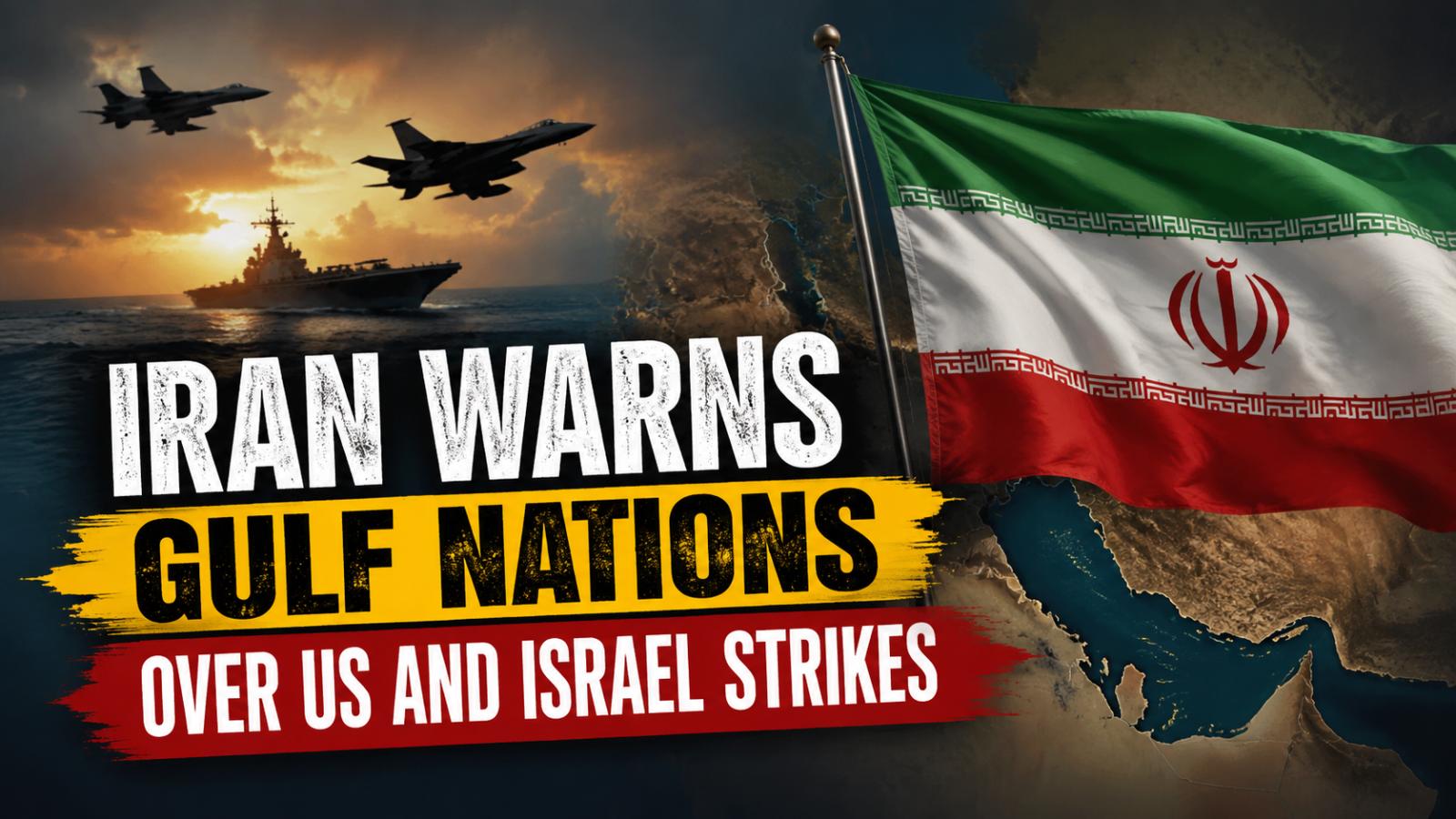
On Wednesday, June 10, Iran’s foreign ministry issued a statement calling on Persian Gulf countries to take active steps to prevent attacks by the United States and Israel from their territories. Tehran emphasized that Gulf states have both legal and moral responsibilities to block foreign military operations and maintain regional stability. Gulf nations’ obligations According to Iran, countr
Iran warns Gulf nations to stop US and Israel attacks
On Wednesday, June 10, Iran’s foreign ministry issued a statement calling on Persian Gulf countries to take active steps to prevent attacks by the United States and Israel from their territories. Tehran emphasized that Gulf states have both legal and moral responsibilities to block foreign military operations and maintain regional stability. Gulf nations’ obligations According to Iran, countr
US Military Conducts Self-Defense Strikes on Iranian Missile Sites
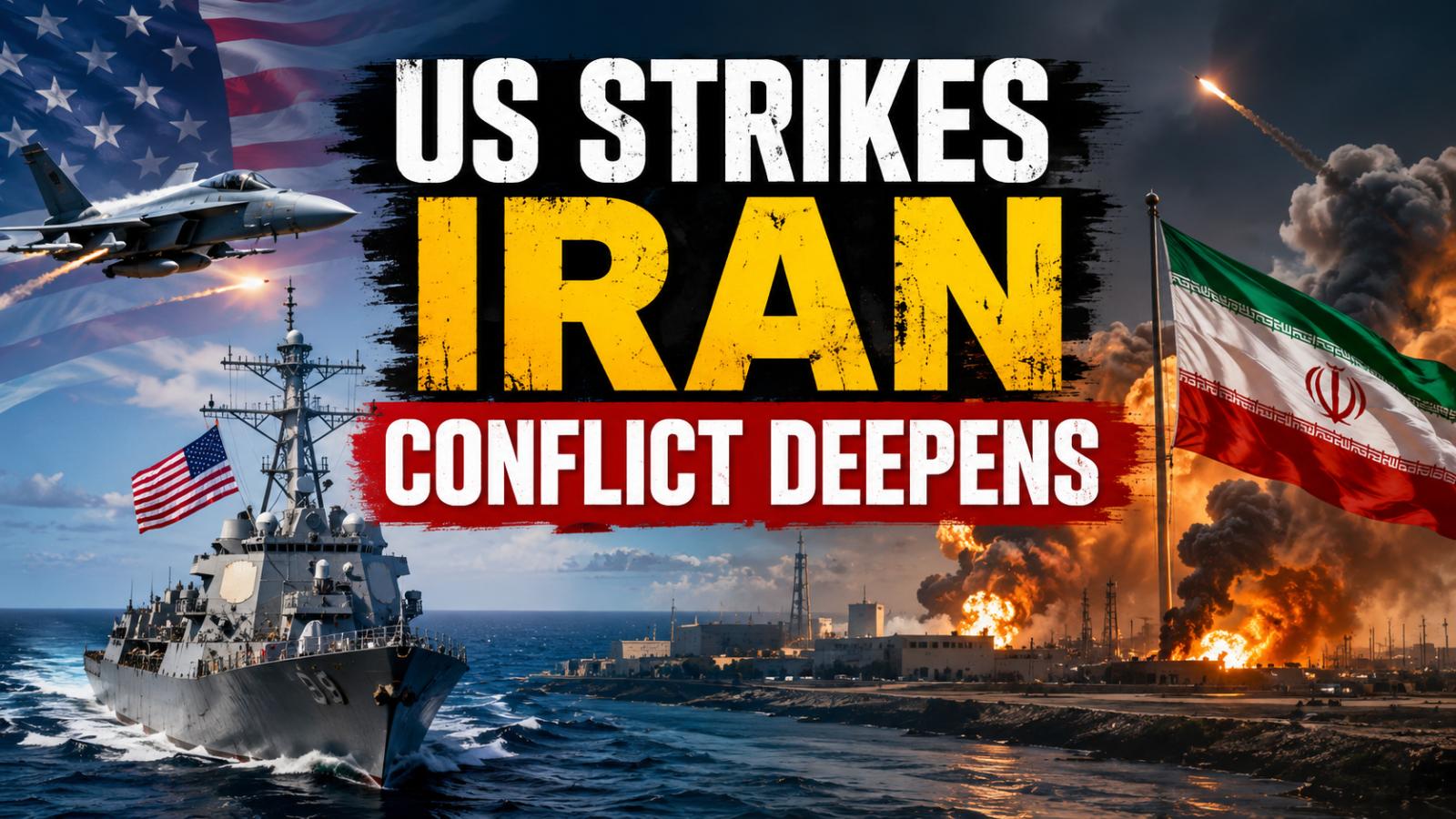
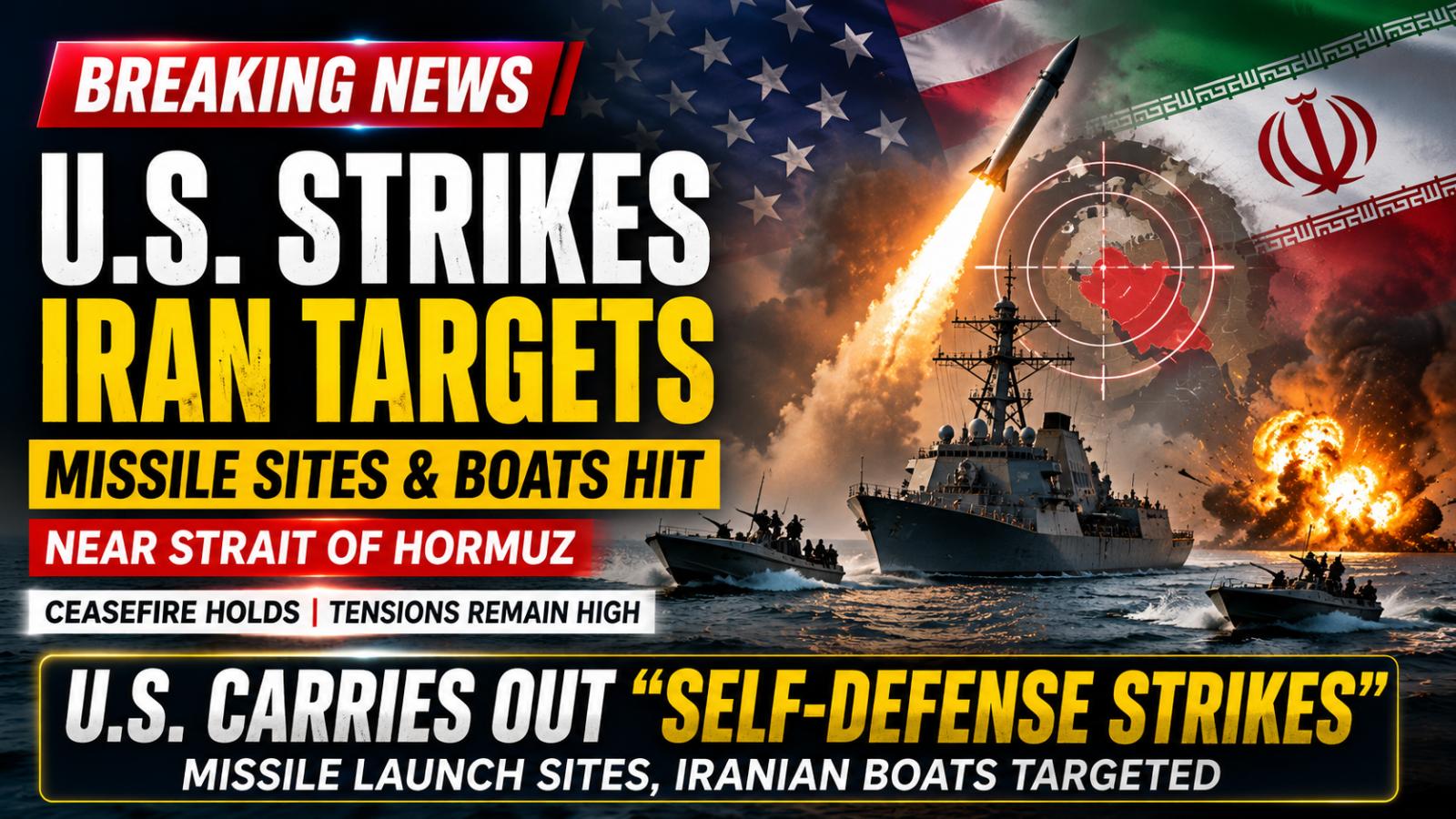
US Military Conducts Strikes on Iranian Targets The US military carried out “self-defense strikes” on Iranian missile launch sites and naval assets near the Strait of Hormuz on Monday, May 25, while a ceasefire remained in effect. According to US Central Command, the operations aimed to protect American forces from potential threats posed by Iranian military activity. Targets reportedly included missile
US Military Conducts Self-Defense Strikes on Iranian Missile Sites
US Military Conducts Strikes on Iranian Targets The US military carried out “self-defense strikes” on Iranian missile launch sites and naval assets near the Strait of Hormuz on Monday, May 25, while a ceasefire remained in effect. According to US Central Command, the operations aimed to protect American forces from potential threats posed by Iranian military activity. Targets reportedly included missile
Trump’s Project Freedom sparks Iran warning amid Strait of Hormuz crisis
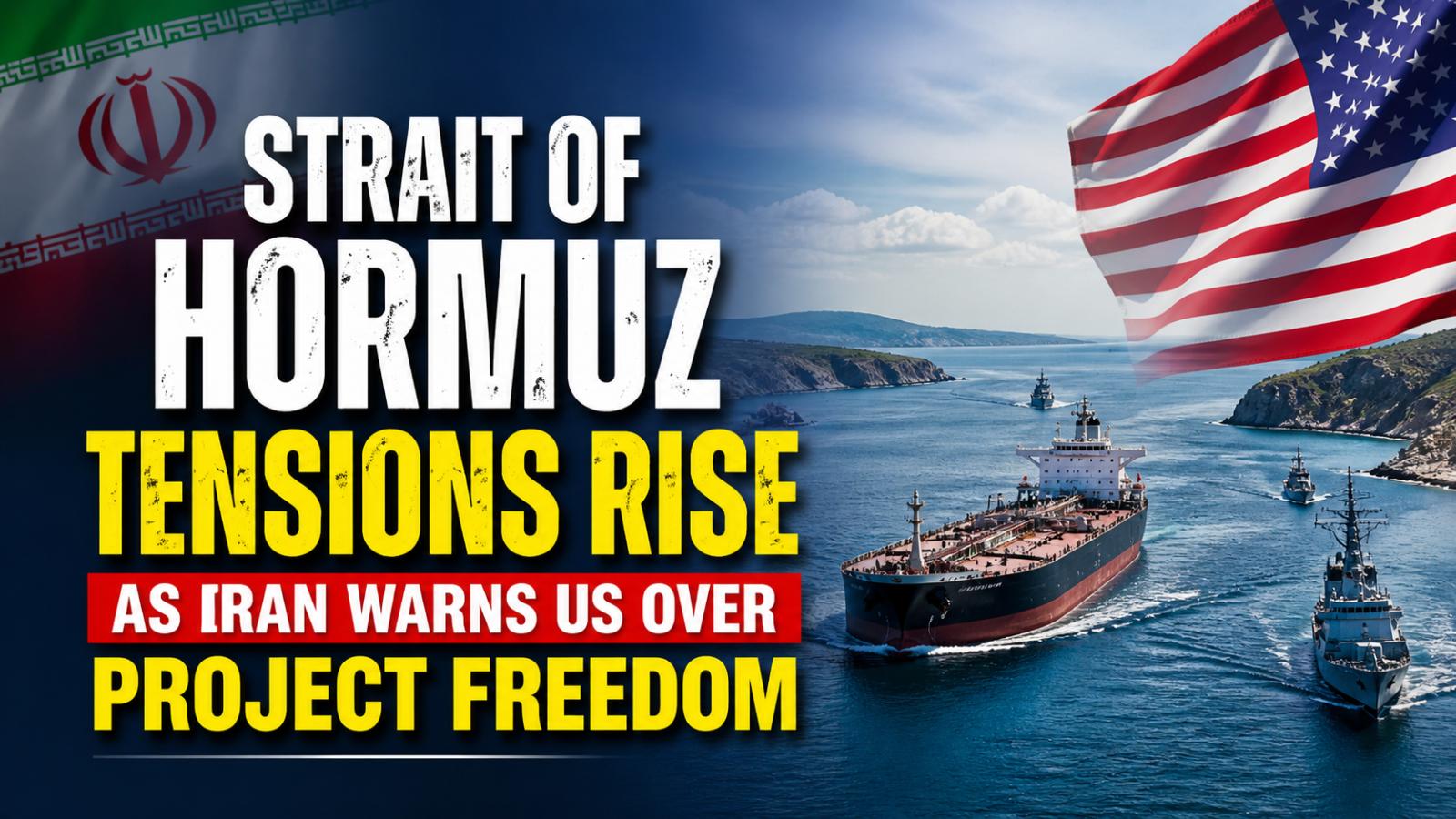
The Strait of Hormuz crisis has intensified after Ebrahim Azizi warned that any US intervention would be treated as a ceasefire violation. His remarks came in response to Donald Trump’s announcement of Project Freedom, a naval initiative aimed at guiding merchant vessels through the strategically vital w
Trump’s Project Freedom sparks Iran warning amid Strait of Hormuz crisis
The Strait of Hormuz crisis has intensified after Ebrahim Azizi warned that any US intervention would be treated as a ceasefire violation. His remarks came in response to Donald Trump’s announcement of Project Freedom, a naval initiative aimed at guiding merchant vessels through the strategically vital w
Iran’s Mojtaba Khamenei calls US bases “paper tigers” amid Gulf tensions
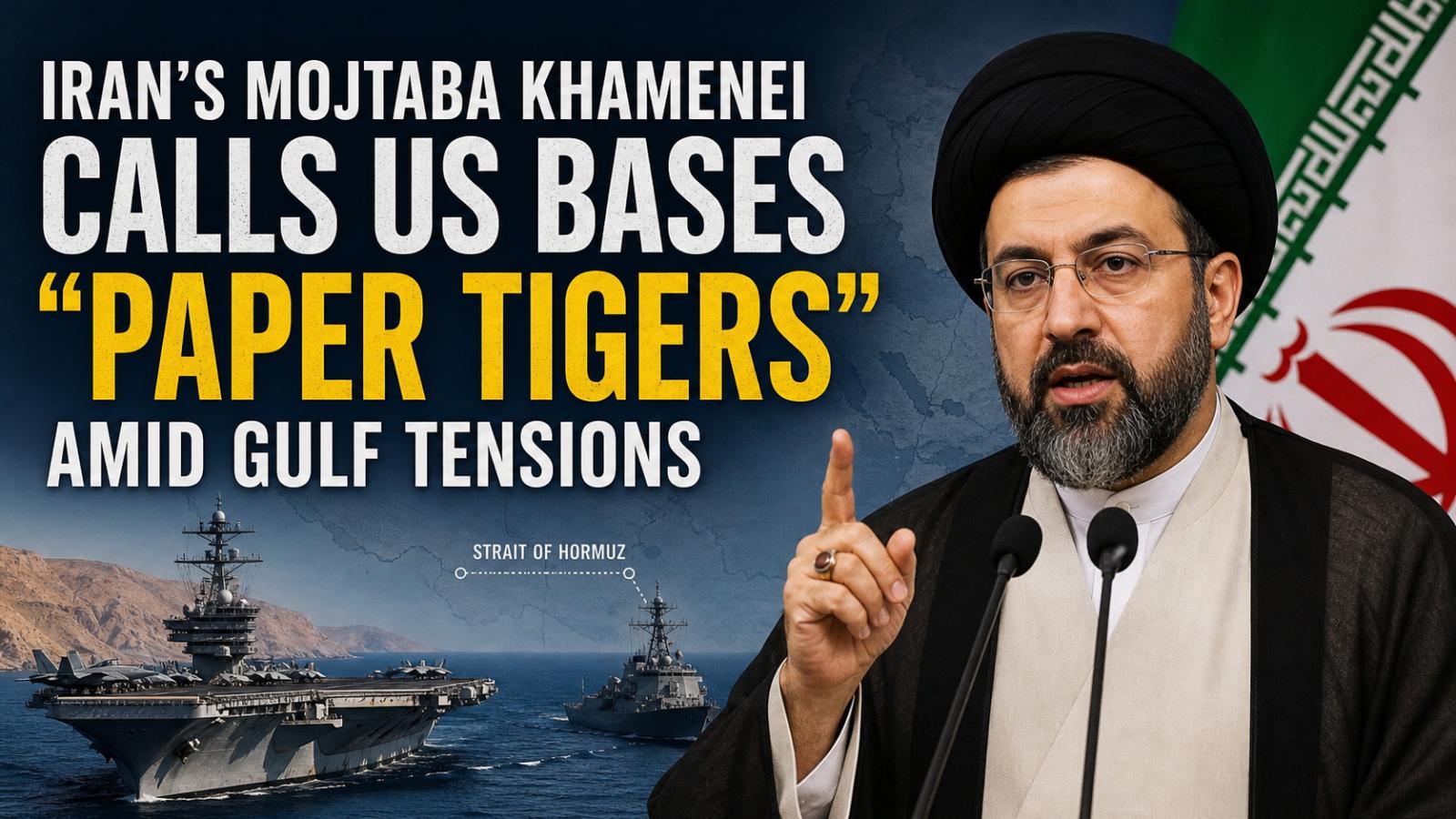
Iran’s Mojtaba Khamenei called US bases “paper tigers” on Friday, May 1, 2026, criticizing American presence in the Persian Gulf and linking it to regional insecurity amid rising Strait of Hormuz tensions Iran’s Mojtaba Khamenei calls US bases “paper tigers” amid Gulf tensions as Mojtaba Khamenei sharply criticized the United States’ military presence in the
Iran’s Mojtaba Khamenei calls US bases “paper tigers” amid Gulf tensions
Iran’s Mojtaba Khamenei called US bases “paper tigers” on Friday, May 1, 2026, criticizing American presence in the Persian Gulf and linking it to regional insecurity amid rising Strait of Hormuz tensions Iran’s Mojtaba Khamenei calls US bases “paper tigers” amid Gulf tensions as Mojtaba Khamenei sharply criticized the United States’ military presence in the
Putin and Trump discuss Iran tensions and Ukraine in lengthy phone call
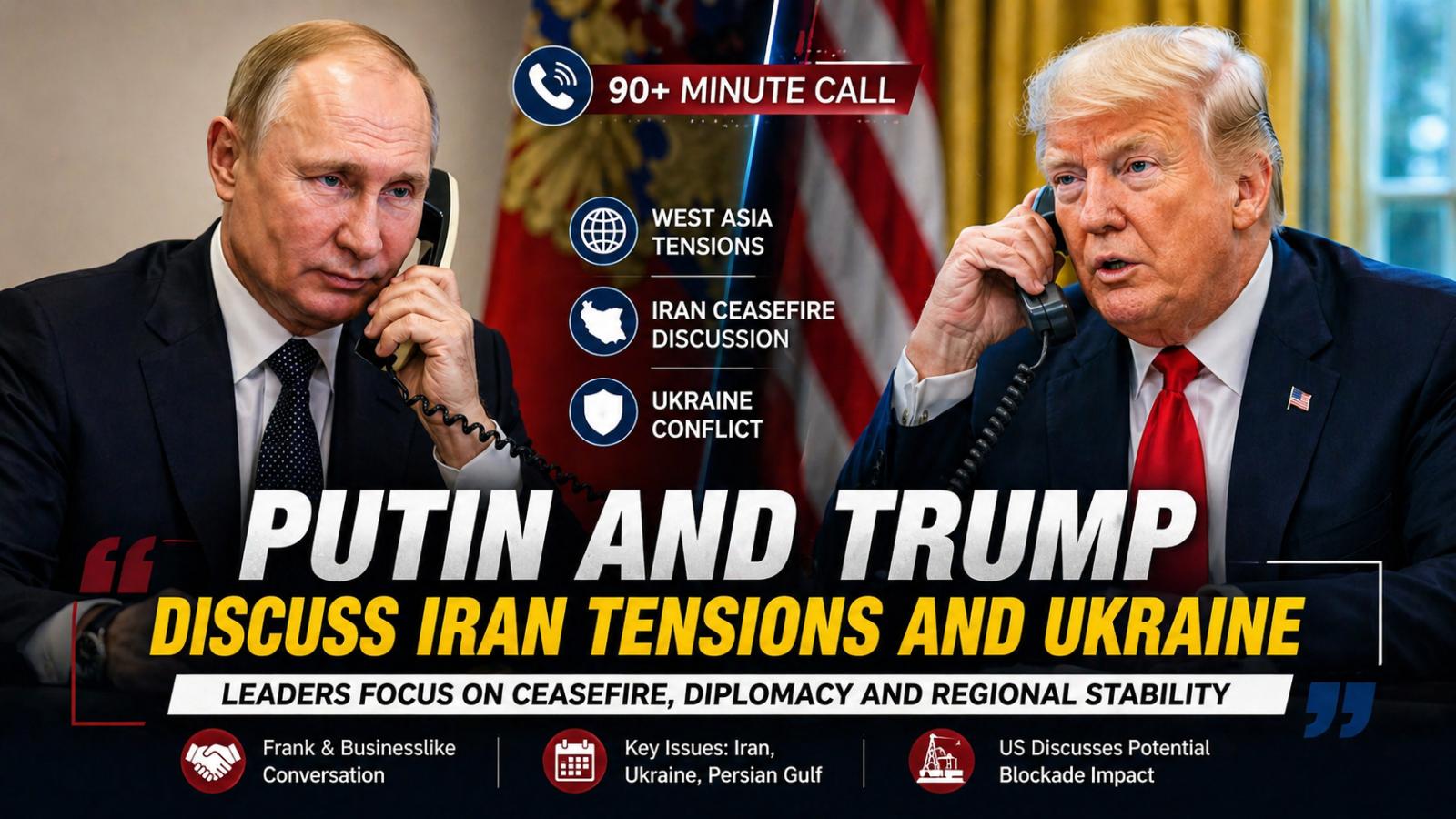
Russian President Vladimir Putin and US President Donald Trump held a 90-minute call on Iran, Ukraine, and Gulf tensions, discussing ceasefire efforts, diplomacy, and possible US actions on Iranian ports. Putin and Trump discuss Iran tensions and Ukraine in lengthy phone call as Vladimir Putin held a phone conversation with Donald Trump addressing ongoing conflicts in West Asia and Ukraine, according to statements from the Kremlin. The discussion, confirmed by aide Yuri Ushakov on Wednesday, lasted more than 90 minutes and was described as both “frank” and “businesslike,” reflecting the seriousness of the geopolitical issues involved. A central topic of the conversation was the situation in Iran and the broader Persian Gulf. Putin reportedly welcomed Trump’s decision to extend a ceasefire involving Iran, emphasizing that the move could provide critical time for diplomatic negotiations and help reduce escalating tensions across the region. The call highlighted mutual concerns about stability in key global energy corridors and the potential consequences of prolonged conflict. According to a White House official, Trump also discussed strategies with U.S. oil companies to mitigate the economic and logistical impact of a possible long-term U.S. blockade targeting Iranian ports. The potential blockade, which could last for months, is part of broader efforts to pressure Tehran amid ongoing disputes over regional security and nuclear negotiations. During the conversation, Trump urged Iranian leadership to act swiftly, signaling that diplomatic opportunities remain open but limited. His remarks underscored Washington’s push for a negotiated agreement while maintaining pressure through economic and strategic measures. The exchange between the two leaders reflects continued engagement between the United States and Russia on key international crises, even amid broader tensions in bilateral relations.
Putin and Trump discuss Iran tensions and Ukraine in lengthy phone call
Russian President Vladimir Putin and US President Donald Trump held a 90-minute call on Iran, Ukraine, and Gulf tensions, discussing ceasefire efforts, diplomacy, and possible US actions on Iranian ports. Putin and Trump discuss Iran tensions and Ukraine in lengthy phone call as Vladimir Putin held a phone conversation with Donald Trump addressing ongoing conflicts in West Asia and Ukraine, according to statements from the Kremlin. The discussion, confirmed by aide Yuri Ushakov on Wednesday, lasted more than 90 minutes and was described as both “frank” and “businesslike,” reflecting the seriousness of the geopolitical issues involved. A central topic of the conversation was the situation in Iran and the broader Persian Gulf. Putin reportedly welcomed Trump’s decision to extend a ceasefire involving Iran, emphasizing that the move could provide critical time for diplomatic negotiations and help reduce escalating tensions across the region. The call highlighted mutual concerns about stability in key global energy corridors and the potential consequences of prolonged conflict. According to a White House official, Trump also discussed strategies with U.S. oil companies to mitigate the economic and logistical impact of a possible long-term U.S. blockade targeting Iranian ports. The potential blockade, which could last for months, is part of broader efforts to pressure Tehran amid ongoing disputes over regional security and nuclear negotiations. During the conversation, Trump urged Iranian leadership to act swiftly, signaling that diplomatic opportunities remain open but limited. His remarks underscored Washington’s push for a negotiated agreement while maintaining pressure through economic and strategic measures. The exchange between the two leaders reflects continued engagement between the United States and Russia on key international crises, even amid broader tensions in bilateral relations.
What sanctions did the U.S. impose on China-linked oil trade? The move targets refinery and tankers tied to Iran
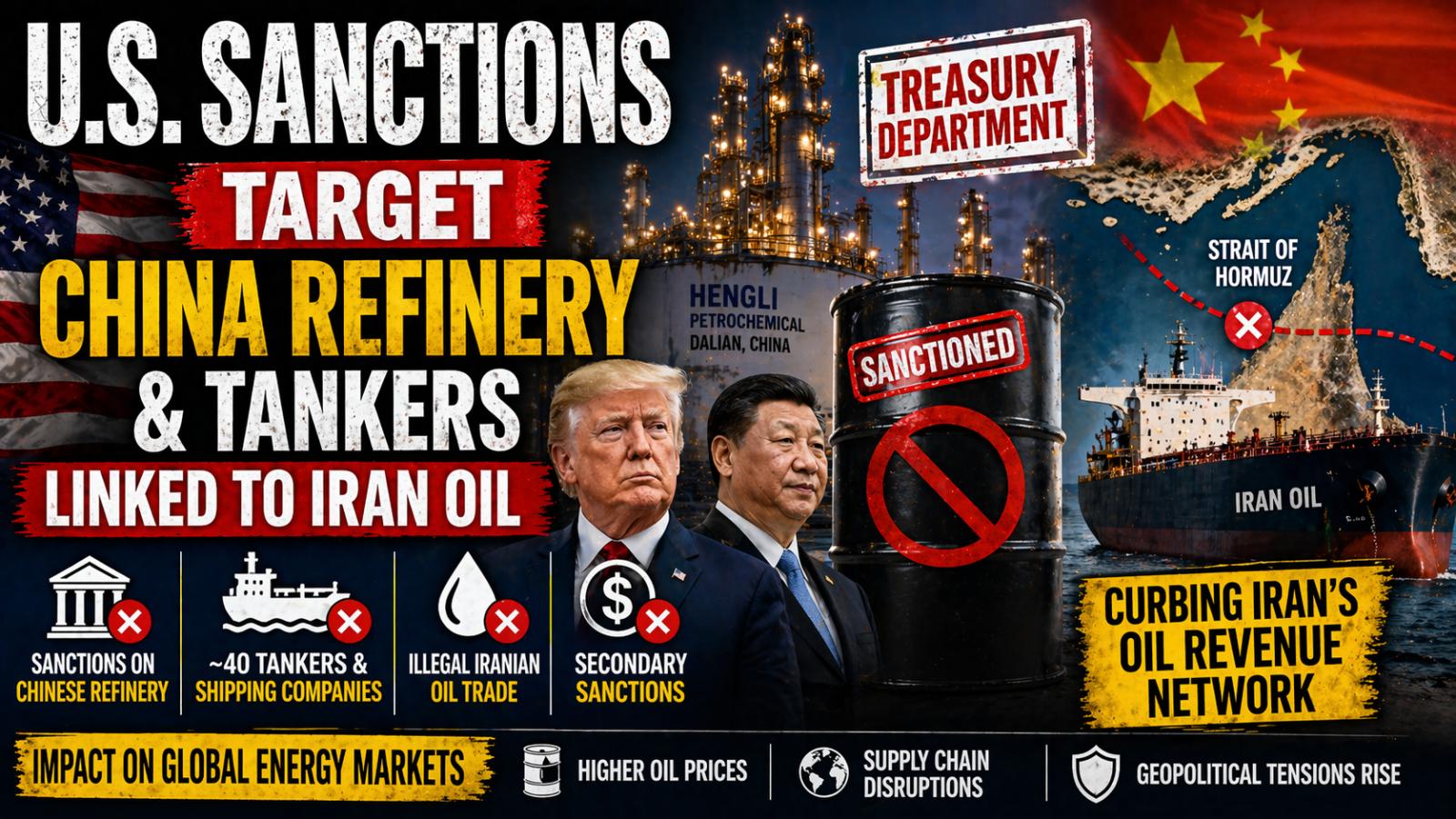
The United States has imposed sweeping new sanctions targeting a China-linked oil trade network tied to Iran, focusing on a major refinery and dozens of shipping entities. Announced on Friday, April 25, 2026, the measures aim to disrupt Tehran’s oil revenue streams by penalizing companies involved in transporting and processing Iranian crude, reinforcing Washington’s broader use of secondary sanctions. Targeting key nodes in Iran’s oil supply chain Among those sanctioned is Hengli Petrochemical’s large refinery in Dalian, China, which has the capacity to process about 400,000 barrels of crude oil per day. The U.S. Treasury Department said the facility has accepted Iranian crude shipments since 2023, generating substantial revenue that allegedly supports Iran’s military. Officials indicated the action is part of a wider strategy to dismantle networks of vessels, intermediaries, and buyers enabling Iranian oil exports. Escalating pressure amid geopolitical tensions The sanctions come just weeks before a planned meeting between U.S. President Donald Trump and Chinese President Xi Jinping in China, adding strain to an already complex economic relationship. Earlier in April 2026, U.S. officials issued warnings to financial institutions in China, Hong Kong, the United Arab Emirates, and Oman about potential penalties for facilitating Iranian transactions. Treasury Secretary Scott Bessent said the administration is prepared to apply stringent secondary sanctions to entities involved in such dealings. Impact on global energy flows and shipping routes These developments coincide with broader disruptions in global energy markets. Earlier in April 2026, the U.S. implemented a physical blockade of the Strait of Hormuz, a critical passage for oil shipments from the Persian Gulf. The move has contributed to rising oil prices and heightened uncertainty across energy markets, though U.S. authorities have issued limited waivers to ease immediate supply concerns. China’s response and global compliance concerns China remains the largest importer of Iranian oil and has consistently opposed U.S. sanctions, arguing they undermine international trade rules. Despite this position, many Chinese firms and banks continue to comply due to their reliance on the U.S.-dominated financial system. Chinese officials have previously criticized such sanctions as disruptive to legitimate economic activity, highlighting ongoing tensions over trade enforcement and global energy flows.
What sanctions did the U.S. impose on China-linked oil trade? The move targets refinery and tankers tied to Iran
The United States has imposed sweeping new sanctions targeting a China-linked oil trade network tied to Iran, focusing on a major refinery and dozens of shipping entities. Announced on Friday, April 25, 2026, the measures aim to disrupt Tehran’s oil revenue streams by penalizing companies involved in transporting and processing Iranian crude, reinforcing Washington’s broader use of secondary sanctions. Targeting key nodes in Iran’s oil supply chain Among those sanctioned is Hengli Petrochemical’s large refinery in Dalian, China, which has the capacity to process about 400,000 barrels of crude oil per day. The U.S. Treasury Department said the facility has accepted Iranian crude shipments since 2023, generating substantial revenue that allegedly supports Iran’s military. Officials indicated the action is part of a wider strategy to dismantle networks of vessels, intermediaries, and buyers enabling Iranian oil exports. Escalating pressure amid geopolitical tensions The sanctions come just weeks before a planned meeting between U.S. President Donald Trump and Chinese President Xi Jinping in China, adding strain to an already complex economic relationship. Earlier in April 2026, U.S. officials issued warnings to financial institutions in China, Hong Kong, the United Arab Emirates, and Oman about potential penalties for facilitating Iranian transactions. Treasury Secretary Scott Bessent said the administration is prepared to apply stringent secondary sanctions to entities involved in such dealings. Impact on global energy flows and shipping routes These developments coincide with broader disruptions in global energy markets. Earlier in April 2026, the U.S. implemented a physical blockade of the Strait of Hormuz, a critical passage for oil shipments from the Persian Gulf. The move has contributed to rising oil prices and heightened uncertainty across energy markets, though U.S. authorities have issued limited waivers to ease immediate supply concerns. China’s response and global compliance concerns China remains the largest importer of Iranian oil and has consistently opposed U.S. sanctions, arguing they undermine international trade rules. Despite this position, many Chinese firms and banks continue to comply due to their reliance on the U.S.-dominated financial system. Chinese officials have previously criticized such sanctions as disruptive to legitimate economic activity, highlighting ongoing tensions over trade enforcement and global energy flows.
Iran rift exposed after firing on Indian ships in Strait of Hormuz
Tensions within Iran’s leadership structure came
Iran rift exposed after firing on Indian ships in Strait of Hormuz
Tensions within Iran’s leadership structure came
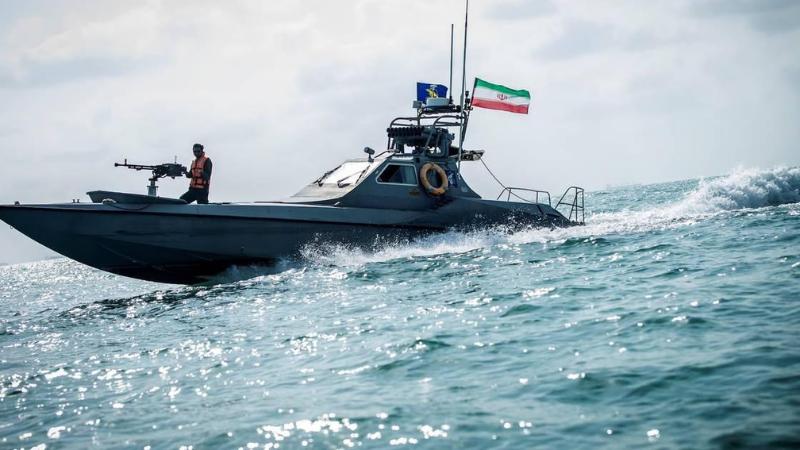
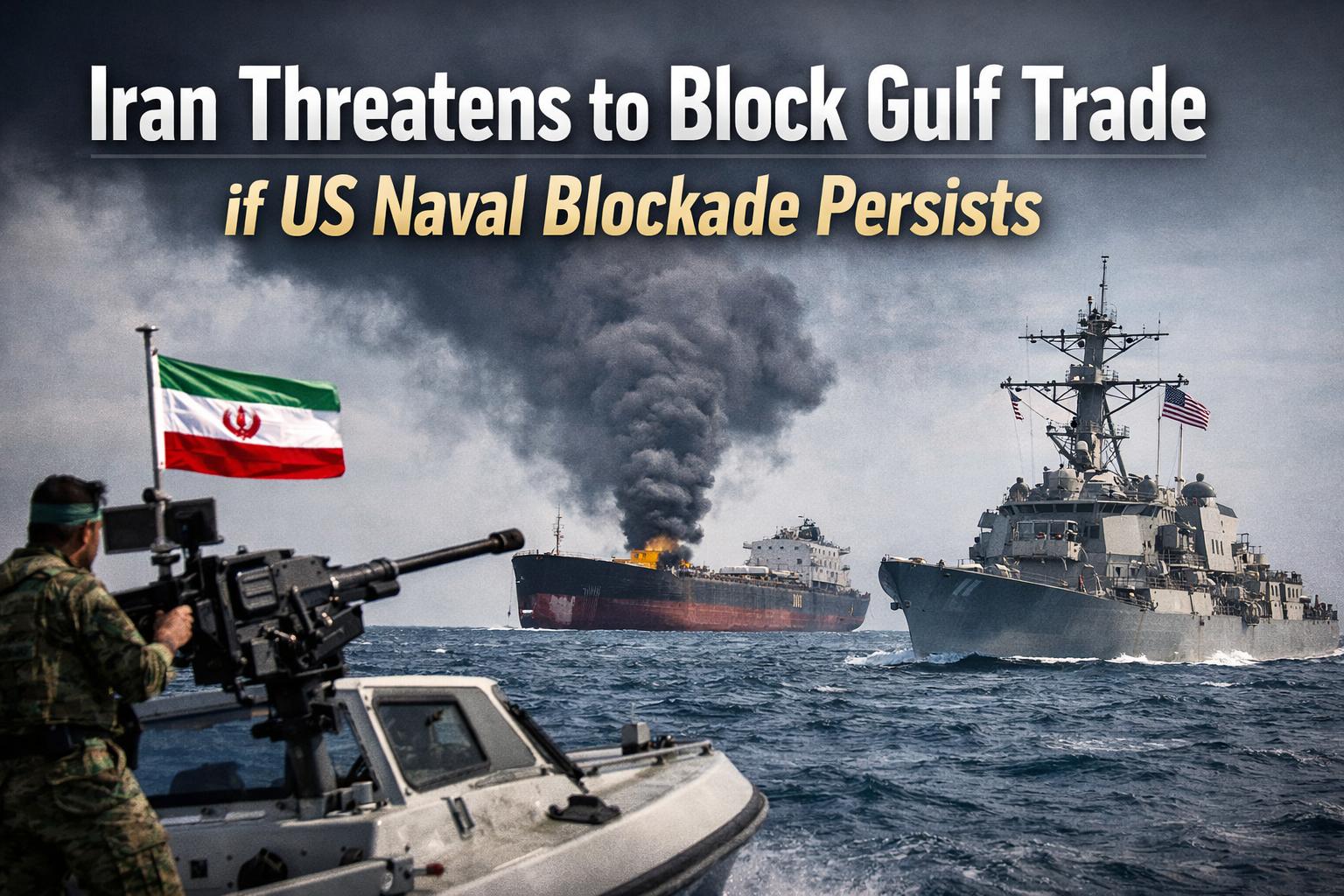
Iran threatens to halt Gulf trade if US naval blockade continues
Iran has issued a warning that it may escalate tensions with the United States by blocking major international shipping routes if a US naval blockade targeting its vessels continues. The statement, broadcast on state television, came from Ali Abdollahi, commander of the Khatam al-Anbiya Central Headquarters,

Iran threatens to halt Gulf trade if US naval blockade continues
Iran has issued a warning that it may escalate tensions with the United States by blocking major international shipping routes if a US naval blockade targeting its vessels continues. The statement, broadcast on state television, came from Ali Abdollahi, commander of the Khatam al-Anbiya Central Headquarters,

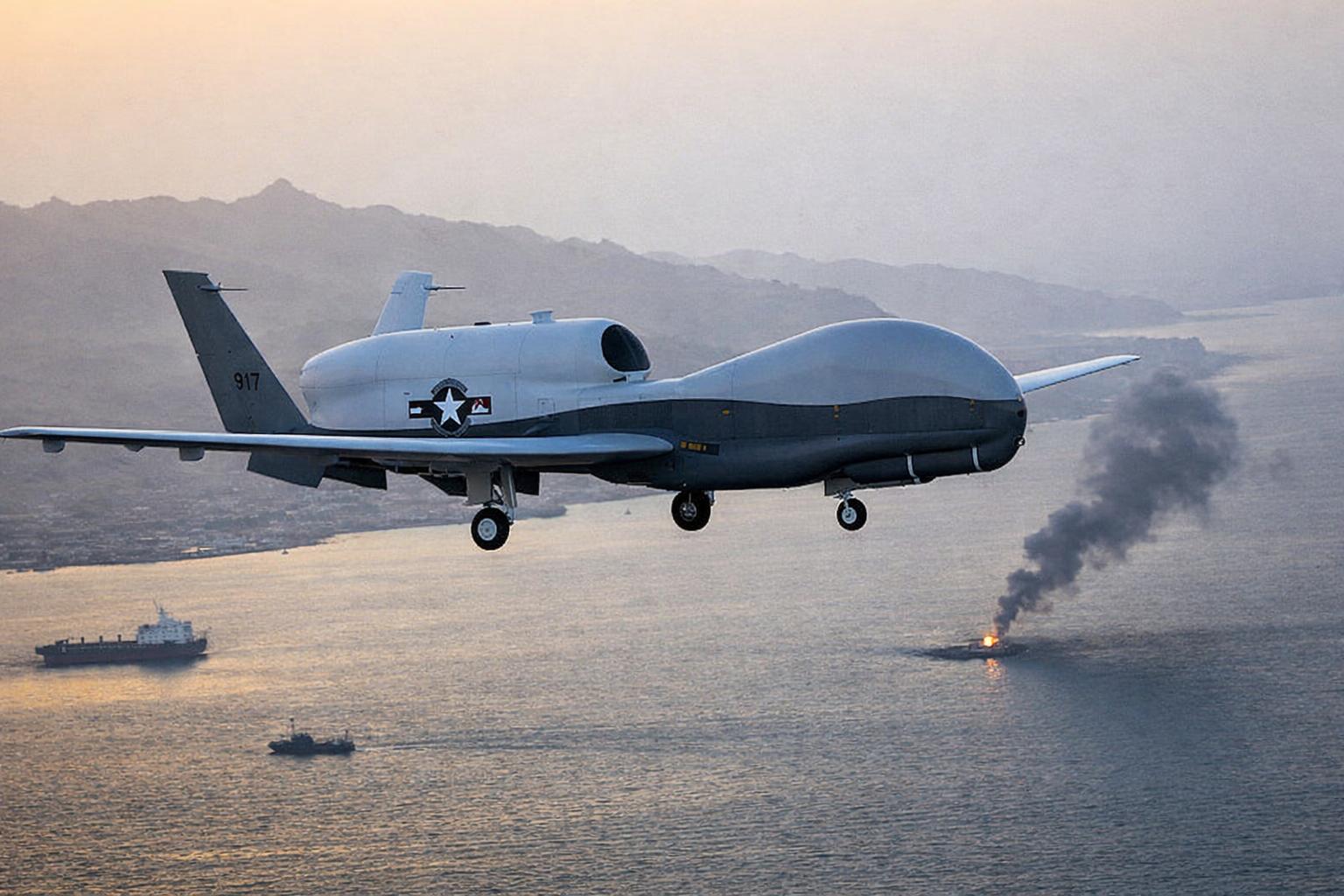
US Navy MQ-4C Triton drone disappears over Strait of Hormuz after emergency
A U.S. Navy MQ-4C Triton surveillance drone disappeared over the Strait of Hormuz after declaring an in-flight emergency on Thursday, April 9, raising uncertainty about its fate amid ongoing regional tensions involving Iran and key maritime routes. Flight tracking data from Flightradar24 indicates the unmanned aircraft had been conducting surveillance operations over the Persian Gulf for nearly three hours before beginning its return to Naval Air Station Sigonella in Italy. During its
US Navy MQ-4C Triton drone disappears over Strait of Hormuz after emergency
A U.S. Navy MQ-4C Triton surveillance drone disappeared over the Strait of Hormuz after declaring an in-flight emergency on Thursday, April 9, raising uncertainty about its fate amid ongoing regional tensions involving Iran and key maritime routes. Flight tracking data from Flightradar24 indicates the unmanned aircraft had been conducting surveillance operations over the Persian Gulf for nearly three hours before beginning its return to Naval Air Station Sigonella in Italy. During its
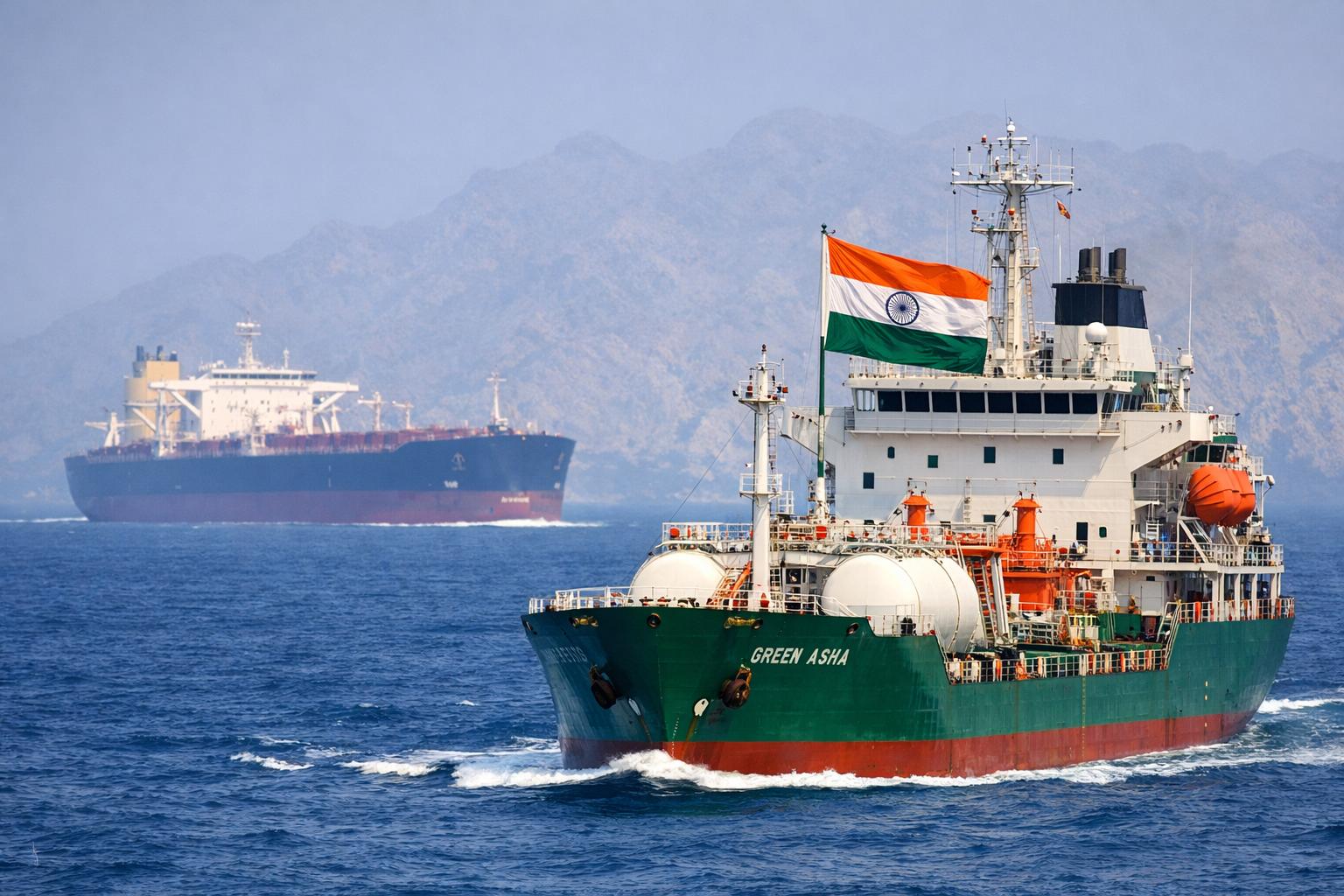
India confirms seafarers safe amid Strait of Hormuz tensions and oil surge
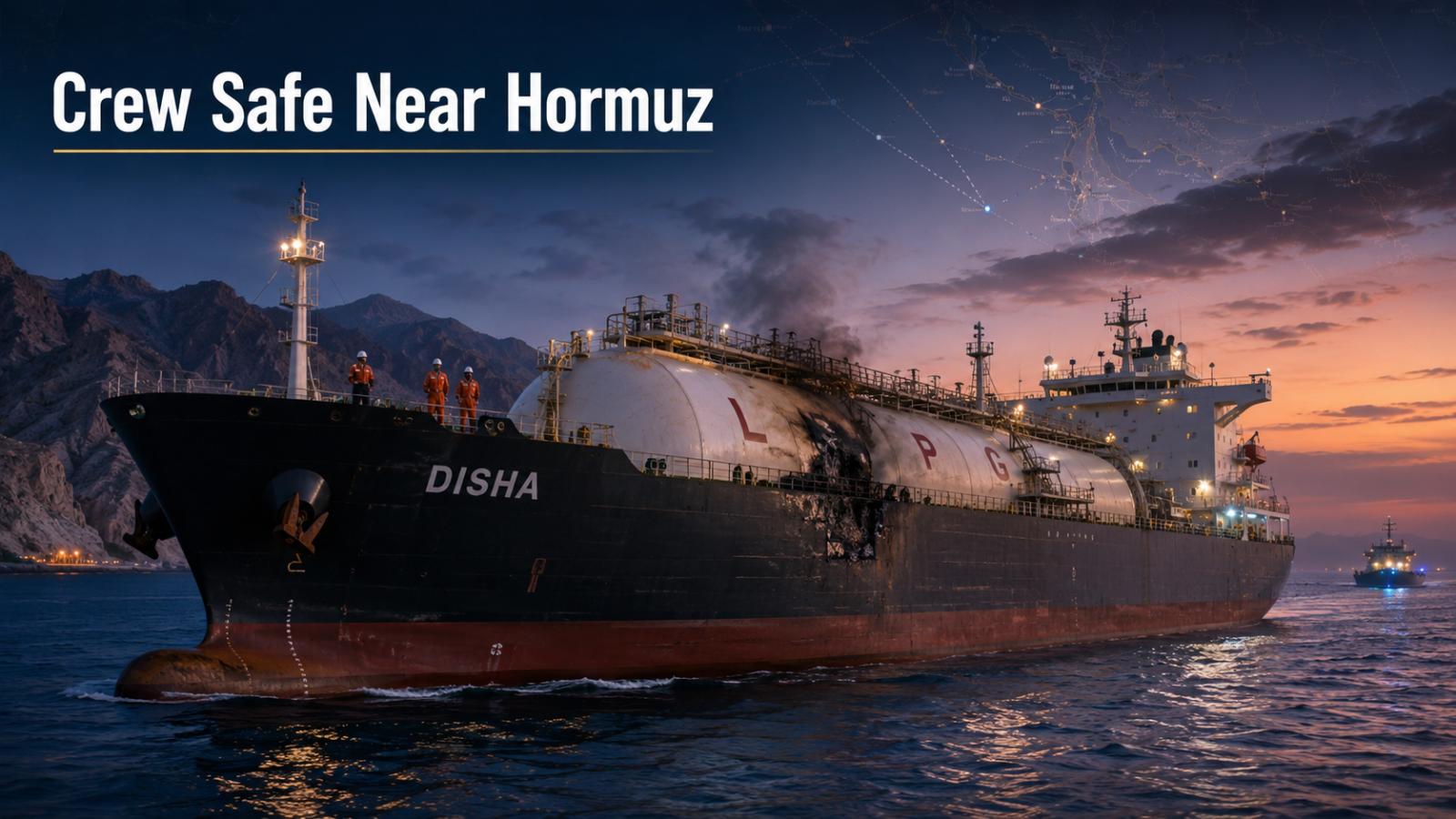
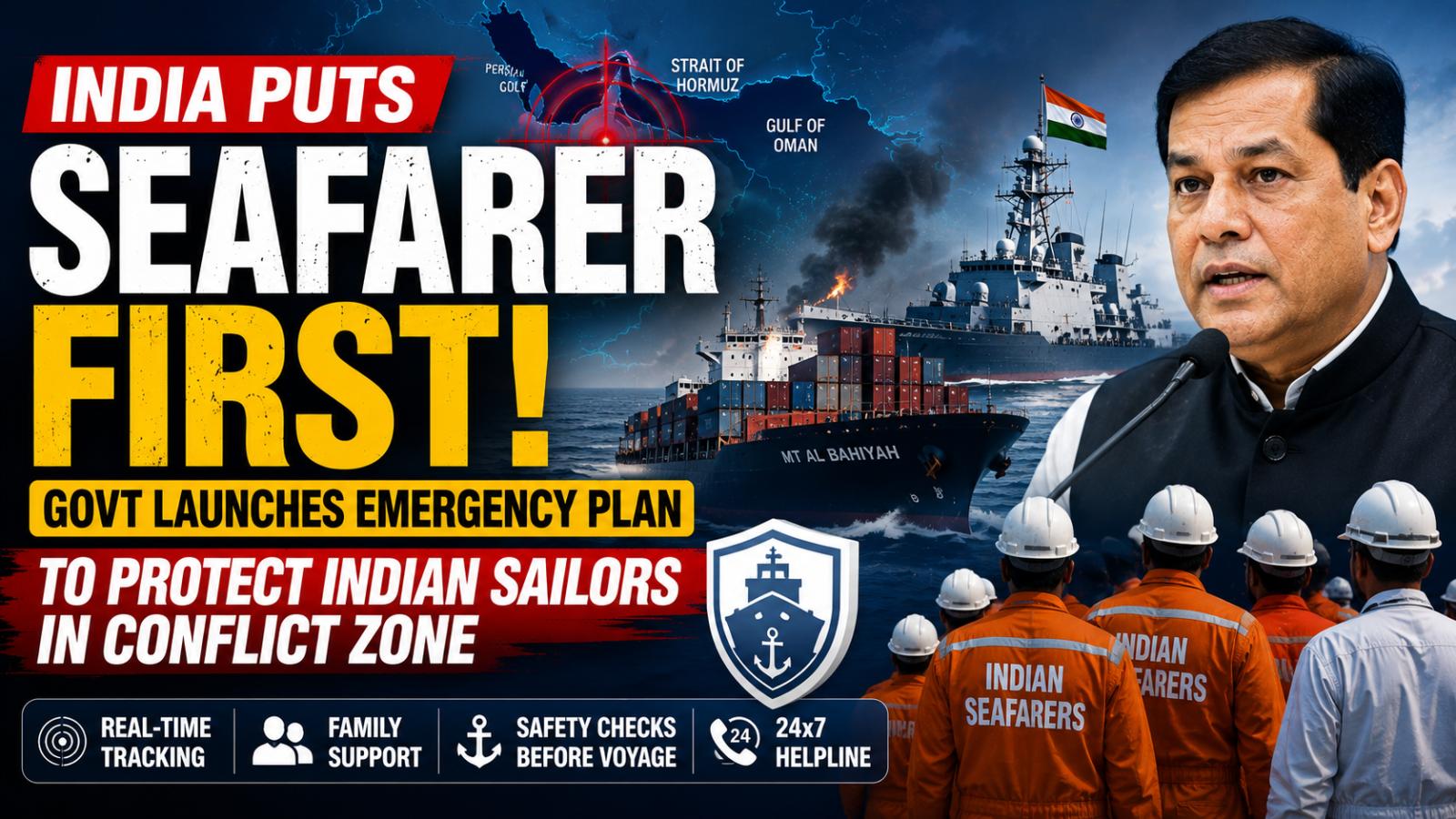
At an inter-ministerial press conference held on Monday, April 6, 2026, in India (IST), Mukesh Mangal, Secretary in the Ministry of Ports, Shipping and Waterways, confirmed that Indian seafarers operating in the conflict-affected West Asia region remain safe, even as escalating geopolitical tensions continue to disrupt global energy markets. Mangal stated that no incidents involving Indian-flagged vessels had been reported in the preceding 24 hours, underscoring the government’s ong
India confirms seafarers safe amid Strait of Hormuz tensions and oil surge
At an inter-ministerial press conference held on Monday, April 6, 2026, in India (IST), Mukesh Mangal, Secretary in the Ministry of Ports, Shipping and Waterways, confirmed that Indian seafarers operating in the conflict-affected West Asia region remain safe, even as escalating geopolitical tensions continue to disrupt global energy markets. Mangal stated that no incidents involving Indian-flagged vessels had been reported in the preceding 24 hours, underscoring the government’s ong
US–Israel–Iran War | Iran denies talks with US as Gulf tensions escalate and Strait deadline expires
As the conflict in the Middle East enters its fourth week, Iran has firmly denied engaging in any negotiations or discussions with the United States since the hostilities began, contradicting recent remarks by US President Donald Trump. The Iranian government’s statement comes after Trump publicly claimed that Washington and Tehran had held “very good and productive conversations” aimed at achieving a comprehensive resolution to the ongoing crisis. Iranian officials dismissed the assertion
US–Israel–Iran War | Iran denies talks with US as Gulf tensions escalate and Strait deadline expires
As the conflict in the Middle East enters its fourth week, Iran has firmly denied engaging in any negotiations or discussions with the United States since the hostilities began, contradicting recent remarks by US President Donald Trump. The Iranian government’s statement comes after Trump publicly claimed that Washington and Tehran had held “very good and productive conversations” aimed at achieving a comprehensive resolution to the ongoing crisis. Iranian officials dismissed the assertion
US–Israel–Iran War | Mojtaba Khamenei warns of more attacks on US bases after becoming Iran’s Supreme Leader
Iran’s newly appointed Supreme Leader Mojtaba Khamenei delivered a strong and defiant message in his first public statement since assuming the country’s highest leadership position, warning that Iran will continue responding to what it describes as hostile actions by the United States and its allies. In the message broadcast on state television on Thursday, March 12, Khamenei vowed revenge for what he called crimes committed against Iran and signaled that attacks linked to ongoing regional t
US–Israel–Iran War | Mojtaba Khamenei warns of more attacks on US bases after becoming Iran’s Supreme Leader
Iran’s newly appointed Supreme Leader Mojtaba Khamenei delivered a strong and defiant message in his first public statement since assuming the country’s highest leadership position, warning that Iran will continue responding to what it describes as hostile actions by the United States and its allies. In the message broadcast on state television on Thursday, March 12, Khamenei vowed revenge for what he called crimes committed against Iran and signaled that attacks linked to ongoing regional t
Iran Outlines 3 Conditions to End War With US and Israel Amid Ongoing Conflict
In a bold move to end the ongoing war with the United
Iran Outlines 3 Conditions to End War With US and Israel Amid Ongoing Conflict
In a bold move to end the ongoing war with the United
Indian Sailor Killed in Iranian Drone Attack on US-Owned Oil Tanker, 15 Crew Evacuated
In a tragic development amidst the ongoing conflict in West Asia, an Indian sailor was killed following an underwater drone attack on the US-owned crude oil tanker, Safesea Vishnu. The attack occurred near Basra, Iraq, on March 12, 2026, as the vessel was entering the Persian Gulf. Iranian forces have claimed responsibility for the strike, which also targeted another vessel, the Maltese-flagged Zefyros. Iranian state broadcaster IRIB reported that the attack resulted in an explosion that damaged both tankers. The Indian Embassy in Iraq confirmed the death of the Indian crew member and stated that a total of 38 crew members were rescued from the two ships. Among the rescued were 15 Indian sailors, all of whom were evacuated to safety. The embassy expressed its condolences to the family of the deceased sailor and stated that it was in regular contact with Iraqi authorities and the rescued sailors to offer assistance. As tensions rise in the Strait of Hormuz, the Iranian Revolutionary Guard Corps (IRGC) has indicated that it views such economic infrastructure, including oil tankers, as legitimate targets due to its association with the US and Israel. The attack underscores the increasing risks to commercial shipping in the region, as multiple incidents have been reported involving "unknown projectiles" targeting vessels. The Indian Ministry of External Affairs (MEA) has condemned the escalation of attacks on commercial ships and reiterated its concern over the safety of Indian citizens in the region. Meanwhile, diplomatic efforts by India have yielded some success, as Iran allowed an Indian crude vessel to pass through the Strait of Hormuz without incident. This incident marks another chapter in the intensifying conflict between Iran, the US, and Israel, further destabilizing the vital shipping routes in the Persian Gulf. The international community continues to monitor the situation closely, with increasing concerns over the safety of maritime trade in the region
Indian Sailor Killed in Iranian Drone Attack on US-Owned Oil Tanker, 15 Crew Evacuated
In a tragic development amidst the ongoing conflict in West Asia, an Indian sailor was killed following an underwater drone attack on the US-owned crude oil tanker, Safesea Vishnu. The attack occurred near Basra, Iraq, on March 12, 2026, as the vessel was entering the Persian Gulf. Iranian forces have claimed responsibility for the strike, which also targeted another vessel, the Maltese-flagged Zefyros. Iranian state broadcaster IRIB reported that the attack resulted in an explosion that damaged both tankers. The Indian Embassy in Iraq confirmed the death of the Indian crew member and stated that a total of 38 crew members were rescued from the two ships. Among the rescued were 15 Indian sailors, all of whom were evacuated to safety. The embassy expressed its condolences to the family of the deceased sailor and stated that it was in regular contact with Iraqi authorities and the rescued sailors to offer assistance. As tensions rise in the Strait of Hormuz, the Iranian Revolutionary Guard Corps (IRGC) has indicated that it views such economic infrastructure, including oil tankers, as legitimate targets due to its association with the US and Israel. The attack underscores the increasing risks to commercial shipping in the region, as multiple incidents have been reported involving "unknown projectiles" targeting vessels. The Indian Ministry of External Affairs (MEA) has condemned the escalation of attacks on commercial ships and reiterated its concern over the safety of Indian citizens in the region. Meanwhile, diplomatic efforts by India have yielded some success, as Iran allowed an Indian crude vessel to pass through the Strait of Hormuz without incident. This incident marks another chapter in the intensifying conflict between Iran, the US, and Israel, further destabilizing the vital shipping routes in the Persian Gulf. The international community continues to monitor the situation closely, with increasing concerns over the safety of maritime trade in the region
Trump considers US Navy escorts for oil tankers amid rising Iran tensions
Rising tensions between the United States and Iran are creating new uncertainty in global energy markets as the administration of President Donald Trump considers deploying the US Navy to escort commercial oil tankers through the strategically vital Strait of Hormuz. The move is being discussed as shipping traffic through the narrow waterway has slowed dramatically following recent attacks on tankers, raising concerns about the stability of global oil supply. The Strait of Hormuz is one of t
Trump considers US Navy escorts for oil tankers amid rising Iran tensions
Rising tensions between the United States and Iran are creating new uncertainty in global energy markets as the administration of President Donald Trump considers deploying the US Navy to escort commercial oil tankers through the strategically vital Strait of Hormuz. The move is being discussed as shipping traffic through the narrow waterway has slowed dramatically following recent attacks on tankers, raising concerns about the stability of global oil supply. The Strait of Hormuz is one of t
Iran Strikes US Tanker Hours After US Torpedo Attack on Its Warship
In a rapid escalation of tensions, Iran struck a US tanker in the northern Persian Gulf hours after a US submarine torpedoed the Iranian warship IRIS Dena, killing 87 Iranian sailors. The Islamic Revolutionary Guard Corps (IRGC) claimed responsibility for the attack on the American tanker, which was reported to be on fire by Iranian state media. This move comes as Iran's foreign minister warned the US would "bitterly regret" its attack on the Iranian vessel, located off the coast of Sri Lanka
Iran Strikes US Tanker Hours After US Torpedo Attack on Its Warship
In a rapid escalation of tensions, Iran struck a US tanker in the northern Persian Gulf hours after a US submarine torpedoed the Iranian warship IRIS Dena, killing 87 Iranian sailors. The Islamic Revolutionary Guard Corps (IRGC) claimed responsibility for the attack on the American tanker, which was reported to be on fire by Iranian state media. This move comes as Iran's foreign minister warned the US would "bitterly regret" its attack on the Iranian vessel, located off the coast of Sri Lanka
US–Israel–Iran War | US reveals Task Force Scorpion drone unit targeting ISIS in Operation Epic Fury
The United States military has deployed a new drone strike capability in the Middle East as part of its ongoing operations against the Islamic State. Speaking during a briefing on Operation Epic Fury, the commander of United States Central Command, Admiral Brad Cooper, confirmed that the US has begun using drones designed on the model of Iran’s Shahed-136 unmanned aerial vehicle. The system is intended to strengthen Washington’s ability to conduct precision strikes while countering milita
US–Israel–Iran War | US reveals Task Force Scorpion drone unit targeting ISIS in Operation Epic Fury
The United States military has deployed a new drone strike capability in the Middle East as part of its ongoing operations against the Islamic State. Speaking during a briefing on Operation Epic Fury, the commander of United States Central Command, Admiral Brad Cooper, confirmed that the US has begun using drones designed on the model of Iran’s Shahed-136 unmanned aerial vehicle. The system is intended to strengthen Washington’s ability to conduct precision strikes while countering milita
US downs Iranian drone near carrier as nuclear talks hang in balance
Tensions between Iran and the United States intensified this week after the US military shot down an Iranian drone that it said approached the aircraft carrier USS Abraham Lincoln in an aggressive manner in the Arabian Sea. The incident came as both sides exchanged sharp warnings and cautious signals about a possible return to nuclear diplomacy, underscoring the fragile balance between confrontation and negotiation in the region. According to US officials, the drone was intercepted
US downs Iranian drone near carrier as nuclear talks hang in balance
Tensions between Iran and the United States intensified this week after the US military shot down an Iranian drone that it said approached the aircraft carrier USS Abraham Lincoln in an aggressive manner in the Arabian Sea. The incident came as both sides exchanged sharp warnings and cautious signals about a possible return to nuclear diplomacy, underscoring the fragile balance between confrontation and negotiation in the region. According to US officials, the drone was intercepted