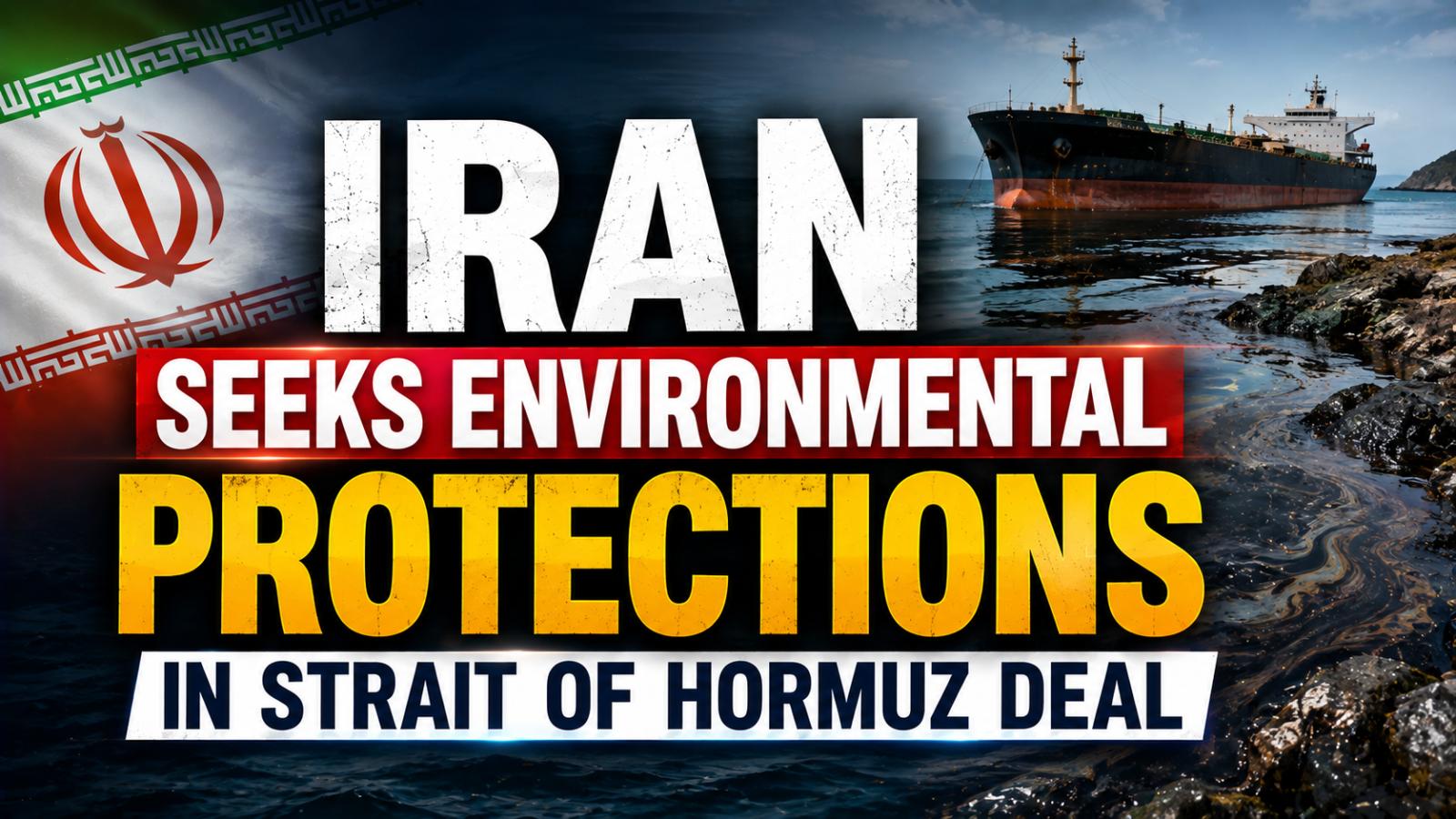
Iran has called for environmental protection to become part of any future Iran Strait of Hormuz arrangement after reporting oil pollution near Qeshm Island. Tehran says commercial shipping, energy consumers and other parties benefiting from the strategic waterway should share responsibility for environmental damage.
Qeshm oil spill raises environmental concerns
Iranian Foreign Ministry spokesperson Esmaeil Baqaei said on Thursday that videos showing oil contamination along the coast of Qeshm Island had emerged in recent days. According to Baqaei, preliminary findings suggested the pollution originated from a foreign bulk carrier.
He said contamination had been detected at three coastal locations and on sections of the surrounding sea surface. The precise vessel involved, the volume of oil released and the full environmental impact have not yet been publicly established.
Baqaei presented the incident as part of a much wider environmental problem affecting the Persian Gulf and the Sea of Oman. He argued that decades of pollution and other damage have imposed enormous costs on Iran's coastline.
Iran pollution concerns raise compensation question
The Foreign Ministry spokesperson questioned who should ultimately pay for environmental damage linked to commercial and military activity in the region.
He pointed to countries consuming energy transported through Gulf waters, maritime insurers and states involved in military operations as parties whose responsibilities should be considered.
Iran has the longest coastline on the Persian Gulf and also controls territory along the northern side of the Strait of Hormuz. Baqaei said this geographic position meant Tehran could not ignore environmental risks created by intensive maritime activity.
His comments effectively introduce another issue into an already complicated debate over the future governance and security of the Strait. Environmental liability, pollution monitoring and compensation mechanisms could become part of Tehran's negotiating position if talks over the waterway advance.
Hormuz deal linked to wider Iran-US demands
The environmental proposal comes as Iranian officials continue linking the status of the Strait of Hormuz to the wider conflict involving the United States.
Mohsen Rezaei, the newly appointed head of Iran's Supreme National Security Council, has said Tehran will not fully reopen the strategic passage until Washington meets a series of Iranian conditions.
According to Rezaei, those demands include ending the war and blockade, releasing frozen Iranian assets and securing a broader ceasefire involving Gaza and Lebanon.
His position indicates that Tehran views control of the Strait not simply as a maritime issue but as negotiating leverage in the wider regional confrontation.
Gulf shipping faces growing risks
The Strait of Hormuz remains one of the world's most strategically important maritime chokepoints. It connects the Persian Gulf with the Gulf of Oman and the Arabian Sea, making it essential to international energy trade.
A prolonged disruption can raise shipping costs, increase insurance premiums, complicate tanker movements and put upward pressure on global energy prices. Environmental incidents add another layer of risk because an oil spill in heavily trafficked waters can affect marine ecosystems and coastal communities across national boundaries.
Iran's latest position therefore broadens the Hormuz debate beyond military security and freedom of navigation. Tehran is arguing that countries and companies benefiting economically from the waterway should also accept responsibility for protecting it.
Strait of Hormuz environmental rules enter debate
Turning that principle into an international arrangement would be far more complicated. Determining responsibility for individual pollution incidents requires evidence identifying the vessel or activity responsible, while broader compensation demands would require agreement on liability, enforcement and environmental damage assessments.
For that reason, Iran's claims about trillions of dollars in historical environmental losses should be presented as Tehran's assessment rather than an independently established figure.
Still, the Qeshm Island pollution incident gives Iran an opportunity to place environmental protection alongside security, sanctions and regional ceasefire demands in the growing diplomatic dispute over the Strait.