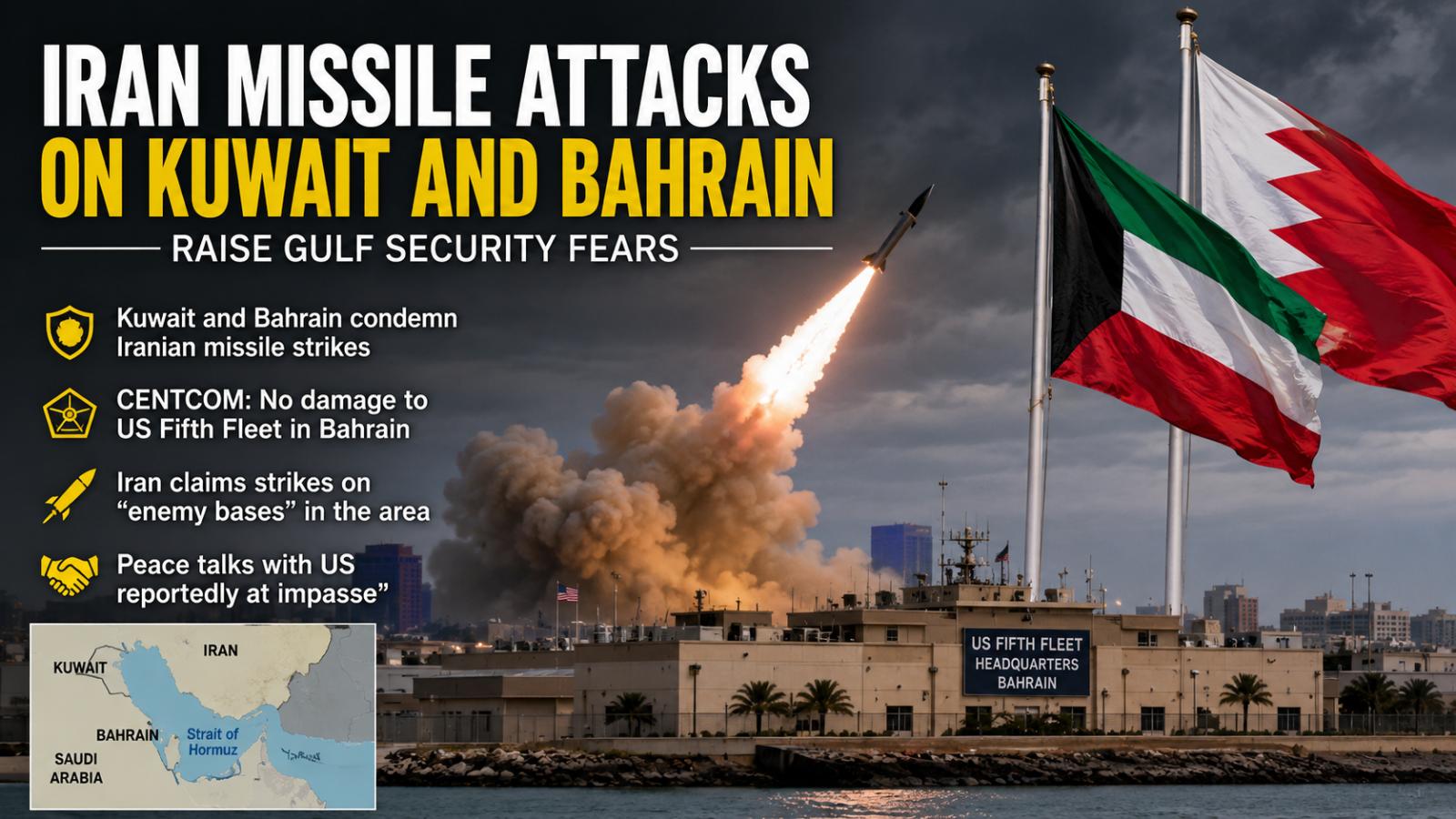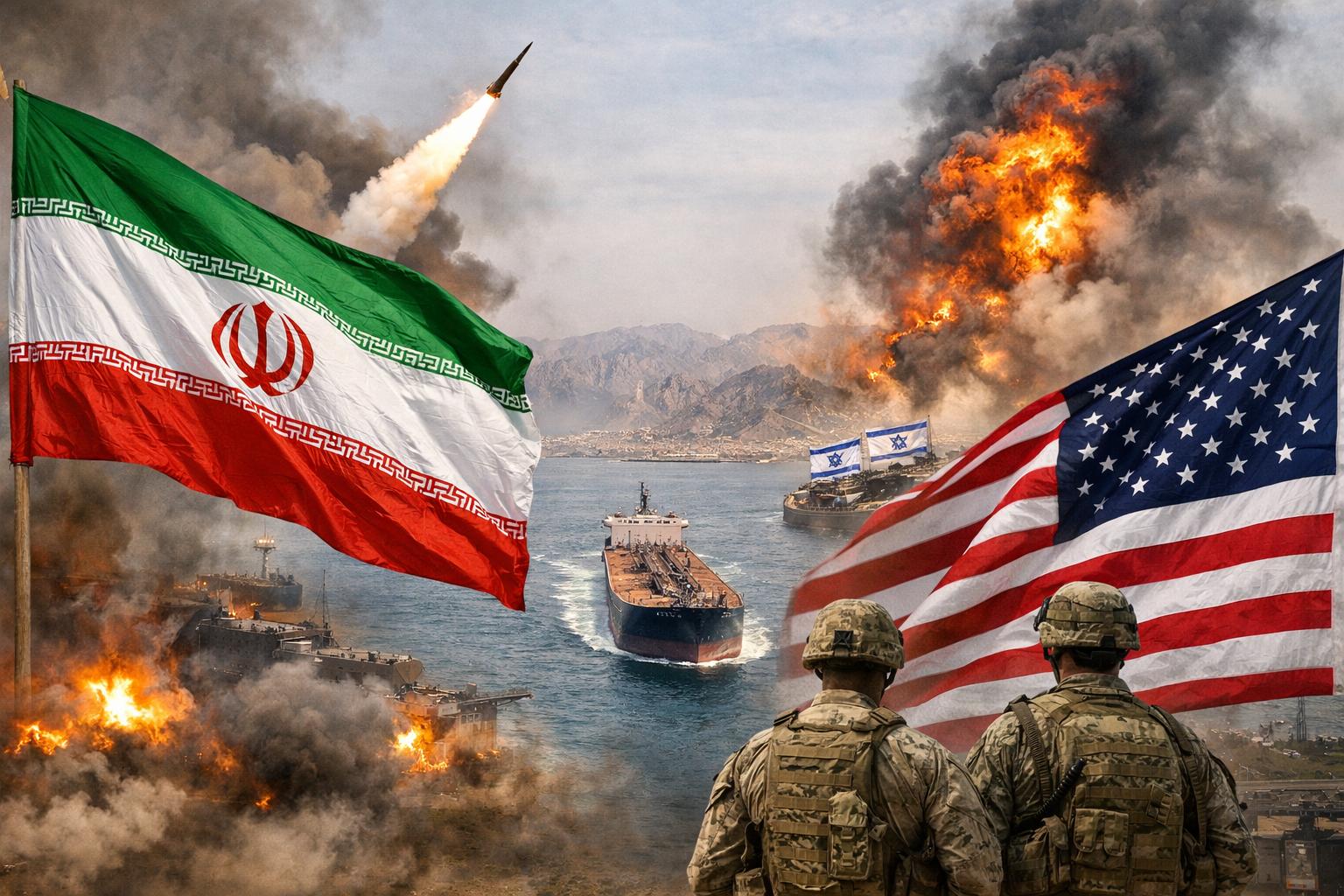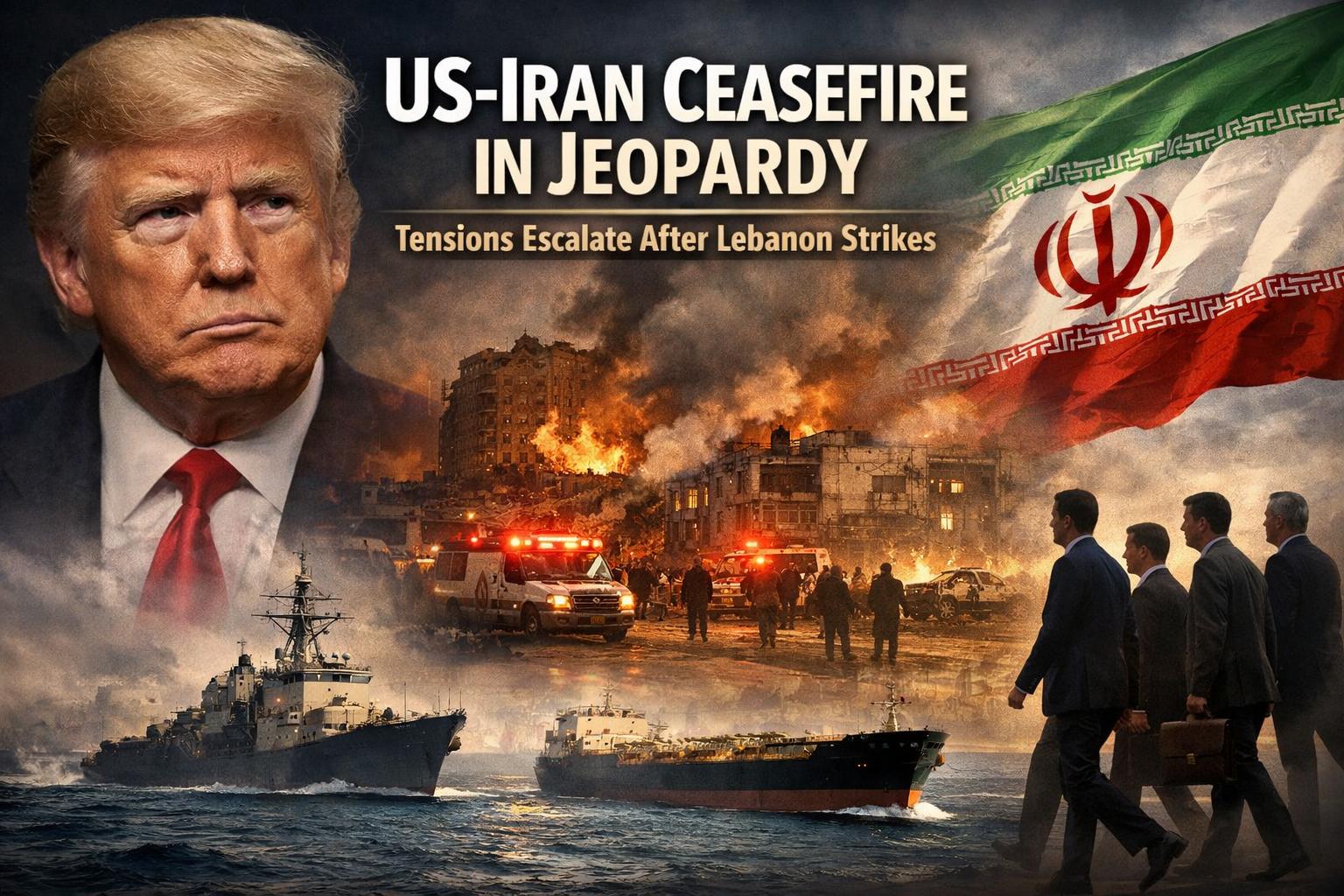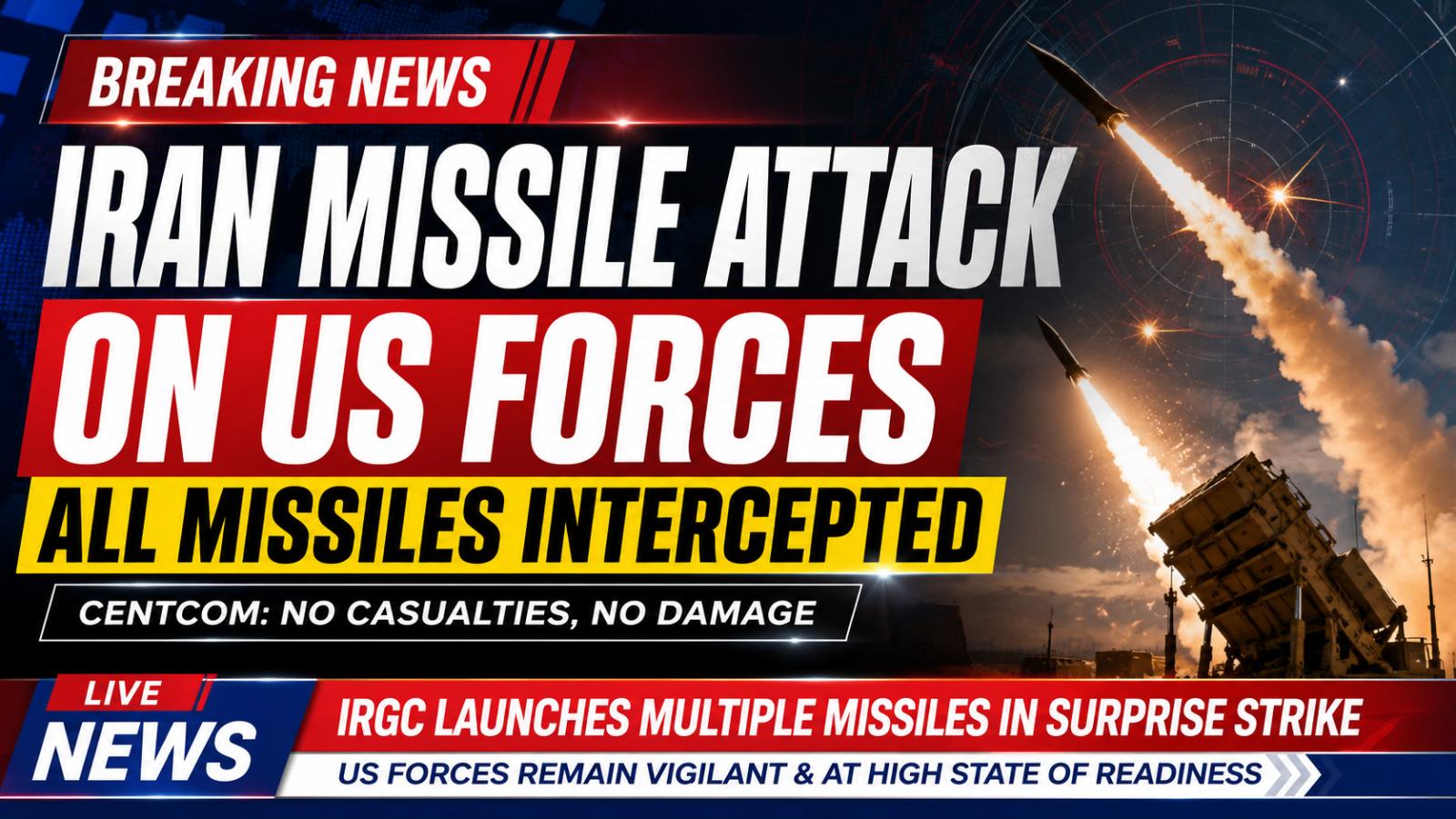
Iran ballistic missile attack dominated global headlines after the Islamic Revolutionary Guard Corps (IRGC) launched multiple missiles targeting US forces in the Middle East. According to CENTCOM, every missile was intercepted successfully, preventing casualties while raising concerns about renewed tensions between Tehran and Washington.
CENTCOM Reports Successful Missile Interception
The Islamic Revolutionary Guard Corps (IRGC) launched multiple ballistic missiles toward US military positions in the Middle East on Tuesday in what US Central Command (CENTCOM) described as an attempted surprise attack. According to an official statement released by CENTCOM, the missiles were fired at approximately 5:45 p.m. ET, marking the first reported direct attack on US forces since President Donald Trump ordered a halt to US military strikes against Iran.
CENTCOM stated that all incoming ballistic missiles were successfully intercepted before reaching their intended targets. The command also confirmed that there were no immediate reports of casualties or damage to military facilities. US forces across the region remain on heightened alert as military officials continue to monitor the evolving security situation. The information in this report is based on official statements released by CENTCOM and US government officials.
IRGC Missile Strike Follows Pause in US Operations
The latest IRGC missile strike comes shortly after Washington paused offensive military operations against Iran, a move that had briefly reduced concerns about a wider regional conflict. Despite that pause, the missile launch suggests tensions between the two countries remain high and that the risk of further military confrontation has not disappeared.
Iran has not released a detailed public explanation regarding the operational objective of the missile launch. However, the attack represents another significant episode in the long-running confrontation between Tehran and Washington, which has intensified through sanctions, military deployments, and proxy conflicts across the region.
US Forces in the Middle East Remain on High Alert
Following the attempted attack, CENTCOM emphasized that US forces remain fully prepared to respond to any additional threats. Military commanders continue to maintain a high level of readiness while monitoring intelligence across the Middle East.
Although the successful interception prevented immediate casualties, defense analysts note that repeated missile launches increase operational pressure on regional air defense systems and military personnel. Continued vigilance remains a priority as officials assess whether the incident represents an isolated action or the beginning of renewed military activity.
What the Escalation Could Mean Next
The missile launch adds fresh uncertainty to an already fragile security environment in West Asia. Diplomatic efforts to reduce tensions could become more complicated if either side responds with additional military action. While US officials have not announced any immediate retaliation, the situation remains fluid and is being closely watched by governments, security agencies, and international partners.
For readers, the key takeaway is that although the immediate threat was neutralized through successful missile interception, the broader geopolitical confrontation between Iran and the United States remains unresolved. Any further exchanges could influence regional security, military deployments, global energy markets, and ongoing diplomatic initiatives in the coming days.