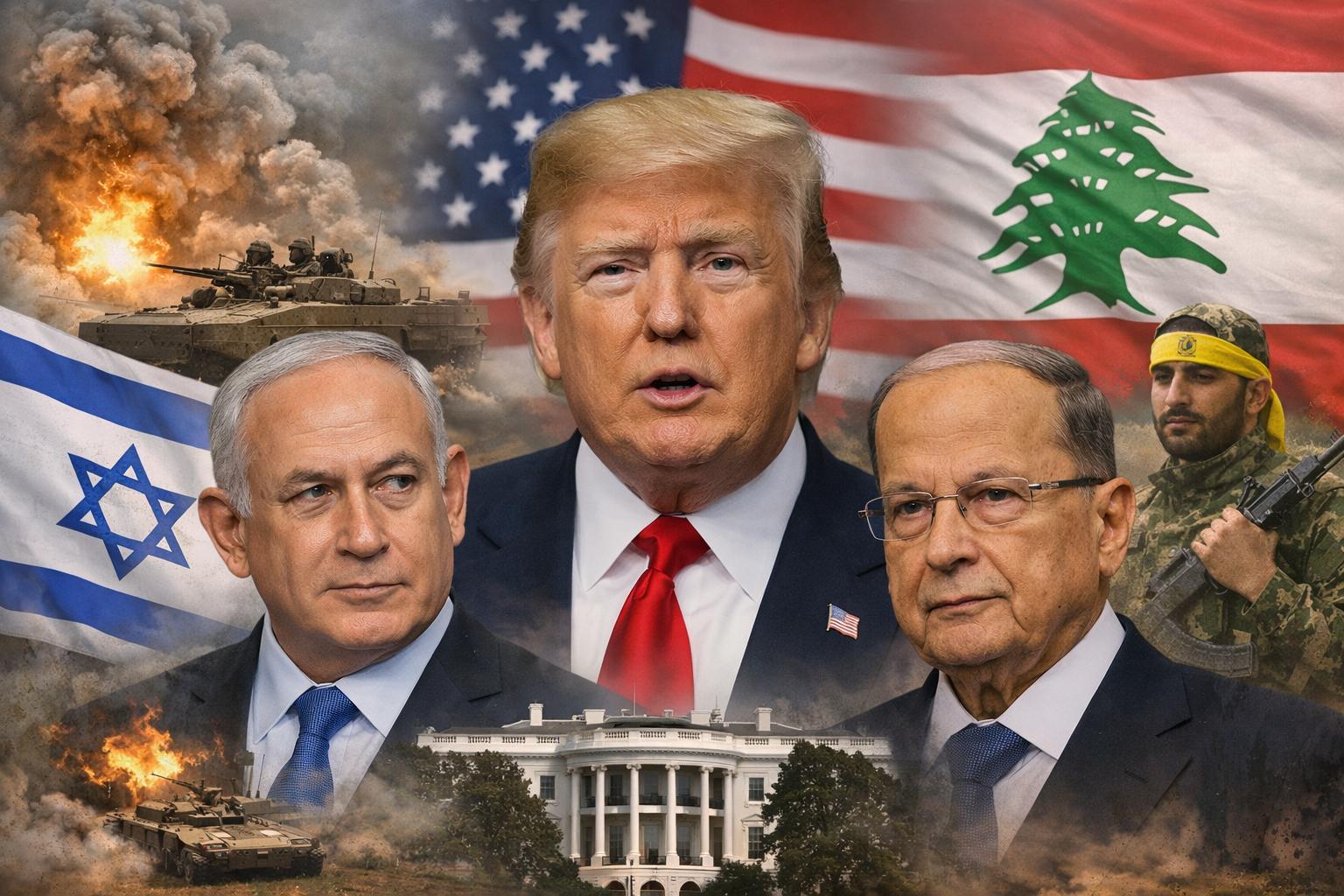
US–Israel–Iran War | Netanyahu says campaign against Iran not over as regional tensions escalate
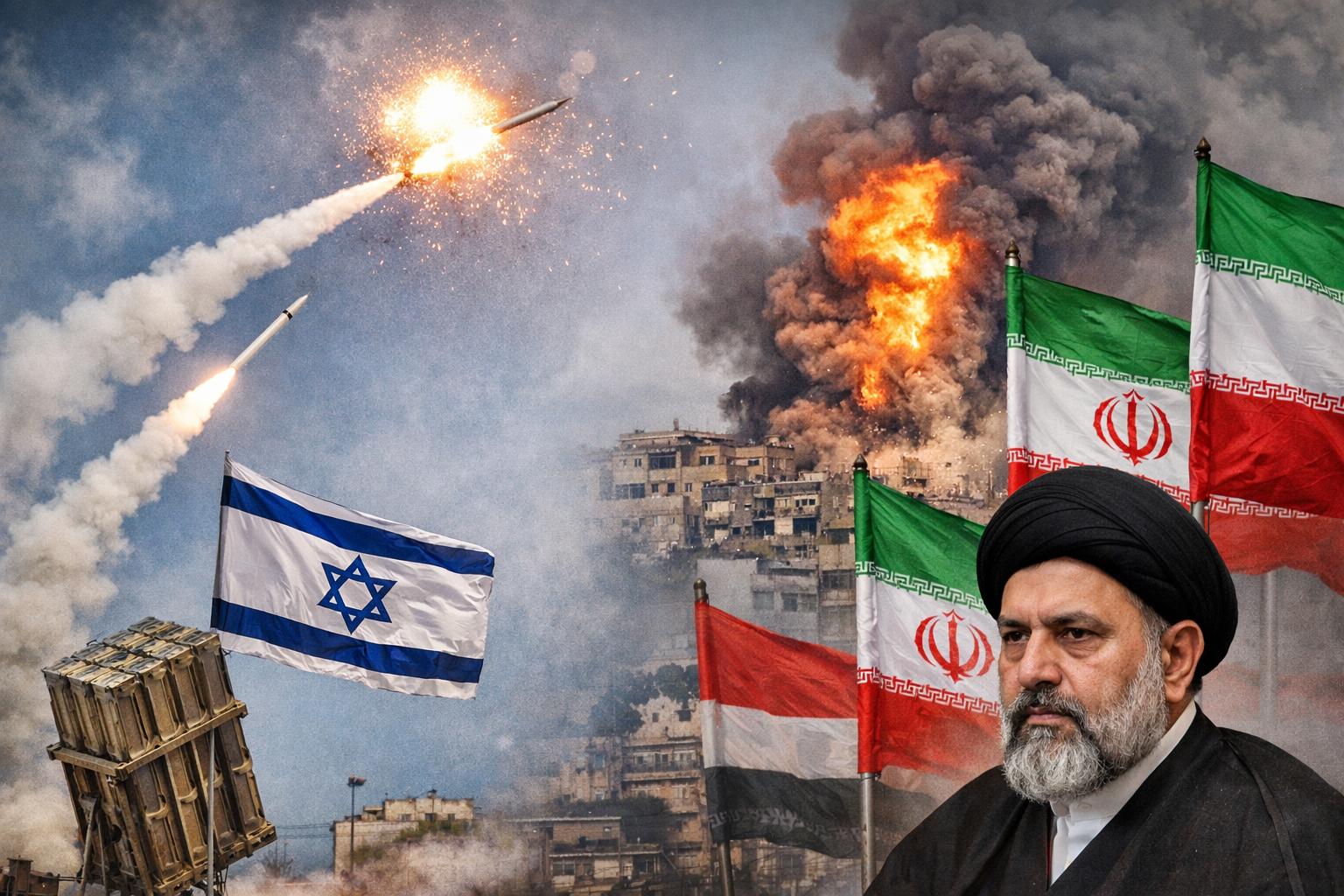
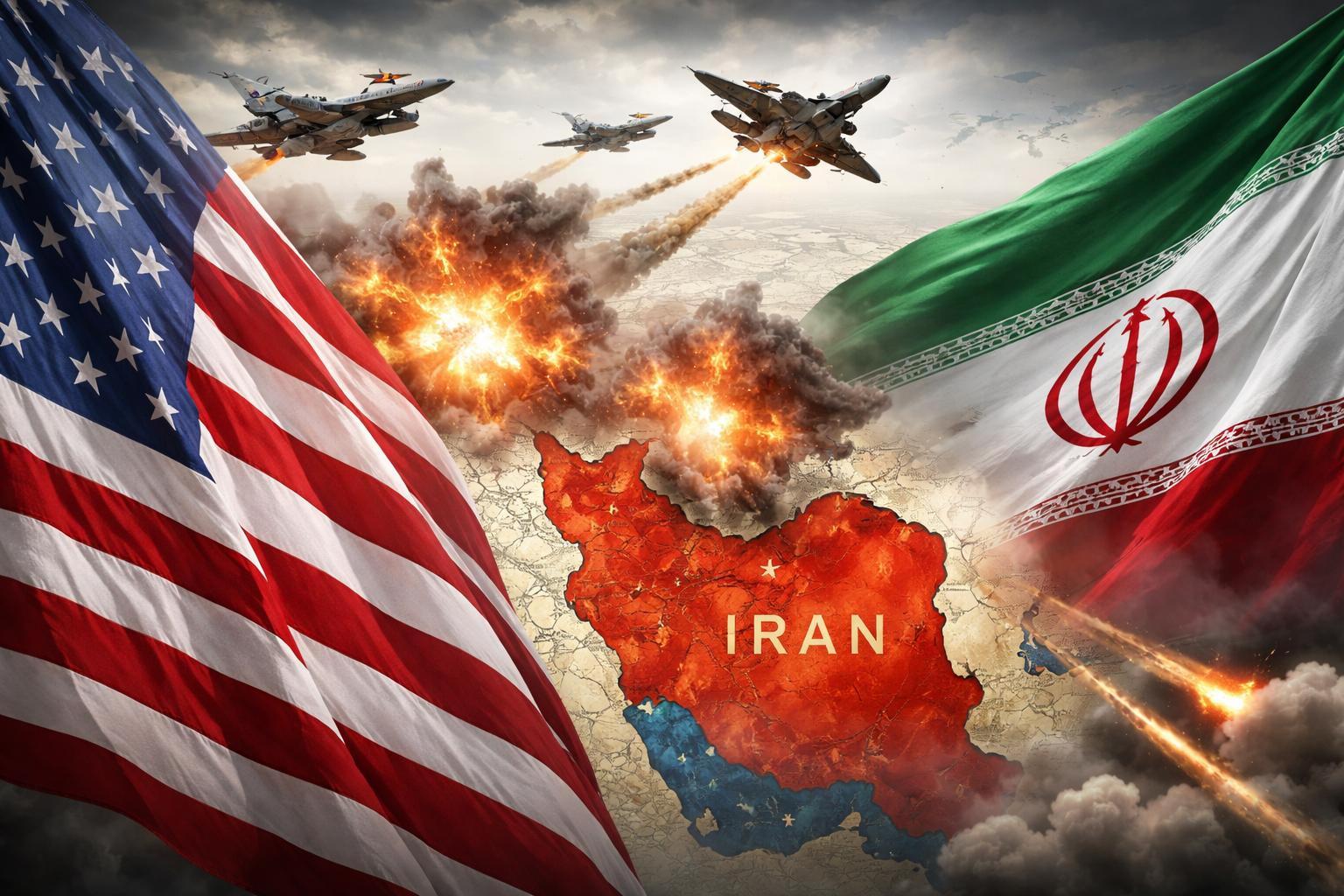
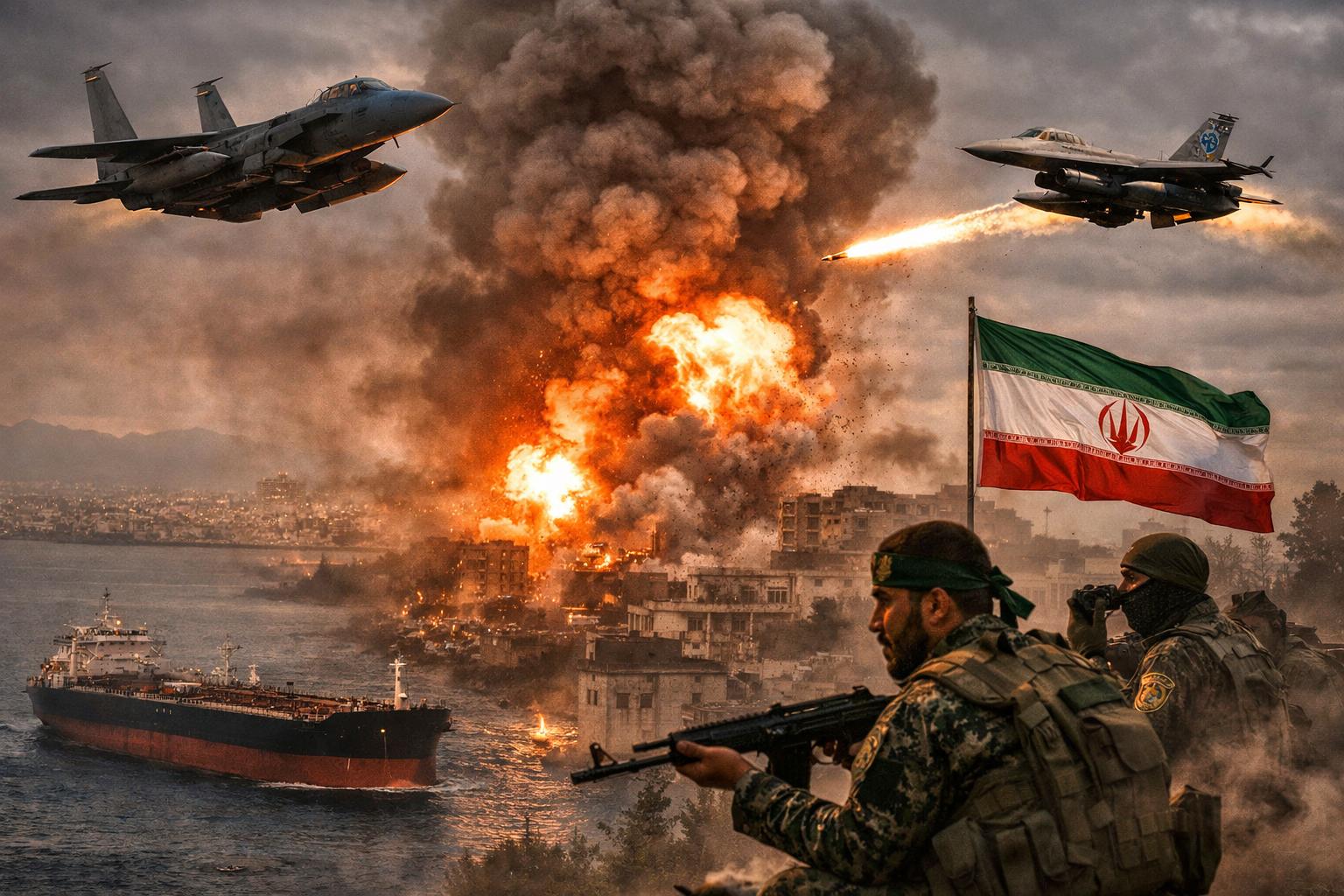
Tensions across West Asia continued to escalate as the conflict between Israel and Iran entered its eleventh day, with new missile interceptions and expanding military operations reported across several parts of the region. The ongoing Israel-Iran war has heightened fears of a wider regional security crisis, as both sides signal that hostilities are far from over and military pressure may intensify in the coming days.
Israeli Prime Minister Benjamin Netanyahu stated on Tuesday that Israel’s military campaign against Iran is continuing and has not yet reached its final stage. According to Netanyahu, the operation is aimed at weakening Iran’s clerical leadership and military capabilities. He indicated that Israeli forces are determined to continue their efforts until their strategic objectives are achieved. Israeli officials maintain that the campaign is designed to counter what they describe as growing threats from Iran and its allied groups across the Middle East.
The Israeli military also issued warnings regarding possible new strikes targeting Hezbollah infrastructure in southern Lebanon. Authorities announced that operations could soon take place in the cities of Tyre and Sidon, areas where Hezbollah has long maintained a presence. Residents in locations identified as potential targets were advised to move away from buildings suspected of housing militant infrastructure. The warning reflects concerns that the conflict could expand beyond Israel and Iran to include armed groups operating in neighboring countries.
Missile interceptions were reported as defense systems responded to incoming projectiles, further underscoring the intensity of the ongoing conflict. Military officials have not provided full details of the interceptions but confirmed that defensive systems were activated in response to threats detected in the region.
Meanwhile, political developments in Tehran have added another layer of uncertainty to the situation. Iranian authorities announced that Mojtaba Khamenei will succeed his father, Ali Khamenei, who was reportedly killed during the conflict. The announcement marks a significant shift in Iran’s leadership and could influence the country’s political and military direction during the ongoing crisis. Iranian officials also signaled that a ceasefire remains unlikely while military attacks continue.
International reactions have also emerged as the conflict unfolds. Former United States President Donald Trump commented that he believes the war with Iran could conclude soon, describing the joint operations involving the United States and Israel as among the most complex military actions ever conducted. His remarks reflect broader global attention to the conflict and the possibility that diplomatic or military developments could alter its course.
As the Israel-Iran war continues, analysts warn that the situation remains highly volatile. The involvement of regional actors such as Hezbollah and the potential for further military escalation have raised concerns about a prolonged conflict affecting stability across West Asia. Governments and international observers are closely monitoring developments as both military and political shifts continue to shape the evolving crisis.