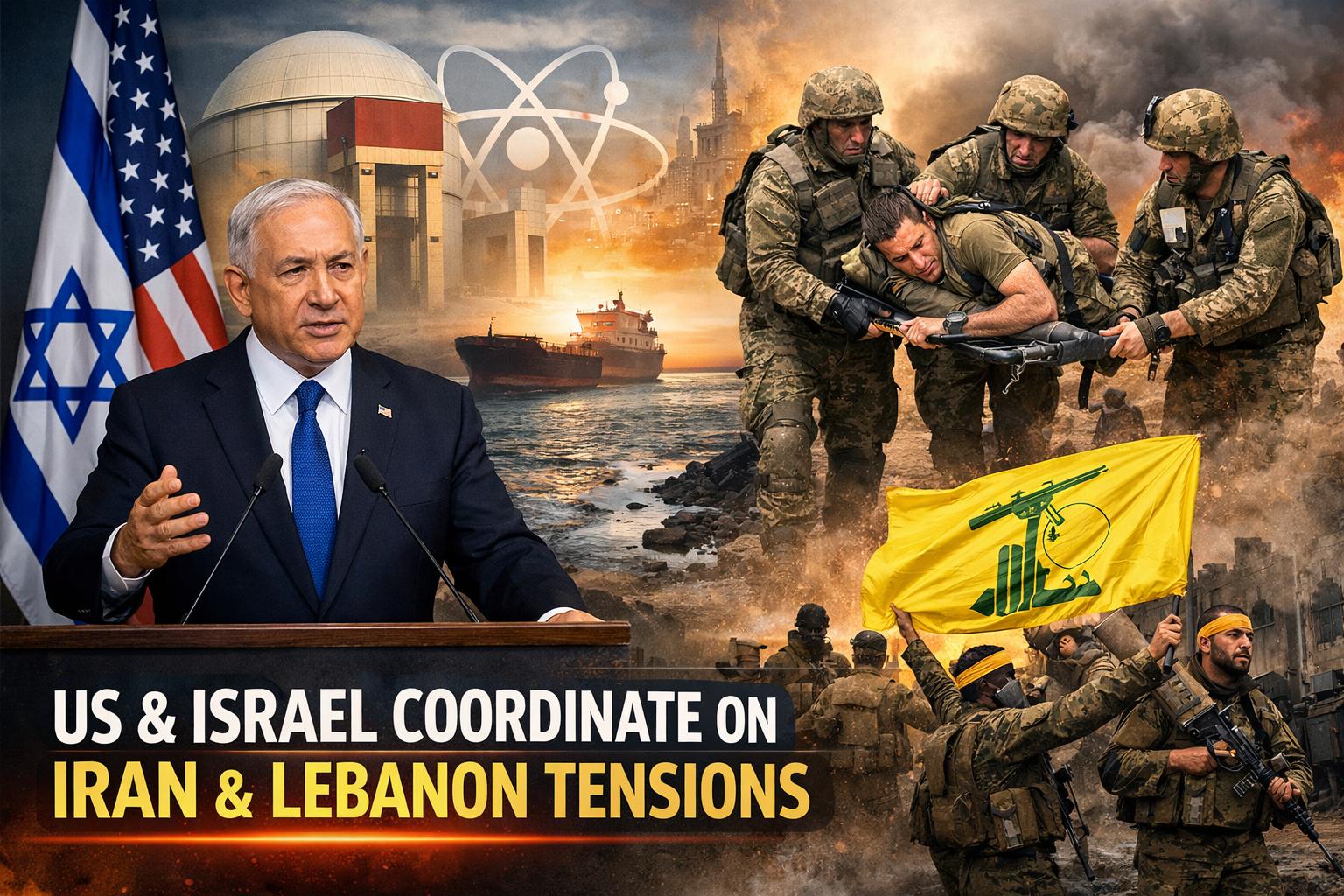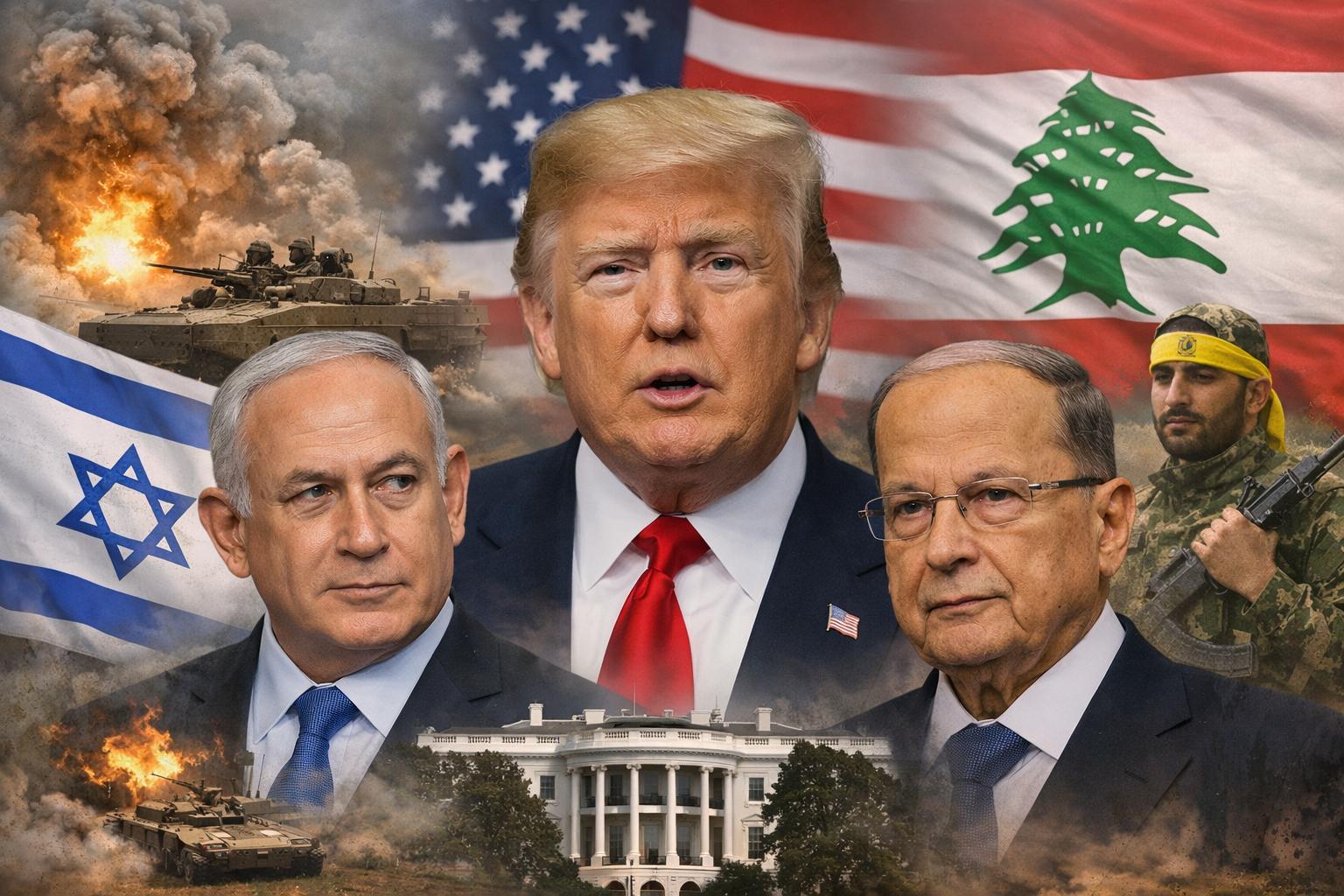
U.S. President Donald Trump announced a 10-day pause in fighting between Israel and Lebanon set to begin at 5:00 PM ET on Thursday, April 16, 2026, following what he described as “excellent” conversations with the leaders of both nations. The announcement comes amid escalating violence tied to Israel’s ongoing conflict with the Iran-backed Hezbollah militant group operating in Lebanon.
Earlier on Thursday, April 16, 2026, Lebanese President Joseph Aoun declined to speak directly with Israeli Prime Minister Benjamin Netanyahu, despite Trump’s indication that a conversation between the two leaders was expected. The refusal underscores persistent diplomatic tensions even as international efforts to de-escalate the situation intensify.
The temporary ceasefire follows a notable diplomatic development earlier in the week, when the Israeli and Lebanese ambassadors to the United States held their first direct talks in decades. The discussions marked a rare moment of engagement between the two countries, which have remained technically at war and largely without formal diplomatic relations.
The conflict has taken a significant human toll. Israeli military operations targeting Hezbollah positions in Lebanon have resulted in nearly 2,200 deaths, according to regional reports. The strikes are part of Israel’s broader campaign against the militant group, which it views as a major security threat along its northern border.
In a further sign of potential diplomatic movement, Trump announced that he has invited the leaders of Israel and Lebanon to the White House for high-level talks. If held, the meeting would represent the first such engagement between the two nations since 1983, raising cautious hopes for a broader dialogue beyond the temporary ceasefire
While the 10-day pause offers a window for de-escalation, significant challenges remain, particularly given the deep-rooted political and military dynamics involving Hezbollah and regional actors. Observers note that sustained peace will likely require more comprehensive negotiations beyond the current ceasefire framework.
Earlier on Thursday, April 16, 2026, Lebanese President Joseph Aoun declined to speak directly with Israeli Prime Minister Benjamin Netanyahu, despite Trump’s indication that a conversation between the two leaders was expected. The refusal underscores persistent diplomatic tensions even as international efforts to de-escalate the situation intensify.
The temporary ceasefire follows a notable diplomatic development earlier in the week, when the Israeli and Lebanese ambassadors to the United States held their first direct talks in decades. The discussions marked a rare moment of engagement between the two countries, which have remained technically at war and largely without formal diplomatic relations.
The conflict has taken a significant human toll. Israeli military operations targeting Hezbollah positions in Lebanon have resulted in nearly 2,200 deaths, according to regional reports. The strikes are part of Israel’s broader campaign against the militant group, which it views as a major security threat along its northern border.
In a further sign of potential diplomatic movement, Trump announced that he has invited the leaders of Israel and Lebanon to the White House for high-level talks. If held, the meeting would represent the first such engagement between the two nations since 1983, raising cautious hopes for a broader dialogue beyond the temporary ceasefire
While the 10-day pause offers a window for de-escalation, significant challenges remain, particularly given the deep-rooted political and military dynamics involving Hezbollah and regional actors. Observers note that sustained peace will likely require more comprehensive negotiations beyond the current ceasefire framework.