







PM Narendra Modi to attend G7 as India’s role grows
Modi’s G7 invitation highlights India’s rising global role Prime Minister Narendra Modi is set to attend the G7 Summit in Évian-les-Bains, France, from June 15 to 17, 2026, after being invited as a special guest by French President Emmanuel Macron. India is not a member of the G7, but its repeated presence at the forum shows how New Delhi has become increasingly important to discussions on global economics, security, supply chains and de
PM Narendra Modi to attend G7 as India’s role grows
Modi’s G7 invitation highlights India’s rising global role Prime Minister Narendra Modi is set to attend the G7 Summit in Évian-les-Bains, France, from June 15 to 17, 2026, after being invited as a special guest by French President Emmanuel Macron. India is not a member of the G7, but its repeated presence at the forum shows how New Delhi has become increasingly important to discussions on global economics, security, supply chains and de
India-US relations: Jaishankar stresses partnership with dignity
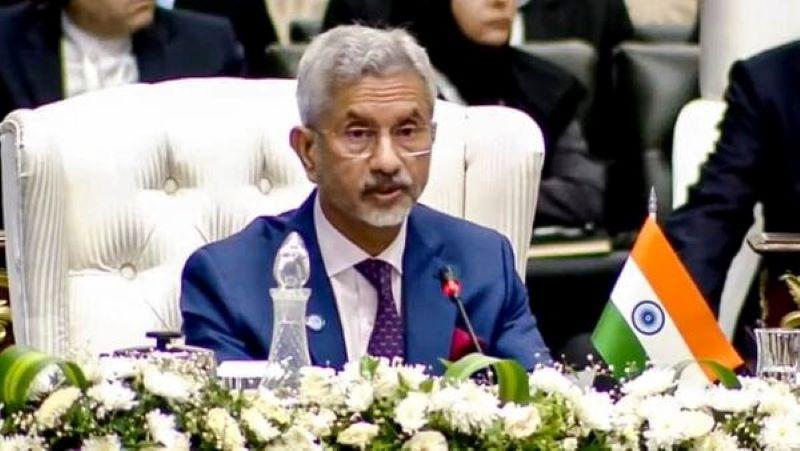
India-US relations have become stronger and more important, but External Affairs Minister S. Jaishankar has made it clear that the partnership is not without challenges. His message is simple: India and America may have differences on trade, energy, diplomacy and global issues, but both countries must handle them maturely and keep the relationship moving forward. He sees the relationship as a serious strategic partnership based on shared interests, not as a one-sided friendship or dependence.
India-US relations: Jaishankar stresses partnership with dignity
India-US relations have become stronger and more important, but External Affairs Minister S. Jaishankar has made it clear that the partnership is not without challenges. His message is simple: India and America may have differences on trade, energy, diplomacy and global issues, but both countries must handle them maturely and keep the relationship moving forward. He sees the relationship as a serious strategic partnership based on shared interests, not as a one-sided friendship or dependence.
Will Donald Trump win Nobel Peace Prize 2026? Key facts and timeline
Nobel Peace Prize 2026: Trump emerges as likely contender Donald Trump is being seen as a likely contender for the Nobel Peace Prize 2026, with 287 candidates under review, but the final list remains strictly confidential. Kristian Berg Harpviken, secretary of the Norwegian Nobel Committee, confirmed that the total nominations include 208 individuals and 79 organisations, highlighting strong global participation despite ongoing conf
Will Donald Trump win Nobel Peace Prize 2026? Key facts and timeline
Nobel Peace Prize 2026: Trump emerges as likely contender Donald Trump is being seen as a likely contender for the Nobel Peace Prize 2026, with 287 candidates under review, but the final list remains strictly confidential. Kristian Berg Harpviken, secretary of the Norwegian Nobel Committee, confirmed that the total nominations include 208 individuals and 79 organisations, highlighting strong global participation despite ongoing conf
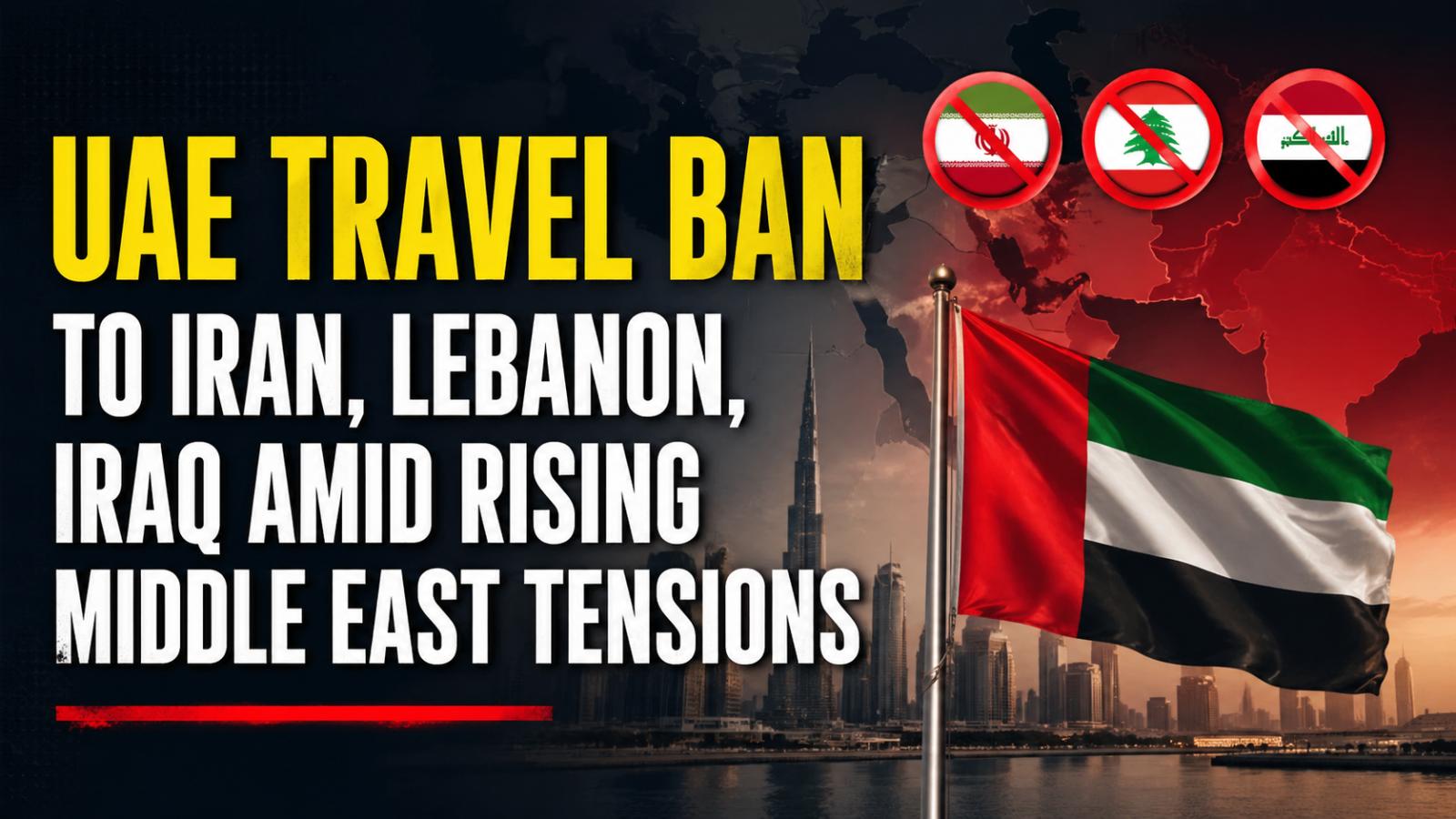
UAE travel ban to Iran, Lebanon, Iraq amid rising Middle East tensions
UAE issues immediate travel ban amid rising tensions The United Arab Emirates has imposed an immediate travel ban to Iran, Lebanon, and Iraq starting April 30, ordering its citizens to avoid travel and urging those currently in these countries to return without delay as regional tensions intensify. The move comes as security risks grow across West Asia, with increasing military activity and stalled diplomatic efforts. The UAE Ministry of Foreign Affairs confirmed that the travel ban came into effect immediately from Thursday (April 30). Travel to Iran, Lebanon, and Iraq is now restricted, and citizens already present there have been strongly advised to leave at the earliest opportunity, highlighting the government’s focus on citizen safety. What triggered the UAE travel ban? The decision follows rising instability, security threats, and reports of missile and drone risks in the region. Earlier advisories had warned of possible attacks, and although some alerts were later eased, authorities stress that the situation remains volatile and unpredictable. What role is the United States playing? The United States continues to maintain a strategic presence. Reports indicate that Donald Trump is reviewing military strategies presented by United States Central Command. These include short, targeted strikes aimed at pressuring Iran into negotiations, particularly around the Strait of Hormuz, a critical global oil route. CENTCOM also confirmed that US Air Force fighter jets are conducting routine patrols to support regional stability, signaling heightened readiness amid ongoing tensions. Are advanced defense systems deployed in the UAE? Yes. Reports suggest that Israel has provided support through advanced systems similar to the Iron Dome. These defense systems are designed to intercept missiles and drones, adding a layer of protection. Surveillance technologies capable of detecting threats at long range have also reportedly been deployed, indicating a coordinated regional defense strategy. What is happening with Iran-US talks? Diplomatic talks between Iran and the United States have stalled again. Iran proposed a three-stage plan involving ending hostilities, lifting maritime restrictions, and negotiating its nuclear program, but the proposal has not been accepted. Disagreements, especially regarding Hezbollah, have further complicated the process. Despite earlier ceasefire discussions, tensions have resurfaced, affecting key areas like the Strait of Hormuz and increasing global concern. The breakdown in negotiations has added to uncertainty across the region. What does this mean for UAE citizens? The UAE government has emphasized that citizen safety is the top priority, and the immediate travel ban is a precautionary step. By urging citizens to return quickly, authorities aim to minimize exposure to potential conflict zones. Residents are advised to stay updated and follow official guidance closely as the situation continues to evolve.
UAE travel ban to Iran, Lebanon, Iraq amid rising Middle East tensions
UAE issues immediate travel ban amid rising tensions The United Arab Emirates has imposed an immediate travel ban to Iran, Lebanon, and Iraq starting April 30, ordering its citizens to avoid travel and urging those currently in these countries to return without delay as regional tensions intensify. The move comes as security risks grow across West Asia, with increasing military activity and stalled diplomatic efforts. The UAE Ministry of Foreign Affairs confirmed that the travel ban came into effect immediately from Thursday (April 30). Travel to Iran, Lebanon, and Iraq is now restricted, and citizens already present there have been strongly advised to leave at the earliest opportunity, highlighting the government’s focus on citizen safety. What triggered the UAE travel ban? The decision follows rising instability, security threats, and reports of missile and drone risks in the region. Earlier advisories had warned of possible attacks, and although some alerts were later eased, authorities stress that the situation remains volatile and unpredictable. What role is the United States playing? The United States continues to maintain a strategic presence. Reports indicate that Donald Trump is reviewing military strategies presented by United States Central Command. These include short, targeted strikes aimed at pressuring Iran into negotiations, particularly around the Strait of Hormuz, a critical global oil route. CENTCOM also confirmed that US Air Force fighter jets are conducting routine patrols to support regional stability, signaling heightened readiness amid ongoing tensions. Are advanced defense systems deployed in the UAE? Yes. Reports suggest that Israel has provided support through advanced systems similar to the Iron Dome. These defense systems are designed to intercept missiles and drones, adding a layer of protection. Surveillance technologies capable of detecting threats at long range have also reportedly been deployed, indicating a coordinated regional defense strategy. What is happening with Iran-US talks? Diplomatic talks between Iran and the United States have stalled again. Iran proposed a three-stage plan involving ending hostilities, lifting maritime restrictions, and negotiating its nuclear program, but the proposal has not been accepted. Disagreements, especially regarding Hezbollah, have further complicated the process. Despite earlier ceasefire discussions, tensions have resurfaced, affecting key areas like the Strait of Hormuz and increasing global concern. The breakdown in negotiations has added to uncertainty across the region. What does this mean for UAE citizens? The UAE government has emphasized that citizen safety is the top priority, and the immediate travel ban is a precautionary step. By urging citizens to return quickly, authorities aim to minimize exposure to potential conflict zones. Residents are advised to stay updated and follow official guidance closely as the situation continues to evolve.
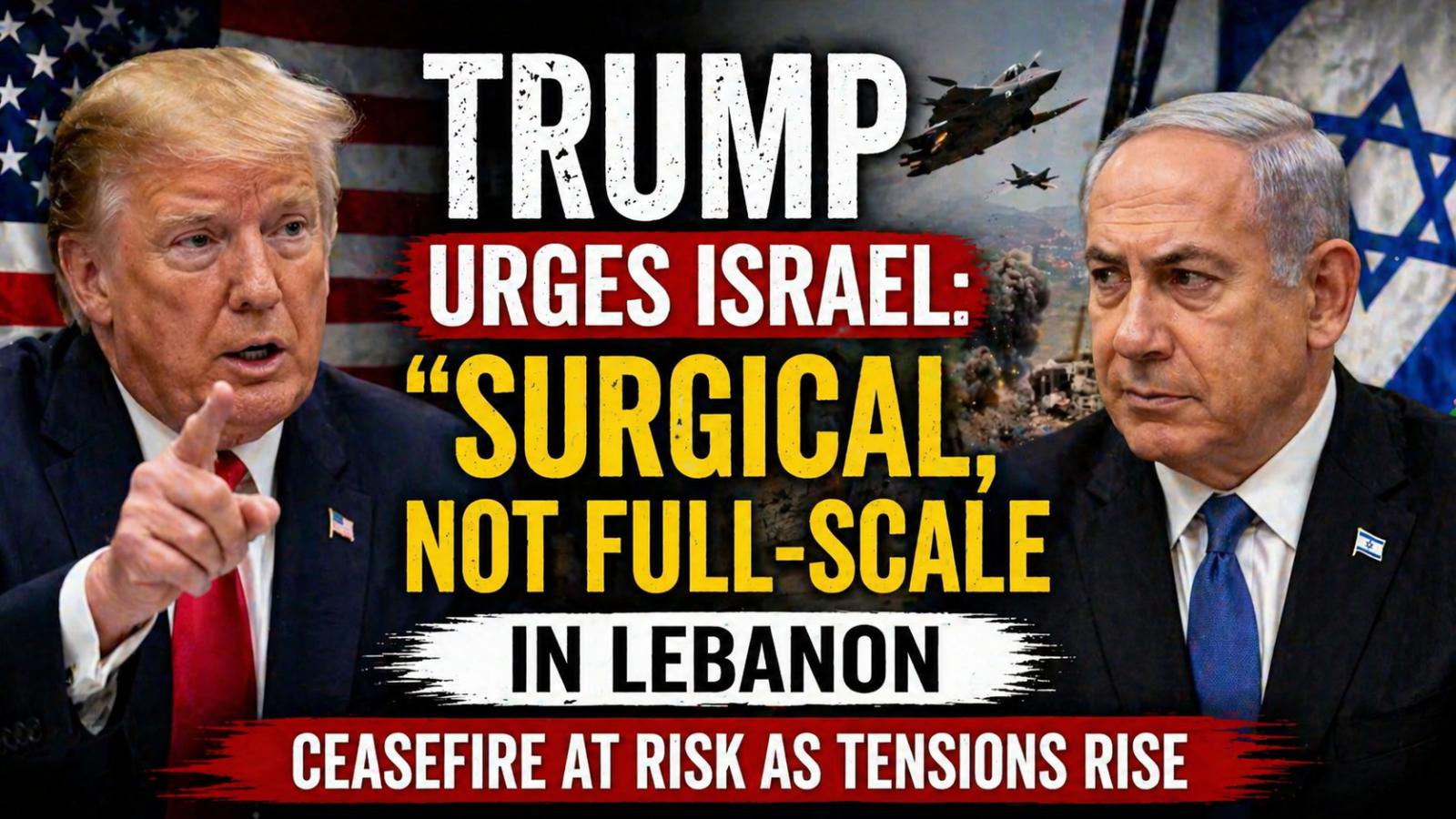
Trump Calls for “Surgical” Action as Israel-Hezbollah Conflict Intensifies
US President Donald Trump has urged Israeli Prime Minister Benjamin Netanyahu to limit military operations in Lebanon to targeted actions, emphasizing restraint as tensions with Hezbollah continue to escalate. According to remarks made during a recent interview, Trump advised against large-scale strikes, stating that extensive destruction risks undermining Israel’s international image. His comments come as a fragile ceasefire between Israel and Lebanon shows signs of weakening ahead of its expected expiration. Despite ongoing diplomatic efforts, clashes between Israeli forces and Hezbollah have persisted. Hezbollah has continued launching rockets and drones toward Israeli territory, while Israel has responded with expanded airstrikes and maintained a military presence in parts of southern Lebanon. Israeli officials have indicated the need for a stronger response, citing security concerns, while US officials have urged caution to avoid further escalation. Trump reportedly held frequent discussions with Netanyahu, during which the Israeli leader outlined the challenges of responding to continued attacks. Trump reiterated his position that military actions should remain precise and proportionate, arguing that broader strikes could complicate diplomatic efforts and regional stability. He also expressed a positive view of Lebanon’s leadership, suggesting that the country has the potential to recover despite ongoing instability. US officials have framed Hezbollah’s actions as an attempt to provoke a wider conflict and disrupt negotiations. Washington has continued to advocate for restraint while pursuing diplomatic channels aimed at reducing tensions. Efforts have included discussions involving Israeli and Lebanese representatives, although progress toward a formal agreement remains limited. The situation highlights the delicate balance between security concerns and diplomatic engagement in the region. As the ceasefire continues to erode, international pressure is mounting to prevent a broader conflict while maintaining efforts to stabilize relations between Israel and Lebanon.
Trump Calls for “Surgical” Action as Israel-Hezbollah Conflict Intensifies
US President Donald Trump has urged Israeli Prime Minister Benjamin Netanyahu to limit military operations in Lebanon to targeted actions, emphasizing restraint as tensions with Hezbollah continue to escalate. According to remarks made during a recent interview, Trump advised against large-scale strikes, stating that extensive destruction risks undermining Israel’s international image. His comments come as a fragile ceasefire between Israel and Lebanon shows signs of weakening ahead of its expected expiration. Despite ongoing diplomatic efforts, clashes between Israeli forces and Hezbollah have persisted. Hezbollah has continued launching rockets and drones toward Israeli territory, while Israel has responded with expanded airstrikes and maintained a military presence in parts of southern Lebanon. Israeli officials have indicated the need for a stronger response, citing security concerns, while US officials have urged caution to avoid further escalation. Trump reportedly held frequent discussions with Netanyahu, during which the Israeli leader outlined the challenges of responding to continued attacks. Trump reiterated his position that military actions should remain precise and proportionate, arguing that broader strikes could complicate diplomatic efforts and regional stability. He also expressed a positive view of Lebanon’s leadership, suggesting that the country has the potential to recover despite ongoing instability. US officials have framed Hezbollah’s actions as an attempt to provoke a wider conflict and disrupt negotiations. Washington has continued to advocate for restraint while pursuing diplomatic channels aimed at reducing tensions. Efforts have included discussions involving Israeli and Lebanese representatives, although progress toward a formal agreement remains limited. The situation highlights the delicate balance between security concerns and diplomatic engagement in the region. As the ceasefire continues to erode, international pressure is mounting to prevent a broader conflict while maintaining efforts to stabilize relations between Israel and Lebanon.
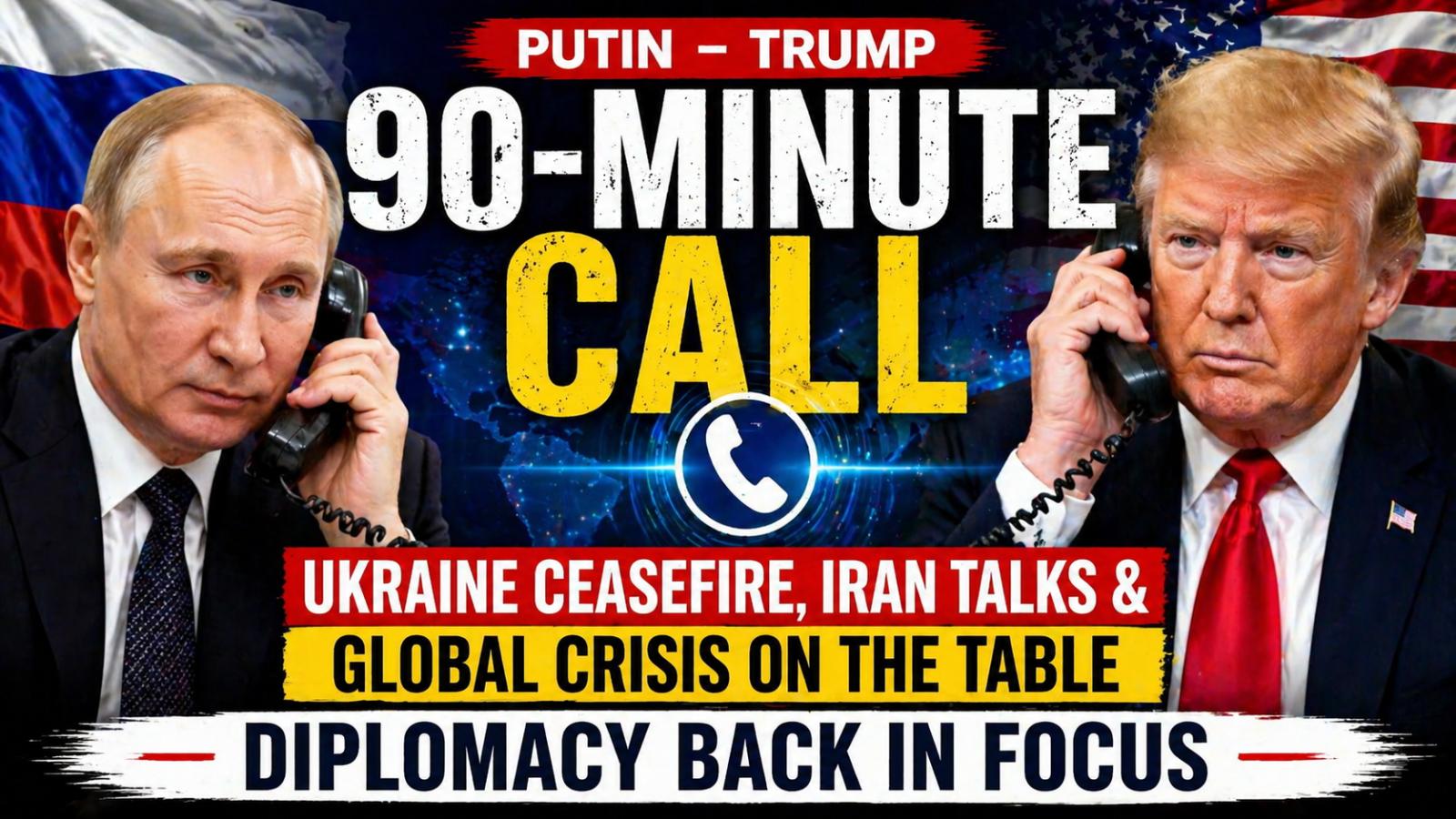
Putin Proposes Ukraine Ceasefire as He Speaks With Trump on Global Crises
Russian President Vladimir Putin and US President Donald Trump held a phone call on Wednesday, discussing key global issues including the ongoing Ukraine war and rising tensions in the Middle East. The conversation, which lasted approximately 90 minutes, marked their first known direct contact since March and reflected continued diplomatic engagement between the two countries. According to Kremlin aide Yuri Ushakov, both leaders focused extensively on developments in the Middle East, particularly the situation involving Iran and the broader Persian Gulf region. Ushakov said Putin supported Trump’s decision to extend a ceasefire with Iran, noting that such a move could create space for negotiations and contribute to regional stability. The discussion also included specific proposals from Russia regarding Iran, though details were not publicly disclosed. The Ukraine conflict was another central topic of the call. Putin reportedly expressed readiness to declare a temporary ceasefire to coincide with Russia’s Victory Day on May 9, an annual commemoration of the Soviet Union’s victory in World War II. The proposal is seen as a symbolic gesture tied to a major national observance, although its broader implications remain unclear. During the call, Putin also condemned the recent shooting at the White House Correspondents’ Association dinner and conveyed support in response to the incident. Additionally, he extended birthday greetings to Melania Trump and acknowledged her efforts in humanitarian matters, including initiatives aimed at reconnecting families affected by the Russia-Ukraine conflict. Victory Day, observed annually in Moscow with a military parade, will reportedly be scaled back this year due to security concerns, including potential threats of retaliatory strikes. The call highlights ongoing dialogue between the two leaders amid complex geopolitical challenges.
Putin Proposes Ukraine Ceasefire as He Speaks With Trump on Global Crises
Russian President Vladimir Putin and US President Donald Trump held a phone call on Wednesday, discussing key global issues including the ongoing Ukraine war and rising tensions in the Middle East. The conversation, which lasted approximately 90 minutes, marked their first known direct contact since March and reflected continued diplomatic engagement between the two countries. According to Kremlin aide Yuri Ushakov, both leaders focused extensively on developments in the Middle East, particularly the situation involving Iran and the broader Persian Gulf region. Ushakov said Putin supported Trump’s decision to extend a ceasefire with Iran, noting that such a move could create space for negotiations and contribute to regional stability. The discussion also included specific proposals from Russia regarding Iran, though details were not publicly disclosed. The Ukraine conflict was another central topic of the call. Putin reportedly expressed readiness to declare a temporary ceasefire to coincide with Russia’s Victory Day on May 9, an annual commemoration of the Soviet Union’s victory in World War II. The proposal is seen as a symbolic gesture tied to a major national observance, although its broader implications remain unclear. During the call, Putin also condemned the recent shooting at the White House Correspondents’ Association dinner and conveyed support in response to the incident. Additionally, he extended birthday greetings to Melania Trump and acknowledged her efforts in humanitarian matters, including initiatives aimed at reconnecting families affected by the Russia-Ukraine conflict. Victory Day, observed annually in Moscow with a military parade, will reportedly be scaled back this year due to security concerns, including potential threats of retaliatory strikes. The call highlights ongoing dialogue between the two leaders amid complex geopolitical challenges.
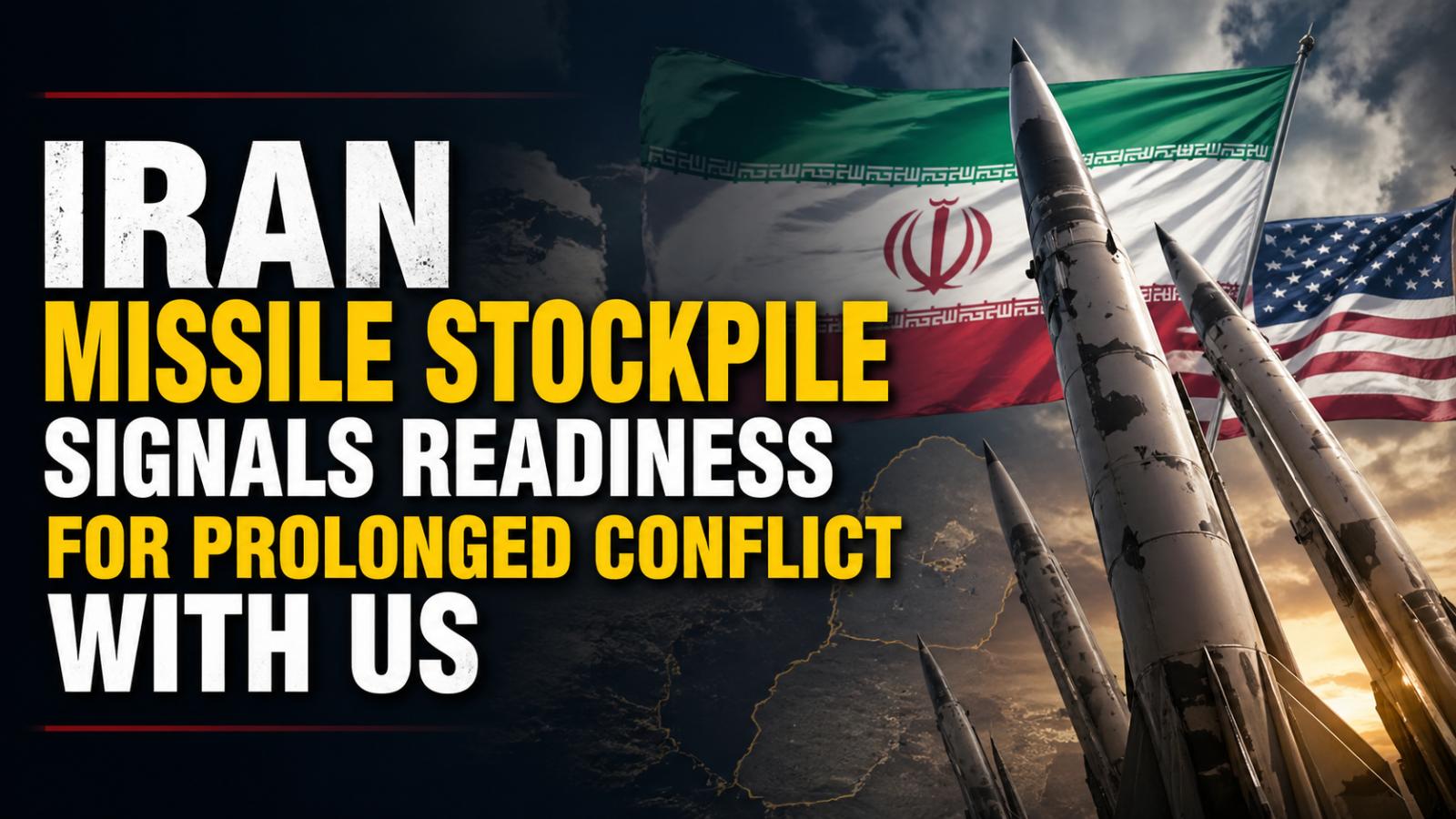
Iran-US tensions rise as Tehran rejects pressure and asserts military strength
Iran missile stockpile and war readiness Iran missile stockpile has become a major focus as tensions with the United States intensify, with Tehran claiming it can sustain several years of war using its missile and drone reserves. A senior Iranian lawmaker said the country is fully prepared for prolonged conflict while continuing negotiations with Washington under the direction of its top leadership. The statement highlights both Iran’s military confidence and its refusal to yield under pressure. Alaeddin Boroujerdi, a senior member of Iran’s parliament, said the country’s defense capacity remains strong and capable of long-term engagement. He emphasized that Iran’s missile and drone arsenal is sufficient to maintain sustained operations if required. He made it clear that negotiations with the United States are not a sign of weakness but part of a calculated strategy directed by the Supreme Leader. According to him, experienced leadership is handling the talks, ensuring that national interests are protected at all times. Boroujerdi stressed that Iran does not view the negotiating table as a place for surrender. He stated that discussions would not lead to compromise or humiliation, reinforcing Tehran’s firm diplomatic stance. His comments come at a time of rising Iran-US tensions, particularly following statements by Donald Trump, which he dismissed as ineffective. He also pointed out that a recently extended ceasefire period has not resulted in any significant actions from the opposing side. The Iranian lawmaker also criticized the US-led maritime blockade, describing it as lacking global legitimacy. He noted that no major European or NATO countries have joined the effort, suggesting limited international support for Washington’s position. This, he argued, weakens the overall impact of the blockade. Strategically, Iran continues to emphasize its control over the Strait of Hormuz, a crucial global oil route. Officials maintain that Iran will never lose control over this vital waterway, underlining its importance in the broader geopolitical landscape. The statement reinforces Tehran’s confidence in its regional influence and defense strategy. Overall, Iran’s position reflects a dual approach of negotiation and strength. While talks with the United States continue, Tehran is signaling that it is fully prepared for extended conflict if necessary, maintaining both diplomatic engagement and military readiness.
Iran-US tensions rise as Tehran rejects pressure and asserts military strength
Iran missile stockpile and war readiness Iran missile stockpile has become a major focus as tensions with the United States intensify, with Tehran claiming it can sustain several years of war using its missile and drone reserves. A senior Iranian lawmaker said the country is fully prepared for prolonged conflict while continuing negotiations with Washington under the direction of its top leadership. The statement highlights both Iran’s military confidence and its refusal to yield under pressure. Alaeddin Boroujerdi, a senior member of Iran’s parliament, said the country’s defense capacity remains strong and capable of long-term engagement. He emphasized that Iran’s missile and drone arsenal is sufficient to maintain sustained operations if required. He made it clear that negotiations with the United States are not a sign of weakness but part of a calculated strategy directed by the Supreme Leader. According to him, experienced leadership is handling the talks, ensuring that national interests are protected at all times. Boroujerdi stressed that Iran does not view the negotiating table as a place for surrender. He stated that discussions would not lead to compromise or humiliation, reinforcing Tehran’s firm diplomatic stance. His comments come at a time of rising Iran-US tensions, particularly following statements by Donald Trump, which he dismissed as ineffective. He also pointed out that a recently extended ceasefire period has not resulted in any significant actions from the opposing side. The Iranian lawmaker also criticized the US-led maritime blockade, describing it as lacking global legitimacy. He noted that no major European or NATO countries have joined the effort, suggesting limited international support for Washington’s position. This, he argued, weakens the overall impact of the blockade. Strategically, Iran continues to emphasize its control over the Strait of Hormuz, a crucial global oil route. Officials maintain that Iran will never lose control over this vital waterway, underlining its importance in the broader geopolitical landscape. The statement reinforces Tehran’s confidence in its regional influence and defense strategy. Overall, Iran’s position reflects a dual approach of negotiation and strength. While talks with the United States continue, Tehran is signaling that it is fully prepared for extended conflict if necessary, maintaining both diplomatic engagement and military readiness.
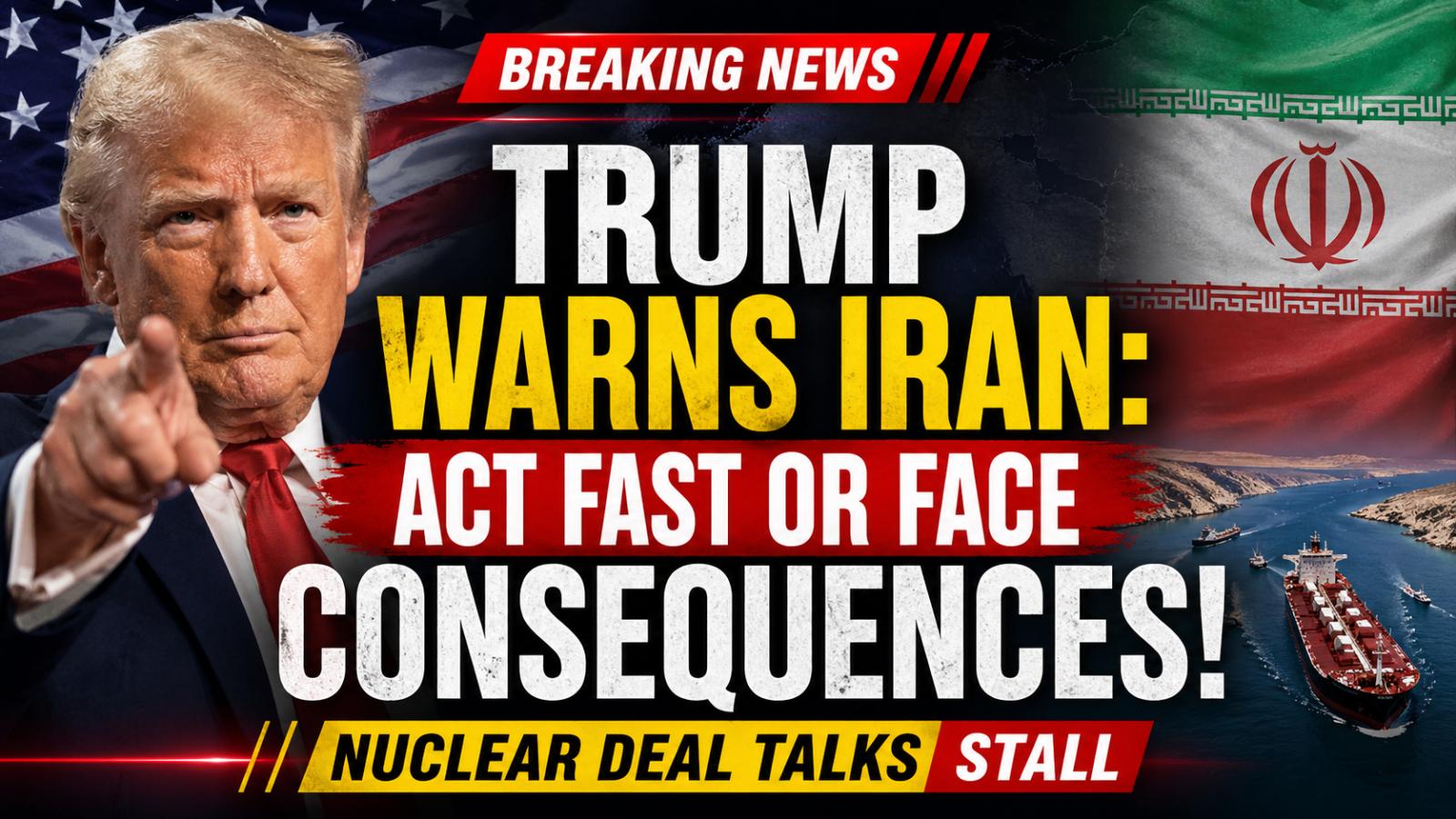
Trump issues strong warning to Iran amid stalled nuclear negotiations
US President Donald Trump warned Iran on April 28, 2026, at around 10:00 AM EST to act quickly as nuclear deal negotiations between Washington and Tehran remain stalled. The statement highlights rising US-Iran tensions, ongoing diplomatic failure, and stricter American control over the
Trump issues strong warning to Iran amid stalled nuclear negotiations
US President Donald Trump warned Iran on April 28, 2026, at around 10:00 AM EST to act quickly as nuclear deal negotiations between Washington and Tehran remain stalled. The statement highlights rising US-Iran tensions, ongoing diplomatic failure, and stricter American control over the

King Charles III Uses Humor to Strengthen US-UK Ties During Visit
King Charles III used a mix of humor and historical references during his recent visit to the United States, delivering speeches that balanced diplomacy with wit while reinforcing the long-standing relationship between the two nations. His appearances, including an address to Congress and remarks at a state dinner at the White House hosted by Donald Trump, drew attention for their tone and messaging. During his engagements, the King made light-hearted comments that resonated with audiences while referencing shared history. In one instance, he joked about the British army’s burning of the White House in 1814, describing it as a “small attempt at beautification,” prompting laughter while acknowledging a historic conflict. His remarks also included references to earlier global rivalries, noting that without British influence, Americans might have been speaking French, a nod to the outcome of 18th-century European conflicts. In his address to Congress, King Charles drew on literary imagery, referring to “a tale of two Georges,” linking George Washington and George III. The comment highlighted shared history while emphasizing the evolution of relations between the United Kingdom and the United States. His speech avoided direct involvement in political controversies, instead focusing on broader themes of partnership and mutual respect. The King also touched on modern geopolitical issues, including defense cooperation and the role of alliances such as NATO. He referenced the enduring collaboration between the two nations, particularly in times of crisis, while acknowledging differing perspectives on international policy matters. His remarks underscored the importance of maintaining cooperation despite disagreements. By combining humor with carefully measured commentary, King Charles demonstrated a diplomatic approach that emphasized unity without overlooking complexity. His visit highlighted both the historical depth and contemporary relevance of the US-UK relationship, presenting a message aimed at strengthening ties while navigating sensitive political dynamics.
King Charles III Uses Humor to Strengthen US-UK Ties During Visit
King Charles III used a mix of humor and historical references during his recent visit to the United States, delivering speeches that balanced diplomacy with wit while reinforcing the long-standing relationship between the two nations. His appearances, including an address to Congress and remarks at a state dinner at the White House hosted by Donald Trump, drew attention for their tone and messaging. During his engagements, the King made light-hearted comments that resonated with audiences while referencing shared history. In one instance, he joked about the British army’s burning of the White House in 1814, describing it as a “small attempt at beautification,” prompting laughter while acknowledging a historic conflict. His remarks also included references to earlier global rivalries, noting that without British influence, Americans might have been speaking French, a nod to the outcome of 18th-century European conflicts. In his address to Congress, King Charles drew on literary imagery, referring to “a tale of two Georges,” linking George Washington and George III. The comment highlighted shared history while emphasizing the evolution of relations between the United Kingdom and the United States. His speech avoided direct involvement in political controversies, instead focusing on broader themes of partnership and mutual respect. The King also touched on modern geopolitical issues, including defense cooperation and the role of alliances such as NATO. He referenced the enduring collaboration between the two nations, particularly in times of crisis, while acknowledging differing perspectives on international policy matters. His remarks underscored the importance of maintaining cooperation despite disagreements. By combining humor with carefully measured commentary, King Charles demonstrated a diplomatic approach that emphasized unity without overlooking complexity. His visit highlighted both the historical depth and contemporary relevance of the US-UK relationship, presenting a message aimed at strengthening ties while navigating sensitive political dynamics.
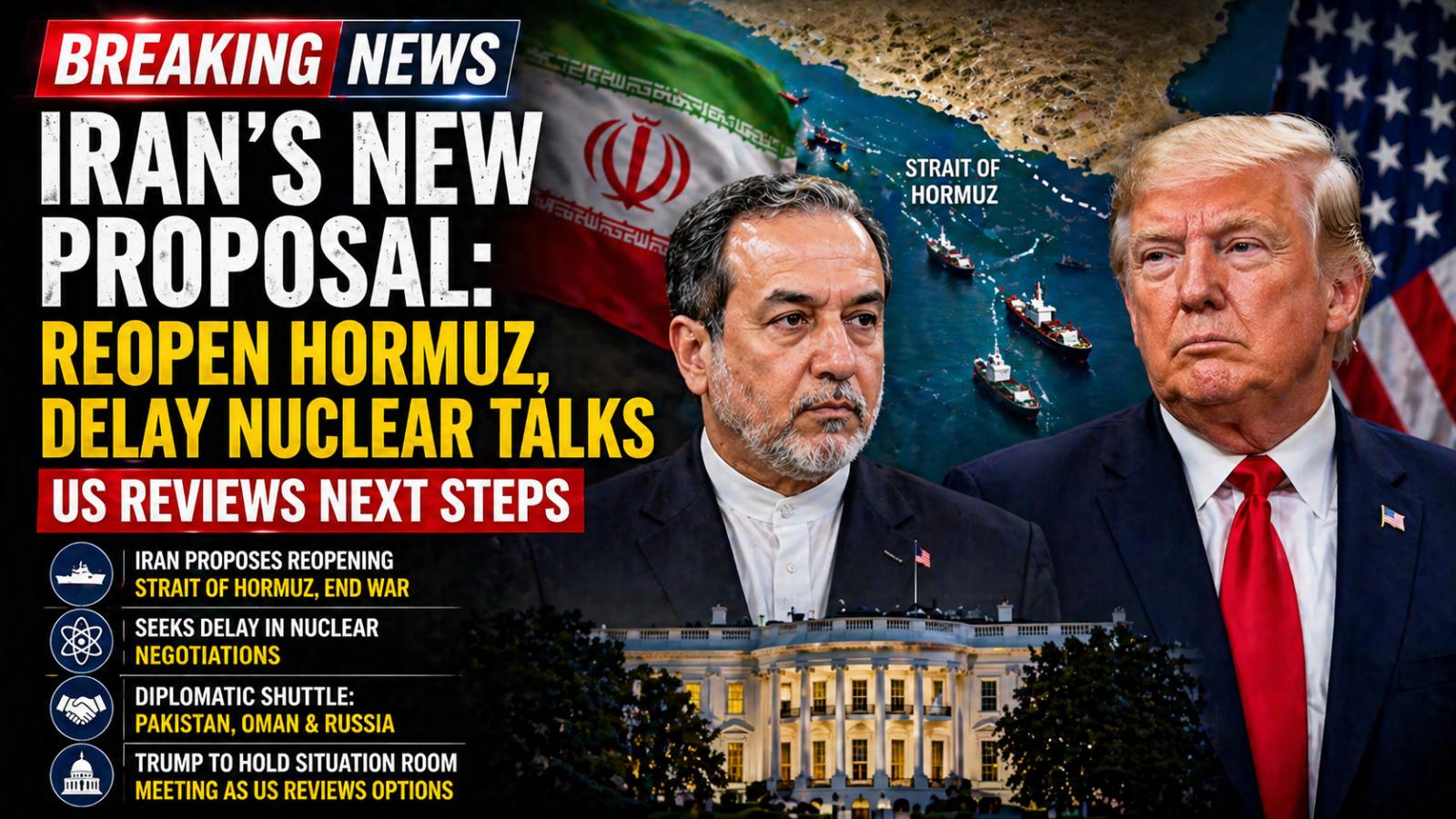
Iran Proposes Strait of Hormuz Deal While Delaying Nuclear Talks
Iran has reportedly put forward a new proposal aimed at reopening the Strait of Hormuz and easing ongoing tensions, while suggesting that nuclear negotiations be postponed. The development comes as US officials review the offer, with President Donald Trump expected to meet with senior national security advisers to assess the situation and determine next steps. According to sources familiar with the discussions, the proposal was conveyed through intermediaries and focuses on de-escalation measures tied to maritime security and regional stability. However, Iranian officials have indicated that broader nuclear negotiations should be deferred until key issues, including economic restrictions and security concerns, are addressed. There has been no official confirmation from either side regarding the specifics of the proposal. The latest diplomatic activity follows a series of engagements by Abbas Araghchi, who recently traveled between Pakistan and Oman in an effort to facilitate dialogue. Iranian authorities emphasized that no direct meetings with US representatives were scheduled during his visit to Islamabad. Earlier, planned discussions involving US envoys were canceled, adding to the uncertainty surrounding the negotiation process. Tensions have been further complicated by differing expectations between Washington and Tehran. US officials have reiterated that any agreement must include strict limitations on Iran’s nuclear capabilities, including restrictions on enrichment activities. Iranian leaders, meanwhile, have maintained that negotiations cannot proceed under pressure, citing concerns over ongoing restrictions and security measures affecting the country. The situation remains fluid as diplomatic channels continue to operate through regional mediators. Iran’s leadership has also engaged with international partners, including Russia, as part of broader efforts to manage the crisis. While the proposal to reopen the Strait of Hormuz signals a potential pathway toward de-escalation, the delay in nuclear talks underscores the challenges that remain in reaching a comprehensive agreement.
Iran Proposes Strait of Hormuz Deal While Delaying Nuclear Talks
Iran has reportedly put forward a new proposal aimed at reopening the Strait of Hormuz and easing ongoing tensions, while suggesting that nuclear negotiations be postponed. The development comes as US officials review the offer, with President Donald Trump expected to meet with senior national security advisers to assess the situation and determine next steps. According to sources familiar with the discussions, the proposal was conveyed through intermediaries and focuses on de-escalation measures tied to maritime security and regional stability. However, Iranian officials have indicated that broader nuclear negotiations should be deferred until key issues, including economic restrictions and security concerns, are addressed. There has been no official confirmation from either side regarding the specifics of the proposal. The latest diplomatic activity follows a series of engagements by Abbas Araghchi, who recently traveled between Pakistan and Oman in an effort to facilitate dialogue. Iranian authorities emphasized that no direct meetings with US representatives were scheduled during his visit to Islamabad. Earlier, planned discussions involving US envoys were canceled, adding to the uncertainty surrounding the negotiation process. Tensions have been further complicated by differing expectations between Washington and Tehran. US officials have reiterated that any agreement must include strict limitations on Iran’s nuclear capabilities, including restrictions on enrichment activities. Iranian leaders, meanwhile, have maintained that negotiations cannot proceed under pressure, citing concerns over ongoing restrictions and security measures affecting the country. The situation remains fluid as diplomatic channels continue to operate through regional mediators. Iran’s leadership has also engaged with international partners, including Russia, as part of broader efforts to manage the crisis. While the proposal to reopen the Strait of Hormuz signals a potential pathway toward de-escalation, the delay in nuclear talks underscores the challenges that remain in reaching a comprehensive agreement.
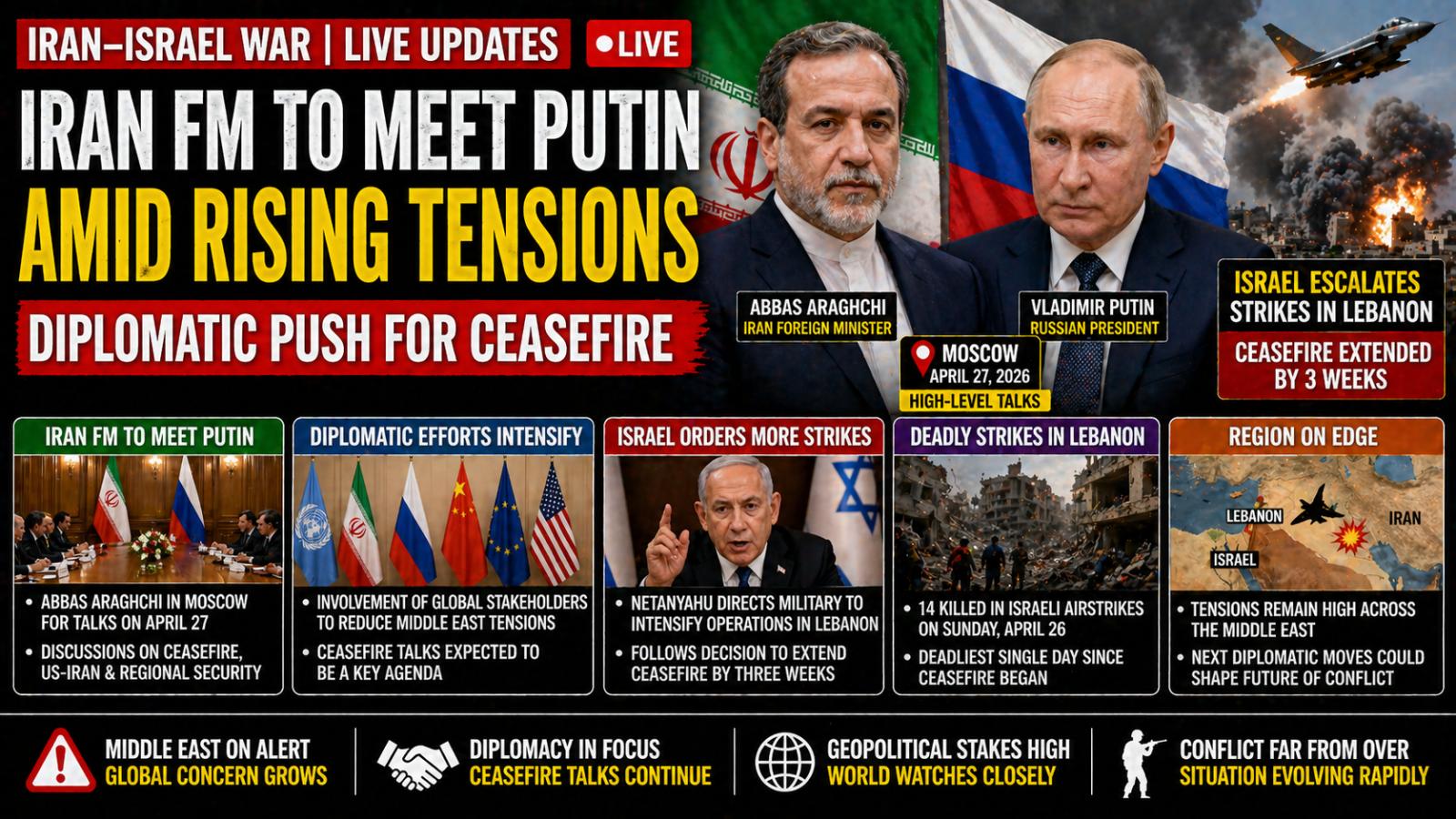
Iran-Israel war live updates: Iran FM to meet Putin amid rising tensions
Iran’s foreign minister Abbas Araghchi meets Vladimir Putin in Moscow on Monday, April 27, for ceasefire talks as Israel intensifies strikes on Hezbollah in Lebanon, where 14 were killed Sunday, April 26, marking the deadliest day since the truce began. Iran-Israel war live updates: Iran FM to meet Putin amid rising tensions as Abbas Araghchi prepares for high-level tal
Iran-Israel war live updates: Iran FM to meet Putin amid rising tensions
Iran’s foreign minister Abbas Araghchi meets Vladimir Putin in Moscow on Monday, April 27, for ceasefire talks as Israel intensifies strikes on Hezbollah in Lebanon, where 14 were killed Sunday, April 26, marking the deadliest day since the truce began. Iran-Israel war live updates: Iran FM to meet Putin amid rising tensions as Abbas Araghchi prepares for high-level tal
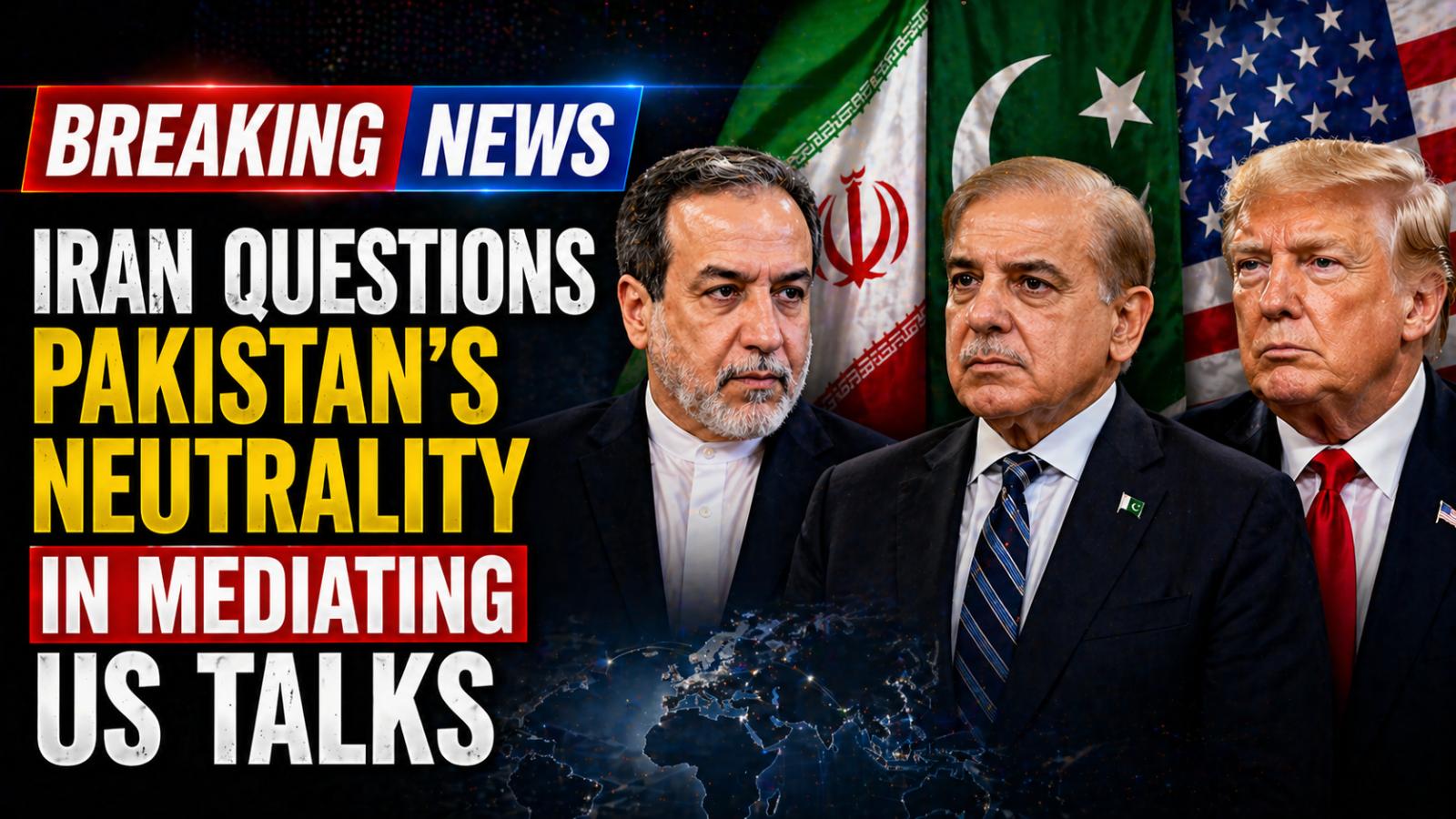
Tehran Raises Doubts Over Pakistan Role in US-Iran Negotiations
Iran has raised concerns about Pakistan’s role as a mediator in ongoing diplomatic efforts with the United States, with officials questioning Islamabad’s neutrality. Ebrahim Rezaei, spokesperson for Iran’s National Security and Foreign Policy Commission, said Pakistan lacks the credibility required to act as an impartial intermediary in sensitive negotiations. Rezaei argued that Paki
Tehran Raises Doubts Over Pakistan Role in US-Iran Negotiations
Iran has raised concerns about Pakistan’s role as a mediator in ongoing diplomatic efforts with the United States, with officials questioning Islamabad’s neutrality. Ebrahim Rezaei, spokesperson for Iran’s National Security and Foreign Policy Commission, said Pakistan lacks the credibility required to act as an impartial intermediary in sensitive negotiations. Rezaei argued that Paki
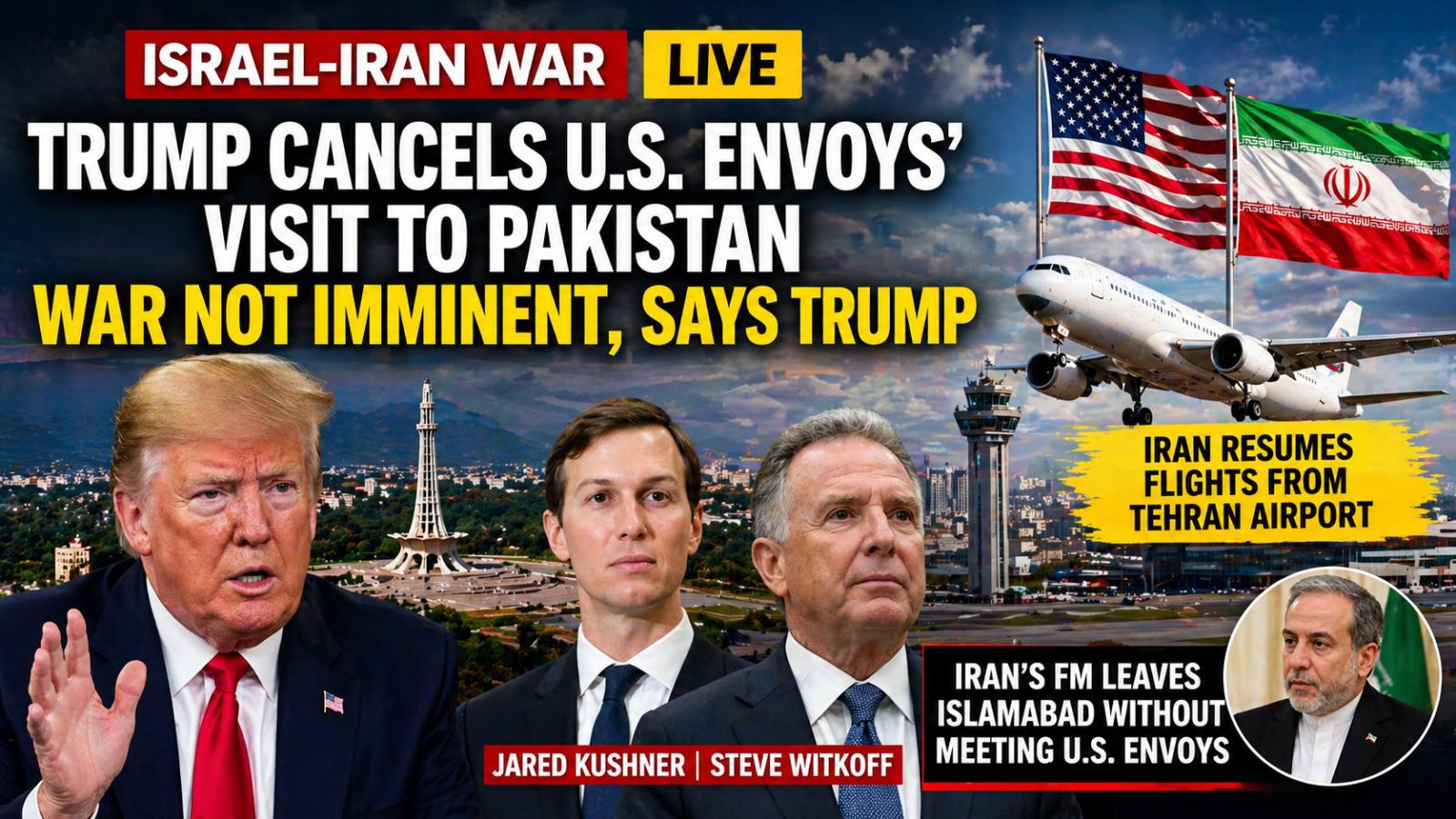
Israel-Iran War LIVE: Trump Cancels Pakistan Talks, Says War Not Imminent
U.S. President Donald Trump has cancelled a planned visit by American envoys to Pakistan for talks with Iran, in a move that raises fresh uncertainty around ongoing diplomatic efforts tied to the Israel-Iran conflict. According to reports , the cancelled trip would have involved senior envoys
Israel-Iran War LIVE: Trump Cancels Pakistan Talks, Says War Not Imminent
U.S. President Donald Trump has cancelled a planned visit by American envoys to Pakistan for talks with Iran, in a move that raises fresh uncertainty around ongoing diplomatic efforts tied to the Israel-Iran conflict. According to reports , the cancelled trip would have involved senior envoys
Iran executes man over alleged Mossad link during protests
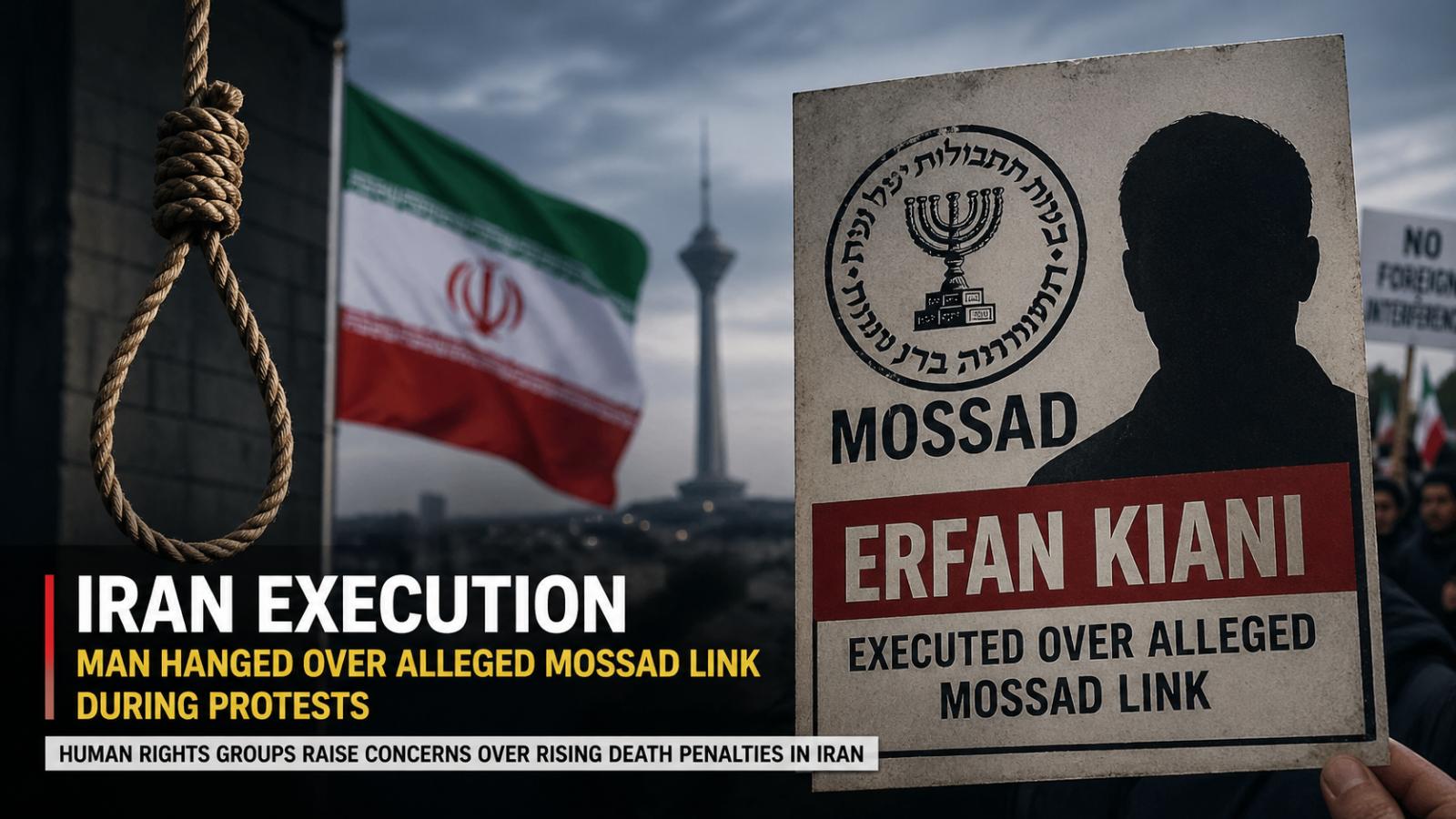
Iran execution of a protest-linked man accused of working with Mossad has drawn global attention, as authorities continue to enforce strict measures following unrest earlier this year. Officials confirmed on Saturday that Erfan Kiani was executed after being convicted of carrying out activities linked to Israeli intelligence during January protests, highlighting the country’s ongoing crackdown amid rising regional tensions. According to Iran’s j
Iran executes man over alleged Mossad link during protests
Iran execution of a protest-linked man accused of working with Mossad has drawn global attention, as authorities continue to enforce strict measures following unrest earlier this year. Officials confirmed on Saturday that Erfan Kiani was executed after being convicted of carrying out activities linked to Israeli intelligence during January protests, highlighting the country’s ongoing crackdown amid rising regional tensions. According to Iran’s j
Trump post on India sparks diplomatic pushback from US and India
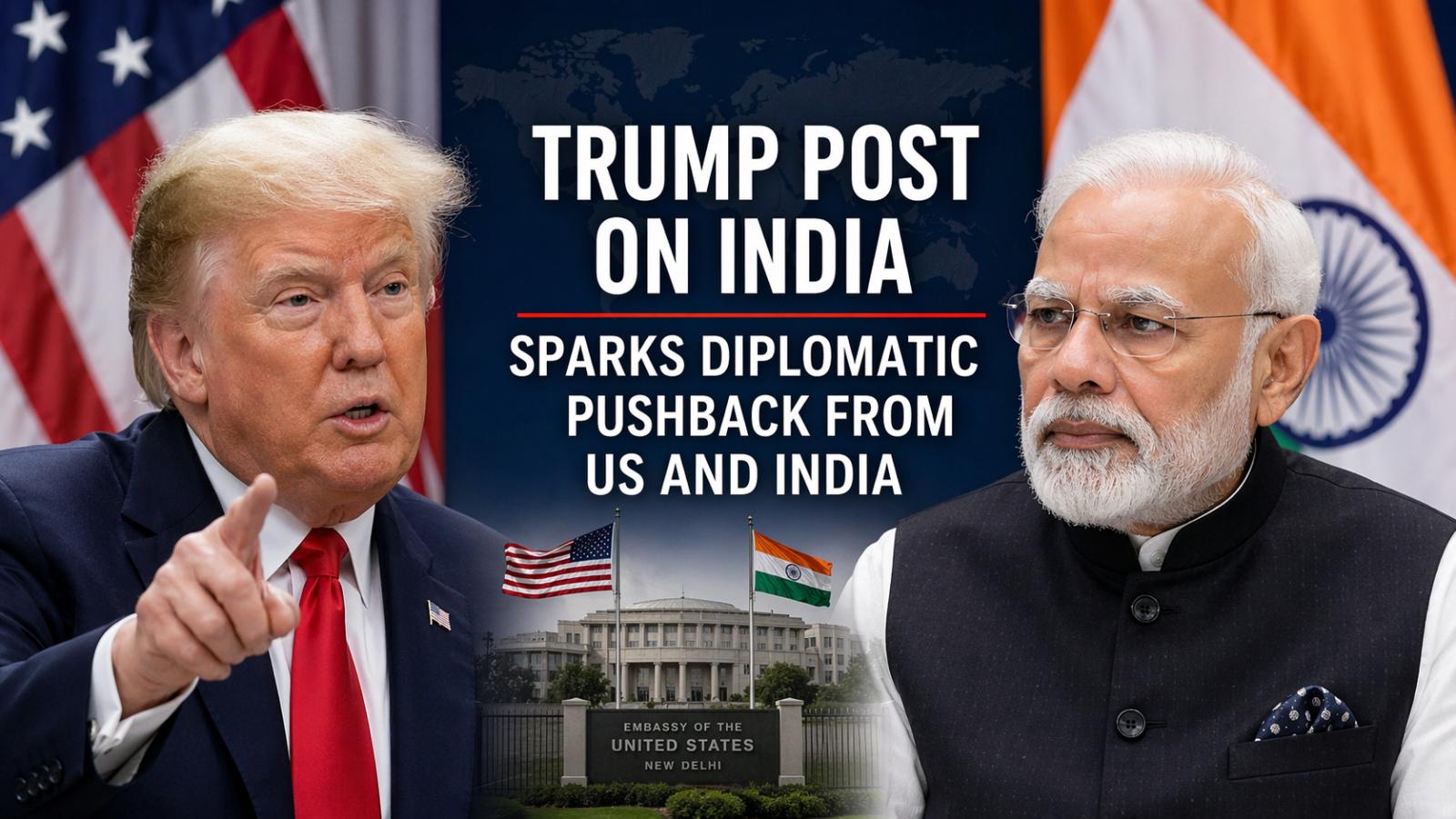
A controversial Trump post on India triggered diplomatic reactions from US and Indian officials, prompting efforts to reaffirm strong bilateral ties and address global political concerns. Trump post on India sparks diplomatic pushback from US and India — Hours after Donald Trump shared a social media post containing derogatory language about India, US officials moved sw
Trump post on India sparks diplomatic pushback from US and India
A controversial Trump post on India triggered diplomatic reactions from US and Indian officials, prompting efforts to reaffirm strong bilateral ties and address global political concerns. Trump post on India sparks diplomatic pushback from US and India — Hours after Donald Trump shared a social media post containing derogatory language about India, US officials moved sw
EU approves $105 billion Ukraine loan and new Russia sanctions after deadlock ends
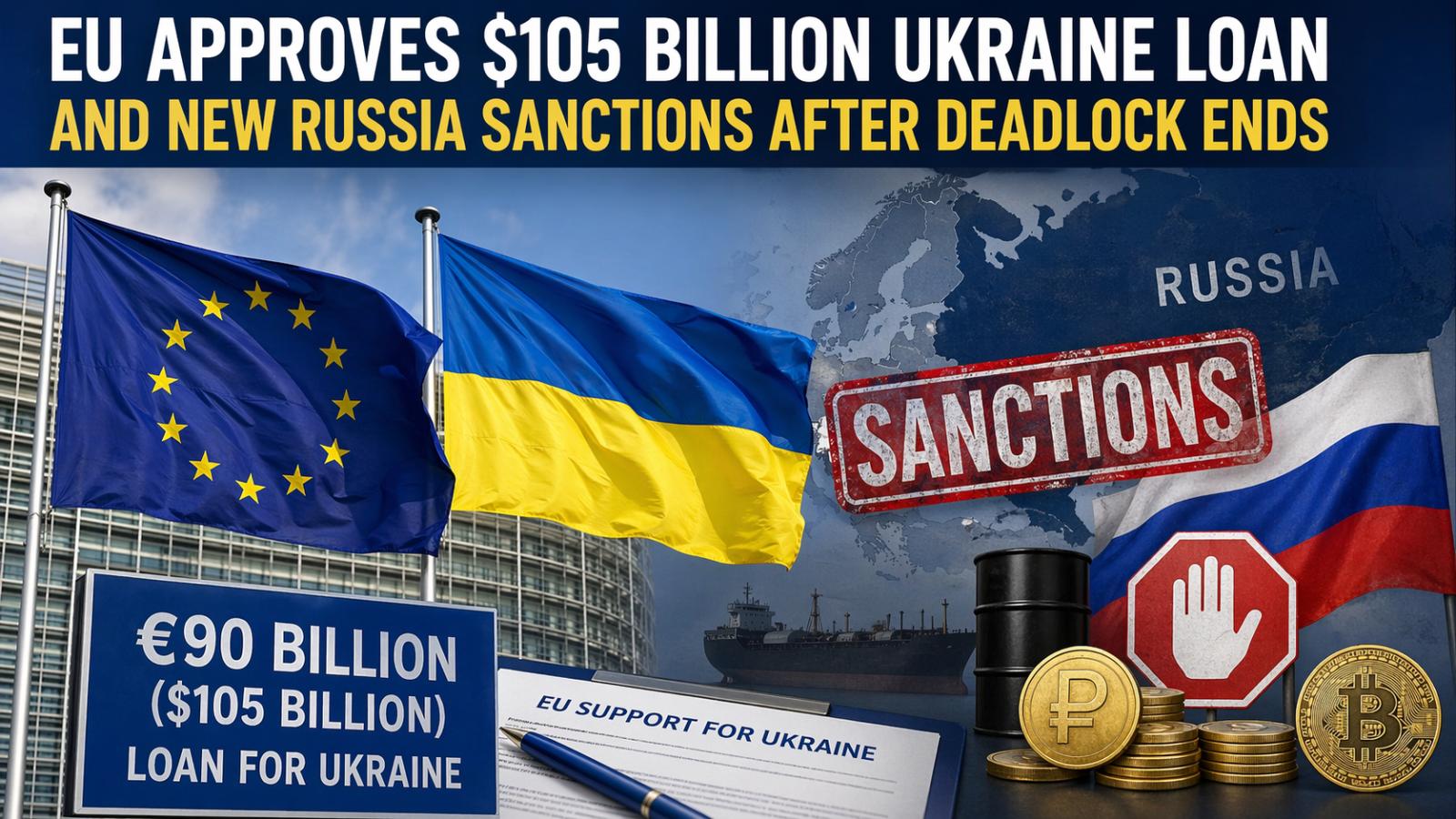
EU approves major Ukraine aid and new Russia sanctions after resolving internal disputes, strengthening Kyiv’s position and increasing pressure on Moscow amid ongoing war. EU approves $105 billion Ukraine loan and new Russia sanctions after deadlock ends. The European Union on Thursday, April 23, 2026, granted final approval to a €90 billion ($105 billion) loan for Ukraine and endorsed a new round of sanctions against Russia, marking a significant shift
EU approves $105 billion Ukraine loan and new Russia sanctions after deadlock ends
EU approves major Ukraine aid and new Russia sanctions after resolving internal disputes, strengthening Kyiv’s position and increasing pressure on Moscow amid ongoing war. EU approves $105 billion Ukraine loan and new Russia sanctions after deadlock ends. The European Union on Thursday, April 23, 2026, granted final approval to a €90 billion ($105 billion) loan for Ukraine and endorsed a new round of sanctions against Russia, marking a significant shift
US Maintains Pressure on Iran as Talks Remain Uncertain Amid Ceasefire
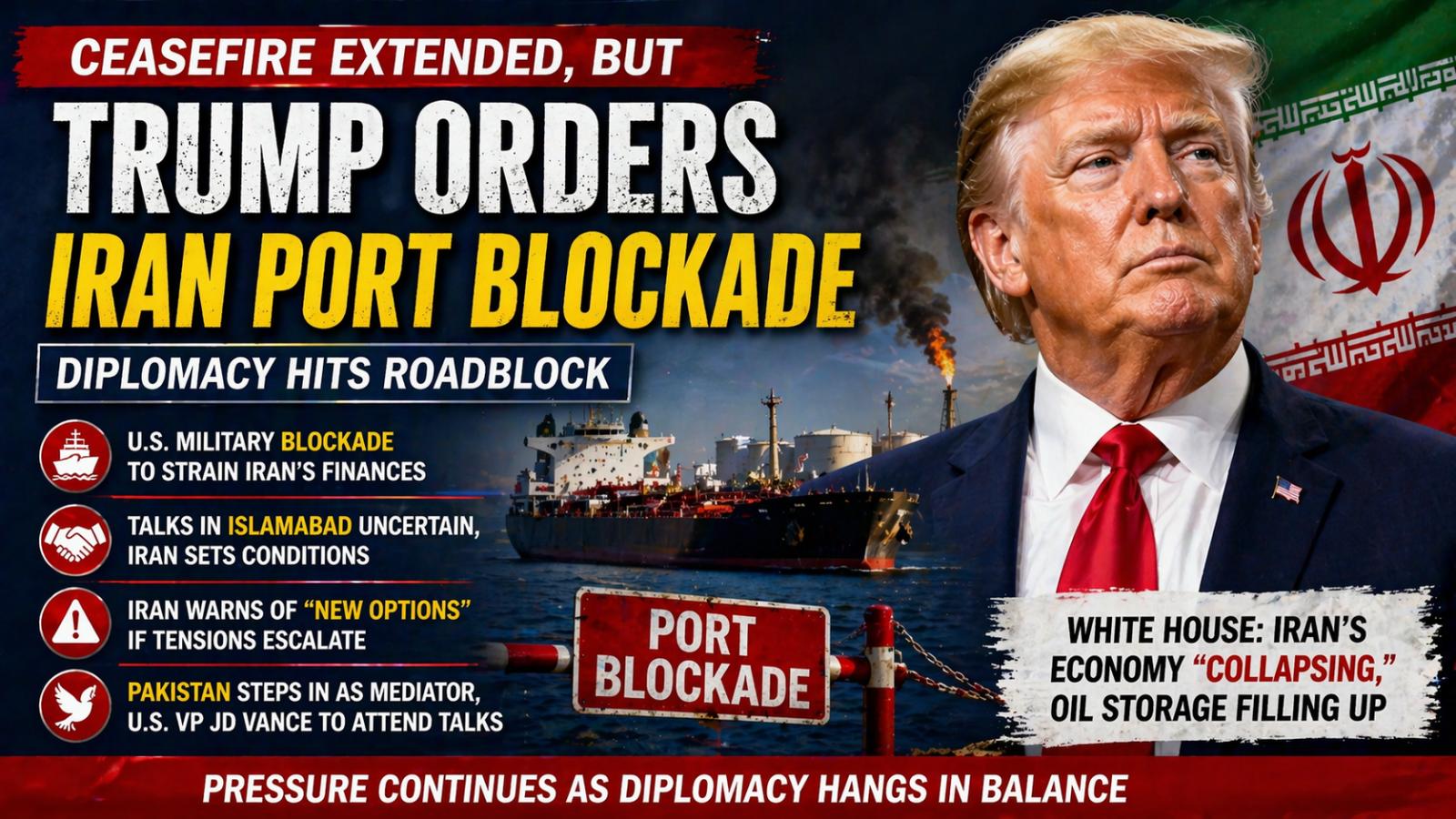
The United States has maintained pressure on Iran despite a formal agreement to extend a ceasefire aimed at creating space for diplomacy. President Donald Trump has ordered the continuation of a military blockade targeting Iranian ports, a move designed to restrict Tehran’s financial resources. The administration has indicated that Iran’s economy is under significant strain, citing limited cash reserves and increasing pressure on oil storage facilities, particularly at Kharg Island. While the ceasefire extension was initially viewed as an opportunity to advance negotiations, diplomatic progress remains uncertain. Reports of a possible summit in Islamabad have been challenged by Iranian officials, who state that no delegation has departed for Pakistan. Iranian state authorities have dismissed claims of imminent talks, emphasizing that key preconditions have not been met. Tehran has maintained that any formal negotiations would require a complete halt to Israeli military actions in Lebanon. Without such assurances, Iranian leaders have expressed reluctance to engage in further discussions. Officials have also accused the United States of pursuing a strategy focused on coercion rather than constructive dialogue, raising concerns about the credibility of ongoing diplomatic efforts. Senior Iranian figures have issued strong warnings about the potential consequences of continued pressure. Parliamentary speaker Mohammad Baqer Ghalibaf suggested that Iran could explore alternative responses if tensions escalate further. Foreign Minister Abbas Araghchi criticized what he described as repeated violations of the ceasefire, while President Masoud Pezeshkian underscored the importance of trust and consistency in any negotiation process. Pakistan has emerged as a potential mediator, preparing to host talks in Islamabad in an effort to bridge differences between the two sides. The United States is expected to send Vice President JD Vance to participate in discussions, although Iran has yet to confirm its involvement. As both diplomatic and military dynamics continue to unfold, the path toward resolution remains uncertain.
US Maintains Pressure on Iran as Talks Remain Uncertain Amid Ceasefire
The United States has maintained pressure on Iran despite a formal agreement to extend a ceasefire aimed at creating space for diplomacy. President Donald Trump has ordered the continuation of a military blockade targeting Iranian ports, a move designed to restrict Tehran’s financial resources. The administration has indicated that Iran’s economy is under significant strain, citing limited cash reserves and increasing pressure on oil storage facilities, particularly at Kharg Island. While the ceasefire extension was initially viewed as an opportunity to advance negotiations, diplomatic progress remains uncertain. Reports of a possible summit in Islamabad have been challenged by Iranian officials, who state that no delegation has departed for Pakistan. Iranian state authorities have dismissed claims of imminent talks, emphasizing that key preconditions have not been met. Tehran has maintained that any formal negotiations would require a complete halt to Israeli military actions in Lebanon. Without such assurances, Iranian leaders have expressed reluctance to engage in further discussions. Officials have also accused the United States of pursuing a strategy focused on coercion rather than constructive dialogue, raising concerns about the credibility of ongoing diplomatic efforts. Senior Iranian figures have issued strong warnings about the potential consequences of continued pressure. Parliamentary speaker Mohammad Baqer Ghalibaf suggested that Iran could explore alternative responses if tensions escalate further. Foreign Minister Abbas Araghchi criticized what he described as repeated violations of the ceasefire, while President Masoud Pezeshkian underscored the importance of trust and consistency in any negotiation process. Pakistan has emerged as a potential mediator, preparing to host talks in Islamabad in an effort to bridge differences between the two sides. The United States is expected to send Vice President JD Vance to participate in discussions, although Iran has yet to confirm its involvement. As both diplomatic and military dynamics continue to unfold, the path toward resolution remains uncertain.
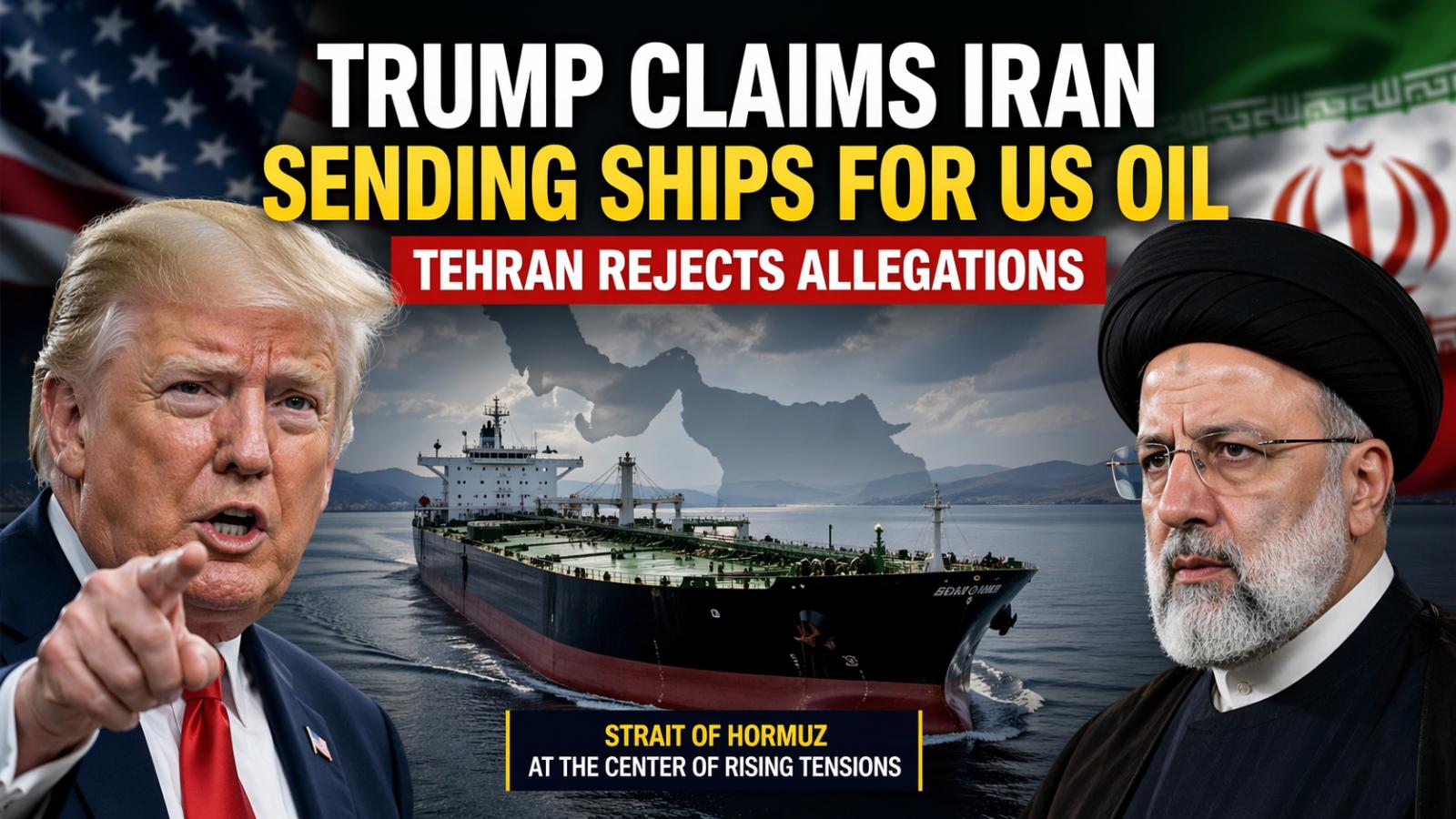
US-Iran tensions rise as Trump makes unverified oil shipment claims
US President Donald Trump has claimed that Iran is sending ships to the United States to access its oil reserves, a statement that has drawn swift rejection from Tehran amid already heightened tensions in the Strait of Hormuz. Posting on Truth Social, Trump alleged that Iranian leadership was directing vessels toward states such as Texas, Louisiana, and Alaska to secure oil, though he did not provid
US-Iran tensions rise as Trump makes unverified oil shipment claims
US President Donald Trump has claimed that Iran is sending ships to the United States to access its oil reserves, a statement that has drawn swift rejection from Tehran amid already heightened tensions in the Strait of Hormuz. Posting on Truth Social, Trump alleged that Iranian leadership was directing vessels toward states such as Texas, Louisiana, and Alaska to secure oil, though he did not provid
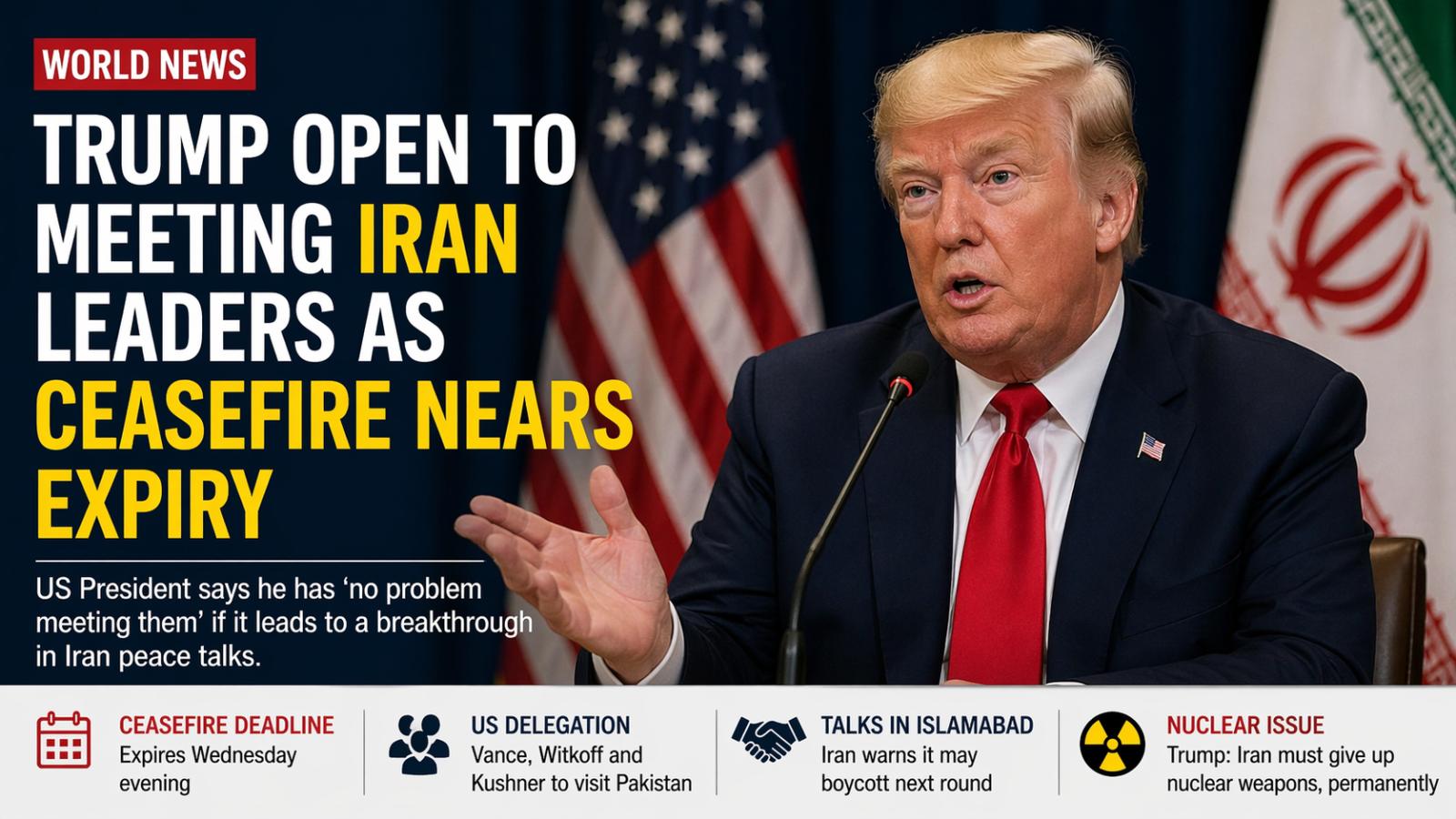
Trump proposes meeting Iran amid stalled peace talks and ceasefire deadline
United States President Donald Trump on Monday indicated his willingness to meet Iranian leaders directly, as diplomatic efforts to sustain a fragile ceasefire between Washington and Iran approach a critical deadline. The two-week ceasefire is set to expire on Wednesday evening, raising concerns that hosti
Trump proposes meeting Iran amid stalled peace talks and ceasefire deadline
United States President Donald Trump on Monday indicated his willingness to meet Iranian leaders directly, as diplomatic efforts to sustain a fragile ceasefire between Washington and Iran approach a critical deadline. The two-week ceasefire is set to expire on Wednesday evening, raising concerns that hosti
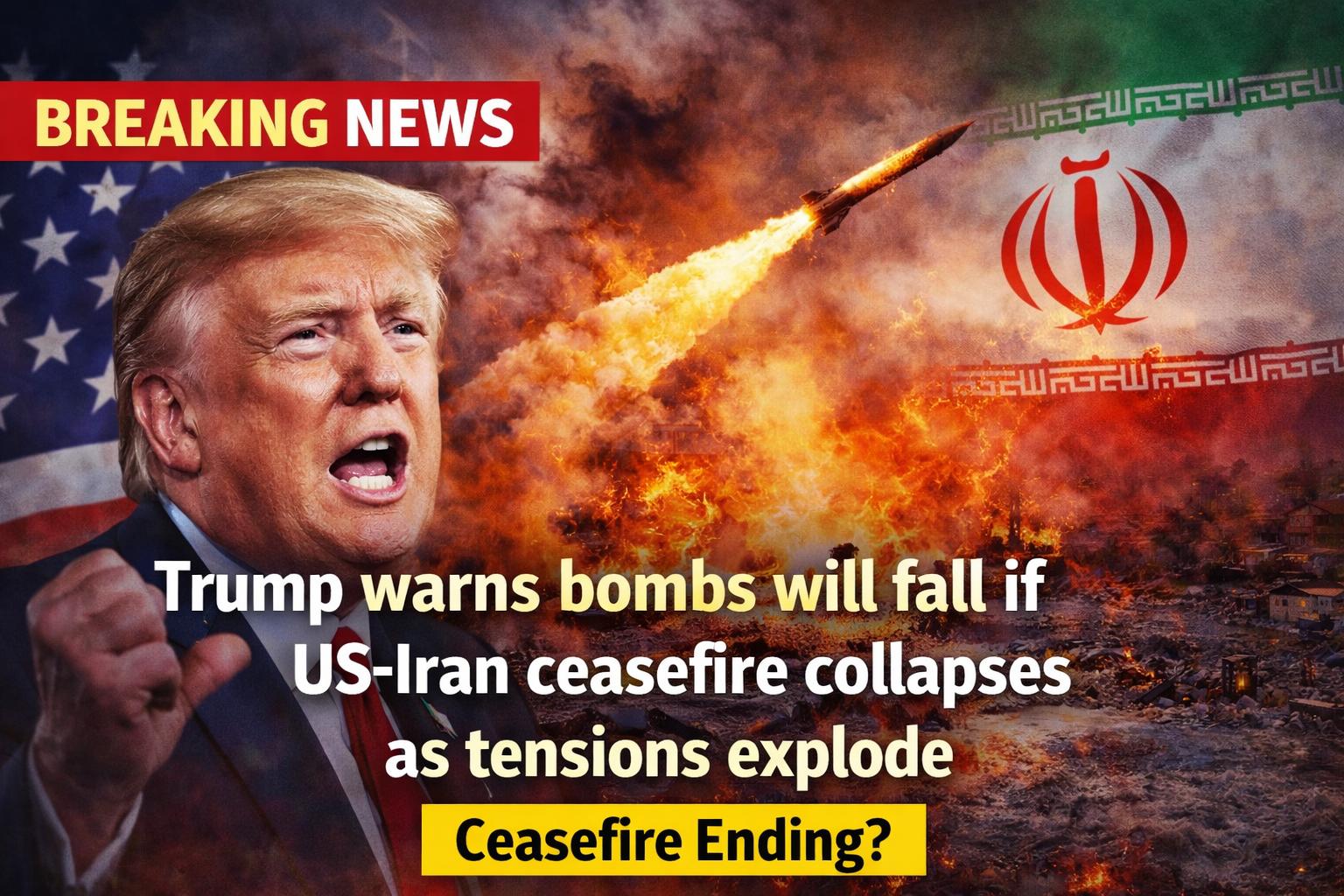
Trump warns bombs will fall if US-Iran ceasefire collapses as tensions explode
US Iran war ceasefire warning Trump signals rising tensions The US Iran war ceasefire warning Trump has intensified global concerns as the fragile truce between Washington and Tehran nears its expiration. With tensions already high, US President Donald Trump has warned that military action could resume if a deal is not reached in time. The situation is being closely watched worldwide, as the outcome could significantly imp
Trump warns bombs will fall if US-Iran ceasefire collapses as tensions explode
US Iran war ceasefire warning Trump signals rising tensions The US Iran war ceasefire warning Trump has intensified global concerns as the fragile truce between Washington and Tehran nears its expiration. With tensions already high, US President Donald Trump has warned that military action could resume if a deal is not reached in time. The situation is being closely watched worldwide, as the outcome could significantly imp










