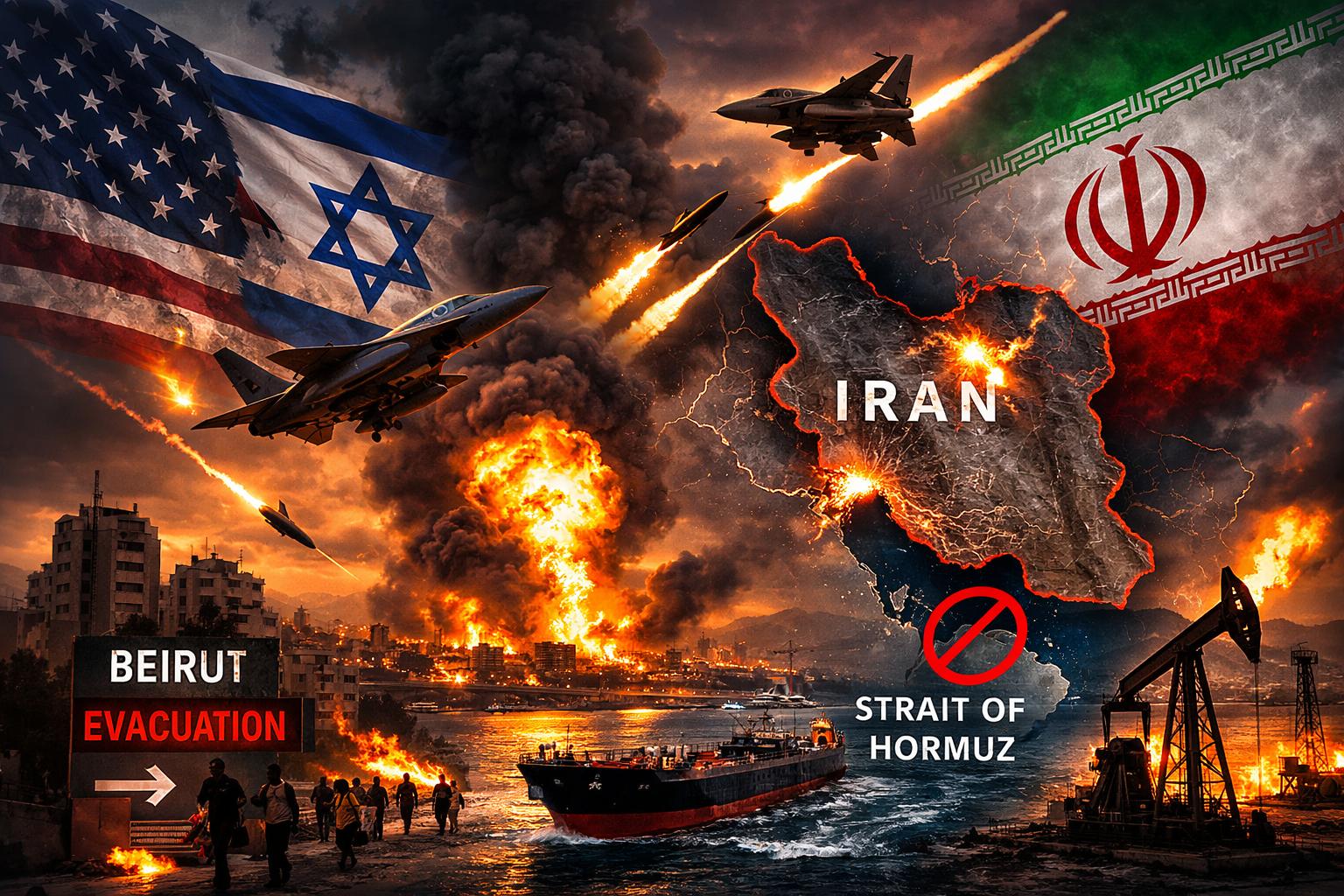
The conflict between Iran, the United States, and Israel has intensified sharply, with the death toll from ongoing airstrikes reaching at least 1,230 since Saturday. The latest developments mark a significant escalation in the Middle East conflict, raising fears of wider regional instability and disruptions to global energy supply routes.
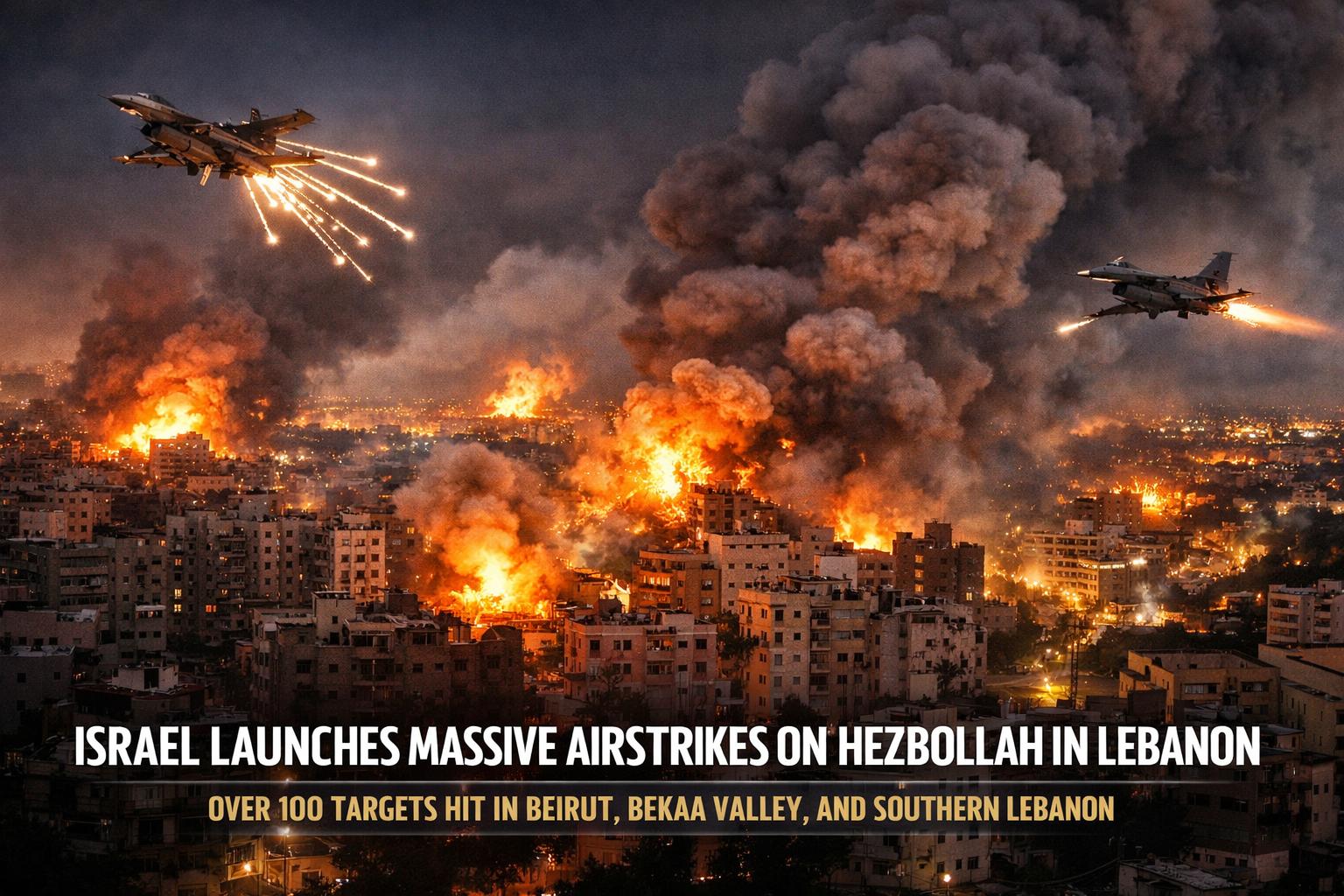
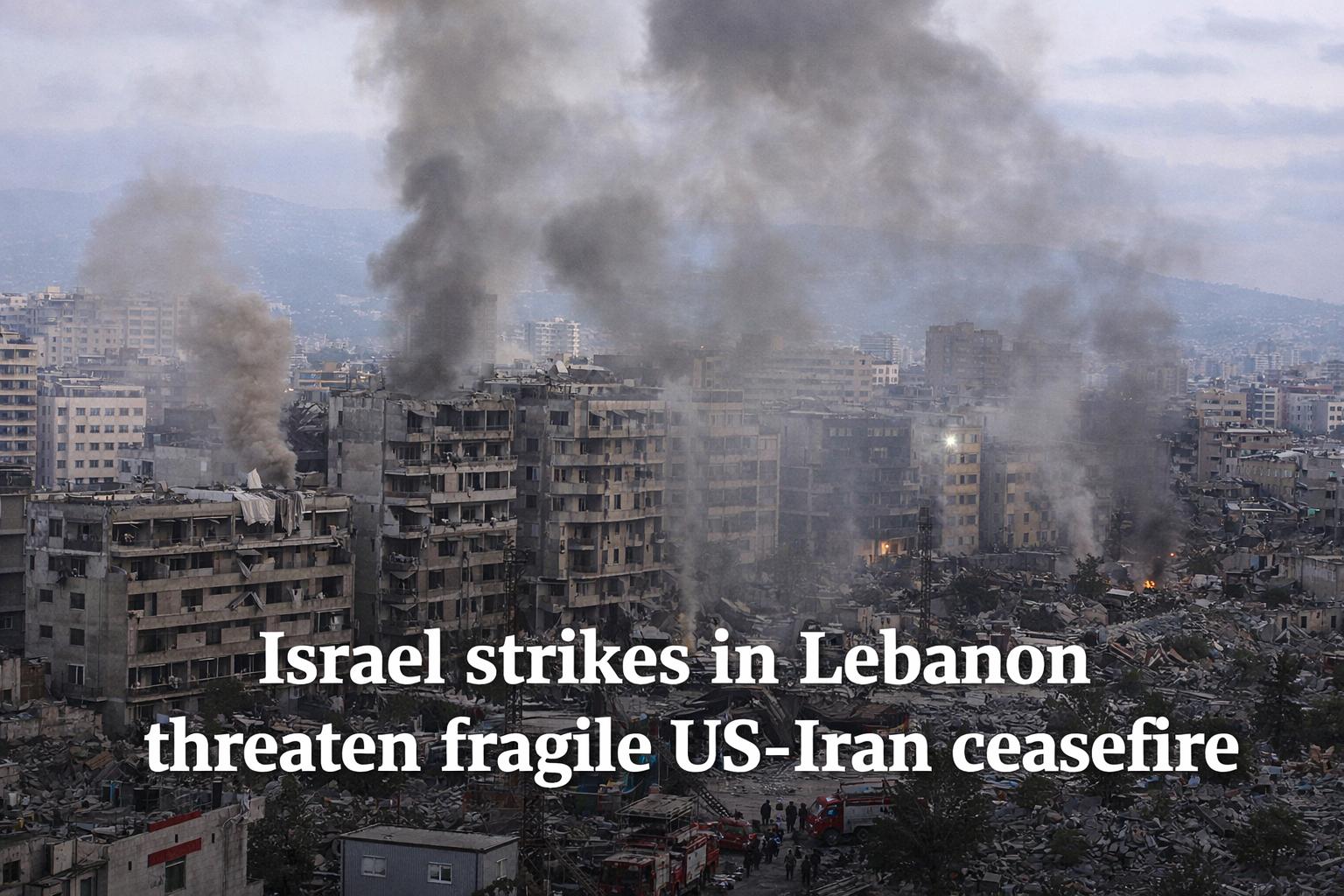
In parallel with the strikes targeting Iran, the Israeli military has issued evacuation orders for the southern suburbs of Beirut, a densely populated area home to hundreds of thousands of residents. The directive has heightened concerns about a possible expansion of hostilities beyond Iran’s borders, as residents began moving out of affected districts amid uncertainty about potential military action.
Political tensions have also intensified following remarks by US President Donald Trump regarding Iran’s future leadership. Speaking to reporters, Trump said Mojtaba Khamenei, the son of the late Iranian Supreme Leader Ali Khamenei, would be an unacceptable successor. He added that Washington should play a role in determining Iran’s next leadership structure, comments that have further fueled diplomatic friction between the two countries.
Iranian officials have responded with strong warnings about security risks in the region. Foreign Minister Abbas Araghchi cautioned that potential terrorist movements could emerge along Iran’s border with Iraq, calling for tighter security coordination. His remarks come amid reports that the United States has been holding discussions with Kurdish groups regarding possible support and military assistance.
At the same time, senior Iranian official Ali Larijani stated that Iran is prepared for any escalation, including a potential American ground invasion. He said the country’s military forces remain on alert and ready to respond if such a scenario unfolds.
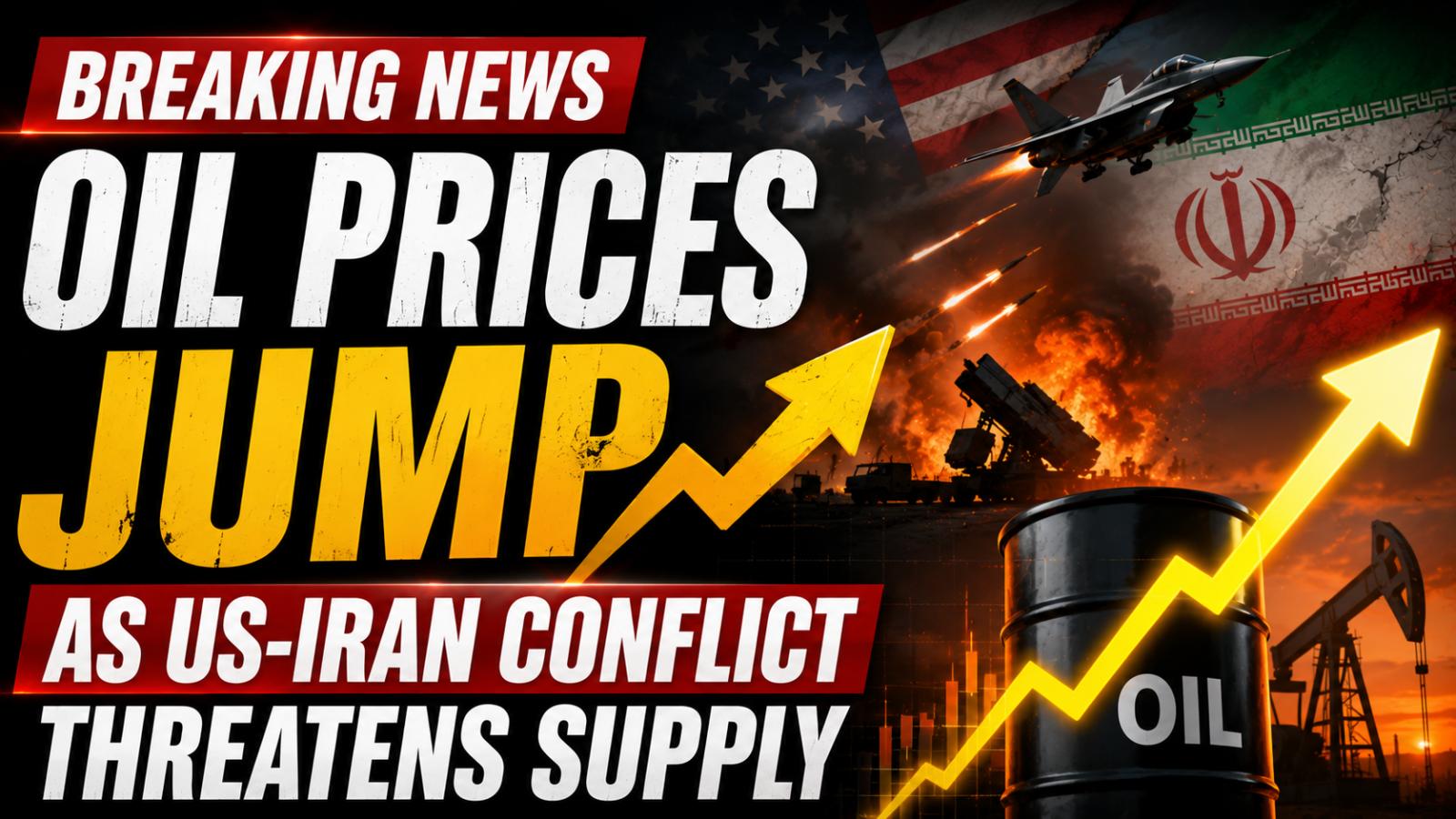
The growing confrontation is also affecting international energy markets. Shipping companies have begun avoiding the Strait of Hormuz, one of the world’s most critical oil transit routes, after Iran’s Islamic Revolutionary Guard Corps announced the waterway’s closure. The disruption has raised concerns about the stability of global oil supply chains and the broader economic impact of the escalating regional conflict.