- datacompass
- 17 Jun 2026
- #Global Conflicts #oil #energy #brent #wti #markets #geopolitics #iran #us #trade #futures
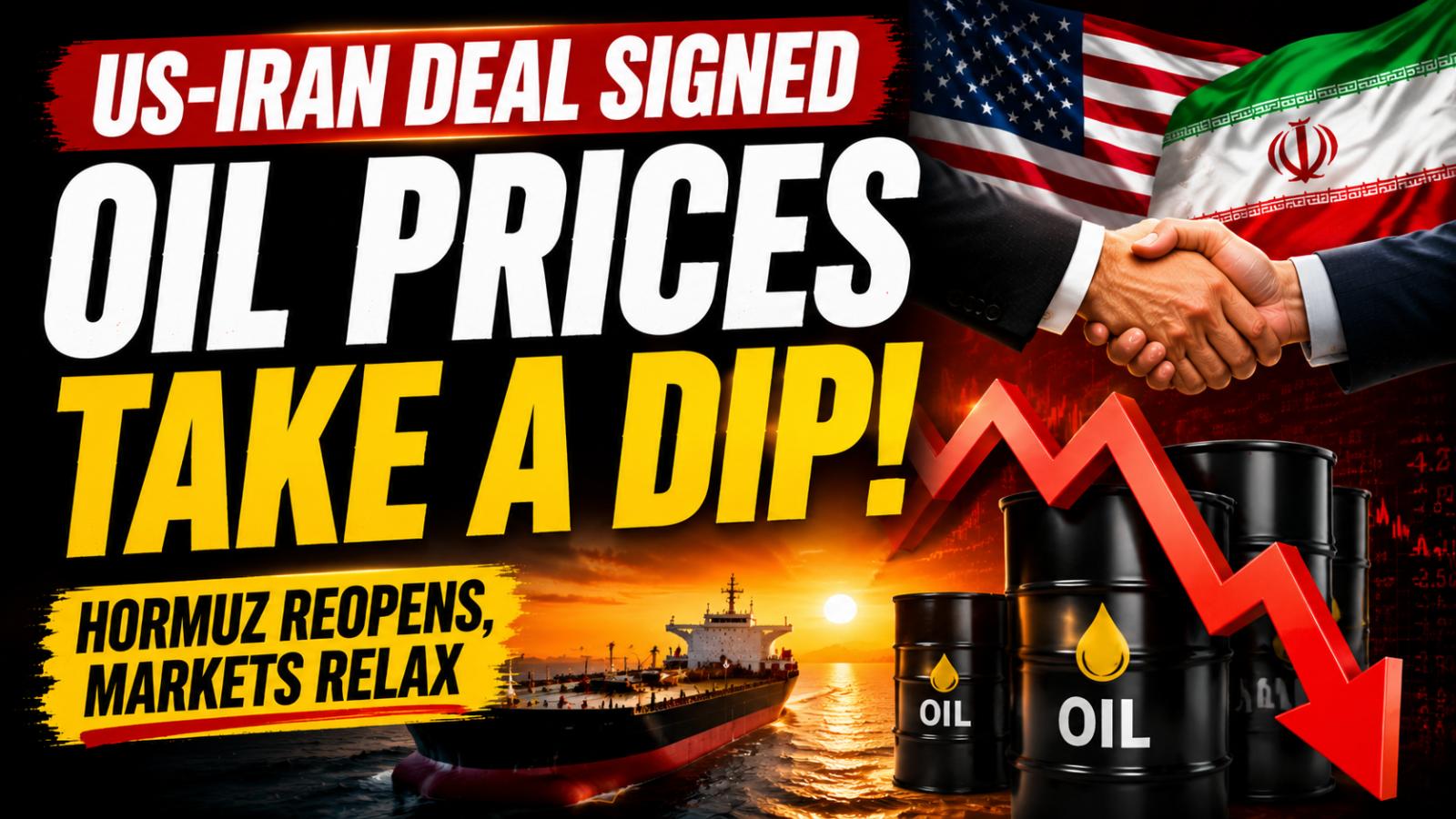
Oil Markets Fall After US-Iran Interim Agreement
Global oil prices slipped in early trading on Thursday,June 18,2026 following the announcement of an interim agreement between the United States and Iran aimed at ending the conflict in the Middle East. The development has eased immediate concerns over supply disruptions through one of the world’s most critical energy corridors, the Strait of Hormuz.
Market Reaction Reflects Easing Supply Risk
Brent crude futures fell by more than one percent, while US West Texas Intermediate also recorded a similar decline as traders responded to expectations of improved supply stability. The price movement reflects reduced geopolitical risk premiums that had previously pushed oil higher amid escalating tensions in the Gulf region.
The agreement between Washington and Tehran is seen as a key step toward restoring normal energy flows, particularly after weeks of uncertainty that had disrupted shipping routes and raised fears of prolonged instability in global oil markets.
Hormuz Reopening Supports Market Sentiment
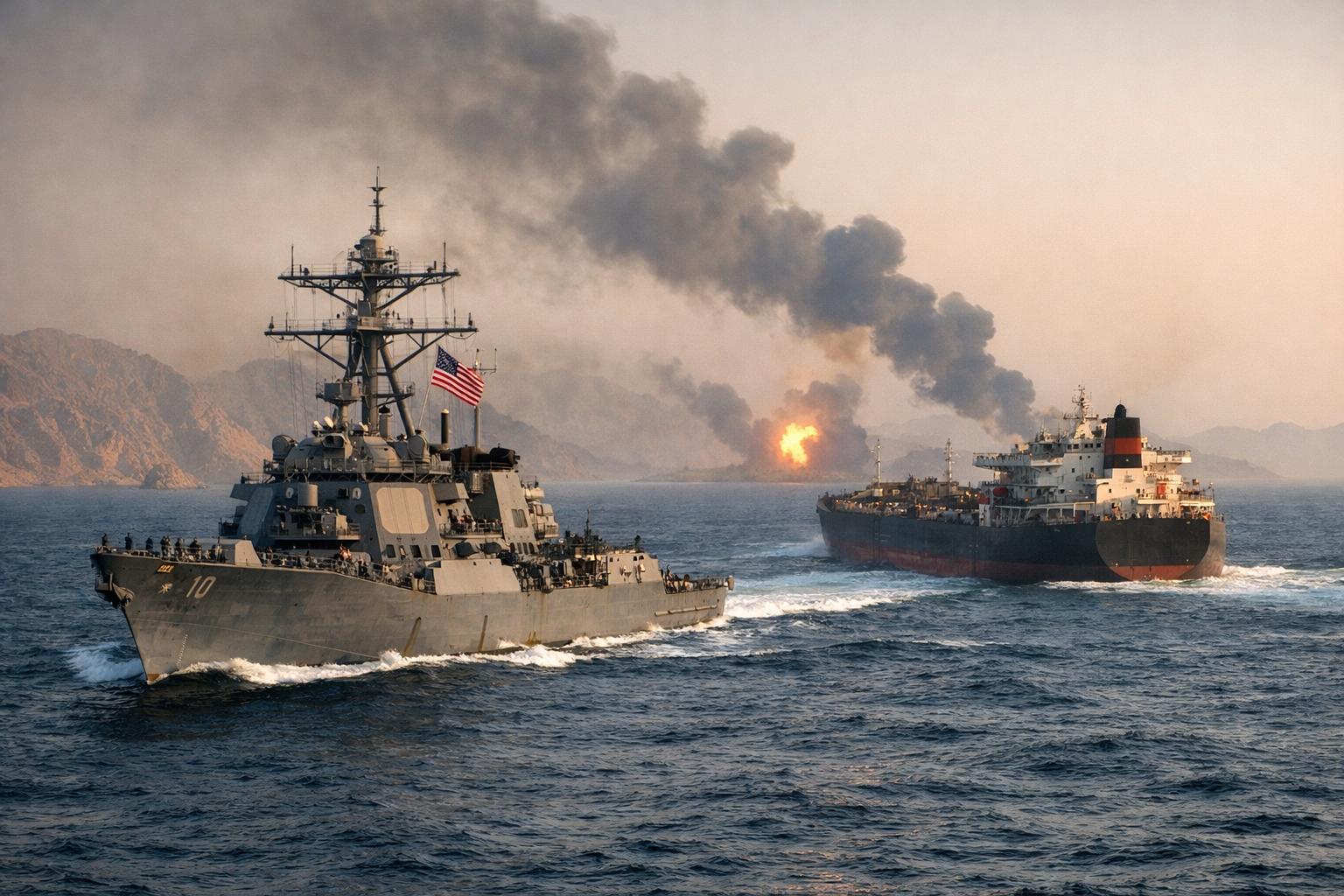
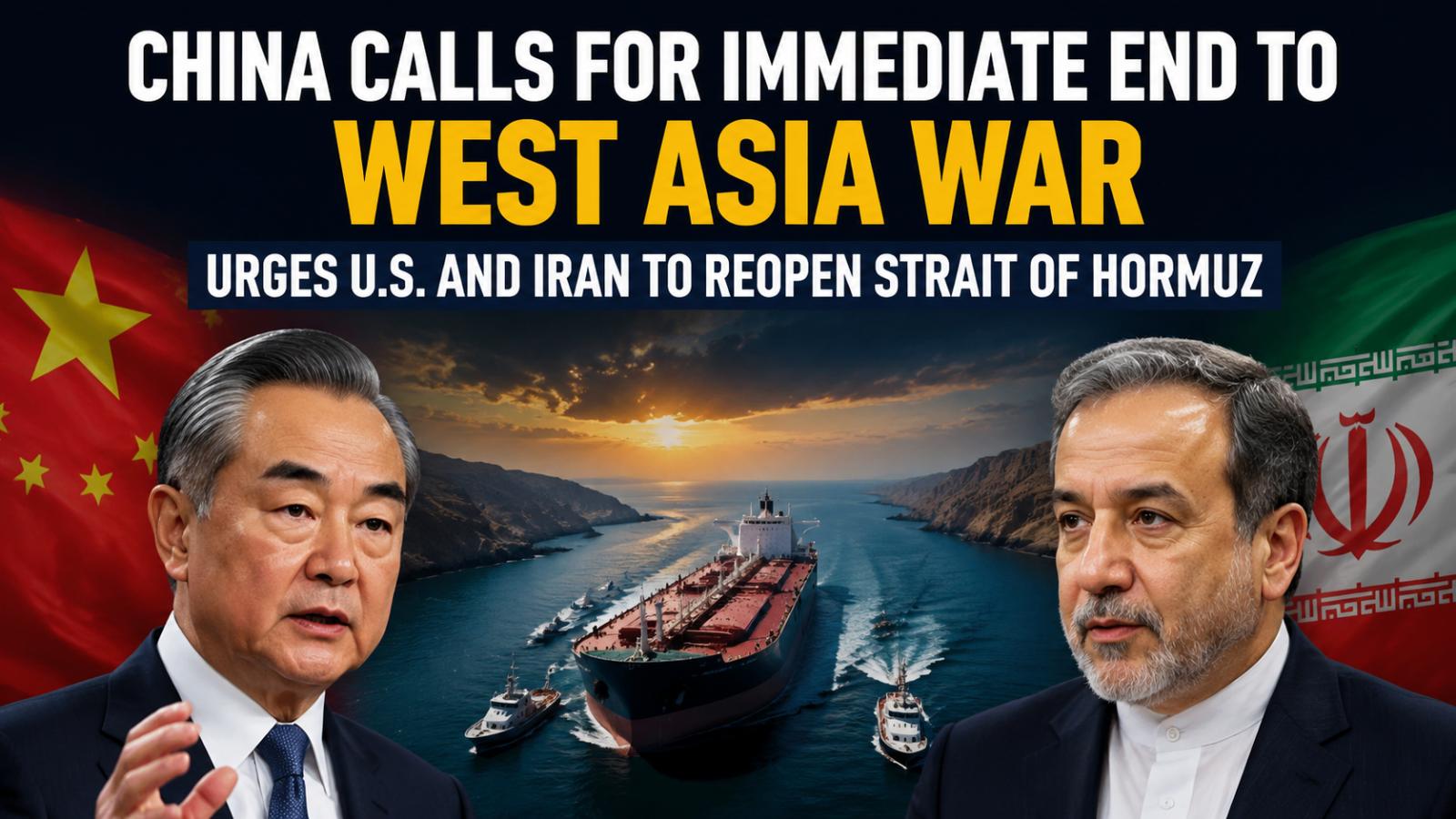
Following the signing of the US-Iran memorandum of understanding, Pakistan’s Prime Minister Shehbaz Sharif stated that the Strait of Hormuz would be reopened immediately and that US restrictions on Iranian ports would be lifted without delay. The strait is one of the most important global shipping lanes for crude oil, handling a significant portion of the world’s energy supply.
The potential reopening of the waterway has been interpreted by markets as a stabilizing factor, reducing the risk of prolonged supply bottlenecks and easing pressure on global fuel prices.
Energy Stability Returns to Focus
The recent conflict had created one of the most significant disruptions to energy markets in recent years, pushing crude prices higher due to fears of supply shortages. With the interim deal now in place, attention is shifting toward the implementation of diplomatic measures and the restoration of shipping activity through key maritime routes.
Market analysts suggest that while short-term volatility may continue, the agreement represents a turning point for global oil stability if fully implemented.
Outlook Depends on Implementation
Despite the immediate market relief, uncertainty remains over the durability of the agreement and the pace at which sanctions relief and maritime access will be restored. Traders are closely monitoring developments in the coming days as both sides move into a negotiation phase aimed at formalizing a longer-term settlement.
For now, the easing of tensions has provided temporary relief to global energy markets, signaling a possible shift away from conflict-driven price volatility toward a more stable trading environment.