The US-China 30-for-30 trade framework could lower tariffs on about $60 billion in two-way commerce, with each country identifying roughly $30 billion in non-sensitive imports. Farm goods, medical devices and consumer goods are included, but exact tariff rates and an implementation date remain unsettled.
Tariff cuts
Washington and Beij
The US-China 30-for-30 trade framework could lower tariffs on about $60 billion in two-way commerce, with each country identifying roughly $30 billion in non-sensitive imports. Farm goods, medical devices and consumer goods are included, but exact tariff rates and an implementation date remain unsettled.
Tariff cuts
Washington and Beij
Ottawa is moving ahead with the Ottawa Trump Avenue renaming after city council unanimously backed changing the residential street’s name, adding a symbolic chapter to increasingly strained Canada-US relations. The decision comes weeks after President Donald Trump ordered US federal agencies to refer to Lake Ontario as “Lake America.”
Ottawa vote starts street renaming process
Ottawa City
Ottawa is moving ahead with the Ottawa Trump Avenue renaming after city council unanimously backed changing the residential street’s name, adding a symbolic chapter to increasingly strained Canada-US relations. The decision comes weeks after President Donald Trump ordered US federal agencies to refer to Lake Ontario as “Lake America.”
Ottawa vote starts street renaming process
Ottawa City
Chinese President Xi Jinping begins a three-day U.S. state visit on September 23, 2026, with President Donald Trump expected to greet him at Joint Base Andrews. White House talks will focus on trade, artificial intelligence, rare earths and wider U.S.-China tensions.
Chinese President Xi Jinping is set to begin a three-day state visit to the United States on Wednesday, September 23, 2026, with President Donald Trump expect
Chinese President Xi Jinping begins a three-day U.S. state visit on September 23, 2026, with President Donald Trump expected to greet him at Joint Base Andrews. White House talks will focus on trade, artificial intelligence, rare earths and wider U.S.-China tensions.
Chinese President Xi Jinping is set to begin a three-day state visit to the United States on Wednesday, September 23, 2026, with President Donald Trump expect
US China trade talks moved into a crucial phase in New York as Treasury Secretary Scott Bessent and Chinese Vice Premier He Lifeng discussed artificial intelligence, tariffs and critical minerals ahead of Donald Trump and Xi Jinping’s September 24 White House meeting.
US China trade talks prepare Trump-Xi summit
US China trade talks moved into a crucial phase in New York as Treasury Secretary Scott Bessent and Chinese Vice Premier He Lifeng discussed artificial intelligence, tariffs and critical minerals ahead of Donald Trump and Xi Jinping’s September 24 White House meeting.
US China trade talks prepare Trump-Xi summit
A new Israel settler poll has exposed a sharp divide over violence in the West Bank as the October 27 election approaches. The JPPI survey on Qusra, growing diplomatic pressure over settlements and Gaza’s humanitarian strain are all shaping a tense campaign.
Qusra poll shows split over settler violence
The Jewish People Policy Institute surveyed Israelis from September 1 to 3 after violence in Qusra, where dozens of masked Israeli civi
A new Israel settler poll has exposed a sharp divide over violence in the West Bank as the October 27 election approaches. The JPPI survey on Qusra, growing diplomatic pressure over settlements and Gaza’s humanitarian strain are all shaping a tense campaign.
Qusra poll shows split over settler violence
The Jewish People Policy Institute surveyed Israelis from September 1 to 3 after violence in Qusra, where dozens of masked Israeli civi
US President Donald Trump has escalated the dispute with Canada by announcing new restrictions on selected Canadian imports, while Ottawa has activated retaliatory tariffs on US goods. The measures deepen the US-Canada trade conflict and increase uncertainty for businesses on both sides of the border.
Tariffs Raise Pressure on Cross-Border Trade
The White House announced on September 8 that cer
US President Donald Trump has escalated the dispute with Canada by announcing new restrictions on selected Canadian imports, while Ottawa has activated retaliatory tariffs on US goods. The measures deepen the US-Canada trade conflict and increase uncertainty for businesses on both sides of the border.
Tariffs Raise Pressure on Cross-Border Trade
The White House announced on September 8 that cer
Mark Carney trade talks with the United States remain frozen as Canada rejects US trade demands affecting key industries and sovereignty. Ottawa says negotiations can resume if Washington takes a more serious approach while new tariffs deepen the dispute.
Mark Carney trade talks remain stalled
Canadian Prime Minister Mark Carney has called on US President Donald Trump’s administration to take
Mark Carney trade talks with the United States remain frozen as Canada rejects US trade demands affecting key industries and sovereignty. Ottawa says negotiations can resume if Washington takes a more serious approach while new tariffs deepen the dispute.
Mark Carney trade talks remain stalled
Canadian Prime Minister Mark Carney has called on US President Donald Trump’s administration to take
The Trump Canada trade war has entered a sharper phase after negotiations between Washington and Ottawa collapsed and new US tariffs took effect. Canada is preparing dollar-for-dollar retaliation from September 8, adding fresh pressure to one of the world's largest and most integrated trading relationships.
Canada Tariffs
The United States imposed tariffs of up to 50% on a new group of Canadian
The Trump Canada trade war has entered a sharper phase after negotiations between Washington and Ottawa collapsed and new US tariffs took effect. Canada is preparing dollar-for-dollar retaliation from September 8, adding fresh pressure to one of the world's largest and most integrated trading relationships.
Canada Tariffs
The United States imposed tariffs of up to 50% on a new group of Canadian
Ontario Premier Doug Ford sharply escalated his feud with US President Donald Trump, calling him a “bully,” “dictator” and “loser” as the Canada-US tariff dispute moved from trade negotiations into an increasingly personal political confrontation.
Ford Trump row turns personal
Ford made the remarks during a news conference in Ha
Ontario Premier Doug Ford sharply escalated his feud with US President Donald Trump, calling him a “bully,” “dictator” and “loser” as the Canada-US tariff dispute moved from trade negotiations into an increasingly personal political confrontation.
Ford Trump row turns personal
Ford made the remarks during a news conference in Ha
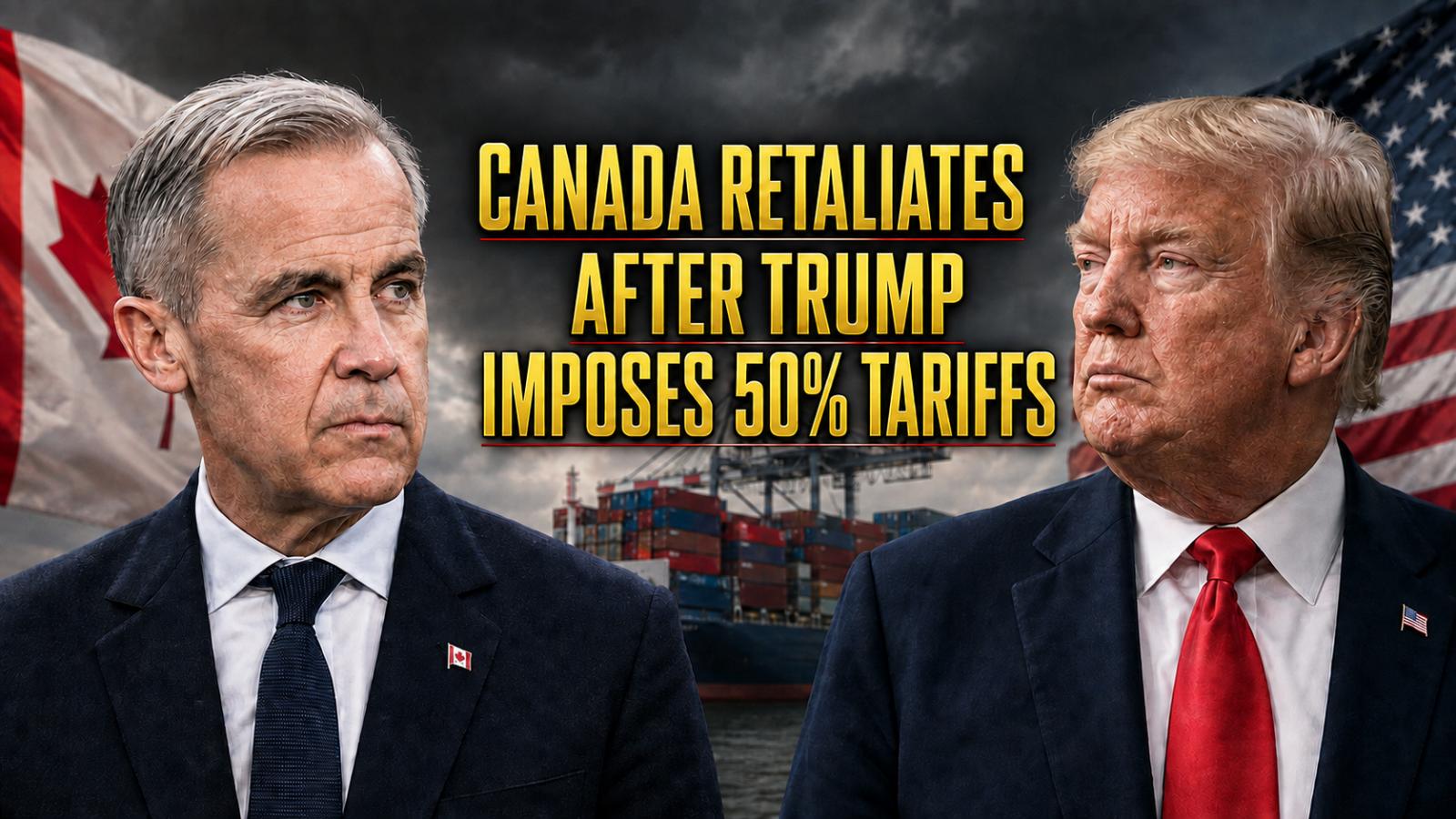
Trump Canada tariffs have pushed the US-Canada trade dispute into a sharper confrontation after negotiations collapsed and Washington imposed 50% duties on roughly $20 billion in Canadian imports. Ottawa is preparing counter-tariffs, while US officials warn Canada could face severe economic consequences.
Trump Canada tariffs follow failed trade talks
Trump Canada tariffs have pushed the US-Canada trade dispute into a sharper confrontation after negotiations collapsed and Washington imposed 50% duties on roughly $20 billion in Canadian imports. Ottawa is preparing counter-tariffs, while US officials warn Canada could face severe economic consequences.
Trump Canada tariffs follow failed trade talks
The US-Canada trade war intensified over the weekend after the Trump administration warned Ottawa that retaliating against Washington’s new tariffs could bring “devastating” economic consequences. Canada, however, has refused to back down, with Prime Minister Mark Carney announcing counter-tariffs after trade negotiations collapsed.
Trump Canada tariffs
The US-Canada trade war intensified over the weekend after the Trump administration warned Ottawa that retaliating against Washington’s new tariffs could bring “devastating” economic consequences. Canada, however, has refused to back down, with Prime Minister Mark Carney announcing counter-tariffs after trade negotiations collapsed.
Trump Canada tariffs
Canada retaliatory tariffs on US goods will begin September 8 after Trump’s 50% tariffs on Canada took effect. As Canada-US trade talks collapse, Mark Carney has promised a dollar-for-dollar response to protect Canadian industries and workers.
Canada-US trade talks collapse
Canadian Prime Minister Mark Carney has announced that Canada will impose retaliator
Canada retaliatory tariffs on US goods will begin September 8 after Trump’s 50% tariffs on Canada took effect. As Canada-US trade talks collapse, Mark Carney has promised a dollar-for-dollar response to protect Canadian industries and workers.
Canada-US trade talks collapse
Canadian Prime Minister Mark Carney has announced that Canada will impose retaliator
The US Canada tariff crisis entered a sharper phase after negotiations in Washington ended without an agreement, clearing the way for 50% US tariffs on nearly $20 billion worth of Canadian imports. Canada responded by suspending negotiations and preparing matching retaliatory measures as the tariff impact threatens to deepen tensions between the neighboring economies.
Canada retaliation follows collapse in negotiations
The US Canada tariff crisis entered a sharper phase after negotiations in Washington ended without an agreement, clearing the way for 50% US tariffs on nearly $20 billion worth of Canadian imports. Canada responded by suspending negotiations and preparing matching retaliatory measures as the tariff impact threatens to deepen tensions between the neighboring economies.
Canada retaliation follows collapse in negotiations
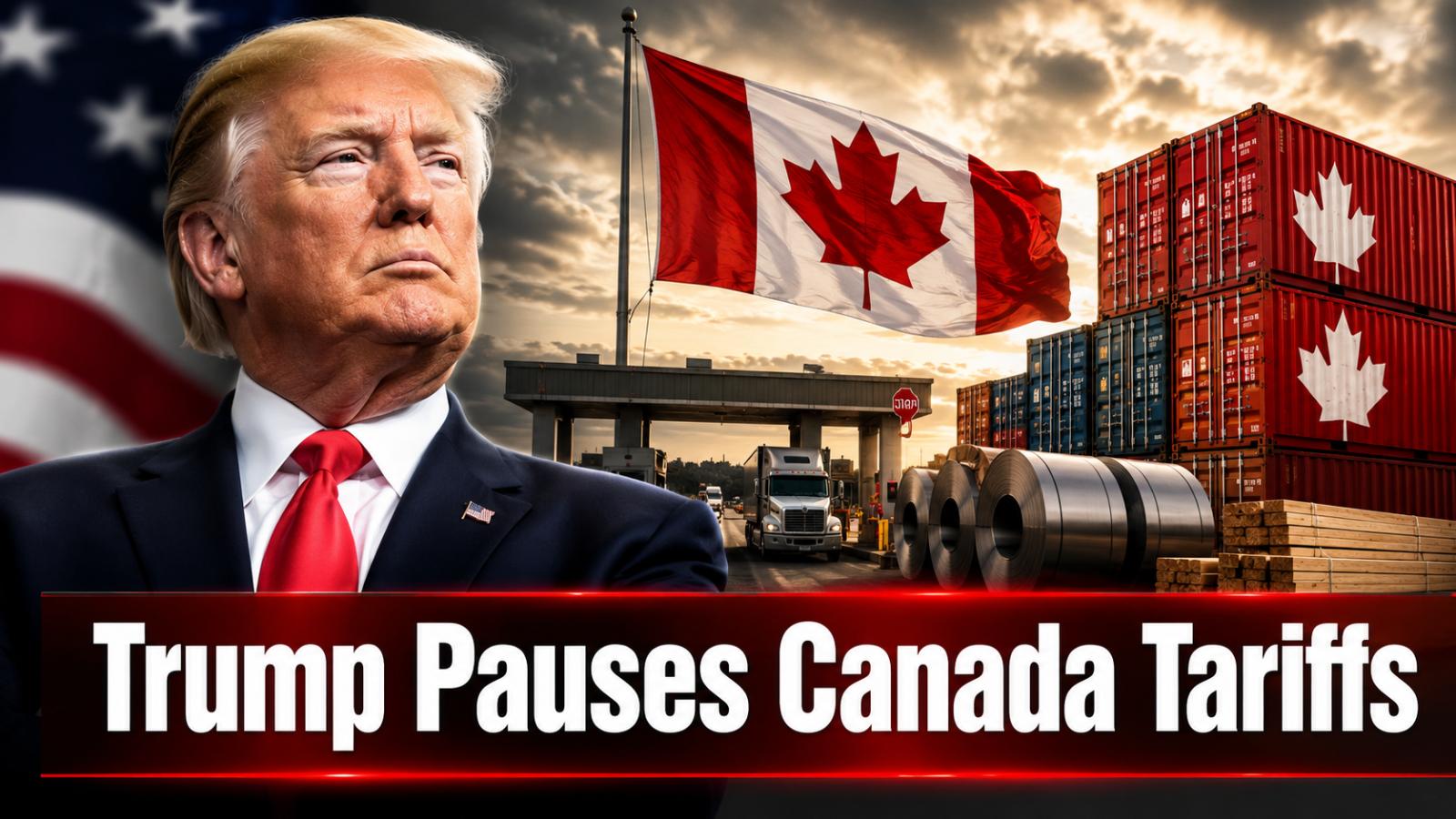
President Donald Trump has announced a three-day Trump Canada tariff pause, delaying new 50% duties on Canadian goods after saying Washington and Ottawa have a deal pending final documents. The Canada trade deal follows intense Carney talks and renewed discussion about a Keystone revival.
Trump Canada tariff pause
US President Donald Trump announced late Tuesday, August 18, that planned 50% tar
President Donald Trump has announced a three-day Trump Canada tariff pause, delaying new 50% duties on Canadian goods after saying Washington and Ottawa have a deal pending final documents. The Canada trade deal follows intense Carney talks and renewed discussion about a Keystone revival.
Trump Canada tariff pause
US President Donald Trump announced late Tuesday, August 18, that planned 50% tar
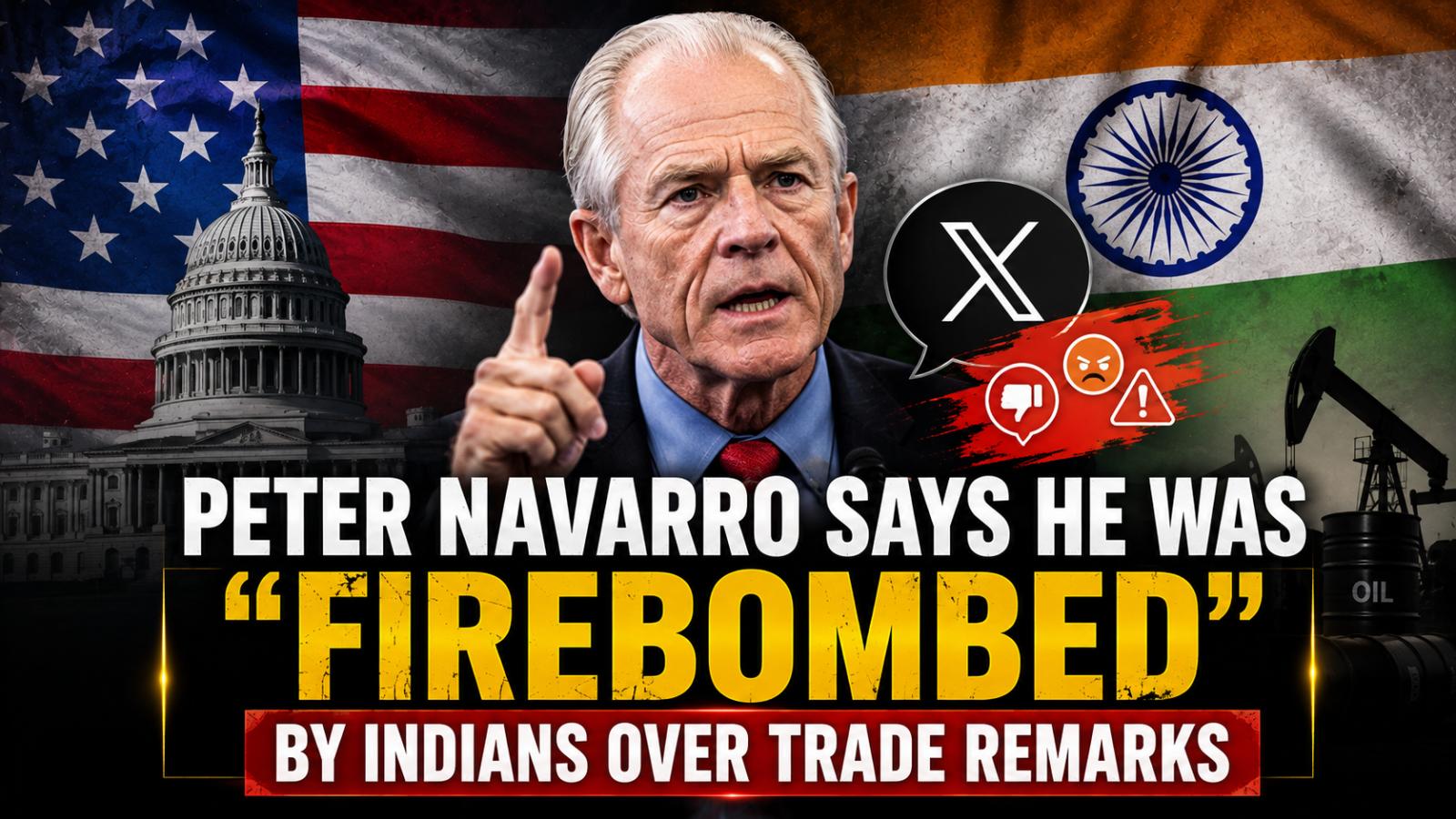
White House trade adviser Peter Navarro has again put US-India trade tensions in the spotlight after saying he was “firebombed” online by Indians over his criticism of New Delhi's tariff policies and purchases of Russian oil. His latest comments revive a controversy that began last year but come as Washington and New Delhi continue trying to manage their broader strategic and economic relationship.
India backlash follows Navarro's trade criticism
White House trade adviser Peter Navarro has again put US-India trade tensions in the spotlight after saying he was “firebombed” online by Indians over his criticism of New Delhi's tariff policies and purchases of Russian oil. His latest comments revive a controversy that began last year but come as Washington and New Delhi continue trying to manage their broader strategic and economic relationship.
India backlash follows Navarro's trade criticism
Trump tariff refunds have reached about $100 billion after the Supreme Court rejected the president’s use of emergency powers to impose sweeping import duties. The repayments are helping importers recover IEEPA charges while opening a new legal battle over replacement tariffs.
Trump Tariff Refunds Reach $100 Billion
The Trump administration has processed approximately $100 billion in refunds for importers that paid tariffs imposed unde
Trump tariff refunds have reached about $100 billion after the Supreme Court rejected the president’s use of emergency powers to impose sweeping import duties. The repayments are helping importers recover IEEPA charges while opening a new legal battle over replacement tariffs.
Trump Tariff Refunds Reach $100 Billion
The Trump administration has processed approximately $100 billion in refunds for importers that paid tariffs imposed unde
The Trump tariff lawsuit filed by 25 US states challenges new forced-labour duties on 60 trading partners. The case questions the administration’s use of Section 301 and could affect import costs, India-US trade talks and future sanctions tied to Russian energy.
25 States Sue Trump Over New Tariffs
A coalition of 25 US states sued the Trump administration on Monday, August 3, seeking to block
The Trump tariff lawsuit filed by 25 US states challenges new forced-labour duties on 60 trading partners. The case questions the administration’s use of Section 301 and could affect import costs, India-US trade talks and future sanctions tied to Russian energy.
25 States Sue Trump Over New Tariffs
A coalition of 25 US states sued the Trump administration on Monday, August 3, seeking to block
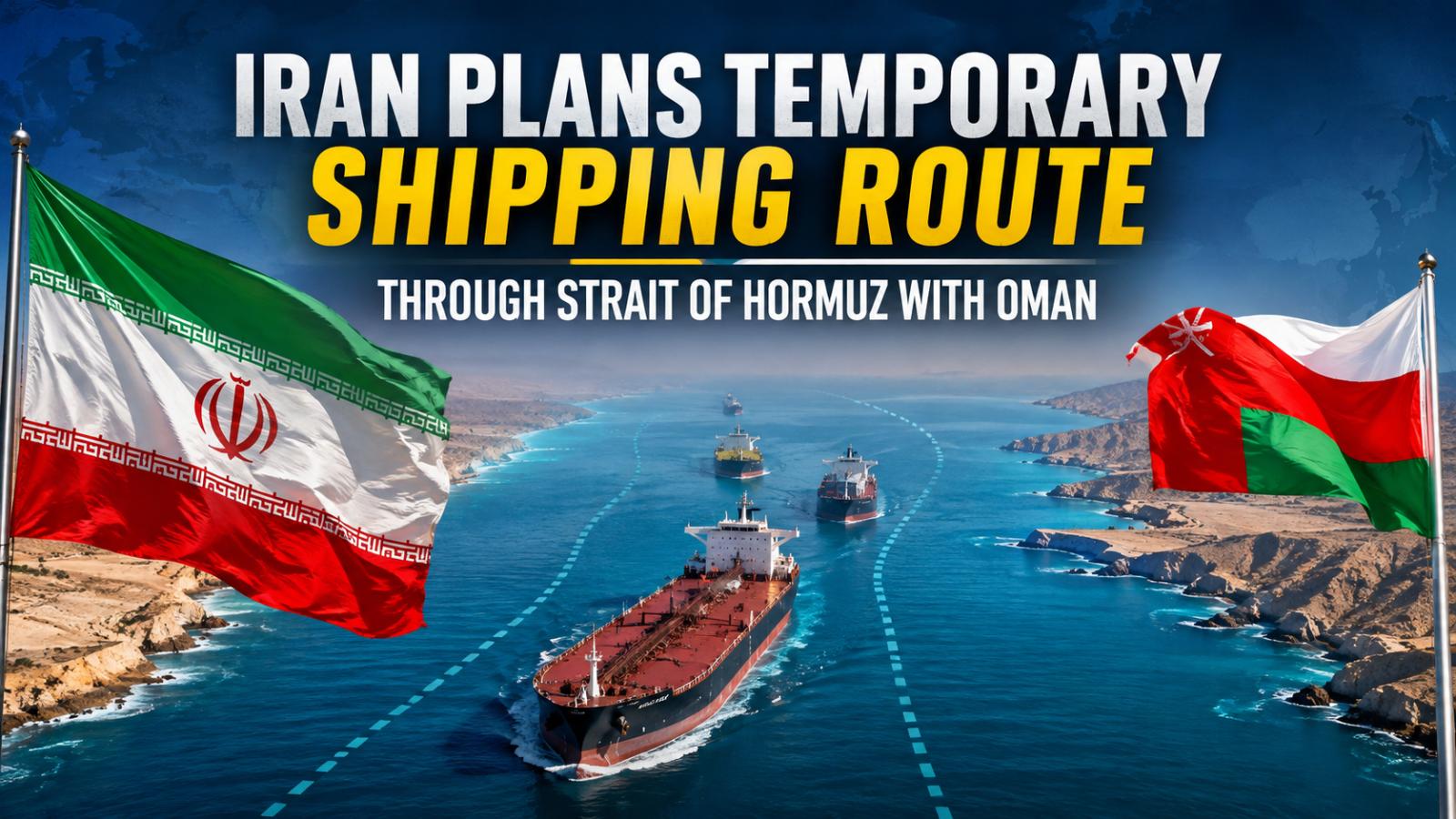
Iran Strait of Hormuz shipping route discussions with Oman are aimed at ensuring safe maritime navigation through one of the world's busiest waterways. Tehran says the proposed temporary corridor is designed to protect shipping while denying reports of direct negotiations with the United States.
Oman Maritime Corridor
Iran has confirmed that it is working with Oman to establish a temporary shipping route through the Strait of Hormuz to support safe navigation for commercial vessels. Speaking during a weekly press briefing on August 3, Iranian Foreign Ministry spokesperson Esmaeil Baghaei said the discussions with Muscat are focused exclusively on creating an interim maritime corridor that can maintain the uninterrupted movement of ships through the strategic waterway.
According to Baghaei, the proposal combines the southern route passing through Omani waters with the northern route inside Iranian territorial waters into a single two-way navigation corridor. He explained that both countries are attempting to develop a practical arrangement that serves the interests of the two coastal states while protecting international shipping until a permanent framework is agreed upon. The statement was attributed to Iran's semi-official Fars News Agency.
Strait of Hormuz Navigation
The Strait of Hormuz remains one of the world's most important energy transit routes, carrying a significant share of global oil and liquefied natural gas exports. Any disruption in the waterway can quickly influence global energy prices, shipping costs and international trade.
Iran says the temporary corridor is intended to improve safety and reduce uncertainty for vessels operating in the region. Officials stressed that the proposal involves one integrated two-way transit system rather than multiple separate routes, making navigation simpler while addressing the operational concerns of both Iran and Oman.
Iran US Relations
Baghaei also dismissed reports suggesting that Tehran had resumed negotiations with the United States. He stated that Iran is not holding talks with Washington, directly contradicting comments made by US President Donald Trump, who said discussions with Iran were expected to begin and expressed optimism about reaching an understanding on both the Strait of Hormuz and Iran's denuclearisation.
The Iranian spokesperson maintained that Oman is serving as a regional partner for navigation discussions rather than a channel for broader negotiations with the United States. He emphasized that Iran's current diplomatic efforts are limited to ensuring maritime safety in cooperation with Muscat.
Regional Security Concerns
Despite the progress in discussions with Oman, Iran cautioned that the proposed arrangement alone would not restore normal shipping conditions. Baghaei argued that broader regional tensions continue to affect maritime security and claimed the situation would remain unchanged as long as what Tehran describes as US aggression and blockade policies continue.
The latest developments highlight the strategic importance of the Strait of Hormuz for global commerce. While the proposed temporary corridor could improve confidence for shipping operators in the short term, its long-term success will depend on wider regional stability and continued diplomatic engagement between the countries bordering the waterway. The statements reflect Iran's current position and have been attributed to remarks by Foreign Ministry spokesperson Esmaeil Baghaei during an official press briefing, as reported by Fars News Agency.
Iran Strait of Hormuz shipping route discussions with Oman are aimed at ensuring safe maritime navigation through one of the world's busiest waterways. Tehran says the proposed temporary corridor is designed to protect shipping while denying reports of direct negotiations with the United States.
Oman Maritime Corridor
Iran has confirmed that it is working with Oman to establish a temporary shipping route through the Strait of Hormuz to support safe navigation for commercial vessels. Speaking during a weekly press briefing on August 3, Iranian Foreign Ministry spokesperson Esmaeil Baghaei said the discussions with Muscat are focused exclusively on creating an interim maritime corridor that can maintain the uninterrupted movement of ships through the strategic waterway.
According to Baghaei, the proposal combines the southern route passing through Omani waters with the northern route inside Iranian territorial waters into a single two-way navigation corridor. He explained that both countries are attempting to develop a practical arrangement that serves the interests of the two coastal states while protecting international shipping until a permanent framework is agreed upon. The statement was attributed to Iran's semi-official Fars News Agency.
Strait of Hormuz Navigation
The Strait of Hormuz remains one of the world's most important energy transit routes, carrying a significant share of global oil and liquefied natural gas exports. Any disruption in the waterway can quickly influence global energy prices, shipping costs and international trade.
Iran says the temporary corridor is intended to improve safety and reduce uncertainty for vessels operating in the region. Officials stressed that the proposal involves one integrated two-way transit system rather than multiple separate routes, making navigation simpler while addressing the operational concerns of both Iran and Oman.
Iran US Relations
Baghaei also dismissed reports suggesting that Tehran had resumed negotiations with the United States. He stated that Iran is not holding talks with Washington, directly contradicting comments made by US President Donald Trump, who said discussions with Iran were expected to begin and expressed optimism about reaching an understanding on both the Strait of Hormuz and Iran's denuclearisation.
The Iranian spokesperson maintained that Oman is serving as a regional partner for navigation discussions rather than a channel for broader negotiations with the United States. He emphasized that Iran's current diplomatic efforts are limited to ensuring maritime safety in cooperation with Muscat.
Regional Security Concerns
Despite the progress in discussions with Oman, Iran cautioned that the proposed arrangement alone would not restore normal shipping conditions. Baghaei argued that broader regional tensions continue to affect maritime security and claimed the situation would remain unchanged as long as what Tehran describes as US aggression and blockade policies continue.
The latest developments highlight the strategic importance of the Strait of Hormuz for global commerce. While the proposed temporary corridor could improve confidence for shipping operators in the short term, its long-term success will depend on wider regional stability and continued diplomatic engagement between the countries bordering the waterway. The statements reflect Iran's current position and have been attributed to remarks by Foreign Ministry spokesperson Esmaeil Baghaei during an official press briefing, as reported by Fars News Agency.
India is closely monitoring a proposed US law that could impose tariffs of up to 100 per cent on countries purchasing significant quantities of Russian oil and gas. The legislation, which has cleared the US Senate, is part of Washington’s broader effort to increase economic pressure on Moscow while discouraging continued purchases of Russian energy.
India Energy Security Remains the Government’s Priority
Speaking during the
India is closely monitoring a proposed US law that could impose tariffs of up to 100 per cent on countries purchasing significant quantities of Russian oil and gas. The legislation, which has cleared the US Senate, is part of Washington’s broader effort to increase economic pressure on Moscow while discouraging continued purchases of Russian energy.
India Energy Security Remains the Government’s Priority
Speaking during the
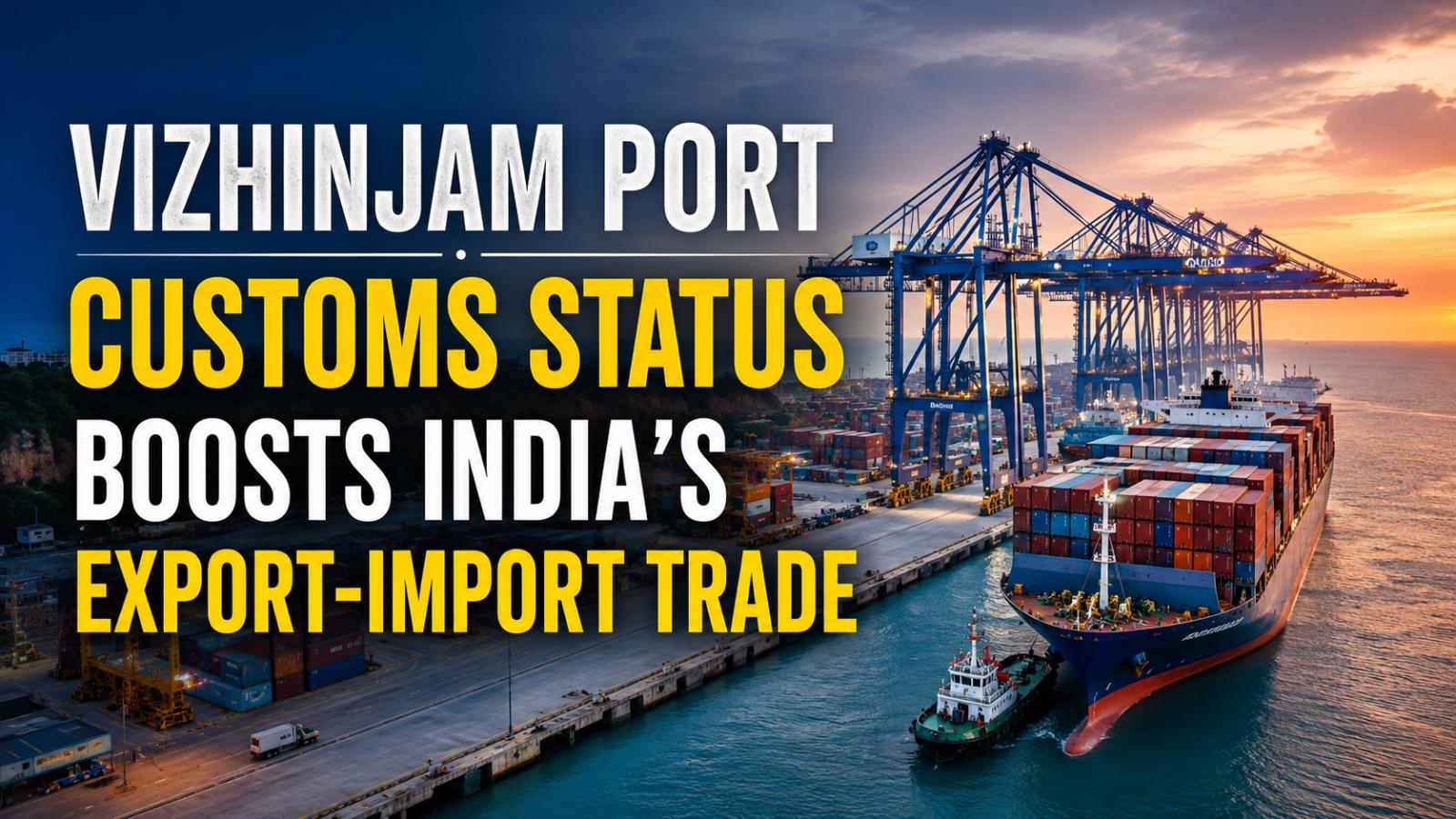
Vizhinjam Port customs status clears the way for direct export-import operations from August 18. The move strengthens the Kerala deepwater port as an India trade gateway, while improving EXIM cargo movement, logistics efficiency and business opportunities.
Vizhinjam Export-Import Operations To Begin
Vizhinjam International Seaport in Kerala has been notified as a customs port, allowing it to handle direct export and import cargo. E
Vizhinjam Port customs status clears the way for direct export-import operations from August 18. The move strengthens the Kerala deepwater port as an India trade gateway, while improving EXIM cargo movement, logistics efficiency and business opportunities.
Vizhinjam Export-Import Operations To Begin
Vizhinjam International Seaport in Kerala has been notified as a customs port, allowing it to handle direct export and import cargo. E