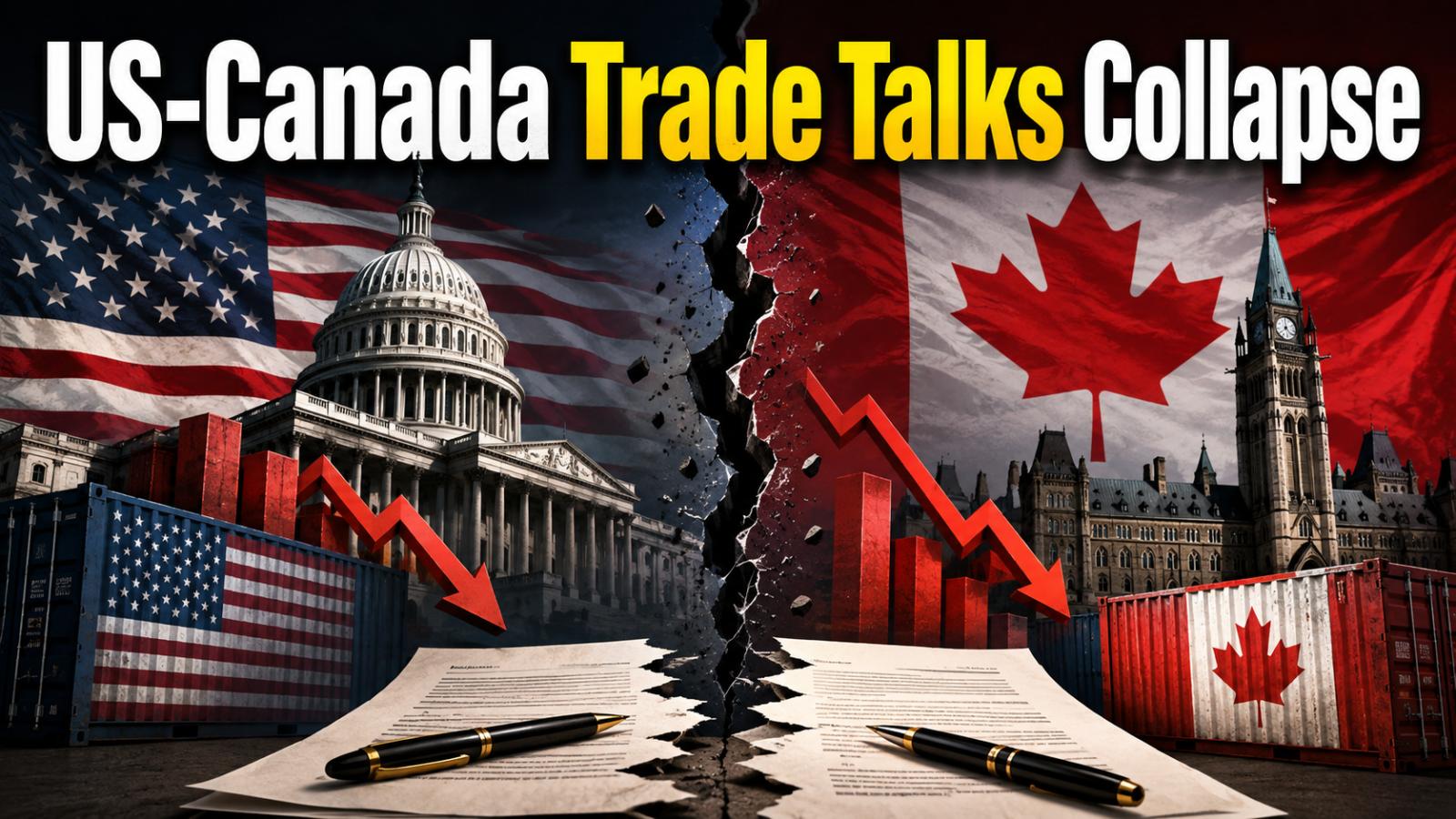
The US Canada tariff crisis entered a sharper phase after negotiations in Washington ended without an agreement, clearing the way for 50% US tariffs on nearly $20 billion worth of Canadian imports. Canada responded by suspending negotiations and preparing matching retaliatory measures as the tariff impact threatens to deepen tensions between the neighboring economies.
Canada retaliation follows collapse in negotiations
Canadian Prime Minister Mark Carney announced that Ottawa would match the new American tariffs “dollar for dollar,” saying the government would act to protect Canadian workers and businesses. He also directed Canada's negotiating team to return to Ottawa after concluding that progress made during several days of discussions was insufficient.
The decision followed a temporary three-day postponement of the tariffs announced earlier in the week. On August 18, Carney's office said substantial progress had been achieved but acknowledged that important work remained before a final agreement could be completed.
Tariff impact reaches nearly $20 billion in imports
The new duties cover nearly $20 billion worth of Canadian products entering the United States. The U.S. Trade Representative had previously announced tariffs of up to 50% under Section 338 of the Tariff Act of 1930, targeting Canadian measures affecting vehicles, alcoholic beverages and dairy products.
The latest measures add another layer of uncertainty for companies operating across the highly integrated North American economy. Canadian exporters face higher costs in the U.S. market, while American companies and consumers that rely on Canadian products could also experience increased prices or supply disruptions.
Trade talks appeared close to an agreement
Only hours before negotiations failed, Canadian trade representative Dominic LeBlanc indicated that the two governments were close to resolving their remaining differences. LeBlanc had been meeting U.S. Trade Representative Jamieson Greer as negotiators worked through unresolved issues.
Talks continued late Friday but ultimately failed to produce a final agreement. Carney said changes introduced by the United States near the end of negotiations were unacceptable from Canada's perspective and raised concerns about the durability of any agreement.
Carney view signals tougher Canadian approach
Carney said Canada recognizes that its economic relationship with the United States has fundamentally changed and argued that the country must reduce its vulnerability to decisions made outside its borders.
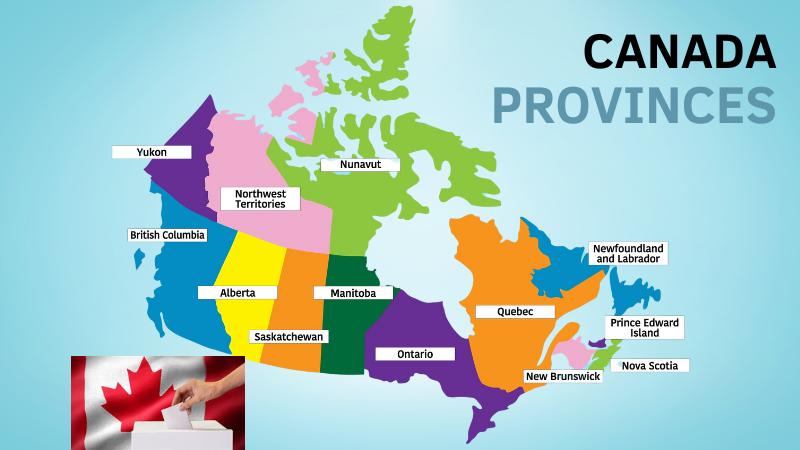
His position also reflects political pressure within Canada. Provincial leaders have debated how far Ottawa should compromise with Washington, including disagreements over whether provinces should resume sales of American alcoholic beverages that were removed amid earlier trade tensions.
US tariffs raise questions over future USMCA trade
The dispute could have implications beyond the products immediately affected. Canada and the United States remain deeply connected through the USMCA trading system, and additional tariff barriers create uncertainty for manufacturers, exporters and investors operating across the border.
The immediate focus will be on Canada's retaliatory measures and whether either government creates a path back to negotiations. For now, the failed talks represent a significant escalation in the US Canada tariff crisis and increase the possibility of a prolonged trade confrontation between two of North America's largest economies.