
















#traderelations
Russia signals unlimited energy supply to India, ambassador says
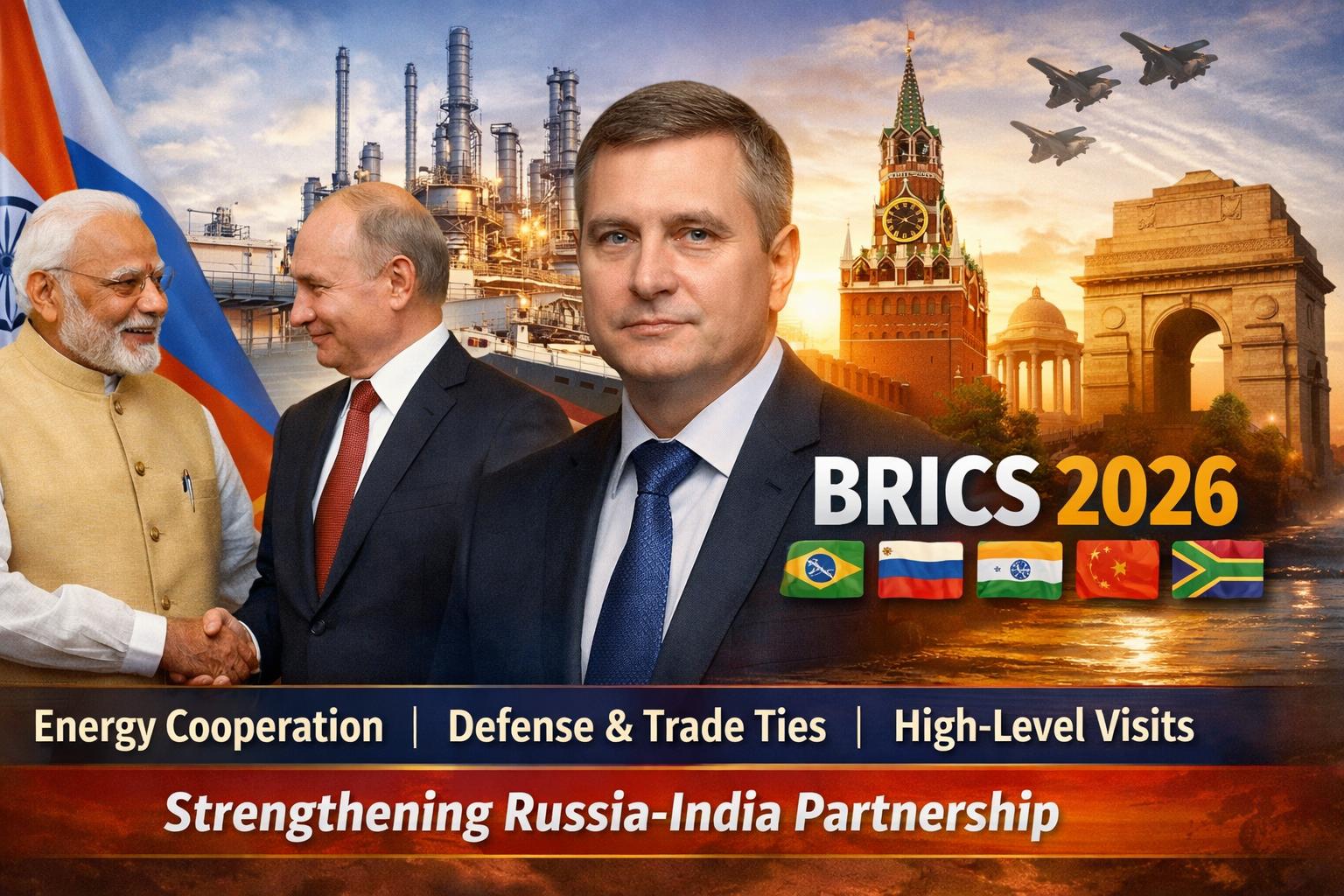
Russia has signaled its readiness to expand energy exports to India, reinforcing a long-standing strategic partnership that continues to evolve across multiple sectors. In remarks made during a recent interaction, Russian Ambassador to India Denis Alipov emphasized Moscow’s willingness to supply “as much energy as India wants,” underscoring the central role of energy cooperation in bilateral ties. Alipov also pointed to upcoming high-level engagements that are expected to furthe
Russia signals unlimited energy supply to India, ambassador says
Russia has signaled its readiness to expand energy exports to India, reinforcing a long-standing strategic partnership that continues to evolve across multiple sectors. In remarks made during a recent interaction, Russian Ambassador to India Denis Alipov emphasized Moscow’s willingness to supply “as much energy as India wants,” underscoring the central role of energy cooperation in bilateral ties. Alipov also pointed to upcoming high-level engagements that are expected to furthe
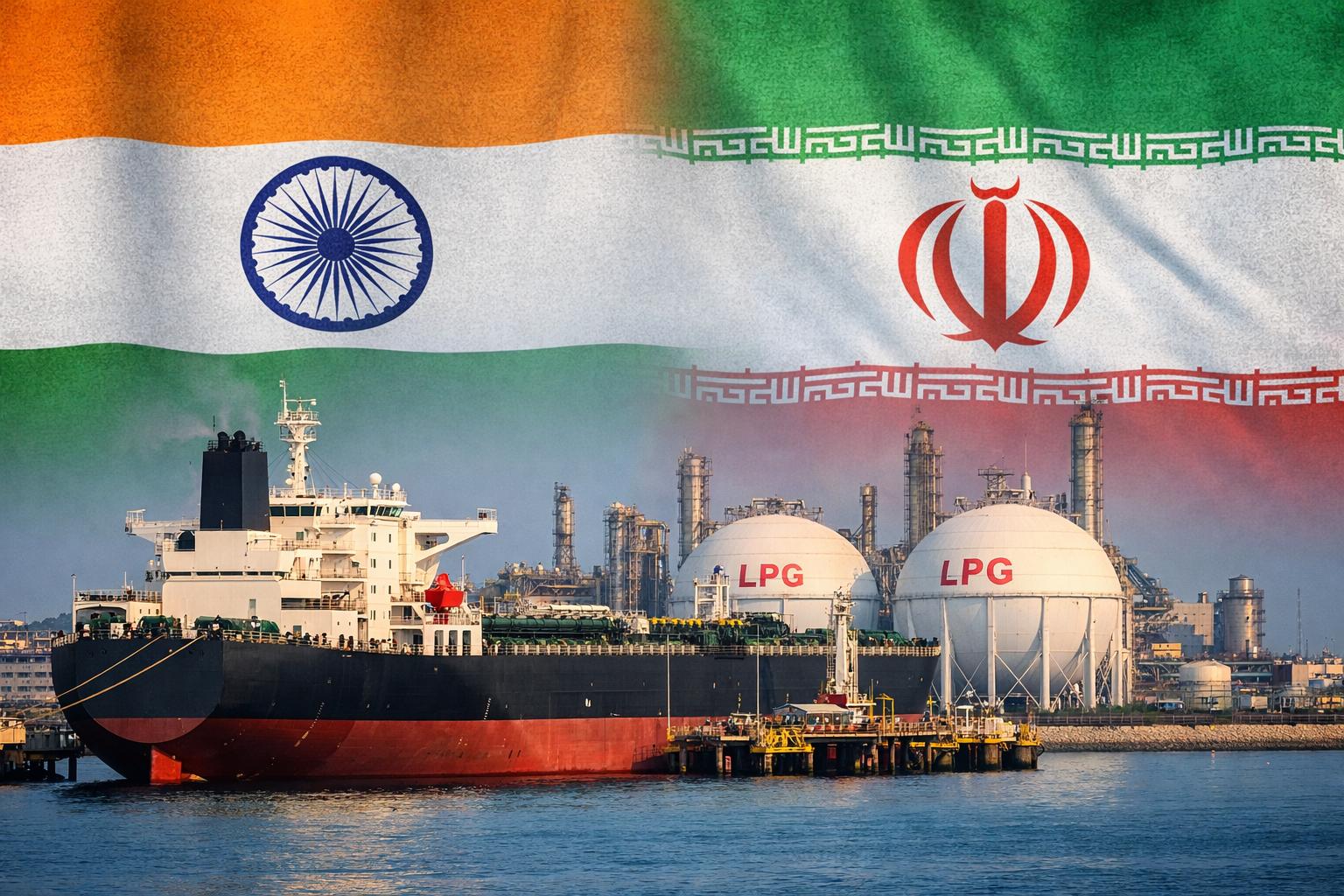
India acknowledges Iranian oil and LPG imports amid energy demand
India has officially confirmed that it is importing crude oil and liquefied petroleum gas (LPG) from Iran, marking a notable development in its energy policy amid evolving global market conditions. The confirmation was issued by India’s Petroleum Ministry on Saturday, April 4, 2026 (IST), providing clarity on ongoing reports about energy trade involving Iranian supplies. The acknowledgment highlights India’s continued reliance on diversified fuel sources to meet rising domestic demand. As one of the world’s largest importers of crude oil, India depends heavily on international suppliers to sustain economic growth, industrial activity, and consumer energy needs. Iranian crude and LPG are considered commercially attractive due to pricing advantages and established supply channels. Officials emphasized that India’s crude supply remains secure and that there are no reported payment-related disruptions affecting imports from Iran. The clarification comes amid heightened global scrutiny over transactions involving Iranian energy exports, which remain sensitive due to international sanctions frameworks and geopolitical considerations. Energy analysts note that India’s confirmation underscores a broader trend among major economies seeking flexibility in sourcing oil and gas. With global oil markets experiencing volatility, countries are increasingly prioritizing energy security and affordability over rigid sourcing constraints. India’s approach reflects a pragmatic balance between domestic economic priorities and external diplomatic pressures. The development may also influence broader market sentiment, particularly if it signals sustained or increased flows of Iranian crude into global supply chains. At the same time, it highlights the complexities of international energy trade, where economic necessity, regulatory environments, and geopolitical dynamics intersect. India’s confirmation on Saturday, April 4, 2026 (IST) reinforces its strategic focus on ensuring uninterrupted fuel access while navigating a rapidly shifting global energy landscape.
India acknowledges Iranian oil and LPG imports amid energy demand
India has officially confirmed that it is importing crude oil and liquefied petroleum gas (LPG) from Iran, marking a notable development in its energy policy amid evolving global market conditions. The confirmation was issued by India’s Petroleum Ministry on Saturday, April 4, 2026 (IST), providing clarity on ongoing reports about energy trade involving Iranian supplies. The acknowledgment highlights India’s continued reliance on diversified fuel sources to meet rising domestic demand. As one of the world’s largest importers of crude oil, India depends heavily on international suppliers to sustain economic growth, industrial activity, and consumer energy needs. Iranian crude and LPG are considered commercially attractive due to pricing advantages and established supply channels. Officials emphasized that India’s crude supply remains secure and that there are no reported payment-related disruptions affecting imports from Iran. The clarification comes amid heightened global scrutiny over transactions involving Iranian energy exports, which remain sensitive due to international sanctions frameworks and geopolitical considerations. Energy analysts note that India’s confirmation underscores a broader trend among major economies seeking flexibility in sourcing oil and gas. With global oil markets experiencing volatility, countries are increasingly prioritizing energy security and affordability over rigid sourcing constraints. India’s approach reflects a pragmatic balance between domestic economic priorities and external diplomatic pressures. The development may also influence broader market sentiment, particularly if it signals sustained or increased flows of Iranian crude into global supply chains. At the same time, it highlights the complexities of international energy trade, where economic necessity, regulatory environments, and geopolitical dynamics intersect. India’s confirmation on Saturday, April 4, 2026 (IST) reinforces its strategic focus on ensuring uninterrupted fuel access while navigating a rapidly shifting global energy landscape.
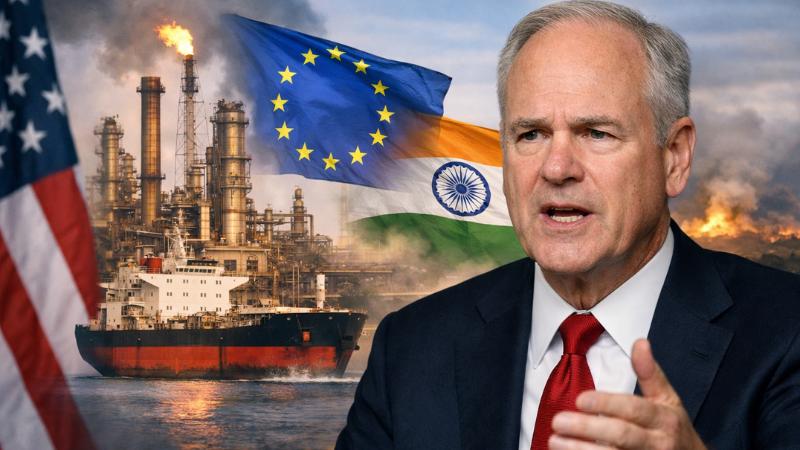
US treasury secretary says Europe funding war through Russian oil refined in India
United States Treasury Secretary Scott Bessent has accused European nations of indirectly financing Russia’s war in Ukraine by purchasing refined oil products originating from Russian crude processed in India. His remarks come amid ongoing geopolitical tensions over energy trade and sanctions linked to the conflict in Eastern Europe. In an interview aired on Sunday, Bessent alleged that while European leaders publicly condemn Russia’s actions in Ukraine, their trade practices ar
US treasury secretary says Europe funding war through Russian oil refined in India
United States Treasury Secretary Scott Bessent has accused European nations of indirectly financing Russia’s war in Ukraine by purchasing refined oil products originating from Russian crude processed in India. His remarks come amid ongoing geopolitical tensions over energy trade and sanctions linked to the conflict in Eastern Europe. In an interview aired on Sunday, Bessent alleged that while European leaders publicly condemn Russia’s actions in Ukraine, their trade practices ar
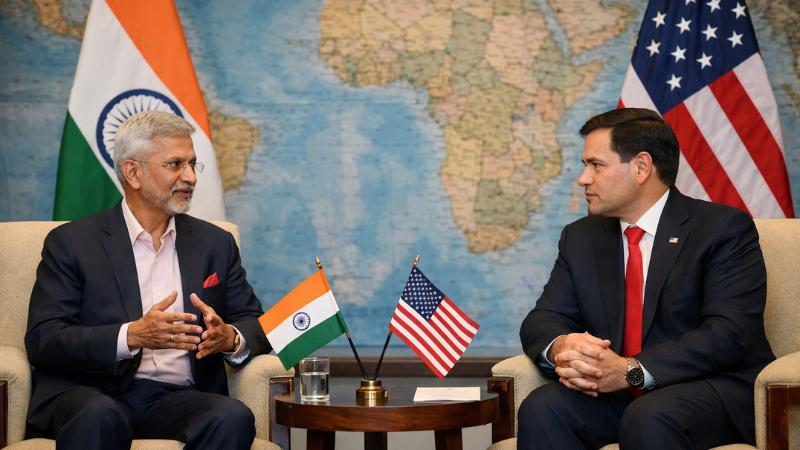
India and US review strategic cooperation in Jaishankar–Rubio conversation
External Affairs Minister S Jaishankar on Tuesday said he held a constructive and wide-ranging discussion with United States Secretary of State Marco Rubio, focusing on key areas of bilateral and strategic cooperation between the two countries. The conversation reflected the ongoing engagement between New Delhi and Washington as both sides continue to strengthen ties across multiple sectors of mutual interest. In a message shared on social media platform X, Jaishankar described the interaction as a “good conversation,” noting that the talks covered important subjects including trade, critical minerals, nuclear cooperation, defence collaboration and energy security. These areas have emerged as central pillars of the evolving India-US partnership, particularly in the context of shifting global economic and geopolitical dynamics. The discussion on trade and economic engagement comes at a time when both countries are exploring ways to deepen supply chain resilience and expand market access. Cooperation on critical minerals has gained added importance amid global efforts to secure resources essential for advanced manufacturing, clean energy technologies and strategic industries. Nuclear cooperation and defence ties were also part of the agenda, underscoring the growing convergence in security interests and technological collaboration. Energy cooperation featured prominently in the talks, reflecting shared priorities related to energy security, sustainability and long-term growth. India and the United States have increasingly worked together on conventional and clean energy initiatives, including efforts to address climate challenges while meeting rising energy demands. Jaishankar said both sides agreed to remain in close touch on these and other issues, signalling continuity in diplomatic engagement and policy coordination. The exchange highlights the emphasis placed by both governments on maintaining regular dialogue to address global challenges, regional stability and economic opportunities. The conversation forms part of ongoing diplomatic efforts to reinforce the strategic partnership between India and the United States, which continues to expand across political, economic and security domains.
India and US review strategic cooperation in Jaishankar–Rubio conversation
External Affairs Minister S Jaishankar on Tuesday said he held a constructive and wide-ranging discussion with United States Secretary of State Marco Rubio, focusing on key areas of bilateral and strategic cooperation between the two countries. The conversation reflected the ongoing engagement between New Delhi and Washington as both sides continue to strengthen ties across multiple sectors of mutual interest. In a message shared on social media platform X, Jaishankar described the interaction as a “good conversation,” noting that the talks covered important subjects including trade, critical minerals, nuclear cooperation, defence collaboration and energy security. These areas have emerged as central pillars of the evolving India-US partnership, particularly in the context of shifting global economic and geopolitical dynamics. The discussion on trade and economic engagement comes at a time when both countries are exploring ways to deepen supply chain resilience and expand market access. Cooperation on critical minerals has gained added importance amid global efforts to secure resources essential for advanced manufacturing, clean energy technologies and strategic industries. Nuclear cooperation and defence ties were also part of the agenda, underscoring the growing convergence in security interests and technological collaboration. Energy cooperation featured prominently in the talks, reflecting shared priorities related to energy security, sustainability and long-term growth. India and the United States have increasingly worked together on conventional and clean energy initiatives, including efforts to address climate challenges while meeting rising energy demands. Jaishankar said both sides agreed to remain in close touch on these and other issues, signalling continuity in diplomatic engagement and policy coordination. The exchange highlights the emphasis placed by both governments on maintaining regular dialogue to address global challenges, regional stability and economic opportunities. The conversation forms part of ongoing diplomatic efforts to reinforce the strategic partnership between India and the United States, which continues to expand across political, economic and security domains.
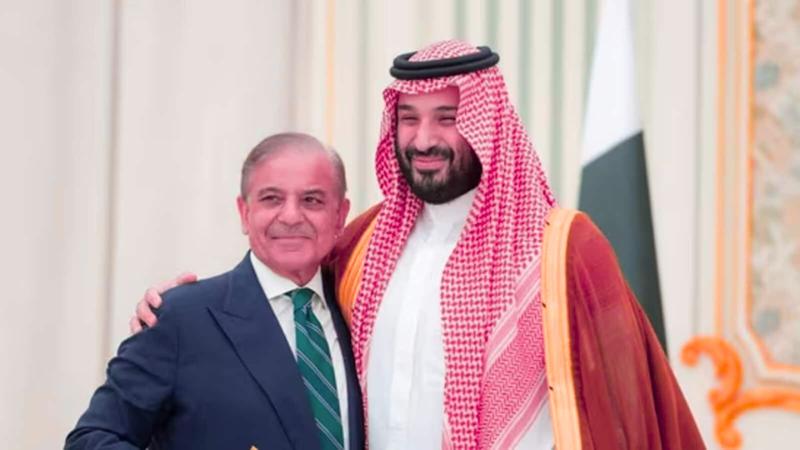
Saudi Arabia–Pakistan Defence Pact: Will Riyadh Stand With Islamabad Against India
Saudi Arabia’s decision to sign a Strategic Mutual Defence Agreement with Pakistan has stirred debates across South Asia and the Middle East. The pact, which promises that an attack on one country will be treated as an attack on both, resembles a NATO-style commitment. For Pakistan, struggling with economic and diplomatic challenges, this deal is seen as a significant political win and a potential deterrence against India. Yet, beneath the surface, exper
Saudi Arabia–Pakistan Defence Pact: Will Riyadh Stand With Islamabad Against India
Saudi Arabia’s decision to sign a Strategic Mutual Defence Agreement with Pakistan has stirred debates across South Asia and the Middle East. The pact, which promises that an attack on one country will be treated as an attack on both, resembles a NATO-style commitment. For Pakistan, struggling with economic and diplomatic challenges, this deal is seen as a significant political win and a potential deterrence against India. Yet, beneath the surface, exper


