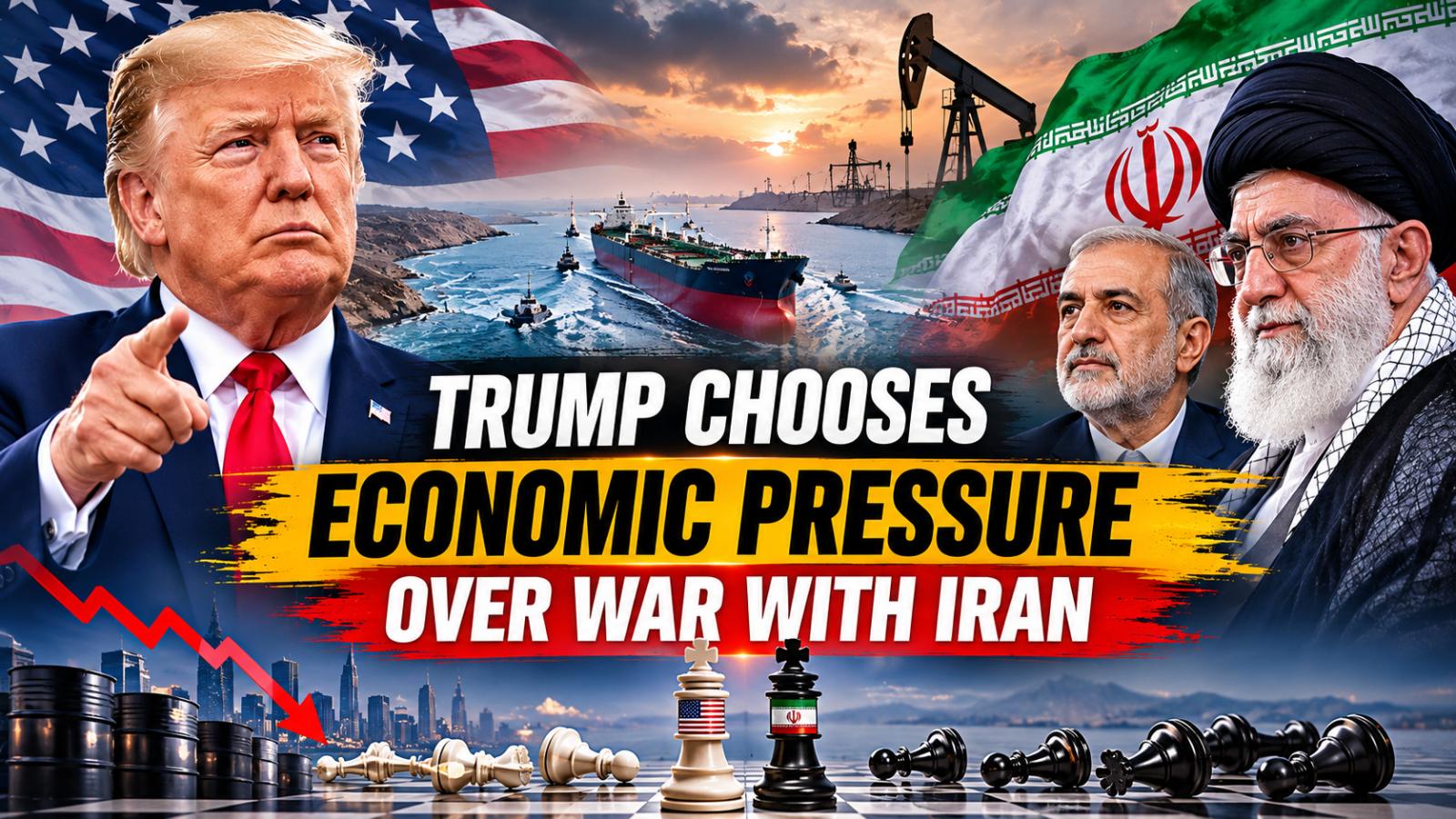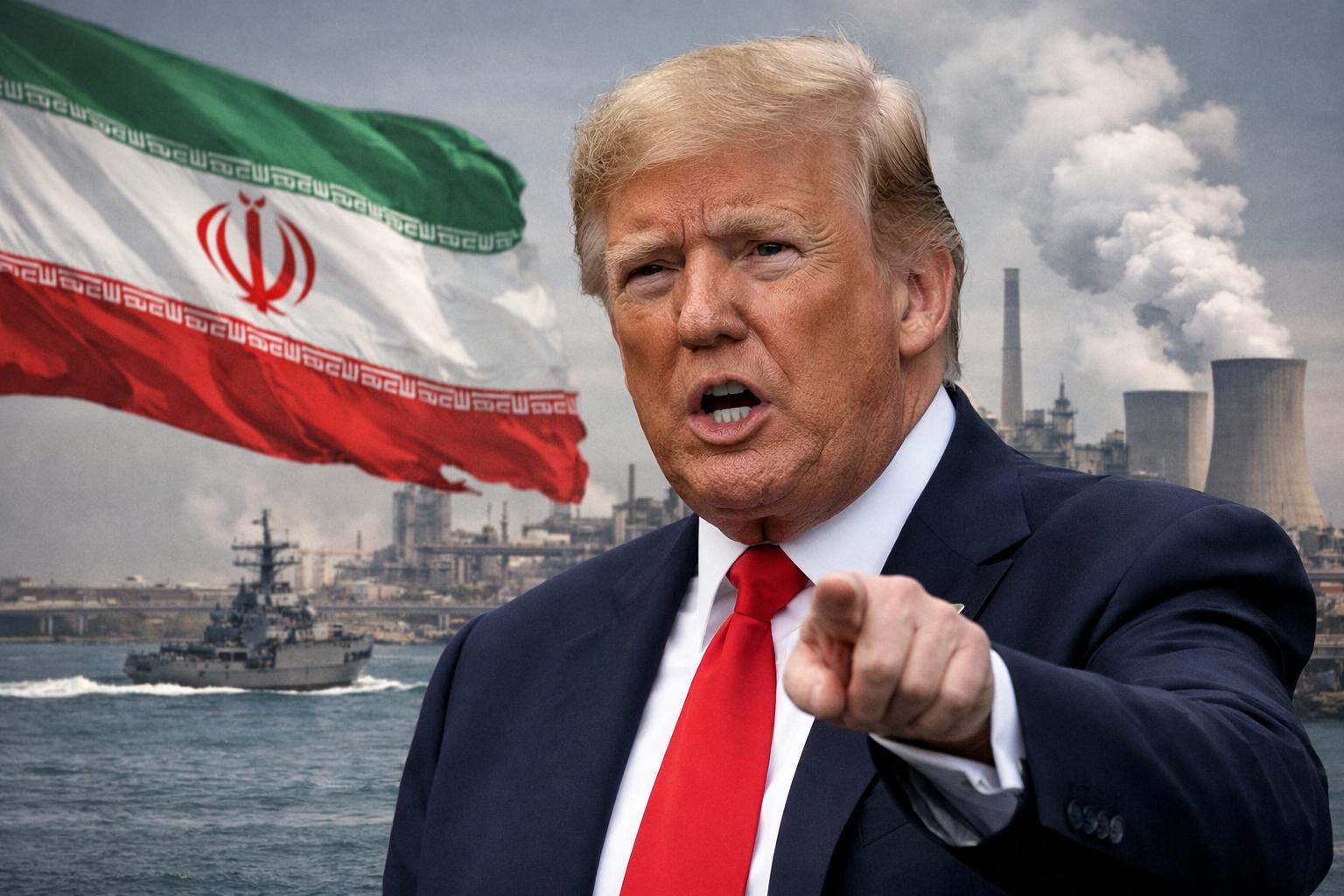
U.S. President Donald Trump on Sunday (exact date not specified in the source) dismissed concerns that potential strikes on Iran’s power plants and civilian infrastructure could constitute a war crime, delivering a series of controversial remarks that further escalated tensions between Washington and Tehran. Speaking to reporters during a public event at the White House, Trump defended his position, stating he was “not worried” about such concerns and using inflammatory language to describe Iran.
The president argued that preventing Iran from acquiring nuclear weapons justified his approach, asserting that allowing the country to develop such capabilities would itself amount to a war crime. He emphasized that the United States had given Tehran multiple opportunities to negotiate, but claimed those efforts had been ignored. Trump also suggested that leadership changes within Iran had already occurred, describing the current leadership as “more moderate,” though he did not provide supporting details.
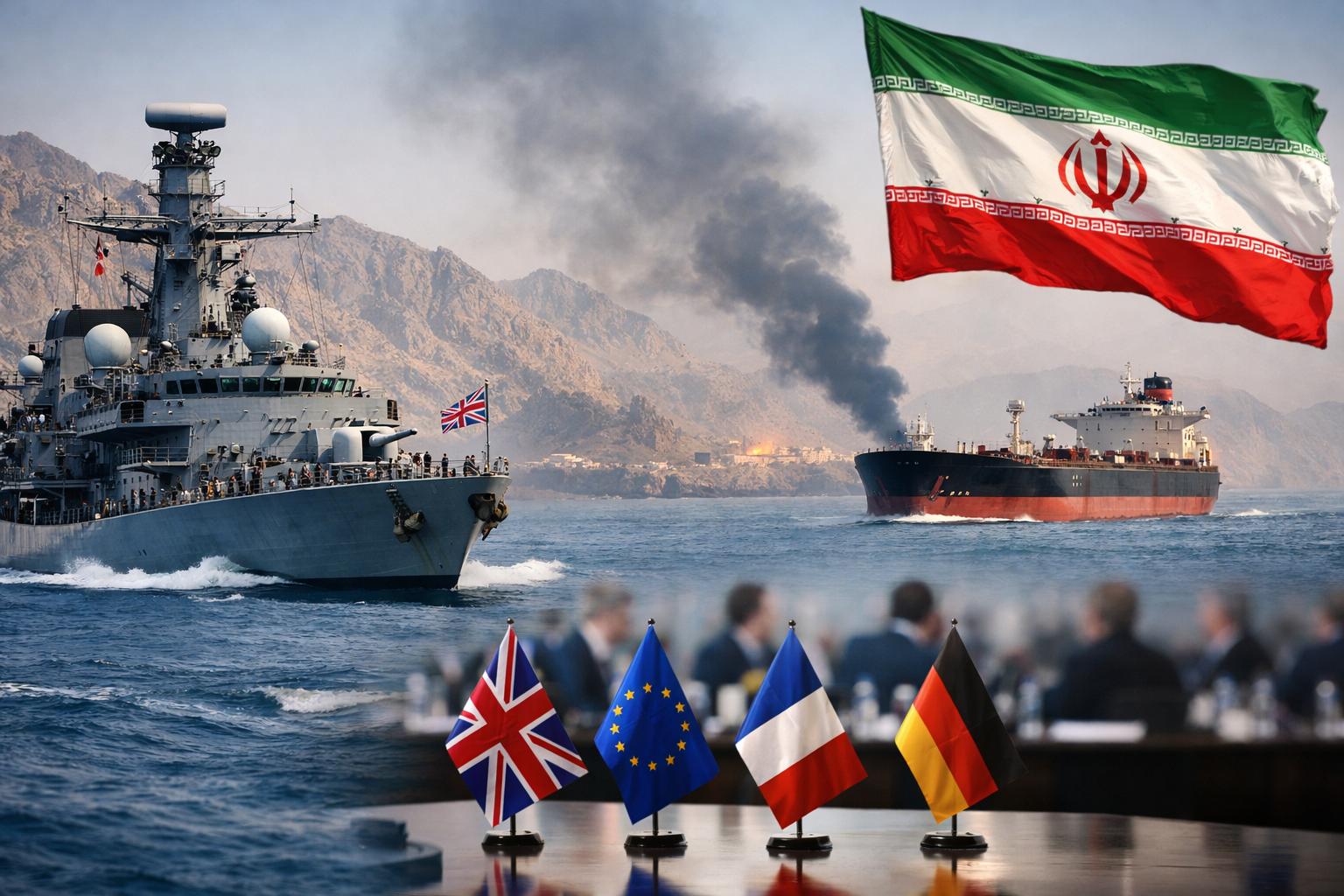
Addressing criticism over his earlier use of profanity in a social media post regarding the Strait of Hormuz, a critical global shipping route, Trump said his language was intended to underscore the seriousness of the situation. He added that Iran might now prefer a ceasefire due to mounting pressure, while reiterating that he remained unconcerned about objections related to civilian infrastructure.
The remarks came as Iran formally rejected a U.S. ceasefire proposal, according to statements carried by the Islamic Republic News Agency. Tehran conveyed its response through Pakistan and called instead for a permanent resolution to the conflict rather than a temporary truce. Iranian Foreign Ministry spokesperson Esmaeil Baghaei said negotiations cannot proceed under threats or actions that could violate international law.
Iran’s response included a proposed framework outlining broader regional de-escalation, safe navigation through the Strait of Hormuz, sanctions relief, and commitments to reconstruction, highlighting the widening gap between the two sides as tensions continue to rise.
The president argued that preventing Iran from acquiring nuclear weapons justified his approach, asserting that allowing the country to develop such capabilities would itself amount to a war crime. He emphasized that the United States had given Tehran multiple opportunities to negotiate, but claimed those efforts had been ignored. Trump also suggested that leadership changes within Iran had already occurred, describing the current leadership as “more moderate,” though he did not provide supporting details.
Addressing criticism over his earlier use of profanity in a social media post regarding the Strait of Hormuz, a critical global shipping route, Trump said his language was intended to underscore the seriousness of the situation. He added that Iran might now prefer a ceasefire due to mounting pressure, while reiterating that he remained unconcerned about objections related to civilian infrastructure.
The remarks came as Iran formally rejected a U.S. ceasefire proposal, according to statements carried by the Islamic Republic News Agency. Tehran conveyed its response through Pakistan and called instead for a permanent resolution to the conflict rather than a temporary truce. Iranian Foreign Ministry spokesperson Esmaeil Baghaei said negotiations cannot proceed under threats or actions that could violate international law.
Iran’s response included a proposed framework outlining broader regional de-escalation, safe navigation through the Strait of Hormuz, sanctions relief, and commitments to reconstruction, highlighting the widening gap between the two sides as tensions continue to rise.