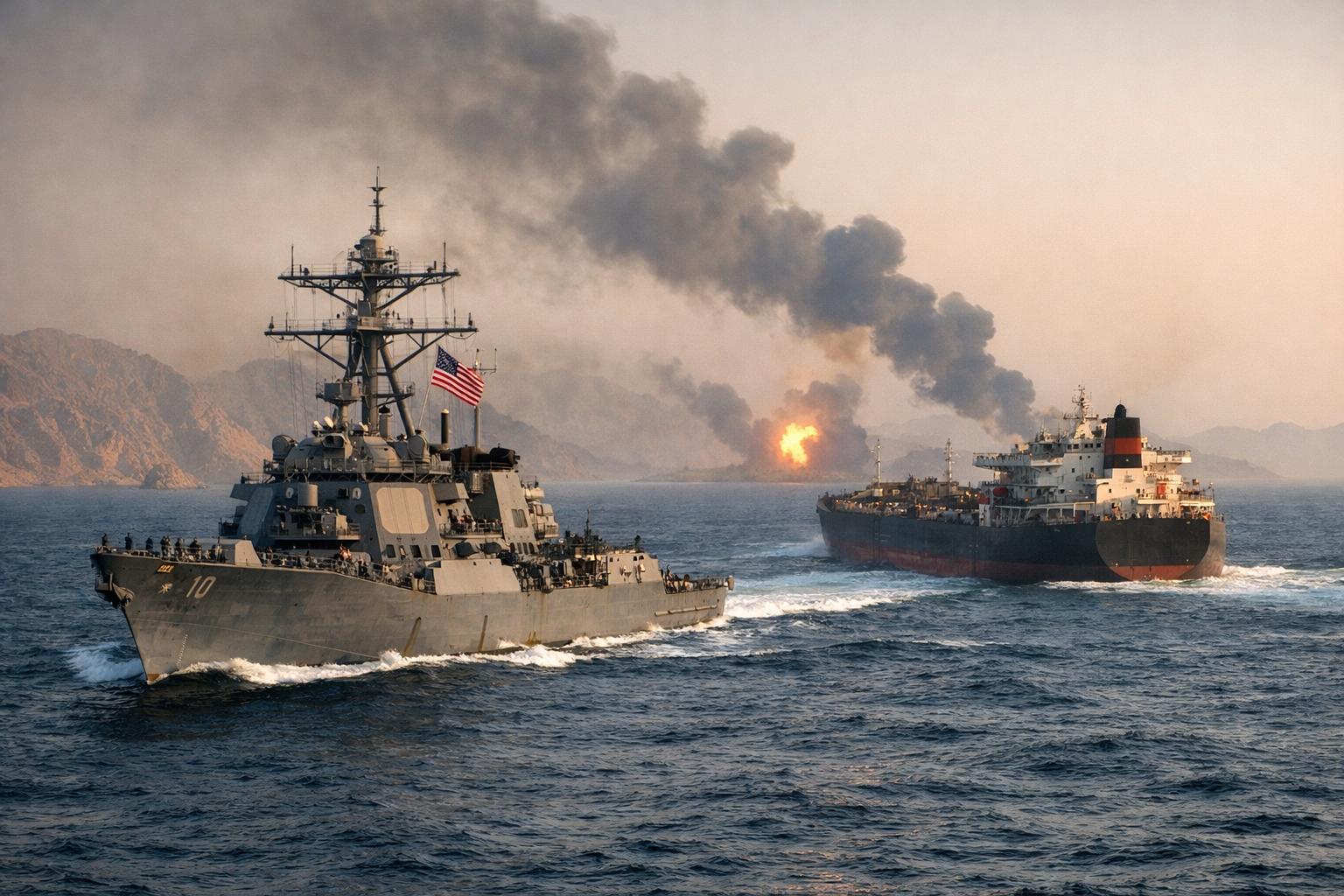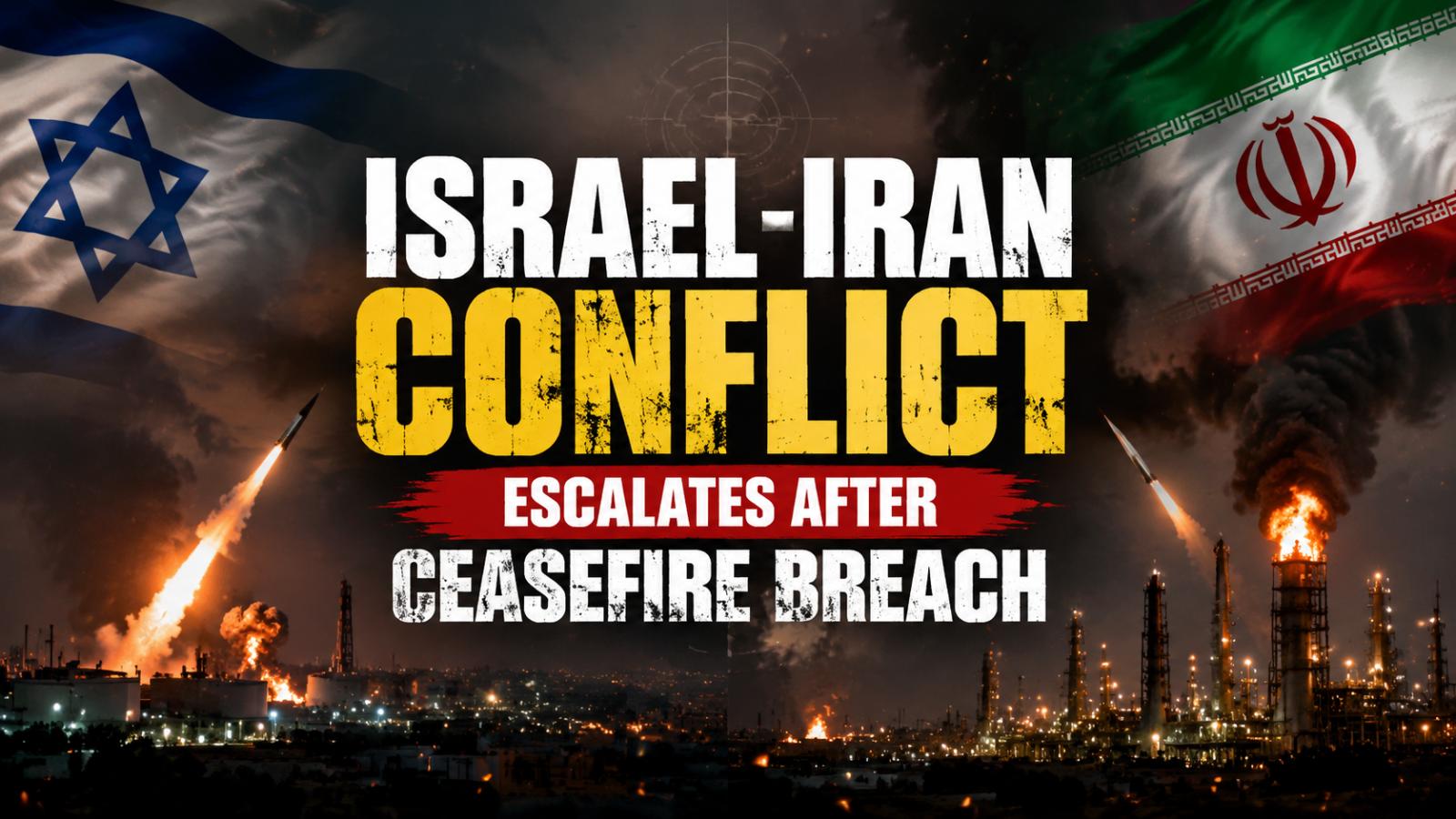
The strike had an immediate impact on international markets, with Brent crude prices rising by approximately 5 percent to exceed $108 per barrel. Investors reacted sharply as concerns grew over potential supply disruptions from one of the world’s most critical energy-producing regions. Analysts noted that the targeting of energy facilities signals a shift from conventional military engagement toward economic warfare, with infrastructure becoming a key focus.
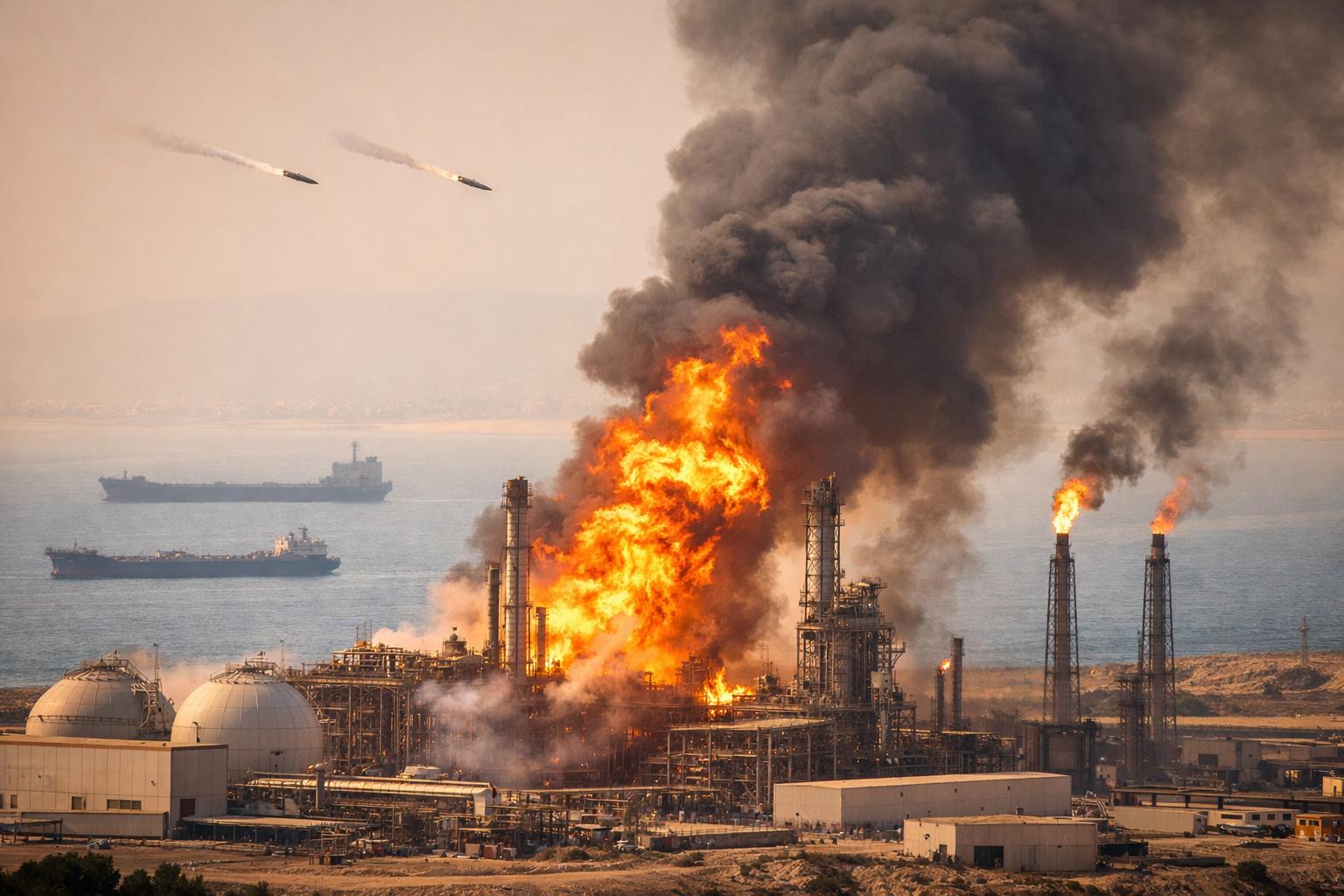
The South Pars field, shared between Iran and Qatar, represents the largest natural gas reserve globally and plays a central role in regional supply networks. Iranian sources reported that sections of gas storage facilities and a refinery were damaged, though officials later confirmed that the resulting fire had been contained. Despite the absence of official confirmation from either the United States or Israel, regional governments reacted swiftly. Qatar described the strike as a dangerous escalation, while the United Arab Emirates expressed concern over threats to vital infrastructure.
Tehran’s response further intensified tensions, as it identified major energy facilities in Saudi Arabia, the UAE, and Qatar as potential targets. This development indicates a possible expansion of the conflict into a wider regional energy confrontation, placing key oil and gas hubs at immediate risk.
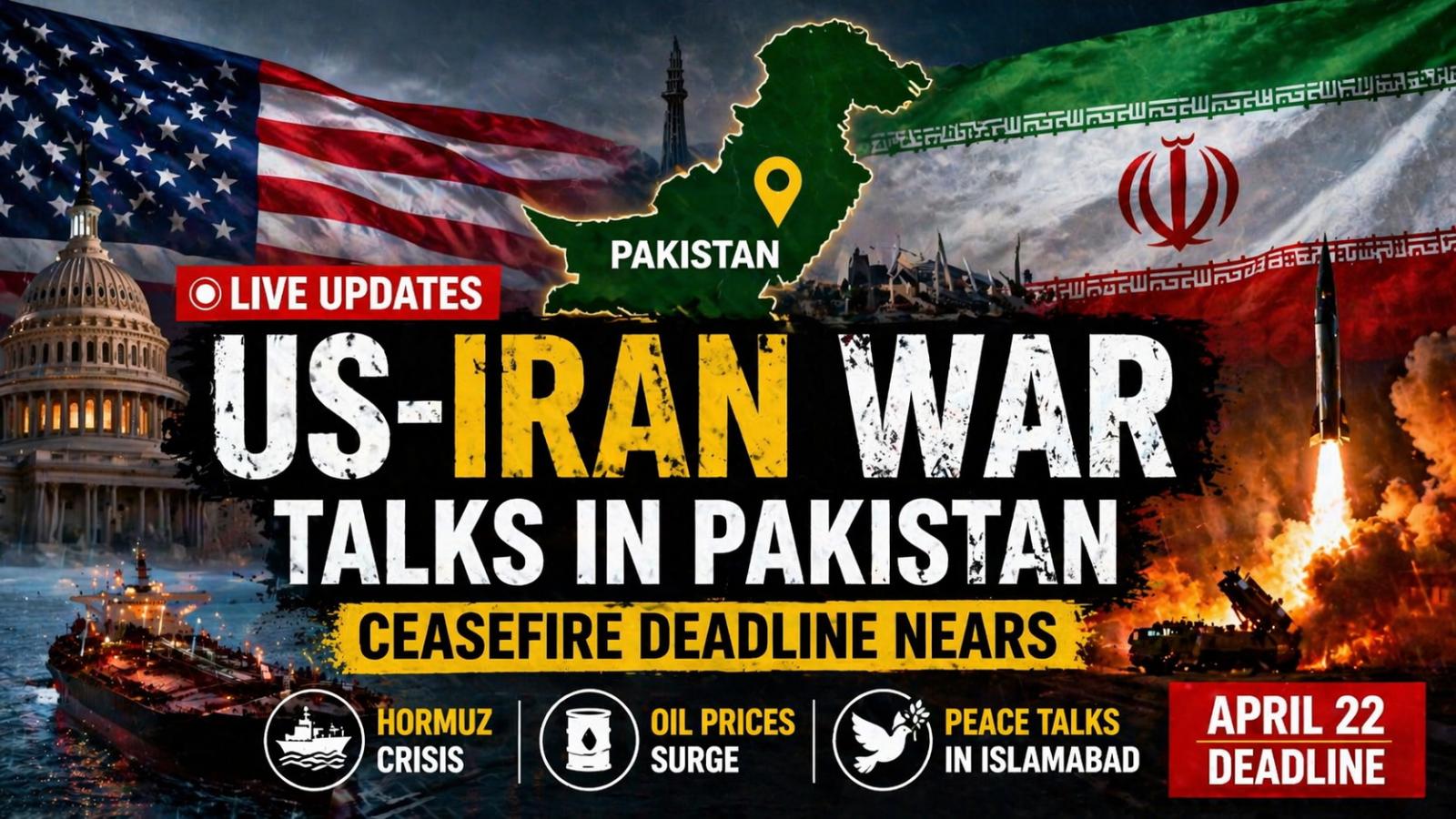
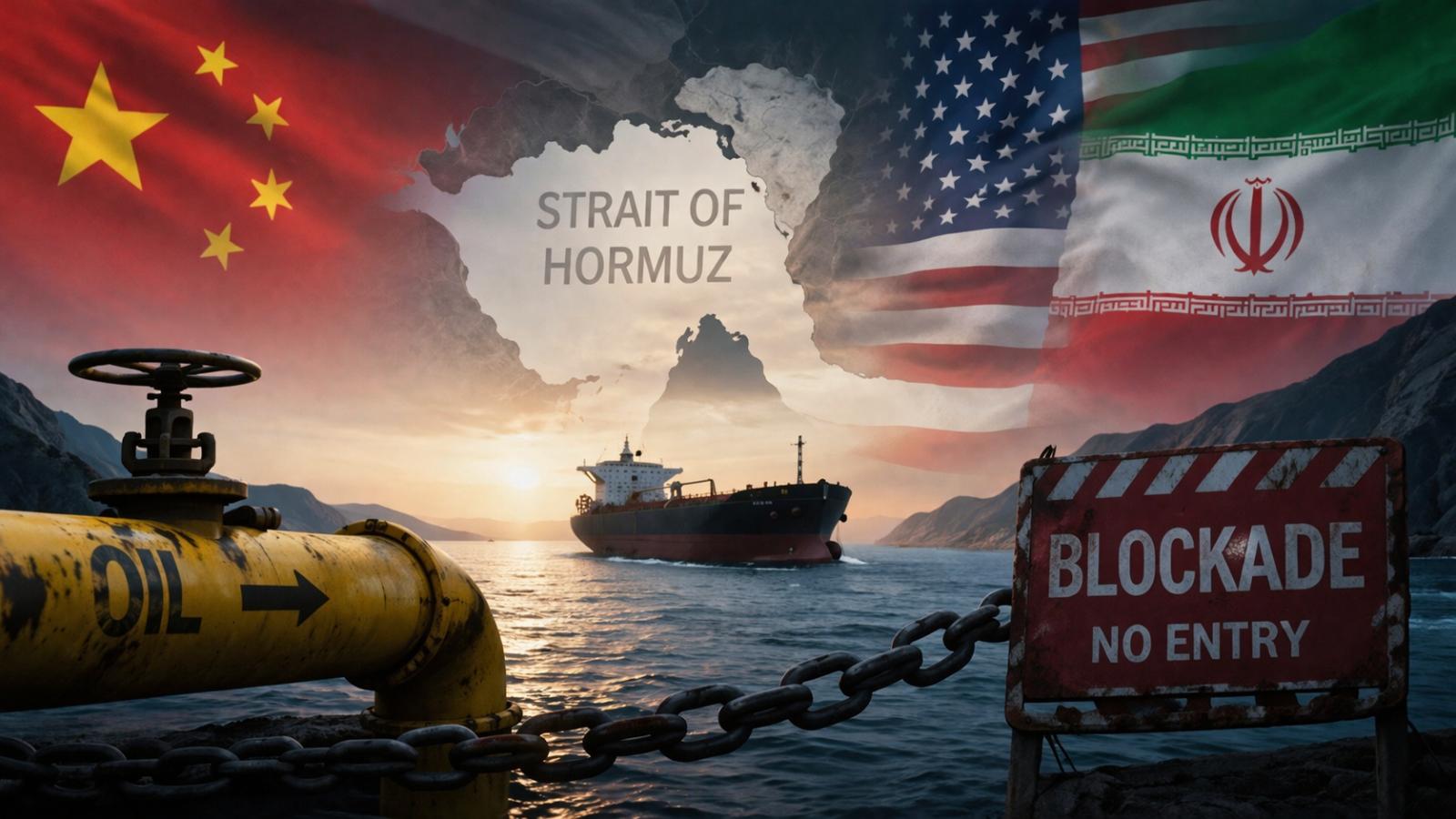
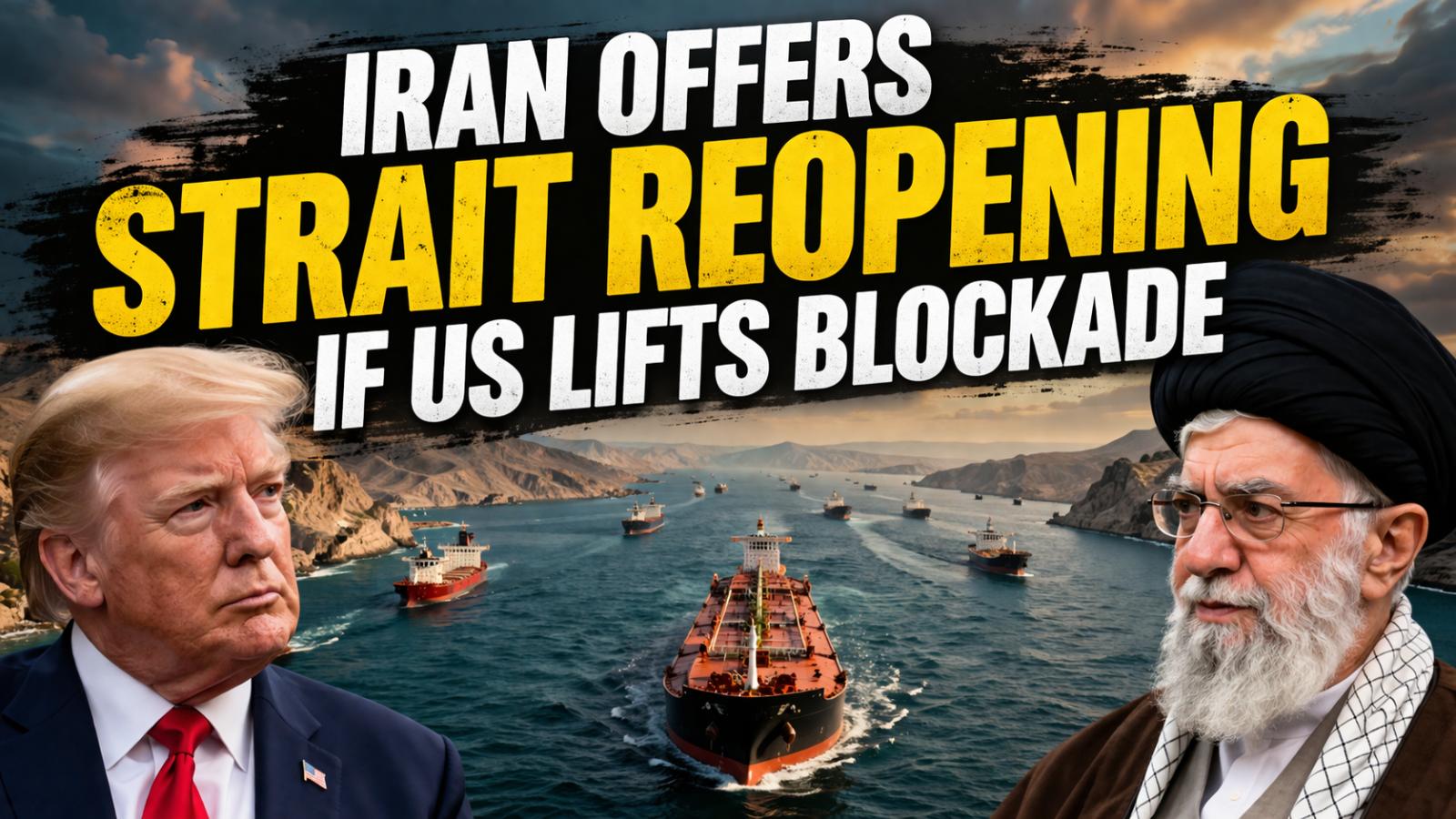
The situation is compounded by existing disruptions in the Strait of Hormuz, a strategic passage through which nearly one-fifth of global oil and gas supplies transit. While production facilities had largely remained unaffected until now, the latest strike challenges expectations that the crisis would remain contained.
Beyond energy concerns, the conflict continues to widen across multiple fronts. Military activity has intensified, with Israeli airstrikes reported in Lebanon and Iranian missile attacks targeting locations in Israel and sites linked to U.S. interests. Civilian casualties are increasing, highlighting the growing human and economic toll. As hostilities expand, the focus on energy infrastructure underscores a dangerous new phase, with implications that extend well beyond the region into global markets and supply stability.