

















#usmca
Carney Calls For New Canada-US Partnership Amid Trade Strains
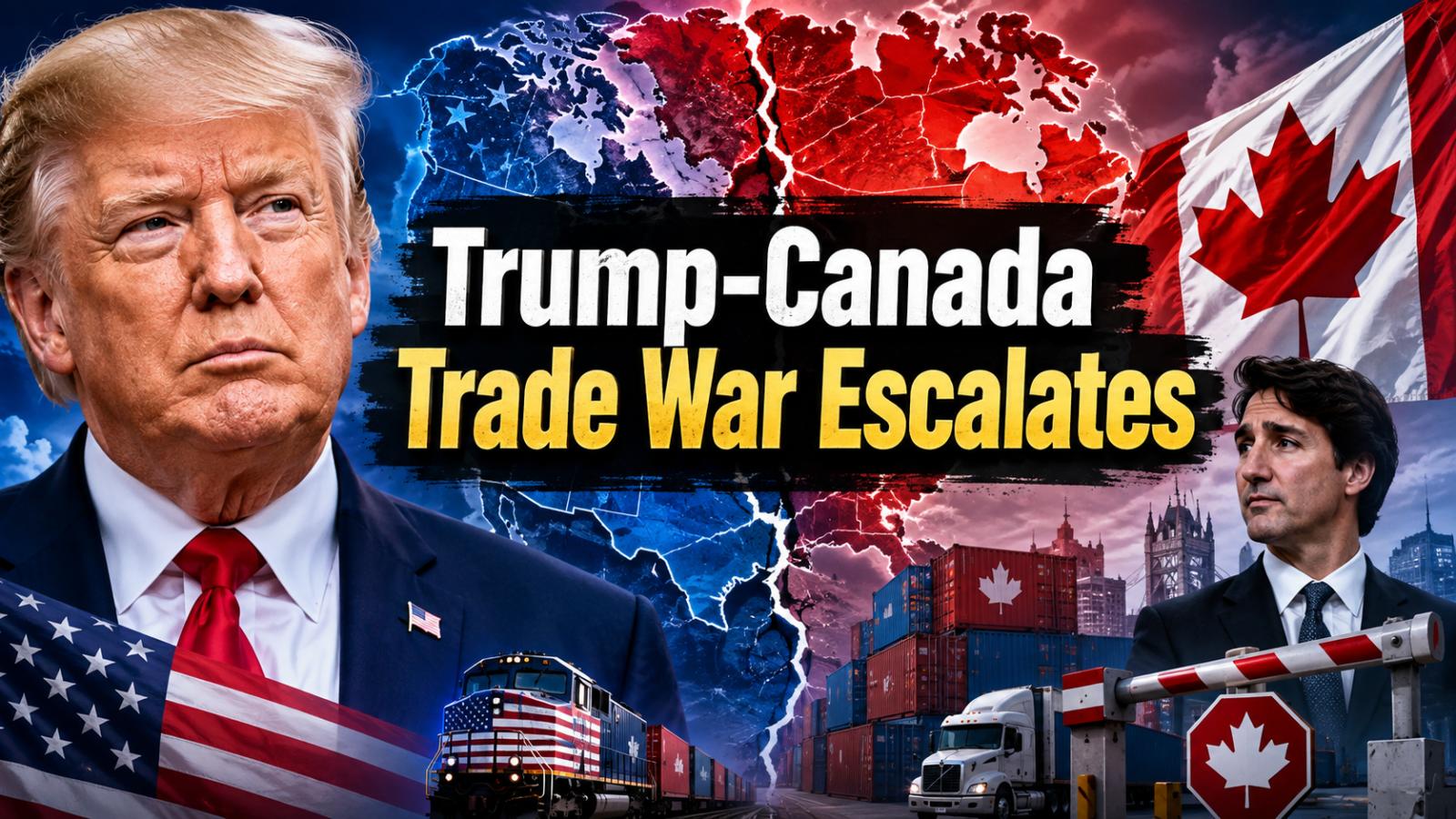
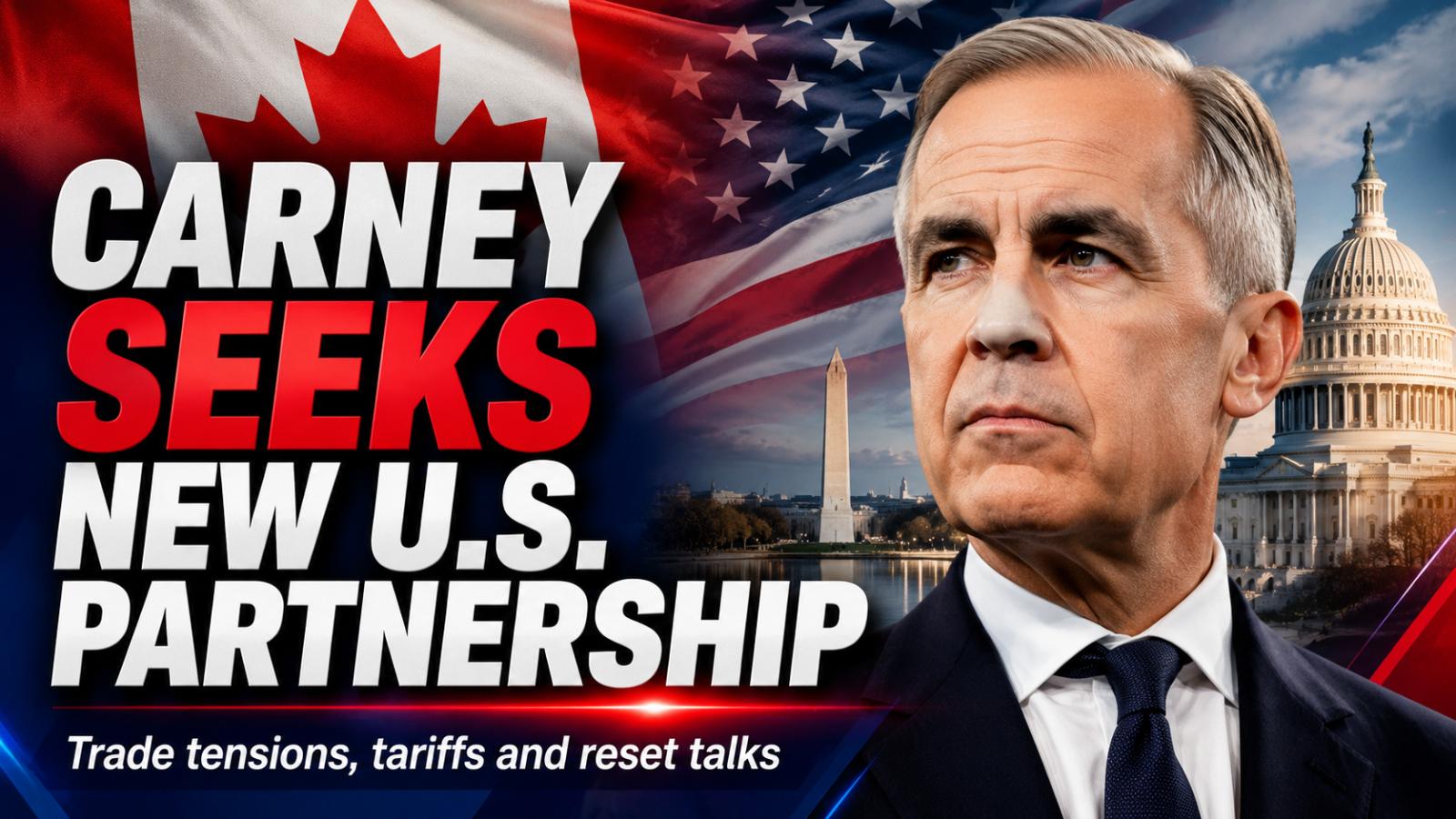
Carney Calls For New Partnership Canadian Prime Minister Mark Carney called for a new partnership with the United States during a speech in New York on Thursday, saying closer cooperation could help strengthen both countries. Carney said the global economy is going through a major rupture as the United States changes its commercial relationships, but argued that Canada and the US could still work together in key sectors such as aluminum, automobiles and critical minerals. His remarks came as trade tensions between the two neighbors continue to shape diplomatic and economic discussions. Trade Tensions Shape Message Carney has pledged to double Canadian exports to markets outside the United States over the next decade, while also signing more than 20 economic and security agreements in the past year. At the same time, US trade officials were in Mexico City for discussions on overhauling the US-Mexico-Canada Agreement, though Canada was not part of the current round of talks. The exclusion adds pressure to Ottawa as it tries to protect its position in North American trade while reducing dependence on the US market. Canada Looks To Diversify The prime minister has previously described Canada’s close ties with the United States as vulnerabilities that must be corrected, especially after President Donald Trump threatened to annex Canada as the 51st state. Carney also criticized what he called American hegemony earlier this year, warning that deeper integration with major powers can create weaknesses that may be exploited. His government has moved to diversify partnerships, including a recent decision to buy military planes from Sweden instead of relying only on American manufacturers. In New York, however, Carney adopted a more conciliatory tone. He described the United States as dynamic, resilient and inventive, and said its founding values of liberty, democracy, justice and openness should continue to guide its future and the world. The message reflected a careful balancing act: Canada wants to reduce economic risk and expand global exports, but it also recognizes that cooperation with Washington on trade, security, autos, aluminum and critical minerals remains central to its long-term strategy.
Carney Calls For New Canada-US Partnership Amid Trade Strains
Carney Calls For New Partnership Canadian Prime Minister Mark Carney called for a new partnership with the United States during a speech in New York on Thursday, saying closer cooperation could help strengthen both countries. Carney said the global economy is going through a major rupture as the United States changes its commercial relationships, but argued that Canada and the US could still work together in key sectors such as aluminum, automobiles and critical minerals. His remarks came as trade tensions between the two neighbors continue to shape diplomatic and economic discussions. Trade Tensions Shape Message Carney has pledged to double Canadian exports to markets outside the United States over the next decade, while also signing more than 20 economic and security agreements in the past year. At the same time, US trade officials were in Mexico City for discussions on overhauling the US-Mexico-Canada Agreement, though Canada was not part of the current round of talks. The exclusion adds pressure to Ottawa as it tries to protect its position in North American trade while reducing dependence on the US market. Canada Looks To Diversify The prime minister has previously described Canada’s close ties with the United States as vulnerabilities that must be corrected, especially after President Donald Trump threatened to annex Canada as the 51st state. Carney also criticized what he called American hegemony earlier this year, warning that deeper integration with major powers can create weaknesses that may be exploited. His government has moved to diversify partnerships, including a recent decision to buy military planes from Sweden instead of relying only on American manufacturers. In New York, however, Carney adopted a more conciliatory tone. He described the United States as dynamic, resilient and inventive, and said its founding values of liberty, democracy, justice and openness should continue to guide its future and the world. The message reflected a careful balancing act: Canada wants to reduce economic risk and expand global exports, but it also recognizes that cooperation with Washington on trade, security, autos, aluminum and critical minerals remains central to its long-term strategy.
US Tariffs Expected In Mexico Trade Talks
US Pushes Tariffs Into Mexico Trade Talks The United States expects tariffs to be part of trade negotiations with Mexico this week as Washington prepares for talks tied to the future of the U.S.-Mexico-Canada Agreement. U.S. Trade Representative Jamieson Greer said President Donald Trump remains concerned about the trade deficit with Mexico and indicated that tariffs are likely to remain a tool in the administration’s broader trade strategy, even with close regional partners. Rules Of Origin Face Fresh Scrutiny Greer said officials are expected to discuss changes to USMCA rules of origin, including requirements that could increase the share of American-made content in goods produced across North America. The issue is especially important for manufacturing and supply chains, as the United States seeks to reduce dependence on Asia and bring more production closer to home. Greer said Mexico has benefited from American efforts to diversify away from China, but Washington wants a more balanced distribution of production. Mexico Talks Seen As Productive The United States views Mexico as a major part of its regional supply chain strategy because it competes with Asian economies for access to the US market. Greer said the administration wants supply chains sourced from the Western Hemisphere wherever possible, pointing to pandemic-era disruptions that limited access to goods from Asia. The goal, he said, is to strengthen North American manufacturing while reducing the deficit with Mexico. Canada Negotiations Look More Difficult Trade talks with Canada appear more complicated. Greer said the United States has significant trade challenges with Canada and noted that Ottawa’s response to tariffs has differed from that of many other partners. Canada has argued that USMCA remains a strong agreement and does not require major renegotiation. The disagreement sets up a difficult review process as Washington seeks tariff-related changes while Canada pushes to preserve the existing framework.
US Tariffs Expected In Mexico Trade Talks
US Pushes Tariffs Into Mexico Trade Talks The United States expects tariffs to be part of trade negotiations with Mexico this week as Washington prepares for talks tied to the future of the U.S.-Mexico-Canada Agreement. U.S. Trade Representative Jamieson Greer said President Donald Trump remains concerned about the trade deficit with Mexico and indicated that tariffs are likely to remain a tool in the administration’s broader trade strategy, even with close regional partners. Rules Of Origin Face Fresh Scrutiny Greer said officials are expected to discuss changes to USMCA rules of origin, including requirements that could increase the share of American-made content in goods produced across North America. The issue is especially important for manufacturing and supply chains, as the United States seeks to reduce dependence on Asia and bring more production closer to home. Greer said Mexico has benefited from American efforts to diversify away from China, but Washington wants a more balanced distribution of production. Mexico Talks Seen As Productive The United States views Mexico as a major part of its regional supply chain strategy because it competes with Asian economies for access to the US market. Greer said the administration wants supply chains sourced from the Western Hemisphere wherever possible, pointing to pandemic-era disruptions that limited access to goods from Asia. The goal, he said, is to strengthen North American manufacturing while reducing the deficit with Mexico. Canada Negotiations Look More Difficult Trade talks with Canada appear more complicated. Greer said the United States has significant trade challenges with Canada and noted that Ottawa’s response to tariffs has differed from that of many other partners. Canada has argued that USMCA remains a strong agreement and does not require major renegotiation. The disagreement sets up a difficult review process as Washington seeks tariff-related changes while Canada pushes to preserve the existing framework.


