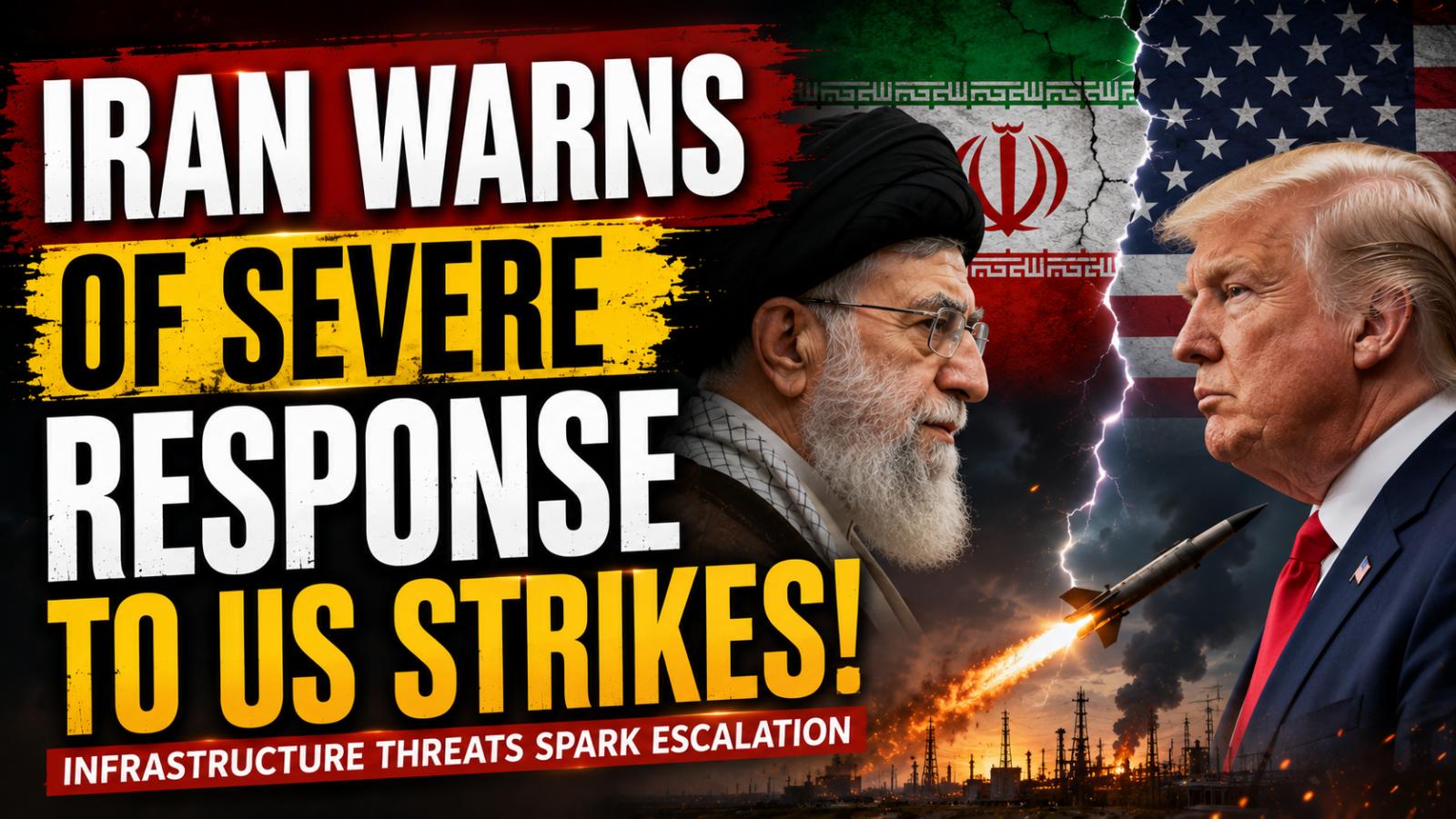
Iran Strait of Hormuz shipping route discussions with Oman are aimed at ensuring safe maritime navigation through one of the world's busiest waterways. Tehran says the proposed temporary corridor is designed to protect shipping while denying reports of direct negotiations with the United States.
Oman Maritime Corridor
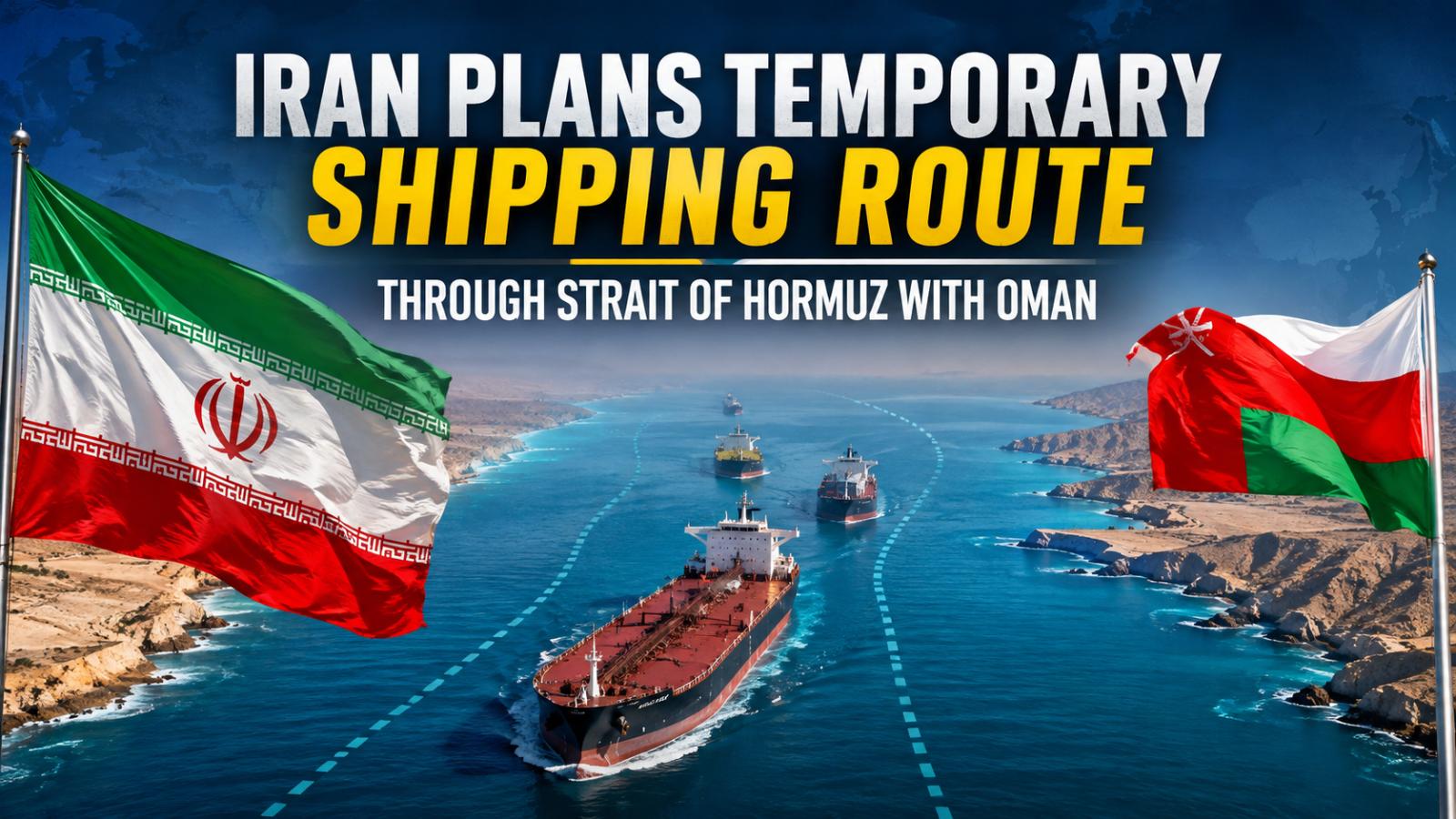
Iran has confirmed that it is working with Oman to establish a temporary shipping route through the Strait of Hormuz to support safe navigation for commercial vessels. Speaking during a weekly press briefing on August 3, Iranian Foreign Ministry spokesperson Esmaeil Baghaei said the discussions with Muscat are focused exclusively on creating an interim maritime corridor that can maintain the uninterrupted movement of ships through the strategic waterway.
According to Baghaei, the proposal combines the southern route passing through Omani waters with the northern route inside Iranian territorial waters into a single two-way navigation corridor. He explained that both countries are attempting to develop a practical arrangement that serves the interests of the two coastal states while protecting international shipping until a permanent framework is agreed upon. The statement was attributed to Iran's semi-official Fars News Agency.
Strait of Hormuz Navigation
The Strait of Hormuz remains one of the world's most important energy transit routes, carrying a significant share of global oil and liquefied natural gas exports. Any disruption in the waterway can quickly influence global energy prices, shipping costs and international trade.
Iran says the temporary corridor is intended to improve safety and reduce uncertainty for vessels operating in the region. Officials stressed that the proposal involves one integrated two-way transit system rather than multiple separate routes, making navigation simpler while addressing the operational concerns of both Iran and Oman.
Iran US Relations
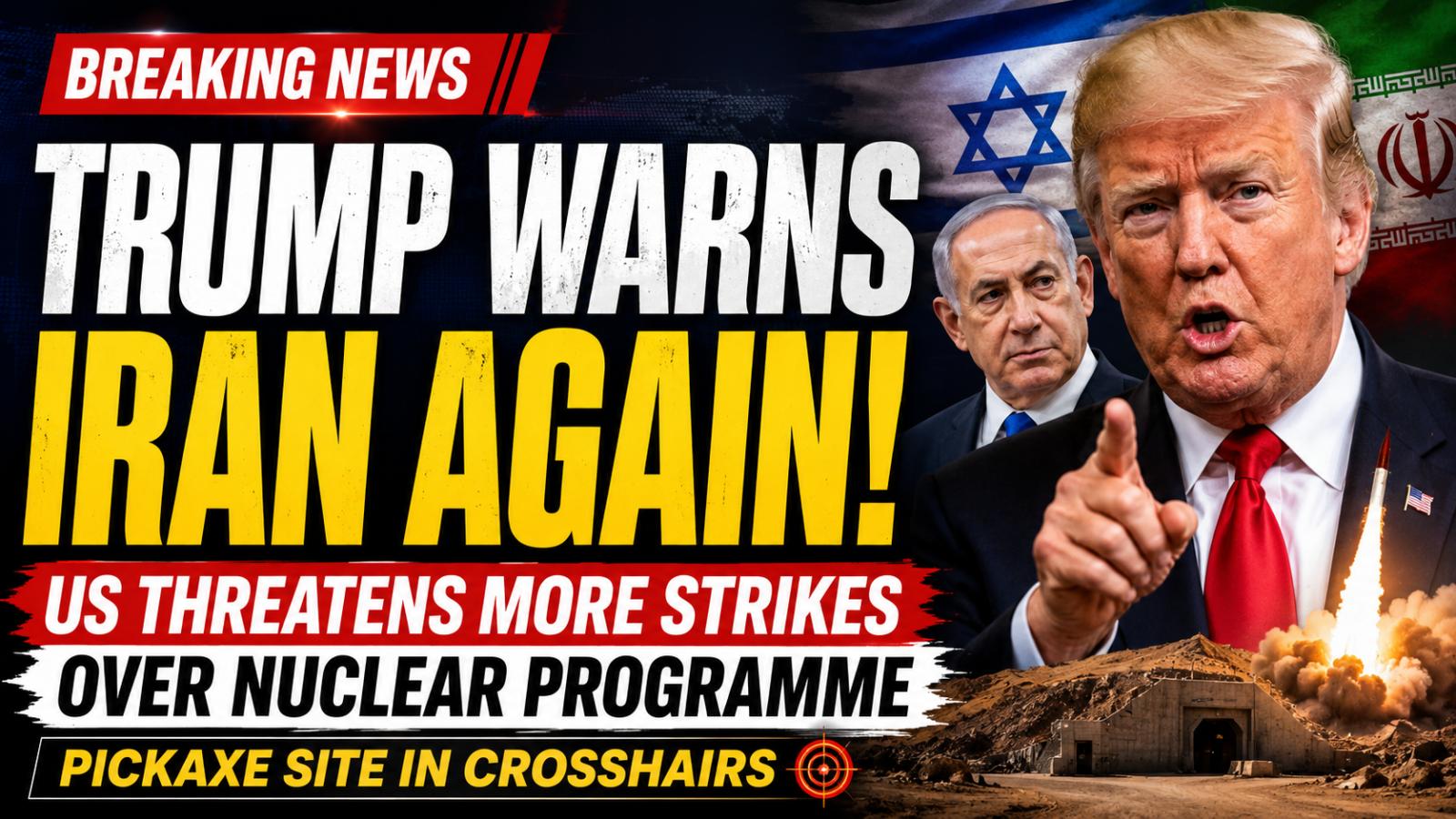
Baghaei also dismissed reports suggesting that Tehran had resumed negotiations with the United States. He stated that Iran is not holding talks with Washington, directly contradicting comments made by US President Donald Trump, who said discussions with Iran were expected to begin and expressed optimism about reaching an understanding on both the Strait of Hormuz and Iran's denuclearisation.
The Iranian spokesperson maintained that Oman is serving as a regional partner for navigation discussions rather than a channel for broader negotiations with the United States. He emphasized that Iran's current diplomatic efforts are limited to ensuring maritime safety in cooperation with Muscat.
Regional Security Concerns
Despite the progress in discussions with Oman, Iran cautioned that the proposed arrangement alone would not restore normal shipping conditions. Baghaei argued that broader regional tensions continue to affect maritime security and claimed the situation would remain unchanged as long as what Tehran describes as US aggression and blockade policies continue.
The latest developments highlight the strategic importance of the Strait of Hormuz for global commerce. While the proposed temporary corridor could improve confidence for shipping operators in the short term, its long-term success will depend on wider regional stability and continued diplomatic engagement between the countries bordering the waterway. The statements reflect Iran's current position and have been attributed to remarks by Foreign Ministry spokesperson Esmaeil Baghaei during an official press briefing, as reported by Fars News Agency.


 Joyful
0%
Joyful
0%
 Cool
0%
Cool
0%
 Thrilled
0%
Thrilled
0%
 Upset
0%
Upset
0%
 Unhappy
0%
Unhappy
0%