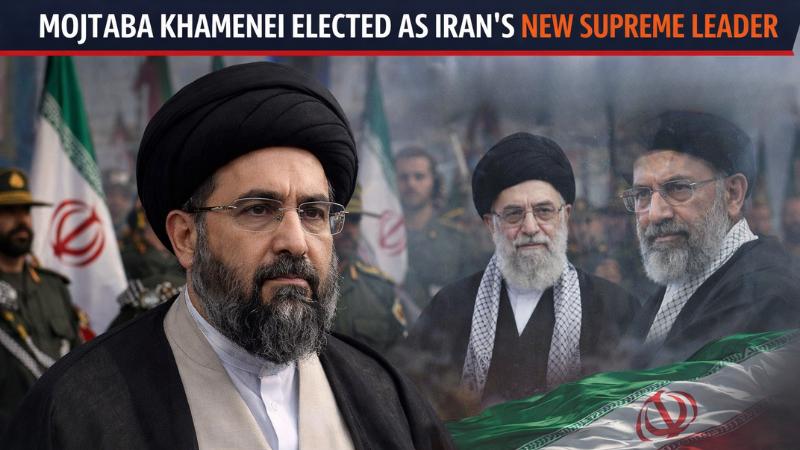
Iran’s Assembly of Experts has elected Mojtaba Khamenei, the son of the late Supreme Leader Ayatollah Ali Khamenei, as the new Supreme Leader of Iran. This transition, which occurred under significant pressure from the Islamic Revolutionary Guard Corps (IRGC), marks a controversial father-to-son succession that goes against the Islamic Republic’s long-standing criticism of hereditary monarchy. Mojtaba, the second-eldest son of Ali Khamenei, has been long speculated as a potential successor to his father, and at 56, his elevation to the leadership role is seen as a major shift in Iran's political future.
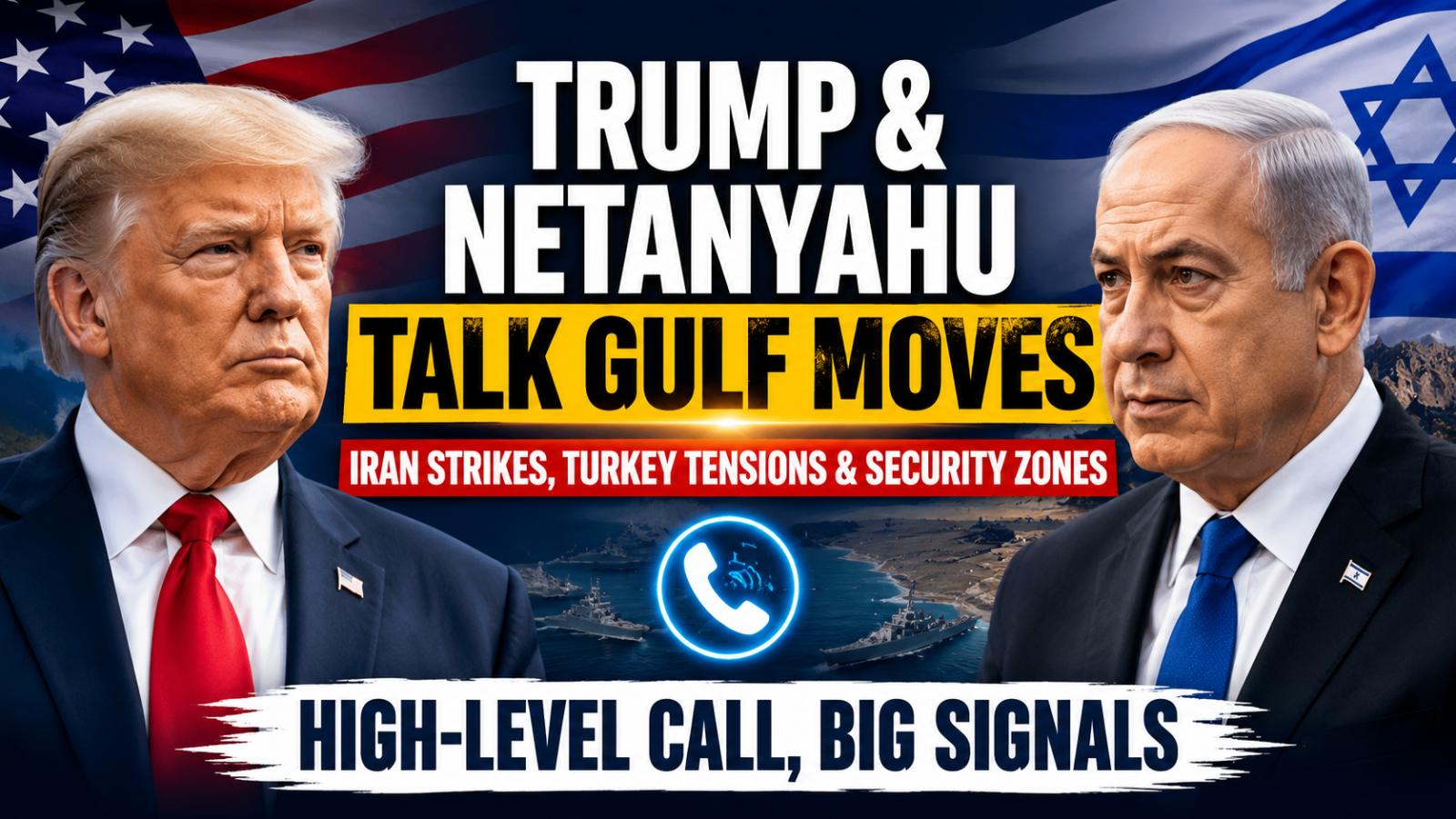
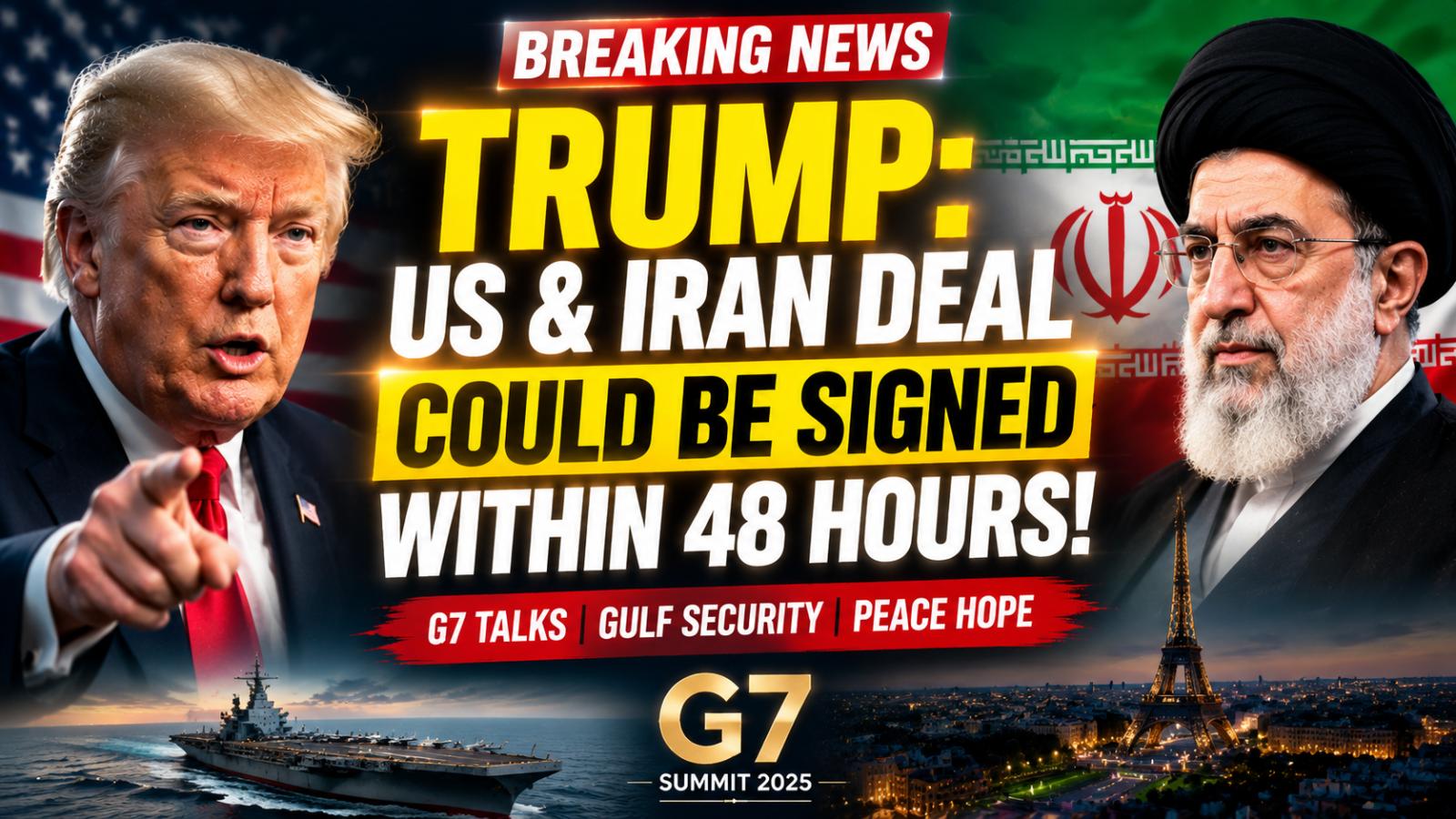
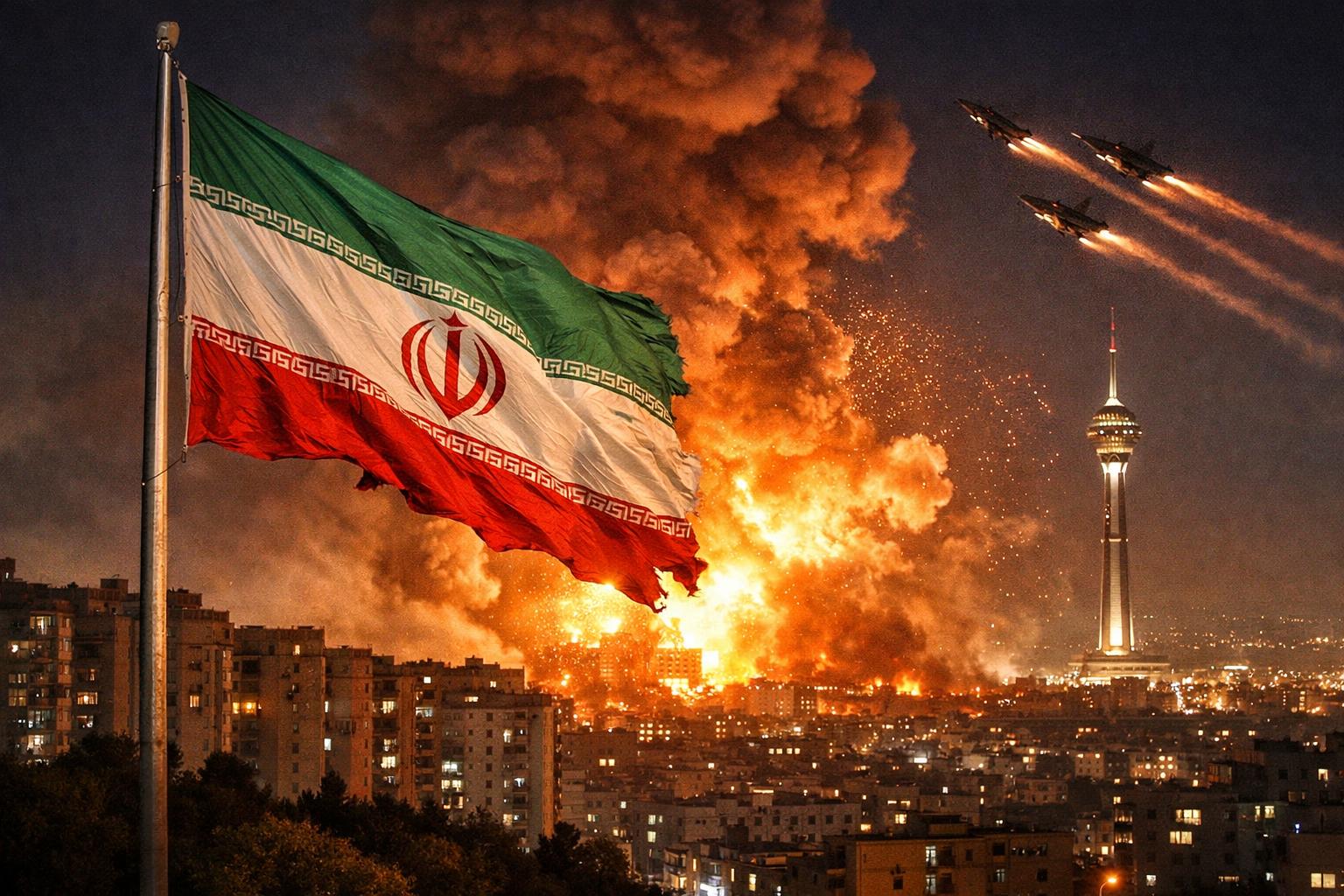
This report comes shortly after a wave of joint US-Israeli strikes that led to the death of Ayatollah Khamenei, igniting further turmoil in the Middle East. Despite Iran's self-portrayal as an alternative to monarchies, the dynastic transfer of power from father to son raises serious questions about the country’s founding political principles. It also underscores the growing influence of the IRGC within the country's political apparatus.
Sources claim that the IRGC's powerful role in Mojtaba's selection stems from his strong ties to the military force, which has become a dominant force in Iran's political, military, and economic spheres. The IRGC reportedly pressured the Assembly of Experts, a body of senior clerics, to back Mojtaba as the successor to his father, solidifying his position as the new Supreme Leader.
As the new Supreme Leader, Mojtaba Khamenei assumes control of the country’s theocratic system, which places him at the top of Iran’s political hierarchy. This role also includes acting as the commander-in-chief of Iran's armed forces and the IRGC, which has been a significant force in Iran’s domestic and international policies. Known for his behind-the-scenes influence, Mojtaba had already been managing the Supreme Leader's office in practice, and analysts have described him as a major power broker within the system. Mojtaba's appointment could have far-reaching political and military consequences, especially as Iran faces continued international pressure and instability in the Middle East.