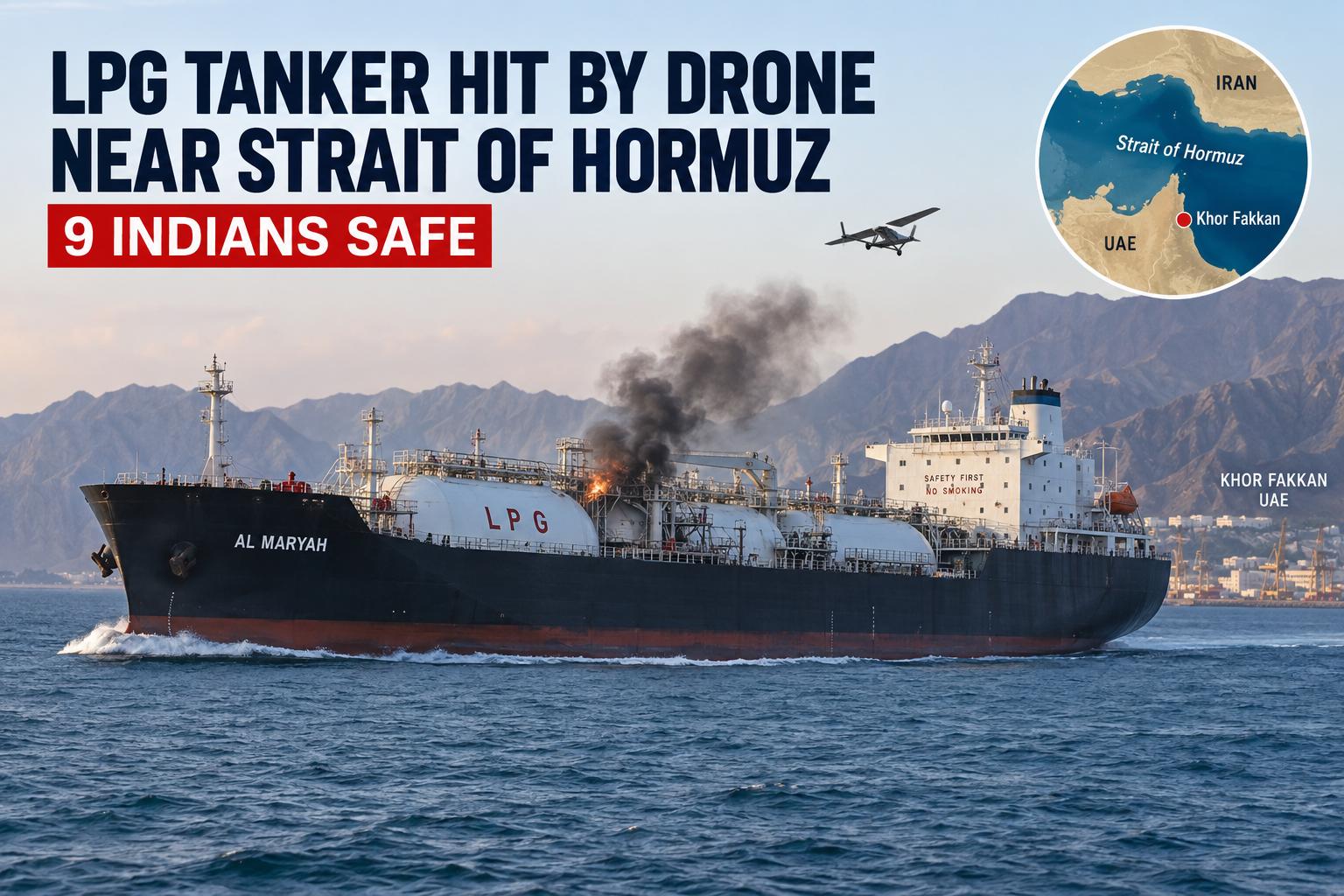
An LPG tanker hit by a drone near the Strait of Hormuz reached safe anchorage at Khor Fakkan after suffering no major damage. All 19 crew aboard M.T. Al Maryah, including nine Indian nationals, were reported safe as maritime authorities continued regional monitoring.
A Liberia-flagged liquefied petroleum gas tanker carrying nine Indian nationals was reportedly hit by a drone while sailing eastb
An LPG tanker hit by a drone near the Strait of Hormuz reached safe anchorage at Khor Fakkan after suffering no major damage. All 19 crew aboard M.T. Al Maryah, including nine Indian nationals, were reported safe as maritime authorities continued regional monitoring.
A Liberia-flagged liquefied petroleum gas tanker carrying nine Indian nationals was reportedly hit by a drone while sailing eastb
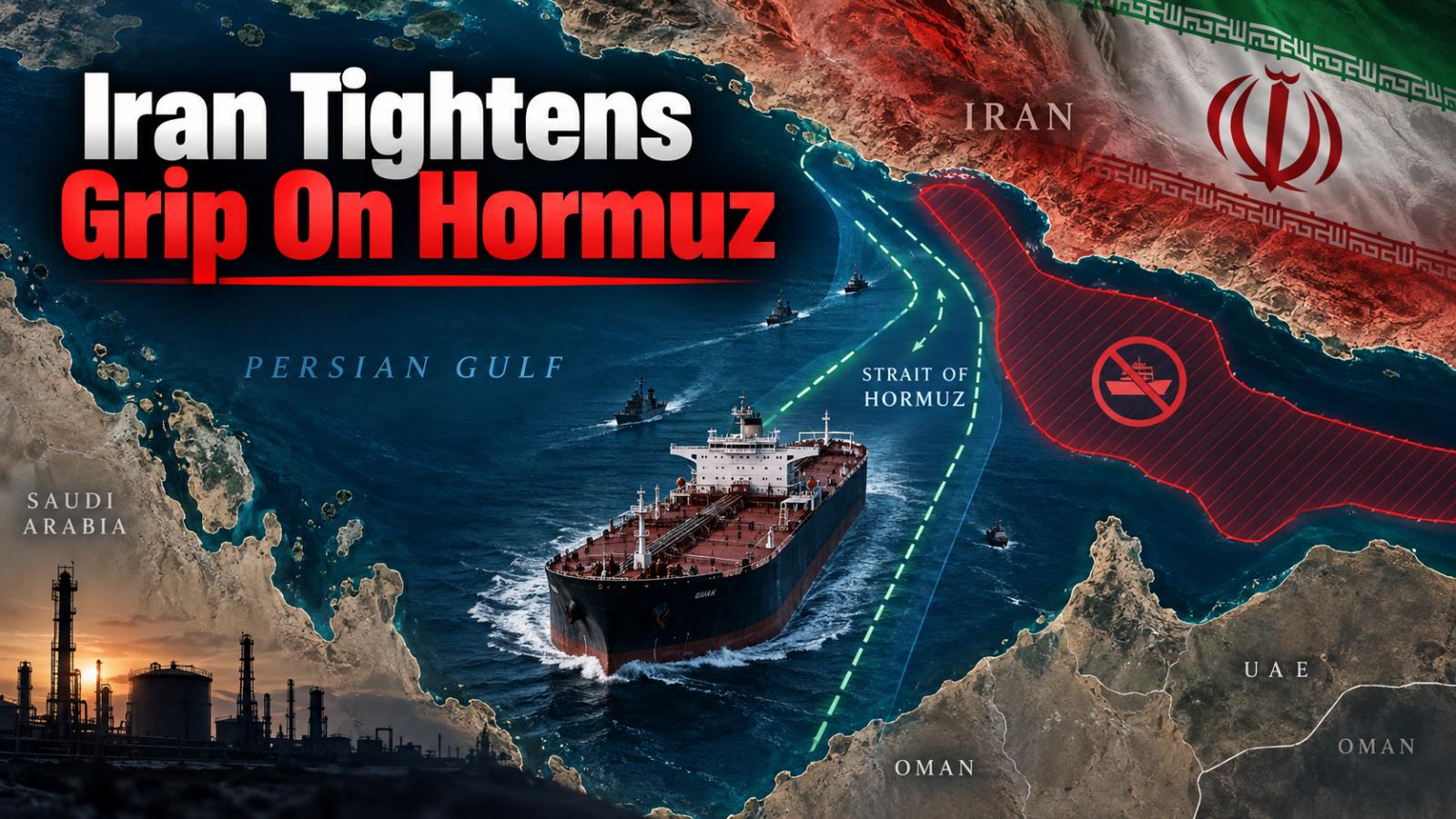
Iran says an Iran-Oman Hormuz shipping corridor could be formalized within days as Tehran prepares a new restricted maritime zone around the strategic waterway. The proposals could reshape Gulf shipping while tensions with the United States continue to disrupt commercial traffic.
Iran Oman Hormuz Shipping Corridor Nears Agreement
Iranian officials say Tehran and Muscat have agreed on maps for a
Iran says an Iran-Oman Hormuz shipping corridor could be formalized within days as Tehran prepares a new restricted maritime zone around the strategic waterway. The proposals could reshape Gulf shipping while tensions with the United States continue to disrupt commercial traffic.
Iran Oman Hormuz Shipping Corridor Nears Agreement
Iranian officials say Tehran and Muscat have agreed on maps for a
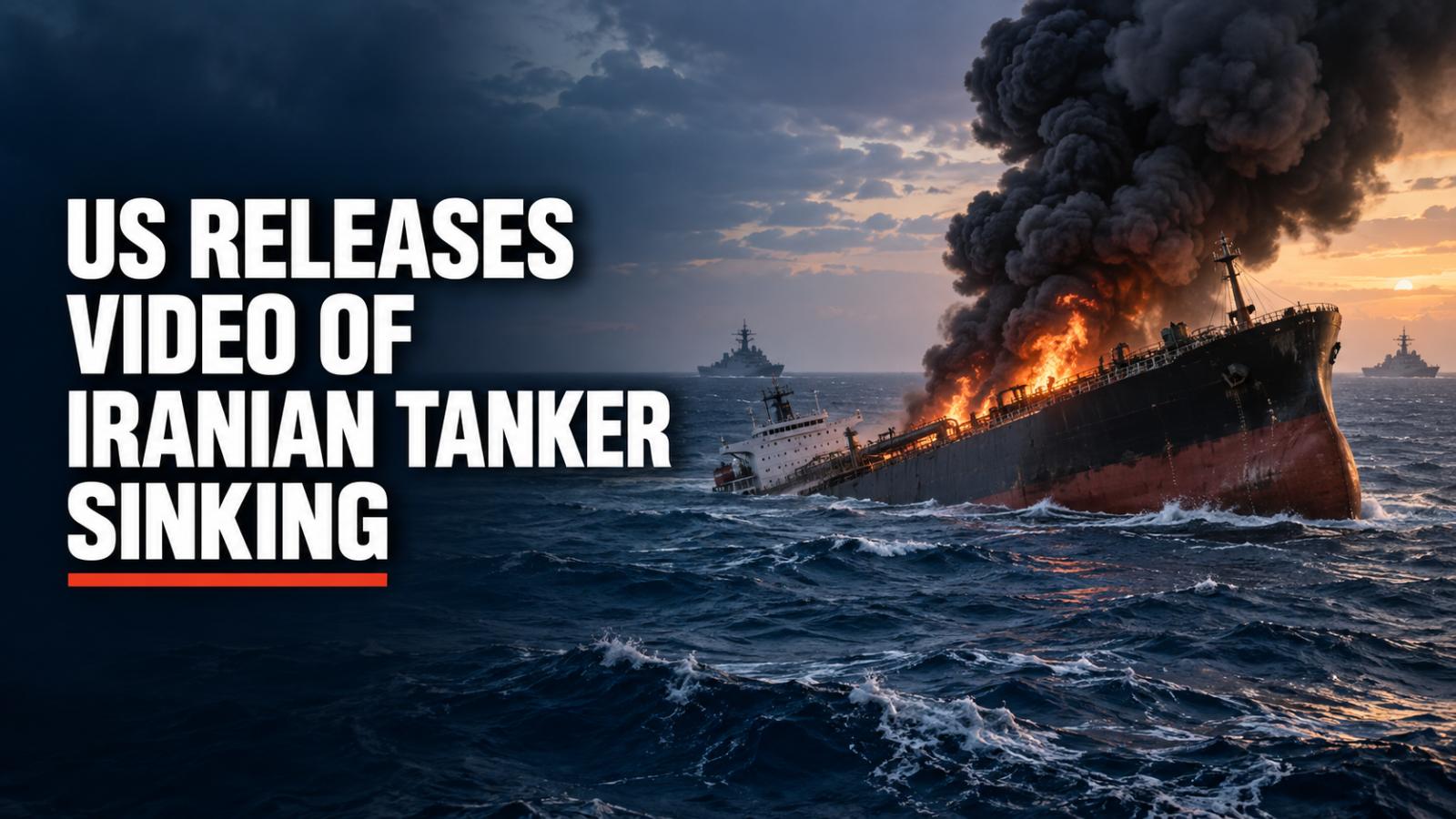
CENTCOM released footage on Sunday, September 6, 2026, showing the M/T Kylo burning and sinking in the Gulf of Oman after a US strike. The incident followed US attacks on three Iranian tankers and intensified fears over regional shipping and oil trade.
United States Central Command has released video showing the M/T Kylo, an Iranian-linked oil tanker also known as the Noxen, burning and sinking in the Gulf of Oman followi
CENTCOM released footage on Sunday, September 6, 2026, showing the M/T Kylo burning and sinking in the Gulf of Oman after a US strike. The incident followed US attacks on three Iranian tankers and intensified fears over regional shipping and oil trade.
United States Central Command has released video showing the M/T Kylo, an Iranian-linked oil tanker also known as the Noxen, burning and sinking in the Gulf of Oman followi
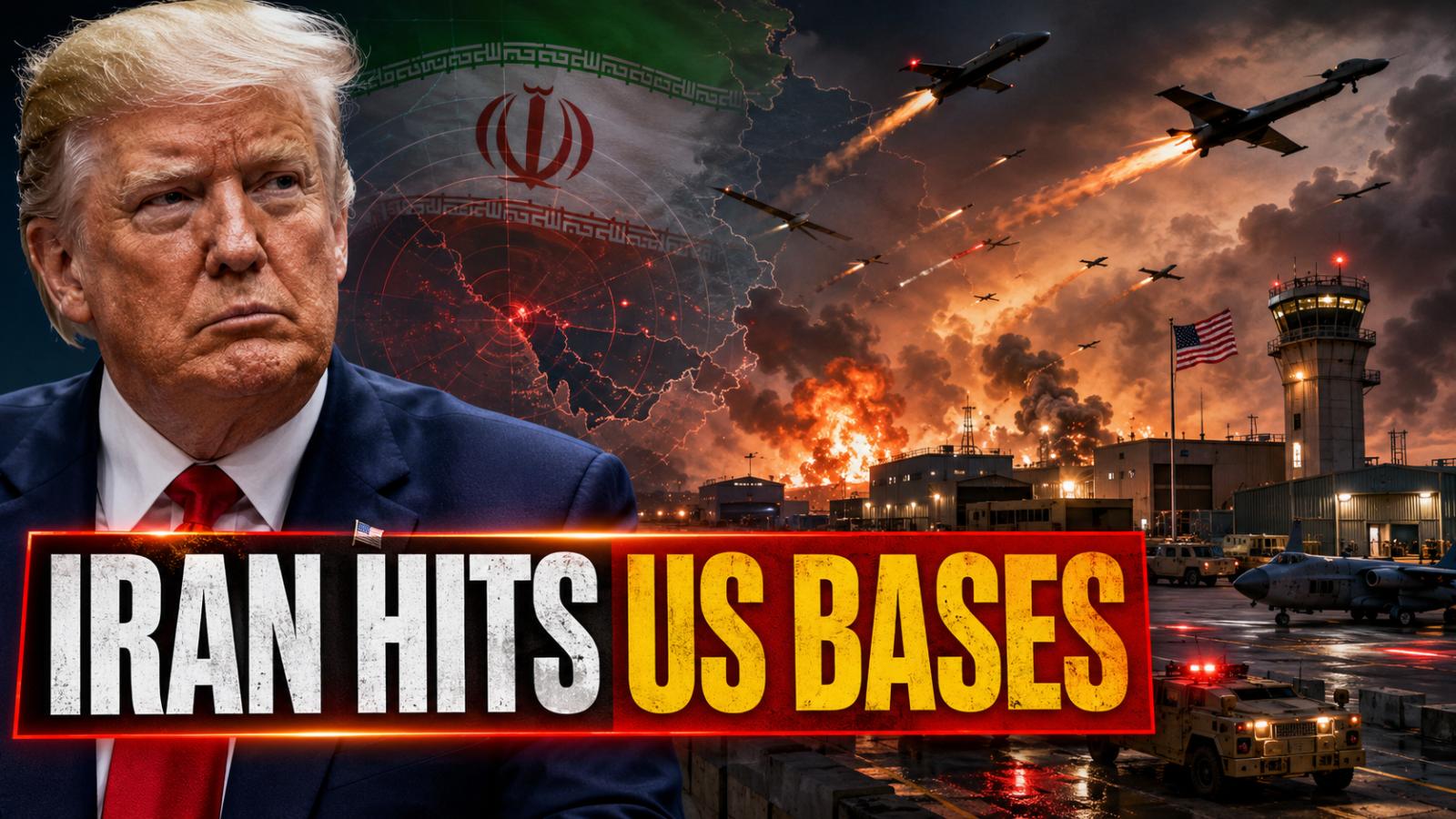
The US-Iran conflict has entered another dangerous phase after Tehran launched a fresh wave of missile and drone attacks against American-linked military facilities across the Gulf. The retaliation followed renewed US strikes on Iranian military targets, while President Donald Trump warned that Washington remains ready to attack again.
Iran strikes US bases after renewed American attacks
Iran l
The US-Iran conflict has entered another dangerous phase after Tehran launched a fresh wave of missile and drone attacks against American-linked military facilities across the Gulf. The retaliation followed renewed US strikes on Iranian military targets, while President Donald Trump warned that Washington remains ready to attack again.
Iran strikes US bases after renewed American attacks
Iran l
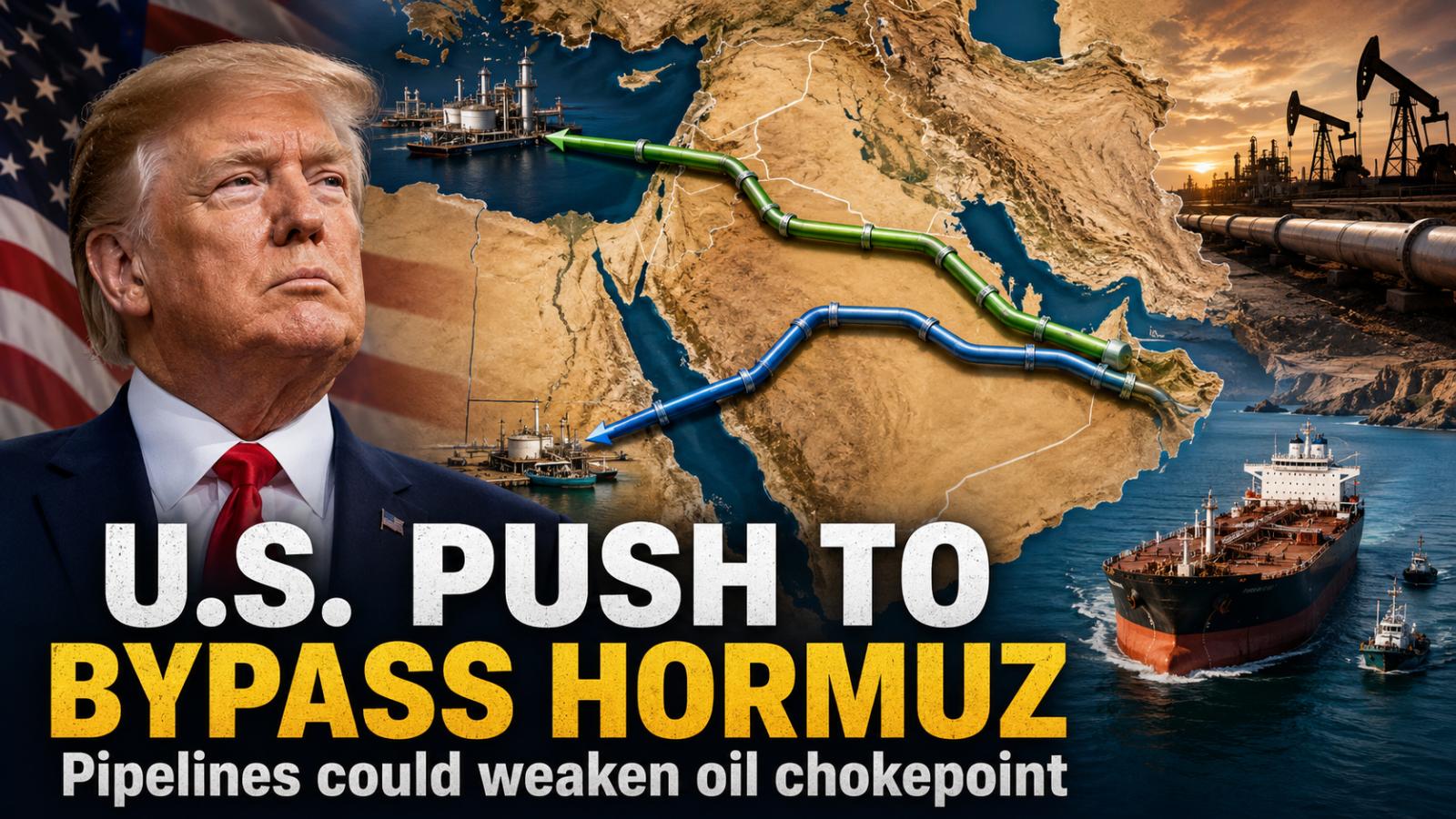
For decades, the Strait of Hormuz has been one of the world’s most important energy chokepoints. Now, Washington and Gulf producers are accelerating plans for pipelines and alternative export routes that could sharply reduce dependence on the narrow waterway. The goal is not necessarily to eliminate Hormuz, but to weaken its ability to disrupt global oil markets.
Strait of Hormuz bypass becomes US strategy
For decades, the Strait of Hormuz has been one of the world’s most important energy chokepoints. Now, Washington and Gulf producers are accelerating plans for pipelines and alternative export routes that could sharply reduce dependence on the narrow waterway. The goal is not necessarily to eliminate Hormuz, but to weaken its ability to disrupt global oil markets.
Strait of Hormuz bypass becomes US strategy
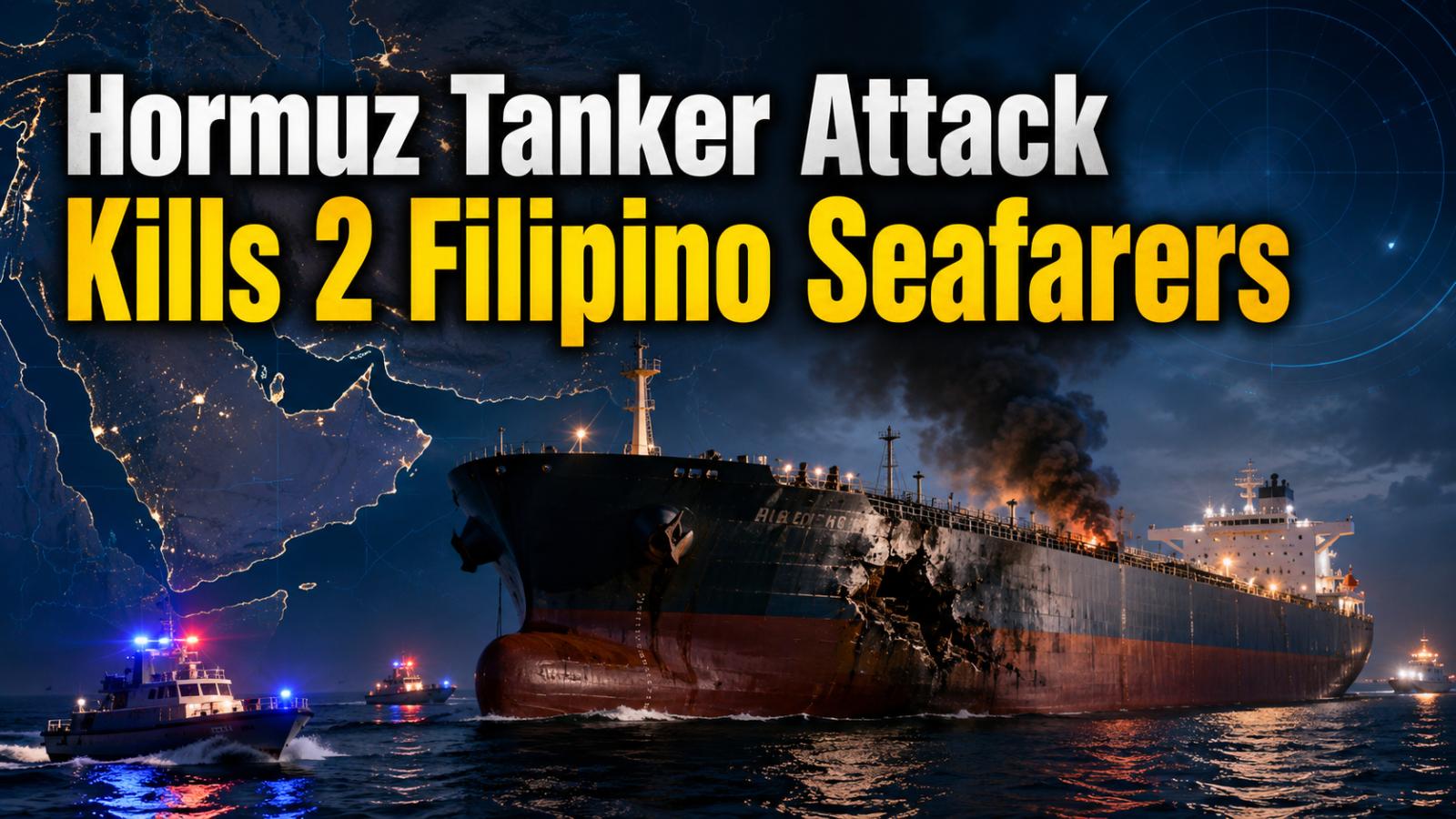
A Strait of Hormuz tanker attack has left two Filipino seafarers dead aboard the Saudi-operated SIDR, intensifying concerns over maritime security in one of the world’s most important oil routes. Bahri confirmed the deaths as US-Iran tensions again escalated across the Gulf.
Strait of Hormuz tanker attack kills two sailors
Saudi Arabia’s national shipping company Bahri confirmed that two Fi
A Strait of Hormuz tanker attack has left two Filipino seafarers dead aboard the Saudi-operated SIDR, intensifying concerns over maritime security in one of the world’s most important oil routes. Bahri confirmed the deaths as US-Iran tensions again escalated across the Gulf.
Strait of Hormuz tanker attack kills two sailors
Saudi Arabia’s national shipping company Bahri confirmed that two Fi
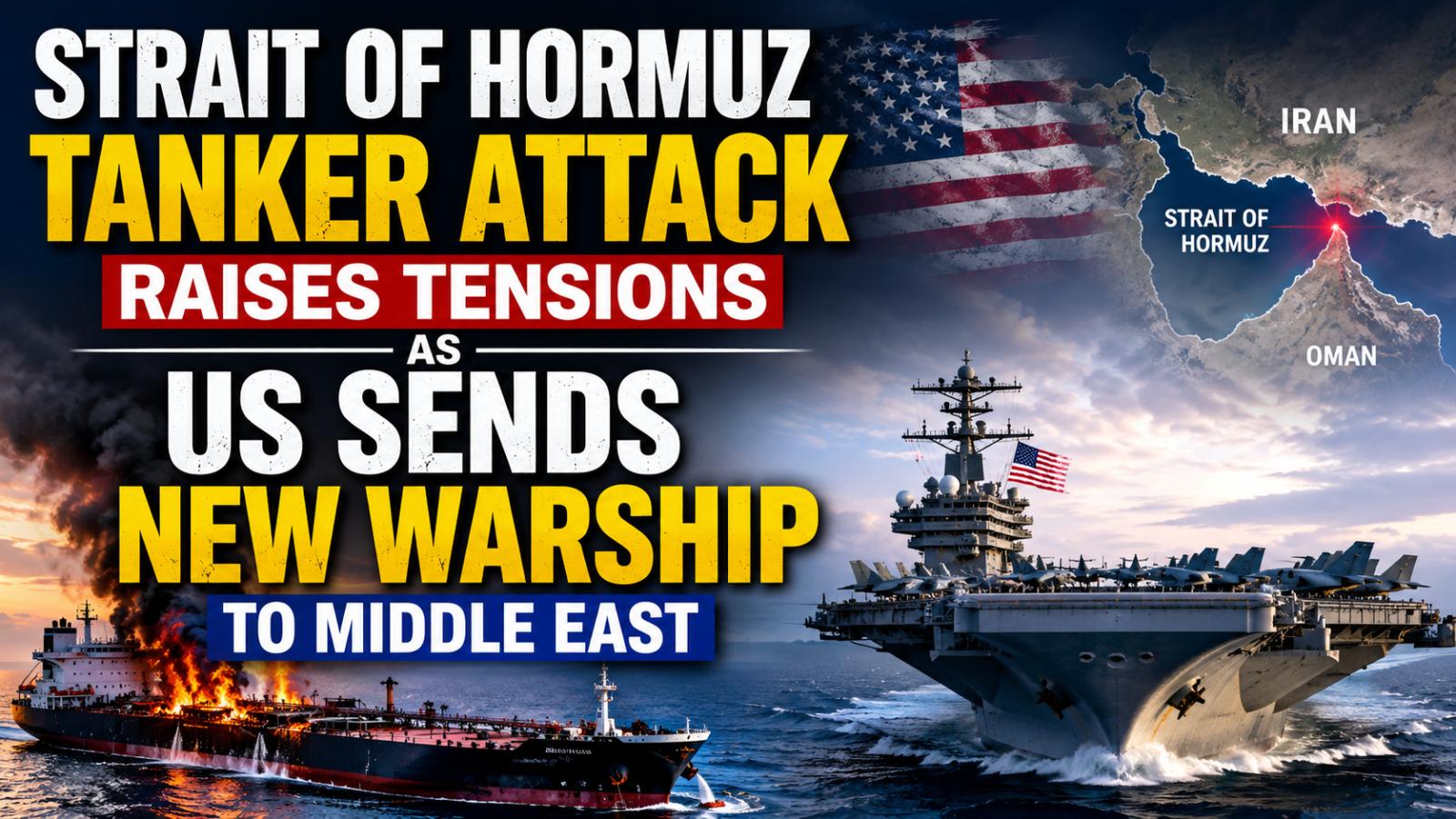
Tensions in the Strait of Hormuz have intensified after another commercial tanker was struck while moving through the strategic waterway, as the United States prepares to deploy an additional aircraft carrier strike group to the Middle East.
The latest incident has added to concerns over the safety of commercial shipping between Iran and Oman. The vessel reportedly caught fire after being hit, but the crew was said to be safe. Responsibility for the attack has not been independently
Tensions in the Strait of Hormuz have intensified after another commercial tanker was struck while moving through the strategic waterway, as the United States prepares to deploy an additional aircraft carrier strike group to the Middle East.
The latest incident has added to concerns over the safety of commercial shipping between Iran and Oman. The vessel reportedly caught fire after being hit, but the crew was said to be safe. Responsibility for the attack has not been independently
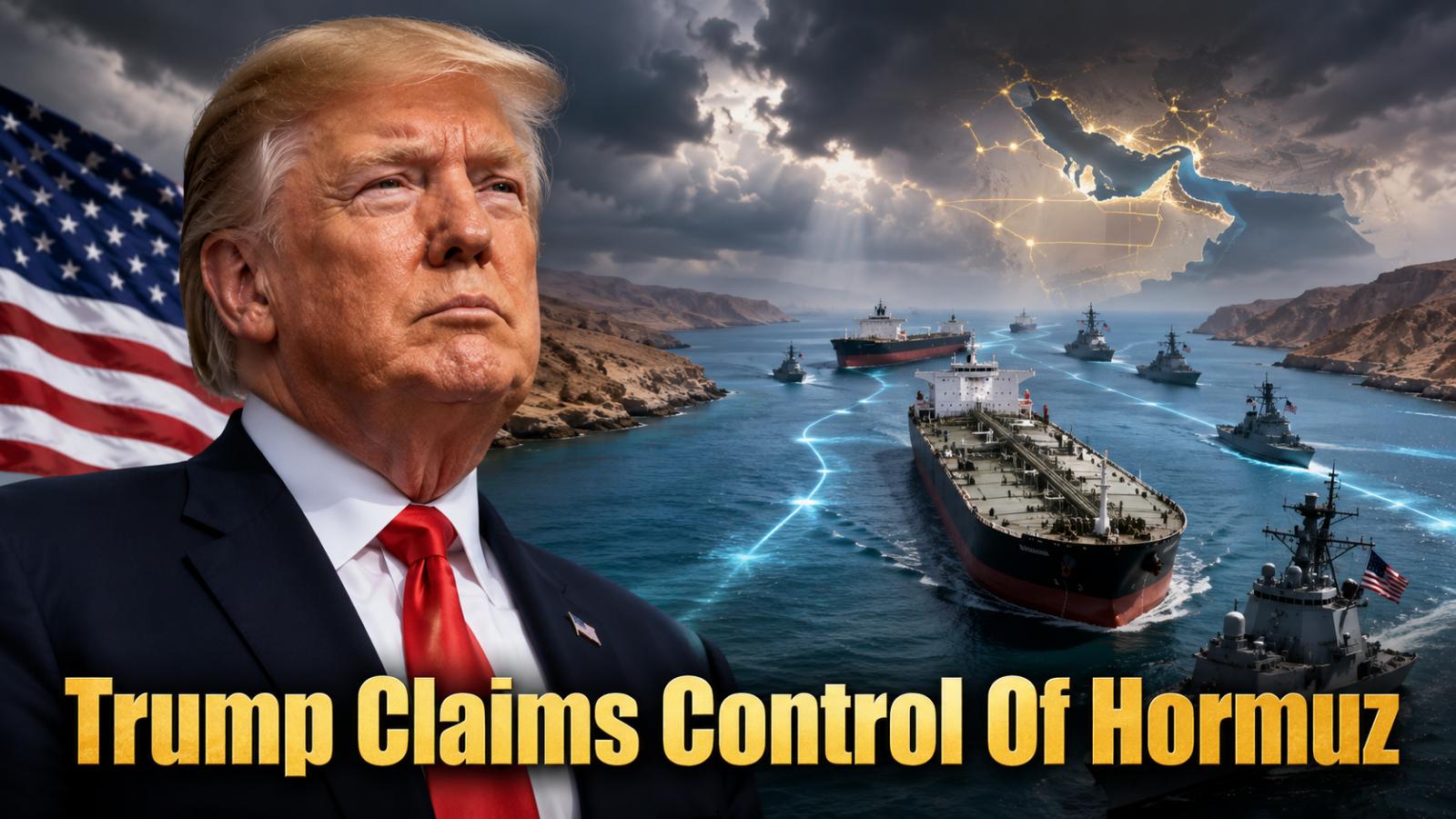
President Donald Trump has renewed his US Hormuz control claim, saying Washington has “complete control” of the Strait of Hormuz as more oil tankers move through the strategic waterway. Shipping remains well below normal levels, however, while Iran continues to dispute American claims of control.
Trump Hormuz claim
Trump told reporters on Wednesday that a large number of vessels had recentl
President Donald Trump has renewed his US Hormuz control claim, saying Washington has “complete control” of the Strait of Hormuz as more oil tankers move through the strategic waterway. Shipping remains well below normal levels, however, while Iran continues to dispute American claims of control.
Trump Hormuz claim
Trump told reporters on Wednesday that a large number of vessels had recentl
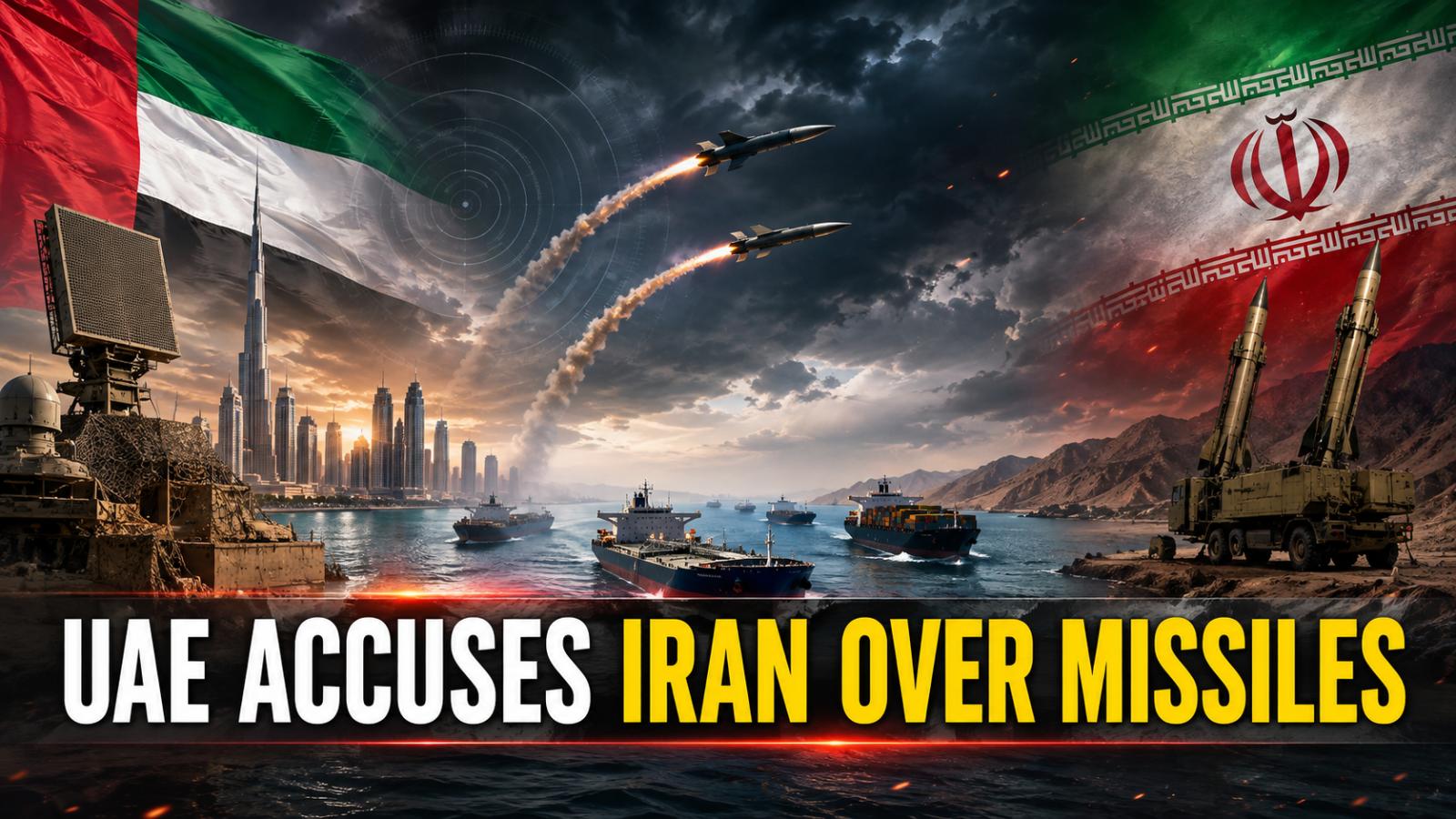
The UAE Iran missile dispute has opened a new front in already tense Gulf relations. Abu Dhabi says two ballistic missiles launched from Iran targeted maritime navigation, while Tehran rejects the allegation. The UAE has now halted Iran trade as the Hormuz crisis continues to threaten regional shipping.
UAE Iran missile claim
The United Arab Emirates has accused Iran of launching two ballistic
The UAE Iran missile dispute has opened a new front in already tense Gulf relations. Abu Dhabi says two ballistic missiles launched from Iran targeted maritime navigation, while Tehran rejects the allegation. The UAE has now halted Iran trade as the Hormuz crisis continues to threaten regional shipping.
UAE Iran missile claim
The United Arab Emirates has accused Iran of launching two ballistic
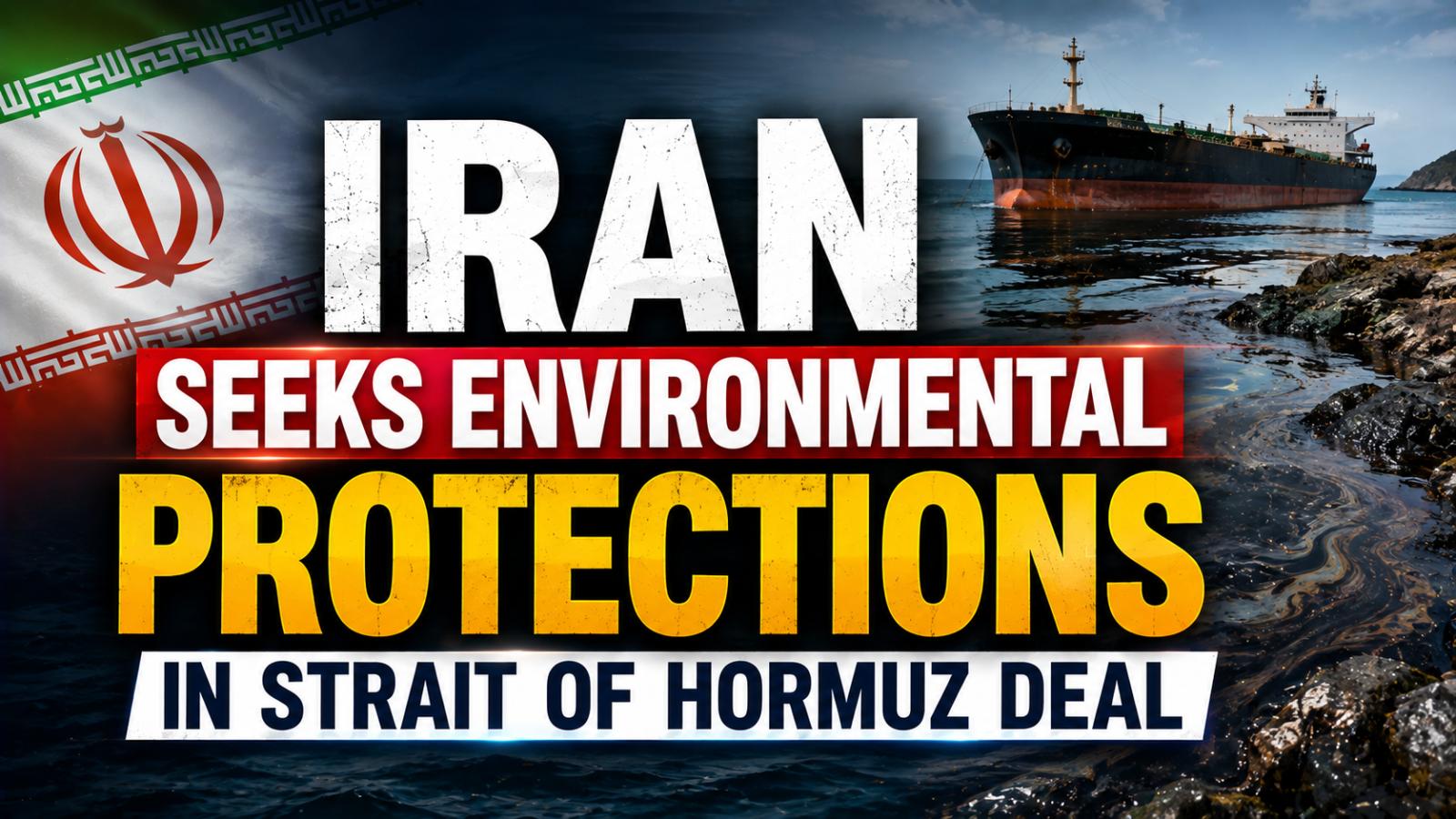
Iran has called for environmental protection to become part of any future Iran Strait of Hormuz arrangement after reporting oil pollution near Qeshm Island. Tehran says commercial shipping, energy consumers and other parties benefiting from the strategic waterway should share responsibility for environmental damage.
Qeshm oil spill raises environmental concer
Iran has called for environmental protection to become part of any future Iran Strait of Hormuz arrangement after reporting oil pollution near Qeshm Island. Tehran says commercial shipping, energy consumers and other parties benefiting from the strategic waterway should share responsibility for environmental damage.
Qeshm oil spill raises environmental concer
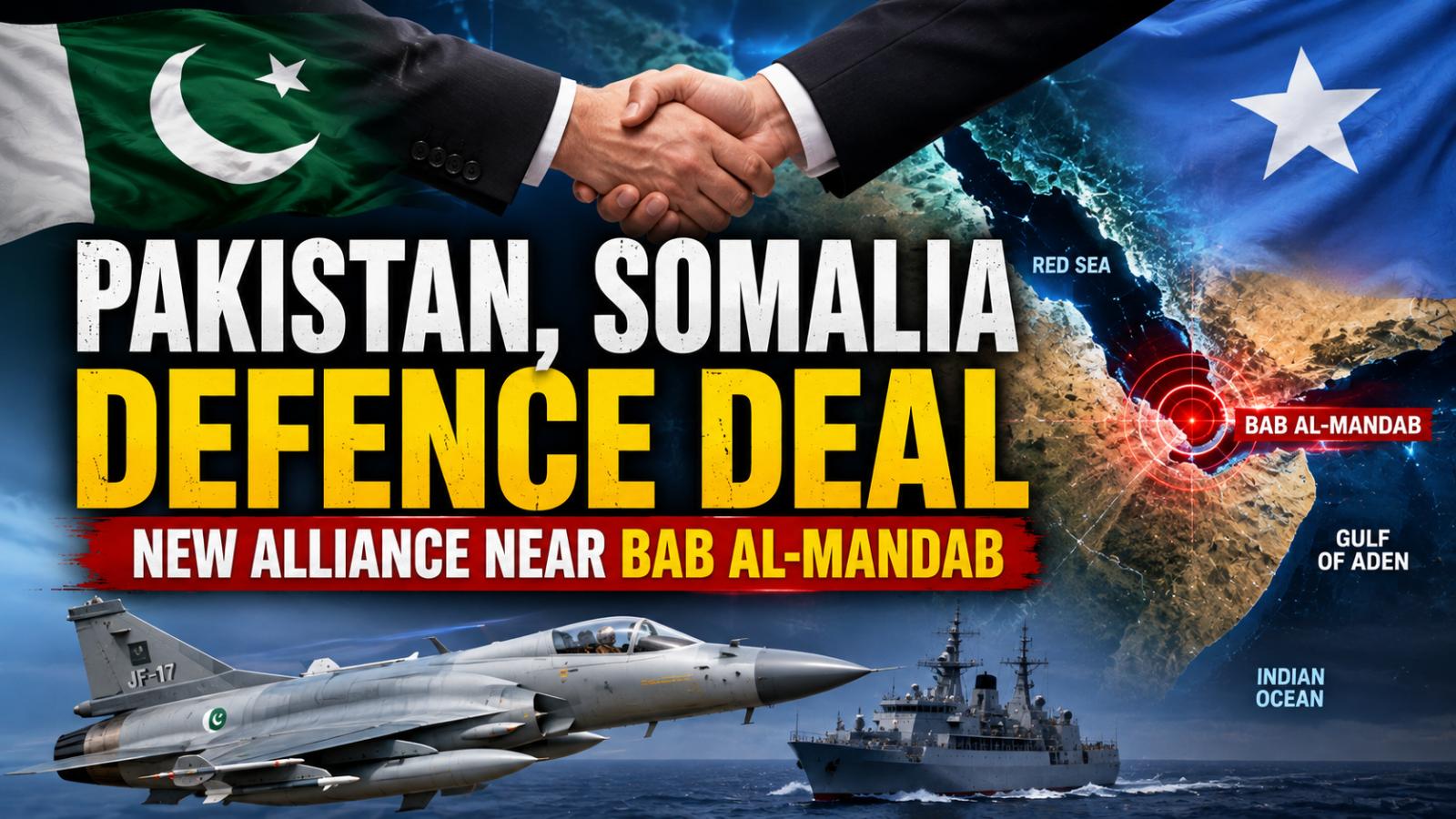
Pakistan and Somalia have signed a new defence cooperation agreement as security tensions rise around the Red Sea and Bab al-Mandab. The Pakistan Somalia defence deal focuses on military training, counterterrorism and capacity building, while its timing puts Islamabad’s expanding defence diplomacy in the Horn of Africa under fresh attention.
Pakistan Somalia defence deal expands military cooperation
Pakistan and Somalia have signed a new defence cooperation agreement as security tensions rise around the Red Sea and Bab al-Mandab. The Pakistan Somalia defence deal focuses on military training, counterterrorism and capacity building, while its timing puts Islamabad’s expanding defence diplomacy in the Horn of Africa under fresh attention.
Pakistan Somalia defence deal expands military cooperation
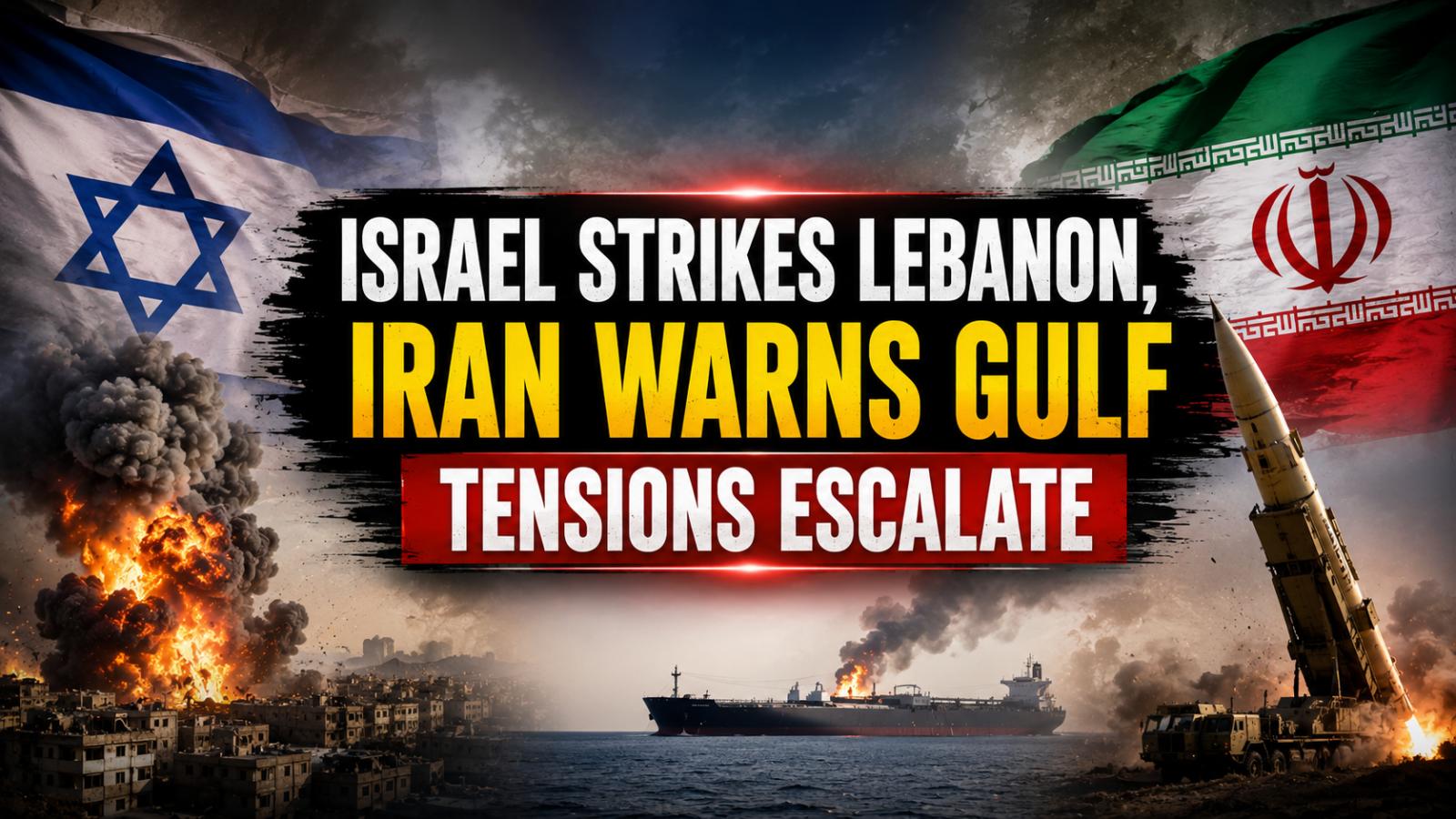
Israel Lebanon strikes have renewed fears of a wider regional conflict just as Iran and Oman move closer to an agreement on shipping through the Strait of Hormuz. The violence in southern Lebanon, threats against Gulf infrastructure and stalled Iran-US diplomacy show how fragile the search for peace remains.
Israel Lebanon strikes hit southern villages
Israel carried out strikes in southern Leb
Israel Lebanon strikes have renewed fears of a wider regional conflict just as Iran and Oman move closer to an agreement on shipping through the Strait of Hormuz. The violence in southern Lebanon, threats against Gulf infrastructure and stalled Iran-US diplomacy show how fragile the search for peace remains.
Israel Lebanon strikes hit southern villages
Israel carried out strikes in southern Leb
Iran Hormuz Demining Plan Signals Possible Shipping Deal
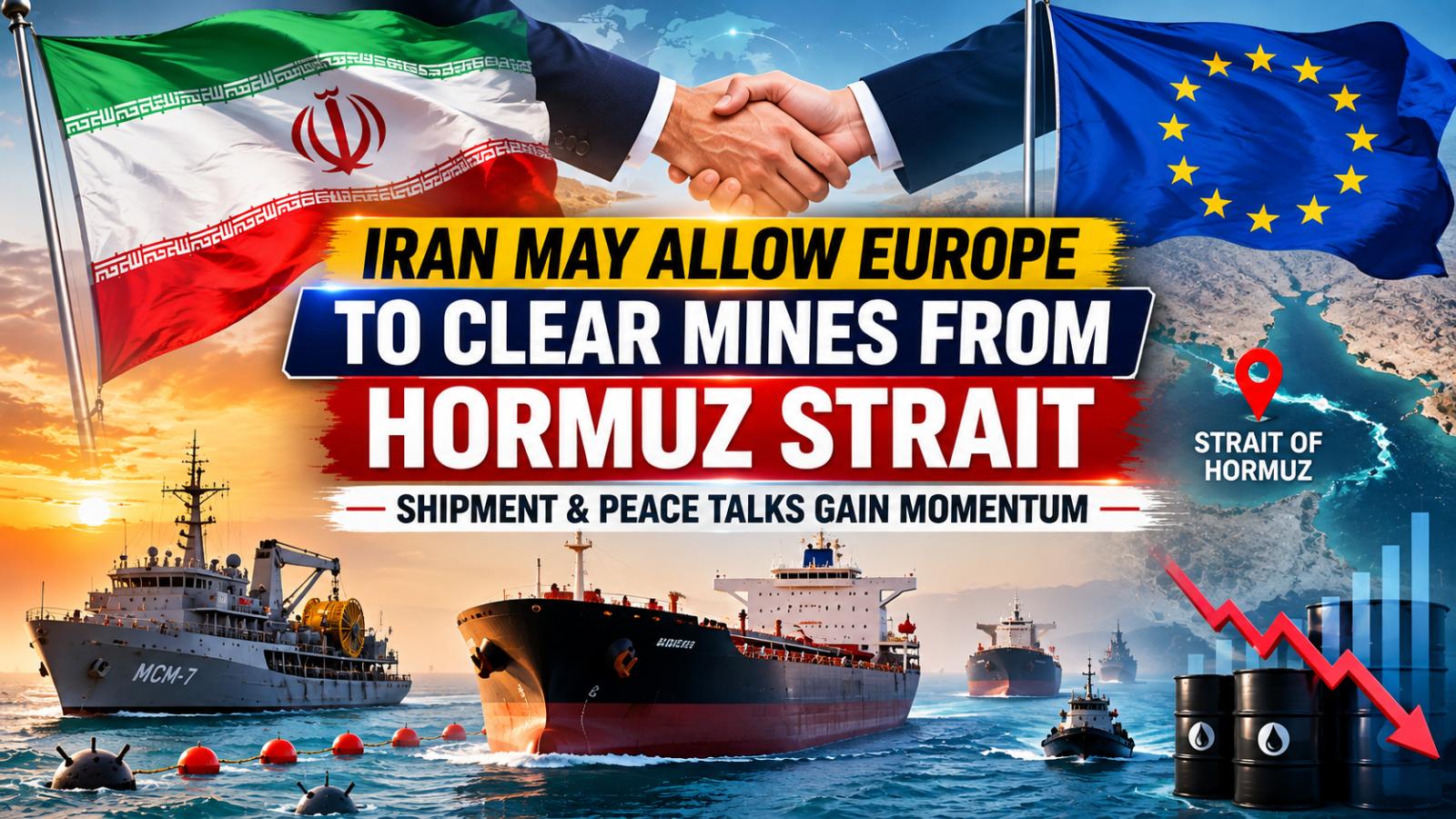
Iran Hormuz demining discussions could allow European countries to help clear mines from the strategic waterway. Progress in Iran-Oman talks, US diplomatic involvement and falling oil prices have raised hopes for safer Gulf shipping and broader peace negotiations.
Europe mine mission marks possible Iranian shift
Iran Hormuz Demining Plan Signals Possible Shipping Deal
Iran Hormuz demining discussions could allow European countries to help clear mines from the strategic waterway. Progress in Iran-Oman talks, US diplomatic involvement and falling oil prices have raised hopes for safer Gulf shipping and broader peace negotiations.
Europe mine mission marks possible Iranian shift
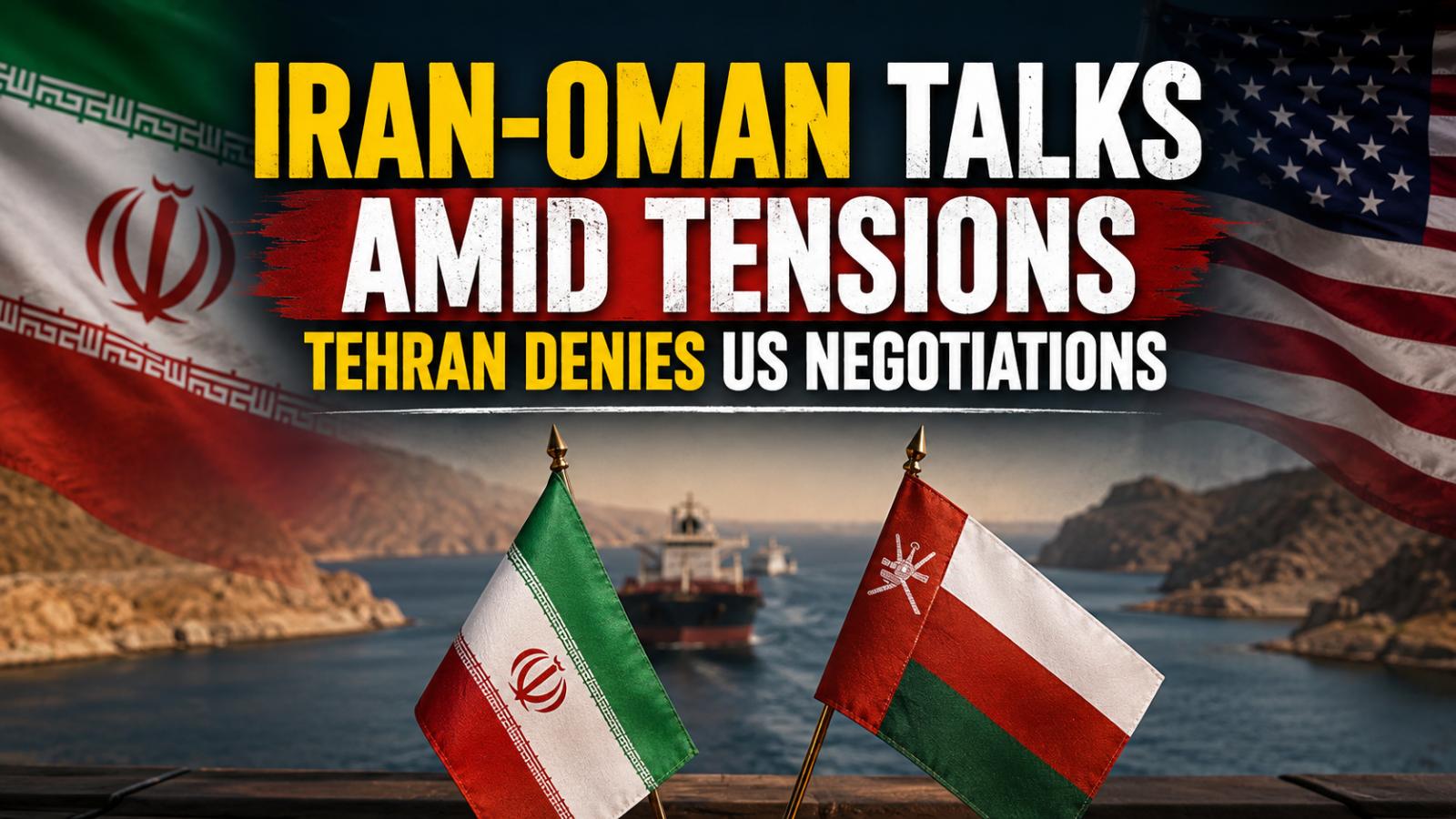
Iran Oman talks amid tensions have emerged as a possible diplomatic channel as Tehran denies holding direct negotiations with Washington. Oman is discussing maritime issues with Iran, while conflicting US and Iranian statements add uncertainty to the Hormuz dispute, nuclear row and wider Gulf risks.
Oman role
Iran has confirmed that discussions are taking place with Oman, but officials say the
Iran Oman talks amid tensions have emerged as a possible diplomatic channel as Tehran denies holding direct negotiations with Washington. Oman is discussing maritime issues with Iran, while conflicting US and Iranian statements add uncertainty to the Hormuz dispute, nuclear row and wider Gulf risks.
Oman role
Iran has confirmed that discussions are taking place with Oman, but officials say the
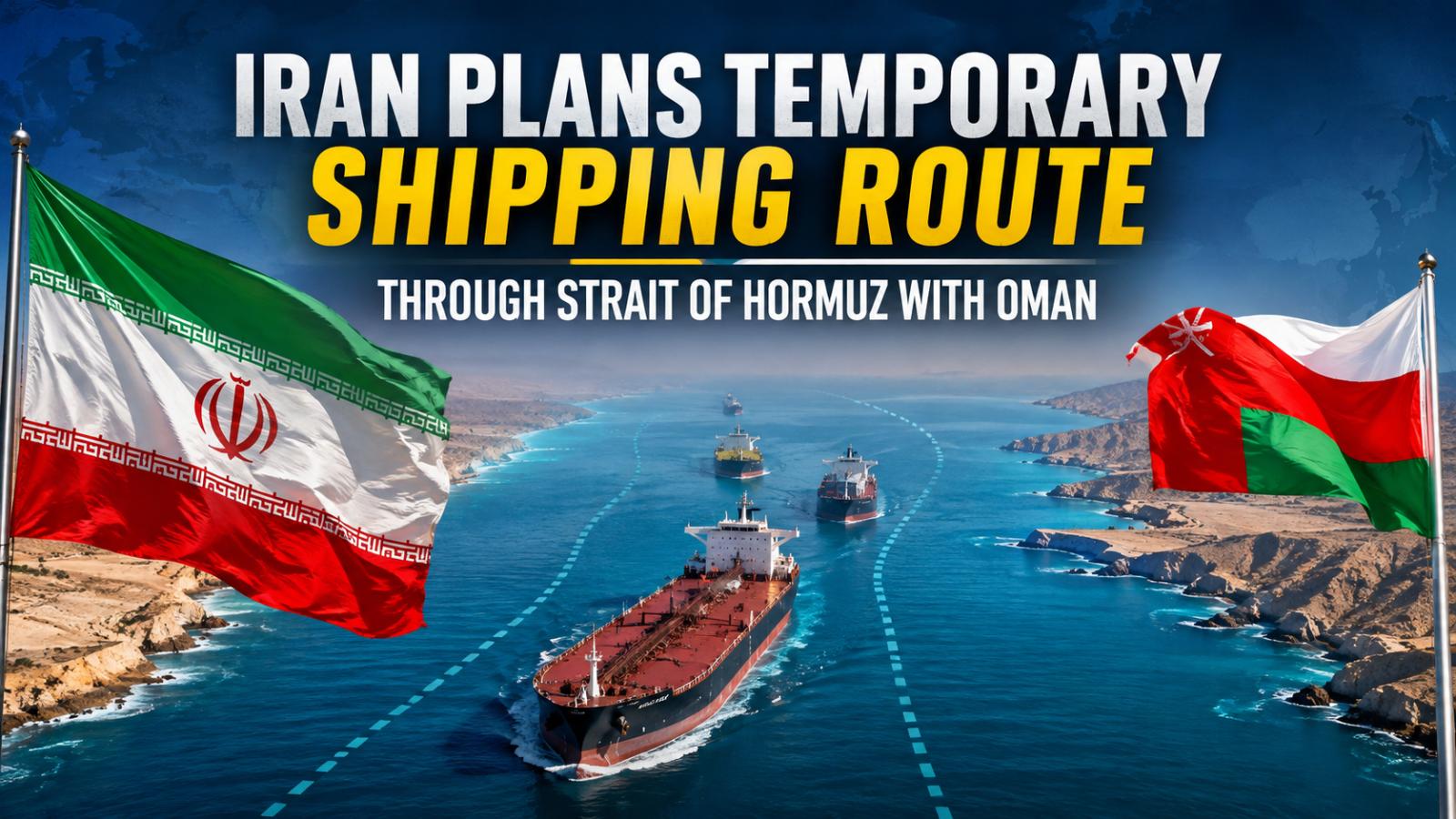
Iran Strait of Hormuz shipping route discussions with Oman are aimed at ensuring safe maritime navigation through one of the world's busiest waterways. Tehran says the proposed temporary corridor is designed to protect shipping while denying reports of direct negotiations with the United States.
Oman Maritime Corridor
Iran has confirmed that it is working with Oman to establish a temporary shipping route through the Strait of Hormuz to support safe navigation for commercial vessels. Speaking during a weekly press briefing on August 3, Iranian Foreign Ministry spokesperson Esmaeil Baghaei said the discussions with Muscat are focused exclusively on creating an interim maritime corridor that can maintain the uninterrupted movement of ships through the strategic waterway.
According to Baghaei, the proposal combines the southern route passing through Omani waters with the northern route inside Iranian territorial waters into a single two-way navigation corridor. He explained that both countries are attempting to develop a practical arrangement that serves the interests of the two coastal states while protecting international shipping until a permanent framework is agreed upon. The statement was attributed to Iran's semi-official Fars News Agency.
Strait of Hormuz Navigation
The Strait of Hormuz remains one of the world's most important energy transit routes, carrying a significant share of global oil and liquefied natural gas exports. Any disruption in the waterway can quickly influence global energy prices, shipping costs and international trade.
Iran says the temporary corridor is intended to improve safety and reduce uncertainty for vessels operating in the region. Officials stressed that the proposal involves one integrated two-way transit system rather than multiple separate routes, making navigation simpler while addressing the operational concerns of both Iran and Oman.
Iran US Relations
Baghaei also dismissed reports suggesting that Tehran had resumed negotiations with the United States. He stated that Iran is not holding talks with Washington, directly contradicting comments made by US President Donald Trump, who said discussions with Iran were expected to begin and expressed optimism about reaching an understanding on both the Strait of Hormuz and Iran's denuclearisation.
The Iranian spokesperson maintained that Oman is serving as a regional partner for navigation discussions rather than a channel for broader negotiations with the United States. He emphasized that Iran's current diplomatic efforts are limited to ensuring maritime safety in cooperation with Muscat.
Regional Security Concerns
Despite the progress in discussions with Oman, Iran cautioned that the proposed arrangement alone would not restore normal shipping conditions. Baghaei argued that broader regional tensions continue to affect maritime security and claimed the situation would remain unchanged as long as what Tehran describes as US aggression and blockade policies continue.
The latest developments highlight the strategic importance of the Strait of Hormuz for global commerce. While the proposed temporary corridor could improve confidence for shipping operators in the short term, its long-term success will depend on wider regional stability and continued diplomatic engagement between the countries bordering the waterway. The statements reflect Iran's current position and have been attributed to remarks by Foreign Ministry spokesperson Esmaeil Baghaei during an official press briefing, as reported by Fars News Agency.
Iran Strait of Hormuz shipping route discussions with Oman are aimed at ensuring safe maritime navigation through one of the world's busiest waterways. Tehran says the proposed temporary corridor is designed to protect shipping while denying reports of direct negotiations with the United States.
Oman Maritime Corridor
Iran has confirmed that it is working with Oman to establish a temporary shipping route through the Strait of Hormuz to support safe navigation for commercial vessels. Speaking during a weekly press briefing on August 3, Iranian Foreign Ministry spokesperson Esmaeil Baghaei said the discussions with Muscat are focused exclusively on creating an interim maritime corridor that can maintain the uninterrupted movement of ships through the strategic waterway.
According to Baghaei, the proposal combines the southern route passing through Omani waters with the northern route inside Iranian territorial waters into a single two-way navigation corridor. He explained that both countries are attempting to develop a practical arrangement that serves the interests of the two coastal states while protecting international shipping until a permanent framework is agreed upon. The statement was attributed to Iran's semi-official Fars News Agency.
Strait of Hormuz Navigation
The Strait of Hormuz remains one of the world's most important energy transit routes, carrying a significant share of global oil and liquefied natural gas exports. Any disruption in the waterway can quickly influence global energy prices, shipping costs and international trade.
Iran says the temporary corridor is intended to improve safety and reduce uncertainty for vessels operating in the region. Officials stressed that the proposal involves one integrated two-way transit system rather than multiple separate routes, making navigation simpler while addressing the operational concerns of both Iran and Oman.
Iran US Relations
Baghaei also dismissed reports suggesting that Tehran had resumed negotiations with the United States. He stated that Iran is not holding talks with Washington, directly contradicting comments made by US President Donald Trump, who said discussions with Iran were expected to begin and expressed optimism about reaching an understanding on both the Strait of Hormuz and Iran's denuclearisation.
The Iranian spokesperson maintained that Oman is serving as a regional partner for navigation discussions rather than a channel for broader negotiations with the United States. He emphasized that Iran's current diplomatic efforts are limited to ensuring maritime safety in cooperation with Muscat.
Regional Security Concerns
Despite the progress in discussions with Oman, Iran cautioned that the proposed arrangement alone would not restore normal shipping conditions. Baghaei argued that broader regional tensions continue to affect maritime security and claimed the situation would remain unchanged as long as what Tehran describes as US aggression and blockade policies continue.
The latest developments highlight the strategic importance of the Strait of Hormuz for global commerce. While the proposed temporary corridor could improve confidence for shipping operators in the short term, its long-term success will depend on wider regional stability and continued diplomatic engagement between the countries bordering the waterway. The statements reflect Iran's current position and have been attributed to remarks by Foreign Ministry spokesperson Esmaeil Baghaei during an official press briefing, as reported by Fars News Agency.
Saudi Arabia Advances Naval Alliance to Protect Red Sea Shipping
Saudi Arabia has advanced plans for a multinational naval defence alliance after representatives from 43 countries met in Riyadh to discuss Red Sea maritime security, global shipping protection and a legal charter for future cooperation. The plan targets threats facing major trade and energy routes.
Riyadh Defence Meeting B
Saudi Arabia Advances Naval Alliance to Protect Red Sea Shipping
Saudi Arabia has advanced plans for a multinational naval defence alliance after representatives from 43 countries met in Riyadh to discuss Red Sea maritime security, global shipping protection and a legal charter for future cooperation. The plan targets threats facing major trade and energy routes.
Riyadh Defence Meeting B
The United States launched a fresh round of strikes against Iran on Wednesday, July 29, following reported Iranian attacks targeting American military personnel in the Middle East. The latest US-Iran strikes mark the first acknowledged American attacks on Iranian territory in nearly a week and signal another dangerous escalation in the regional conflict.
According to a statement attributed to US Central Command, the milita
The United States launched a fresh round of strikes against Iran on Wednesday, July 29, following reported Iranian attacks targeting American military personnel in the Middle East. The latest US-Iran strikes mark the first acknowledged American attacks on Iranian territory in nearly a week and signal another dangerous escalation in the regional conflict.
According to a statement attributed to US Central Command, the milita
A proposed Strait of Hormuz shipping deal will not impose tolls or transit charges on commercial vessels, according to a US official familiar with negotiations involving Washington, Iran and Oman. The discussions seek to protect ship transit and restore confidence in the strategic waterway after conflict-related disruptions.
Strait of Hormuz Shipping Deal Excludes Tolls
Commercial ships passing
A proposed Strait of Hormuz shipping deal will not impose tolls or transit charges on commercial vessels, according to a US official familiar with negotiations involving Washington, Iran and Oman. The discussions seek to protect ship transit and restore confidence in the strategic waterway after conflict-related disruptions.
Strait of Hormuz Shipping Deal Excludes Tolls
Commercial ships passing
MEA data placed before the Lok Sabha shows that 1,340 Indian citizens died by suicide in six Gulf countries between 2023 and 2025. The UAE recorded the highest number, while natural causes and workplace accidents remained major contributors to Indian deaths overseas.
UAE cases lead Gulf suicide figures
According to figures shared by Minister of State for External Affairs Kirti Vardhan Singh, th
MEA data placed before the Lok Sabha shows that 1,340 Indian citizens died by suicide in six Gulf countries between 2023 and 2025. The UAE recorded the highest number, while natural causes and workplace accidents remained major contributors to Indian deaths overseas.
UAE cases lead Gulf suicide figures
According to figures shared by Minister of State for External Affairs Kirti Vardhan Singh, th
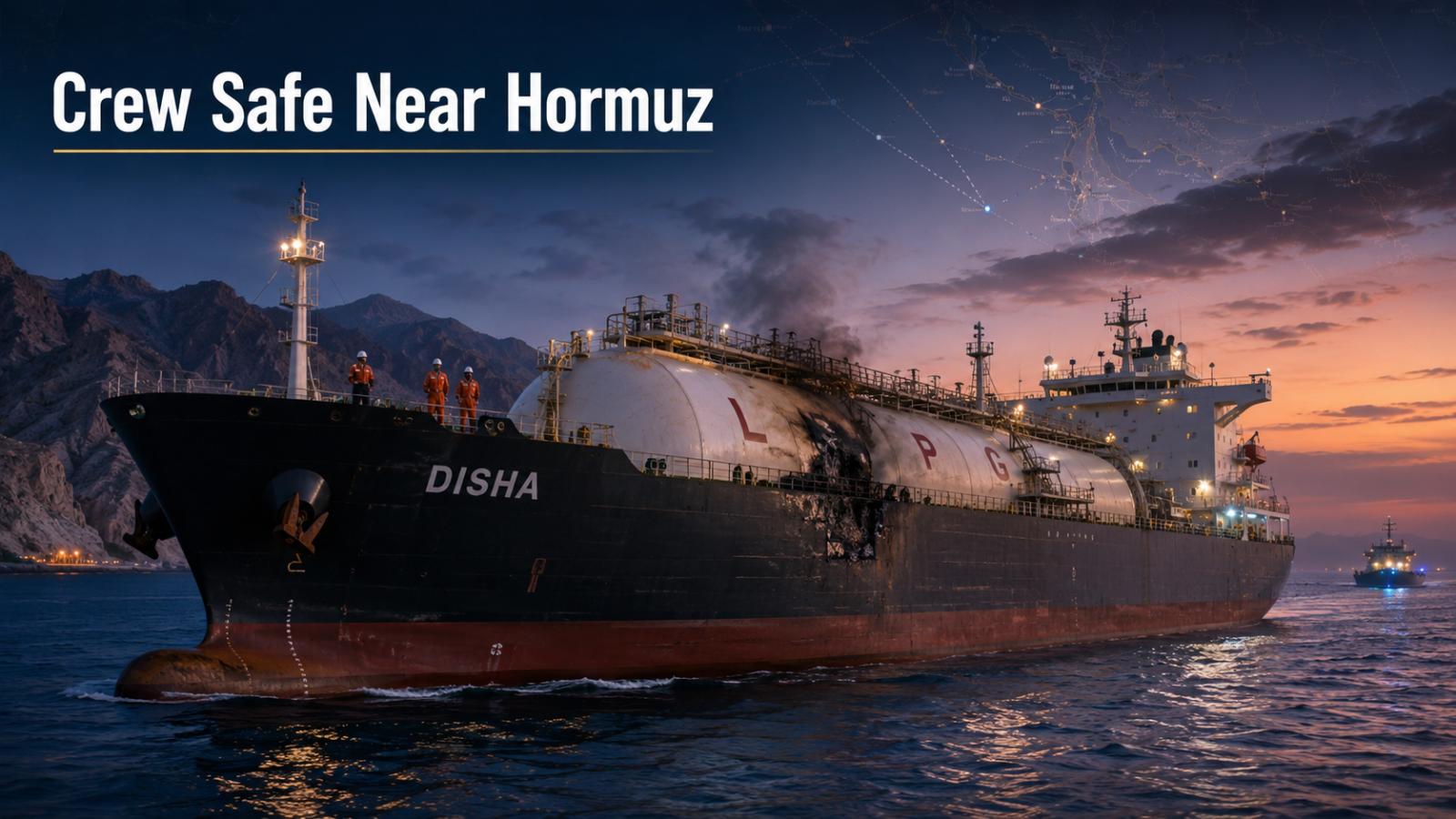
All 28 Indian crew members aboard the Mozambique-flagged Disha LPG tanker are safe after an attack in Iranian waters near the Strait of Hormuz. India’s embassy is monitoring the case as authorities assess the vessel and the source of the reported missile strike.
All 28 Indian crew members confirmed safe
All 28 Indian crew members aboard the Mozambique-flagged LPG tanker Disha were confirmed safe after the ves
All 28 Indian crew members aboard the Mozambique-flagged Disha LPG tanker are safe after an attack in Iranian waters near the Strait of Hormuz. India’s embassy is monitoring the case as authorities assess the vessel and the source of the reported missile strike.
All 28 Indian crew members confirmed safe
All 28 Indian crew members aboard the Mozambique-flagged LPG tanker Disha were confirmed safe after the ves