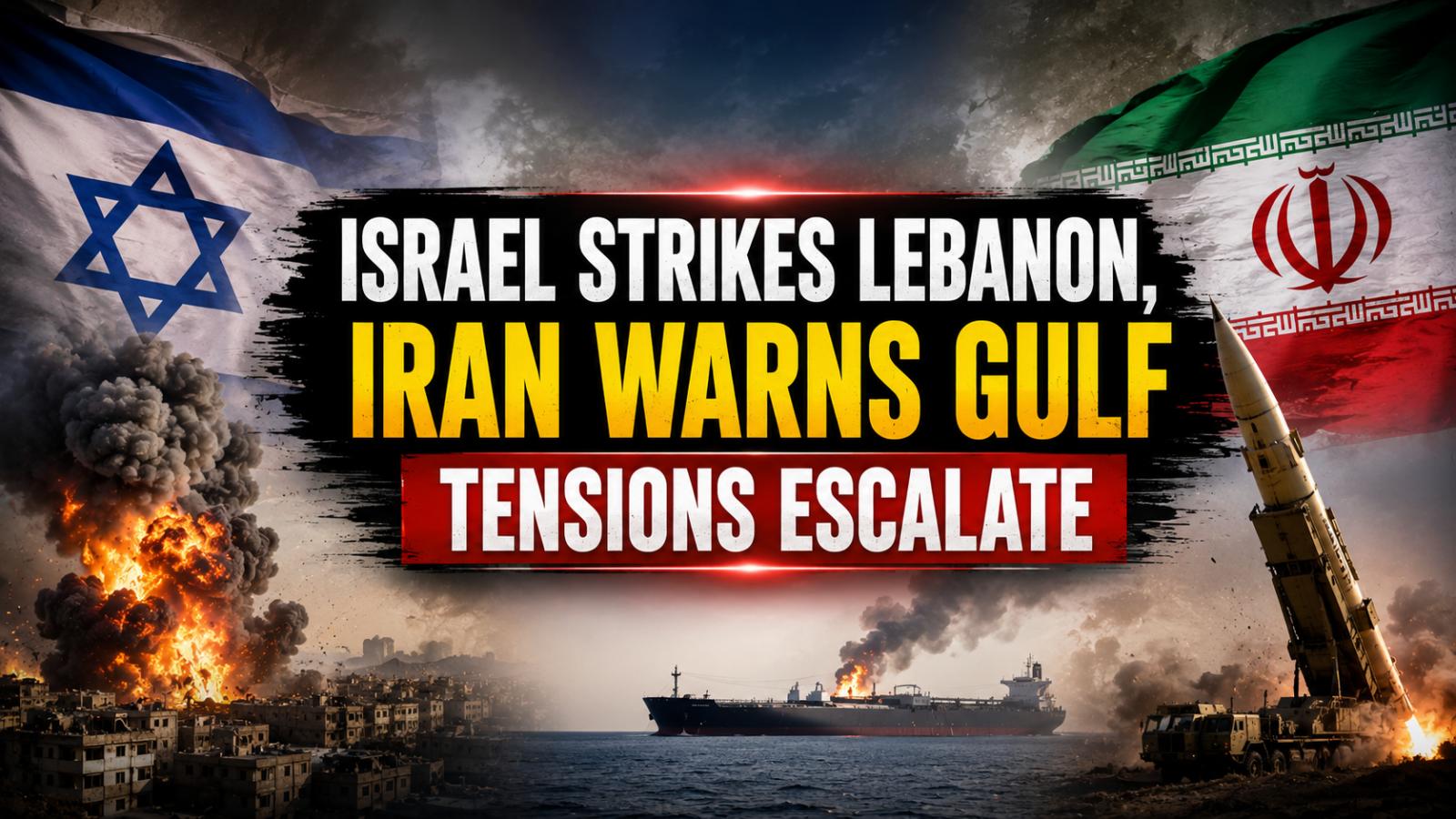
Israel Lebanon strikes have renewed fears of a wider regional conflict just as Iran and Oman move closer to an agreement on shipping through the Strait of Hormuz. The violence in southern Lebanon, threats against Gulf infrastructure and stalled Iran-US diplomacy show how fragile the search for peace remains.
Israel Lebanon strikes hit southern villages
Israel carried out strikes in southern Lebanon after accusing Hezbollah of violating a US-brokered ceasefire. The Israeli military issued an evacuation warning for Mansouri before attacking targets in the area, marking its first online warning for a Lebanese village in more than a month.
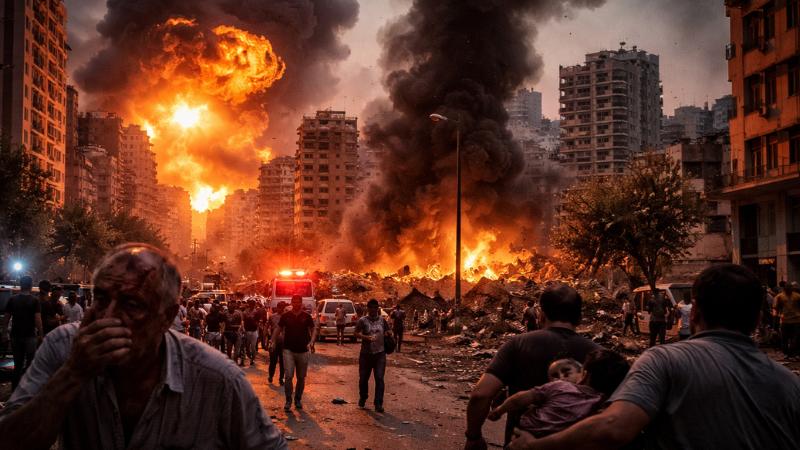
Lebanese authorities reported casualties from strikes across several southern towns. One attack in Tibnin killed one person and wounded 12, while separate strikes reportedly injured residents in Burj al-Shemali and other locations. Images from the affected areas showed damaged buildings, scattered debris and a large crater.
The escalation followed the deaths of two Israeli soldiers in an explosion during an operation in southern Lebanon. Four other soldiers suffered serious injuries. The Israeli military said it was investigating the incident, while officials initially linked the renewed strikes to an alleged Hezbollah violation.
Rome talks continue despite Hezbollah truce tensions
The violence erupted while Israeli and Lebanese representatives were holding US-facilitated negotiations in Rome. The talks focus on implementing a June agreement, including possible Israeli withdrawals and expanded Lebanese army control in the south.
Despite the attacks, the discussions continued. However, the latest fighting has exposed the limits of the Hezbollah truce and the risk that local incidents could quickly trigger broader retaliation.
Hezbollah had not immediately issued a detailed response to the latest Israeli strikes. That silence left uncertainty over whether the group would retaliate or allow diplomatic efforts to continue.
Iran Gulf threat raises pressure on Arab states
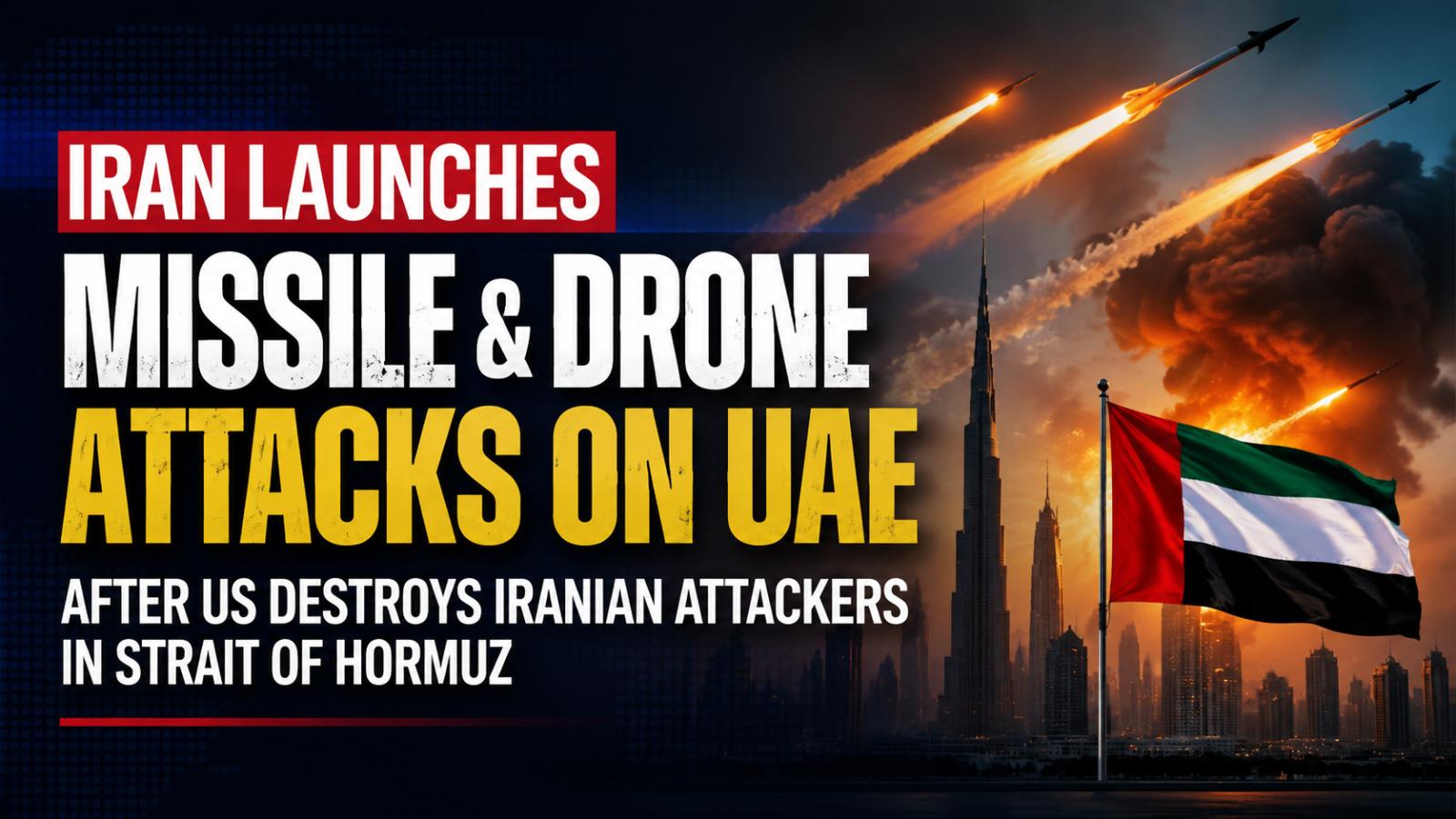
Iran has separately warned Gulf governments that their oil fields, power grids, water facilities and transport networks could face retaliation unless they persuade US President Donald Trump to halt attacks on Iran.
Iranian Foreign Minister Abbas Araghchi reportedly delivered the warning through diplomatic contacts with regional governments. Saudi Crown Prince Mohammed bin Salman subsequently urged Trump to delay further military action and pursue negotiations, according to people familiar with the discussions.
The warning places Gulf nations in a difficult position. They want an end to the Iran-US war but have also made clear that they would defend their territory if attacked.
Hormuz deal faces major unresolved disputes
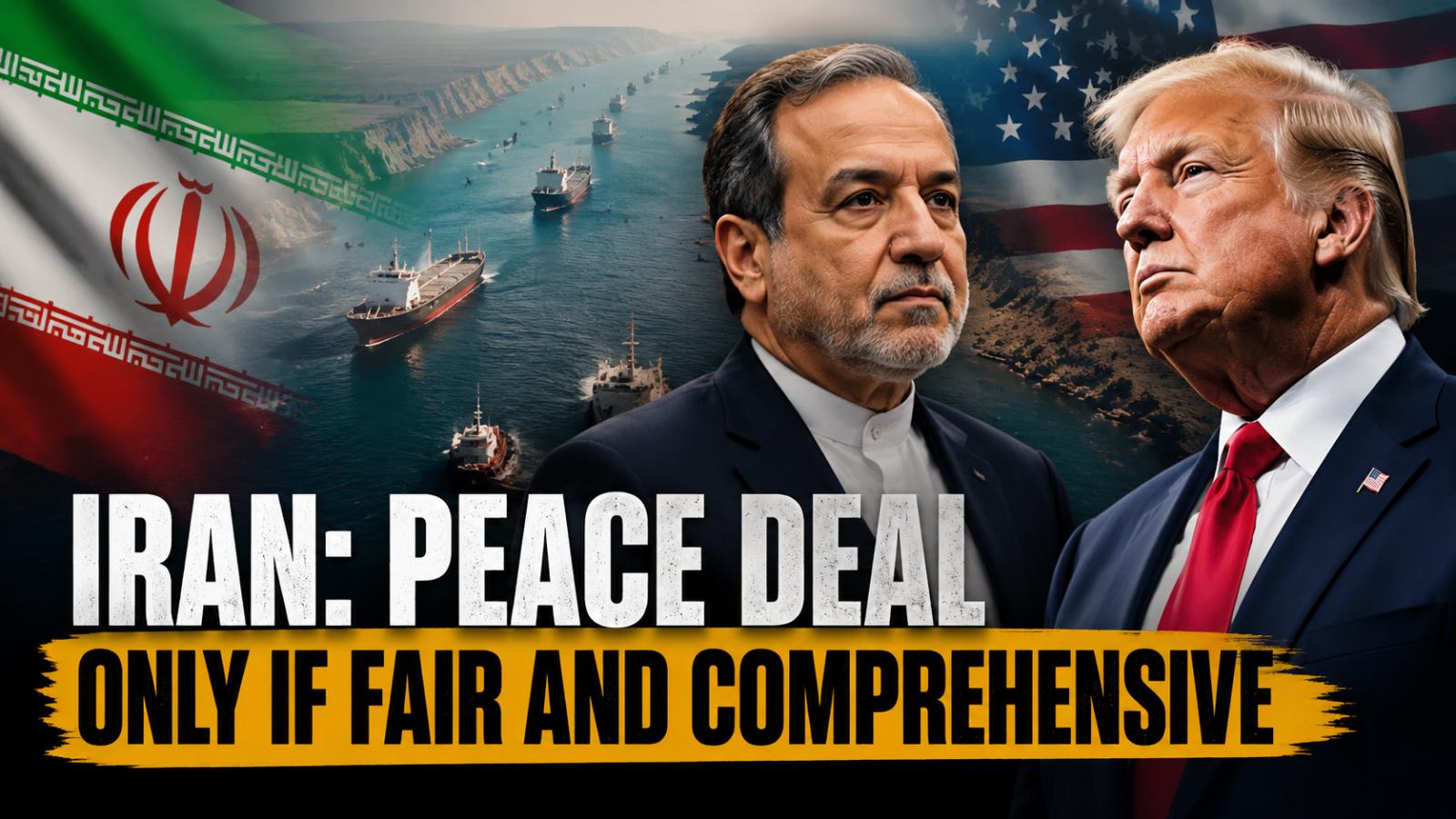
Iran and Oman have made progress toward establishing a shipping corridor through the Strait of Hormuz. The proposal could give Iran oversight of vessels entering the Gulf while Oman monitors outbound traffic.
Major disagreements remain over inspection powers, cargo fees and the role of the United States. Iran wants to charge vessels a percentage of cargo value, while Washington insists that passage should remain free. Shipping and insurance groups have warned that sanctions and legal risks could make the arrangement unworkable.
Iran continues to deny holding direct talks with Washington, saying its current negotiations are with Oman. Tehran also insists that reopening Hormuz depends on an end to US military pressure and restrictions on Iranian ports.
Iran leadership questions complicate diplomacy
Iranian President Masoud Pezeshkian has acknowledged that communication with Supreme Leader Mojtaba Khamenei remains difficult. Khamenei has maintained a low public profile since being injured in the February attack that killed his father, according to officials familiar with his condition.
His absence has fuelled questions about who holds final authority over military and diplomatic decisions in Tehran. Those divisions could complicate any Hormuz agreement and make it harder for negotiators to guarantee that military commanders will follow a deal.
With fighting continuing in Lebanon and the Gulf dispute unresolved, the region remains vulnerable to another cycle of retaliation. A shipping agreement could reduce immediate pressure around Hormuz, but it would not settle the Iran-US conflict or the confrontation between Israel and Hezbollah.