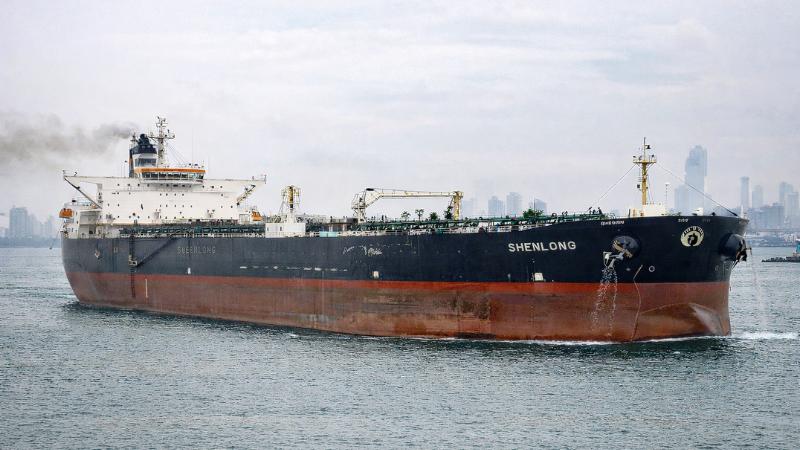
A crude oil tanker captained by an Indian reached Mumbai after a brief period of switching off its Automatic Identification System (AIS), going into "dark mode" to cross the Strait of Hormuz, a high-risk maritime area. This bold maneuver took place amid heightened tensions in the region due to the ongoing Gulf conflict, which has significantly impacted global maritime security.
The Liberia-flagged Shenlong Suezmax, carrying 135,335 metric tonnes of Saudi crude oil, loaded at the Ras Tanura port, arrived at Mumbai Port on Wednesday. The vessel was destined for Indian refineries after its long journey from Saudi Arabia. According to tanker tracking data, the vessel's last recorded signal in the Strait of Hormuz appeared on March 9, after which it briefly switched off its AIS. This move made the tanker untraceable, effectively hiding its position for a short period. The vessel reappeared on tracking systems a day later, having successfully navigated through the perilous Strait of Hormuz before arriving in Mumbai.
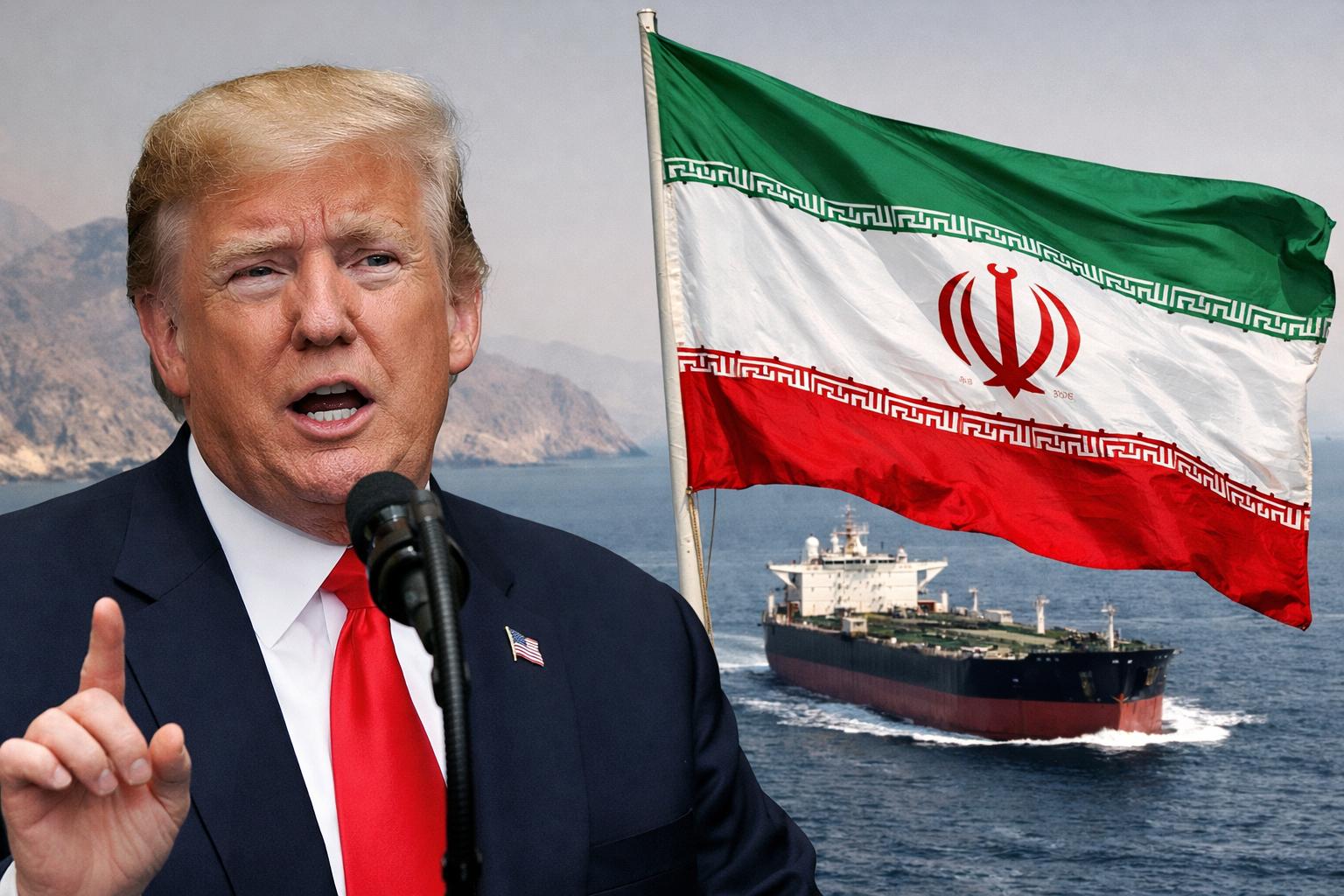
The Strait of Hormuz has been a hotspot of geopolitical tensions, especially since the military escalation between the US, Israel, and Iran. The strait is a key maritime route, with over 20 million barrels of crude oil passing through it every day, accounting for a significant portion of global oil trade. Over the past two weeks, several ships have fallen victim to Iranian military attacks, including the latest incident involving a Thai vessel bound for Kandla Port in Gujarat. These attacks highlight the growing risks faced by ships transiting this strategic route.
The action taken by the Shenlong Suezmax tanker is not an isolated incident. TankerTrackers.com reported that multiple large oil carriers, including Suezmax tankers and Panamax vessels, have also gone offline from AIS tracking for extended periods, avoiding detection while transiting through high-risk zones. Despite these maneuvers, the AIS remains an essential safety tool for maritime navigation. It helps ships automatically transmit their identity, location, and movement to coastal authorities and nearby vessels, reducing the risk of collisions.
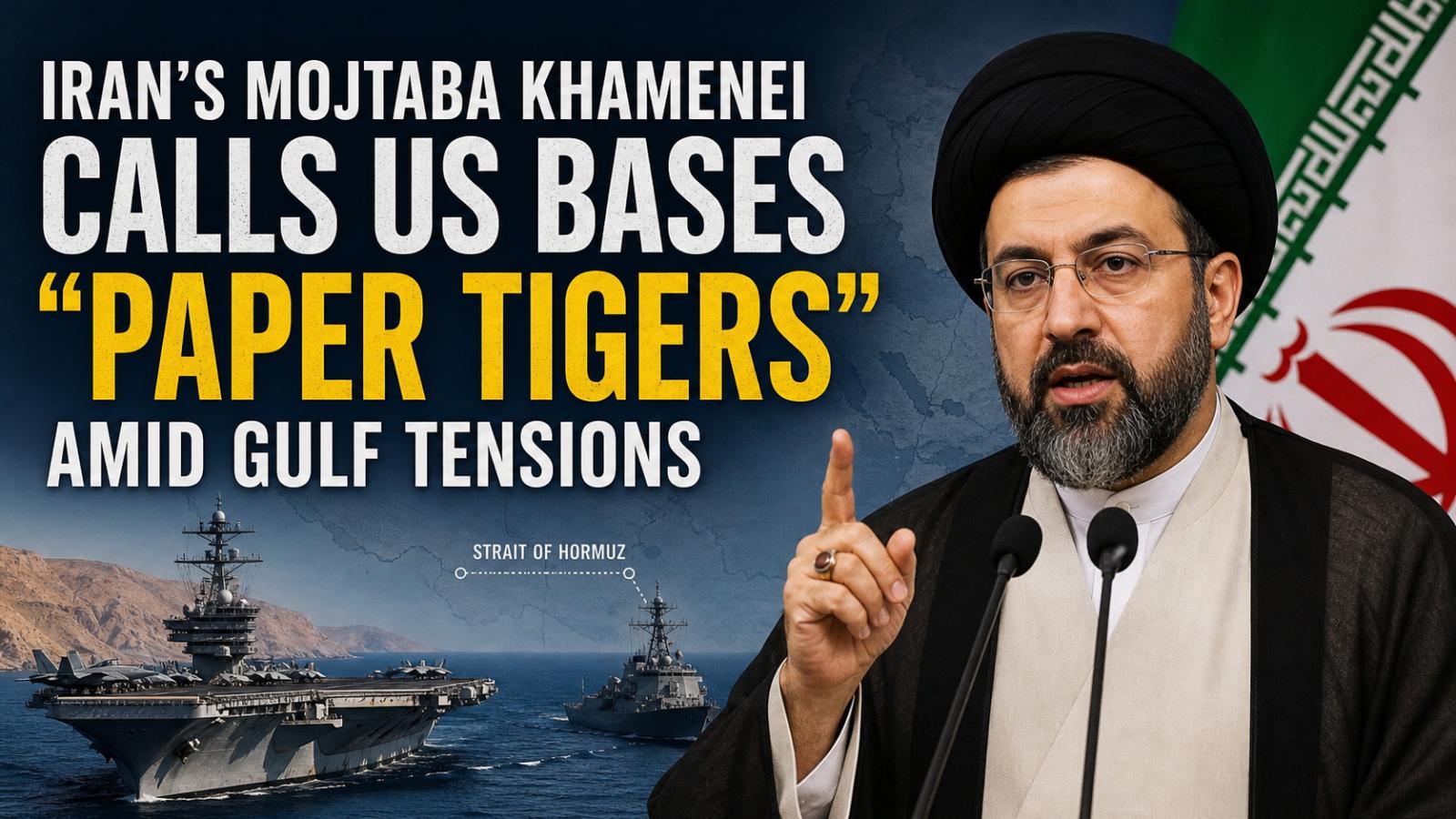
The Iranian military's increasing control over the Strait of Hormuz has further complicated matters, with Tehran warning of more attacks on vessels operating in the area. This has led to growing concerns about the safety of international shipping, particularly for Indian-flagged vessels. As of now, 28 Indian-flagged vessels, including those carrying 677 Indian seafarers, are operating in the Persian Gulf region, with a majority of them located to the west of the Strait of Hormuz.