



















Iran emphasizes nuclear deterrence to counter U.S. and Israel
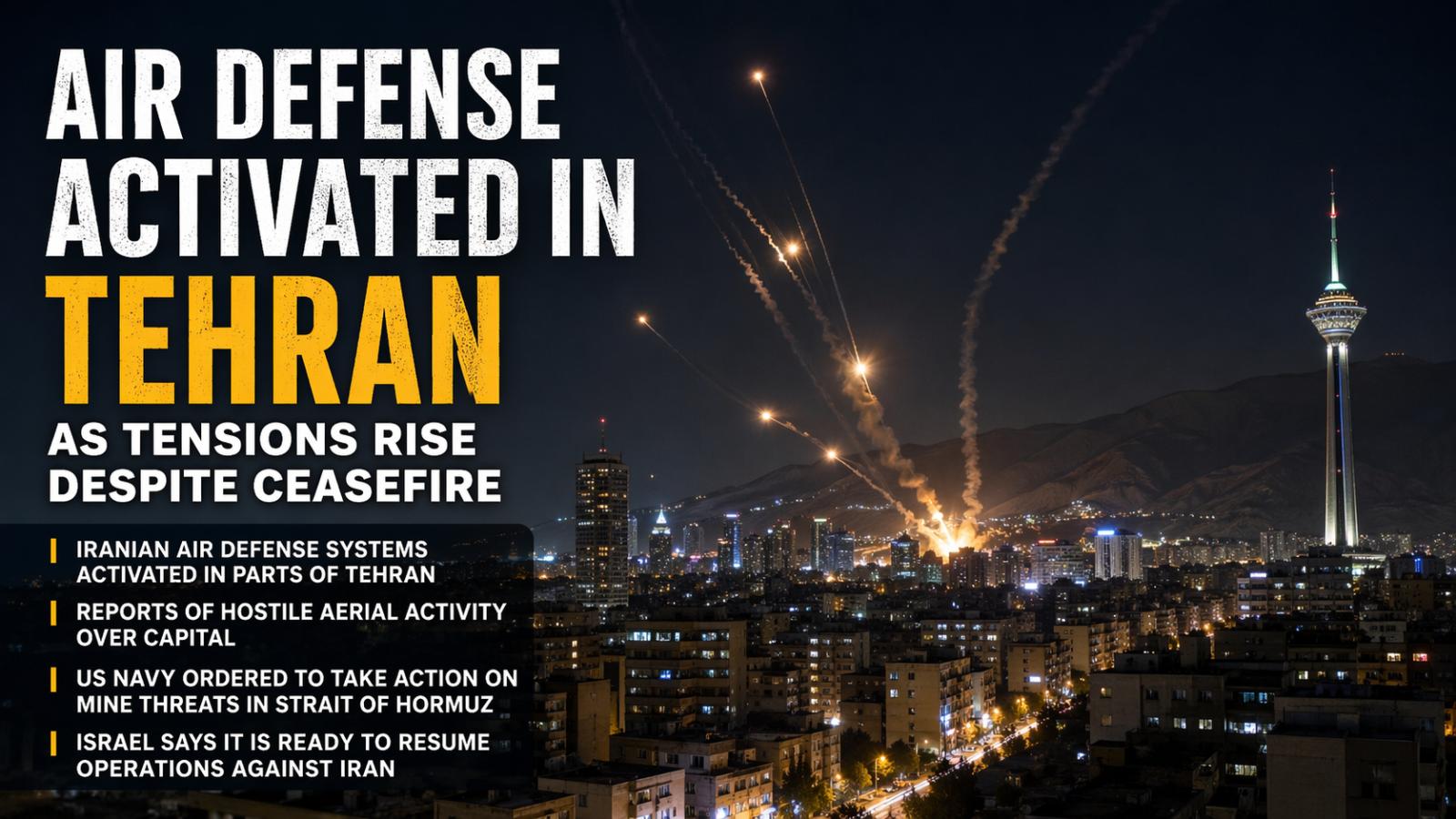
Iran Highlights Nuclear Deterrence as Strategic Priority A commentary published by Iran’s semi-official Fars news agency has presented a position suggesting the country may need to pursue nuclear deterrence to protect itself from potential military threats. The unsigned article asserts that nuclear capabilities would ensure Iran can negotiate from a position of strength, reducing the likelihood of armed conflict and increasing leverage in future disputes.
Iran emphasizes nuclear deterrence to counter U.S. and Israel
Iran Highlights Nuclear Deterrence as Strategic Priority A commentary published by Iran’s semi-official Fars news agency has presented a position suggesting the country may need to pursue nuclear deterrence to protect itself from potential military threats. The unsigned article asserts that nuclear capabilities would ensure Iran can negotiate from a position of strength, reducing the likelihood of armed conflict and increasing leverage in future disputes.
Israel Hezbollah clashes raise oil and trade risk for India
The renewed exchange of fire between Israeli forces and Hezbollah-linked positions in southern Lebanon has again drawn attention to an already fragile regional security environment. While both sides continue to frame their actions as targeted and defensive, the situation is increasingly being viewed through a wider geopolitical lens, especially by energy markets and trade-dependent economies. Even limited escalation in this corridor tends to trigger immediate risk recalibration in global markets, not because of direct supply disruption, but due to fear of spillover into wider West Asian conflict zones. Oil markets react to uncertainty, not only disruption Crude oil prices have remained sensitive to developments in the region, with traders closely tracking any sign of expansion beyond localized strikes. Brent crude has shown intermittent swings, reflecting how quickly sentiment shifts when geopolitical risks rise. For import-heavy economies like India, the concern is not only about supply cuts but also price volatility. Even short-lived spikes increase import bills, widen trade deficits, and add pressure on domestic inflation through fuel and transport costs. India remains heavily dependent on imported crude, leaving it exposed to external shocks that originate far from its own borders but quickly reach its economy through global pricing mechanisms. Maritime chokepoints add another layer of risk Beyond oil production zones, shipping routes remain a critical pressure point. The Strait of Hormuz continues to be one of the most strategically sensitive maritime corridors in the world, handling a large share of global crude movement. Any perception of instability in nearby conflict zones tends to increase insurance premiums for tankers and freight operators. This raises shipping costs even when physical disruption does not occur. For trade-dependent economies, the indirect cost of conflict often arrives faster than any actual supply shortage. India’s broader exposure goes beyond energy India’s stake in West Asian stability is not limited to crude imports. A large Indian workforce in Gulf countries supports billions in annual remittances, which play a steady role in foreign exchange stability. At the same time, India maintains layered relationships across the region—energy partnerships with Gulf producers, strategic cooperation with Israel, and connectivity interests linked to Iran and regional ports. This creates a complex policy environment where instability in one corridor can influence multiple economic and diplomatic channels simultaneously. Long-term infrastructure plans face sensitivity risks Large-scale trade and infrastructure initiatives involving West Asia, including proposed trans-regional connectivity corridors, depend heavily on stable political conditions. Projects linked to ports, energy routes, and logistics networks become vulnerable when security risks rise. Even without direct damage, prolonged uncertainty tends to slow investment decisions, delay contracts, and increase financing costs for regional development projects. Conclusion The current Israel–Hezbollah exchange remains geographically contained, but its economic impact is far wider. Oil markets, shipping costs, remittance flows, and long-term trade planning all react quickly to signals of escalation. For India and other import-dependent economies, the primary challenge is not direct involvement in the conflict but exposure to its ripple effects through energy pricing, logistics costs, and regional stability risks.
Israel Hezbollah clashes raise oil and trade risk for India
The renewed exchange of fire between Israeli forces and Hezbollah-linked positions in southern Lebanon has again drawn attention to an already fragile regional security environment. While both sides continue to frame their actions as targeted and defensive, the situation is increasingly being viewed through a wider geopolitical lens, especially by energy markets and trade-dependent economies. Even limited escalation in this corridor tends to trigger immediate risk recalibration in global markets, not because of direct supply disruption, but due to fear of spillover into wider West Asian conflict zones. Oil markets react to uncertainty, not only disruption Crude oil prices have remained sensitive to developments in the region, with traders closely tracking any sign of expansion beyond localized strikes. Brent crude has shown intermittent swings, reflecting how quickly sentiment shifts when geopolitical risks rise. For import-heavy economies like India, the concern is not only about supply cuts but also price volatility. Even short-lived spikes increase import bills, widen trade deficits, and add pressure on domestic inflation through fuel and transport costs. India remains heavily dependent on imported crude, leaving it exposed to external shocks that originate far from its own borders but quickly reach its economy through global pricing mechanisms. Maritime chokepoints add another layer of risk Beyond oil production zones, shipping routes remain a critical pressure point. The Strait of Hormuz continues to be one of the most strategically sensitive maritime corridors in the world, handling a large share of global crude movement. Any perception of instability in nearby conflict zones tends to increase insurance premiums for tankers and freight operators. This raises shipping costs even when physical disruption does not occur. For trade-dependent economies, the indirect cost of conflict often arrives faster than any actual supply shortage. India’s broader exposure goes beyond energy India’s stake in West Asian stability is not limited to crude imports. A large Indian workforce in Gulf countries supports billions in annual remittances, which play a steady role in foreign exchange stability. At the same time, India maintains layered relationships across the region—energy partnerships with Gulf producers, strategic cooperation with Israel, and connectivity interests linked to Iran and regional ports. This creates a complex policy environment where instability in one corridor can influence multiple economic and diplomatic channels simultaneously. Long-term infrastructure plans face sensitivity risks Large-scale trade and infrastructure initiatives involving West Asia, including proposed trans-regional connectivity corridors, depend heavily on stable political conditions. Projects linked to ports, energy routes, and logistics networks become vulnerable when security risks rise. Even without direct damage, prolonged uncertainty tends to slow investment decisions, delay contracts, and increase financing costs for regional development projects. Conclusion The current Israel–Hezbollah exchange remains geographically contained, but its economic impact is far wider. Oil markets, shipping costs, remittance flows, and long-term trade planning all react quickly to signals of escalation. For India and other import-dependent economies, the primary challenge is not direct involvement in the conflict but exposure to its ripple effects through energy pricing, logistics costs, and regional stability risks.
Gaza peace plan divides leaders over disarmament terms
Fresh diplomatic discussions around a proposed Gaza peace framework have exposed deep divisions over how the territory should transition after conflict. The draft outlines a multi-step roadmap covering security arrangements, reconstruction and political governance, but key stakeholders remain split on the order in which these steps should take place. At the center of the disagreement is whether armed groups should be required to disarm before any political transition begins, or whether political recognition and state-building guarantees must come first to ensure balance in negotiations. Disarmament conditions trigger political tension One version of the proposal places disarmament as a prerequisite for rebuilding efforts and formal governance structures. Supporters of this approach argue that long-term stability cannot be achieved without removing weapons from non-state actors first. Opponents reject this sequencing, warning that it could leave Palestinian authorities without leverage in future talks. They argue that political rights and institutional recognition must be secured alongside any security commitments, not after them. This divide has become one of the most sensitive issues in the ongoing talks. Aid and reconstruction tied to compliance terms Another contested element involves humanitarian aid and reconstruction funding. Some draft interpretations suggest that international assistance could be linked to compliance with security benchmarks under the proposed roadmap. Critics say this risks turning basic recovery needs into conditional political tools, potentially slowing down urgently needed rebuilding efforts. Supporters argue that conditionality is necessary to prevent renewed escalation and ensure accountability during the transition phase. Governance model and external oversight concerns The proposed framework also includes the idea of an international oversight structure to stabilize post-conflict Gaza. While intended to support security coordination and administrative rebuilding, the concept has raised concerns about long-term external control. Questions remain unanswered over who would lead local governance, how authority would be transferred over time, and what limits would be placed on external involvement. These unresolved issues continue to slow consensus-building. Trust gap widens between negotiating sides Beyond policy disagreements, a broader trust deficit is shaping the talks. Each side interprets the roadmap differently, particularly on what constitutes compliance and political progress. This lack of shared definition has made it difficult to establish a clear sequence for implementation. Analysts note that without agreed enforcement mechanisms, even minor disputes could delay or derail the entire process. Fragile outlook for ceasefire implementation While discussions continue, the overall outlook remains uncertain. The success of any ceasefire arrangement depends on whether both sides can align on sequencing, accountability, and political guarantees. Without that alignment, observers warn that the proposed roadmap risks remaining a draft framework rather than becoming an actionable peace agreement.
Gaza peace plan divides leaders over disarmament terms
Fresh diplomatic discussions around a proposed Gaza peace framework have exposed deep divisions over how the territory should transition after conflict. The draft outlines a multi-step roadmap covering security arrangements, reconstruction and political governance, but key stakeholders remain split on the order in which these steps should take place. At the center of the disagreement is whether armed groups should be required to disarm before any political transition begins, or whether political recognition and state-building guarantees must come first to ensure balance in negotiations. Disarmament conditions trigger political tension One version of the proposal places disarmament as a prerequisite for rebuilding efforts and formal governance structures. Supporters of this approach argue that long-term stability cannot be achieved without removing weapons from non-state actors first. Opponents reject this sequencing, warning that it could leave Palestinian authorities without leverage in future talks. They argue that political rights and institutional recognition must be secured alongside any security commitments, not after them. This divide has become one of the most sensitive issues in the ongoing talks. Aid and reconstruction tied to compliance terms Another contested element involves humanitarian aid and reconstruction funding. Some draft interpretations suggest that international assistance could be linked to compliance with security benchmarks under the proposed roadmap. Critics say this risks turning basic recovery needs into conditional political tools, potentially slowing down urgently needed rebuilding efforts. Supporters argue that conditionality is necessary to prevent renewed escalation and ensure accountability during the transition phase. Governance model and external oversight concerns The proposed framework also includes the idea of an international oversight structure to stabilize post-conflict Gaza. While intended to support security coordination and administrative rebuilding, the concept has raised concerns about long-term external control. Questions remain unanswered over who would lead local governance, how authority would be transferred over time, and what limits would be placed on external involvement. These unresolved issues continue to slow consensus-building. Trust gap widens between negotiating sides Beyond policy disagreements, a broader trust deficit is shaping the talks. Each side interprets the roadmap differently, particularly on what constitutes compliance and political progress. This lack of shared definition has made it difficult to establish a clear sequence for implementation. Analysts note that without agreed enforcement mechanisms, even minor disputes could delay or derail the entire process. Fragile outlook for ceasefire implementation While discussions continue, the overall outlook remains uncertain. The success of any ceasefire arrangement depends on whether both sides can align on sequencing, accountability, and political guarantees. Without that alignment, observers warn that the proposed roadmap risks remaining a draft framework rather than becoming an actionable peace agreement.
Israel shifts defence strategy amid US political strain
Tensions between Israel and the United States over regional security priorities have added pressure on Prime Minister Benjamin Netanyahu’s government to accelerate its push for greater military independence. The discussion has gained momentum as Israel continues operations linked to Iran-backed groups while simultaneously responding to diplomatic developments involving Washington and Tehran. Netanyahu recently emphasized that Israel cannot depend entirely on external military supply chains for long-term security needs. His remarks were delivered during a meeting with reserve officers in the West Bank, where he highlighted the importance of strengthening domestic defence production and reducing strategic vulnerabilities linked to foreign policy shifts. Domestic defence capacity becomes a strategic priority Israeli leadership is increasingly focused on expanding its local defence manufacturing ecosystem. The plan includes scaling up production of advanced weapon systems, improving technological innovation within the military sector, and reducing delays caused by international procurement dependencies. Officials argue that while US military support remains critical, future conflict scenarios require Israel to maintain uninterrupted access to essential defence capabilities without external constraints. This shift reflects broader concerns about regional instability and the speed at which security threats evolve. Diplomatic friction over regional agreements Recent US-led diplomatic efforts involving Iran have added another layer of complexity to the relationship. Israeli policymakers have expressed concern that regional understandings may not fully address threats posed by groups such as Hezbollah, which continue to operate along Israel’s northern border. From Israel’s perspective, security decisions tied to immediate threats cannot be constrained by broader international agreements. This difference in approach has created periodic friction between Washington and Jerusalem, even as both sides publicly reaffirm their strategic partnership. Political messaging highlights diverging priorities Netanyahu’s statements also reflect internal political messaging aimed at reinforcing a doctrine of strategic independence. While maintaining that the US remains Israel’s most important ally, he has repeatedly stressed that national security decisions must ultimately remain under Israeli control. The debate has also been reflected in wider political discourse, including commentary associated with US political figures and shifting positions on Middle East engagement. Although both governments continue coordination on defence matters, differences in threat assessment and timing of responses remain evident. Strategic autonomy framed as long-term necessity Israeli officials describe the current shift not as a break from alliances but as a recalibration of priorities. The focus is on ensuring that Israel can respond rapidly to evolving threats in a region marked by proxy conflicts, cross-border tensions, and shifting diplomatic alignments. The emerging strategy positions defence self-reliance as a structural requirement rather than a temporary policy adjustment, signaling a longer-term transformation in how Israel plans its security framework.
Israel shifts defence strategy amid US political strain
Tensions between Israel and the United States over regional security priorities have added pressure on Prime Minister Benjamin Netanyahu’s government to accelerate its push for greater military independence. The discussion has gained momentum as Israel continues operations linked to Iran-backed groups while simultaneously responding to diplomatic developments involving Washington and Tehran. Netanyahu recently emphasized that Israel cannot depend entirely on external military supply chains for long-term security needs. His remarks were delivered during a meeting with reserve officers in the West Bank, where he highlighted the importance of strengthening domestic defence production and reducing strategic vulnerabilities linked to foreign policy shifts. Domestic defence capacity becomes a strategic priority Israeli leadership is increasingly focused on expanding its local defence manufacturing ecosystem. The plan includes scaling up production of advanced weapon systems, improving technological innovation within the military sector, and reducing delays caused by international procurement dependencies. Officials argue that while US military support remains critical, future conflict scenarios require Israel to maintain uninterrupted access to essential defence capabilities without external constraints. This shift reflects broader concerns about regional instability and the speed at which security threats evolve. Diplomatic friction over regional agreements Recent US-led diplomatic efforts involving Iran have added another layer of complexity to the relationship. Israeli policymakers have expressed concern that regional understandings may not fully address threats posed by groups such as Hezbollah, which continue to operate along Israel’s northern border. From Israel’s perspective, security decisions tied to immediate threats cannot be constrained by broader international agreements. This difference in approach has created periodic friction between Washington and Jerusalem, even as both sides publicly reaffirm their strategic partnership. Political messaging highlights diverging priorities Netanyahu’s statements also reflect internal political messaging aimed at reinforcing a doctrine of strategic independence. While maintaining that the US remains Israel’s most important ally, he has repeatedly stressed that national security decisions must ultimately remain under Israeli control. The debate has also been reflected in wider political discourse, including commentary associated with US political figures and shifting positions on Middle East engagement. Although both governments continue coordination on defence matters, differences in threat assessment and timing of responses remain evident. Strategic autonomy framed as long-term necessity Israeli officials describe the current shift not as a break from alliances but as a recalibration of priorities. The focus is on ensuring that Israel can respond rapidly to evolving threats in a region marked by proxy conflicts, cross-border tensions, and shifting diplomatic alignments. The emerging strategy positions defence self-reliance as a structural requirement rather than a temporary policy adjustment, signaling a longer-term transformation in how Israel plans its security framework.
Iran–US talks stall as Lebanon crisis deepens over Hezbollah role
Negotiations between Iran and the United States are increasingly being shaped by events in Lebanon, where Hezbollah’s presence has turned a local conflict into a regional negotiation barrier. What was once a narrow security issue has evolved into a wider political and military deadlock involving multiple state and non-state actors. Hezbollah’s dual structure complicates negotiations Hezbolla
Iran–US talks stall as Lebanon crisis deepens over Hezbollah role
Negotiations between Iran and the United States are increasingly being shaped by events in Lebanon, where Hezbollah’s presence has turned a local conflict into a regional negotiation barrier. What was once a narrow security issue has evolved into a wider political and military deadlock involving multiple state and non-state actors. Hezbollah’s dual structure complicates negotiations Hezbolla
Israel Lebanon border tension grows over Beaufort Castle
Israel has signalled that its forces will remain in parts of southern Lebanon, including the area around Beaufort Castle, as border security remains a major concern despite continuing ceasefire pressure. Israeli officials say the military-held zone is needed to protect communities in Galilee and prevent Hezbollah-linked groups from regaining positions close to northern Israel. Defence Minister Israel Katz said Israel does not intend to wit
Israel Lebanon border tension grows over Beaufort Castle
Israel has signalled that its forces will remain in parts of southern Lebanon, including the area around Beaufort Castle, as border security remains a major concern despite continuing ceasefire pressure. Israeli officials say the military-held zone is needed to protect communities in Galilee and prevent Hezbollah-linked groups from regaining positions close to northern Israel. Defence Minister Israel Katz said Israel does not intend to wit
Netanyahu rejects claims Trump controls Israel decisions
Netanyahu rejects influence claims Israeli Prime Minister Benjamin Netanyahu has rejected claims that US President Donald Trump controls his decisions or that he directs Trump’s actions, saying both leaders act independently in the interests of their own countries. Speaking at the JNS Summit in Jerusalem on Sunday, June 21, Netanyahu addressed speculation over whether the two leaders influence each other’s positions on the Iran war and br
Netanyahu rejects claims Trump controls Israel decisions
Netanyahu rejects influence claims Israeli Prime Minister Benjamin Netanyahu has rejected claims that US President Donald Trump controls his decisions or that he directs Trump’s actions, saying both leaders act independently in the interests of their own countries. Speaking at the JNS Summit in Jerusalem on Sunday, June 21, Netanyahu addressed speculation over whether the two leaders influence each other’s positions on the Iran war and br
Why Israel Fears the US-Iran Deal Could Leave Key Threats Unresolved
The US-Iran deal has opened a 60-day diplomatic window, but it has also sharpened security concerns in Israel. Israeli officials and analysts worry that Tehran could receive economic relief while decisions on uranium enrichment, ballistic missiles and regional armed groups remain unsettled. The negotiation period began on Thursday, June 18, 2026, under an interim memorandum approved by President Donald Trump and Iranian leaders. The framework seeks to halt hostiliti
Why Israel Fears the US-Iran Deal Could Leave Key Threats Unresolved
The US-Iran deal has opened a 60-day diplomatic window, but it has also sharpened security concerns in Israel. Israeli officials and analysts worry that Tehran could receive economic relief while decisions on uranium enrichment, ballistic missiles and regional armed groups remain unsettled. The negotiation period began on Thursday, June 18, 2026, under an interim memorandum approved by President Donald Trump and Iranian leaders. The framework seeks to halt hostiliti
UN meeting turns tense over Gaza report allegations dispute
A United Nations discussion intended to review conflict-related sexual violence and child protection issues turned sharply contentious in New York, as disagreements over a Gaza-focused report escalated between Israel’s delegation and senior UN officials. What began as a policy review quickly shifted into a direct diplomatic exchange over credibility, methodology, and political framing of the findings. Dispute over credibility of conflict data The tension intensified when Israel’s representative, Danny Danon, challenged the validity of a UN monitoring report that documented violations affecting children in multiple conflict zones, including Gaza. He argued that the findings reflected institutional bias and selective interpretation of incidents involving Israeli forces and related actors. His remarks prompted immediate pushback from UN officials present in the session. Sharp exchange between diplomats and UN officials UN representative Vanessa Frazier responded by rejecting the criticism of the report’s integrity, stressing that the data was compiled through established verification mechanisms used in conflict monitoring worldwide. She objected to what she described as personal accusations directed at UN personnel, which further escalated the exchange. The discussion momentarily lost procedural focus as both sides defended their positions more forcefully. Findings highlight scale of child impact in conflict zones The report at the center of the debate outlined thousands of grave violations affecting children across active conflict regions during the year. It attributed a significant portion of documented incidents to multiple parties operating in high-intensity zones, while also calling attention to the broader deterioration of child safety in war-affected areas. UN Secretary-General António Guterres has previously expressed concern over rising figures and warned that persistent patterns of violations could trigger stronger international accountability measures. Broader diplomatic divide over accountability frameworks The confrontation reflects a continuing divide between Israel and United Nations institutions regarding how conflict data is collected, interpreted, and publicly presented. Israel has consistently rejected allegations of bias in UN reporting, while UN bodies maintain that standardized monitoring systems are essential for documenting humanitarian conditions in active war zones. The latest exchange underscores how reporting on civilian harm has become a recurring point of friction in international diplomacy, particularly in relation to Gaza.
UN meeting turns tense over Gaza report allegations dispute
A United Nations discussion intended to review conflict-related sexual violence and child protection issues turned sharply contentious in New York, as disagreements over a Gaza-focused report escalated between Israel’s delegation and senior UN officials. What began as a policy review quickly shifted into a direct diplomatic exchange over credibility, methodology, and political framing of the findings. Dispute over credibility of conflict data The tension intensified when Israel’s representative, Danny Danon, challenged the validity of a UN monitoring report that documented violations affecting children in multiple conflict zones, including Gaza. He argued that the findings reflected institutional bias and selective interpretation of incidents involving Israeli forces and related actors. His remarks prompted immediate pushback from UN officials present in the session. Sharp exchange between diplomats and UN officials UN representative Vanessa Frazier responded by rejecting the criticism of the report’s integrity, stressing that the data was compiled through established verification mechanisms used in conflict monitoring worldwide. She objected to what she described as personal accusations directed at UN personnel, which further escalated the exchange. The discussion momentarily lost procedural focus as both sides defended their positions more forcefully. Findings highlight scale of child impact in conflict zones The report at the center of the debate outlined thousands of grave violations affecting children across active conflict regions during the year. It attributed a significant portion of documented incidents to multiple parties operating in high-intensity zones, while also calling attention to the broader deterioration of child safety in war-affected areas. UN Secretary-General António Guterres has previously expressed concern over rising figures and warned that persistent patterns of violations could trigger stronger international accountability measures. Broader diplomatic divide over accountability frameworks The confrontation reflects a continuing divide between Israel and United Nations institutions regarding how conflict data is collected, interpreted, and publicly presented. Israel has consistently rejected allegations of bias in UN reporting, while UN bodies maintain that standardized monitoring systems are essential for documenting humanitarian conditions in active war zones. The latest exchange underscores how reporting on civilian harm has become a recurring point of friction in international diplomacy, particularly in relation to Gaza.
US Iran talks in Switzerland face fragile diplomatic test
US Iran negotiations in Switzerland have entered a renewed phase, but the environment remains unstable as regional conflicts continue to shape the direction of talks. Diplomatic representatives from both sides are attempting to revive stalled communication lines, with mediation support from regional actors working behind the scenes to prevent another breakdown. The discussions are being positioned as an attempt to rebuild trust after repeated interruptions, though expectations remai
US Iran talks in Switzerland face fragile diplomatic test
US Iran negotiations in Switzerland have entered a renewed phase, but the environment remains unstable as regional conflicts continue to shape the direction of talks. Diplomatic representatives from both sides are attempting to revive stalled communication lines, with mediation support from regional actors working behind the scenes to prevent another breakdown. The discussions are being positioned as an attempt to rebuild trust after repeated interruptions, though expectations remai
US-Iran Talks Postponed as Trump’s Iran Memorandum Faces Lebanon Test
US-Iran talks were postponed on Friday, June 19, 2026, as President Donald Trump’s interim Iran memorandum faced questions over nuclear safeguards, financial incentives and renewed fighting in Lebanon. US-Iran talks postponed in Switzerland Switzerland’s Foreign Ministry said planned talks involving the United States, Iran, Qatar and Pakistan had been postponed. It did not announce a new date. The White House had earlier delayed Vice President JD Van
US-Iran Talks Postponed as Trump’s Iran Memorandum Faces Lebanon Test
US-Iran talks were postponed on Friday, June 19, 2026, as President Donald Trump’s interim Iran memorandum faced questions over nuclear safeguards, financial incentives and renewed fighting in Lebanon. US-Iran talks postponed in Switzerland Switzerland’s Foreign Ministry said planned talks involving the United States, Iran, Qatar and Pakistan had been postponed. It did not announce a new date. The White House had earlier delayed Vice President JD Van
US VP Vance tells Israel to “wake up” amid Iran agreement disputes
US VP Vance Confronts Israeli Critics on Iran Deal US Vice President JD Vance delivered a sharp warning to Israeli cabinet ministers on Thursday, June 18,2026 regarding their public criticisms of the US-Iran agreement. Speaking at a White House briefing, Vance underscored that the United States remains Israel’s primary ally and cautioned that attacking Washington could undermine national interests. Alleged Misreading of US Support Vance em
US VP Vance tells Israel to “wake up” amid Iran agreement disputes
US VP Vance Confronts Israeli Critics on Iran Deal US Vice President JD Vance delivered a sharp warning to Israeli cabinet ministers on Thursday, June 18,2026 regarding their public criticisms of the US-Iran agreement. Speaking at a White House briefing, Vance underscored that the United States remains Israel’s primary ally and cautioned that attacking Washington could undermine national interests. Alleged Misreading of US Support Vance em
IAI radar unit in Tamil Nadu to begin production by 2027
A new defence manufacturing project is taking shape in Tamil Nadu, where an advanced radar production and integration facility is planned to go operational by 2027. The initiative brings together Israel Aerospace Industries (IAI), DCX Systems, and ELTX Systems Pvt. Ltd., marking a structured push toward localised defence electronics production in India. The upcoming facility is expected to be developed in the Shoolagiri region of Krishnagiri district, an area increasingly positioned as a defence manufacturing cluster. The project reflects a shift from import-heavy procurement to domestic production of high-end radar systems used in surveillance and air defence operations. Strategic push toward domestic defence capability The core objective of the project is to strengthen India’s radar manufacturing ecosystem under the broader Make in India framework. Instead of relying solely on imported systems, the facility aims to support indigenous assembly, integration, and eventual production of advanced radar technologies. These systems are expected to serve multiple defence requirements, including aerial surveillance, threat detection, and battlefield monitoring. The collaboration is also designed to create a supply chain within India for critical electronic defence components, reducing external dependency over time. Role of ELTX Systems and DCX Systems ELTX Systems Pvt. Ltd. is expected to function as the operational platform for technology transfer and local manufacturing. This structure is intended to allow gradual absorption of complex radar design and production capabilities within India. DCX Systems Ltd., which already operates in the defence electronics space, is expected to support integration, manufacturing workflows, and supply chain execution. The collaboration model is focused on moving beyond simple assembly lines toward deeper engineering involvement within India’s defence sector. Industrial cluster development in Krishnagiri The Shoolagiri region is being positioned as part of a wider defence electronics corridor in Tamil Nadu. With multiple private and public collaborations in the pipeline, the area is gradually emerging as a manufacturing node for high-value defence technologies. The radar facility is expected to contribute not only to defence production but also to local industrial growth, including vendor ecosystems, component suppliers, and skilled employment opportunities. While official investment figures vary across early estimates, the project is widely seen as a long-term infrastructure push rather than a short-term manufacturing unit. Long-term impact on India–Israel defence cooperation Israel Aerospace Industries has already established multiple partnerships in India across defence systems, maintenance, and technology collaboration. This radar project adds another layer to that cooperation, focusing specifically on production localisation. By 2027, the facility is expected to play a role in both domestic supply and potential export opportunities, depending on regulatory approvals and production scale. The broader direction indicates a gradual deepening of India’s defence manufacturing independence while maintaining strategic foreign partnerships.
IAI radar unit in Tamil Nadu to begin production by 2027
A new defence manufacturing project is taking shape in Tamil Nadu, where an advanced radar production and integration facility is planned to go operational by 2027. The initiative brings together Israel Aerospace Industries (IAI), DCX Systems, and ELTX Systems Pvt. Ltd., marking a structured push toward localised defence electronics production in India. The upcoming facility is expected to be developed in the Shoolagiri region of Krishnagiri district, an area increasingly positioned as a defence manufacturing cluster. The project reflects a shift from import-heavy procurement to domestic production of high-end radar systems used in surveillance and air defence operations. Strategic push toward domestic defence capability The core objective of the project is to strengthen India’s radar manufacturing ecosystem under the broader Make in India framework. Instead of relying solely on imported systems, the facility aims to support indigenous assembly, integration, and eventual production of advanced radar technologies. These systems are expected to serve multiple defence requirements, including aerial surveillance, threat detection, and battlefield monitoring. The collaboration is also designed to create a supply chain within India for critical electronic defence components, reducing external dependency over time. Role of ELTX Systems and DCX Systems ELTX Systems Pvt. Ltd. is expected to function as the operational platform for technology transfer and local manufacturing. This structure is intended to allow gradual absorption of complex radar design and production capabilities within India. DCX Systems Ltd., which already operates in the defence electronics space, is expected to support integration, manufacturing workflows, and supply chain execution. The collaboration model is focused on moving beyond simple assembly lines toward deeper engineering involvement within India’s defence sector. Industrial cluster development in Krishnagiri The Shoolagiri region is being positioned as part of a wider defence electronics corridor in Tamil Nadu. With multiple private and public collaborations in the pipeline, the area is gradually emerging as a manufacturing node for high-value defence technologies. The radar facility is expected to contribute not only to defence production but also to local industrial growth, including vendor ecosystems, component suppliers, and skilled employment opportunities. While official investment figures vary across early estimates, the project is widely seen as a long-term infrastructure push rather than a short-term manufacturing unit. Long-term impact on India–Israel defence cooperation Israel Aerospace Industries has already established multiple partnerships in India across defence systems, maintenance, and technology collaboration. This radar project adds another layer to that cooperation, focusing specifically on production localisation. By 2027, the facility is expected to play a role in both domestic supply and potential export opportunities, depending on regulatory approvals and production scale. The broader direction indicates a gradual deepening of India’s defence manufacturing independence while maintaining strategic foreign partnerships.
Israel to Keep Troops in Gaza, Lebanon and Syria
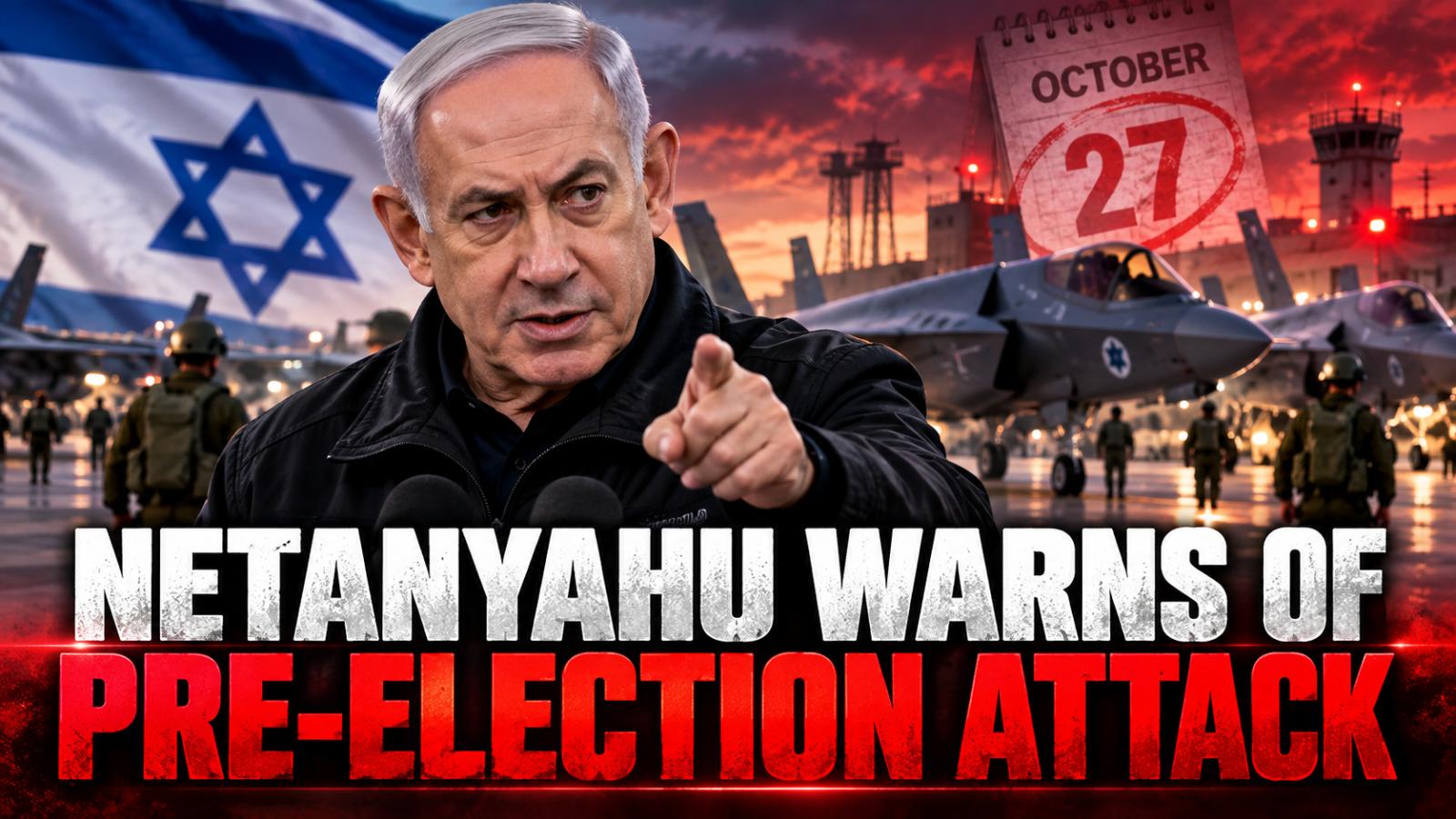
Netanyahu Defends Iran Campaign Israeli Prime Minister Benjamin Netanyahu said the joint US-Israeli military campaign against Iran had protected Israel from what he described as the danger of nuclear annihilation. Speaking after Washington and Tehran announced a preliminary agreement to halt the regional war, Netanyahu said Israel and the United States had removed an immediate Iranian nuclear threat and created a credible military deterrent for future negotiations. He said Iran would not be allowed to obtain nuclear weapons “with or without a deal,” while insisting that Israel would retain the ability to act if it judged the threat unresolved. Security Zones To Remain Netanyahu also said Israeli forces would remain in security zones in Gaza, Lebanon and Syria for as long as his government considered necessary. He argued that those buffer areas were created to protect Israel’s borders after years of threats from Iran-backed groups and other armed factions. His position comes as the US-Iran agreement seeks to reduce fighting across the region, including in Lebanon, where Hezbollah and Israeli forces have been involved in continued hostilities. The statement signals that Israel may not automatically withdraw from territory it currently controls even if broader diplomacy moves forward. Iran Deal Raises Tensions The US-Iran agreement has created political pressure inside Israel, with critics warning that the deal may leave major issues unresolved, including Iran’s missile program and support for regional armed groups. Netanyahu has avoided directly rejecting the diplomatic track, but he has stressed that Israel is not bound to accept security risks it considers unacceptable. The gap between Washington’s push for de-escalation and Israel’s insistence on military freedom of action could become a major test for future Middle East diplomacy. Netanyahu Confirms Election Run Netanyahu also confirmed that he plans to run in Israel’s upcoming elections. His announcement comes as he faces criticism from opposition parties over the handling of the war, the fate of hostages, continued military operations and the political cost of the Iran campaign. Despite domestic pressure and a continuing corruption trial, Netanyahu said he intends to seek another term. His remarks show that the Iran campaign, the US-Iran deal and Israel’s security zones are likely to become central issues in the election debate.
Israel to Keep Troops in Gaza, Lebanon and Syria
Netanyahu Defends Iran Campaign Israeli Prime Minister Benjamin Netanyahu said the joint US-Israeli military campaign against Iran had protected Israel from what he described as the danger of nuclear annihilation. Speaking after Washington and Tehran announced a preliminary agreement to halt the regional war, Netanyahu said Israel and the United States had removed an immediate Iranian nuclear threat and created a credible military deterrent for future negotiations. He said Iran would not be allowed to obtain nuclear weapons “with or without a deal,” while insisting that Israel would retain the ability to act if it judged the threat unresolved. Security Zones To Remain Netanyahu also said Israeli forces would remain in security zones in Gaza, Lebanon and Syria for as long as his government considered necessary. He argued that those buffer areas were created to protect Israel’s borders after years of threats from Iran-backed groups and other armed factions. His position comes as the US-Iran agreement seeks to reduce fighting across the region, including in Lebanon, where Hezbollah and Israeli forces have been involved in continued hostilities. The statement signals that Israel may not automatically withdraw from territory it currently controls even if broader diplomacy moves forward. Iran Deal Raises Tensions The US-Iran agreement has created political pressure inside Israel, with critics warning that the deal may leave major issues unresolved, including Iran’s missile program and support for regional armed groups. Netanyahu has avoided directly rejecting the diplomatic track, but he has stressed that Israel is not bound to accept security risks it considers unacceptable. The gap between Washington’s push for de-escalation and Israel’s insistence on military freedom of action could become a major test for future Middle East diplomacy. Netanyahu Confirms Election Run Netanyahu also confirmed that he plans to run in Israel’s upcoming elections. His announcement comes as he faces criticism from opposition parties over the handling of the war, the fate of hostages, continued military operations and the political cost of the Iran campaign. Despite domestic pressure and a continuing corruption trial, Netanyahu said he intends to seek another term. His remarks show that the Iran campaign, the US-Iran deal and Israel’s security zones are likely to become central issues in the election debate.
Israeli Drone Strike in Southern Lebanon Kills One Near Kafr Tibnit
An Israeli drone strike in southern Lebanon hit a vehicle near the Kafr Tibnit roundabout in the Tyre district, killing one person, according to local reports. What Is Known About the Israeli Drone Strike in Southern Lebanon The supplied material said the incident occurred on a Monday but did not include a full calendar date or time. Those details have therefore not been added. A journalist was also injured in the area after a drone reportedly dr
Israeli Drone Strike in Southern Lebanon Kills One Near Kafr Tibnit
An Israeli drone strike in southern Lebanon hit a vehicle near the Kafr Tibnit roundabout in the Tyre district, killing one person, according to local reports. What Is Known About the Israeli Drone Strike in Southern Lebanon The supplied material said the incident occurred on a Monday but did not include a full calendar date or time. Those details have therefore not been added. A journalist was also injured in the area after a drone reportedly dr
Indian Army Negev LMGs to get MEPRO X6 sights
The Indian Army’s Negev light machine guns are set for an optics upgrade with the addition of MEPRO X6 daytime sights. The move is expected to improve aiming, target visibility and firing confidence for soldiers using the weapon in field conditions. The Negev LMG, originally developed by Israel Weapon Industries, is already part of the Indian Army’s infantry firepower. The new sighting system will help troops use the weapon more effectively at longer distances, especially in open terrain, border areas and demanding operational zones. Why the MEPRO X6 sight matters A light machine gun is not just used for rapid fire. It must also deliver controlled and accurate fire when troops need to engage targets at extended ranges. That is where a reliable optic becomes important. The MEPRO X6 gives the soldier a clearer view of the target during daytime operations. Compared with basic aiming methods, a magnified sight helps improve target identification and reduces guesswork while firing. In difficult environments, this can make the weapon more useful and consistent. Tested for army requirements The Indian Army selected the MEPRO X6 after field assessments and environmental testing. Such trials are important because military equipment has to perform in heat, dust, rough movement and high-pressure combat situations. The focus was not only on accuracy but also on durability, ease of use and reliability. For soldiers, an optic must be simple to operate and strong enough to handle regular field deployment. Made in India push The order includes more than 10,000 MEPRO X6 sights, with deliveries expected during 2026 and 2027. The project also supports India’s defence manufacturing goals through local production. Meprolight has signed a Transfer of Technology agreement with RRP Defense. Under this arrangement, RRP Defense will manufacture the sights in Mumbai and supply them to Bharat Electronics Limited, which is expected to act as the main contractor for the Indian Army. Bigger demand may follow The current order covers only part of the wider Negev LMG requirement. Since the Indian Army has ordered around 41,000 Negev guns, more optics may be needed as additional weapons are delivered and deployed. The upgrade also shows the continued defence cooperation between India and Israel. At the same time, local manufacturing of the sights supports India’s effort to reduce dependence on imported defence equipment. For the soldier on the ground, the real value is simple: better visibility, better aim and better control during operations.
Indian Army Negev LMGs to get MEPRO X6 sights
The Indian Army’s Negev light machine guns are set for an optics upgrade with the addition of MEPRO X6 daytime sights. The move is expected to improve aiming, target visibility and firing confidence for soldiers using the weapon in field conditions. The Negev LMG, originally developed by Israel Weapon Industries, is already part of the Indian Army’s infantry firepower. The new sighting system will help troops use the weapon more effectively at longer distances, especially in open terrain, border areas and demanding operational zones. Why the MEPRO X6 sight matters A light machine gun is not just used for rapid fire. It must also deliver controlled and accurate fire when troops need to engage targets at extended ranges. That is where a reliable optic becomes important. The MEPRO X6 gives the soldier a clearer view of the target during daytime operations. Compared with basic aiming methods, a magnified sight helps improve target identification and reduces guesswork while firing. In difficult environments, this can make the weapon more useful and consistent. Tested for army requirements The Indian Army selected the MEPRO X6 after field assessments and environmental testing. Such trials are important because military equipment has to perform in heat, dust, rough movement and high-pressure combat situations. The focus was not only on accuracy but also on durability, ease of use and reliability. For soldiers, an optic must be simple to operate and strong enough to handle regular field deployment. Made in India push The order includes more than 10,000 MEPRO X6 sights, with deliveries expected during 2026 and 2027. The project also supports India’s defence manufacturing goals through local production. Meprolight has signed a Transfer of Technology agreement with RRP Defense. Under this arrangement, RRP Defense will manufacture the sights in Mumbai and supply them to Bharat Electronics Limited, which is expected to act as the main contractor for the Indian Army. Bigger demand may follow The current order covers only part of the wider Negev LMG requirement. Since the Indian Army has ordered around 41,000 Negev guns, more optics may be needed as additional weapons are delivered and deployed. The upgrade also shows the continued defence cooperation between India and Israel. At the same time, local manufacturing of the sights supports India’s effort to reduce dependence on imported defence equipment. For the soldier on the ground, the real value is simple: better visibility, better aim and better control during operations.
Iran Claims Victory After US-Iran Peace Agreement
Iran’s military declared victory over the United States and Israel on Monday after Washington and Tehran announced a peace agreement intended to end more than three months of conflict across the Middle East. In a statement broadcast by Iranian state television, Iran’s armed forces claimed that their campaign had forced their adversaries to accept defeat, framing the agreement as proof of Tehran’s strength rather than a compromise. The declaration came as both sides moved to present the
Iran Claims Victory After US-Iran Peace Agreement
Iran’s military declared victory over the United States and Israel on Monday after Washington and Tehran announced a peace agreement intended to end more than three months of conflict across the Middle East. In a statement broadcast by Iranian state television, Iran’s armed forces claimed that their campaign had forced their adversaries to accept defeat, framing the agreement as proof of Tehran’s strength rather than a compromise. The declaration came as both sides moved to present the
Israel Says Troops Will Stay in Gaza, Lebanon and Syria
Israel Reaffirms Security Zone Policy Israeli Defence Minister Israel Katz said Israel will not withdraw from security zones it currently controls in Gaza, Lebanon and Syria, signaling that any future regional agreement involving Iran and the United States may not automatically lead to Israeli troop pullbacks. In a statement posted Friday, June 13,2026 Katz said Israel’s security doctrine remains focused o
Israel Says Troops Will Stay in Gaza, Lebanon and Syria
Israel Reaffirms Security Zone Policy Israeli Defence Minister Israel Katz said Israel will not withdraw from security zones it currently controls in Gaza, Lebanon and Syria, signaling that any future regional agreement involving Iran and the United States may not automatically lead to Israeli troop pullbacks. In a statement posted Friday, June 13,2026 Katz said Israel’s security doctrine remains focused o
Netanyahu backs Trump pledge on Iran nuclear deal
Netanyahu welcomes US assurances Israeli Prime Minister Benjamin Netanyahu has welcomed assurances from U.S. President Donald Trump that any final agreement with Iran would include strict limits on Tehran’s nuclear and missile programs. Netanyahu’s office said the two leaders discussed the proposed framework and that Israel appreciated Washington’s commitment to addressing Iran’s enriched nuclear material, enrichment infrastructure, m
Netanyahu backs Trump pledge on Iran nuclear deal
Netanyahu welcomes US assurances Israeli Prime Minister Benjamin Netanyahu has welcomed assurances from U.S. President Donald Trump that any final agreement with Iran would include strict limits on Tehran’s nuclear and missile programs. Netanyahu’s office said the two leaders discussed the proposed framework and that Israel appreciated Washington’s commitment to addressing Iran’s enriched nuclear material, enrichment infrastructure, m
Israel plans $350m expansion for 61 west bank settlements
Israel’s government has announced a $350 million investment to create 61 new settlements across the occupied West Bank. Led by Finance Minister Bezalel Smotrich, this initiative is one of the largest settlement expansions in recent decades. Funding is allocated for roads, temporary housing, and public facilities, allowing construction to begin even before formal planning approvals are finalized. Funding and strate
Israel plans $350m expansion for 61 west bank settlements
Israel’s government has announced a $350 million investment to create 61 new settlements across the occupied West Bank. Led by Finance Minister Bezalel Smotrich, this initiative is one of the largest settlement expansions in recent decades. Funding is allocated for roads, temporary housing, and public facilities, allowing construction to begin even before formal planning approvals are finalized. Funding and strate


