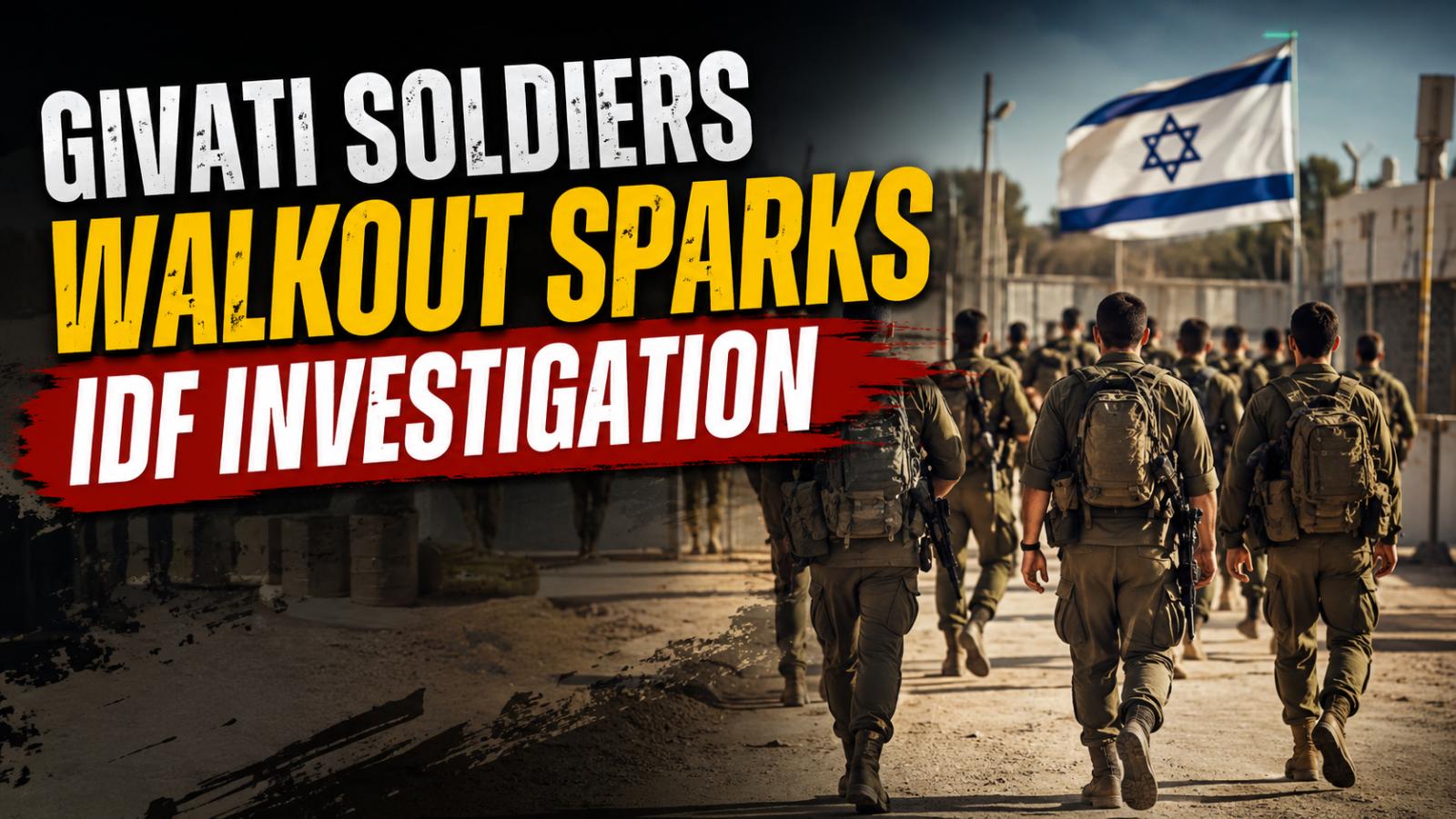
More than 100 Israeli soldiers reportedly walked out of the Sde Teiman military base following a dispute over the removal of signs and symbols linked to their battalion’s traditions. The unusual Givati soldiers walkout involved members of the Tzabar Battalion and prompted an immediate investigation by military commanders.
Videos circulating on social media appeared to show soldiers leaving the southern Israeli base while chanting offensi
More than 100 Israeli soldiers reportedly walked out of the Sde Teiman military base following a dispute over the removal of signs and symbols linked to their battalion’s traditions. The unusual Givati soldiers walkout involved members of the Tzabar Battalion and prompted an immediate investigation by military commanders.
Videos circulating on social media appeared to show soldiers leaving the southern Israeli base while chanting offensi
Trump Announces Hamas Disarmament Agreement for Gaza
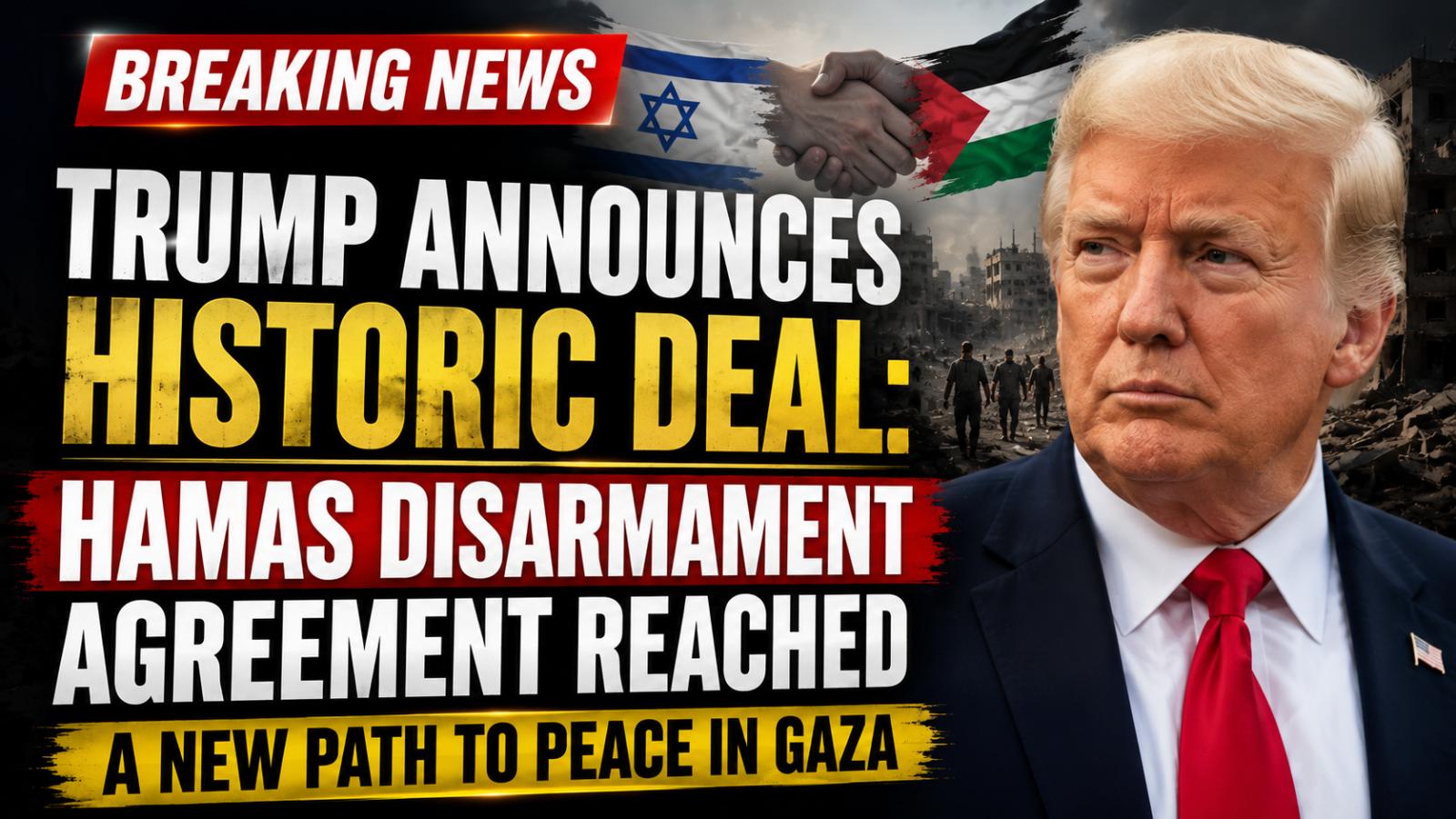
US President Donald Trump says a Hamas disarmament agreement has been reached under his Gaza peace plan. The proposed phased process links the surrender of weapons to Israeli withdrawal, new Palestinian rule and the deployment of an international Gaza security force.
Hamas Disarmament Deal Announced by Trump
Trump Announces Hamas Disarmament Agreement for Gaza
US President Donald Trump says a Hamas disarmament agreement has been reached under his Gaza peace plan. The proposed phased process links the surrender of weapons to Israeli withdrawal, new Palestinian rule and the deployment of an international Gaza security force.
Hamas Disarmament Deal Announced by Trump
Netanyahu ICC Arrest Warrant: Israeli PM Cites Special Forces
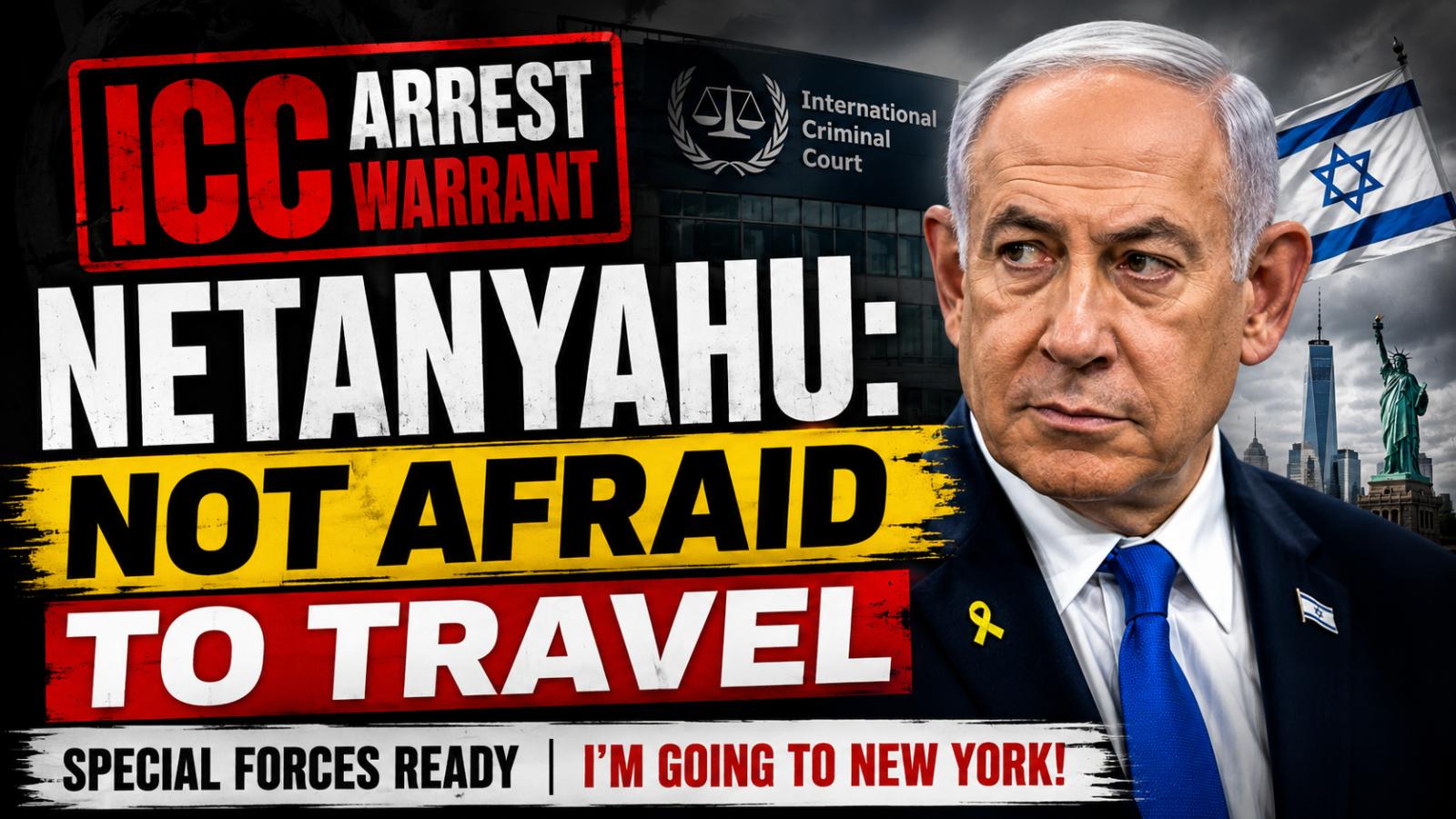
Israeli Prime Minister Benjamin Netanyahu says the Netanyahu ICC arrest warrant will not prevent him from travelling abroad. Addressing the ICC arrest risk, Israel’s special forces and his planned New York visit, he rejected the allegations and challenged calls for his detention.
Netanyahu ICC Arrest Risk Raised During US In
Netanyahu ICC Arrest Warrant: Israeli PM Cites Special Forces
Israeli Prime Minister Benjamin Netanyahu says the Netanyahu ICC arrest warrant will not prevent him from travelling abroad. Addressing the ICC arrest risk, Israel’s special forces and his planned New York visit, he rejected the allegations and challenged calls for his detention.
Netanyahu ICC Arrest Risk Raised During US In
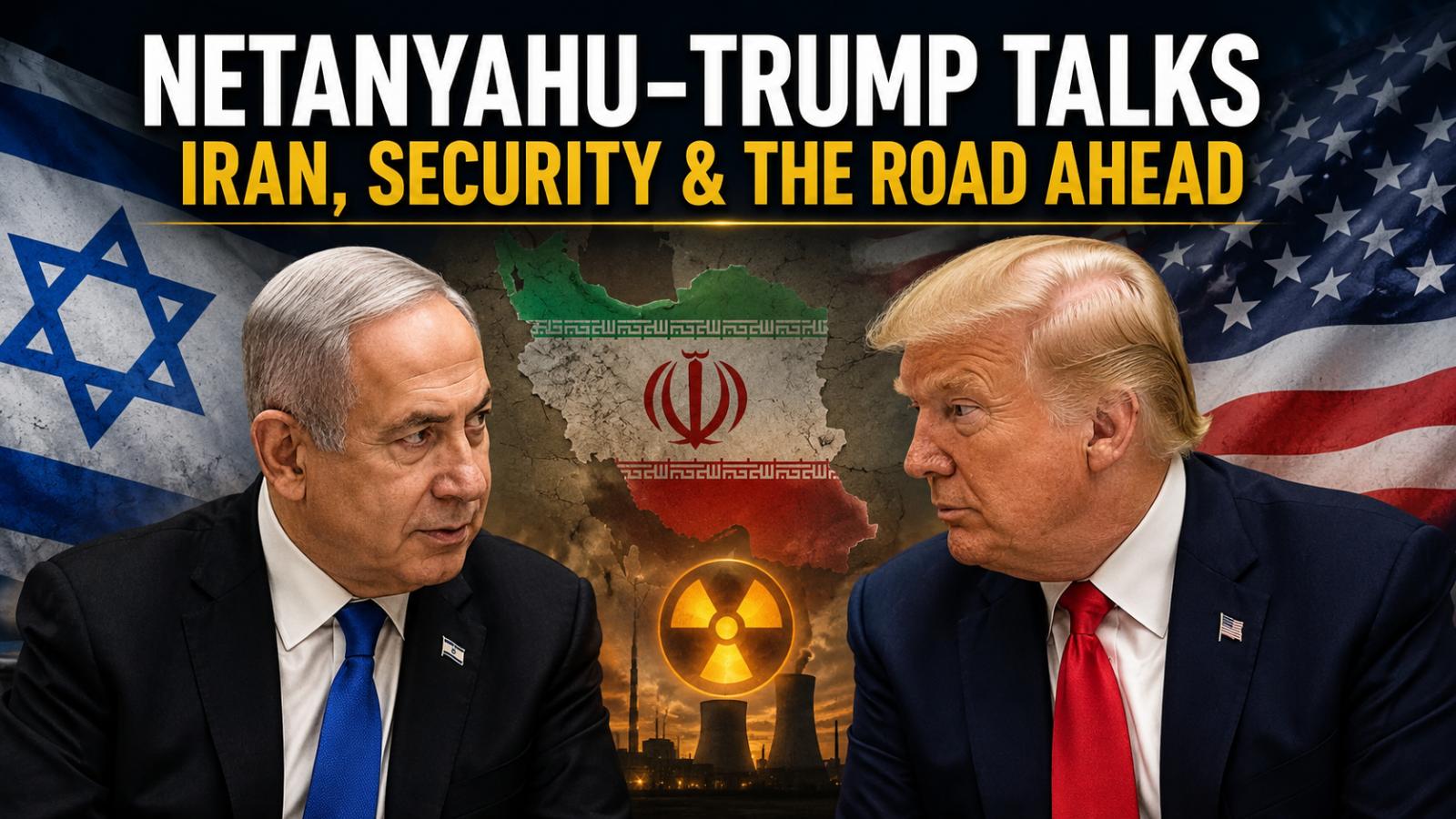
The Netanyahu Trump Iran talks placed Tehran’s nuclear programme at the centre of a wider discussion covering Syria, a proposed Saudi nuclear deal and future US aid to Israel. The 90-minute White House meeting came as both governments assessed diplomatic, economic and military options following the Iran war.
White House Talks Rebuild Strategic Coordination
Israeli Prime Minister Benjamin Neta
The Netanyahu Trump Iran talks placed Tehran’s nuclear programme at the centre of a wider discussion covering Syria, a proposed Saudi nuclear deal and future US aid to Israel. The 90-minute White House meeting came as both governments assessed diplomatic, economic and military options following the Iran war.
White House Talks Rebuild Strategic Coordination
Israeli Prime Minister Benjamin Neta
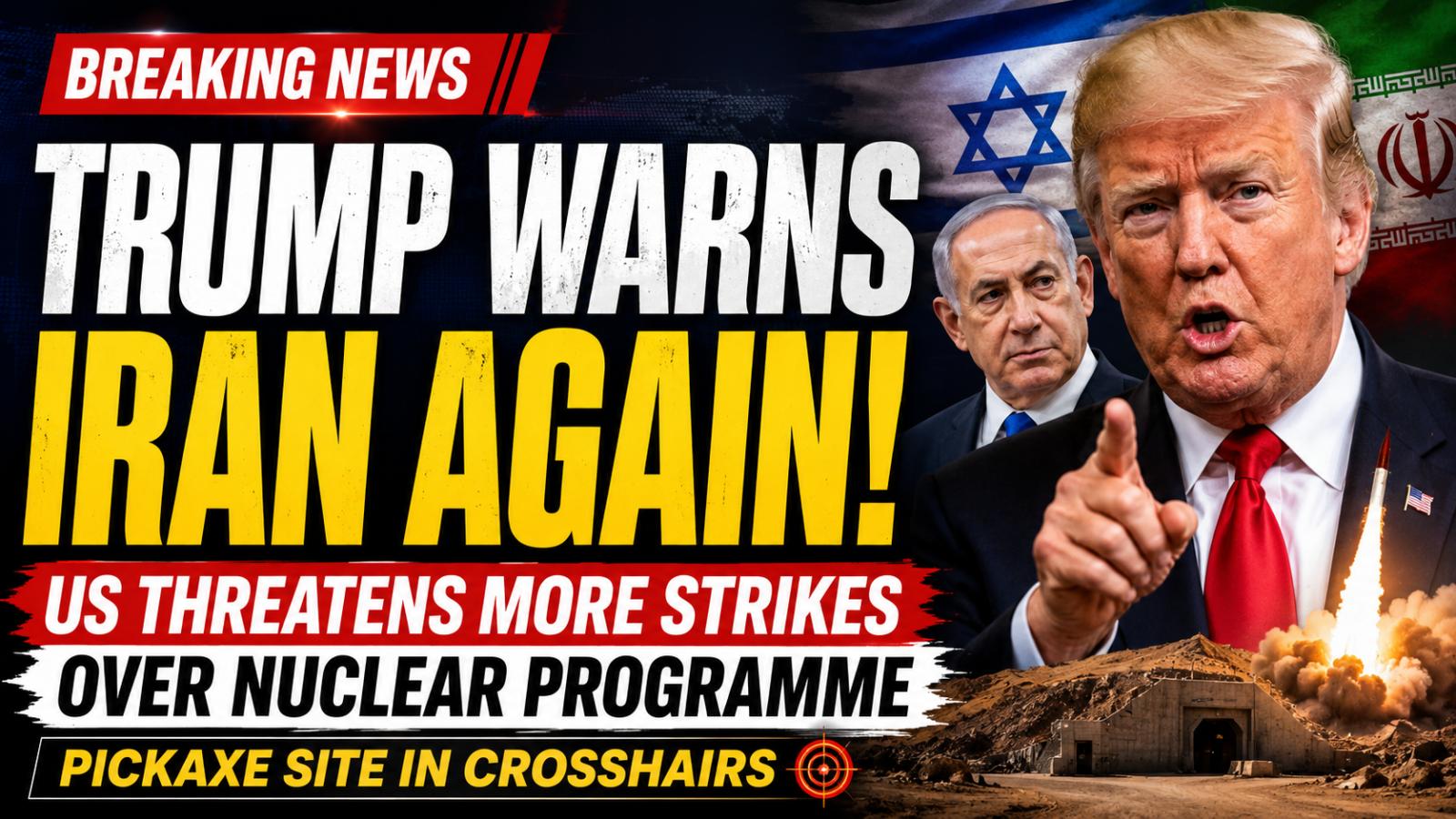
Trump Iran nuclear threat returned to the spotlight after US President Donald Trump warned that Washington could launch fresh military strikes if Tehran refuses a nuclear agreement. Speaking before meeting Israeli Prime Minister Benjamin Netanyahu, Trump questioned Israel's public intelligence disclosures while reaffirming that military action remains an option.
Trump Iran nuclear threat returned to the spotlight after US President Donald Trump warned that Washington could launch fresh military strikes if Tehran refuses a nuclear agreement. Speaking before meeting Israeli Prime Minister Benjamin Netanyahu, Trump questioned Israel's public intelligence disclosures while reaffirming that military action remains an option.
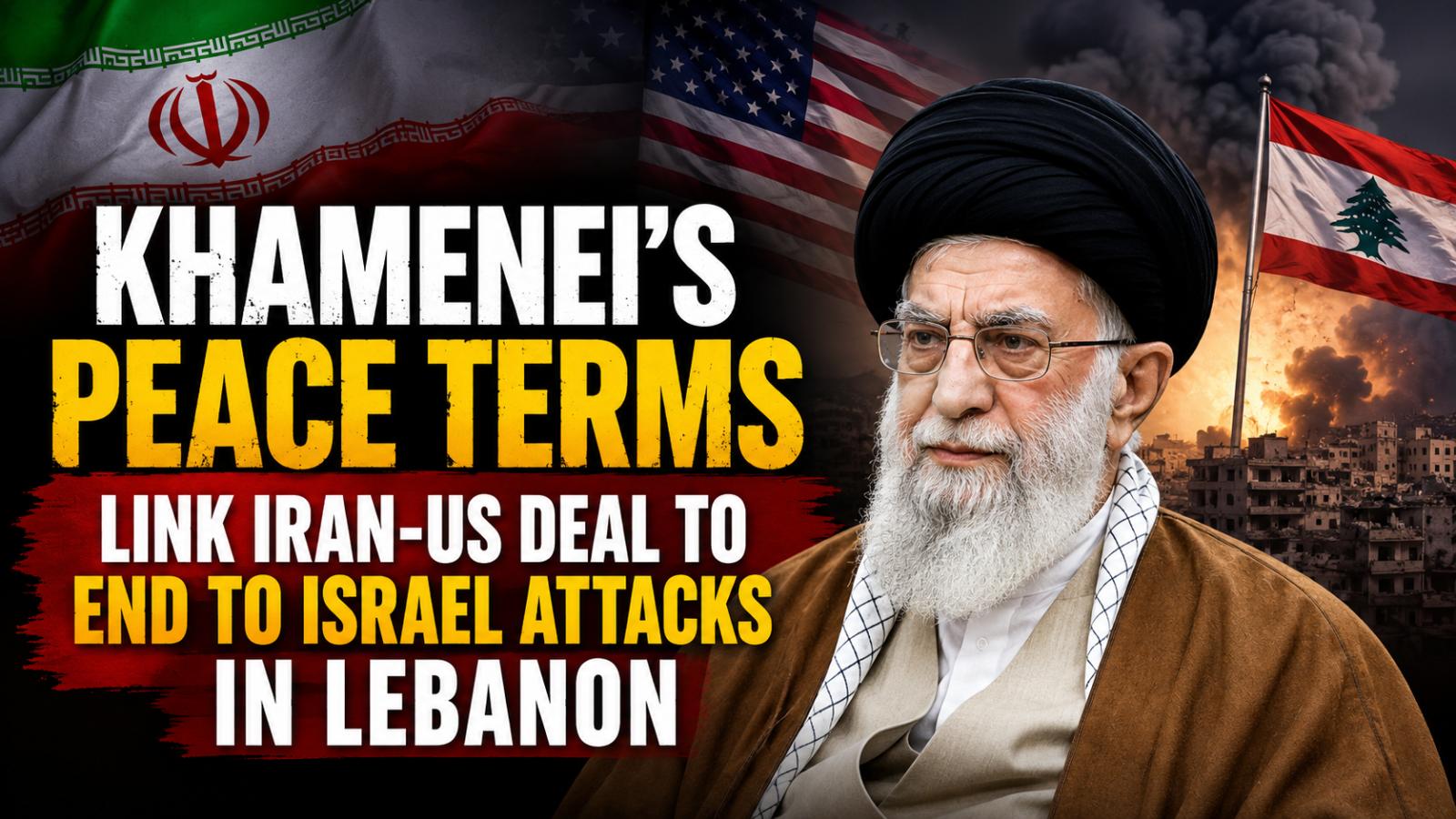
Iranian Supreme Leader Mojtaba Khamenei has linked any future agreement with the United States to an end to Israeli military operations in Lebanon. His position places Lebanon, Hezbollah support and Israeli withdrawal at the centre of Tehran’s conditions as regional diplomatic efforts continue.
Iran-US peace conditions
In a statement posted on X, Khamenei said Iran would require the protectio
Iranian Supreme Leader Mojtaba Khamenei has linked any future agreement with the United States to an end to Israeli military operations in Lebanon. His position places Lebanon, Hezbollah support and Israeli withdrawal at the centre of Tehran’s conditions as regional diplomatic efforts continue.
Iran-US peace conditions
In a statement posted on X, Khamenei said Iran would require the protectio
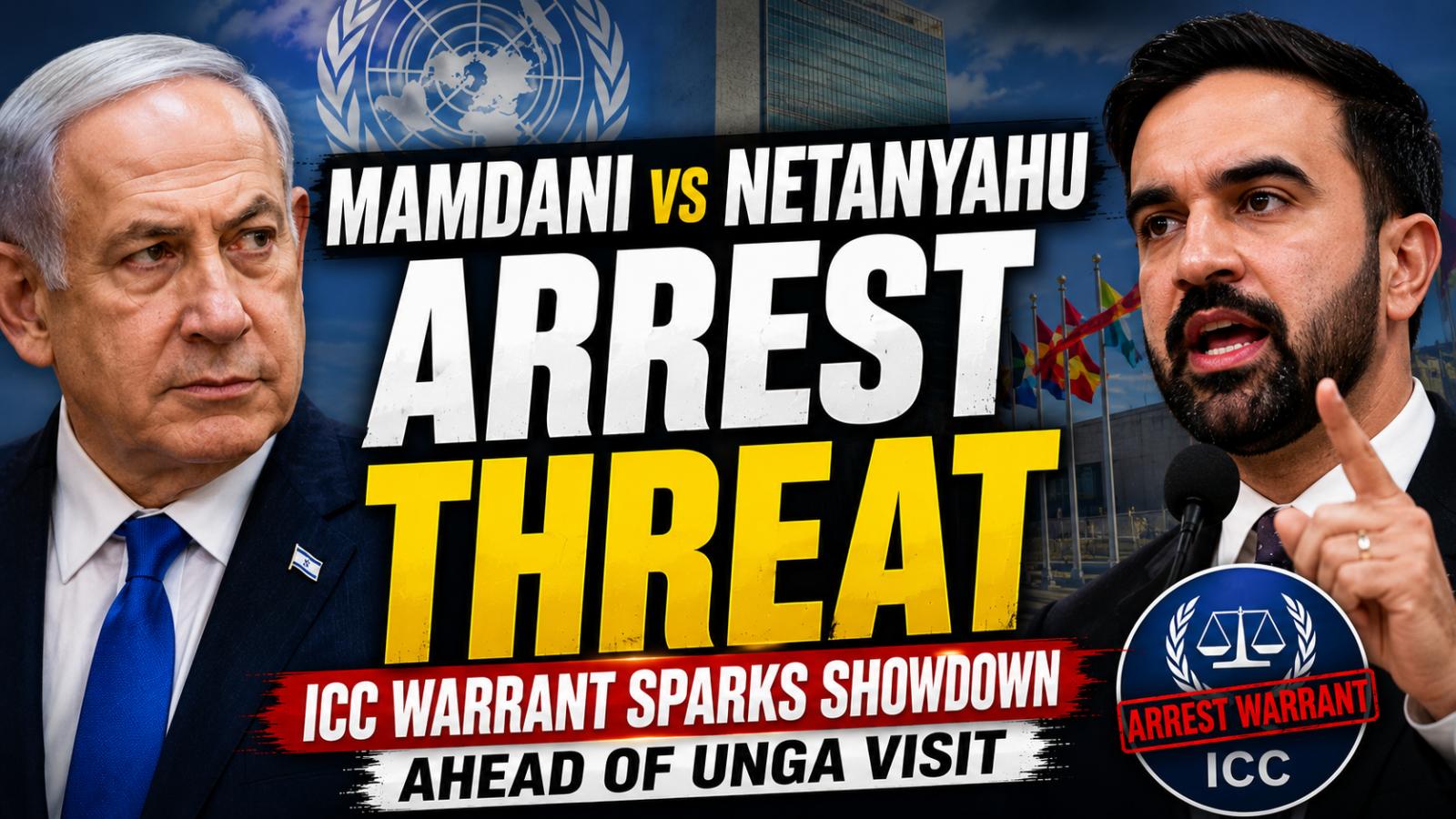
New York Mayor Zohran Mamdani and Israeli Prime Minister Benjamin Netanyahu have entered a public dispute over the ICC arrest warrant against the Israeli leader. Netanyahu accused Mamdani of “fomenting hate,” while the mayor called for the warrant to be taken seriously ahead of the 2026 UN General Assembly.
Mamdani Netanyahu row escalates
Israeli Prime Minister Benjamin Netanyahu has accuse
New York Mayor Zohran Mamdani and Israeli Prime Minister Benjamin Netanyahu have entered a public dispute over the ICC arrest warrant against the Israeli leader. Netanyahu accused Mamdani of “fomenting hate,” while the mayor called for the warrant to be taken seriously ahead of the 2026 UN General Assembly.
Mamdani Netanyahu row escalates
Israeli Prime Minister Benjamin Netanyahu has accuse
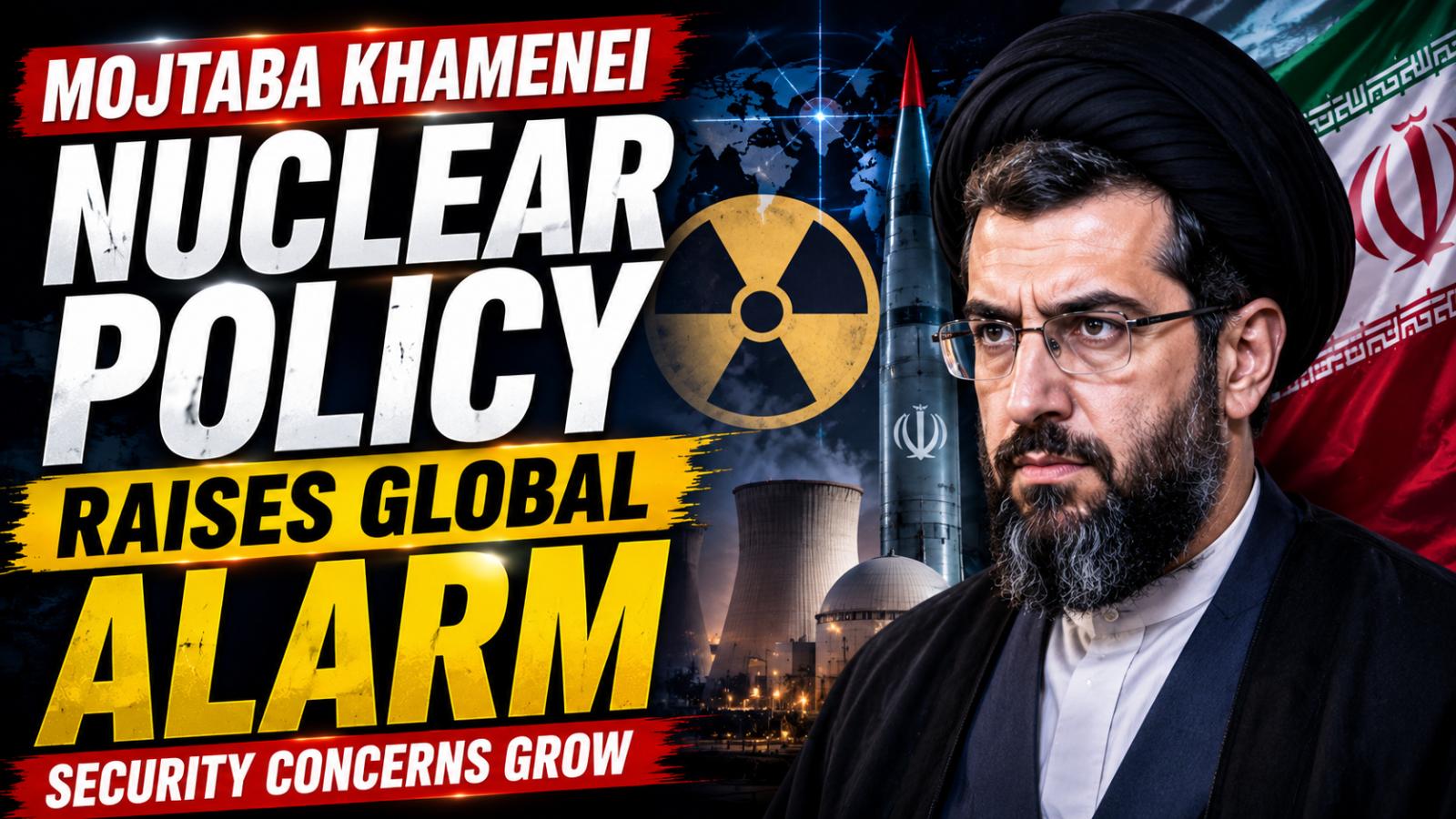
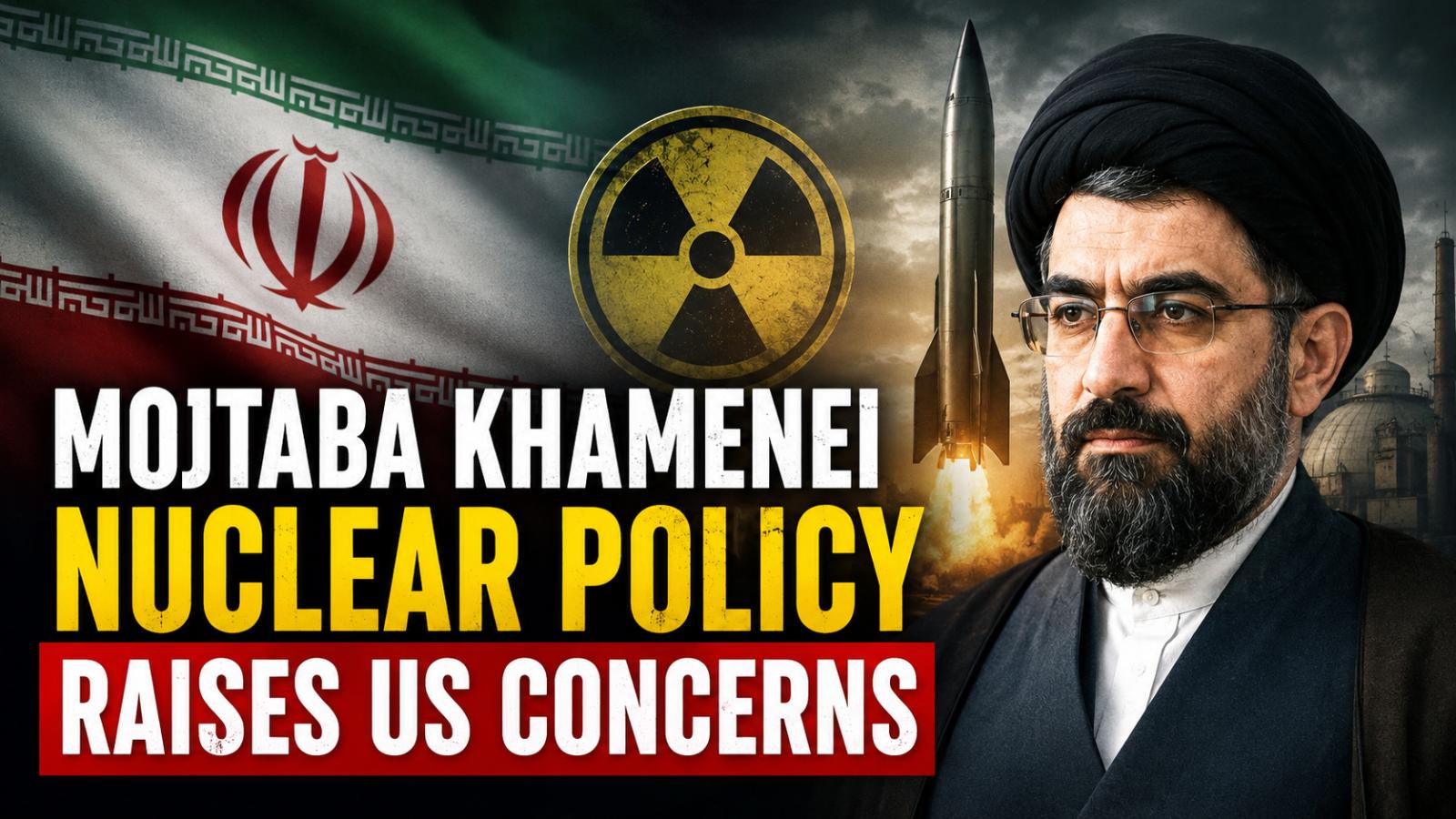
Mojtaba Khamenei's nuclear policy has come under renewed focus after a recent US intelligence assessment suggested Iran's new supreme leader may be more open to developing nuclear weapons than his father. While no official policy change has been announced, analysts say the assessment highlights growing concerns over Iran's nuclear threshold status, regional security and the future of diplomacy.
Mojtaba Khamenei's nuclear policy has come under renewed focus after a recent US intelligence assessment suggested Iran's new supreme leader may be more open to developing nuclear weapons than his father. While no official policy change has been announced, analysts say the assessment highlights growing concerns over Iran's nuclear threshold status, regional security and the future of diplomacy.
Mojtaba Khamenei nuclear policy has come under renewed scrutiny after a reported US intelligence assessment suggested that Iran’s supreme leader may be more willing than his father to consider developing nuclear weapons. The claim raises fresh questions about Iran’s nuclear doctrine, missile ambitions and regional security.
Iran Nuclear Weapons Assessment
People described as familiar with U
Mojtaba Khamenei nuclear policy has come under renewed scrutiny after a reported US intelligence assessment suggested that Iran’s supreme leader may be more willing than his father to consider developing nuclear weapons. The claim raises fresh questions about Iran’s nuclear doctrine, missile ambitions and regional security.
Iran Nuclear Weapons Assessment
People described as familiar with U
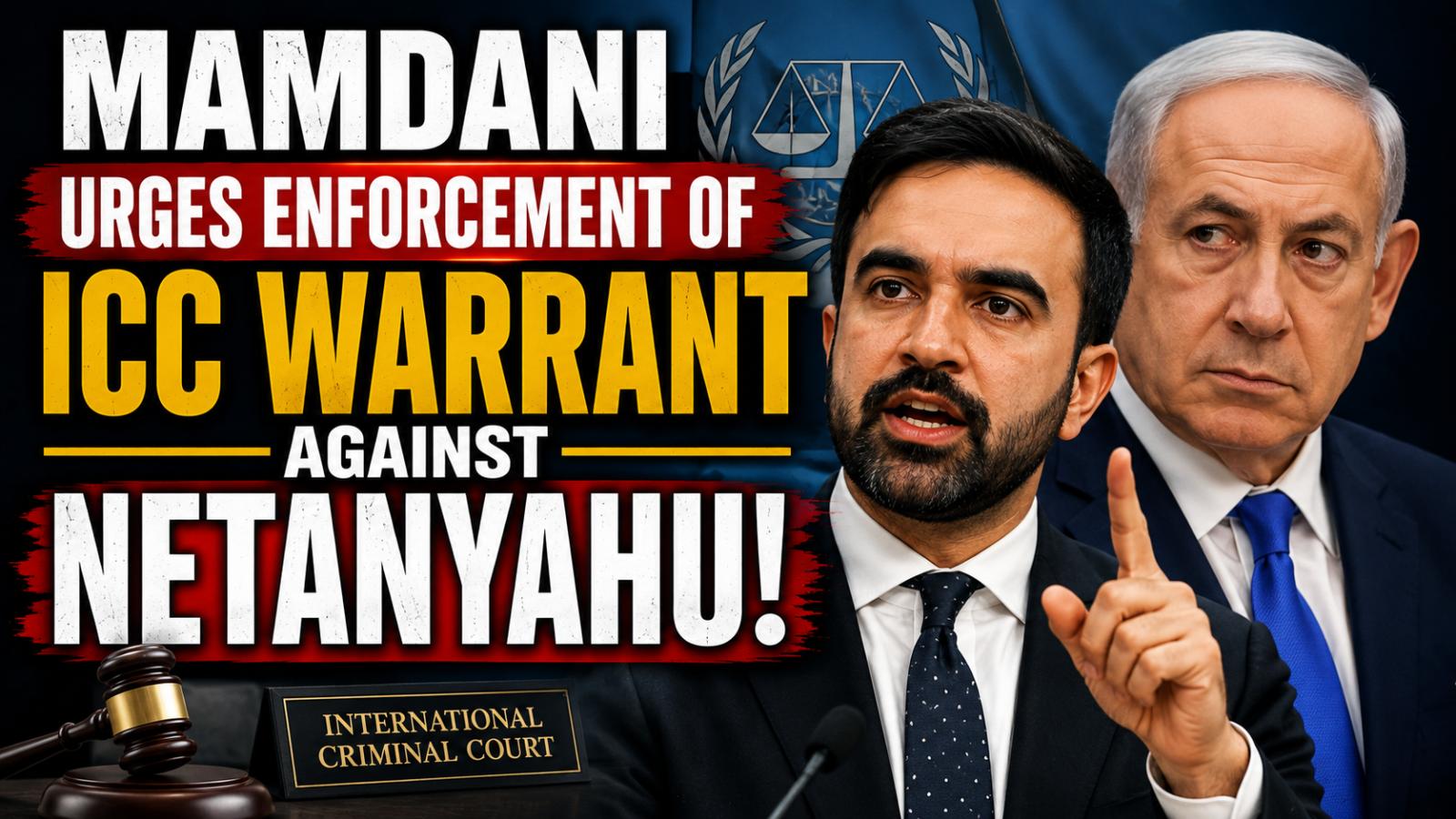
New York Mayor Zohran Mamdani has renewed his call for the ICC arrest warrant against Israeli Prime Minister Benjamin Netanyahu to be enforced, following President Donald Trump's statement that Netanyahu would not be arrested if he visits the United States. The remarks have intensified debate over international law and US policy.
Mamdani Urges ICC Warrant Against Netanyahu Be Enforced
Mamdani Calls for ICC Arrest Wa
New York Mayor Zohran Mamdani has renewed his call for the ICC arrest warrant against Israeli Prime Minister Benjamin Netanyahu to be enforced, following President Donald Trump's statement that Netanyahu would not be arrested if he visits the United States. The remarks have intensified debate over international law and US policy.
Mamdani Urges ICC Warrant Against Netanyahu Be Enforced
Mamdani Calls for ICC Arrest Wa
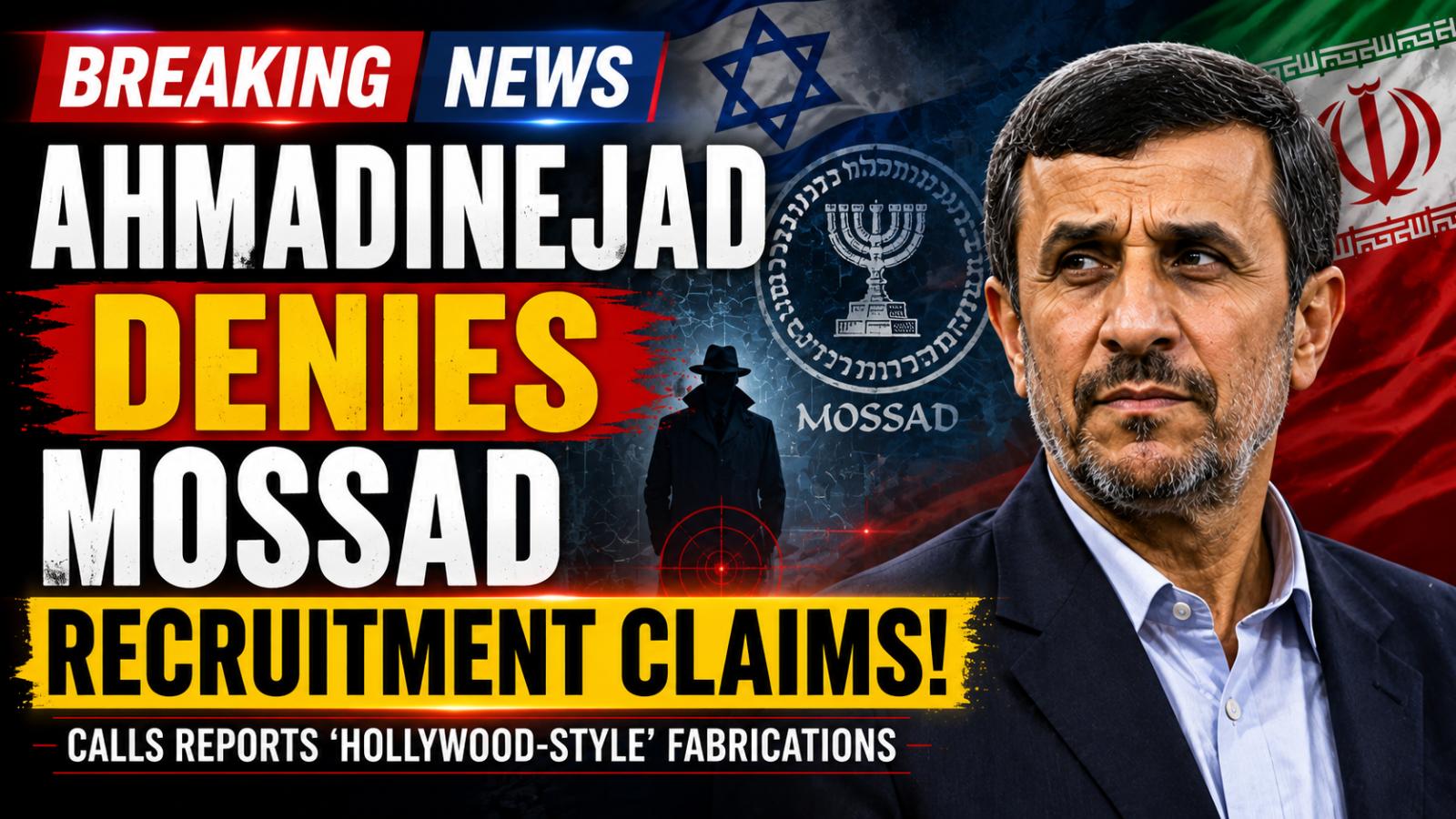
Former Iranian President Mahmoud Ahmadinejad has rejected allegations that Israel’s Mossad tried to recruit him for a plan to replace Iran’s leadership. A statement attributed to his office called the claims fabricated and denied reports that he had been placed under house arrest after the alleged operation failed.
Ahmadinejad denial challenges Mossad claims
Former Iranian President Mahmoud Ahmadinejad has rejected allegations that Israel’s Mossad tried to recruit him for a plan to replace Iran’s leadership. A statement attributed to his office called the claims fabricated and denied reports that he had been placed under house arrest after the alleged operation failed.
Ahmadinejad denial challenges Mossad claims
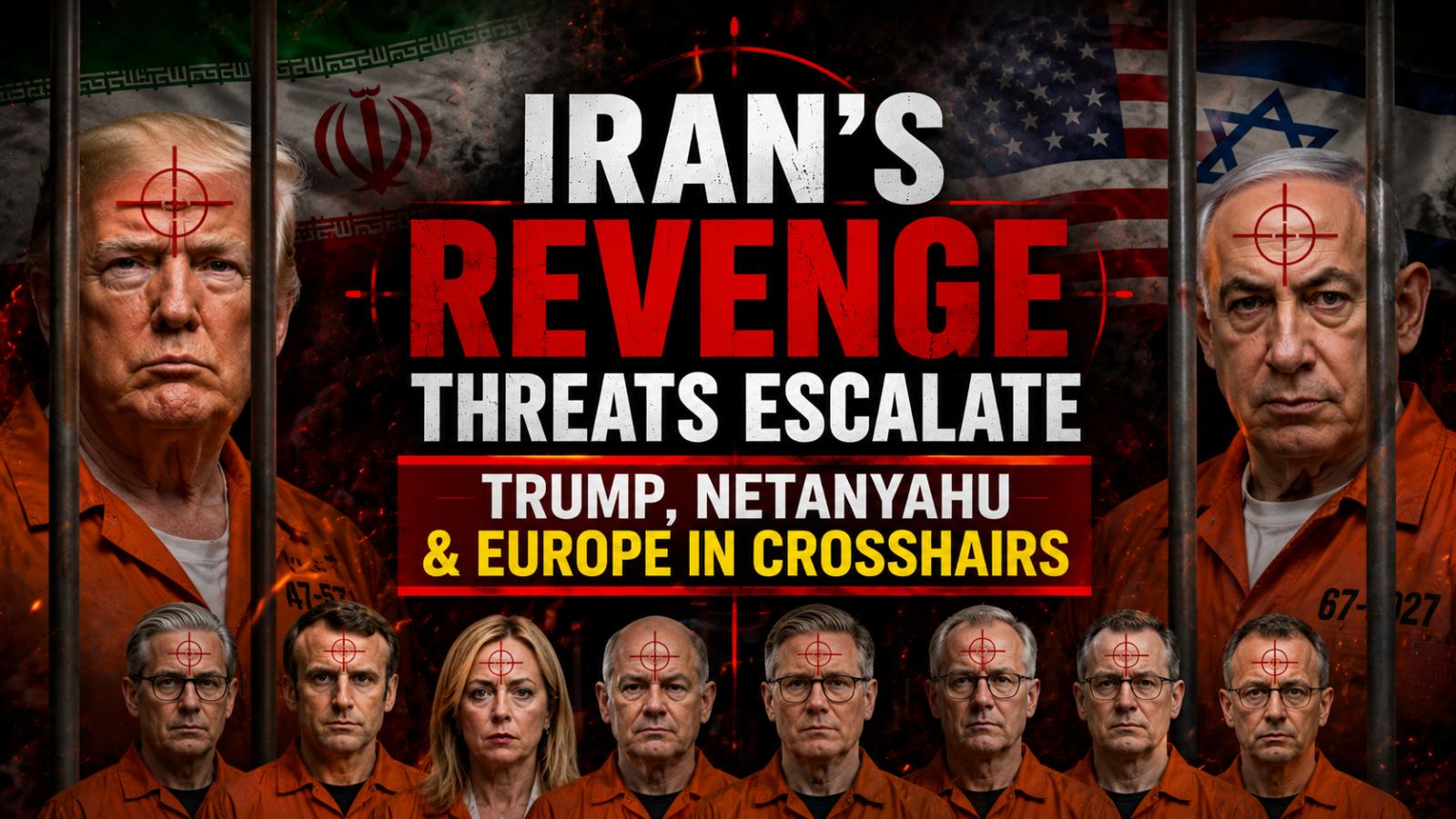
Iran revenge rhetoric has intensified after prominent newspapers published threatening headlines and images targeting US President Donald Trump, Israeli Prime Minister Benjamin Netanyahu and several European leaders. The publications followed a retaliation pledge attributed to Iran’s new supreme leader, Mojtaba Khamenei.
Iran revenge threat appears on newspaper front page
Iran revenge rhetoric has intensified after prominent newspapers published threatening headlines and images targeting US President Donald Trump, Israeli Prime Minister Benjamin Netanyahu and several European leaders. The publications followed a retaliation pledge attributed to Iran’s new supreme leader, Mojtaba Khamenei.
Iran revenge threat appears on newspaper front page
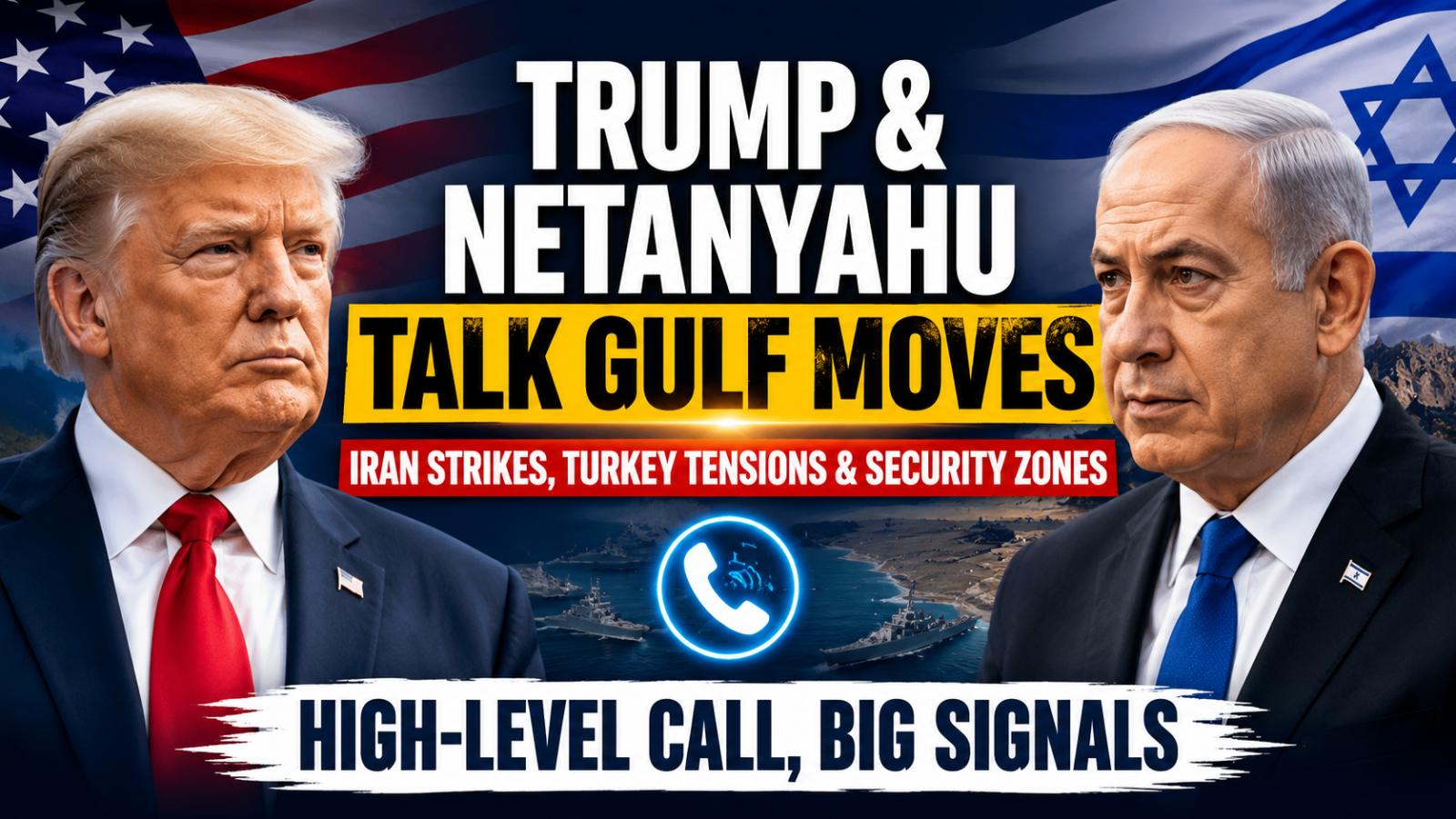
US President Donald Trump and Israeli Prime Minister Benjamin Netanyahu discussed American military activity in the Gulf, tensions involving Turkey and Israel’s border security concerns during a phone call on Thursday, July 9. The leaders agreed to maintain close coordination as instability across West Asia continued.
Trump-Netanyahu call covers US Gulf moves
US President Donald Trump and Israeli Prime Minister Benjamin Netanyahu discussed American military activity in the Gulf, tensions involving Turkey and Israel’s border security concerns during a phone call on Thursday, July 9. The leaders agreed to maintain close coordination as instability across West Asia continued.
Trump-Netanyahu call covers US Gulf moves
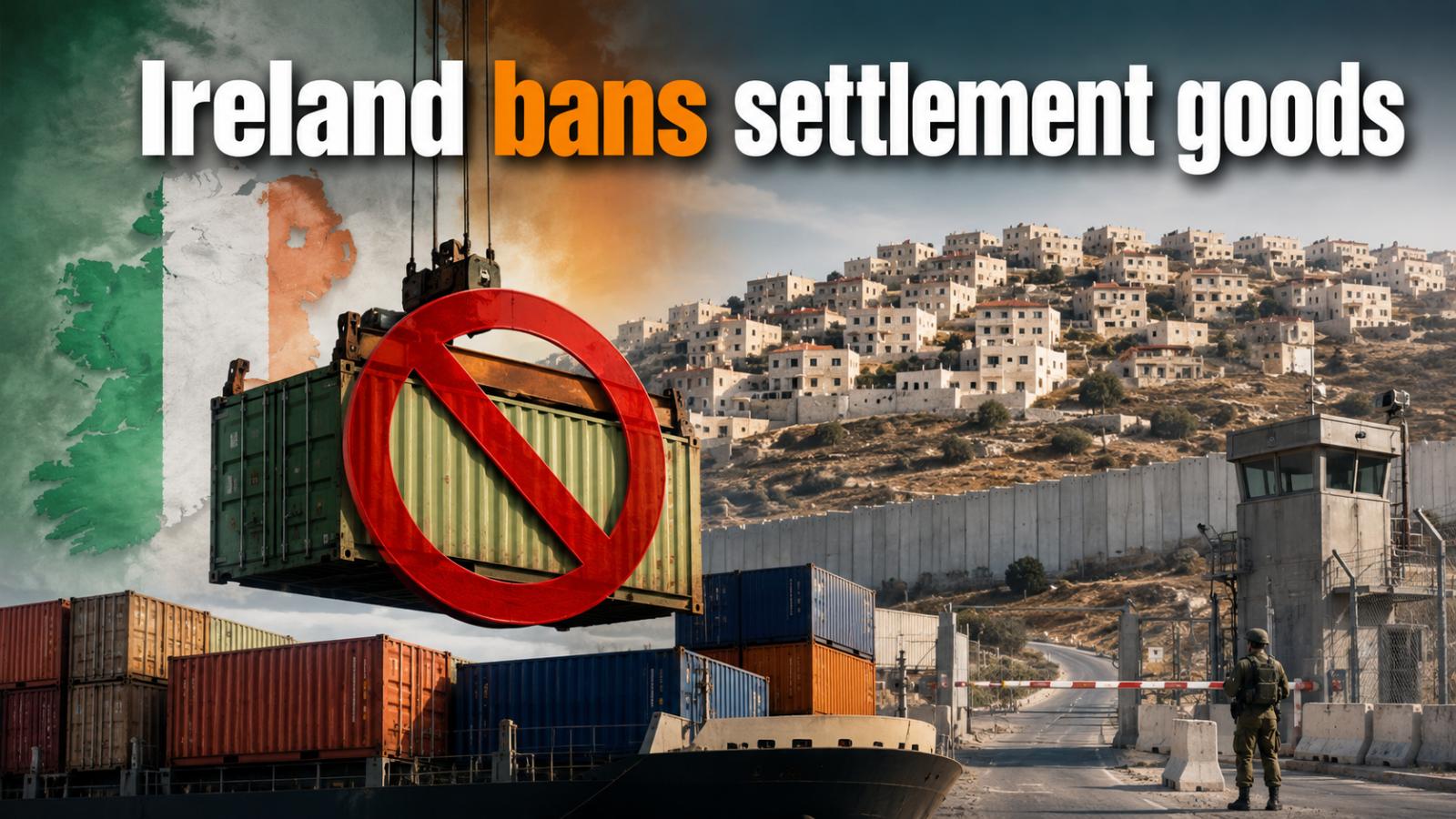
Ireland has approved a ban on goods produced in Israeli settlements in the West Bank and East Jerusalem, marking a sharp political move in its growing dispute with Israel. The measure targets products made in areas that Ireland considers occupied territory and outside Israel’s internationally recognised borders.
The direct trade impact is expected to be limited, but the decision carries strong diplomatic weight. Dublin has framed the mov
Ireland has approved a ban on goods produced in Israeli settlements in the West Bank and East Jerusalem, marking a sharp political move in its growing dispute with Israel. The measure targets products made in areas that Ireland considers occupied territory and outside Israel’s internationally recognised borders.
The direct trade impact is expected to be limited, but the decision carries strong diplomatic weight. Dublin has framed the mov
Chants target Pezeshkian at funeral
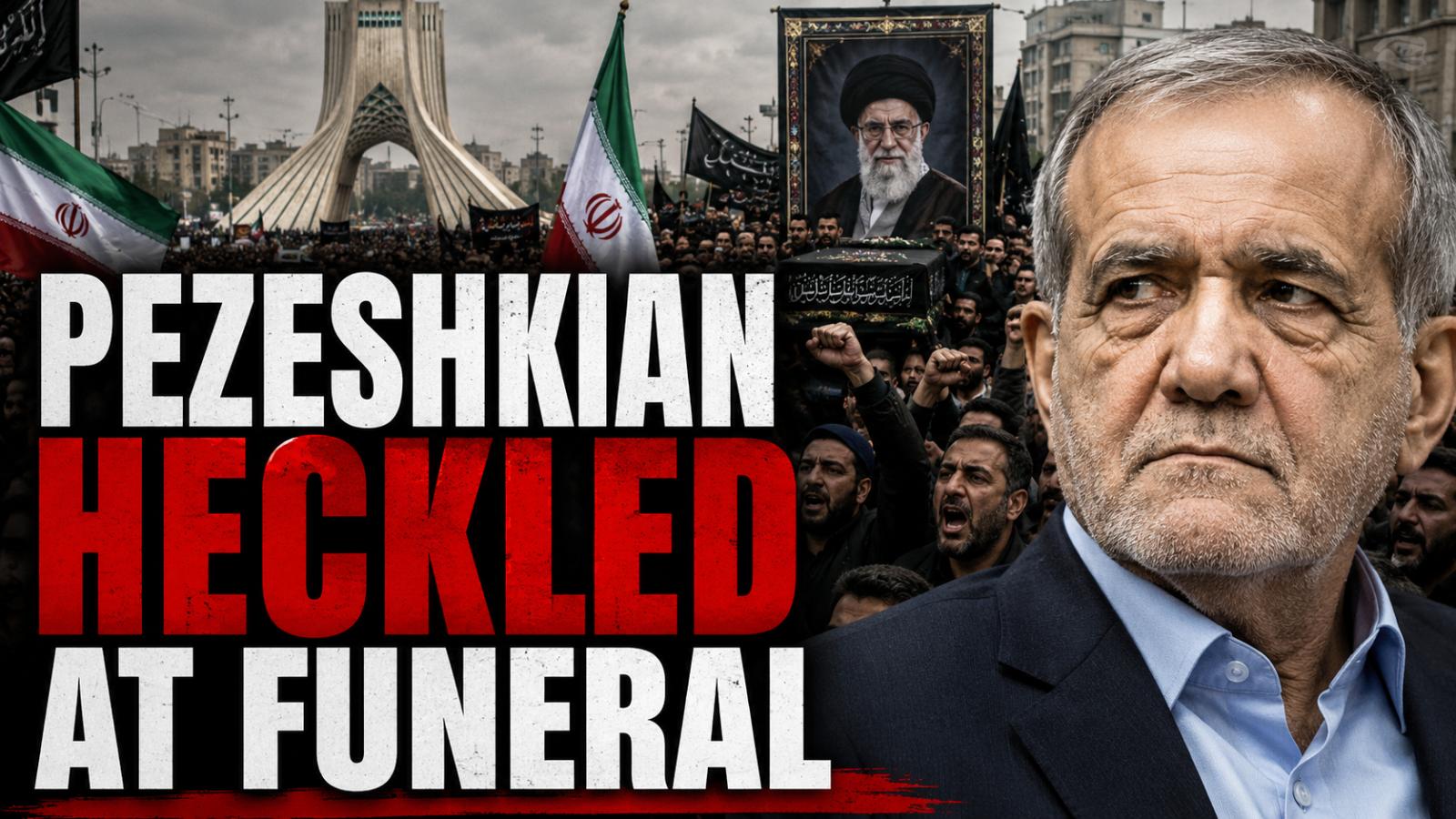
Hardline supporters of Iran’s Islamic Republic chanted against President Masoud Pezeshkian during the funeral procession for late Supreme Leader Ali Khamenei in Tehran on Monday, highlighting internal divisions over diplomacy with the United States. Videos shared on social media appeared to show mourners shouting “death to compromiser” as Pezeshkian attended the cere
Chants target Pezeshkian at funeral
Hardline supporters of Iran’s Islamic Republic chanted against President Masoud Pezeshkian during the funeral procession for late Supreme Leader Ali Khamenei in Tehran on Monday, highlighting internal divisions over diplomacy with the United States. Videos shared on social media appeared to show mourners shouting “death to compromiser” as Pezeshkian attended the cere
Netanyahu responds to concerns over Israel support
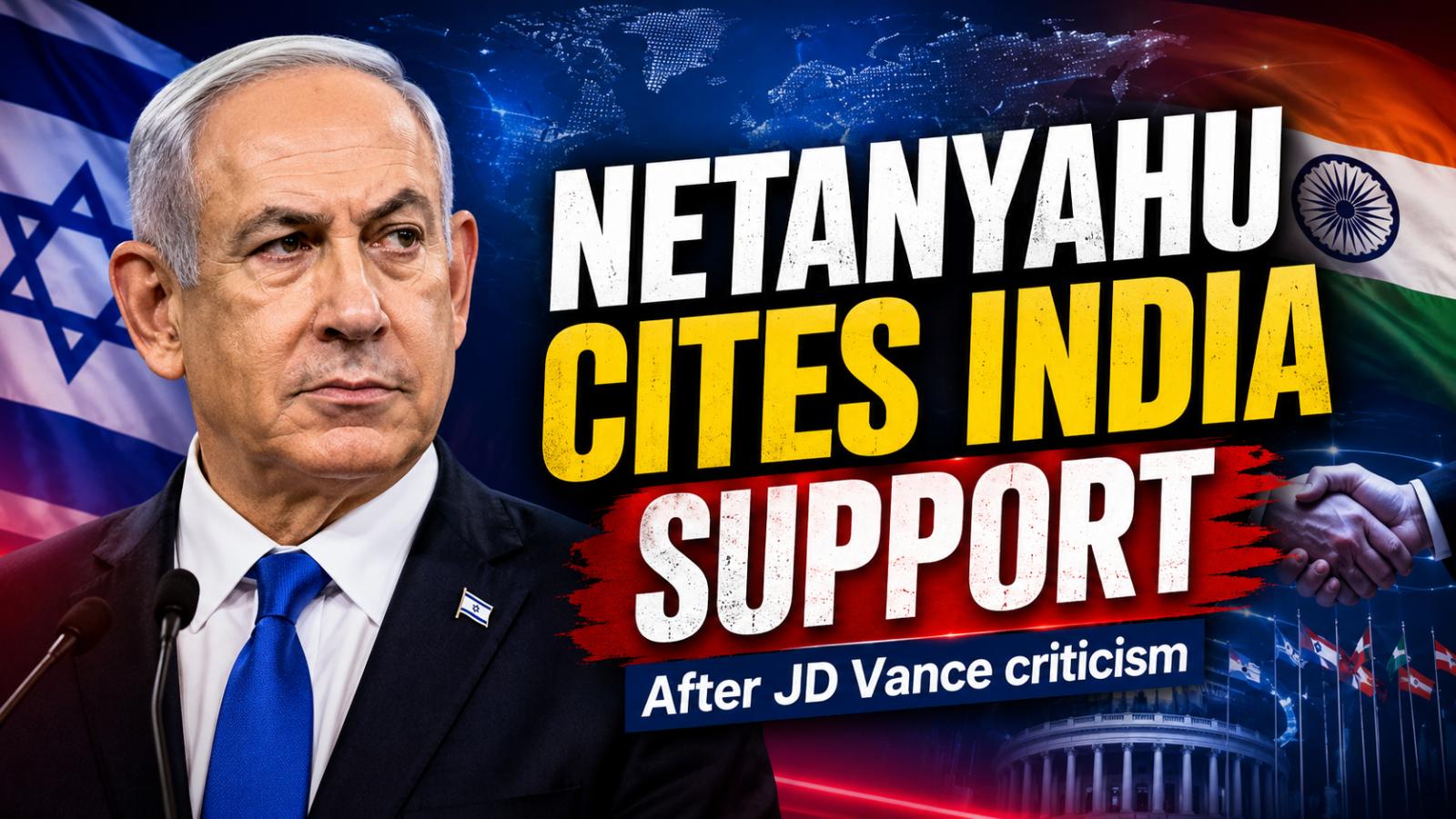
Israeli Prime Minister Benjamin Netanyahu pushed back against criticism over declining support for Israel, saying the country’s international backing is not limited to one leader or one nation. Speaking during a televised interview, Netanyahu said Israel has no greater ally than the United States, while also pointing
Netanyahu responds to concerns over Israel support
Israeli Prime Minister Benjamin Netanyahu pushed back against criticism over declining support for Israel, saying the country’s international backing is not limited to one leader or one nation. Speaking during a televised interview, Netanyahu said Israel has no greater ally than the United States, while also pointing
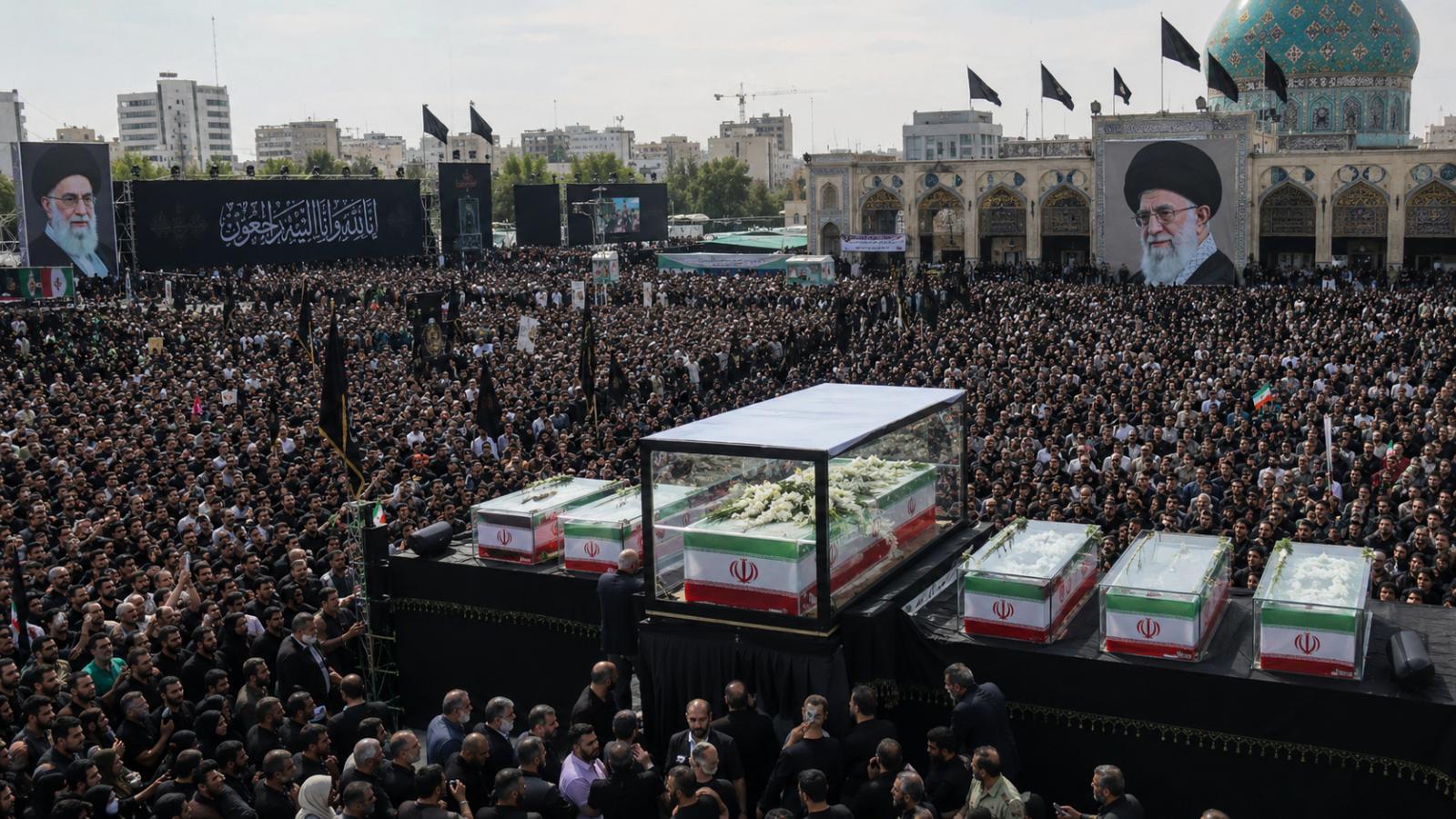
Huge crowds gathered in Tehran, Iran, at dawn local time on Saturday, July 4, 2026, as funeral ceremonies began for Ayatollah Ali Khamenei, the former Iranian supreme leader killed in late February during the U.S.-Israeli war.
The Khamenei funeral opened six days of public ceremonies expected to move through major Shiite religious centers in Iran and Iraq, including Qom, Karbala, Najaf and Mashhad.
Caskets displayed at Grand Mosalla mosque
Mour
Huge crowds gathered in Tehran, Iran, at dawn local time on Saturday, July 4, 2026, as funeral ceremonies began for Ayatollah Ali Khamenei, the former Iranian supreme leader killed in late February during the U.S.-Israeli war.
The Khamenei funeral opened six days of public ceremonies expected to move through major Shiite religious centers in Iran and Iraq, including Qom, Karbala, Najaf and Mashhad.
Caskets displayed at Grand Mosalla mosque
Mour
Iran Highlights Nuclear Deterrence as Strategic Priority
A commentary published by Iran’s semi-official Fars news agency has presented a position suggesting the country may need to pursue nuclear deterrence to protect itself from potential military threats. The unsigned article asserts that nuclear capabilities would ensure Iran can negotiate from a position of strength, reducing the likelihood of armed conflict and increasing leverage in future disputes.
Iran Highlights Nuclear Deterrence as Strategic Priority
A commentary published by Iran’s semi-official Fars news agency has presented a position suggesting the country may need to pursue nuclear deterrence to protect itself from potential military threats. The unsigned article asserts that nuclear capabilities would ensure Iran can negotiate from a position of strength, reducing the likelihood of armed conflict and increasing leverage in future disputes.
The renewed exchange of fire between Israeli forces and Hezbollah-linked positions in southern Lebanon has again drawn attention to an already fragile regional security environment. While both sides continue to frame their actions as targeted and defensive, the situation is increasingly being viewed through a wider geopolitical lens, especially by energy markets and trade-dependent economies.
Even limited escalation in this corridor tends to trigger immediate risk recalibration in global markets, not because of direct supply disruption, but due to fear of spillover into wider West Asian conflict zones.
Oil markets react to uncertainty, not only disruption
Crude oil prices have remained sensitive to developments in the region, with traders closely tracking any sign of expansion beyond localized strikes. Brent crude has shown intermittent swings, reflecting how quickly sentiment shifts when geopolitical risks rise.
For import-heavy economies like India, the concern is not only about supply cuts but also price volatility. Even short-lived spikes increase import bills, widen trade deficits, and add pressure on domestic inflation through fuel and transport costs.
India remains heavily dependent on imported crude, leaving it exposed to external shocks that originate far from its own borders but quickly reach its economy through global pricing mechanisms.
Maritime chokepoints add another layer of risk
Beyond oil production zones, shipping routes remain a critical pressure point. The Strait of Hormuz continues to be one of the most strategically sensitive maritime corridors in the world, handling a large share of global crude movement.
Any perception of instability in nearby conflict zones tends to increase insurance premiums for tankers and freight operators. This raises shipping costs even when physical disruption does not occur.
For trade-dependent economies, the indirect cost of conflict often arrives faster than any actual supply shortage.
India’s broader exposure goes beyond energy
India’s stake in West Asian stability is not limited to crude imports. A large Indian workforce in Gulf countries supports billions in annual remittances, which play a steady role in foreign exchange stability.
At the same time, India maintains layered relationships across the region—energy partnerships with Gulf producers, strategic cooperation with Israel, and connectivity interests linked to Iran and regional ports.
This creates a complex policy environment where instability in one corridor can influence multiple economic and diplomatic channels simultaneously.
Long-term infrastructure plans face sensitivity risks
Large-scale trade and infrastructure initiatives involving West Asia, including proposed trans-regional connectivity corridors, depend heavily on stable political conditions. Projects linked to ports, energy routes, and logistics networks become vulnerable when security risks rise.
Even without direct damage, prolonged uncertainty tends to slow investment decisions, delay contracts, and increase financing costs for regional development projects.
Conclusion
The current Israel–Hezbollah exchange remains geographically contained, but its economic impact is far wider. Oil markets, shipping costs, remittance flows, and long-term trade planning all react quickly to signals of escalation.
For India and other import-dependent economies, the primary challenge is not direct involvement in the conflict but exposure to its ripple effects through energy pricing, logistics costs, and regional stability risks.
The renewed exchange of fire between Israeli forces and Hezbollah-linked positions in southern Lebanon has again drawn attention to an already fragile regional security environment. While both sides continue to frame their actions as targeted and defensive, the situation is increasingly being viewed through a wider geopolitical lens, especially by energy markets and trade-dependent economies.
Even limited escalation in this corridor tends to trigger immediate risk recalibration in global markets, not because of direct supply disruption, but due to fear of spillover into wider West Asian conflict zones.
Oil markets react to uncertainty, not only disruption
Crude oil prices have remained sensitive to developments in the region, with traders closely tracking any sign of expansion beyond localized strikes. Brent crude has shown intermittent swings, reflecting how quickly sentiment shifts when geopolitical risks rise.
For import-heavy economies like India, the concern is not only about supply cuts but also price volatility. Even short-lived spikes increase import bills, widen trade deficits, and add pressure on domestic inflation through fuel and transport costs.
India remains heavily dependent on imported crude, leaving it exposed to external shocks that originate far from its own borders but quickly reach its economy through global pricing mechanisms.
Maritime chokepoints add another layer of risk
Beyond oil production zones, shipping routes remain a critical pressure point. The Strait of Hormuz continues to be one of the most strategically sensitive maritime corridors in the world, handling a large share of global crude movement.
Any perception of instability in nearby conflict zones tends to increase insurance premiums for tankers and freight operators. This raises shipping costs even when physical disruption does not occur.
For trade-dependent economies, the indirect cost of conflict often arrives faster than any actual supply shortage.
India’s broader exposure goes beyond energy
India’s stake in West Asian stability is not limited to crude imports. A large Indian workforce in Gulf countries supports billions in annual remittances, which play a steady role in foreign exchange stability.
At the same time, India maintains layered relationships across the region—energy partnerships with Gulf producers, strategic cooperation with Israel, and connectivity interests linked to Iran and regional ports.
This creates a complex policy environment where instability in one corridor can influence multiple economic and diplomatic channels simultaneously.
Long-term infrastructure plans face sensitivity risks
Large-scale trade and infrastructure initiatives involving West Asia, including proposed trans-regional connectivity corridors, depend heavily on stable political conditions. Projects linked to ports, energy routes, and logistics networks become vulnerable when security risks rise.
Even without direct damage, prolonged uncertainty tends to slow investment decisions, delay contracts, and increase financing costs for regional development projects.
Conclusion
The current Israel–Hezbollah exchange remains geographically contained, but its economic impact is far wider. Oil markets, shipping costs, remittance flows, and long-term trade planning all react quickly to signals of escalation.
For India and other import-dependent economies, the primary challenge is not direct involvement in the conflict but exposure to its ripple effects through energy pricing, logistics costs, and regional stability risks.
Fresh diplomatic discussions around a proposed Gaza peace framework have exposed deep divisions over how the territory should transition after conflict. The draft outlines a multi-step roadmap covering security arrangements, reconstruction and political governance, but key stakeholders remain split on the order in which these steps should take place.
At the center of the disagreement is whether armed groups should be required to disarm before any political transition begins, or whether political recognition and state-building guarantees must come first to ensure balance in negotiations.
Disarmament conditions trigger political tension
One version of the proposal places disarmament as a prerequisite for rebuilding efforts and formal governance structures. Supporters of this approach argue that long-term stability cannot be achieved without removing weapons from non-state actors first.
Opponents reject this sequencing, warning that it could leave Palestinian authorities without leverage in future talks. They argue that political rights and institutional recognition must be secured alongside any security commitments, not after them. This divide has become one of the most sensitive issues in the ongoing talks.
Aid and reconstruction tied to compliance terms
Another contested element involves humanitarian aid and reconstruction funding. Some draft interpretations suggest that international assistance could be linked to compliance with security benchmarks under the proposed roadmap.
Critics say this risks turning basic recovery needs into conditional political tools, potentially slowing down urgently needed rebuilding efforts. Supporters argue that conditionality is necessary to prevent renewed escalation and ensure accountability during the transition phase.
Governance model and external oversight concerns
The proposed framework also includes the idea of an international oversight structure to stabilize post-conflict Gaza. While intended to support security coordination and administrative rebuilding, the concept has raised concerns about long-term external control.
Questions remain unanswered over who would lead local governance, how authority would be transferred over time, and what limits would be placed on external involvement. These unresolved issues continue to slow consensus-building.
Trust gap widens between negotiating sides
Beyond policy disagreements, a broader trust deficit is shaping the talks. Each side interprets the roadmap differently, particularly on what constitutes compliance and political progress.
This lack of shared definition has made it difficult to establish a clear sequence for implementation. Analysts note that without agreed enforcement mechanisms, even minor disputes could delay or derail the entire process.
Fragile outlook for ceasefire implementation
While discussions continue, the overall outlook remains uncertain. The success of any ceasefire arrangement depends on whether both sides can align on sequencing, accountability, and political guarantees.
Without that alignment, observers warn that the proposed roadmap risks remaining a draft framework rather than becoming an actionable peace agreement.
Fresh diplomatic discussions around a proposed Gaza peace framework have exposed deep divisions over how the territory should transition after conflict. The draft outlines a multi-step roadmap covering security arrangements, reconstruction and political governance, but key stakeholders remain split on the order in which these steps should take place.
At the center of the disagreement is whether armed groups should be required to disarm before any political transition begins, or whether political recognition and state-building guarantees must come first to ensure balance in negotiations.
Disarmament conditions trigger political tension
One version of the proposal places disarmament as a prerequisite for rebuilding efforts and formal governance structures. Supporters of this approach argue that long-term stability cannot be achieved without removing weapons from non-state actors first.
Opponents reject this sequencing, warning that it could leave Palestinian authorities without leverage in future talks. They argue that political rights and institutional recognition must be secured alongside any security commitments, not after them. This divide has become one of the most sensitive issues in the ongoing talks.
Aid and reconstruction tied to compliance terms
Another contested element involves humanitarian aid and reconstruction funding. Some draft interpretations suggest that international assistance could be linked to compliance with security benchmarks under the proposed roadmap.
Critics say this risks turning basic recovery needs into conditional political tools, potentially slowing down urgently needed rebuilding efforts. Supporters argue that conditionality is necessary to prevent renewed escalation and ensure accountability during the transition phase.
Governance model and external oversight concerns
The proposed framework also includes the idea of an international oversight structure to stabilize post-conflict Gaza. While intended to support security coordination and administrative rebuilding, the concept has raised concerns about long-term external control.
Questions remain unanswered over who would lead local governance, how authority would be transferred over time, and what limits would be placed on external involvement. These unresolved issues continue to slow consensus-building.
Trust gap widens between negotiating sides
Beyond policy disagreements, a broader trust deficit is shaping the talks. Each side interprets the roadmap differently, particularly on what constitutes compliance and political progress.
This lack of shared definition has made it difficult to establish a clear sequence for implementation. Analysts note that without agreed enforcement mechanisms, even minor disputes could delay or derail the entire process.
Fragile outlook for ceasefire implementation
While discussions continue, the overall outlook remains uncertain. The success of any ceasefire arrangement depends on whether both sides can align on sequencing, accountability, and political guarantees.
Without that alignment, observers warn that the proposed roadmap risks remaining a draft framework rather than becoming an actionable peace agreement.