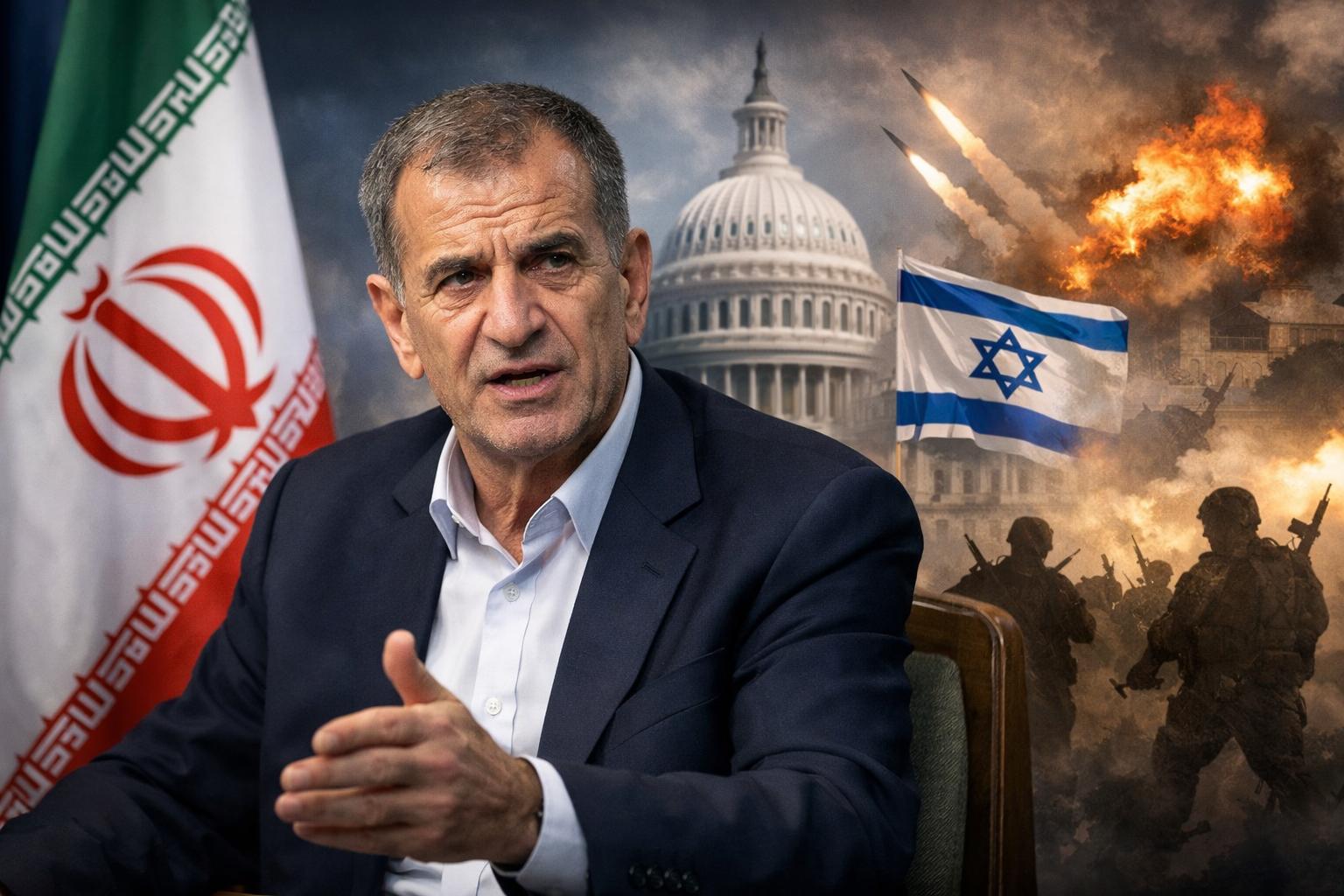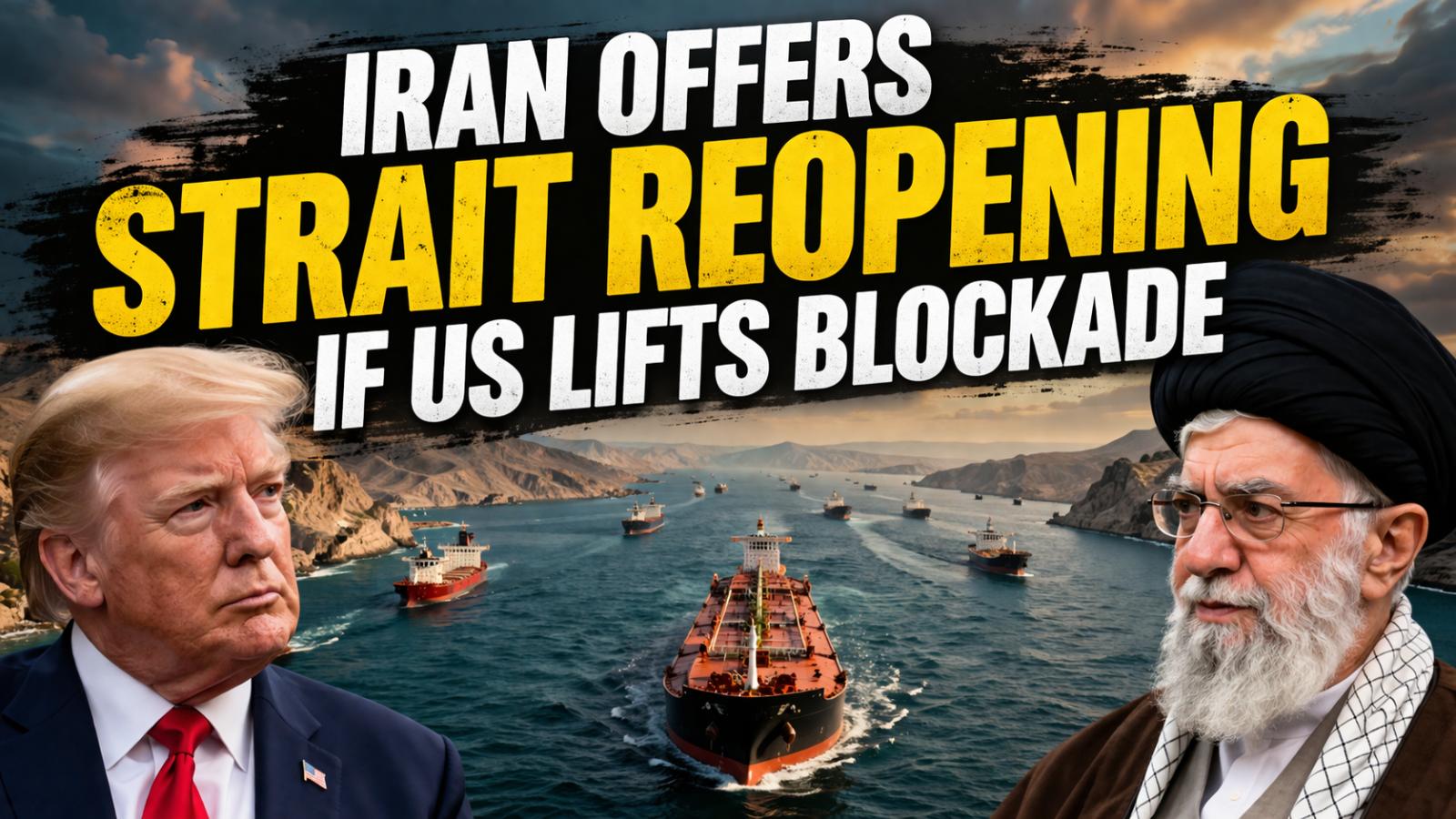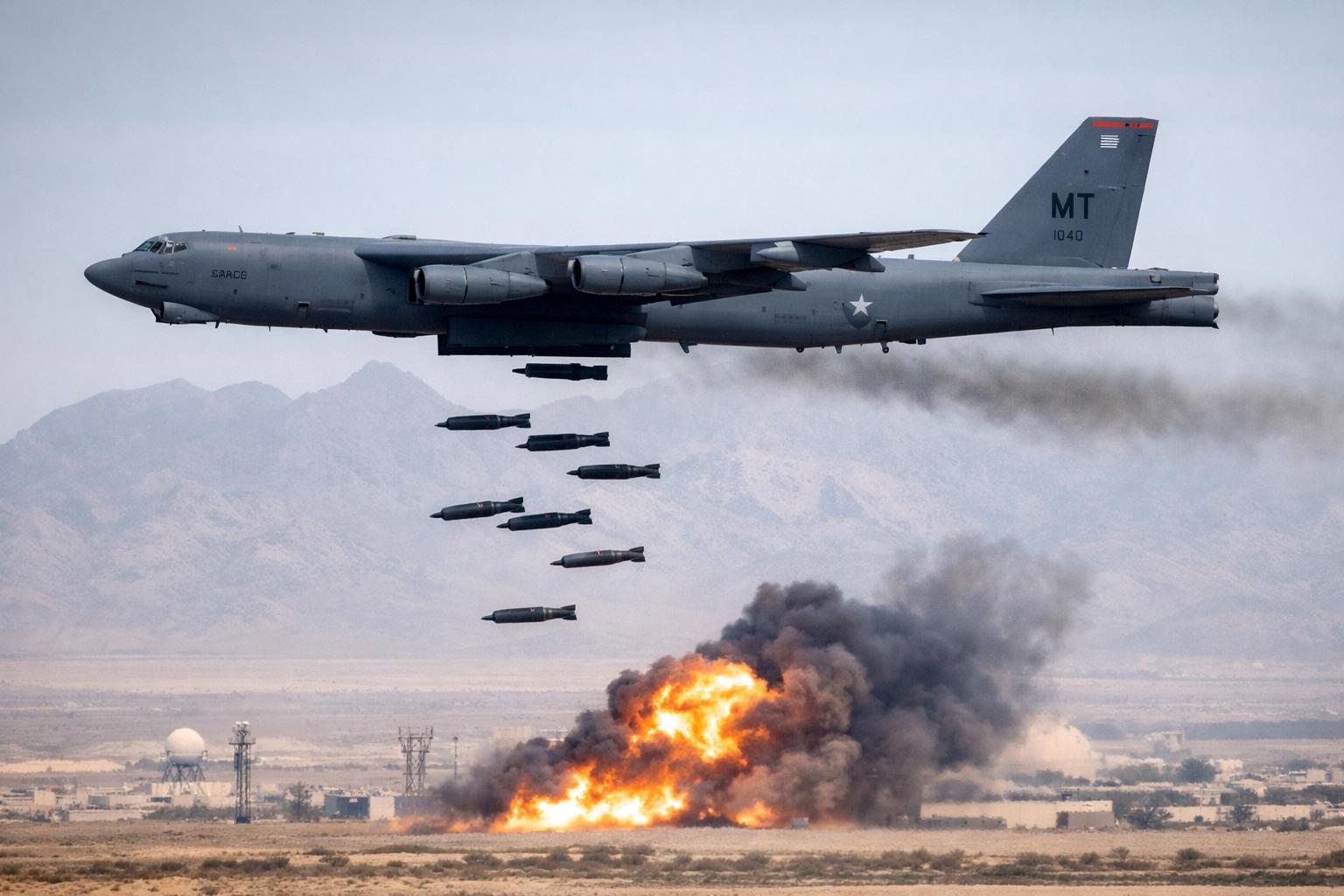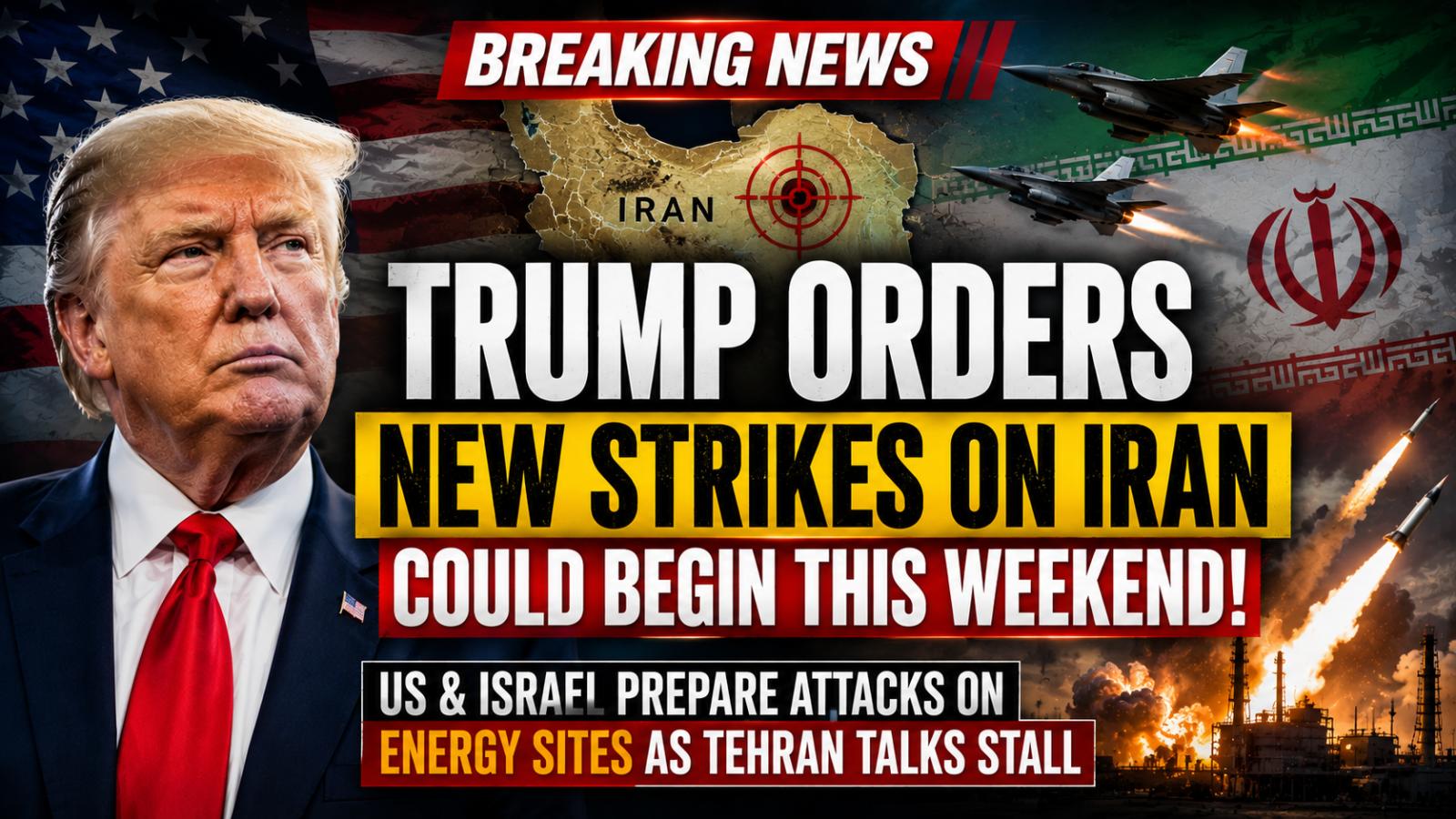
President Donald Trump has reportedly authorised a new US military strike against Iran that could begin over the weekend, as Washington increases pressure on Tehran to return to negotiations. Separate reporting suggests the United States and Israel are also considering attacks on Iranian energy infrastructure, but officials have not publicly confirmed a final target list or operational timetable.
Trump Iran Strikes Could Begin This Weekend
Trump approved a fresh military attack that could last several days, according to a July 31 report citing US officials familiar with the planning. The reported Trump Iran strikes follow renewed hostilities and growing frustration inside the administration over the failure of recent negotiations.
Speaking during a televised Cabinet meeting at Camp David, Trump warned that the United States would hit Iran “very hard” if its leadership refused to change course. He argued that sustained military pressure would eventually force Tehran to reconsider its position and return to talks.
Trump also accused Iran of repeatedly violating commitments made during diplomatic discussions. His comments suggested that the administration still views negotiations as possible, but only under much stronger military and economic pressure.
The reported authorisation represents a firmer step than simply reviewing military options. However, operational plans can still change before aircraft launch or missiles are fired. Weather, intelligence, diplomacy, force protection and presidential instructions can all affect the final decision.
US-Israel Strikes May Target Iran Energy Sites
A separate July 31 report said the United States and Israel were preparing a possible bombing campaign against Iranian energy infrastructure. Potential targets reportedly include power plants and oil refineries, with attacks possible throughout the weekend.
Sources cited in that report said Trump had not yet issued final approval for those specific energy strikes. This does not necessarily contradict reports that he authorised broader military action. It may indicate that several attack plans remain under consideration, with different targets, durations and levels of escalation.
Officials reportedly discussed concluding any energy campaign before financial markets reopen on Monday because attacks on refineries and power facilities could disrupt oil supplies, shipping and investor confidence. No fixed end point had been agreed, however.
Targeting energy infrastructure would mark a serious escalation. Such attacks could weaken Iran’s economy and military logistics, but they could also disrupt civilian electricity supplies, push oil prices higher and provoke retaliation against American bases, Israeli territory or commercial shipping.
Camp David Warning Pressures Tehran Talks
Trump used the Camp David meeting to present military force as leverage in Iran negotiations. He said Iran would eventually reach a point where it could no longer withstand American pressure, while maintaining that Tehran had failed to honour earlier commitments.
The administration’s approach appears to combine open threats, active military planning and a continuing offer of negotiations. That strategy may compel Iranian leaders to return to talks, but it also creates a narrow window for diplomacy before another round of attacks begins.
The White House publicly signalled that Trump was weighing new action, while reports based on unnamed officials described a more advanced authorisation process. Because those accounts differ in certainty, news coverage should avoid stating that attacks have already started unless the Pentagon or White House confirms military action.
Pentagon Says Forces Are Ready to Act
Pentagon chief spokesperson Sean Parnell declined to discuss possible targets or military plans before a presidential decision. He said the department remained ready to carry out Trump’s directives at short notice.
That response confirms military readiness but does not confirm the reported energy targets, strike timing or the scale of any campaign. The Pentagon normally avoids discussing planned operations because advance details could endanger US forces and reduce the effectiveness of an attack.
The next major development will be whether Trump proceeds with a limited strike, approves a wider US-Israel campaign or pauses military action in exchange for progress from Tehran. Until then, the planned weekend airstrikes remain credible but partly dependent on anonymously sourced reports.