A major Hezbollah tunnel blast in southern Lebanon sent shockwaves across Nabatieh after Israeli forces detonated explosives beneath the Ali al-Taher ridge. The operation destroyed underground infrastructure that Israel said had been used by Hezbollah for command, weapons storage and attacks near the border.
Ali Taher blast shakes southern Lebanon
The Ali Taher blast took place on September 10
A major Hezbollah tunnel blast in southern Lebanon sent shockwaves across Nabatieh after Israeli forces detonated explosives beneath the Ali al-Taher ridge. The operation destroyed underground infrastructure that Israel said had been used by Hezbollah for command, weapons storage and attacks near the border.
Ali Taher blast shakes southern Lebanon
The Ali Taher blast took place on September 10
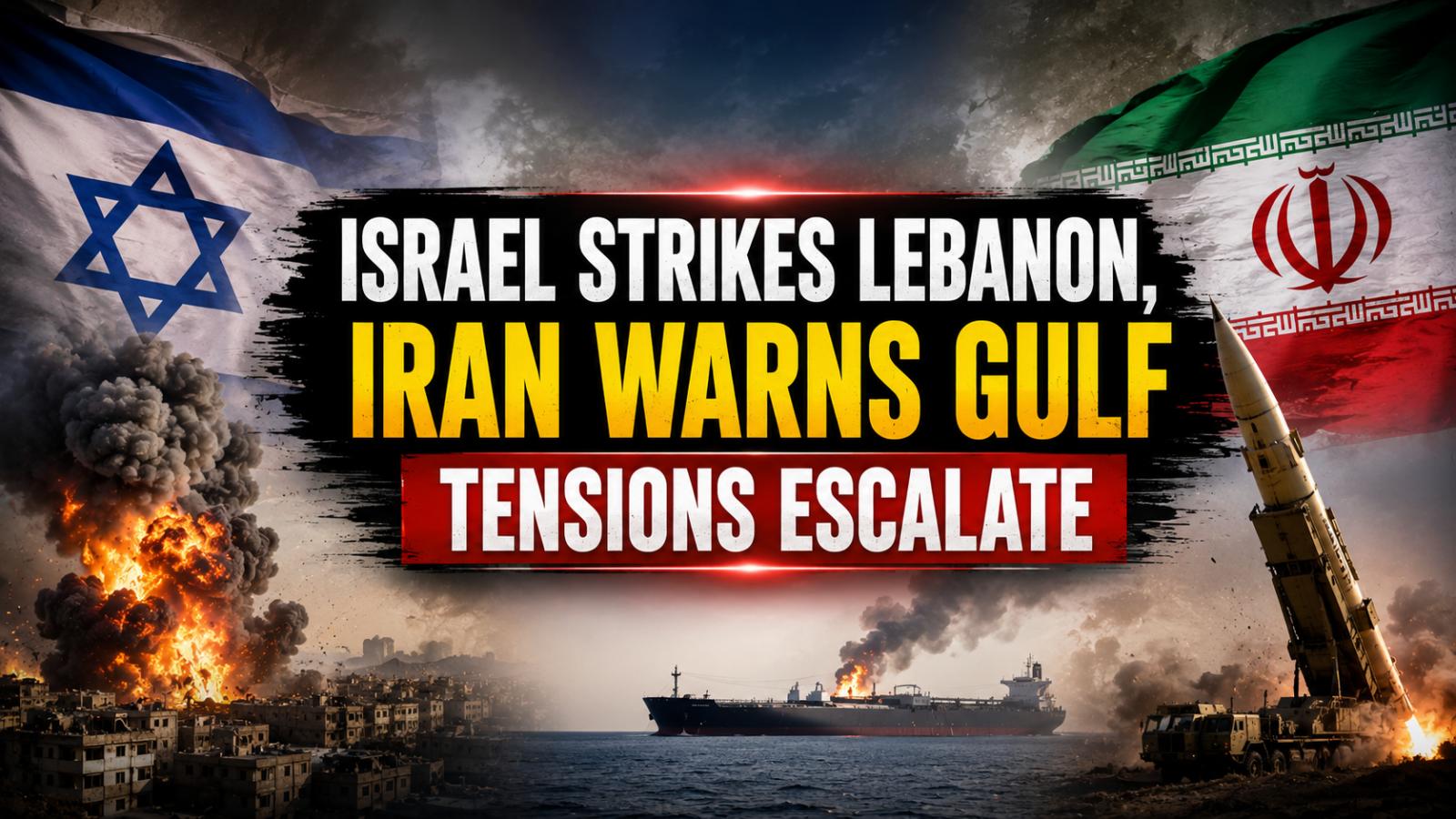
Israel Lebanon strikes have renewed fears of a wider regional conflict just as Iran and Oman move closer to an agreement on shipping through the Strait of Hormuz. The violence in southern Lebanon, threats against Gulf infrastructure and stalled Iran-US diplomacy show how fragile the search for peace remains.
Israel Lebanon strikes hit southern villages
Israel carried out strikes in southern Leb
Israel Lebanon strikes have renewed fears of a wider regional conflict just as Iran and Oman move closer to an agreement on shipping through the Strait of Hormuz. The violence in southern Lebanon, threats against Gulf infrastructure and stalled Iran-US diplomacy show how fragile the search for peace remains.
Israel Lebanon strikes hit southern villages
Israel carried out strikes in southern Leb
Iranian Supreme Leader Mojtaba Khamenei has linked any future agreement with the United States to an end to Israeli military operations in Lebanon. His position places Lebanon, Hezbollah support and Israeli withdrawal at the centre of Tehran’s conditions as regional diplomatic efforts continue.
Iran-US peace conditions
In a statement posted on X, Khamenei said Iran would require the protectio
Iranian Supreme Leader Mojtaba Khamenei has linked any future agreement with the United States to an end to Israeli military operations in Lebanon. His position places Lebanon, Hezbollah support and Israeli withdrawal at the centre of Tehran’s conditions as regional diplomatic efforts continue.
Iran-US peace conditions
In a statement posted on X, Khamenei said Iran would require the protectio
Trump restores direct US flights to Lebanon after more than four decades, marking a major policy shift during Lebanese President Joseph Aoun's White House visit. The announcement comes amid discussions on regional security, Israeli troop withdrawal, Hezbollah, and stronger US support for Lebanon's stability.
Trump Restores Direct US Flights to Lebanon After 40 Years
Trump restores direct US flights to Lebanon after more than four decades, marking a major policy shift during Lebanese President Joseph Aoun's White House visit. The announcement comes amid discussions on regional security, Israeli troop withdrawal, Hezbollah, and stronger US support for Lebanon's stability.
Trump Restores Direct US Flights to Lebanon After 40 Years
Netanyahu responds to concerns over Israel support
Israeli Prime Minister Benjamin Netanyahu pushed back against criticism over declining support for Israel, saying the country’s international backing is not limited to one leader or one nation. Speaking during a televised interview, Netanyahu said Israel has no greater ally than the United States, while also pointing
Netanyahu responds to concerns over Israel support
Israeli Prime Minister Benjamin Netanyahu pushed back against criticism over declining support for Israel, saying the country’s international backing is not limited to one leader or one nation. Speaking during a televised interview, Netanyahu said Israel has no greater ally than the United States, while also pointing
A recent round of discussions between the United States and Gulf Cooperation Council members centered on the future of Gaza, with a strong emphasis on preventing forced displacement and prioritizing civilian safety. The participating sides underscored that any population movement must remain voluntary and reversible, rejecting any framework that would permanently alter the demographic structure of the territory.
The talks also reflected growin
A recent round of discussions between the United States and Gulf Cooperation Council members centered on the future of Gaza, with a strong emphasis on preventing forced displacement and prioritizing civilian safety. The participating sides underscored that any population movement must remain voluntary and reversible, rejecting any framework that would permanently alter the demographic structure of the territory.
The talks also reflected growin
The renewed exchange of fire between Israeli forces and Hezbollah-linked positions in southern Lebanon has again drawn attention to an already fragile regional security environment. While both sides continue to frame their actions as targeted and defensive, the situation is increasingly being viewed through a wider geopolitical lens, especially by energy markets and trade-dependent economies.
Even limited escalation in this corridor tends to trigger immediate risk recalibration in global markets, not because of direct supply disruption, but due to fear of spillover into wider West Asian conflict zones.
Oil markets react to uncertainty, not only disruption
Crude oil prices have remained sensitive to developments in the region, with traders closely tracking any sign of expansion beyond localized strikes. Brent crude has shown intermittent swings, reflecting how quickly sentiment shifts when geopolitical risks rise.
For import-heavy economies like India, the concern is not only about supply cuts but also price volatility. Even short-lived spikes increase import bills, widen trade deficits, and add pressure on domestic inflation through fuel and transport costs.
India remains heavily dependent on imported crude, leaving it exposed to external shocks that originate far from its own borders but quickly reach its economy through global pricing mechanisms.
Maritime chokepoints add another layer of risk
Beyond oil production zones, shipping routes remain a critical pressure point. The Strait of Hormuz continues to be one of the most strategically sensitive maritime corridors in the world, handling a large share of global crude movement.
Any perception of instability in nearby conflict zones tends to increase insurance premiums for tankers and freight operators. This raises shipping costs even when physical disruption does not occur.
For trade-dependent economies, the indirect cost of conflict often arrives faster than any actual supply shortage.
India’s broader exposure goes beyond energy
India’s stake in West Asian stability is not limited to crude imports. A large Indian workforce in Gulf countries supports billions in annual remittances, which play a steady role in foreign exchange stability.
At the same time, India maintains layered relationships across the region—energy partnerships with Gulf producers, strategic cooperation with Israel, and connectivity interests linked to Iran and regional ports.
This creates a complex policy environment where instability in one corridor can influence multiple economic and diplomatic channels simultaneously.
Long-term infrastructure plans face sensitivity risks
Large-scale trade and infrastructure initiatives involving West Asia, including proposed trans-regional connectivity corridors, depend heavily on stable political conditions. Projects linked to ports, energy routes, and logistics networks become vulnerable when security risks rise.
Even without direct damage, prolonged uncertainty tends to slow investment decisions, delay contracts, and increase financing costs for regional development projects.
Conclusion
The current Israel–Hezbollah exchange remains geographically contained, but its economic impact is far wider. Oil markets, shipping costs, remittance flows, and long-term trade planning all react quickly to signals of escalation.
For India and other import-dependent economies, the primary challenge is not direct involvement in the conflict but exposure to its ripple effects through energy pricing, logistics costs, and regional stability risks.
The renewed exchange of fire between Israeli forces and Hezbollah-linked positions in southern Lebanon has again drawn attention to an already fragile regional security environment. While both sides continue to frame their actions as targeted and defensive, the situation is increasingly being viewed through a wider geopolitical lens, especially by energy markets and trade-dependent economies.
Even limited escalation in this corridor tends to trigger immediate risk recalibration in global markets, not because of direct supply disruption, but due to fear of spillover into wider West Asian conflict zones.
Oil markets react to uncertainty, not only disruption
Crude oil prices have remained sensitive to developments in the region, with traders closely tracking any sign of expansion beyond localized strikes. Brent crude has shown intermittent swings, reflecting how quickly sentiment shifts when geopolitical risks rise.
For import-heavy economies like India, the concern is not only about supply cuts but also price volatility. Even short-lived spikes increase import bills, widen trade deficits, and add pressure on domestic inflation through fuel and transport costs.
India remains heavily dependent on imported crude, leaving it exposed to external shocks that originate far from its own borders but quickly reach its economy through global pricing mechanisms.
Maritime chokepoints add another layer of risk
Beyond oil production zones, shipping routes remain a critical pressure point. The Strait of Hormuz continues to be one of the most strategically sensitive maritime corridors in the world, handling a large share of global crude movement.
Any perception of instability in nearby conflict zones tends to increase insurance premiums for tankers and freight operators. This raises shipping costs even when physical disruption does not occur.
For trade-dependent economies, the indirect cost of conflict often arrives faster than any actual supply shortage.
India’s broader exposure goes beyond energy
India’s stake in West Asian stability is not limited to crude imports. A large Indian workforce in Gulf countries supports billions in annual remittances, which play a steady role in foreign exchange stability.
At the same time, India maintains layered relationships across the region—energy partnerships with Gulf producers, strategic cooperation with Israel, and connectivity interests linked to Iran and regional ports.
This creates a complex policy environment where instability in one corridor can influence multiple economic and diplomatic channels simultaneously.
Long-term infrastructure plans face sensitivity risks
Large-scale trade and infrastructure initiatives involving West Asia, including proposed trans-regional connectivity corridors, depend heavily on stable political conditions. Projects linked to ports, energy routes, and logistics networks become vulnerable when security risks rise.
Even without direct damage, prolonged uncertainty tends to slow investment decisions, delay contracts, and increase financing costs for regional development projects.
Conclusion
The current Israel–Hezbollah exchange remains geographically contained, but its economic impact is far wider. Oil markets, shipping costs, remittance flows, and long-term trade planning all react quickly to signals of escalation.
For India and other import-dependent economies, the primary challenge is not direct involvement in the conflict but exposure to its ripple effects through energy pricing, logistics costs, and regional stability risks.
Negotiations between Iran and the United States are increasingly being shaped by events in Lebanon, where Hezbollah’s presence has turned a local conflict into a regional negotiation barrier. What was once a narrow security issue has evolved into a wider political and military deadlock involving multiple state and non-state actors.
Hezbollah’s dual structure complicates negotiations
Hezbolla
Negotiations between Iran and the United States are increasingly being shaped by events in Lebanon, where Hezbollah’s presence has turned a local conflict into a regional negotiation barrier. What was once a narrow security issue has evolved into a wider political and military deadlock involving multiple state and non-state actors.
Hezbollah’s dual structure complicates negotiations
Hezbolla
Iran claims new Hormuz role
Iran’s chief negotiator and Parliament Speaker Mohammad Bagher Ghalibaf said the Strait of Hormuz would be administered by Tehran following the first round of US Iran talks in Switzerland. In a video message quoted by Iranian state media on Tuesday, June 23, Ghalibaf said the strategic waterway would not return to its pre-war conditions and would be managed by the Islamic Republic of Iran in accordance with inter
Iran claims new Hormuz role
Iran’s chief negotiator and Parliament Speaker Mohammad Bagher Ghalibaf said the Strait of Hormuz would be administered by Tehran following the first round of US Iran talks in Switzerland. In a video message quoted by Iranian state media on Tuesday, June 23, Ghalibaf said the strategic waterway would not return to its pre-war conditions and would be managed by the Islamic Republic of Iran in accordance with inter
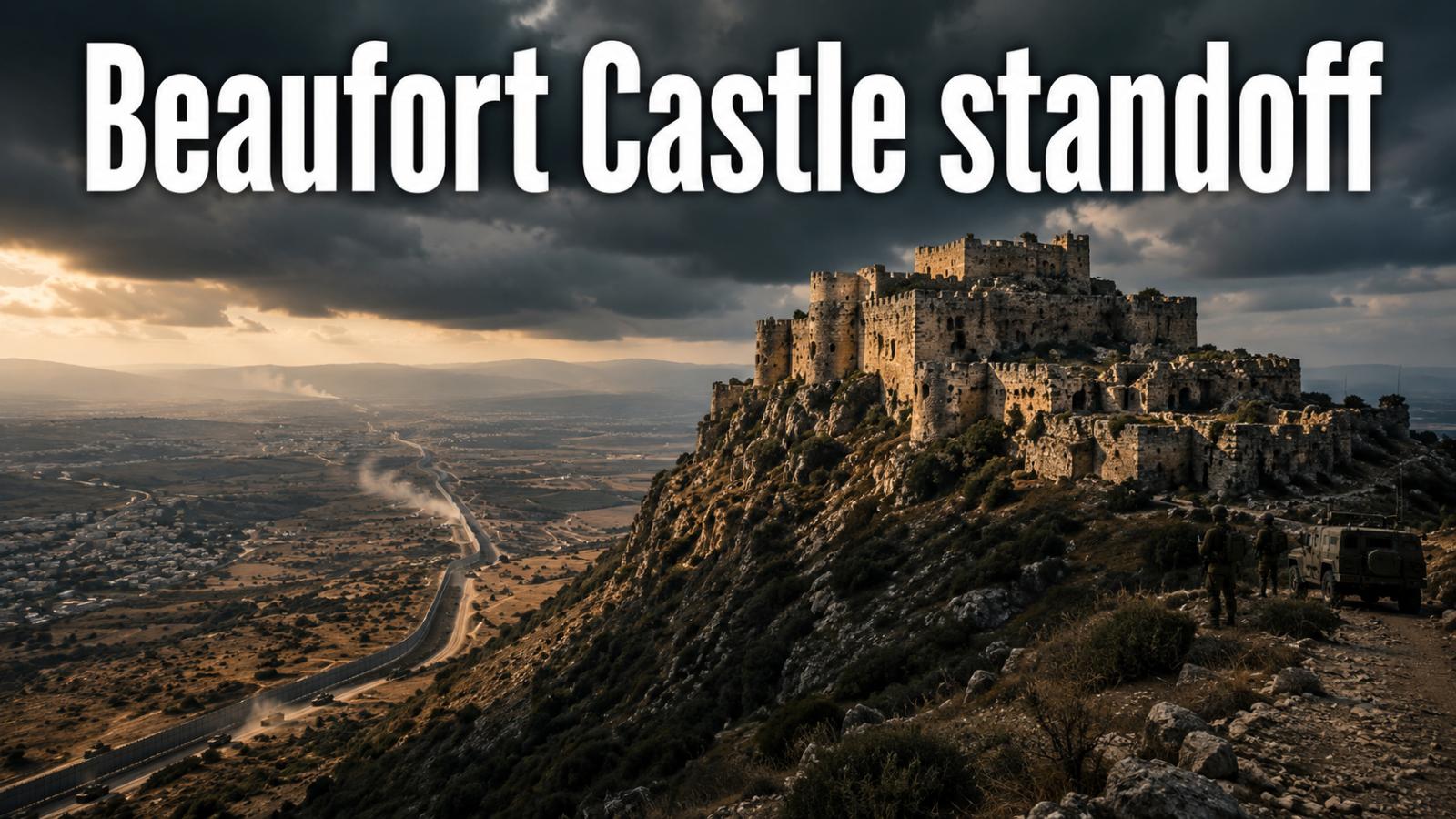
Israel has signalled that its forces will remain in parts of southern Lebanon, including the area around Beaufort Castle, as border security remains a major concern despite continuing ceasefire pressure. Israeli officials say the military-held zone is needed to protect communities in Galilee and prevent Hezbollah-linked groups from regaining positions close to northern Israel.
Defence Minister Israel Katz said Israel does not intend to wit
Israel has signalled that its forces will remain in parts of southern Lebanon, including the area around Beaufort Castle, as border security remains a major concern despite continuing ceasefire pressure. Israeli officials say the military-held zone is needed to protect communities in Galilee and prevent Hezbollah-linked groups from regaining positions close to northern Israel.
Defence Minister Israel Katz said Israel does not intend to wit
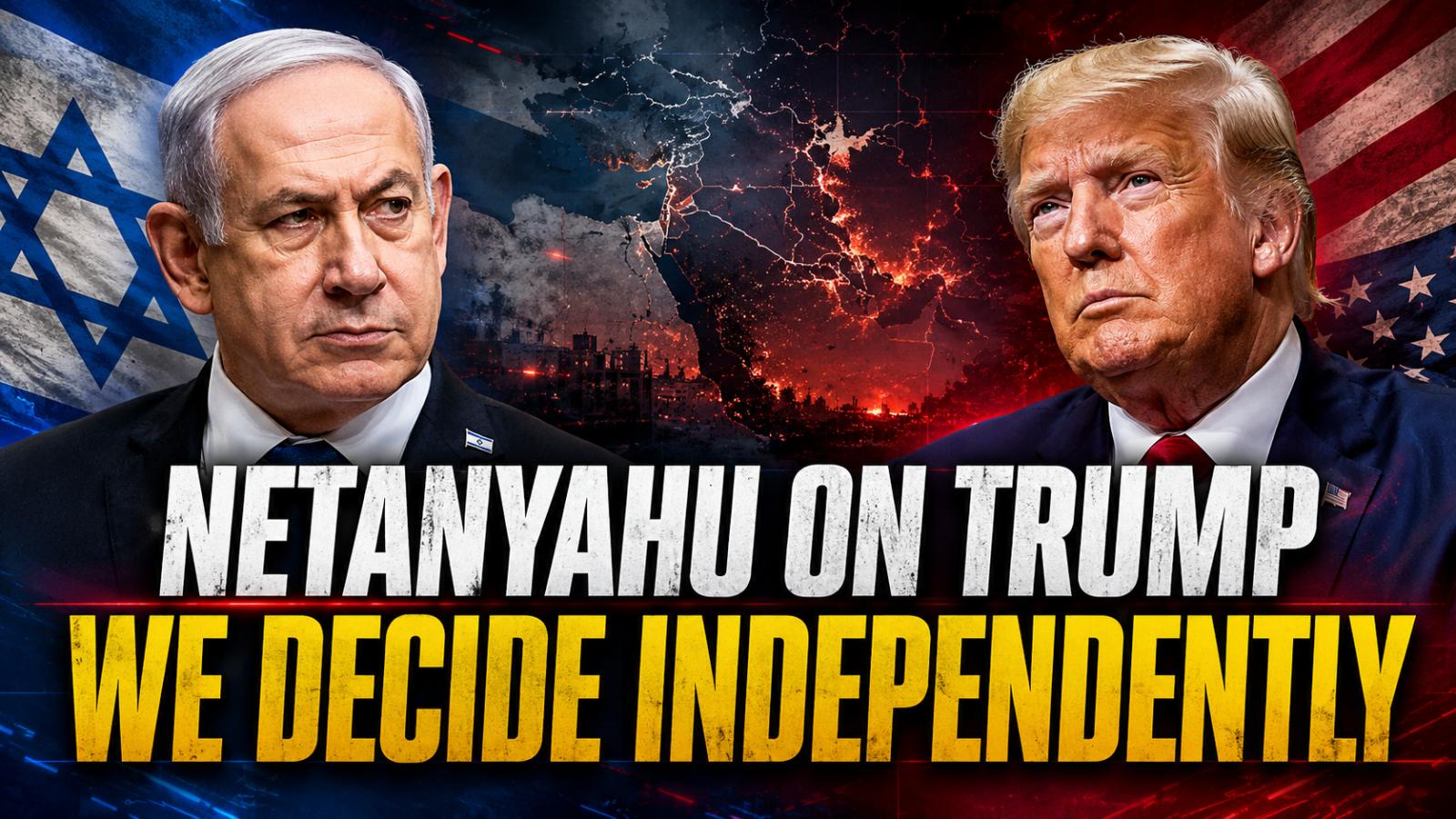
Netanyahu rejects influence claims
Israeli Prime Minister Benjamin Netanyahu has rejected claims that US President Donald Trump controls his decisions or that he directs Trump’s actions, saying both leaders act independently in the interests of their own countries. Speaking at the JNS Summit in Jerusalem on Sunday, June 21, Netanyahu addressed speculation over whether the two leaders influence each other’s positions on the Iran war and br
Netanyahu rejects influence claims
Israeli Prime Minister Benjamin Netanyahu has rejected claims that US President Donald Trump controls his decisions or that he directs Trump’s actions, saying both leaders act independently in the interests of their own countries. Speaking at the JNS Summit in Jerusalem on Sunday, June 21, Netanyahu addressed speculation over whether the two leaders influence each other’s positions on the Iran war and br
US Iran talks face early tension in Switzerland
US and Iranian negotiators continued discussions in Switzerland into the early hours of Monday, June 22, as both sides attempted to advance a fragile diplomatic process aimed at reducing months of conflict across the Middle East. The talks, held at the Swiss resort of Burgenstock, focused on regional security issues and efforts to prevent further escalation that has unsettled global energy marke
US Iran talks face early tension in Switzerland
US and Iranian negotiators continued discussions in Switzerland into the early hours of Monday, June 22, as both sides attempted to advance a fragile diplomatic process aimed at reducing months of conflict across the Middle East. The talks, held at the Swiss resort of Burgenstock, focused on regional security issues and efforts to prevent further escalation that has unsettled global energy marke
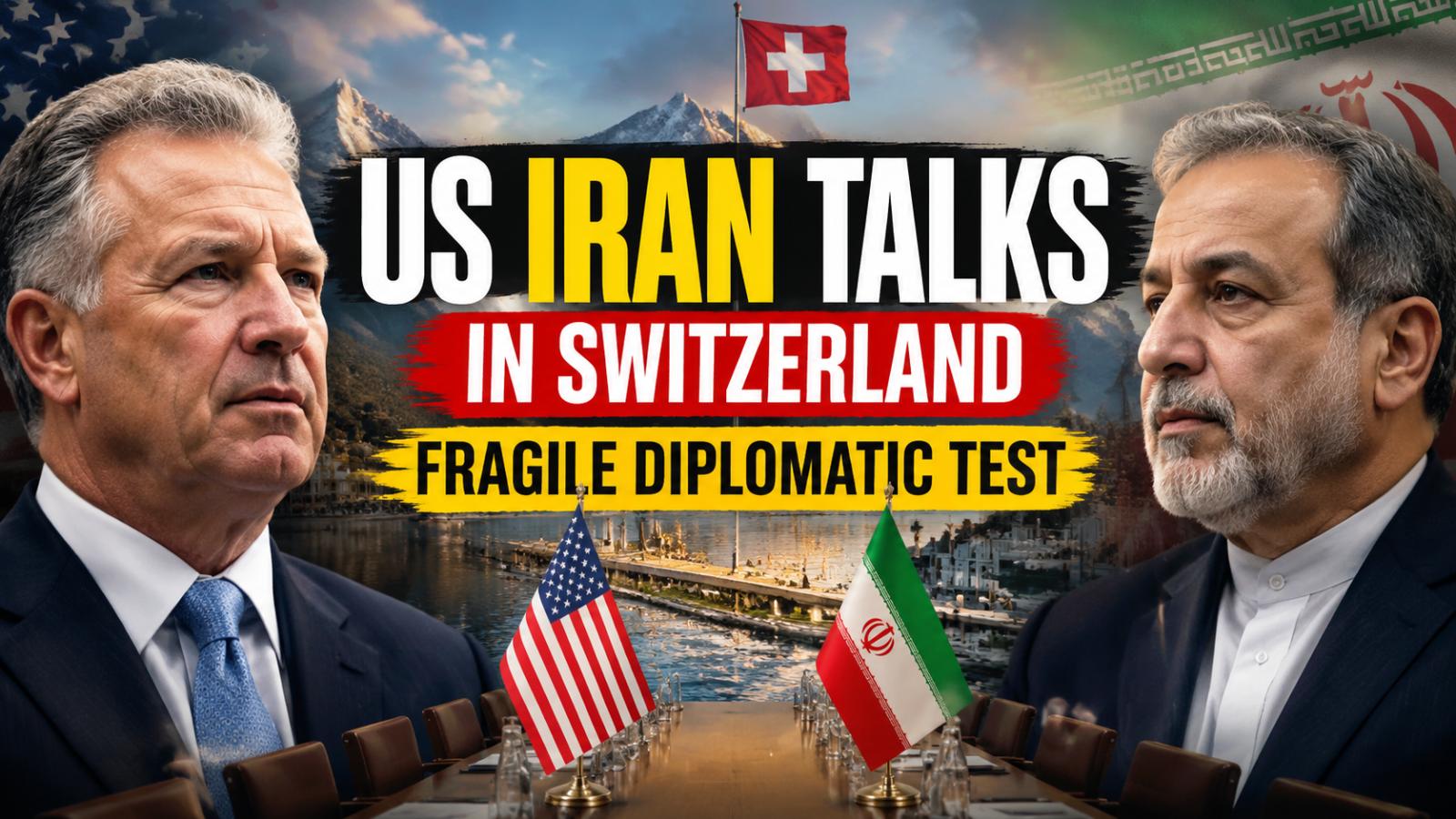
US Iran negotiations in Switzerland have entered a renewed phase, but the environment remains unstable as regional conflicts continue to shape the direction of talks. Diplomatic representatives from both sides are attempting to revive stalled communication lines, with mediation support from regional actors working behind the scenes to prevent another breakdown.
The discussions are being positioned as an attempt to rebuild trust after repeated interruptions, though expectations remai
US Iran negotiations in Switzerland have entered a renewed phase, but the environment remains unstable as regional conflicts continue to shape the direction of talks. Diplomatic representatives from both sides are attempting to revive stalled communication lines, with mediation support from regional actors working behind the scenes to prevent another breakdown.
The discussions are being positioned as an attempt to rebuild trust after repeated interruptions, though expectations remai
US-Iran talks were postponed on Friday, June 19, 2026, as President Donald Trump’s interim Iran memorandum faced questions over nuclear safeguards, financial incentives and renewed fighting in Lebanon.
US-Iran talks postponed in Switzerland
Switzerland’s Foreign Ministry said planned talks involving the United States, Iran, Qatar and Pakistan had been postponed. It did not announce a new date. The White House had earlier delayed Vice President JD Van
US-Iran talks were postponed on Friday, June 19, 2026, as President Donald Trump’s interim Iran memorandum faced questions over nuclear safeguards, financial incentives and renewed fighting in Lebanon.
US-Iran talks postponed in Switzerland
Switzerland’s Foreign Ministry said planned talks involving the United States, Iran, Qatar and Pakistan had been postponed. It did not announce a new date. The White House had earlier delayed Vice President JD Van
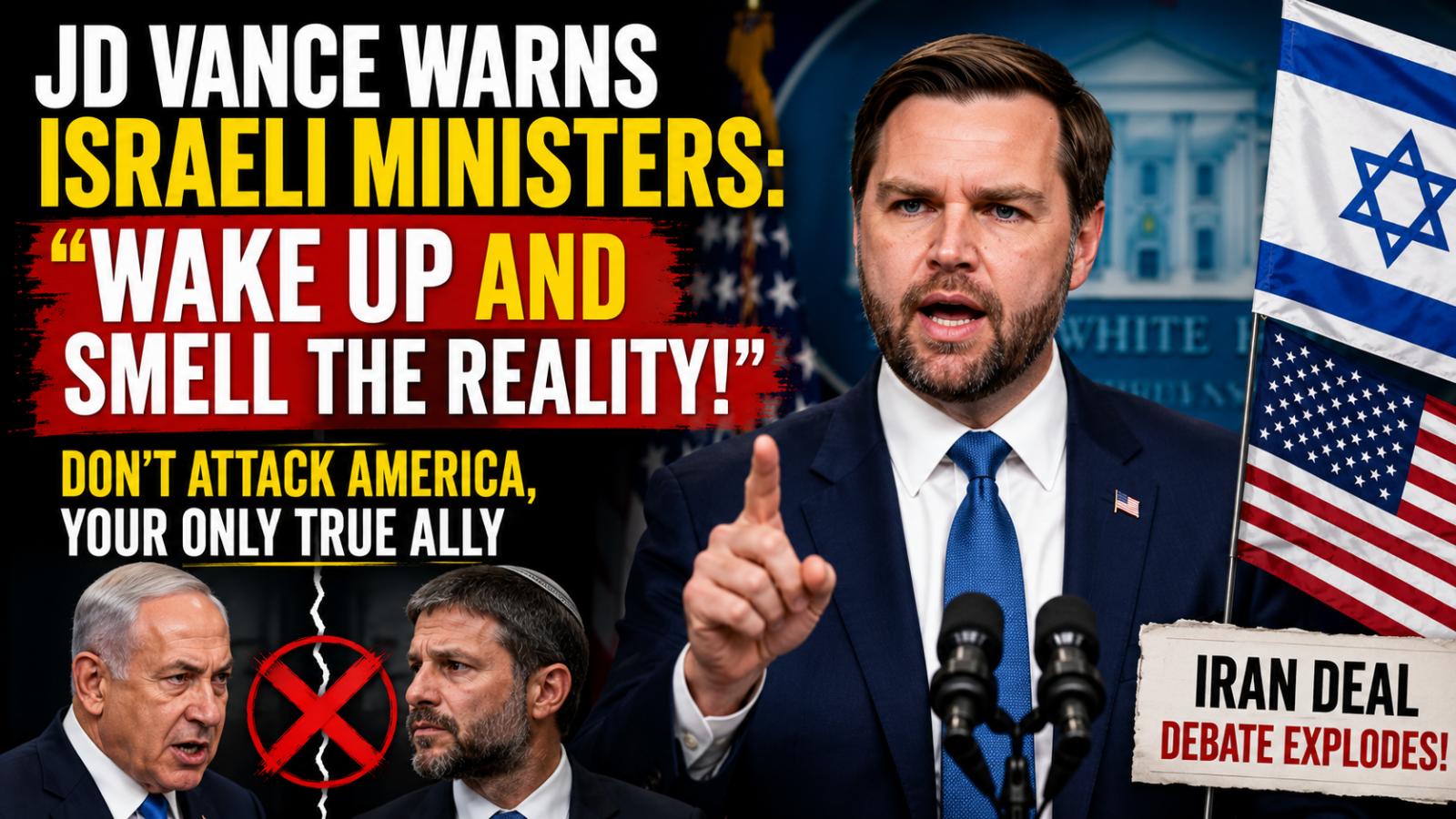
US VP Vance Confronts Israeli Critics on Iran Deal
US Vice President JD Vance delivered a sharp warning to Israeli cabinet ministers on Thursday, June 18,2026 regarding their public criticisms of the US-Iran agreement. Speaking at a White House briefing, Vance underscored that the United States remains Israel’s primary ally and cautioned that attacking Washington could undermine national interests.
Alleged Misreading of US Support
Vance em
US VP Vance Confronts Israeli Critics on Iran Deal
US Vice President JD Vance delivered a sharp warning to Israeli cabinet ministers on Thursday, June 18,2026 regarding their public criticisms of the US-Iran agreement. Speaking at a White House briefing, Vance underscored that the United States remains Israel’s primary ally and cautioned that attacking Washington could undermine national interests.
Alleged Misreading of US Support
Vance em
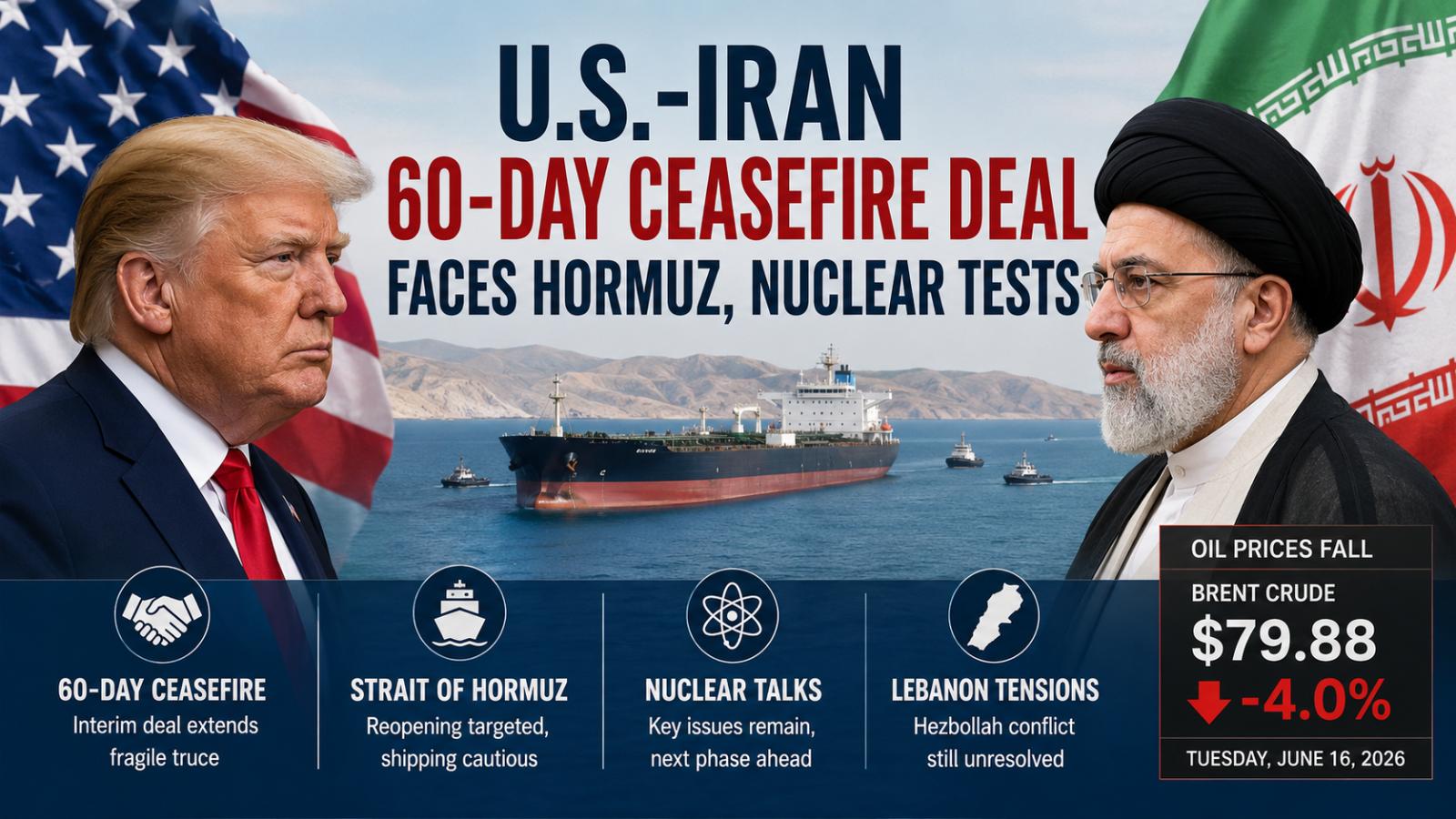
EVIAN-LES-BAINS, France — The U.S.-Iran 60-day ceasefire deal is designed to extend April’s fragile truce and reopen the Strait of Hormuz, but key questions remain over Iran’s nuclear program, shipping security and the conflict in Lebanon.
President Donald Trump said at the Group of Seven summit on Tuesday, June 16, 2026, that the interim agreement would be released publicly and would bar Tehran from obtaining a nuclear weapon. A formal signing is expected in Switzerland on Fr
EVIAN-LES-BAINS, France — The U.S.-Iran 60-day ceasefire deal is designed to extend April’s fragile truce and reopen the Strait of Hormuz, but key questions remain over Iran’s nuclear program, shipping security and the conflict in Lebanon.
President Donald Trump said at the Group of Seven summit on Tuesday, June 16, 2026, that the interim agreement would be released publicly and would bar Tehran from obtaining a nuclear weapon. A formal signing is expected in Switzerland on Fr
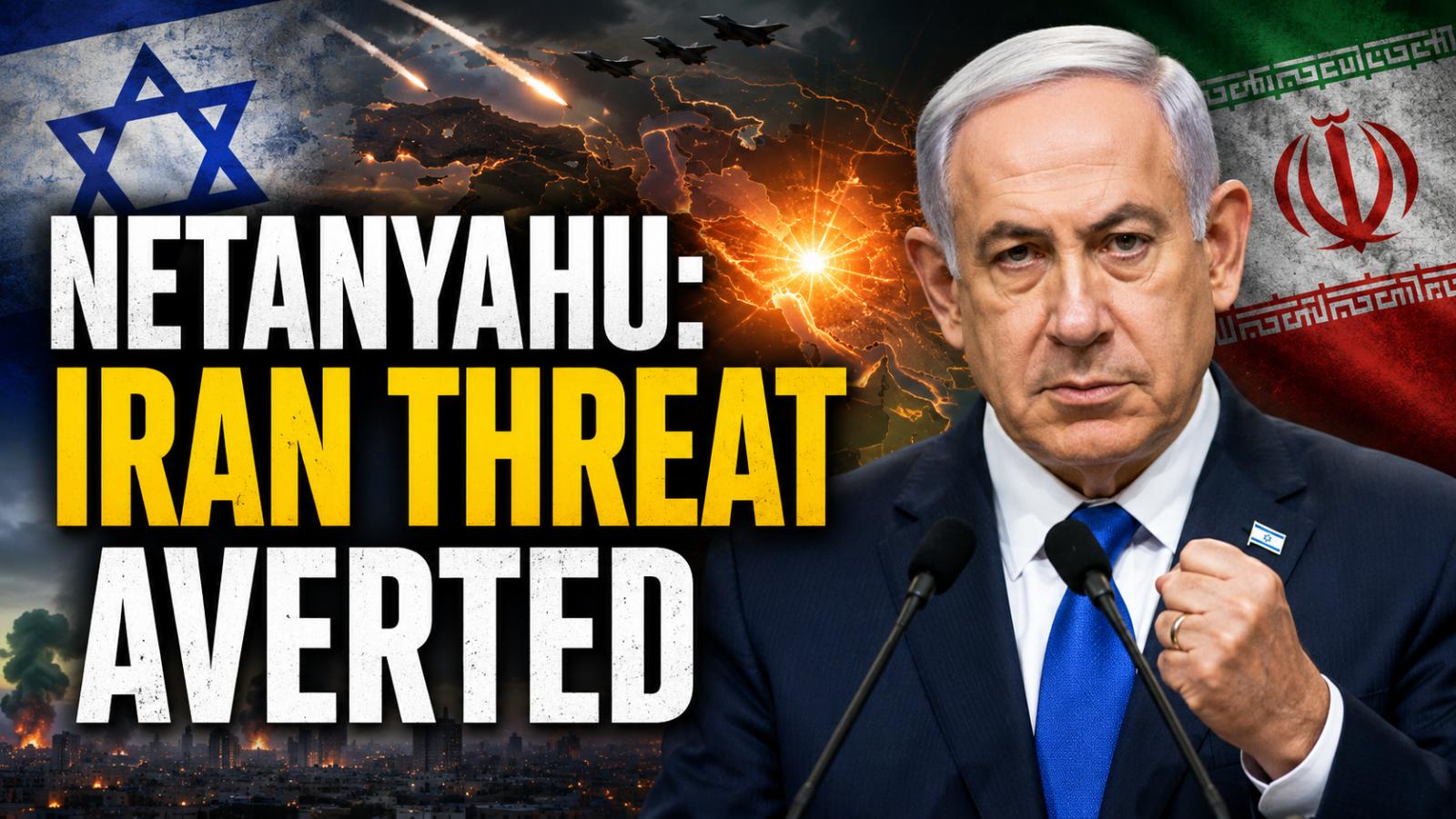
Netanyahu Defends Iran Campaign
Israeli Prime Minister Benjamin Netanyahu said the joint US-Israeli military campaign against Iran had protected Israel from what he described as the danger of nuclear annihilation. Speaking after Washington and Tehran announced a preliminary agreement to halt the regional war, Netanyahu said Israel and the United States had removed an immediate Iranian nuclear threat and created a credible military deterrent for future negotiations. He said Iran would not be allowed to obtain nuclear weapons “with or without a deal,” while insisting that Israel would retain the ability to act if it judged the threat unresolved.
Security Zones To Remain
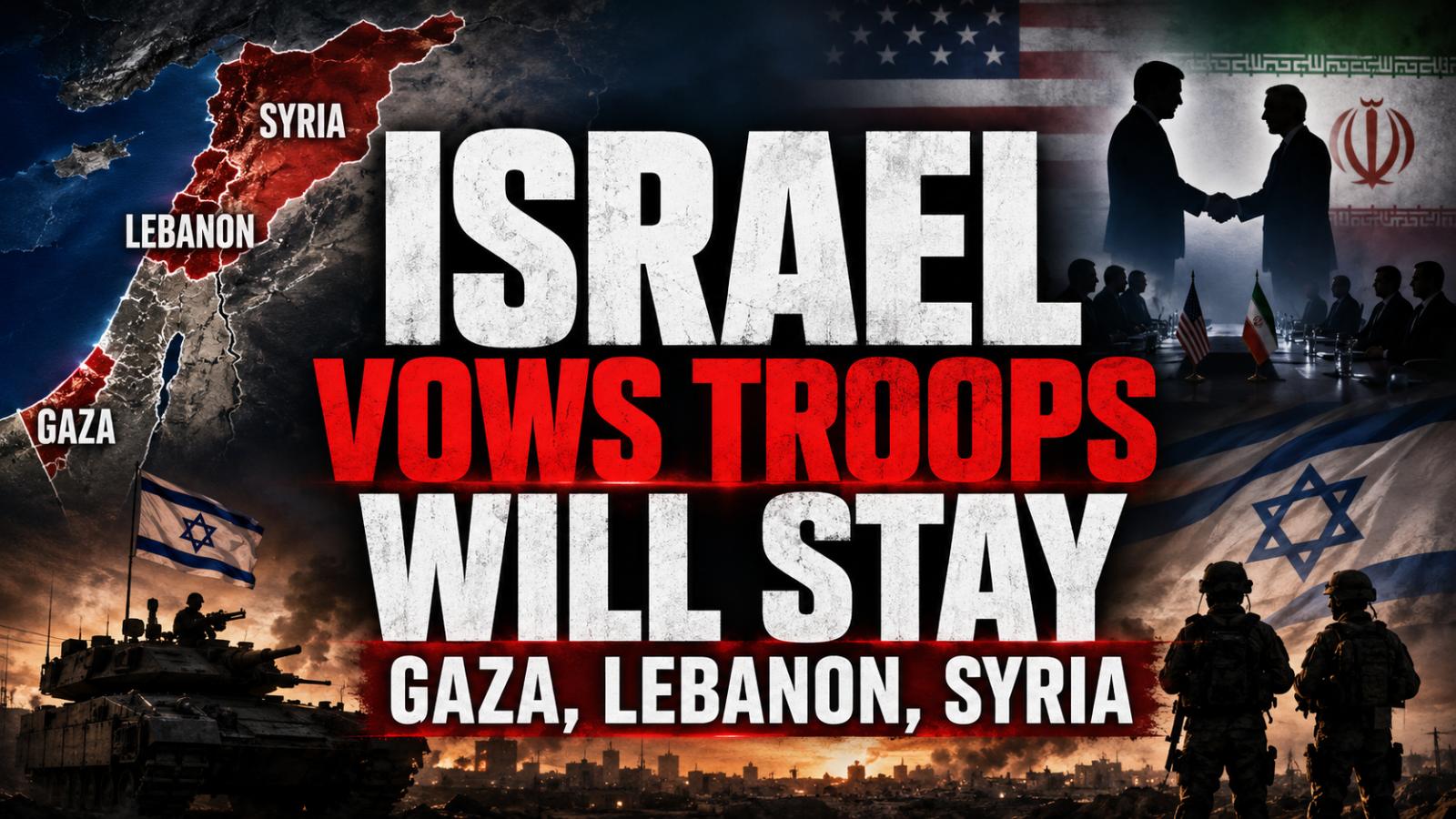
Netanyahu also said Israeli forces would remain in security zones in Gaza, Lebanon and Syria for as long as his government considered necessary. He argued that those buffer areas were created to protect Israel’s borders after years of threats from Iran-backed groups and other armed factions. His position comes as the US-Iran agreement seeks to reduce fighting across the region, including in Lebanon, where Hezbollah and Israeli forces have been involved in continued hostilities. The statement signals that Israel may not automatically withdraw from territory it currently controls even if broader diplomacy moves forward.
Iran Deal Raises Tensions
The US-Iran agreement has created political pressure inside Israel, with critics warning that the deal may leave major issues unresolved, including Iran’s missile program and support for regional armed groups. Netanyahu has avoided directly rejecting the diplomatic track, but he has stressed that Israel is not bound to accept security risks it considers unacceptable. The gap between Washington’s push for de-escalation and Israel’s insistence on military freedom of action could become a major test for future Middle East diplomacy.
Netanyahu Confirms Election Run
Netanyahu also confirmed that he plans to run in Israel’s upcoming elections. His announcement comes as he faces criticism from opposition parties over the handling of the war, the fate of hostages, continued military operations and the political cost of the Iran campaign. Despite domestic pressure and a continuing corruption trial, Netanyahu said he intends to seek another term. His remarks show that the Iran campaign, the US-Iran deal and Israel’s security zones are likely to become central issues in the election debate.
Netanyahu Defends Iran Campaign
Israeli Prime Minister Benjamin Netanyahu said the joint US-Israeli military campaign against Iran had protected Israel from what he described as the danger of nuclear annihilation. Speaking after Washington and Tehran announced a preliminary agreement to halt the regional war, Netanyahu said Israel and the United States had removed an immediate Iranian nuclear threat and created a credible military deterrent for future negotiations. He said Iran would not be allowed to obtain nuclear weapons “with or without a deal,” while insisting that Israel would retain the ability to act if it judged the threat unresolved.
Security Zones To Remain
Netanyahu also said Israeli forces would remain in security zones in Gaza, Lebanon and Syria for as long as his government considered necessary. He argued that those buffer areas were created to protect Israel’s borders after years of threats from Iran-backed groups and other armed factions. His position comes as the US-Iran agreement seeks to reduce fighting across the region, including in Lebanon, where Hezbollah and Israeli forces have been involved in continued hostilities. The statement signals that Israel may not automatically withdraw from territory it currently controls even if broader diplomacy moves forward.
Iran Deal Raises Tensions
The US-Iran agreement has created political pressure inside Israel, with critics warning that the deal may leave major issues unresolved, including Iran’s missile program and support for regional armed groups. Netanyahu has avoided directly rejecting the diplomatic track, but he has stressed that Israel is not bound to accept security risks it considers unacceptable. The gap between Washington’s push for de-escalation and Israel’s insistence on military freedom of action could become a major test for future Middle East diplomacy.
Netanyahu Confirms Election Run
Netanyahu also confirmed that he plans to run in Israel’s upcoming elections. His announcement comes as he faces criticism from opposition parties over the handling of the war, the fate of hostages, continued military operations and the political cost of the Iran campaign. Despite domestic pressure and a continuing corruption trial, Netanyahu said he intends to seek another term. His remarks show that the Iran campaign, the US-Iran deal and Israel’s security zones are likely to become central issues in the election debate.
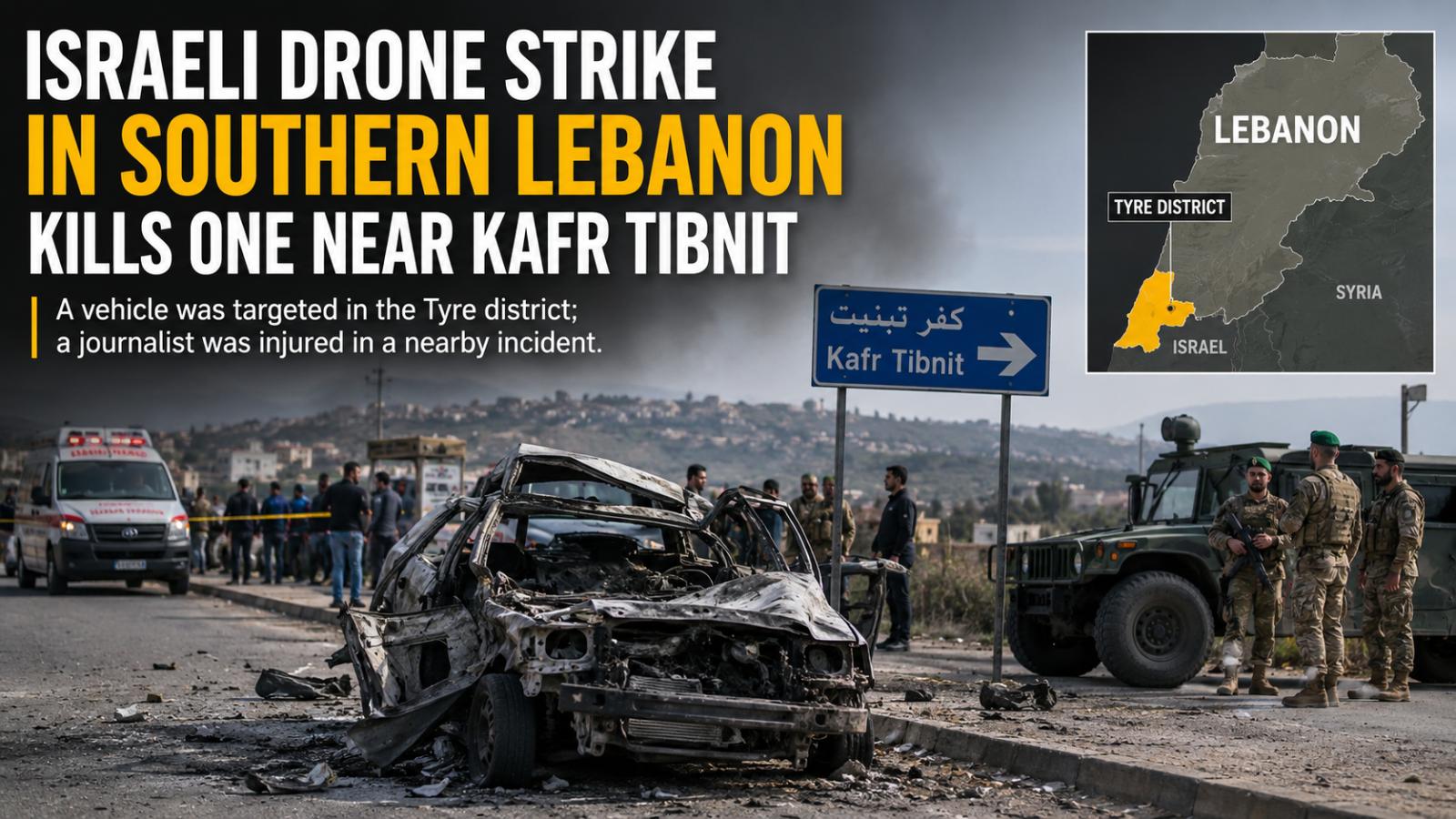
An Israeli drone strike in southern Lebanon hit a vehicle near the Kafr Tibnit roundabout in the Tyre district, killing one person, according to local reports.
What Is Known About the Israeli Drone Strike in Southern Lebanon
The supplied material said the incident occurred on a Monday but did not include a full calendar date or time. Those details have therefore not been added.
A journalist was also injured in the area after a drone reportedly dr
An Israeli drone strike in southern Lebanon hit a vehicle near the Kafr Tibnit roundabout in the Tyre district, killing one person, according to local reports.
What Is Known About the Israeli Drone Strike in Southern Lebanon
The supplied material said the incident occurred on a Monday but did not include a full calendar date or time. Those details have therefore not been added.
A journalist was also injured in the area after a drone reportedly dr
Strategic Focus at G7 Summit
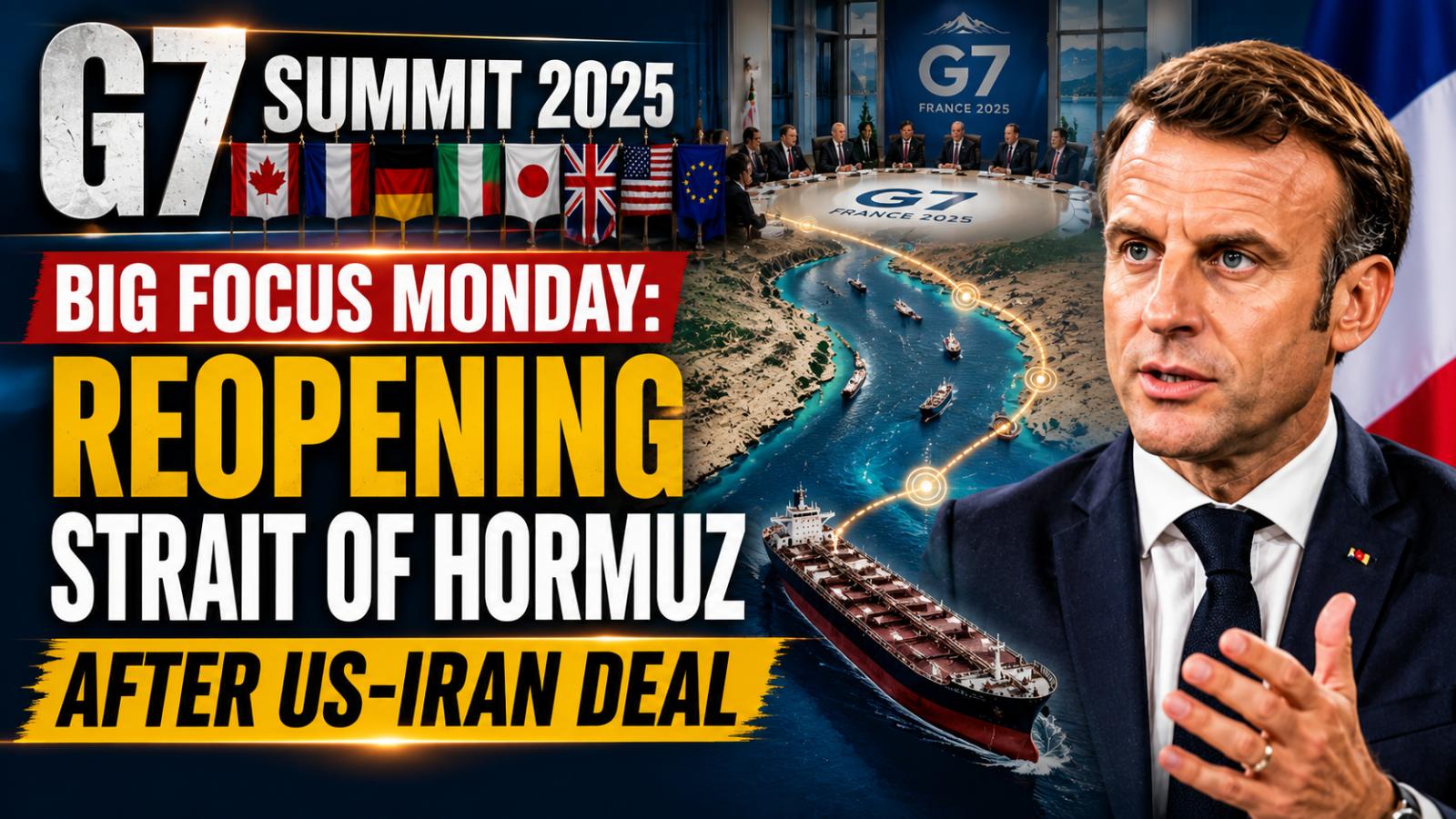
French President Emmanuel Macron announced that the upcoming G7 Summit, taking place from June 15–17 in Evian-les-Bains, will dedicate Monday’s sessions to discussing the long-term reopening of the strategic Strait of Hormuz. This follows a recently brokered framework agreement between the United States and Iran, aimed at ending hostilities in West Asia. Macron emphasized that the summit will examine
Strategic Focus at G7 Summit
French President Emmanuel Macron announced that the upcoming G7 Summit, taking place from June 15–17 in Evian-les-Bains, will dedicate Monday’s sessions to discussing the long-term reopening of the strategic Strait of Hormuz. This follows a recently brokered framework agreement between the United States and Iran, aimed at ending hostilities in West Asia. Macron emphasized that the summit will examine
Israel Reaffirms Security Zone Policy
Israeli Defence Minister Israel Katz said Israel will not withdraw from security zones it currently controls in Gaza, Lebanon and Syria, signaling that any future regional agreement involving Iran and the United States may not automatically lead to Israeli troop pullbacks. In a statement posted Friday, June 13,2026 Katz said Israel’s security doctrine remains focused o
Israel Reaffirms Security Zone Policy
Israeli Defence Minister Israel Katz said Israel will not withdraw from security zones it currently controls in Gaza, Lebanon and Syria, signaling that any future regional agreement involving Iran and the United States may not automatically lead to Israeli troop pullbacks. In a statement posted Friday, June 13,2026 Katz said Israel’s security doctrine remains focused o