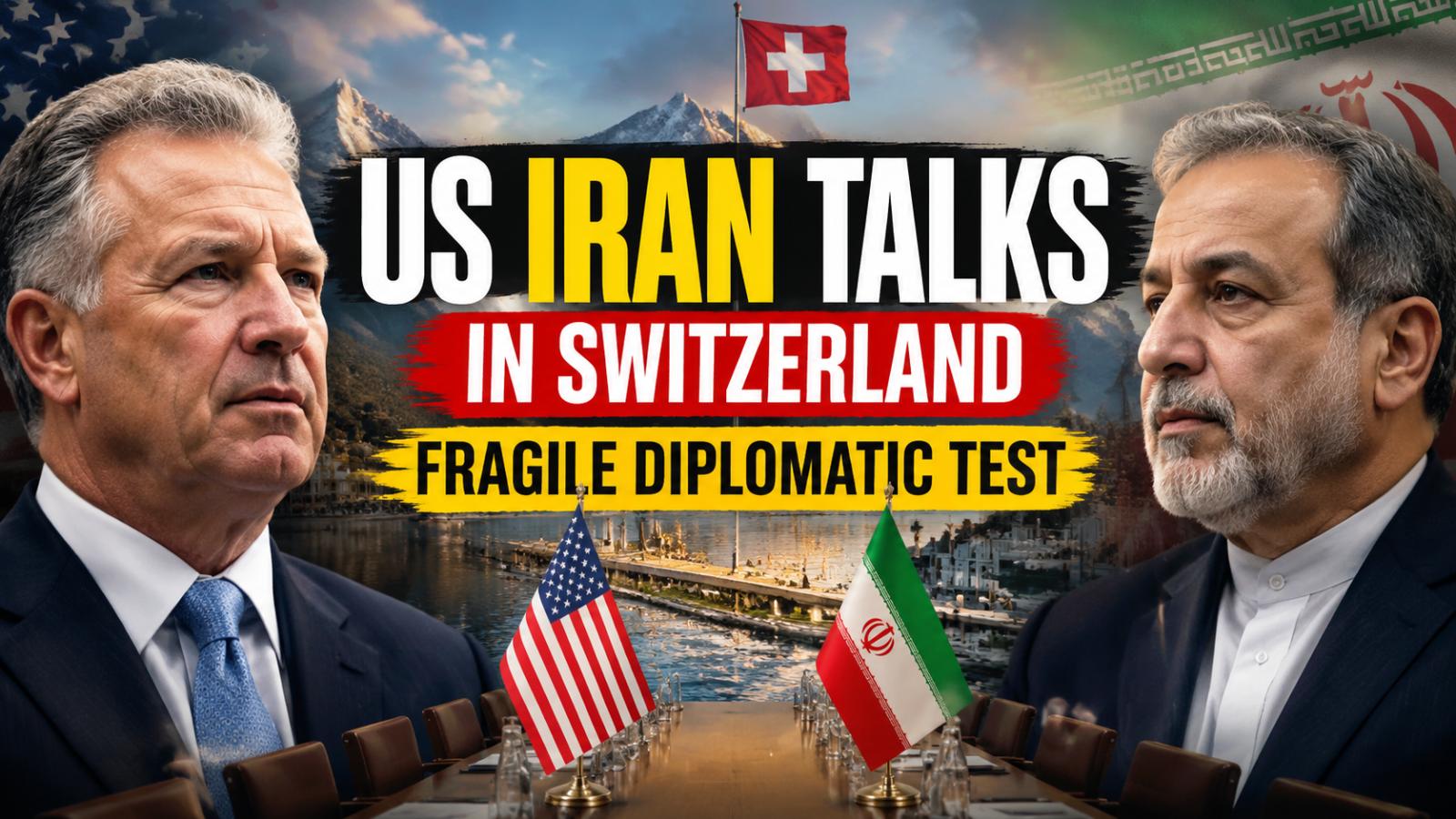
US Iran negotiations in Switzerland have entered a renewed phase, but the environment remains unstable as regional conflicts continue to shape the direction of talks. Diplomatic representatives from both sides are attempting to revive stalled communication lines, with mediation support from regional actors working behind the scenes to prevent another breakdown.
The discussions are being positioned as an attempt to rebuild trust after repeated interruptions, though expectations remain cautious due to ongoing instability in West Asia and shifting political pressure from key stakeholders.
Mediation efforts intensify as envoys arrive
White House envoy Steve Witkoff has traveled to Switzerland to support the renewed engagement process, signaling Washington’s intent to keep diplomatic momentum alive. On the Iranian side, Foreign Minister Abbas Araghchi is expected to participate, although final confirmations remain dependent on internal coordination.
Mediators from Qatar and other regional channels have also been active in facilitating communication, aiming to reduce friction and keep both parties engaged long enough to explore limited confidence-building measures.
Lebanon conflict adds pressure to negotiations
The situation in Lebanon continues to play a decisive role in shaping the talks. Although a ceasefire agreement was previously reached between Israel and Hezbollah under international pressure, the arrangement has remained unstable, with intermittent clashes creating uncertainty on the ground.
Iranian diplomatic messaging has reportedly emphasized that any sustainable progress in US Iran talks depends heavily on stabilization in Lebanon. This linkage has turned the ceasefire into a practical benchmark for whether broader negotiations can advance or stall again.
Washington signals urgency and caution
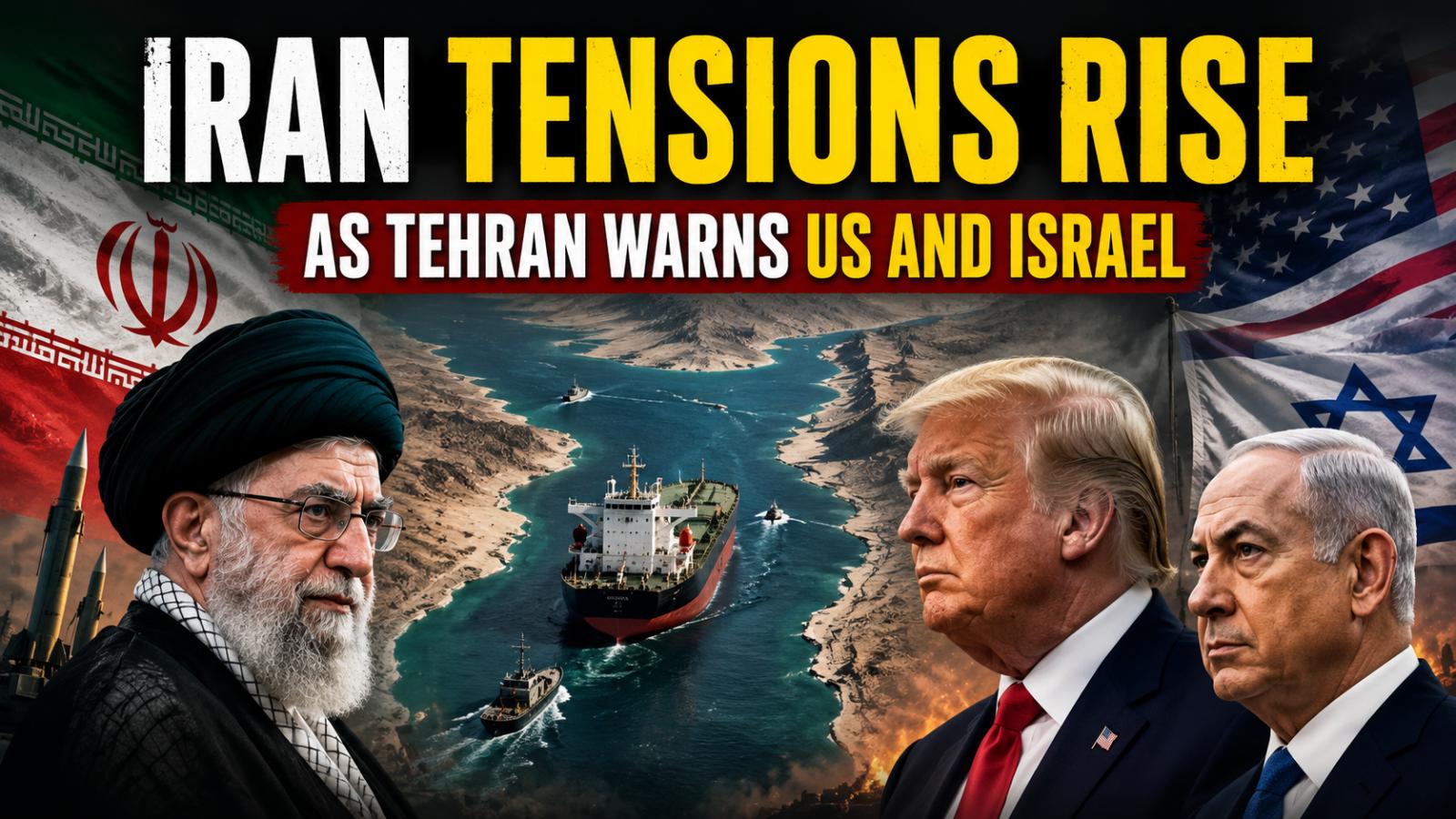
US leadership has taken a more active public stance, urging restraint among regional actors to avoid further escalation. Former President Donald Trump has emphasized the importance of preventing wider conflict, while Vice President JD Vance has highlighted internal political divisions in the region that could complicate diplomatic efforts.
The US position reflects a broader concern that renewed violence could undermine ongoing diplomatic attempts and destabilize energy corridors critical to global markets.
Regional security risks remain central
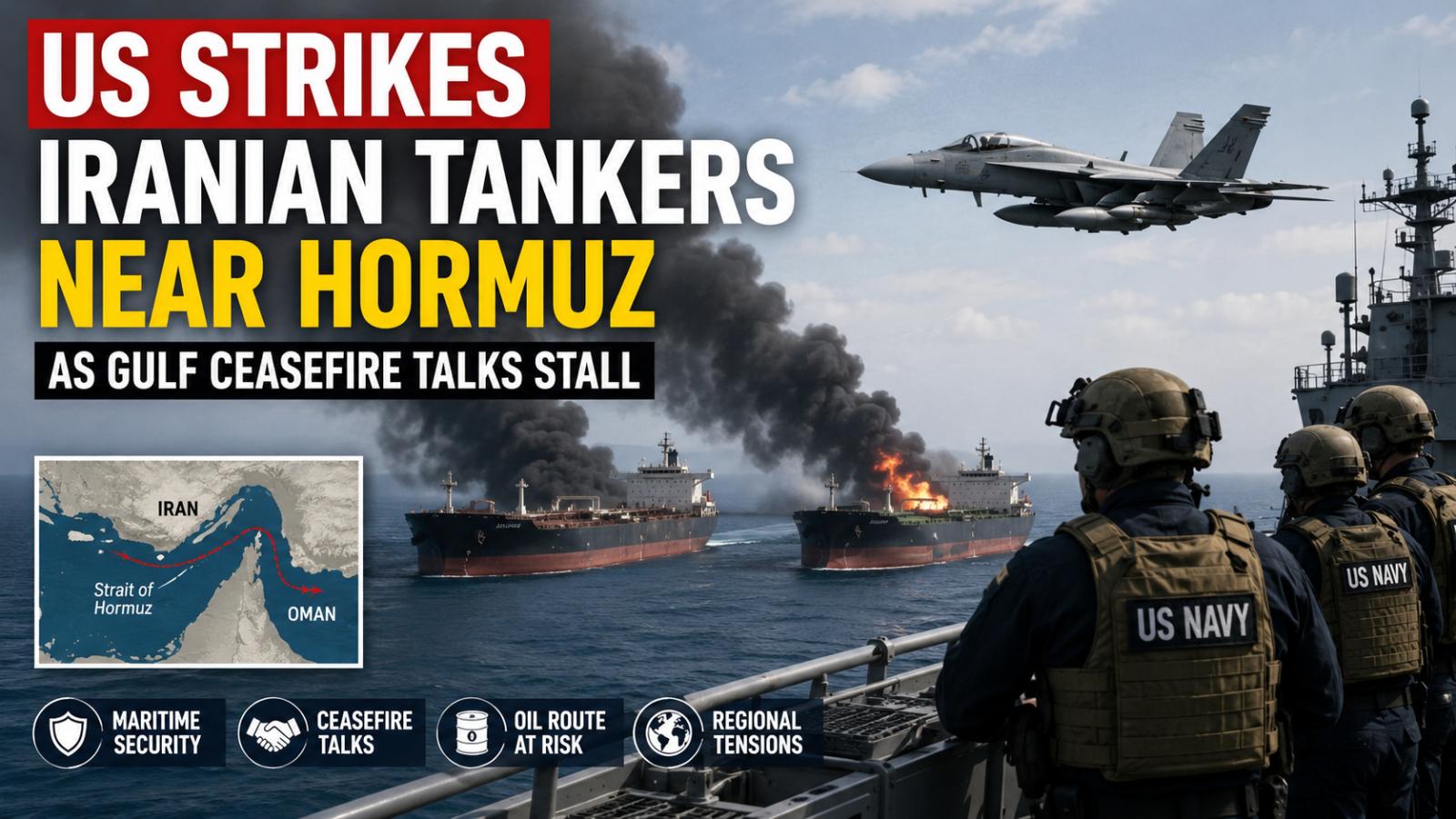
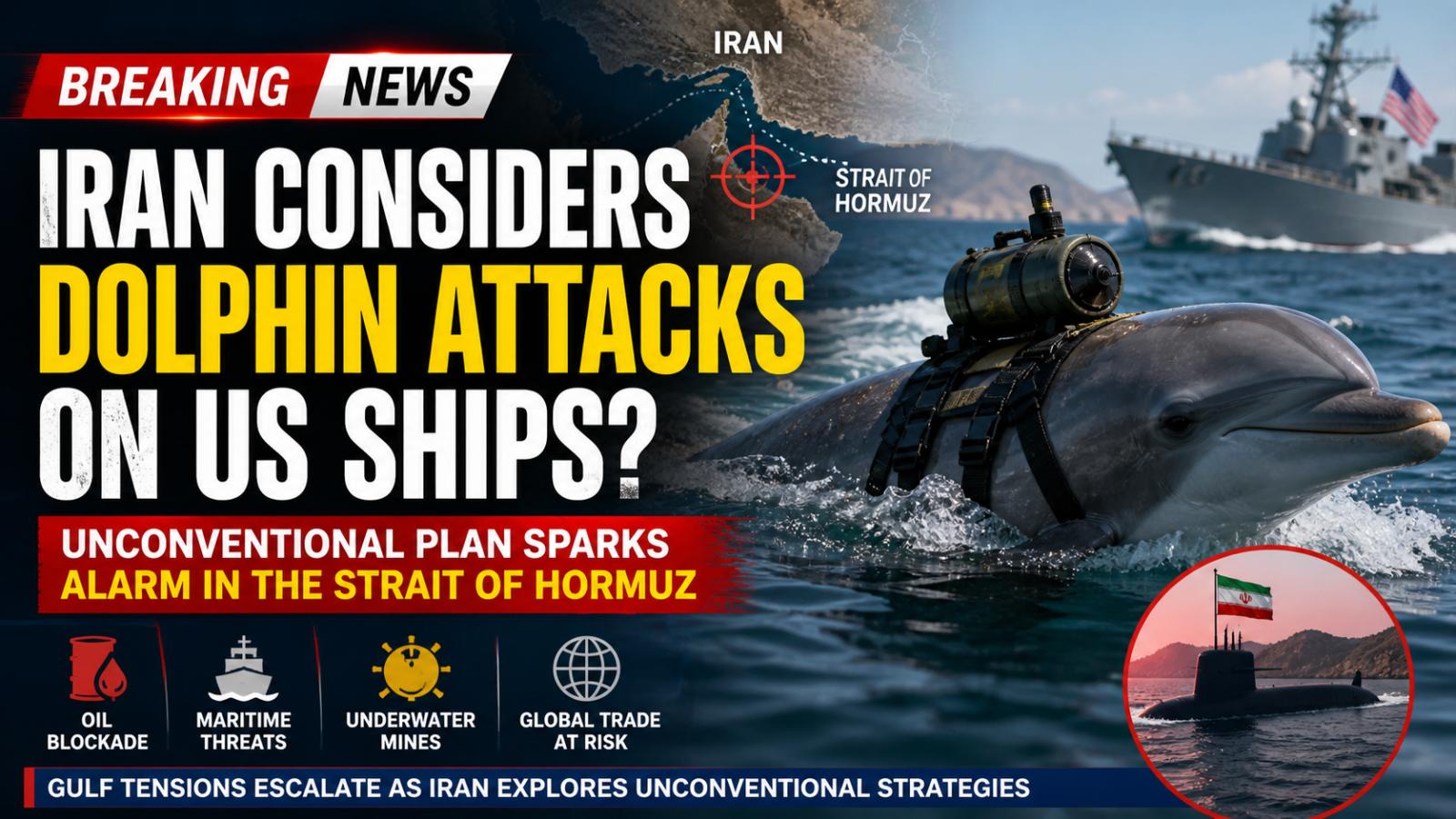
Beyond Lebanon, strategic waterways such as the Strait of Hormuz remain a key factor influencing negotiation dynamics. Any disruption in maritime traffic or energy flows is seen as a potential trigger for wider economic instability, increasing the urgency for maintaining diplomatic channels.
As a result, mediators are treating regional de-escalation not as a parallel issue but as a core condition for any meaningful progress in US Iran engagement.
Uncertain path ahead for diplomacy
Despite renewed meetings in Switzerland, the overall direction of negotiations remains uncertain. The process is dependent on fragile ceasefire conditions, political will from both sides, and the ability of mediators to prevent further escalation in surrounding conflict zones.
For now, the talks represent a cautious reopening rather than a breakthrough, with outcomes heavily tied to developments in Lebanon and broader regional stability.