US ends Iran oil authorisation
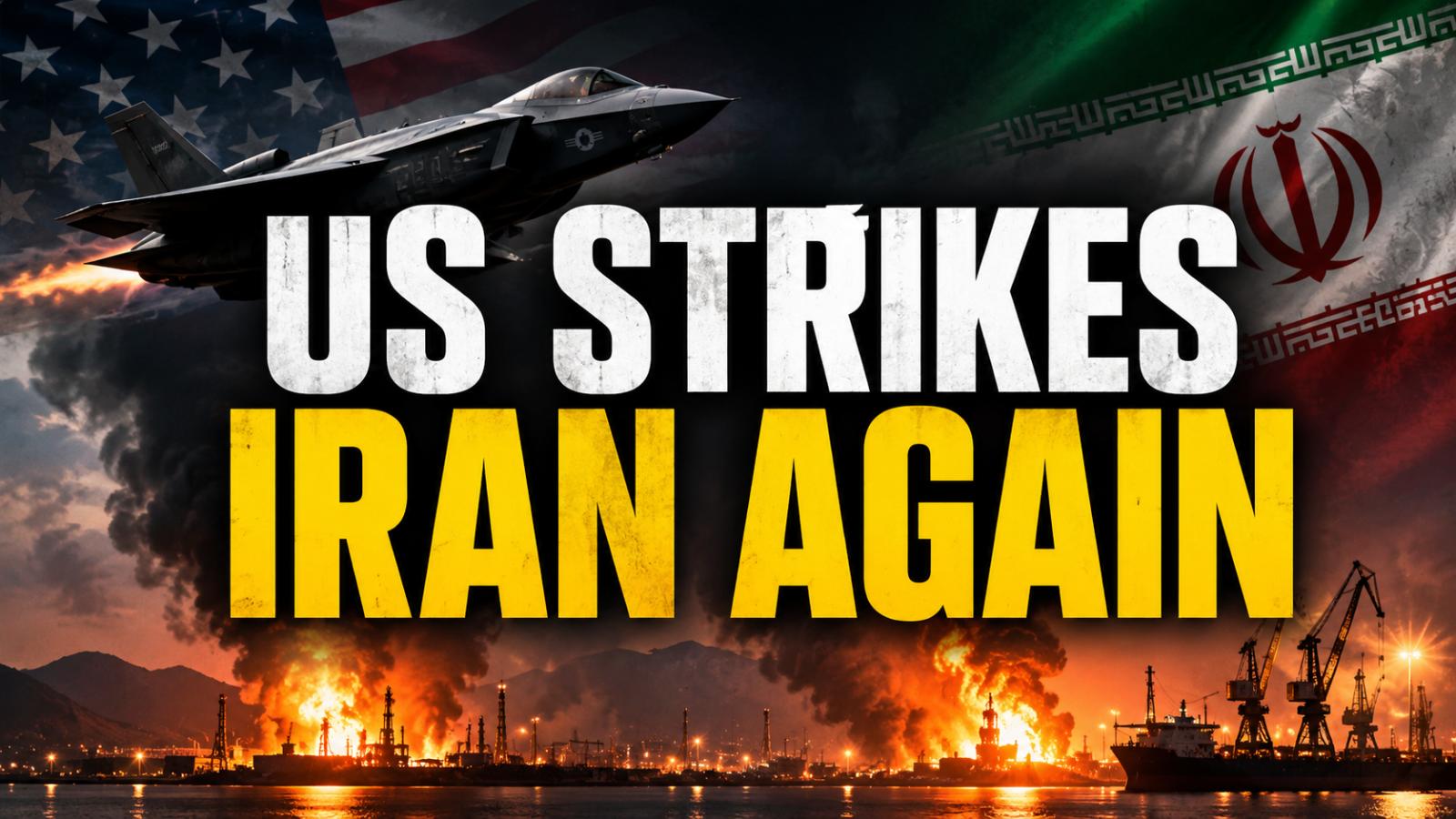
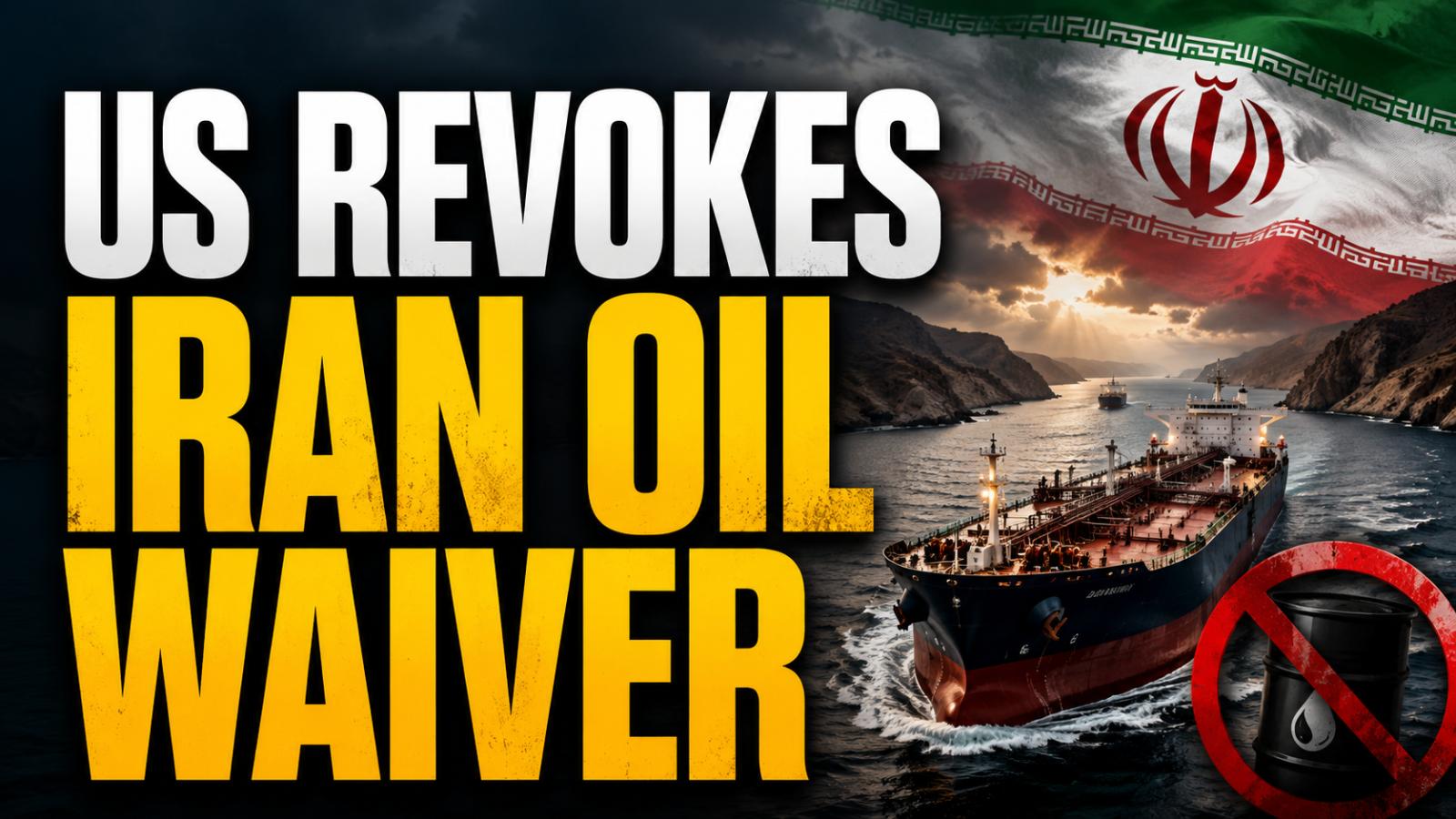
The United States has revoked a temporary licence that had allowed certain transactions involving Iranian-origin crude oil, petroleum products and petrochemical products, tightening pressure on Tehran after tanker attacks near the Strait of Hormuz. A US official said Iran’s actions in the strategic waterway were “wholly unacceptable” and would face consequences, even as negotiators continued efforts toward a final agreement. The move reverses part of a short-term sanctions easing measure issued in June as part of diplomacy between Washington and Tehran.
The Treasury Department’s Office of Foreign Assets Control had issued General License X on June 22, authorising the production, delivery and sale of Iranian-origin crude oil and related products through August 21, 2026. That authorisation had temporarily opened space for oil-related activity while talks continued. The latest decision replaces that licence with General License X1, sharply narrowing what companies can do and cutting the previous timeline.
July 17 wind-down deadline
Under the revised rules, companies have until July 17 to wind down transactions that were already permitted under the earlier licence. However, no new purchases or loading of Iranian-origin crude oil, petroleum products or petrochemical products are allowed from July 7 onward. The change means firms involved in shipping, insurance, banking, trading or port services linked to Iranian oil must quickly reassess exposure and comply with US sanctions requirements.
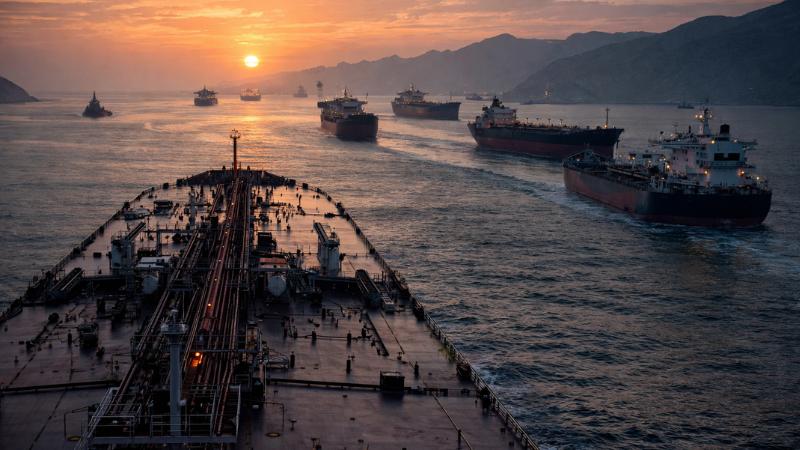
The Treasury guidance also states that any payment involving a blocked person must be placed into a blocked, interest-bearing account in the United States in line with sanctions regulations. For energy markets, the decision adds uncertainty because the Strait of Hormuz remains one of the world’s most important oil transit routes. Oil prices rose after reports of the US revocation and renewed tension around commercial vessels in the area.
Diplomacy continues under pressure
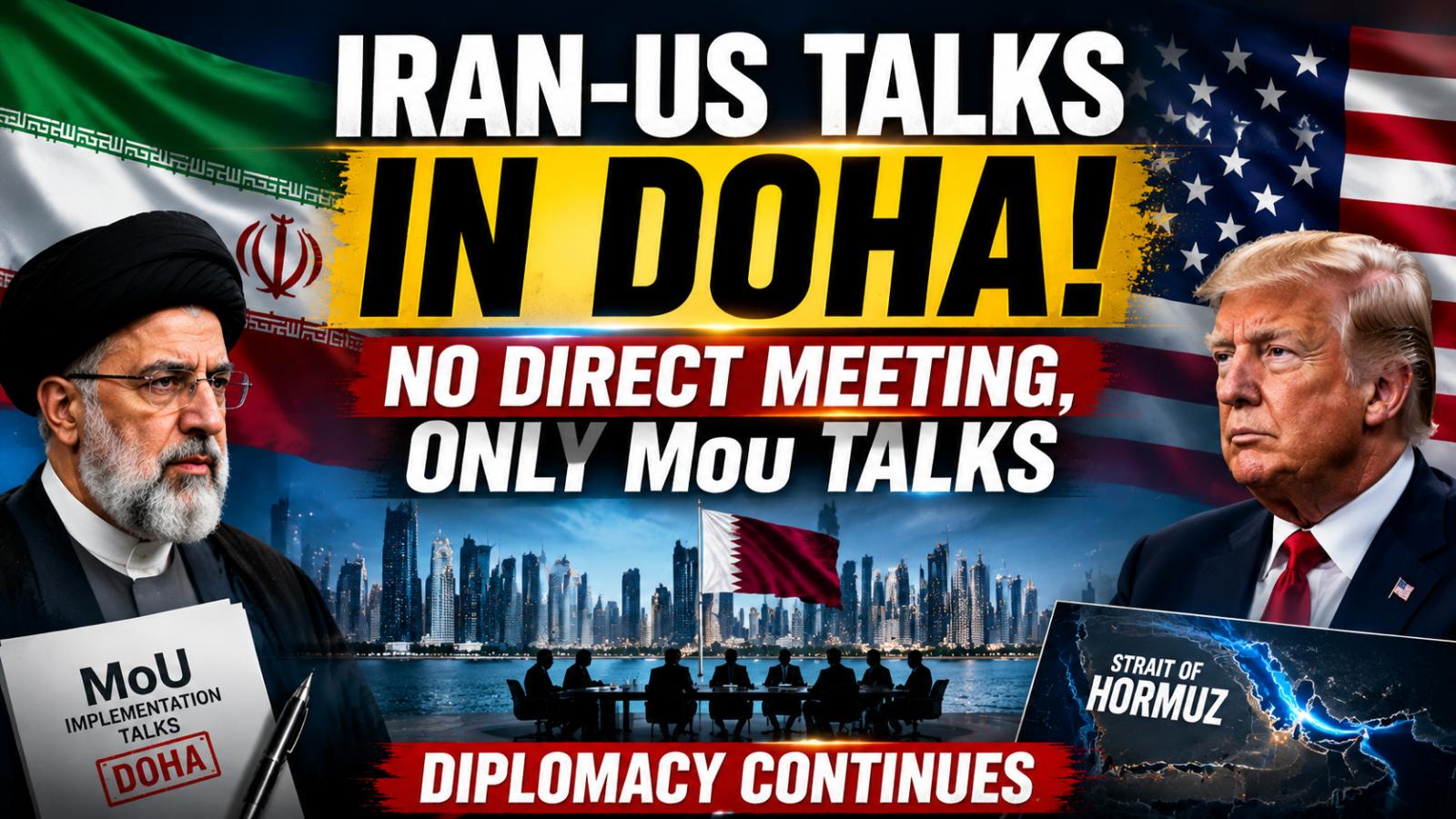
The revocation does not end negotiations with Iran, but it signals that Washington is prepared to restore sanctions pressure if Tehran is seen as violating the fragile diplomatic framework. US officials have said talks are continuing in good faith, though the tanker attacks have made the political environment more difficult.
For US-based readers, the issue matters because Iranian oil sanctions affect energy prices, shipping risk and wider Middle East security. The latest move shows Washington trying to balance diplomacy with punishment: keeping the door open to a final deal while removing a major economic benefit after the Hormuz escalation.