US-Iran talks uncertainty deepens as second round in Pakistan remains undecided
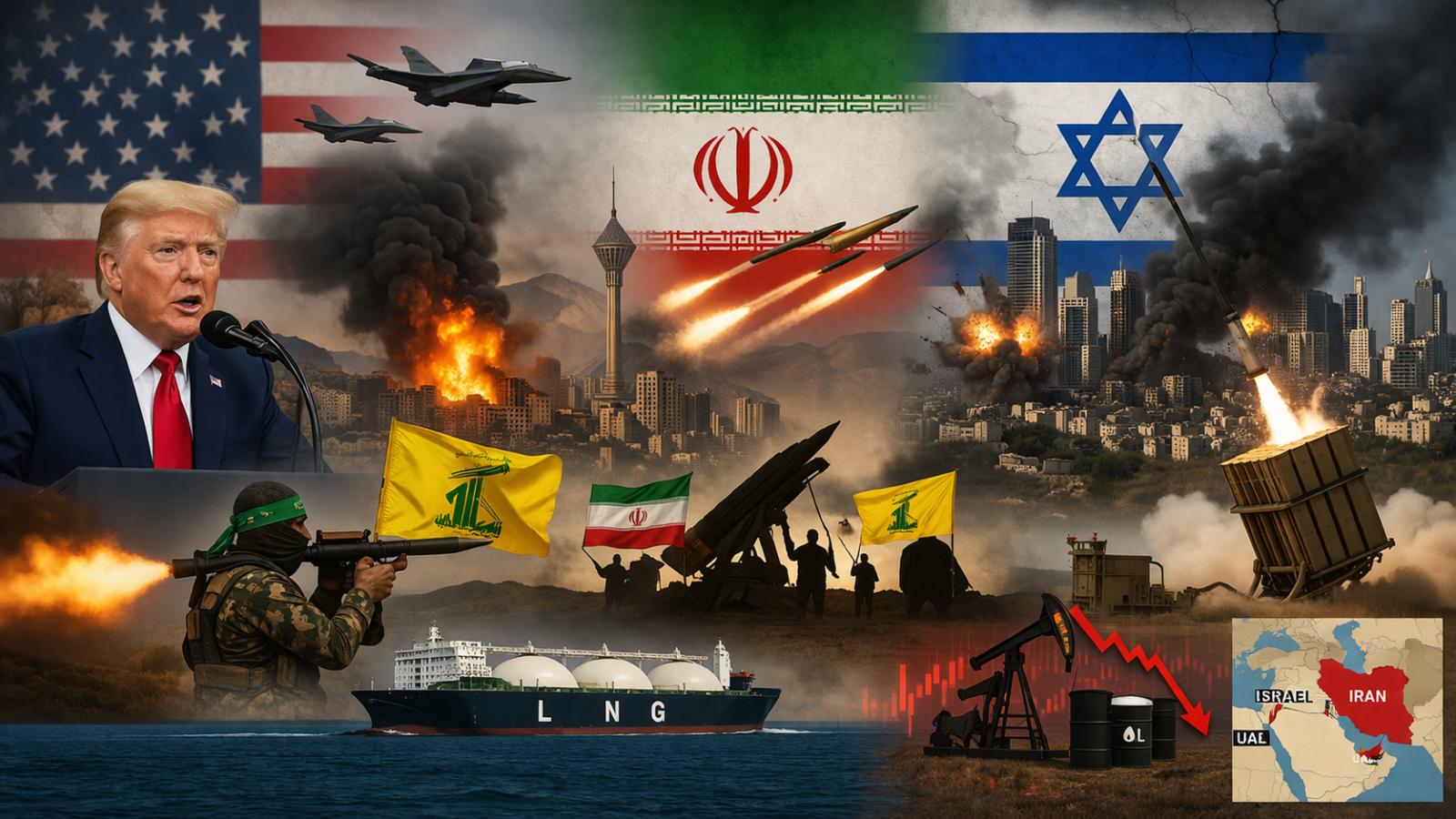
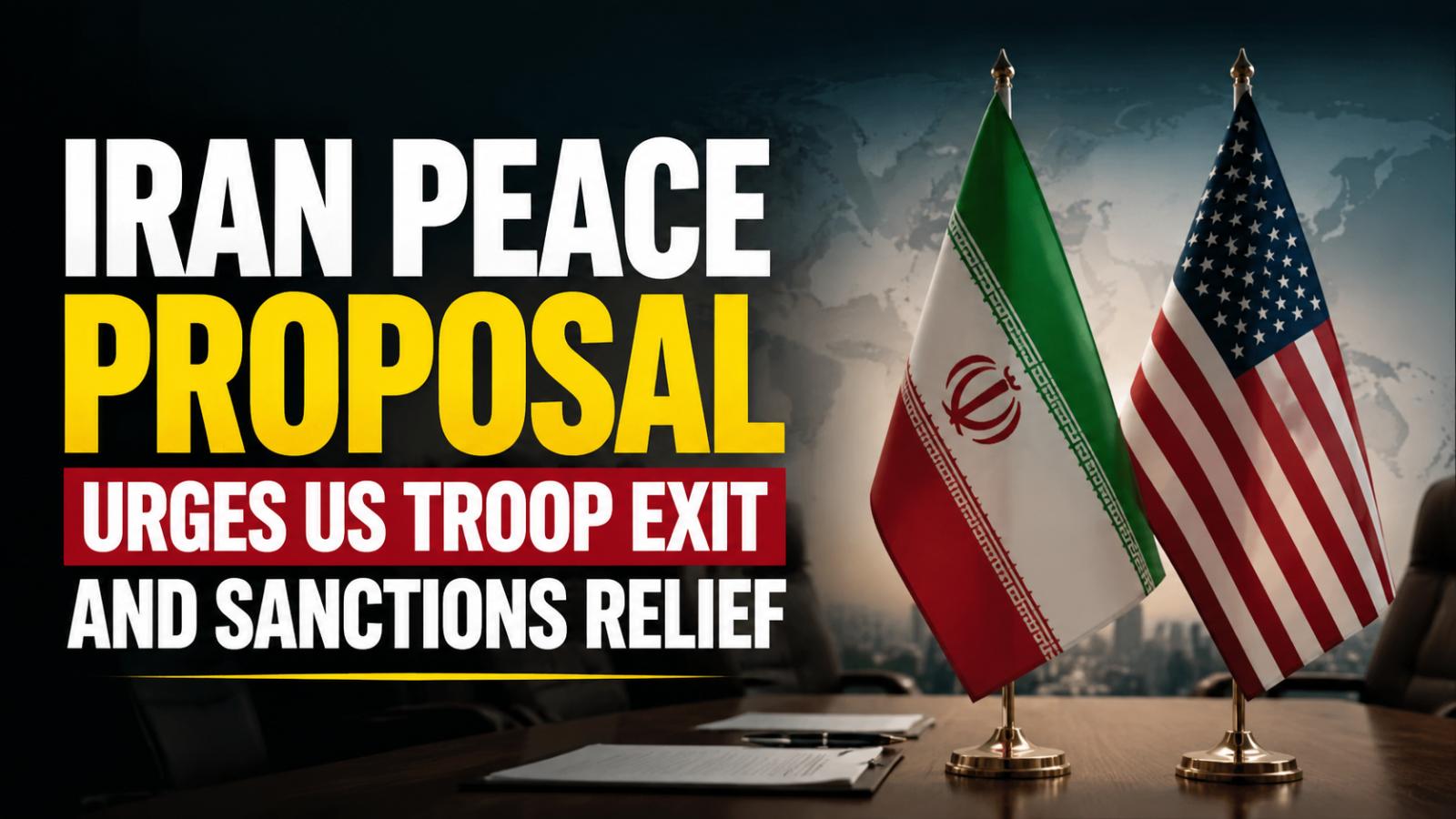
Uncertainty has grown over the much-anticipated second round of US-Iran peace talks in Pakistan, as both sides continue strategic posturing ahead of a critical deadline. The discussions, expected to take place in Islamabad, come at a time when tensions remain high and diplomatic clarity is still lacking. The situation is particularly sensitive as the ongoing US-Iran ceasefire is set to expire on Wednesday, April 22, 2026, raising concerns about a possible escalation if negotiations fail to progress.
Iran yet to confirm participation in next round of talks
Iran has not yet made a final decision on whether it will attend the upcoming talks. The country’s Foreign Ministry spokesperson stated that participation is still under consideration, adding to the growing uncertainty surrounding the diplomatic process. Despite this, preparations are underway in Pakistan, where authorities have implemented extensive security arrangements in anticipation of the potential meeting between US and Iranian representatives.
Ceasefire deadline adds pressure on negotiations
The approaching ceasefire deadline is intensifying pressure on both sides to reach some form of understanding. The temporary truce, which has lasted for two weeks, has provided a brief pause in hostilities, but its expiration could reopen the door to further conflict. With US-Iran tensions already affecting global stability, the outcome of these talks is being closely watched by governments and markets worldwide.
Conflict toll rises as war impact becomes clearer
Amid the diplomatic uncertainty, the human cost of the conflict continues to rise. Iranian authorities reported that at least 3,375 people have been killed in the ongoing war involving Iran, the United States, and Israel. The updated figures highlight the severity of the situation and underline the urgency of reaching a diplomatic solution to prevent further loss of life.
Military tensions remain high despite talks
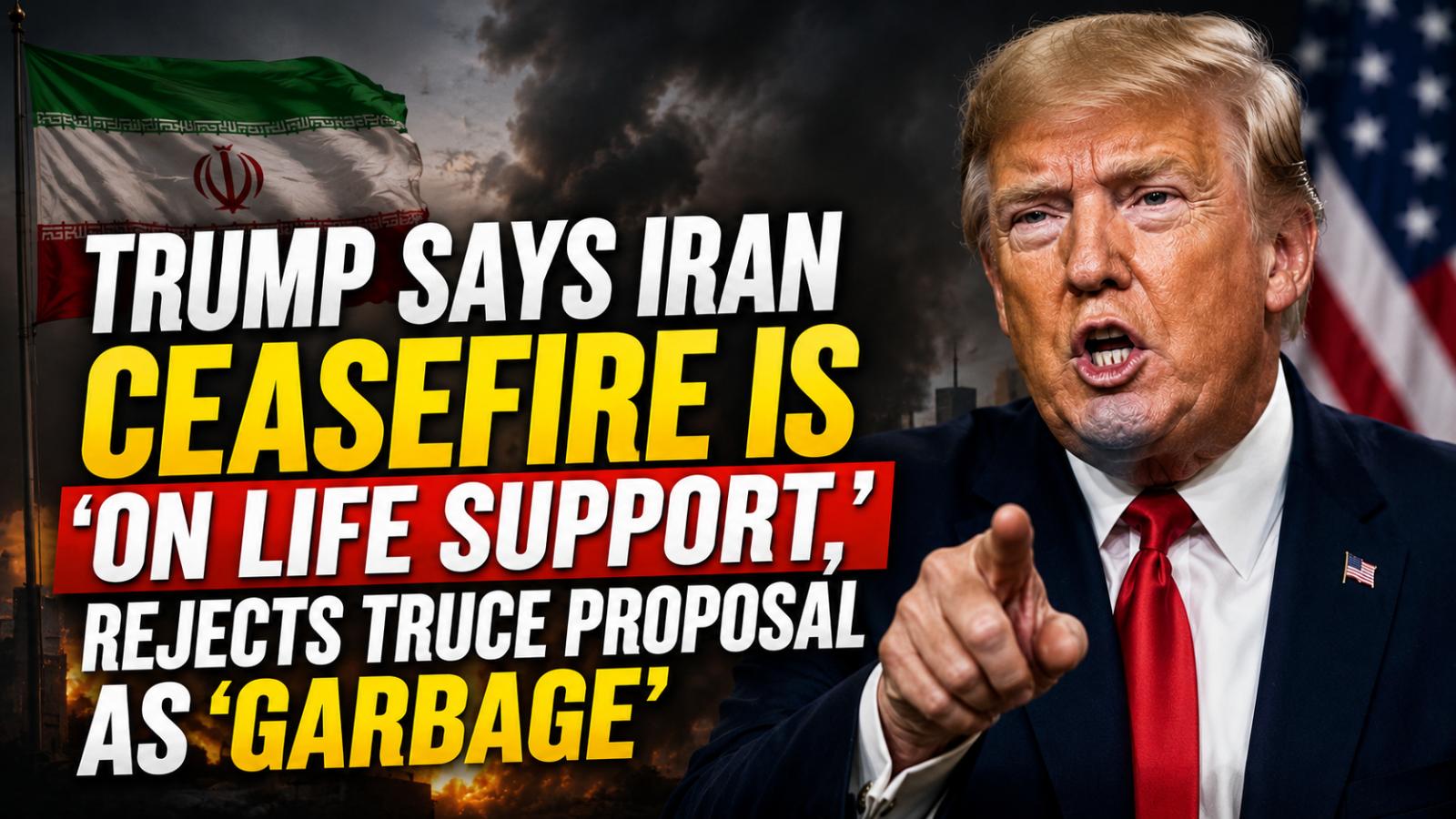
Even as diplomatic efforts continue, military activity has not completely subsided. US President Donald Trump recently stated that a US naval vessel took action against an Iranian ship that failed to respond to warnings, reflecting ongoing tensions in strategic waterways. Such developments indicate that while talks are being considered, both sides are still maintaining a strong military posture.
Global focus shifts to Islamabad talks outcome
The potential meeting in Pakistan is now seen as a key moment in determining the future direction of the conflict. If the talks proceed, they could provide a path toward de-escalation.However, continued uncertainty over participation raises questions about whether meaningful progress can be achieved in the immediate term.
A fragile moment for diplomacy
The uncertainty surrounding the US-Iran talks in Pakistan highlights the fragile nature of current diplomatic efforts. With the ceasefire nearing its end and tensions still high, the coming days will be crucial in shaping the next phase of the conflict. Whether negotiations move forward or stall could have significant implications not only for the region but also for global stability and energy markets.