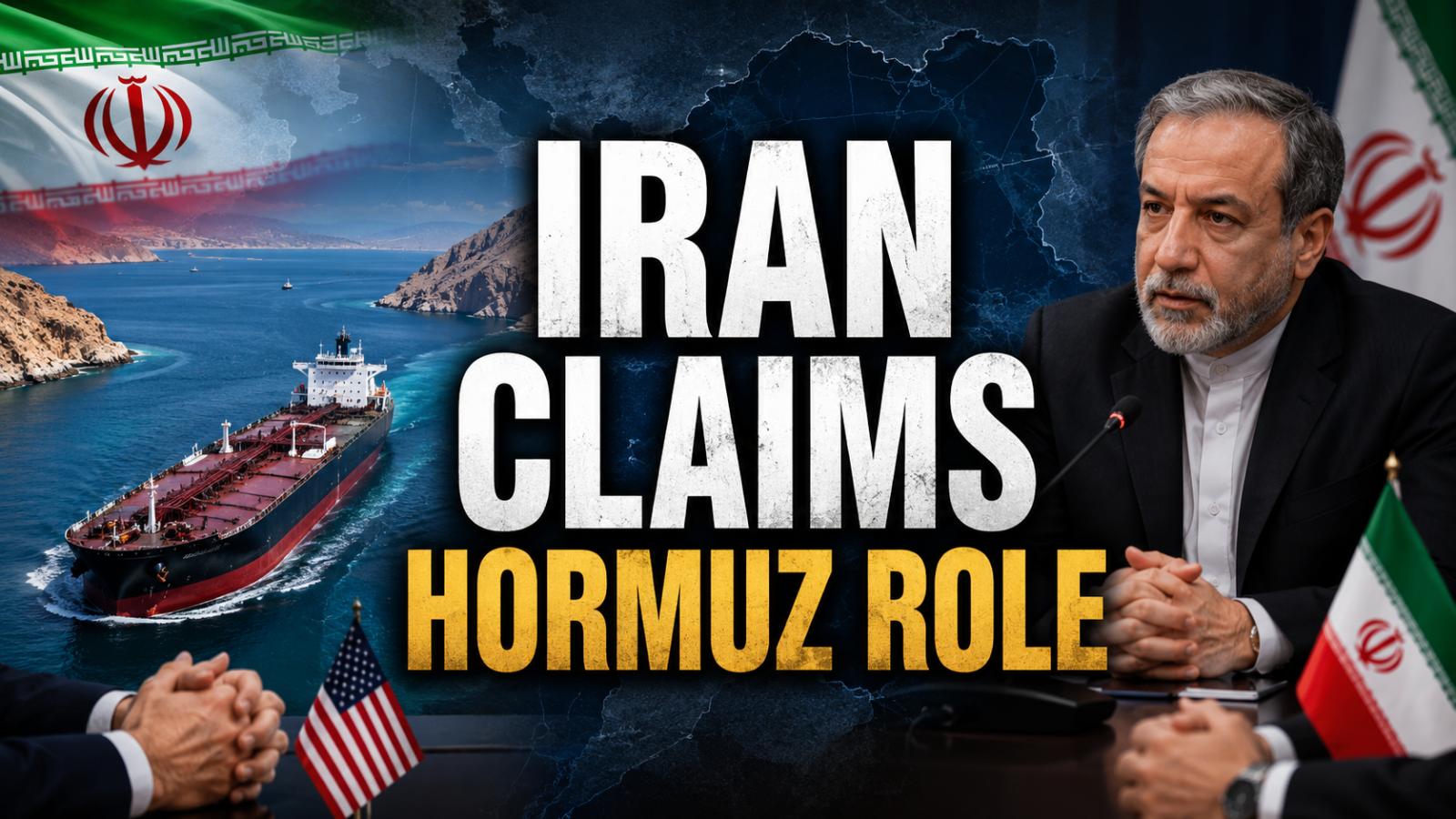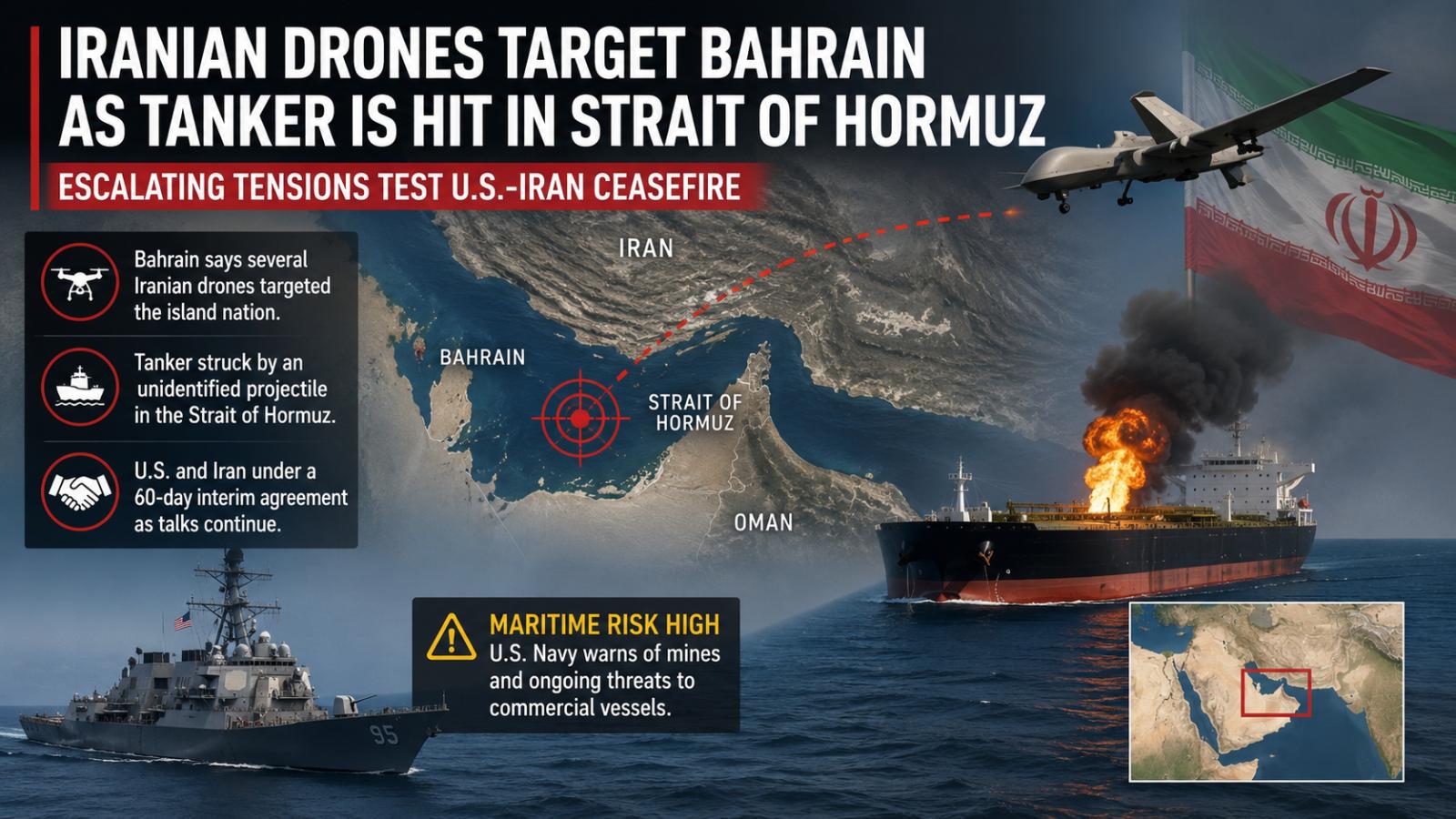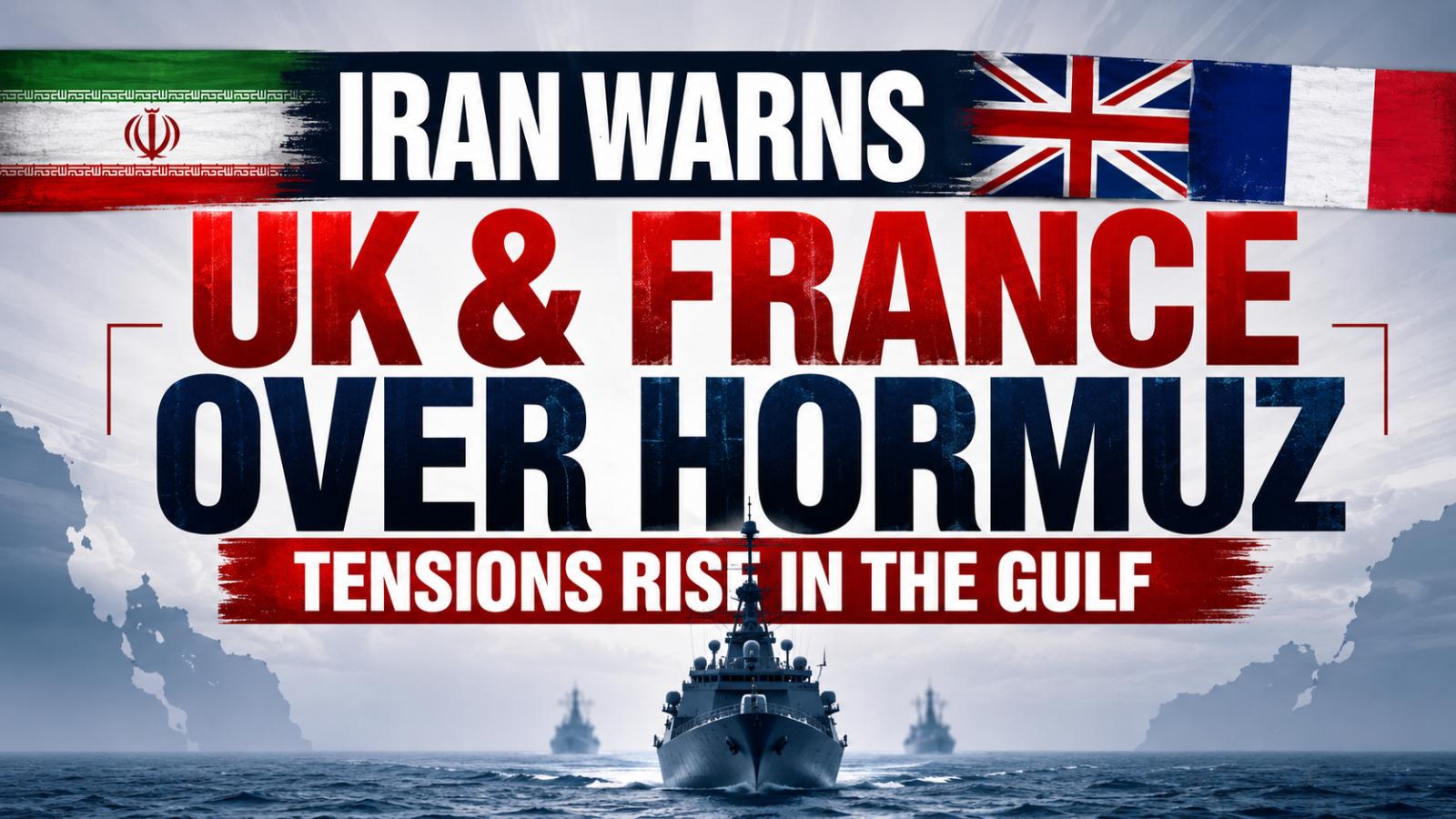
Iran on Sunday warned Britain and France against deploying warships to the Strait of Hormuz, escalating tensions around one of the world’s most critical maritime trade routes. Iranian Deputy Foreign Minister Kazem Gharibabadi said Tehran would respond immediately and decisively if foreign powers attempted to interfere in the security of the strategic waterway. His remarks came after reports that both Britain and France had sent vessels toward the Gulf region amid ongoing concerns over maritime security and energy transport.
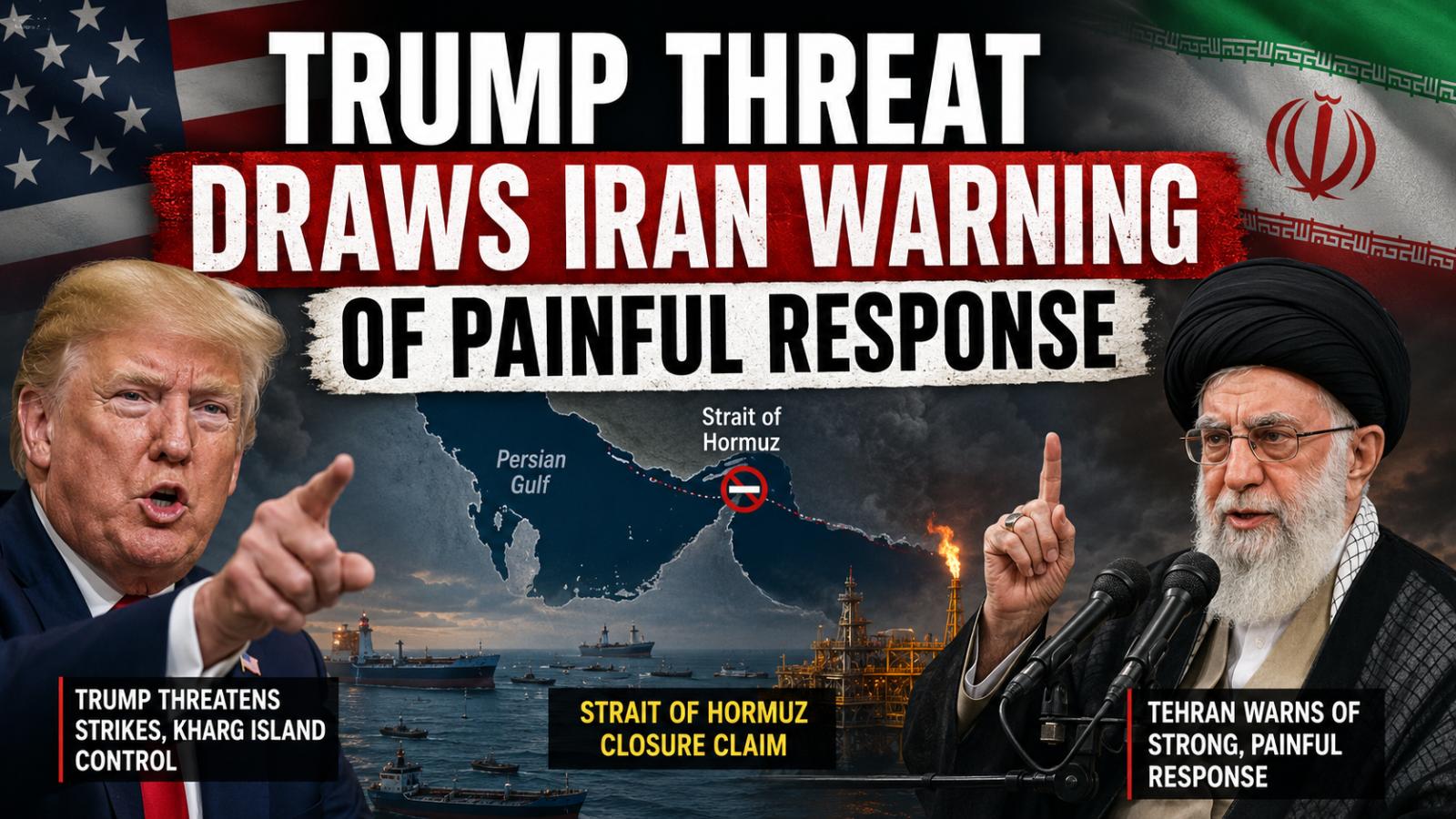
In a statement shared on social media, Gharibabadi stressed that Iran alone was responsible for maintaining stability in the Strait of Hormuz during both peace and conflict. He warned that Tehran would not tolerate outside interference in what it considers a regional security matter. The Strait of Hormuz remains a key global shipping corridor and serves as the only maritime outlet for ports located in the Persian Gulf. Any disruption to traffic through the route has immediate effects on international oil markets and shipping operations.
French President Emmanuel Macron addressed the issue while speaking at a press conference in Nairobi ahead of the African summit. Macron stated that France had “never envisaged” a military deployment intended for confrontation, but instead supported a coordinated security mission aimed at restoring safe maritime traffic. He reiterated his opposition to any blockade affecting the Strait of Hormuz and said France rejected the idea of imposing any form of toll or restriction on vessels using the route.
Responding to Iran’s warning, Macron said there was “never any question of a deployment but we are ready.” He explained that France and Britain had jointly organized an ad hoc international mission involving nearly 50 countries and organizations. According to Macron, the objective was to coordinate with Iran, regional nations, and the United States to reduce tensions and resume normal maritime operations once conditions permitted.
Macron also noted that African nations were being heavily impacted by disruptions in the Strait of Hormuz because of rising fuel costs and delays in energy supply chains. The recent uncertainty in the Gulf has contributed to renewed volatility in global oil prices, raising concerns among international markets and governments dependent on stable energy imports.
Last week, France confirmed that its aircraft carrier Charles de Gaulle had passed through the Suez Canal in preparation for possible regional operations linked to maritime security efforts in the Gulf.