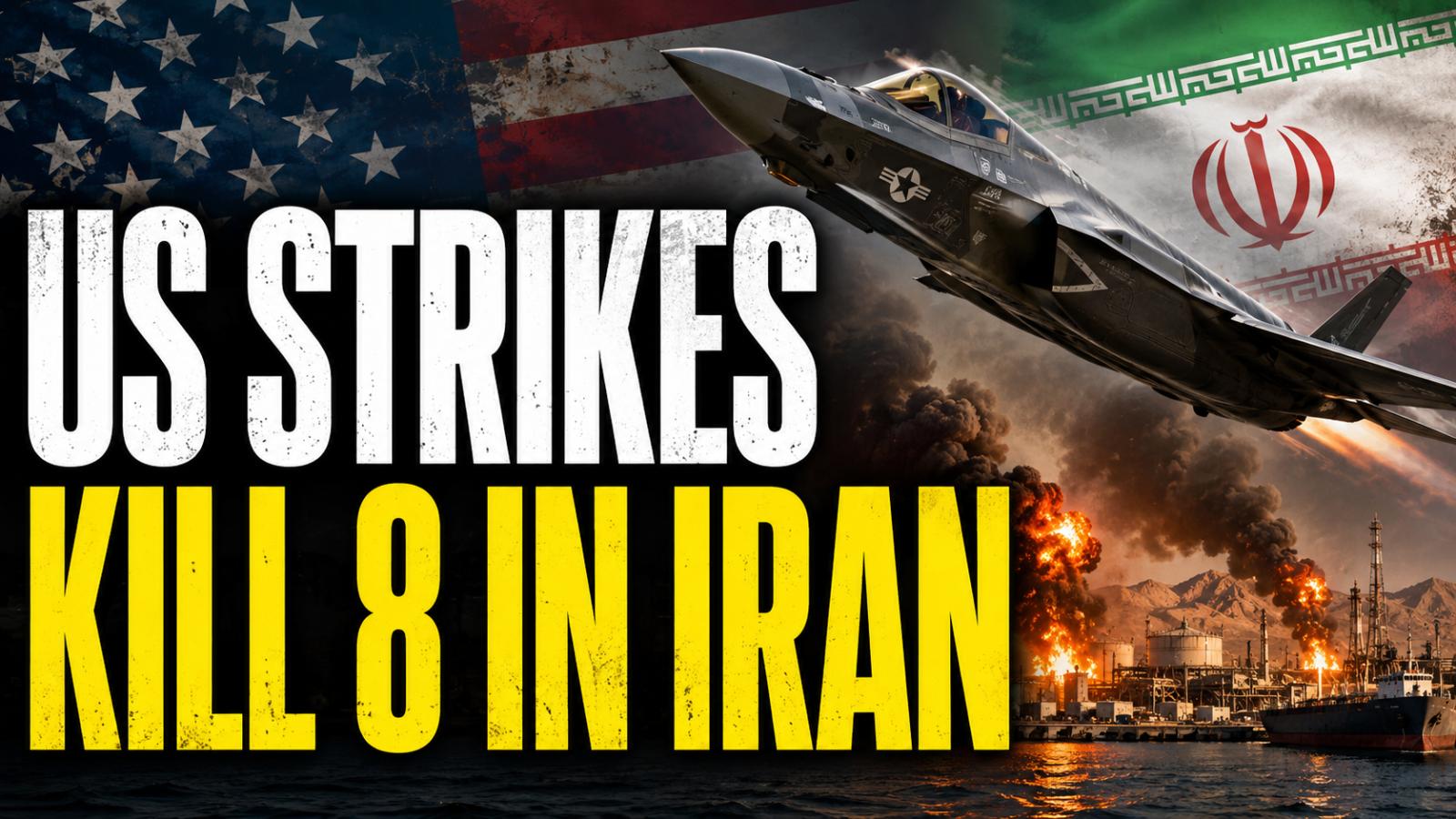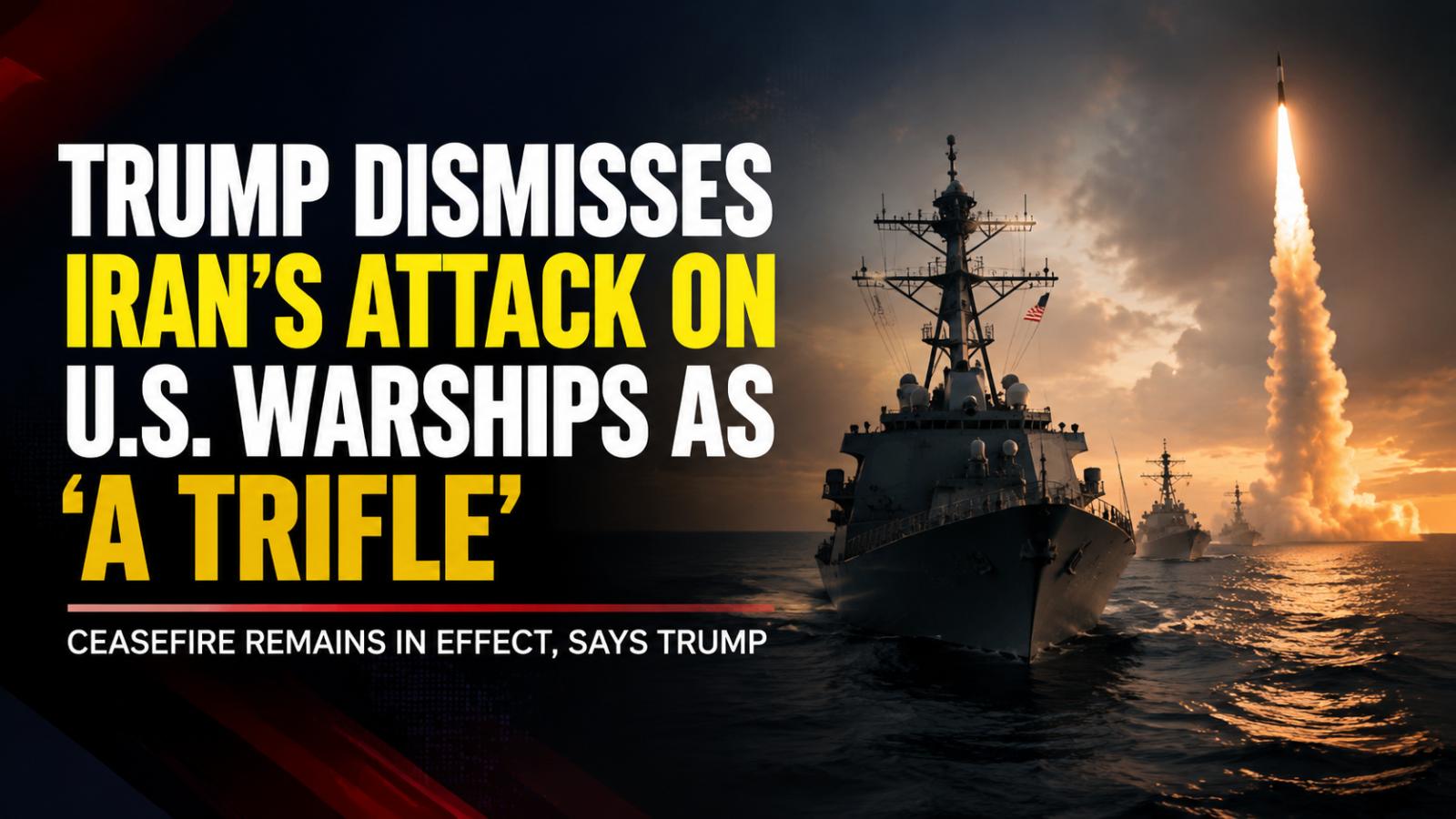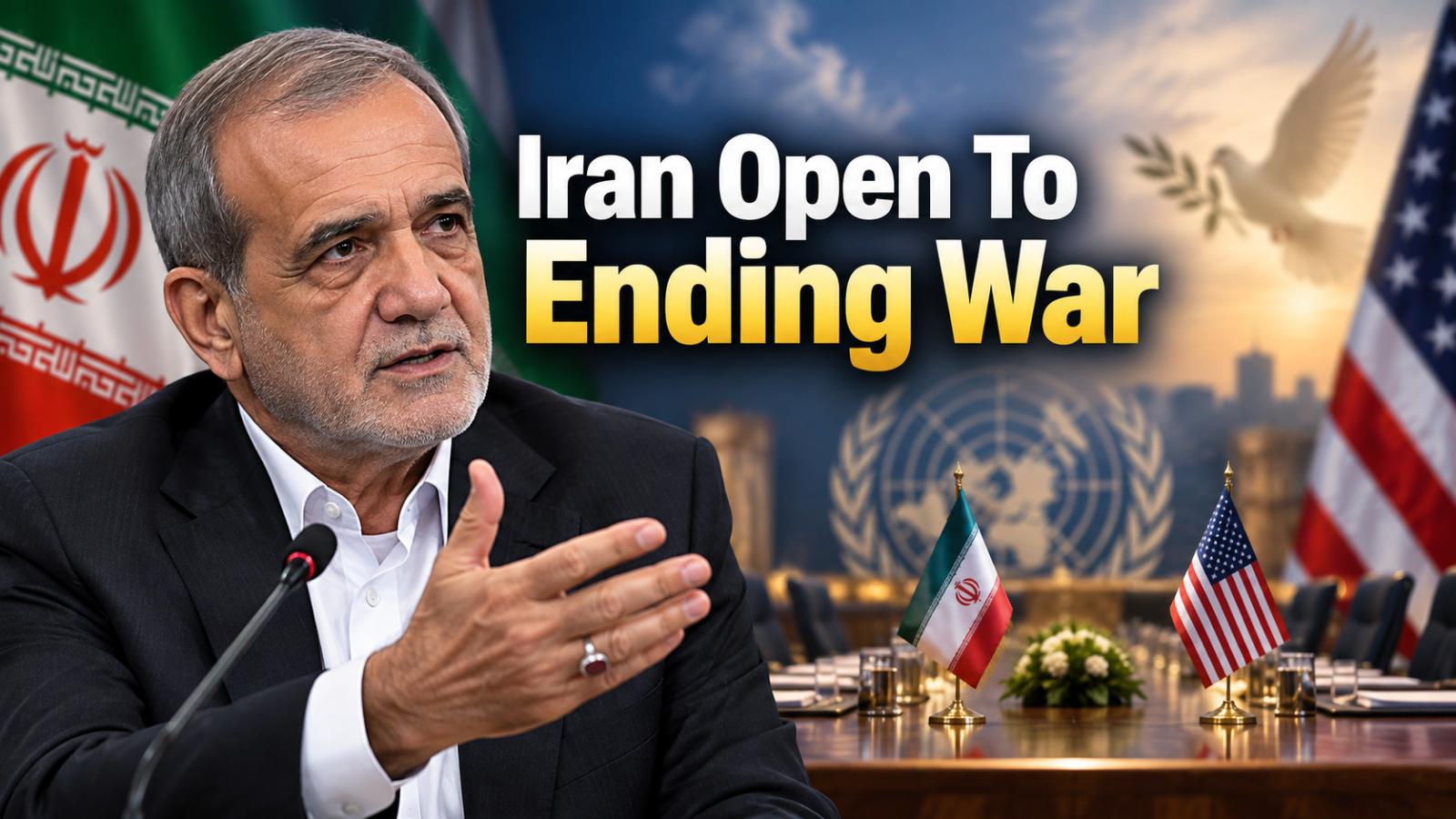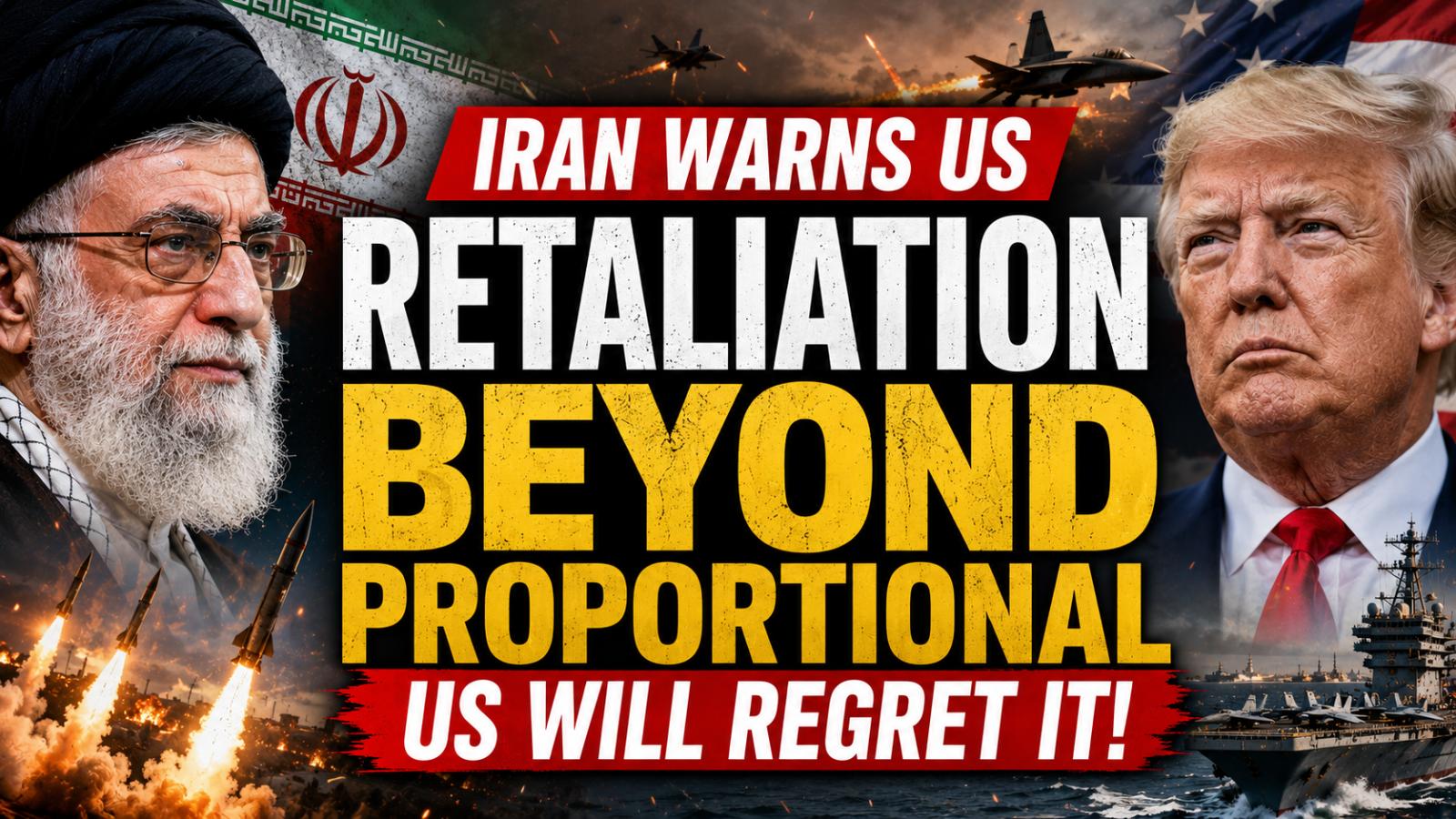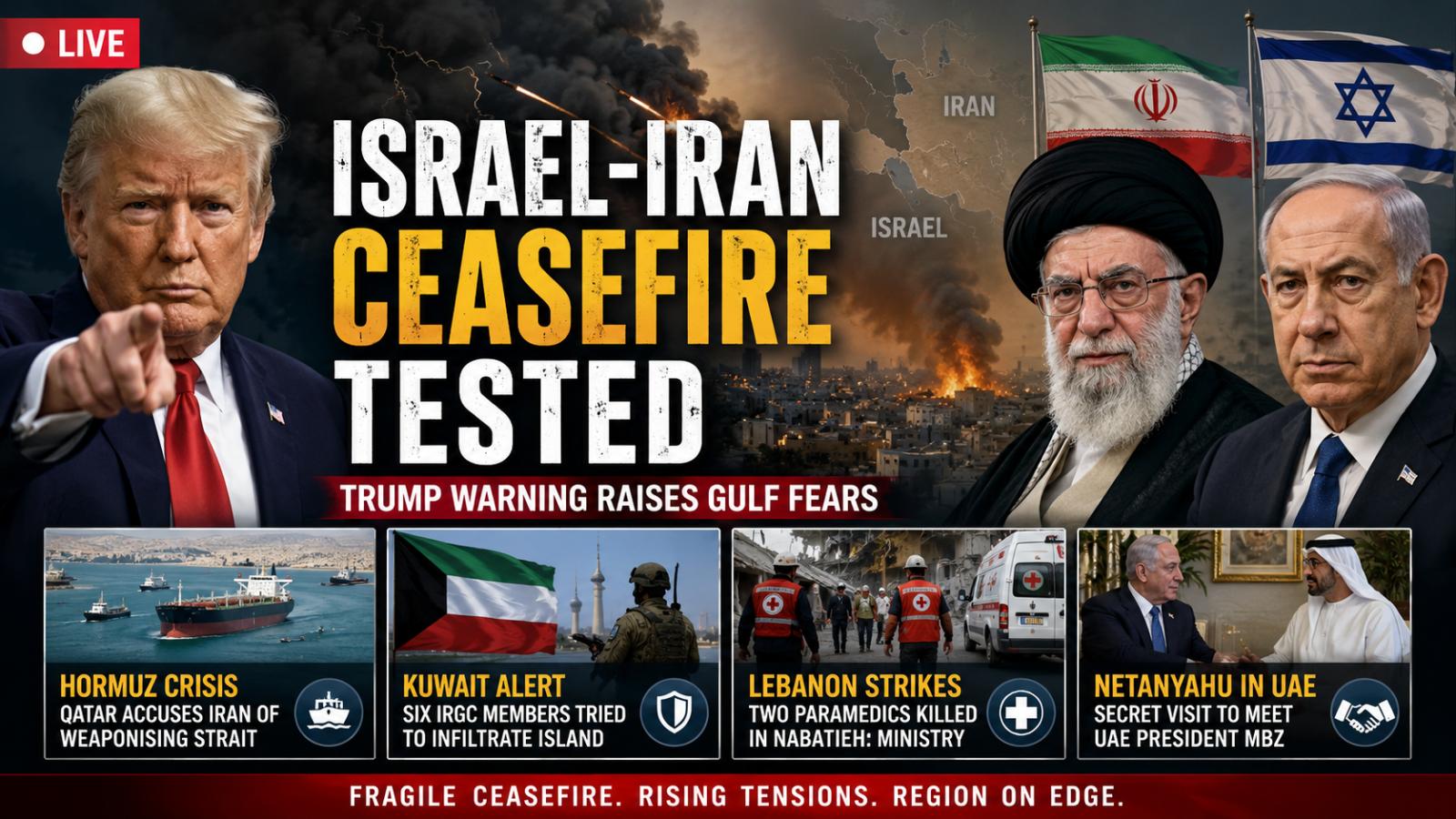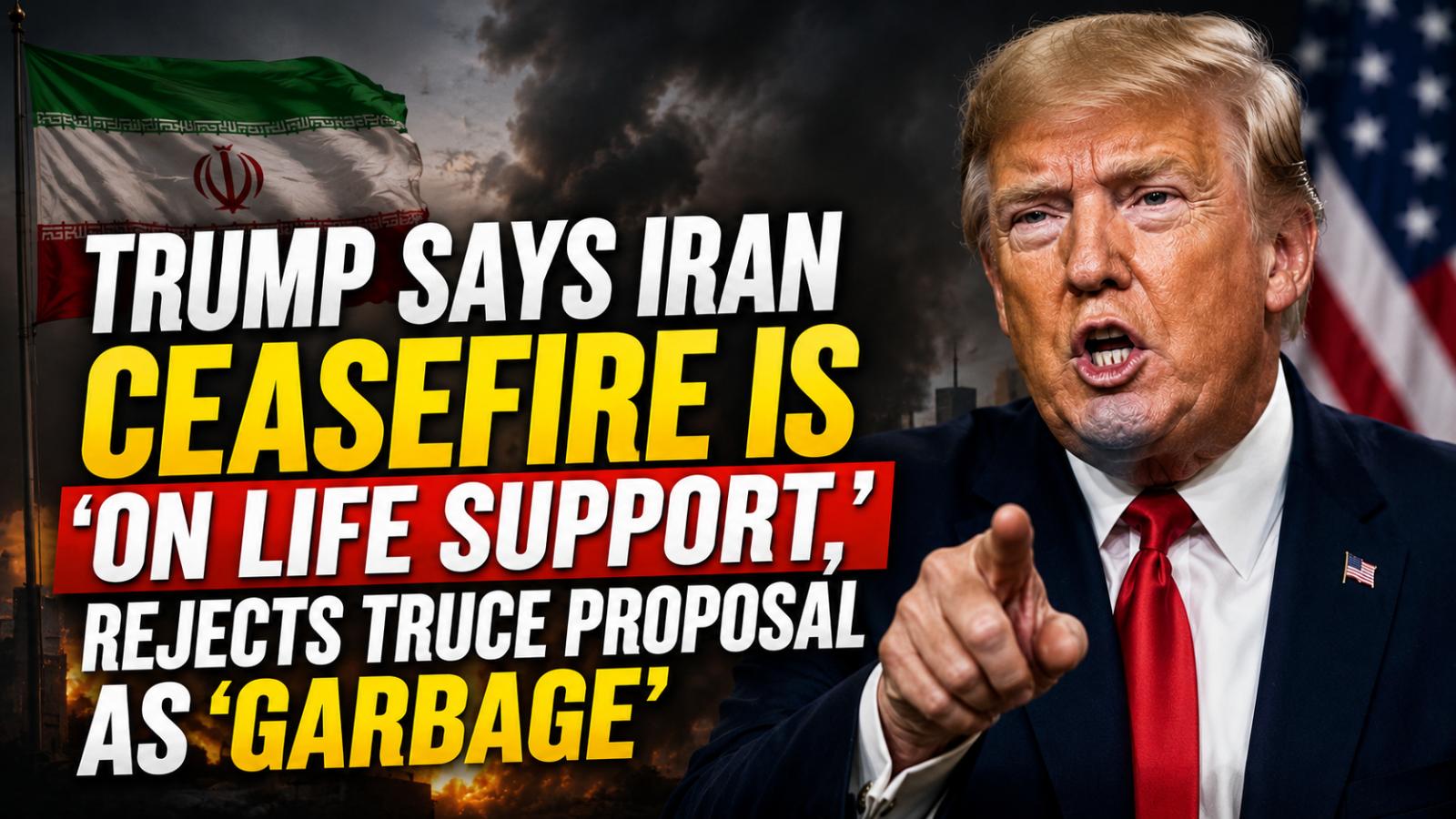
President Donald Trump said the Iran ceasefire is close to collapse after rejecting Tehran’s latest truce proposal, deepening uncertainty over US-Iran tensions and Middle East stability.
Speaking on Monday, May 11, 2026, Trump called Iran’s response unacceptable and said the ceasefire was on “massive life support.” His remarks signaled that Washington is not ready to ease pressure unless Tehran accepts stricter terms on security and nuclear activity.
Why Trump Rejected Iran’s Truce Proposal
Trump criticized the proposal as weak and said Iran had failed to offer firm commitments in writing. The dispute centers on Iran’s nuclear program, sanctions relief, war-related demands and control claims involving the Strait of Hormuz.
US officials have pushed for a halt to hostilities before broader talks, but Iran’s reported conditions included sanctions removal, compensation for damages and guarantees against future military action.
Nuclear Talks and Oil Markets at Risk
The fragile ceasefire matters far beyond Washington and Tehran. The Strait of Hormuz remains one of the world’s most important energy routes, and any renewed conflict could raise pressure on global oil prices.
Trump said Iran must not be allowed to develop nuclear weapons, making that demand central to any future agreement. For now, diplomacy remains possible, but the latest rejection shows how little trust remains between the two sides.
Mediators are still trying to keep talks alive, but the path to a lasting deal has narrowed. Unless both sides soften their positions, the ceasefire could break down and trigger another round of military and economic escalation.