


















Trump Disclosure Shows $2.2 Billion in 2025 Revenue and Income
President Donald Trump’s 2025 financial disclosure shows more than $2.2 billion in reported revenue and income from cryptocurrency ventures, golf properties, licensing agreements, investments and legal settlements. The U.S. Office of Government Ethics released Trump’s certified annual financial disclosure on Tuesday, June 30, 2026. The nearly 1,000-page filing provides an extensive but incomplete picture of his businesses, assets and incom
Trump Disclosure Shows $2.2 Billion in 2025 Revenue and Income
President Donald Trump’s 2025 financial disclosure shows more than $2.2 billion in reported revenue and income from cryptocurrency ventures, golf properties, licensing agreements, investments and legal settlements. The U.S. Office of Government Ethics released Trump’s certified annual financial disclosure on Tuesday, June 30, 2026. The nearly 1,000-page filing provides an extensive but incomplete picture of his businesses, assets and incom
Judge Reviews Trump IRS Settlement Over Fraud Claims
MIAMI — A federal judge is examining whether the resolution of President Donald Trump’s $10 billion lawsuit against the Internal Revenue Service involved deception, collusion or possible fraud on the court. U.S. District Judge Kathleen M. Williams ordered further briefing on Friday, May 29, 2026, after 35 former federal judges asked her to reconsider the case’s closure. No finding of fraud has been made. Trump, his two elde
Judge Reviews Trump IRS Settlement Over Fraud Claims
MIAMI — A federal judge is examining whether the resolution of President Donald Trump’s $10 billion lawsuit against the Internal Revenue Service involved deception, collusion or possible fraud on the court. U.S. District Judge Kathleen M. Williams ordered further briefing on Friday, May 29, 2026, after 35 former federal judges asked her to reconsider the case’s closure. No finding of fraud has been made. Trump, his two elde
Trump Immigration Post Puts Focus on H-1B, Green Card Changes
President Donald Trump renewed attention on immigration with a Truth Social post on Monday, June 15, 2026, as his administration pursued major changes affecting work visas and green card processing. Trump wrote, “If you import The Third World, you become The Third World,” before repeating his “Make America Great Again” slogan. The remarks came shortly before his arrival at the Group of Seven summit in Evian-les-Bains, France. Trump immigration post comes a
Trump Immigration Post Puts Focus on H-1B, Green Card Changes
President Donald Trump renewed attention on immigration with a Truth Social post on Monday, June 15, 2026, as his administration pursued major changes affecting work visas and green card processing. Trump wrote, “If you import The Third World, you become The Third World,” before repeating his “Make America Great Again” slogan. The remarks came shortly before his arrival at the Group of Seven summit in Evian-les-Bains, France. Trump immigration post comes a
Trump NBA Finals Video Goes Viral After Courtside Moment at Knicks vs Spurs Game 3
Donald Trump’s appearance at the NBA Finals became one of the most talked-about moments of the night after a short courtside video began spreading across social media. The clip, taken during Game 3 between the New York Knicks and the San Antonio Spurs at Madison Square Garden, showed Trump seated near Knicks owner James Dolan with his eyes closed for a brief moment. The video quickly turned into a viral talking point, not only because it
Trump NBA Finals Video Goes Viral After Courtside Moment at Knicks vs Spurs Game 3
Donald Trump’s appearance at the NBA Finals became one of the most talked-about moments of the night after a short courtside video began spreading across social media. The clip, taken during Game 3 between the New York Knicks and the San Antonio Spurs at Madison Square Garden, showed Trump seated near Knicks owner James Dolan with his eyes closed for a brief moment. The video quickly turned into a viral talking point, not only because it
Trump Netanyahu Tensions Over Iran Response Downplayed by Israeli Envoy
Reports of Trump Netanyahu tensions have become a major talking point as Israel and the United States continue to manage the fallout from Iran’s recent attacks and Israel’s possible military response. Israel’s ambassador to the United States, Yechiel Leiter, has tried to reduce the seriousness of the reports, saying the relationship between US President Donald Trump and Israeli Prime Minister Benjamin Netanyahu remains strong despite sharp discussions over Iran.
Trump Netanyahu Tensions Over Iran Response Downplayed by Israeli Envoy
Reports of Trump Netanyahu tensions have become a major talking point as Israel and the United States continue to manage the fallout from Iran’s recent attacks and Israel’s possible military response. Israel’s ambassador to the United States, Yechiel Leiter, has tried to reduce the seriousness of the reports, saying the relationship between US President Donald Trump and Israeli Prime Minister Benjamin Netanyahu remains strong despite sharp discussions over Iran.
Trump Walks Out During NBC Interview, Blames Weather and Criticizes Media Over Election Claims
US President Donald Trump abruptly left a live NBC interview following a heated discussion about the 2020 election and his proposed anti-weaponisation fund. The episode quickly gained attention across social media and news platforms. Trump attributed some of his frustration to external factors such as the weather while voicing criticism toward the media, highlighting what he perceives as biased reporting and unfair questioning.
Trump Walks Out During NBC Interview, Blames Weather and Criticizes Media Over Election Claims
US President Donald Trump abruptly left a live NBC interview following a heated discussion about the 2020 election and his proposed anti-weaponisation fund. The episode quickly gained attention across social media and news platforms. Trump attributed some of his frustration to external factors such as the weather while voicing criticism toward the media, highlighting what he perceives as biased reporting and unfair questioning.
Trump Revisits Cognitive Test, Criticizes Democrats at NY Event
Trump Rally in Suffern, New York President Donald Trump held a rally in Suffern, New York, on Friday,May 22,2026 aiming to energize Republican supporters ahead of the midterm elections. Speaking at Rockland Community College, Trump emphasized economic issues, recent Republican victories, and tax cuts while frequently targeting Democratic policies and leaders. At one point, he referred to the Democratic National Commit
Trump Revisits Cognitive Test, Criticizes Democrats at NY Event
Trump Rally in Suffern, New York President Donald Trump held a rally in Suffern, New York, on Friday,May 22,2026 aiming to energize Republican supporters ahead of the midterm elections. Speaking at Rockland Community College, Trump emphasized economic issues, recent Republican victories, and tax cuts while frequently targeting Democratic policies and leaders. At one point, he referred to the Democratic National Commit
Trump 007 Meme Goes Viral After White House Bond-Style Post
The Trump 007 meme went viral after the White House shared a James Bond-style image of Donald Trump on its official X account, drawing attention from political observers, entertainment fans and social media users. The post, shared over the weekend of Saturday, May 16, 2026, and Sunday, May 17, 2026, showed Trump in a tuxedo-style spy pose with 007-inspired branding and the slogan “Make America Great Again.” The caption included only an eye emoji
Trump 007 Meme Goes Viral After White House Bond-Style Post
The Trump 007 meme went viral after the White House shared a James Bond-style image of Donald Trump on its official X account, drawing attention from political observers, entertainment fans and social media users. The post, shared over the weekend of Saturday, May 16, 2026, and Sunday, May 17, 2026, showed Trump in a tuxedo-style spy pose with 007-inspired branding and the slogan “Make America Great Again.” The caption included only an eye emoji
Trump Campaign Deletes TikTok After ‘President Zi’ Typo
A TikTok video posted by the Donald Trump campaign was quickly deleted after viewers noticed a glaring spelling error. The clip, showing Donald Trump and Chinese President Xi Jinping walking on a red carpet during Trump’s state visit to China, mislabelled Xi as “President Zi” while Trump’s name appeared correctly. Screenshots of the post circulated rapidly across social media, amplifying the mistake. Public Reaction: Criticism and H
Trump Campaign Deletes TikTok After ‘President Zi’ Typo
A TikTok video posted by the Donald Trump campaign was quickly deleted after viewers noticed a glaring spelling error. The clip, showing Donald Trump and Chinese President Xi Jinping walking on a red carpet during Trump’s state visit to China, mislabelled Xi as “President Zi” while Trump’s name appeared correctly. Screenshots of the post circulated rapidly across social media, amplifying the mistake. Public Reaction: Criticism and H
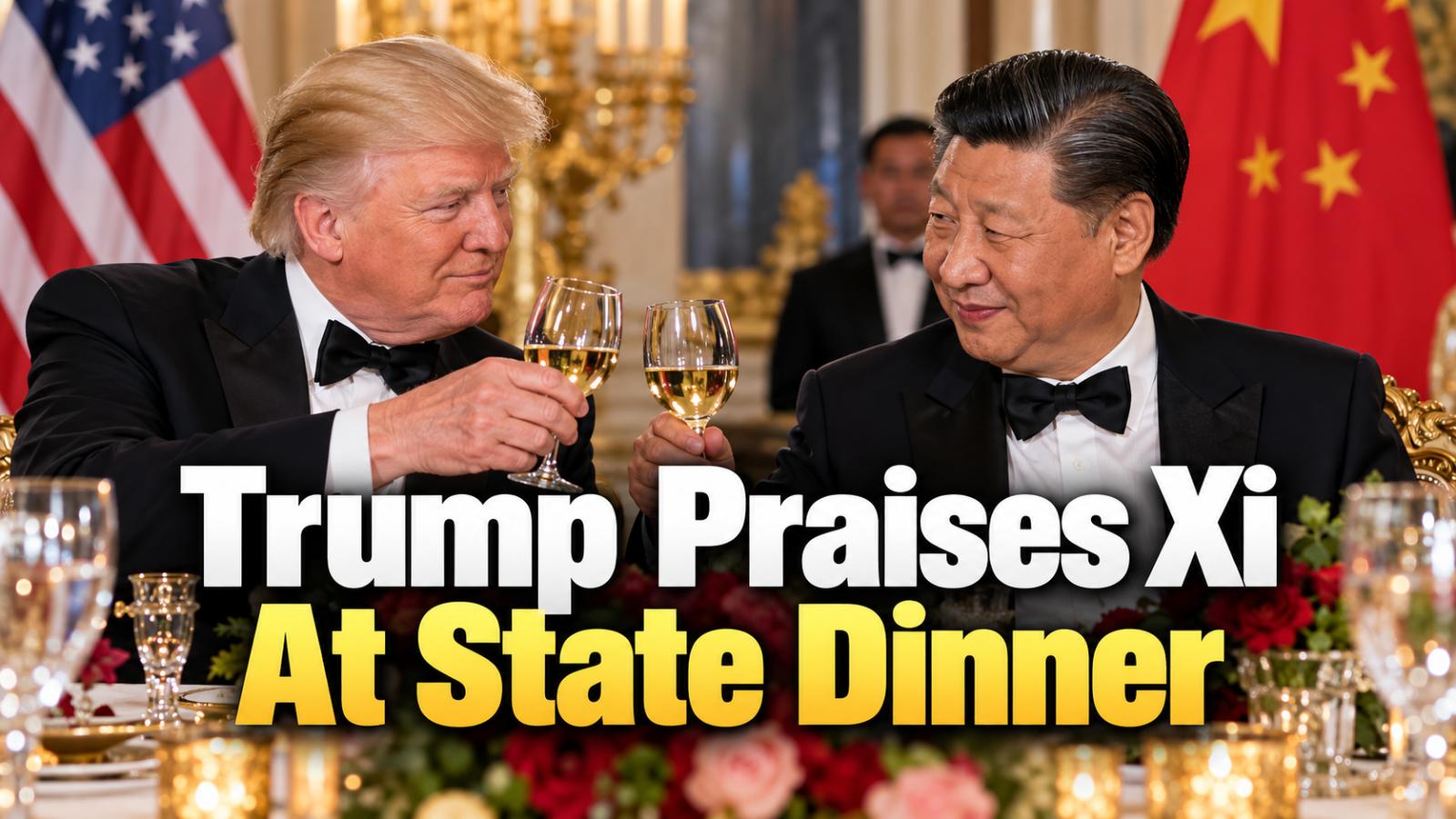
Trump Invites Xi Jinping to the White House
Trump's Historic Visit to Beijing During his address from Beijing, US President Donald Trump praised the enduring strength of the relationship between the United States and China, emphasizing the mutual respect that exists between the citizens of both nations. Trump expressed his gratitude for the "magnificent welcome" he received upon his arrival, acknowledging the warmth and hospitality extended to him during his historic visit. Trump and Xi Jinping As part
Trump Invites Xi Jinping to the White House
Trump's Historic Visit to Beijing During his address from Beijing, US President Donald Trump praised the enduring strength of the relationship between the United States and China, emphasizing the mutual respect that exists between the citizens of both nations. Trump expressed his gratitude for the "magnificent welcome" he received upon his arrival, acknowledging the warmth and hospitality extended to him during his historic visit. Trump and Xi Jinping As part
Trump’s Visit to China: A Grand Reception
A Warmer Welcome for Trump Chinese President Xi Jinping’s diplomatic approach to Donald Trump’s recent visit to Beijing marked a clear shift in China-US relations. Unlike in 2017, when Trump was greeted by a lower-ranking official, this time China sent Vice President Han Zheng, along with both ambassadors and senior foreign affairs officials, signaling a significant elevation in the diplomatic reception. Isabelle Vladoiu, founder of the US Institute of Diplomacy and Human Righ
Trump’s Visit to China: A Grand Reception
A Warmer Welcome for Trump Chinese President Xi Jinping’s diplomatic approach to Donald Trump’s recent visit to Beijing marked a clear shift in China-US relations. Unlike in 2017, when Trump was greeted by a lower-ranking official, this time China sent Vice President Han Zheng, along with both ambassadors and senior foreign affairs officials, signaling a significant elevation in the diplomatic reception. Isabelle Vladoiu, founder of the US Institute of Diplomacy and Human Righ
Xi and Trump Summit at Beijing
Historic Summit Marks a New Phase for US-China Relations On Thursday, May 14, 2026, Chinese President Xi Jinping welcomed US President Donald Trump to Beijing for a high-stakes summit, marking a critical moment in the evolving relationship between the two global powers. Xi set the tone for the summit by stressing the importance of cooperation over confrontation, calling for a stable US-China relationship as a foundation for global stability. “A stable China-US relationship is a
Xi and Trump Summit at Beijing
Historic Summit Marks a New Phase for US-China Relations On Thursday, May 14, 2026, Chinese President Xi Jinping welcomed US President Donald Trump to Beijing for a high-stakes summit, marking a critical moment in the evolving relationship between the two global powers. Xi set the tone for the summit by stressing the importance of cooperation over confrontation, calling for a stable US-China relationship as a foundation for global stability. “A stable China-US relationship is a
US Investigates Possible Chinese Arms Sales to Iran Amid Middle East Tensions
Amid rising tensions in the Middle East, US intelligence agencies are investigating whether China has been supplying military support to Iran. Sources familiar with the ongoing probe suggest that Chinese companies may have been negotiating arms transfers with Iranian officials. These weapons, believed to be funneled through third-party nations, are reportedly being used to mask their origin. However, it remains uncertain if any shipments have been completed or whether China’s government has given its official approval. This investigation unfolds as President Donald Trump is scheduled to meet with Chinese President Xi Jinping in Beijing, where the topic of military cooperation is expected to be high on the agenda. US officials are pushing for a strong stance, as reports suggest that China might have provided Iran with sophisticated military equipment, including shoulder-fired anti-aircraft missile systems known as MANPADS. These missiles could target low-flying aircraft, which would be a major security threat in the region. How is the US responding? The United States has called on China to end any military support to Iran, stressing that such actions are unacceptable, especially with ongoing diplomatic efforts to stabilize relations. Despite attempts to smooth over tensions with China, the US administration has been vocal about its concerns, citing intelligence reports that point to a potential arms shipment route passing through an African nation. So far, there is no clear evidence that any weapons have been successfully transferred. Has China already provided military aid to Iran? While the situation remains ambiguous, reports indicate that China has been providing Iran with other forms of assistance, such as intelligence support and satellite surveillance technology. These resources have significantly boosted Iran’s ability to monitor US military positions in the region. Furthermore, China is believed to have supplied dual-use technology, including semiconductors and sensors, which have both civilian and military applications. These components are often harder to trace, raising concerns that China may be covertly aiding Iran’s military capabilities. What does China gain from supporting Iran? China has strategic interests in maintaining a strong partnership with Iran. As one of Iran's top economic allies, China imports a significant portion of Iran's oil, with estimates suggesting that 80% of Iranian oil exports are bound for China. Beijing’s involvement in the region is also driven by its need to safeguard energy shipments that pass through the Strait of Hormuz, a critical maritime trade route. With the ongoing conflict affecting global shipping, China’s role in ensuring the stability of this region has become more crucial. However, the uncertainty surrounding the Middle East conflict is putting pressure on China, as well as on the broader global market. As the investigation into possible Chinese arms sales to Iran continues, the US is maintaining its vigilance, closely monitoring China’s actions in the Middle East. The growing influence of these geopolitical dynamics on the region’s stability suggests that the US will keep up its scrutiny of China’s role in Iran’s military affairs, especially as tensions continue to rise in this strategic part of the world.
US Investigates Possible Chinese Arms Sales to Iran Amid Middle East Tensions
Amid rising tensions in the Middle East, US intelligence agencies are investigating whether China has been supplying military support to Iran. Sources familiar with the ongoing probe suggest that Chinese companies may have been negotiating arms transfers with Iranian officials. These weapons, believed to be funneled through third-party nations, are reportedly being used to mask their origin. However, it remains uncertain if any shipments have been completed or whether China’s government has given its official approval. This investigation unfolds as President Donald Trump is scheduled to meet with Chinese President Xi Jinping in Beijing, where the topic of military cooperation is expected to be high on the agenda. US officials are pushing for a strong stance, as reports suggest that China might have provided Iran with sophisticated military equipment, including shoulder-fired anti-aircraft missile systems known as MANPADS. These missiles could target low-flying aircraft, which would be a major security threat in the region. How is the US responding? The United States has called on China to end any military support to Iran, stressing that such actions are unacceptable, especially with ongoing diplomatic efforts to stabilize relations. Despite attempts to smooth over tensions with China, the US administration has been vocal about its concerns, citing intelligence reports that point to a potential arms shipment route passing through an African nation. So far, there is no clear evidence that any weapons have been successfully transferred. Has China already provided military aid to Iran? While the situation remains ambiguous, reports indicate that China has been providing Iran with other forms of assistance, such as intelligence support and satellite surveillance technology. These resources have significantly boosted Iran’s ability to monitor US military positions in the region. Furthermore, China is believed to have supplied dual-use technology, including semiconductors and sensors, which have both civilian and military applications. These components are often harder to trace, raising concerns that China may be covertly aiding Iran’s military capabilities. What does China gain from supporting Iran? China has strategic interests in maintaining a strong partnership with Iran. As one of Iran's top economic allies, China imports a significant portion of Iran's oil, with estimates suggesting that 80% of Iranian oil exports are bound for China. Beijing’s involvement in the region is also driven by its need to safeguard energy shipments that pass through the Strait of Hormuz, a critical maritime trade route. With the ongoing conflict affecting global shipping, China’s role in ensuring the stability of this region has become more crucial. However, the uncertainty surrounding the Middle East conflict is putting pressure on China, as well as on the broader global market. As the investigation into possible Chinese arms sales to Iran continues, the US is maintaining its vigilance, closely monitoring China’s actions in the Middle East. The growing influence of these geopolitical dynamics on the region’s stability suggests that the US will keep up its scrutiny of China’s role in Iran’s military affairs, especially as tensions continue to rise in this strategic part of the world.
Kevin Warsh Confirmed as Fed Chair as Inflation and Rate-Cut Pressure Intensify
Kevin Warsh was confirmed as Federal Reserve chair on Wednesday, May 13, 2026, placing President Donald Trump’s nominee at the center of a high-stakes debate over inflation, interest rates and the independence of the U.S. central bank. The Senate approved Warsh in a 54–45 largely party-line vote, clearing the way for the former Federal Reserve official to succeed Jerome Powell. The confirmation followed uncertainty tied to a Justice Department investigation involving Powell, whi
Kevin Warsh Confirmed as Fed Chair as Inflation and Rate-Cut Pressure Intensify
Kevin Warsh was confirmed as Federal Reserve chair on Wednesday, May 13, 2026, placing President Donald Trump’s nominee at the center of a high-stakes debate over inflation, interest rates and the independence of the U.S. central bank. The Senate approved Warsh in a 54–45 largely party-line vote, clearing the way for the former Federal Reserve official to succeed Jerome Powell. The confirmation followed uncertainty tied to a Justice Department investigation involving Powell, whi
Trump-Xi Summit 2026: 6 Past Meetings That Explain US-China Tensions
Trump-Xi Summit Puts US-China Tensions Back in Focus US President Donald Trump arrived in Beijing on Wednesday, May 13, 2026, for a high-stakes summit with Chinese President Xi Jinping, bringing tariffs, rare earth exports, AI chips, Taiwan and global security back to the center of US-China relations. The summit is expected to mark another major test for the world’s two largest economies after six previous Trump-Xi meetings shaped trade disputes, tariff pauses and fragile diplomatic resets since 2017. For Washington, the key questions include trade access, technology restrictions, agriculture purchases, Taiwan and supply-chain stability. For Beijing, the meeting is a chance to push back against US tariffs and technology controls while protecting China’s position in global trade. Why the Trump-Xi Summit Matters in 2026 The 2026 Trump-Xi summit matters because the issues are no longer limited to trade. The talks now include rare earth minerals, artificial intelligence, agriculture, Taiwan, nuclear concerns and broader geopolitical tensions. Reuters reported that Trump and Xi are expected to discuss trade, AI, agriculture, rare earths and global security issues during the summit period. Rare earth exports are especially important because China plays a major role in minerals used in defense systems, electric vehicles, electronics and clean-energy technology. Any movement on export controls could affect global supply chains and US manufacturers. AI chips are another major pressure point. Trump’s Beijing visit also drew attention because Nvidia CEO Jensen Huang joined the mission as US companies seek broader access to China’s technology market. Taiwan remains one of the most sensitive security issues. Beijing strongly opposes US arms sales to Taiwan, while Washington continues to maintain political and security ties with Taipei. AP reported that US arms sales to Taiwan are among the issues surrounding the summit. Trump-Xi Meetings Timeline Meeting Date Location Main Focus Why It Matters Now First Trump-Xi meeting Thursday, April 6, 2017 Mar-a-Lago, Florida Trade, diplomacy, North Korea Opened direct leader-level communication G20 meeting Saturday, July 8, 2017 Hamburg, Germany North Korea and economic ties Came before stronger US trade action Trump China visit Wednesday, November 8, 2017 to Friday, November 10, 2017 Beijing, China Business deals and trade imbalance Warm diplomacy did not stop tariff tensions G20 dinner Saturday, December 1, 2018 Buenos Aires, Argentina Tariffs, intellectual property and cyber concerns Opened temporary negotiations during the trade war Osaka G20 meeting Saturday, June 29, 2019 Osaka, Japan Tariff pause and farm purchases Restarted trade talks after escalation APEC meeting Thursday, October 30, 2025 Busan, South Korea Tariffs, rare earths and farm exports Created a temporary pause before the 2026 summit How Six Meetings Shaped US-China Relations Trump and Xi first met at Mar-a-Lago in Florida on Thursday, April 6, 2017. The meeting created a personal channel between the two leaders, but it did not resolve deeper US concerns over China’s trade practices, market access and industrial policy. Their second meeting came on Saturday, July 8, 2017, during the G20 summit in Hamburg, Germany. North Korea was a major topic, but trade tensions were already rising. Soon after, Washington moved toward stronger action over alleged Chinese intellectual property theft and unfair trade practices. Trump visited Beijing from Wednesday, November 8, 2017, to Friday, November 10, 2017. The visit included ceremonial events and business announcements, but the friendly tone did not prevent the two countries from moving toward a wider trade confrontation. By Saturday, December 1, 2018, when Trump and Xi met at the G20 summit in Buenos Aires, both countries had already imposed tariffs. The dinner opened temporary negotiations on trade imbalances, intellectual property and cyber concerns. The next major pause came at the G20 summit in Osaka on Saturday, June 29, 2019. Trump and Xi agreed to restart trade talks and delay new tariffs. China also pledged to buy more US agricultural goods. Their sixth meeting came after a six-year gap on Thursday, October 30, 2025, during the APEC summit in Busan, South Korea. That meeting helped create a temporary pause in parts of the trade dispute, including movement on tariffs, rare earth exports and US farm purchases. What the 2026 Trump-Xi Meeting Could Decide The Beijing summit could decide whether Washington and Beijing extend a period of limited stability or return to sharper confrontation. For the United States, the main goals include tariff relief, stronger export access for farmers, rare earth supply stability, technology safeguards and progress on broader security issues. American companies are also watching whether the talks create more space for business access in China. For China, the summit is about reducing pressure from tariffs and technology restrictions while showing that Beijing can negotiate from strength. Rare earths give China leverage, while its large consumer and technology market remains important for US companies. The six previous Trump-Xi meetings show a clear pattern: personal diplomacy can slow escalation, but it rarely solves the deeper disputes. Mar-a-Lago and Beijing created warmth but did not prevent the trade war. Buenos Aires and Osaka produced temporary pauses. Busan again showed that both sides could step back from escalation, but only for a limited period. That makes the 2026 summit more than another diplomatic event. It is a test of whether the United States and China can manage competition without allowing tariffs, AI chip restrictions, rare earth controls and Taiwan tensions to trigger another major crisis.
Trump-Xi Summit 2026: 6 Past Meetings That Explain US-China Tensions
Trump-Xi Summit Puts US-China Tensions Back in Focus US President Donald Trump arrived in Beijing on Wednesday, May 13, 2026, for a high-stakes summit with Chinese President Xi Jinping, bringing tariffs, rare earth exports, AI chips, Taiwan and global security back to the center of US-China relations. The summit is expected to mark another major test for the world’s two largest economies after six previous Trump-Xi meetings shaped trade disputes, tariff pauses and fragile diplomatic resets since 2017. For Washington, the key questions include trade access, technology restrictions, agriculture purchases, Taiwan and supply-chain stability. For Beijing, the meeting is a chance to push back against US tariffs and technology controls while protecting China’s position in global trade. Why the Trump-Xi Summit Matters in 2026 The 2026 Trump-Xi summit matters because the issues are no longer limited to trade. The talks now include rare earth minerals, artificial intelligence, agriculture, Taiwan, nuclear concerns and broader geopolitical tensions. Reuters reported that Trump and Xi are expected to discuss trade, AI, agriculture, rare earths and global security issues during the summit period. Rare earth exports are especially important because China plays a major role in minerals used in defense systems, electric vehicles, electronics and clean-energy technology. Any movement on export controls could affect global supply chains and US manufacturers. AI chips are another major pressure point. Trump’s Beijing visit also drew attention because Nvidia CEO Jensen Huang joined the mission as US companies seek broader access to China’s technology market. Taiwan remains one of the most sensitive security issues. Beijing strongly opposes US arms sales to Taiwan, while Washington continues to maintain political and security ties with Taipei. AP reported that US arms sales to Taiwan are among the issues surrounding the summit. Trump-Xi Meetings Timeline Meeting Date Location Main Focus Why It Matters Now First Trump-Xi meeting Thursday, April 6, 2017 Mar-a-Lago, Florida Trade, diplomacy, North Korea Opened direct leader-level communication G20 meeting Saturday, July 8, 2017 Hamburg, Germany North Korea and economic ties Came before stronger US trade action Trump China visit Wednesday, November 8, 2017 to Friday, November 10, 2017 Beijing, China Business deals and trade imbalance Warm diplomacy did not stop tariff tensions G20 dinner Saturday, December 1, 2018 Buenos Aires, Argentina Tariffs, intellectual property and cyber concerns Opened temporary negotiations during the trade war Osaka G20 meeting Saturday, June 29, 2019 Osaka, Japan Tariff pause and farm purchases Restarted trade talks after escalation APEC meeting Thursday, October 30, 2025 Busan, South Korea Tariffs, rare earths and farm exports Created a temporary pause before the 2026 summit How Six Meetings Shaped US-China Relations Trump and Xi first met at Mar-a-Lago in Florida on Thursday, April 6, 2017. The meeting created a personal channel between the two leaders, but it did not resolve deeper US concerns over China’s trade practices, market access and industrial policy. Their second meeting came on Saturday, July 8, 2017, during the G20 summit in Hamburg, Germany. North Korea was a major topic, but trade tensions were already rising. Soon after, Washington moved toward stronger action over alleged Chinese intellectual property theft and unfair trade practices. Trump visited Beijing from Wednesday, November 8, 2017, to Friday, November 10, 2017. The visit included ceremonial events and business announcements, but the friendly tone did not prevent the two countries from moving toward a wider trade confrontation. By Saturday, December 1, 2018, when Trump and Xi met at the G20 summit in Buenos Aires, both countries had already imposed tariffs. The dinner opened temporary negotiations on trade imbalances, intellectual property and cyber concerns. The next major pause came at the G20 summit in Osaka on Saturday, June 29, 2019. Trump and Xi agreed to restart trade talks and delay new tariffs. China also pledged to buy more US agricultural goods. Their sixth meeting came after a six-year gap on Thursday, October 30, 2025, during the APEC summit in Busan, South Korea. That meeting helped create a temporary pause in parts of the trade dispute, including movement on tariffs, rare earth exports and US farm purchases. What the 2026 Trump-Xi Meeting Could Decide The Beijing summit could decide whether Washington and Beijing extend a period of limited stability or return to sharper confrontation. For the United States, the main goals include tariff relief, stronger export access for farmers, rare earth supply stability, technology safeguards and progress on broader security issues. American companies are also watching whether the talks create more space for business access in China. For China, the summit is about reducing pressure from tariffs and technology restrictions while showing that Beijing can negotiate from strength. Rare earths give China leverage, while its large consumer and technology market remains important for US companies. The six previous Trump-Xi meetings show a clear pattern: personal diplomacy can slow escalation, but it rarely solves the deeper disputes. Mar-a-Lago and Beijing created warmth but did not prevent the trade war. Buenos Aires and Osaka produced temporary pauses. Busan again showed that both sides could step back from escalation, but only for a limited period. That makes the 2026 summit more than another diplomatic event. It is a test of whether the United States and China can manage competition without allowing tariffs, AI chip restrictions, rare earth controls and Taiwan tensions to trigger another major crisis.
Trump-Xi summit: Key issues, trade talks, and Iran conflict to be addressed
US President Donald Trump is set to visit China from May 13 to 15, marking the first visit to the country by an American president in nearly nine years. The invitation comes from Chinese President Xi Jinping amid growing tensions between the two nations over issues such as trade, technology, and defense. This visit comes at a critical time for global politics, with the ongoing Iran conflict impacting both economic stability and energy prices. The timing of Trump’s visit coincides with a volatile situation in the Strait of Hormuz, where a dual blockade has significantly disrupted global oil trade, driving up energy prices. These disruptions have the potential to harm global economic growth, as the Strait is a vital shipping route for the world’s oil supply. Trump’s administration has placed significant pressure on Iran over its nuclear program, and in recent remarks, he stated that the US would “finish the job” if Iran did not agree to the terms aimed at halting the conflict. While tensions remain high, the US continues to press for a diplomatic resolution to the situation, with President Trump asserting that Iran must meet specific demands regarding its nuclear ambitions. Despite these pressures, Trump maintains that the US does not need China’s assistance to resolve the issue, suggesting that the conflict could be settled with or without China’s involvement. Iran, for its part, has signaled its intention to pursue peace, with chief negotiator Mohammad Bagher Ghalibaf issuing an ultimatum to the US. According to Ghalibaf, Washington must accept Iran’s recent peace proposal or face further failure in negotiations. He emphasized that there was no alternative but to acknowledge the rights of the Iranian people as outlined in Tehran’s 14-point proposal. Beyond the Iran conflict, the upcoming Trump-Xi summit is expected to address several key issues affecting US-China relations. Trade discussions will likely focus on extending a temporary truce in the ongoing trade dispute, particularly concerning rare earth minerals. Both leaders are expected to explore agreements related to Boeing aircraft purchases, as well as expanding trade and investment ties. Additionally, China is anticipated to announce purchases in the US agricultural and energy sectors. Another significant topic of discussion will be Taiwan, with Xi expressing frustration over the US’s continued support for the island nation, which China claims as part of its territory. Trump’s administration has reiterated its commitment to Taiwan, despite escalating military activities in the region by China. The summit will also cover the rapid development of artificial intelligence (AI) in both countries, with US officials highlighting concerns about the potential military and economic implications of AI advancements. With both nations at the forefront of technological innovation, there is a growing need for open communication to avoid misunderstandings or potential conflicts arising from the use of AI. This high-stakes summit between the US and China is poised to shape the future of global trade, energy security, and technological development, with both sides seeking to manage their differences while addressing urgent geopolitical challenges. As the world watches, the outcome of these talks could have far-reaching implications for international relations.
Trump-Xi summit: Key issues, trade talks, and Iran conflict to be addressed
US President Donald Trump is set to visit China from May 13 to 15, marking the first visit to the country by an American president in nearly nine years. The invitation comes from Chinese President Xi Jinping amid growing tensions between the two nations over issues such as trade, technology, and defense. This visit comes at a critical time for global politics, with the ongoing Iran conflict impacting both economic stability and energy prices. The timing of Trump’s visit coincides with a volatile situation in the Strait of Hormuz, where a dual blockade has significantly disrupted global oil trade, driving up energy prices. These disruptions have the potential to harm global economic growth, as the Strait is a vital shipping route for the world’s oil supply. Trump’s administration has placed significant pressure on Iran over its nuclear program, and in recent remarks, he stated that the US would “finish the job” if Iran did not agree to the terms aimed at halting the conflict. While tensions remain high, the US continues to press for a diplomatic resolution to the situation, with President Trump asserting that Iran must meet specific demands regarding its nuclear ambitions. Despite these pressures, Trump maintains that the US does not need China’s assistance to resolve the issue, suggesting that the conflict could be settled with or without China’s involvement. Iran, for its part, has signaled its intention to pursue peace, with chief negotiator Mohammad Bagher Ghalibaf issuing an ultimatum to the US. According to Ghalibaf, Washington must accept Iran’s recent peace proposal or face further failure in negotiations. He emphasized that there was no alternative but to acknowledge the rights of the Iranian people as outlined in Tehran’s 14-point proposal. Beyond the Iran conflict, the upcoming Trump-Xi summit is expected to address several key issues affecting US-China relations. Trade discussions will likely focus on extending a temporary truce in the ongoing trade dispute, particularly concerning rare earth minerals. Both leaders are expected to explore agreements related to Boeing aircraft purchases, as well as expanding trade and investment ties. Additionally, China is anticipated to announce purchases in the US agricultural and energy sectors. Another significant topic of discussion will be Taiwan, with Xi expressing frustration over the US’s continued support for the island nation, which China claims as part of its territory. Trump’s administration has reiterated its commitment to Taiwan, despite escalating military activities in the region by China. The summit will also cover the rapid development of artificial intelligence (AI) in both countries, with US officials highlighting concerns about the potential military and economic implications of AI advancements. With both nations at the forefront of technological innovation, there is a growing need for open communication to avoid misunderstandings or potential conflicts arising from the use of AI. This high-stakes summit between the US and China is poised to shape the future of global trade, energy security, and technological development, with both sides seeking to manage their differences while addressing urgent geopolitical challenges. As the world watches, the outcome of these talks could have far-reaching implications for international relations.
Trump Health Check at Walter Reed Sparks Fresh Questions Ahead of Beijing Summit
WASHINGTON — President Donald Trump is scheduled to undergo a medical and dental examination at Walter Reed National Military Medical Center on Monday, May 26, as part of his annual preventive health evaluation, the White House said. The checkup comes as questions surrounding presidential age, fitness and medical transparency continue drawing national attention ahead of the 2026 political season. Trump, who turns 80 next month, remains the oldest person elected president in US history. Medical Exam Comes Before Beijing Summit The White House said the evaluation will take place roughly 10 days after Trump returns from a planned summit in Beijing with Chinese President Xi Jinping. Officials described the appointment as a routine annual physical and dental review. Trump has repeatedly said he feels healthy and energetic despite ongoing public discussion about aging presidents in Washington. Speaking during an Oval Office appearance on Monday, Trump said he feels “literally the same” as he did decades ago and joked about exercising “about one minute a day.” Previous Health Reports Drew Public Attention Trump’s last major physical examination was conducted in April 2025, when White House physician Navy Capt. Sean Barbabella stated the president was “fully fit” to serve as commander in chief. The report also noted Trump had lost nearly 20 pounds compared to his 2020 medical evaluation. Later in 2025, White House officials disclosed that Trump underwent testing for mild swelling in his lower legs. Doctors diagnosed chronic venous insufficiency, a common condition affecting blood flow in older adults. Press secretary Karoline Leavitt also addressed visible bruising seen on Trump’s hands, saying it was linked to frequent handshaking and aspirin use. Trump reportedly takes aspirin to reduce the risk of heart attack and stroke. The president also received a flu shot and COVID-19 booster during a previous medical visit that included preventive heart and abdominal screening tests, according to White House officials.
Trump Health Check at Walter Reed Sparks Fresh Questions Ahead of Beijing Summit
WASHINGTON — President Donald Trump is scheduled to undergo a medical and dental examination at Walter Reed National Military Medical Center on Monday, May 26, as part of his annual preventive health evaluation, the White House said. The checkup comes as questions surrounding presidential age, fitness and medical transparency continue drawing national attention ahead of the 2026 political season. Trump, who turns 80 next month, remains the oldest person elected president in US history. Medical Exam Comes Before Beijing Summit The White House said the evaluation will take place roughly 10 days after Trump returns from a planned summit in Beijing with Chinese President Xi Jinping. Officials described the appointment as a routine annual physical and dental review. Trump has repeatedly said he feels healthy and energetic despite ongoing public discussion about aging presidents in Washington. Speaking during an Oval Office appearance on Monday, Trump said he feels “literally the same” as he did decades ago and joked about exercising “about one minute a day.” Previous Health Reports Drew Public Attention Trump’s last major physical examination was conducted in April 2025, when White House physician Navy Capt. Sean Barbabella stated the president was “fully fit” to serve as commander in chief. The report also noted Trump had lost nearly 20 pounds compared to his 2020 medical evaluation. Later in 2025, White House officials disclosed that Trump underwent testing for mild swelling in his lower legs. Doctors diagnosed chronic venous insufficiency, a common condition affecting blood flow in older adults. Press secretary Karoline Leavitt also addressed visible bruising seen on Trump’s hands, saying it was linked to frequent handshaking and aspirin use. Trump reportedly takes aspirin to reduce the risk of heart attack and stroke. The president also received a flu shot and COVID-19 booster during a previous medical visit that included preventive heart and abdominal screening tests, according to White House officials.
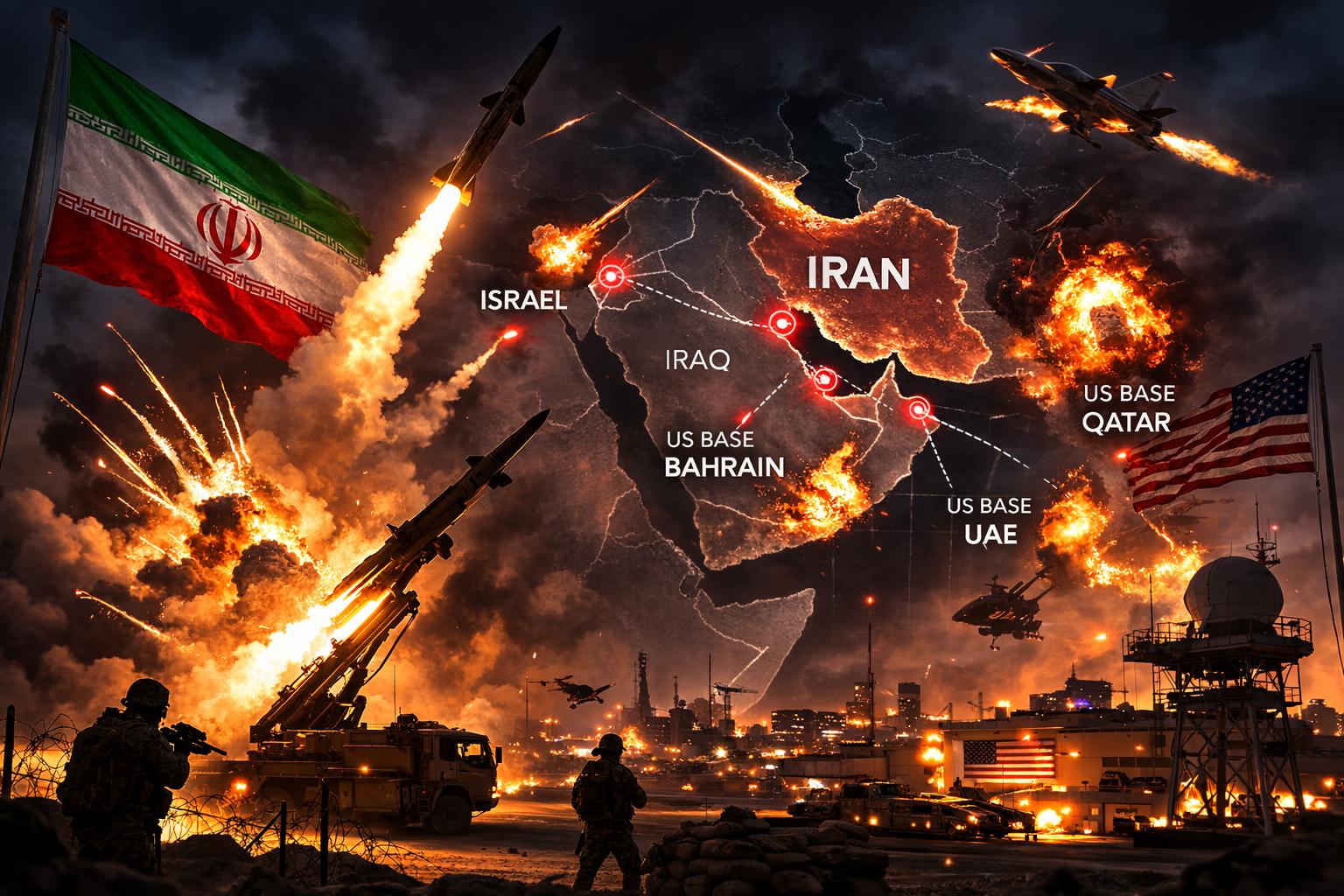
Trump Says Iran Ceasefire Near Collapse After Rejecting Truce Offer
President Donald Trump said the Iran ceasefire is close to collapse after rejecting Tehran’s latest truce proposal, deepening uncertainty over US-Iran tensions and Middle East stability. Speaking on Monday, May 11, 2026, Trump called Iran’s response unacceptable and said the ceasefire was on “massive life support.” His remarks signaled that Washington is not ready to ease pressure unless Tehran accepts stricter terms on security and nuclear activity. Why T
Trump Says Iran Ceasefire Near Collapse After Rejecting Truce Offer
President Donald Trump said the Iran ceasefire is close to collapse after rejecting Tehran’s latest truce proposal, deepening uncertainty over US-Iran tensions and Middle East stability. Speaking on Monday, May 11, 2026, Trump called Iran’s response unacceptable and said the ceasefire was on “massive life support.” His remarks signaled that Washington is not ready to ease pressure unless Tehran accepts stricter terms on security and nuclear activity. Why T
Trump-Xi meeting to focus on tariffs, Iran crisis and global stability
China on Monday confirmed that US President Donald Trump will visit Beijing from May 13 to May 15 for high-level talks with Chinese President Xi Jinping. The Trump China visit will be the first trip to China during Trump’s second term and is expected to focus on improving strained trade relations between the world’s two largest economies. The meeting comes at a time when global tensions, tariff disputes and concerns over economic stability continue to affect international markets and poli
Trump-Xi meeting to focus on tariffs, Iran crisis and global stability
China on Monday confirmed that US President Donald Trump will visit Beijing from May 13 to May 15 for high-level talks with Chinese President Xi Jinping. The Trump China visit will be the first trip to China during Trump’s second term and is expected to focus on improving strained trade relations between the world’s two largest economies. The meeting comes at a time when global tensions, tariff disputes and concerns over economic stability continue to affect international markets and poli
Trump’s 10% Global Tariffs Face Legal Setback, Court Orders Refunds
The Trump administration had introduced the 10% tariff in February, following a Supreme Court decision that struck down many of his earlier tariffs. The administration argued that the new measure was necessary to address balance-of-payments deficits, citing Section 122 of the Trade Act of 1974. However, the court found that this legal justification was not applicable to the current situation. The U.S. trade court's ruling has implications for the administrat
Trump’s 10% Global Tariffs Face Legal Setback, Court Orders Refunds
The Trump administration had introduced the 10% tariff in February, following a Supreme Court decision that struck down many of his earlier tariffs. The administration argued that the new measure was necessary to address balance-of-payments deficits, citing Section 122 of the Trade Act of 1974. However, the court found that this legal justification was not applicable to the current situation. The U.S. trade court's ruling has implications for the administrat


