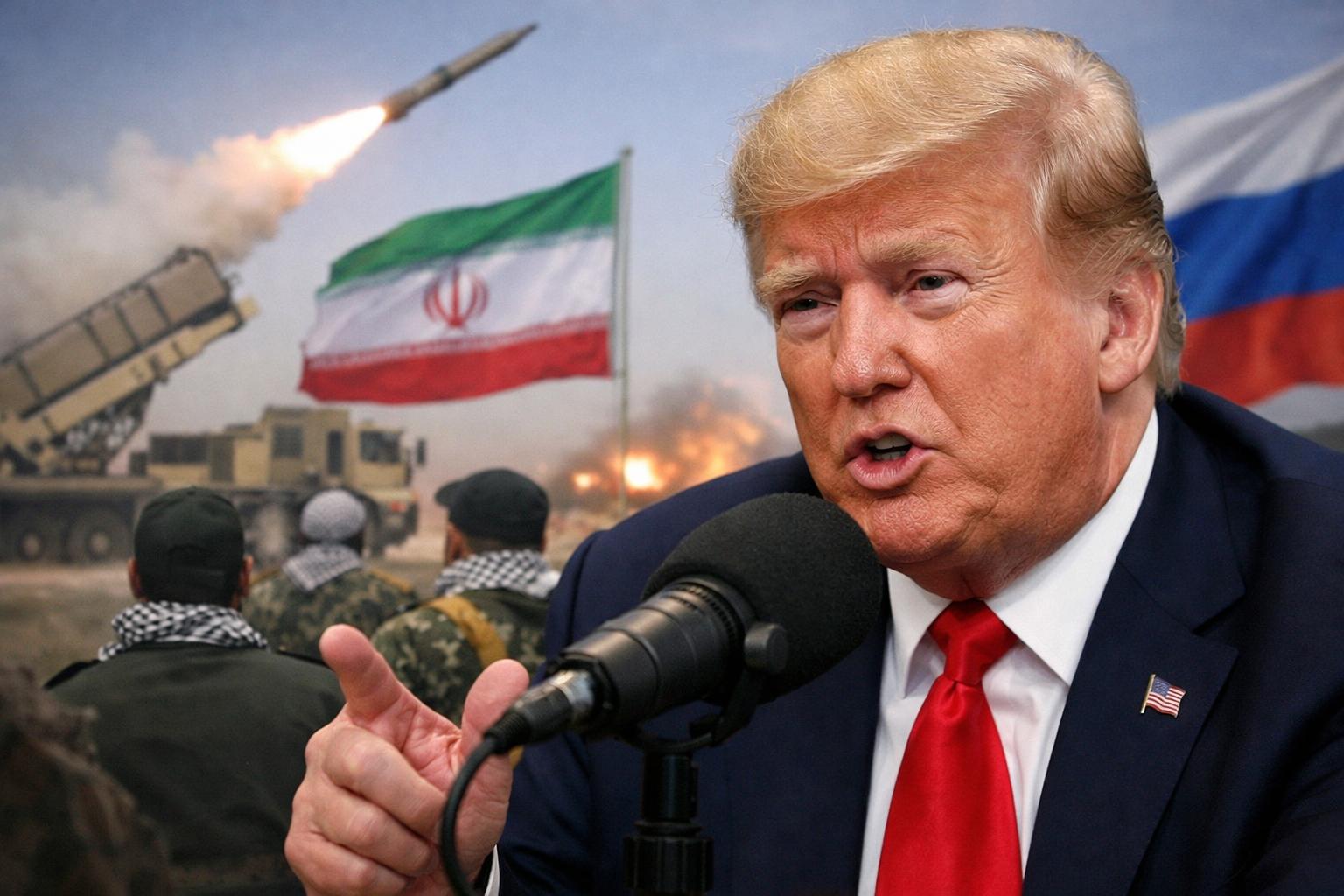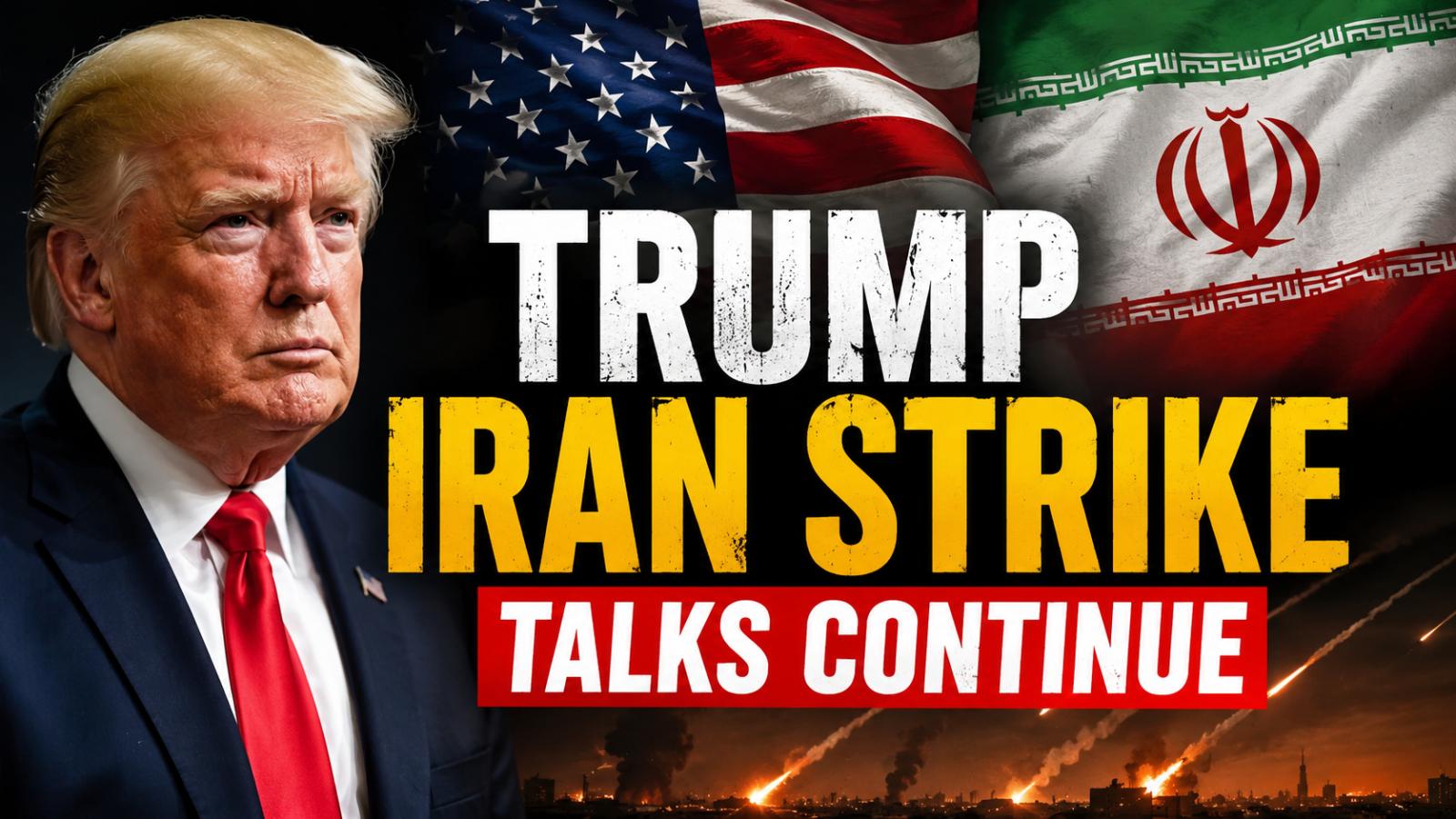
US President Donald Trump said Washington remains engaged in Trump Iran strike talks and has not decided whether to order major new military action. He said diplomacy remains the preferred path but warned that the US military could escalate strikes if negotiations fail.
Diplomacy Remains the Preferred Option
Speaking on Friday, July 24, Trump confirmed that American officials were communicating with Iran as Washington considered the next stage of its policy toward Tehran.
“We’re talking to them right now,” Trump said when reporters asked whether Americans should expect significant new military action. He added that the administration would assess what emerged from the discussions before making a final decision.
The president presented diplomacy as the better outcome but made clear that negotiations would not continue without pressure. His remarks reflected Washington’s attempt to combine direct talks with a credible threat of further military action.
The White House listed Trump’s public appearances and announcements on July 24, while its official communications have continued to describe negotiations and military pressure as parallel parts of the administration’s Iran policy.
Strikes Could Intensify if Talks Fail
Trump said the United States could continue targeting Iran gradually or increase the pace of its campaign. He described the choices as striking “piece by piece” or acting “in a more rapid fashion.”
However, he argued that reaching a negotiated agreement would produce a better result than an expanded conflict. Trump did not disclose which Iranian representatives were involved, what proposals were under discussion or whether the two sides had resolved any major disputes.
The warning carries weight because the US military has already demonstrated its ability to conduct large-scale operations against Iranian nuclear and military targets. Official US defense statements have repeatedly said the administration’s central objective is preventing Iran from obtaining a nuclear weapon.
Nuclear Restrictions Remain Central
Trump said Iran appeared to be treating the latest discussions more seriously, although he acknowledged that the process could still collapse. He again insisted that any agreement must prevent Tehran from acquiring a nuclear weapon.
That condition remains the central obstacle in Washington–Tehran negotiations. The administration wants restrictions that it considers enforceable and durable, while Iran has historically defended its right to operate a civilian nuclear program.
The White House has consistently stated that Iran may pursue economic development but cannot be permitted to obtain nuclear weapons or threaten the United States and its allies.
Vance and Rubio Join the Discussions
When reporters asked who was participating in the diplomatic effort, Trump replied that “sort of everybody” was involved. He specifically named Vice President JD Vance and Secretary of State Marco Rubio among the senior officials taking part.
The involvement of both officials suggests the negotiations extend across diplomatic, national security and political channels. Trump provided no timetable for an agreement and did not indicate when he might decide whether to authorize additional strikes.
For now, Washington is keeping both options open. Diplomacy could limit the risk of a wider Middle East conflict, but the threat of military escalation will remain unless the United States and Iran reach a verifiable nuclear agreement.